by Preparation | Jul 31, 2025 | Preparedness
In a world where natural disasters can strike with little warning, understanding the importance of disaster preparedness is crucial. It’s not merely a task on your to-do list; it’s an essential component of safeguarding your family and property. Preparedness means being proactive rather than reactive, ensuring you have the tools and strategies in place to respond effectively when emergencies arise.
The first step in this journey is assessing your risks. Different regions face unique challenges—be it hurricanes, earthquakes, floods, or wildfires. Take time to research the types of disasters that are most prevalent in your area. This knowledge will guide your planning efforts. For instance, if you’re living in a flood zone, prioritizing water-resistant supplies and evacuation routes becomes paramount. By identifying potential threats specific to your environment, you can tailor your preparedness strategy accordingly.
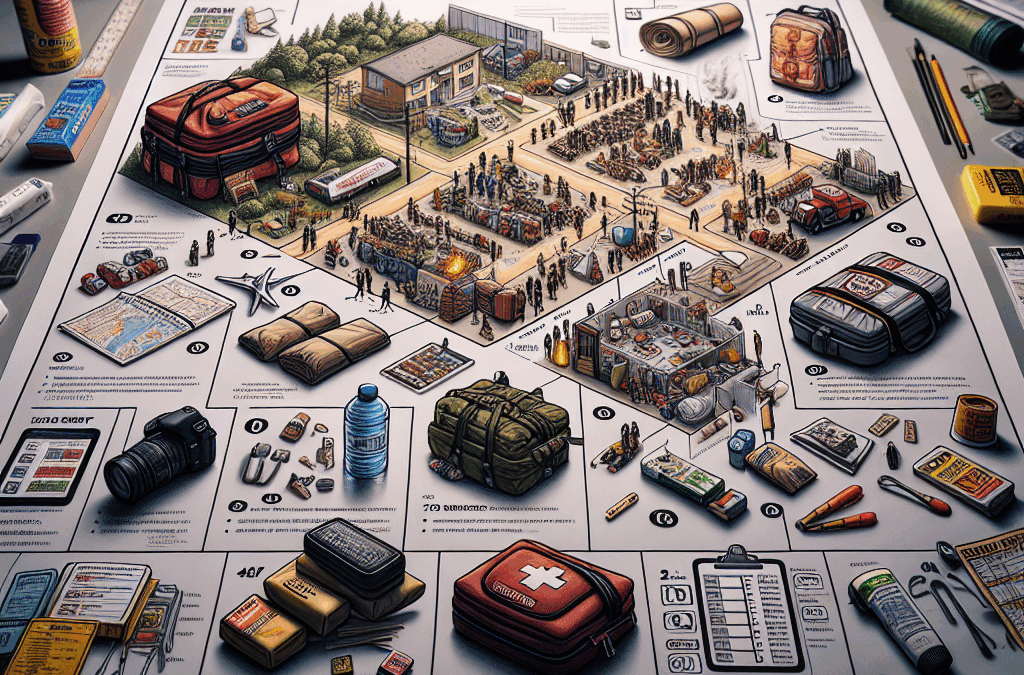
Once you’ve assessed your risks, it’s time to build your emergency kit. This kit should be a treasure trove of essential supplies that will sustain you during challenging times. Think beyond just bottled water and snacks—include items like first aid supplies, flashlights with extra batteries, multi-tools, blankets, and hygiene products. Don’t forget about medications specific to family members’ needs as well as important documents stored in waterproof containers. A well-stocked emergency kit can make all the difference when facing unexpected disruptions.
Equally important is creating a family emergency plan that covers communication and evacuation strategies. Discuss these plans with every member of the household so everyone knows what to do before disaster strikes. Establish meeting points outside the home where everyone can gather after an evacuation—this reduces confusion amidst chaos. Moreover, consider designating an out-of-town contact person who can relay information if local networks become unreliable during a crisis.
Staying informed is another critical aspect of effective disaster preparedness. Utilize alerts from local authorities or download apps designed for real-time updates about weather conditions or emergencies in your area. Social media platforms often provide timely information too; however, ensure you rely on verified sources for accuracy—disinformation can spread rapidly during crises and create unnecessary panic.
Regularly reviewing and updating your preparedness plan is vital for staying ready for anything life throws at you. Situations change over time—new family members may join the household or personal circumstances might shift—and it’s important that your plan evolves accordingly. Set aside time annually (or biannually) to revisit each component: assess any new risks based on environmental changes or recent events; replenish expired items in your emergency kit; and practice drills with the entire family so everyone feels comfortable executing the plan.
Disaster preparedness isn’t simply about having supplies ready; it’s about cultivating resilience within yourself and those around you. By understanding risks, designing comprehensive plans, staying informed through reliable channels, and regularly reassessing strategies—you equip yourself with confidence against uncertainty. Remember: being prepared isn’t just smart—it could very well be lifesaving! So take these steps seriously today because tomorrow may bring surprises we least expect!
by Preparation | Jul 31, 2025 | Preparedness
Understanding the Importance of Water Filtration
Why Filter Your Water?
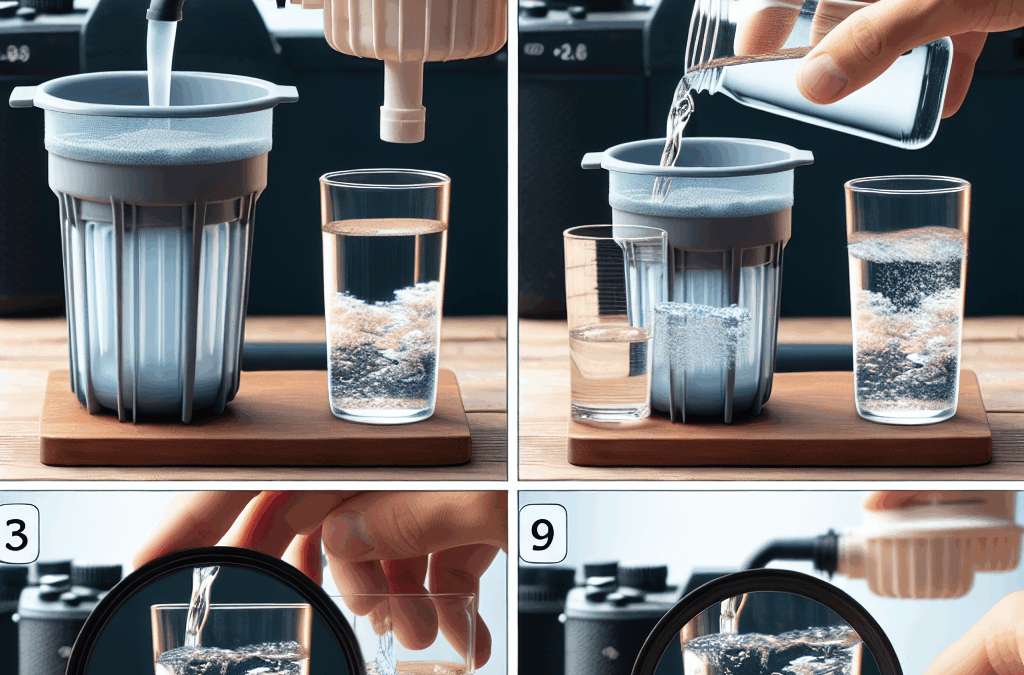
Let me tell you, filtering water isn’t just about making it look clear. I’ve learned that unfiltered water can carry tons of contaminants that can seriously mess with your health. Whether it’s nasty bacteria, harmful chemicals, or obvious debris, you really don’t want any of that in your system. I’ve experienced firsthand what can happen when I’ve neglected to filter my water properly, and trust me, it’s not pretty!
The thing is, our water supply can sometimes be compromised. If you live in a city, the water treatment processes aren’t 100% foolproof. I like to think of filtering water as insurance for my health. It offers peace of mind knowing that I’m drinking clean water that’s free from those hidden dangers.
Honestly, any time I go camping or when there are severe weather warnings, I always bring my portable water filter. I’ve come to appreciate how crucial it is to filter water, no matter where you are. Clean water is life, and I don’t take that lightly!
Choosing the Right Water Filter
Types of Water Filters
Now, when it comes to picking out a water filter, things can get a bit overwhelming. You’ve got your activated carbon filters, reverse osmosis systems, and UV purifiers, just to name a few. Each has its pros and cons, and selecting the right one all boils down to your specific needs. I’ve tried a bunch, but I settled on a carbon filter for everyday use because it’s effective and easy to maintain.
For those camping trips, I’m a big fan of portable filters. They’re lightweight and get the job done without needing electricity or extra tools. Plus, who doesn’t love convenience while enjoying nature? Trust me, having that clean sip of water after a long hike is everything!
Before you settle on a filter, check out reviews and product comparisons. Don’t just pick the first one you see. I’ve learned that sometimes it’s worth paying a bit more for a reliable brand that delivers consistent results. Do your homework, and you’ll be set!
Preparing the Water Storage Containers
Choosing the Right Containers
Alright, so now that you’ve filtered your water, it’s time to store it. Picking the right containers is essential. I’ve found that food-grade plastic or glass containers work best. Make sure they’re BPA-free because yikes, nobody wants chemicals leaching into their water!
When I first started storing water, I used soda bottles. Big mistake! Those suckers can break down over time and let nastiness get in. So, learn from my mistakes and invest in proper containers. Buckets with tight seals work great for short-term storage, while larger tanks can store tons for when you’re in sticker shock during a natural disaster.
Before using any container, I always rinse it out with vinegar or a solution of mild soap. After all, you want to start on the right foot, right? And remember, every time you refill, give those containers a good wash to prevent any bacteria buildup.
Storing Your Filtered Water
Optimal Storage Conditions
Storing your water isn’t just plopping the containers anywhere and calling it a day. I’ve learned that keeping my water in a cool, dark place makes a huge difference. Avoid sunlight and heat, which can cause algae growth or even a funky taste over time. You want your water to taste fresh and clean!

Another key thing to remember is to fill your containers to the brim. Air can promote bacteria growth, and like I mentioned before, that’s a no-go for me. I ensure there’s minimal air space by filling them up completely, sealing tightly afterward to keep it all safe from any contaminants.
If you’re storing for the long haul, make a note of when you filled each container. I’ve started labeling mine with dates, so every six months, I refresh the contents. Keeping everything organized helps when I need to quickly grab water and ensures I’m always drinking the freshest stuff!
Regular Maintenance and Testing
The Importance of Water Testing
After you’ve gone through all that trouble to filter and store your water, it’s essential to keep an eye on it. Water doesn’t just stay clean on its own. I found out the hard way—nothing like opening a container to find murky water! So, make it a habit to test your stored water regularly for taste, odor, and any visible impurities.
There are affordable home testing kits that I always keep on hand. It’s super easy to use, and I can’t stress enough how much peace of mind it brings. If the water ever seems off, I don’t hesitate to dump it and start fresh.
Also, if you live in an area where water quality changes frequently, keep up with local water advisories. Knowing what’s happening with the broader water supply can help adjust how I filter and install new practices to keep my water pristine.
FAQ
1. Why should I filter my water?
Filtering your water removes harmful contaminants, ensuring your drinking water is safe and healthy. This is crucial for preventing illnesses caused by bacteria, chemicals, and other undesirable elements.
2. What types of filters are best for home use?
Some of the best filters for home use include activated carbon filters, reverse osmosis systems, and UV purifiers. The right one depends on your specific needs and the contaminants in your water supply.
3. How do I know if my storage containers are safe?
Use food-grade containers made from BPA-free plastic or glass. Always clean them thoroughly before filling them with water to prevent any contamination.
4. How often should I replace my stored water?
It’s good practice to refresh your stored water every six months. Using dates to label your containers can help keep track of when to replace them.
5. How can I test my stored water for quality?
You can use simple home testing kits available at most stores. These kits can check for contaminants, pH levels, and other factors that indicate the quality of your water.
by Preparation | Jul 31, 2025 | Preparedness
Disasters can strike when we least expect them, from raging wildfires and devastating floods to sudden earthquakes and severe storms. Understanding the risks in your area is the first step towards effective disaster preparedness. Identify potential threats by researching local history, consulting with emergency management agencies, or participating in community discussions. Knowledge is power—knowing what could happen helps you prepare accordingly.
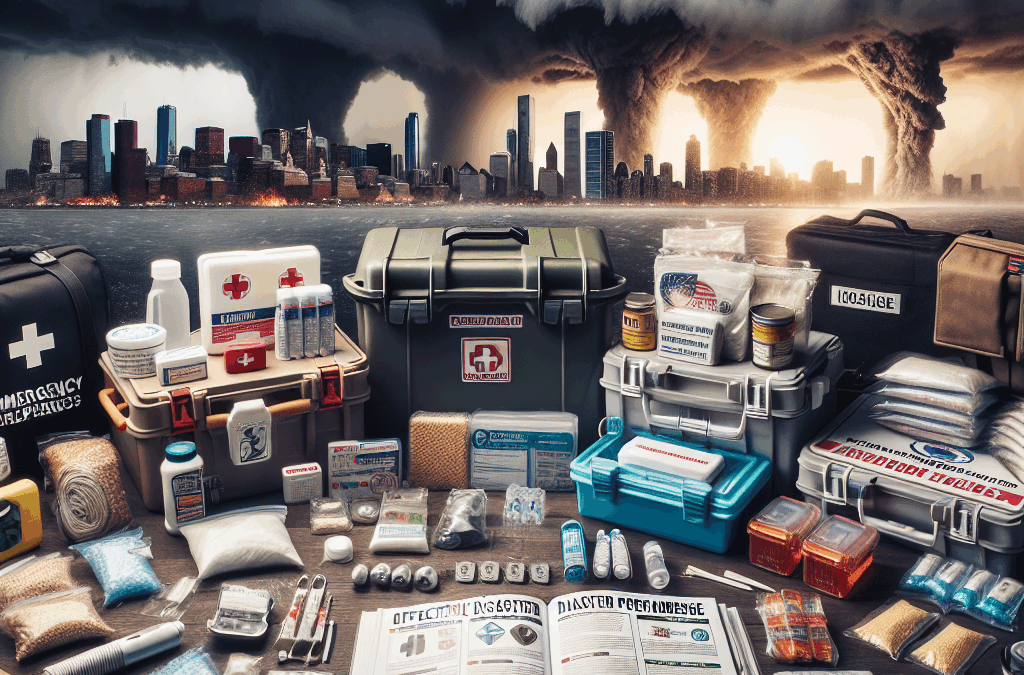
Once you’re aware of the risks, it’s time to build an emergency kit. This kit should be tailored to your household’s specific needs but generally includes essential supplies like water (one gallon per person per day for at least three days), non-perishable food items, a flashlight, batteries, a first aid kit, and necessary medications. Consider adding important documents (like insurance policies and identification) stored in a waterproof container as well as personal hygiene products. Don’t forget about your furry friends; include pet supplies if you have animals in your home! Regularly check and refresh the contents of your kit to ensure everything remains usable.
Creating a family disaster plan is equally crucial. Sit down with your loved ones to discuss evacuation routes, meeting points, and communication strategies during emergencies. Assign roles so that everyone knows what to do when chaos ensues; this clarity offers peace of mind amid uncertainty. Designate a contact outside your immediate area who can serve as a point of communication if local lines go down—this could be invaluable for coordinating safety across distances.
Staying informed plays a paramount role in disaster preparedness. Sign up for local alerts via apps or services that provide real-time updates on weather conditions and emergency situations. Familiarize yourself with NOAA Weather Radio or utilize smartphone apps dedicated to alerting users about impending disasters in their vicinity. Having access to timely information will empower you to make informed decisions quickly—whether it’s evacuating before a storm hits or seeking shelter during an unexpected crisis.
While individual preparedness is vital, community resilience enhances overall safety during disasters. Engage with neighbors through local initiatives such as neighborhood watch programs or community preparedness workshops. Collaborate on creating emergency plans that encompass collective resources like shared tools, food supplies, or even designated safe spaces during emergencies. Building relationships strengthens social ties; together you can create networks where support flows freely during turbulent times.
Moreover, consider volunteering with local organizations focused on disaster response efforts—they often provide valuable training opportunities while fostering connections among residents who share similar concerns about safety and well-being.
In conclusion, being prepared doesn’t mean living in fear; rather it empowers you with confidence and readiness for whatever may come your way. By understanding the risks unique to your location, assembling an adequate emergency kit tailored to your family’s needs, crafting thoughtful communication strategies through family planning sessions, staying informed about evolving situations around you—and working alongside others—you lay the groundwork for not just surviving but thriving even amidst adversity.
So take action today! Because when it comes down to it—the best time to prepare was yesterday; the second best time is now!




