Select Page
The Importance of Local Knowledge in Preparedness

The Importance of Local Knowledge in Preparedness

Understanding Local Geography and Environment

Familiarity with Terrain

In my experience, understanding the local terrain can be a game changer when it comes to preparedness. Whether it’s knowing the nearest routes for evacuation or identifying natural barriers, a good grasp of the geography allows us to make informed decisions. If disaster strikes, those who know the lay of the land have a head start on escaping or finding safe havens.

I’ve often relied on my knowledge of local parks, rivers, and hills during emergencies. These features can act as natural refuges or obstacles, and knowing where they are can be crucial when time is of the essence. Take a moment to explore your area and envision how you would navigate it in a pinch. It can really pay off!

Plus, we have a bunch of hidden gems right in our backyards that can serve as rallying points or shelters. When we utilize these spots for preparedness, we’re not just planning— we’re engaging with our community and making connections that could save lives.

Community Networks and Resources

Local Organizations and Support Groups

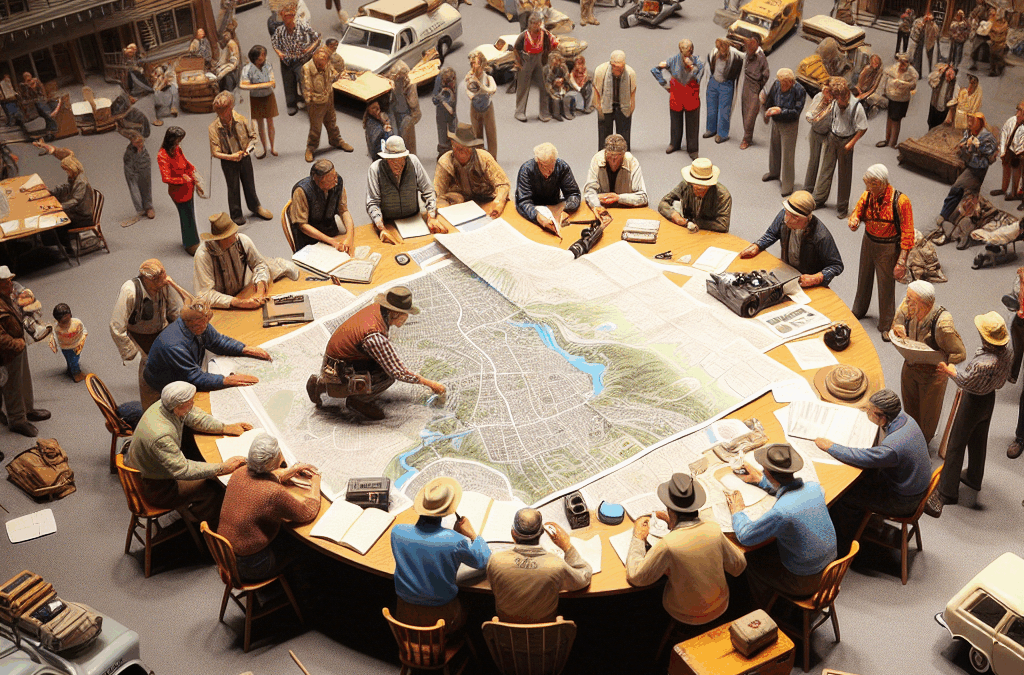
Building a strong local network can make all the difference during a crisis. In my town, we have numerous organizations dedicated to disaster preparedness. From volunteer fire departments to local Red Cross chapters, these groups provide essential resources and support when things get tough.

Engaging with these organizations not only keeps us informed about safety protocols and resources but also allows us to form relationships with people who will be there for each other in challenging times. I’ve met some incredible folks while volunteering, and these connections have proven invaluable during emergencies.

Moreover, these local groups often offer workshops and training courses. I’ve attended a few myself and learned critical skills, like first aid and emergency response tactics. Knowledge sharing among community members leads to collective strength—a pillar of preparedness that shouldn’t be overlooked!

Cultural Insights and Local Traditions

Understanding Community Responses

One thing I’ve learned is that local cultures influence how communities respond to disasters. What might work in one area could fall flat in another due to differing values or traditions. Knowing these subtleties can help tailor our preparedness efforts to resonate with the folks around us.

For instance, family gatherings during holidays often serve as excellent opportunities to discuss emergency plans. Since many folks prioritize family, integrating preparedness discussions into these settings can ensure that information is communicated effectively. I’ve seen this work wonders in my community, fostering a sense of shared responsibility.

Plus, utilizing local traditions can serve as a way to strengthen the community fabric. Incorporating cultural events into preparedness activities not only makes learning fun but also ensures everyone feels included—because let’s be honest, nobody wants to feel left out during a crisis!

Local Emergency Services Knowledge

Contacts and Services Available

When it comes down to it, knowing who and what is available locally can save your life. I’ve spent time familiarizing myself with local emergency services, and trust me, it’s worth it. From understanding the closest hospital’s location to knowing the contact numbers for the fire department, having this knowledge at my fingertips is empowering.

Copy of PREPARE Mag ad 970 x 250

Another aspect of this is knowing the capabilities of local services. Some areas might have specialized units like swift water rescue teams or hazmat responders. I can’t tell you how many times I discovered resources that I had no idea even existed until I started digging around!

And let’s not forget about social media; many local services have active online presences now. Following them keeps us informed on immediate responses during emergencies—updates that can be critical for preparedness.

Preparedness Education Tailored to Locale

Workshops and Training Resources

Last but not least, continuously learning about preparedness is vital. Participating in local workshops not only equips us with skills but also connects us to fellow community members on the same mission. These trainings often focus specifically on the types of disasters common in our area, ensuring that we are prepared for genuine threats.

For example, I attended a workshop that focused solely on hurricanes, which was super helpful because my region faces this risk. Learning about storm preparedness, like securing homes and creating a disaster supply kit, was eye-opening. The local emphasis on our specific risks made it all the more relevant.

There’s also an empowerment aspect; taking charge of my preparedness journey has helped me feel less anxious about potential threats. By sharing these experiences with others, we create a ripple effect of knowledge that enhances community resilience.

FAQ

Why is local knowledge crucial in emergencies?

Local knowledge provides insight into geography, resources, and community dynamics that can significantly impact preparedness and response efforts. It helps us navigate effectively during emergencies.

How can I start learning about my area’s resources for preparedness?

Begin by connecting with local organizations like the Red Cross or community centers. They often offer programs, workshops, and information about local emergency services.

What role do local networks play in crisis management?

Local networks provide support, share knowledge, and foster collaboration among community members. They enhance collective preparedness and ensure everyone has access to essential information and resources.

How can cultural insights impact preparedness strategies?

Cultural insights can shape how communities view emergencies and respond to them. Tailoring preparedness strategies to fit local customs can lead to more successful engagement and compliance.

Why should I participate in local preparedness training?

Participating in local training equips you with practical skills tailored to your area’s specific threats, creating a sense of community while building personal confidence in handling emergencies.


Copy of PREPARE Mag ad 970 x 250

From Panic to Prepared: Building Your Emergency Action Plan

From Panic to Prepared: Building Your Emergency Action Plan

In a world where unpredictable events seem to be the new norm, the significance of emergency preparedness cannot be overstated. Whether it’s natural disasters like hurricanes and earthquakes or man-made emergencies such as power outages and pandemics, being ready can mean the difference between chaos and calm. Understanding the importance of emergency preparedness is your first step towards safeguarding yourself and your loved ones.

To embark on this journey, you must begin with a thorough assessment of your risks. Start by identifying potential hazards in your area. Are you living in a flood-prone zone? Is there a history of wildfires nearby? Perhaps severe storms frequently disrupt life in your community? Pinpointing these risks will help shape an effective plan tailored to your unique circumstances. Make a detailed list, categorizing threats based on their likelihood and severity; this will serve as your foundation for further planning.

Once you’re aware of potential dangers, it’s time to create your emergency action plan—a blueprint designed to guide you through various scenarios. Begin by outlining clear roles for every member of your household. Who will grab the emergency kit? Who’s responsible for pets? Establish meeting points both at home and outside, ensuring everyone knows where to go if separated. It’s also crucial to designate an out-of-town contact person—someone who can relay information if local communication is disrupted. Write down these strategies and keep them easily accessible; clarity breeds confidence when chaos strikes.

graphicstock young man with protective mask welding in a factory rCQmy56W scaled

A well-stocked emergency kit is central to any effective action plan. What should it contain? Start with the essentials—non-perishable food items, water (at least one gallon per person per day), first aid supplies, flashlights, batteries, hygiene products, important documents (like IDs and insurance papers), and any necessary medications. Don’t forget about comfort items! A favorite book or toy can provide solace during stressful times. Regularly review and update this kit; expired food or outdated medicines won’t serve you well when every minute counts.

Communication during a crisis can often become challenging as regular channels may fail or get overwhelmed. Therefore, establishing solid communication strategies beforehand is vital. Ensure all family members have a list of important contacts saved in their phones—and written down somewhere safe in case of battery failure! Consider utilizing messaging apps that function effectively even under pressure since they may work when traditional calls do not. Additionally, familiarize yourself with local alert systems or apps that provide real-time updates during emergencies.

Lastly, remember that practice makes perfect! Conducting drills ensures everyone is familiar with their roles and responsibilities before disaster strikes—think fire drills but for various scenarios like evacuation or shelter-in-place situations. Schedule regular reviews of your plan—perhaps quarterly—to refresh everyone’s memory and adjust any details as needed (after all, life changes!). These practices build confidence among family members while reinforcing readiness.

When faced with uncertainty, preparation transforms panic into empowerment. By assessing risks, crafting a robust action plan complete with essential supplies, maintaining communication strategies, and regularly practicing drills—the path from panic to prepared becomes clearer than ever before. Take charge today; after all, an ounce of prevention is worth a pound of cure!

How to Signal for Help in Remote Areas

How to Signal for Help in Remote Areas

Use Visual Signals

Colorful and Bright Items

One of the simplest and most effective ways to grab attention in a remote area is to use colorful or bright items. When you’re out in nature, it can be hard to stand out from the surroundings. I once found myself in a thick forest, and the trees were all shades of green and brown. That’s when I realized how vital it was to use something that really pops—like a bright orange backpack or a red jacket. For me, these items became lifesavers.

You can also create a larger visual signal by laying out items in an open space. Think of it like making a giant SOS sign with rocks or logs. The more contrast you create against the background, the better your chances of being seen. Remember to always have a high-visibility item with you when you’re heading into remote areas, just in case.

And don’t forget about reflective materials! If you have shiny or reflective gear, such as a mirror or a space blanket, it can catch the sun’s rays and send a signal over considerable distances. I’ve seen a simple mirror reflect sunlight across a canyon, which really hammered home how powerful these simple tools can be!

Sound Signals

Using Whistles

When I was hiking in a particularly isolated area, I learned the power of sound signals. Whistles are one of the most effective tools you can carry. They require minimal effort and can carry much farther than your voice can. I always keep a whistle clipped to my backpack. It’s lightweight, and the sound carries over long distances, even amidst the wind or rustling trees.

It’s also helpful to remember how to use your voice effectively. Shouting for help can be exhausting, plus it only works if someone is reasonably close. I’ve found that intermittent shouting combined with whistle blows can capture attention better. People are naturally drawn to odd sounds, and alternating between these can really increase your chances of being heard.

Try to use rhythmic patterns, too. For instance, three short blasts on a whistle followed by a pause can stand out better than random noises. It’s like a code that people can easily recognize as a distress signal. I’ve experienced firsthand how this method can draw attention from miles away, especially in secluded terrains.

Fire Signals

Creating a Signal Fire

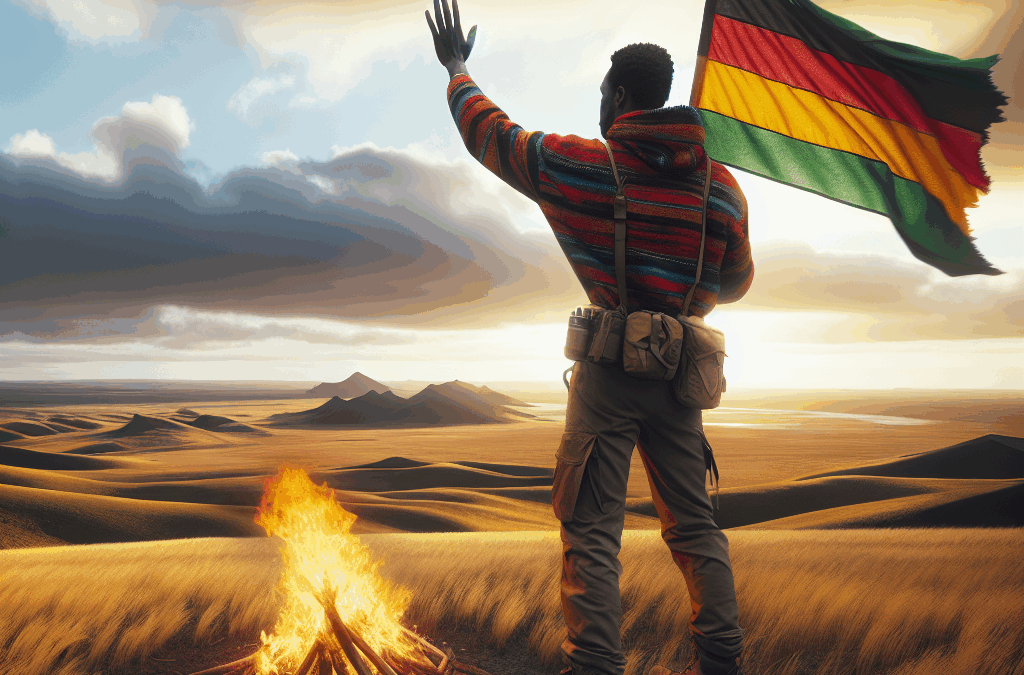
Ah, fire! The age-old method of signaling. When done right, a signal fire can be seen from a far distance, which is why it’s one of my favorite techniques. If you’re in a survival situation, build your signal fire in a clear area and use all available materials to create a smoke signal. I’ve often used green branches or leaves to produce thick smoke that rises high into the air.

Make sure you’re following safety protocols when it comes to fire! It’s important to know the fire regulations in the area, and always have water or an extinguisher handy. You want to signal for help, not create a wildfire! I can tell you from experience that safety should always come first in these situations.

Also, burning pieces of rubber or other materials that produce a lot of smoke can be effective, but only if it’s safe to do so. Always check your surroundings and if there’s any wind direction to consider. Trust me, it’s about being smart while definitely standing out with your fire signals!

Electronic Devices

Using a Satellite Phone or GPS Device

If you’ve got access to technology, it can make signaling a breeze. I remember one time being out on a remote camping trip when I realized how handy having a satellite phone could be. It allows you to call for help without relying on cellular service, which is often nonexistent in isolated areas.

Copy of PREPARE Mag ad 970 x 250

Always keep your electronics charged before heading into the wild. I also suggest carrying a portable solar charger, just in case you need a power boost in the middle of your adventure. With these devices, sending out your location or a distress message could be as simple as pressing a button, cutting out the stress of trying to find your way back.

Plus, many modern devices also have SOS features that send your location along with a help request. I’ve found peace of mind knowing that my devices give me that safety net when I’m out exploring. It’s a game changer and can literally be your lifeline in emergencies.

Enlisting Natural Signals

Using Wildlife and Nature

Believe it or not, nature can assist you in signaling for help. Animals often act as indicators of human presence or potential dangers. For instance, if you see birds flocking in one direction, it can indicate the presence of water, people, or even food source nearby. In my early days of backpacking, I learned to keep an eye on wildlife behaviors—it’s fascinating how they can lead you to safety naturally!

Gathering natural resources to help make your signals louder or clearer is also crucial. Using a walking stick, for instance, to tap on trees or rocks can create a rhythmic signal. I often used this method when I was further away from more populated areas. It can produce a unique sound that might catch the attention of other hikers.

Moreover, learning the behavior of local wildlife can help you communicate more effectively. An approach I employed was whistling to mimic bird calls, allowing me to echo back and forth in responses. It’s amusing how much we can learn from the creatures around us, and it can definitely help increase your chances of being noticed!

FAQ

1. What’s the best way to signal for help in the wilderness?

The best way to signal for help is to combine visual signals, like brightly colored items or smoke, with sound signals, such as whistles and shouting. Each method amplifies the chances of being noticed.

2. Can I use electronic devices for signaling?

Absolutely! Satellite phones or GPS devices are excellent for signaling in remote areas. Just ensure they’re charged and functional before your trip.

3. What should I include in my emergency kit for signaling?

An emergency kit should include a whistle, reflective items, a signal mirror, possibly a satellite phone, and materials for making a fire. Always be prepared!

4. How do I create a signal fire safely?

To create a signal fire safely, find a clear area away from flammable materials. Use dry wood and add green foliage for thick smoke. Always have water or an extinguisher on hand and follow local regulations on fire safety.

5. How do natural signals help in emergencies?

Natural signals can guide you toward resources or potential help. Animals’ behavior can indicate safety, while using natural materials can amplify sound or visual signals in your surroundings.

Copy of PREPARE Mag ad 970 x 250