by Preparation | Jul 31, 2025 | Preparedness
Understanding the Basics of Tool Crafting
The Importance of Nature’s Resources
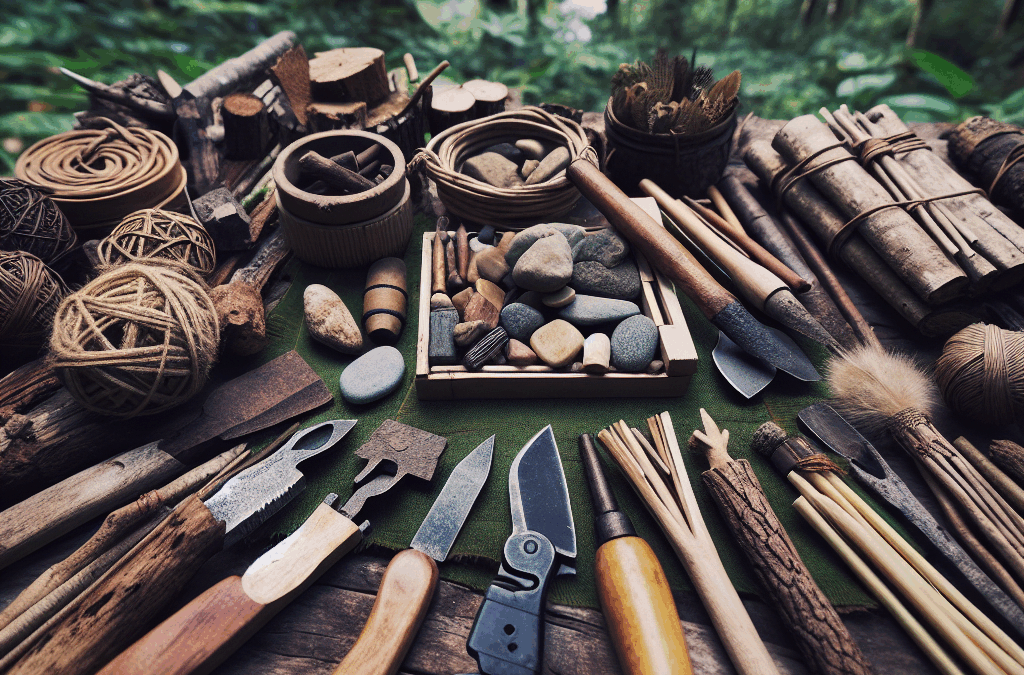
Let me tell you, there’s something incredibly satisfying about making your own tools from materials you find in nature. They not only save you cash, but they also give you a great sense of accomplishment. Since ancient times, humans have relied on the bounties of nature to create everything from simple utensils to complex hunting tools. It’s kind of like tapping into an age-old survival instinct that’s been passed down through generations.
When you think about it, nature has everything you need. Sticks, stones, and leaves can all be transformed into functional tools. Just imagine hacking your way through the bush with a spear or carving out a pot for cooking. It’s empowering! Plus, it connects you to the environment in a way that you’ve probably never experienced before.
Understanding the resources around you is crucial. Knowing what can be fashioned into tools can greatly enhance your survival skills. Rather than viewing the wild as intimidating, I’ve learned to see it as a treasure trove of potential. So, keep your eyes peeled, folks; nature is filled with hidden gems just waiting to be uncovered!
Identifying Potential Materials
Common Materials in Your Surroundings
As I’ve explored various terrains, I’ve learned to identify materials that can be turned into tools. For example, sturdy branches make great handles for implements like knives or axes. You might even find tougher roots that can serve the same purpose. When you’re out gathering, look for materials that seem particularly durable or flexible. These will be your best friends in crafting!
Rocks are another treasure. Some are sharp enough to be fashioned into cutting tools. You can flake away smaller pieces to create a sharp edge, turning an ordinary stone into something you can easily slice with. Over time, you become adept at picking out which stones can do the job, and it’s thrilling to turn something so rugged into a useful tool!
Don’t overlook natural fibers, either. Plants like hemp or even certain types of grasses can be twisted into cords for binding or lashing. I’ve wrapped them around my spearheads and axes to create a more secure grip. The point is, once you start recognizing these materials and their potential, your imaginations for tools will soar!
Crafting Your First Tool
Step-by-Step Method for Tool Creation
Now comes the fun part—actually crafting your tool! I remember my first time trying to make a simple spear. Start off by selecting a straight, sturdy branch as your base. This will be the handle, and you want something that feels comfortable in your grip. Don’t rush this; a good foundation helps make an effective tool!
Next, look for a sharp stone to create your spear tip. I would usually find one that fits nicely in my hand. If you’re unsure how to shape your stone, start by lightly tapping it with another stone to chip away at it—think of it as sculpting! It’s crucial to be careful here, as you want it to be sharp enough to do the job, but not so jagged that it’s unusable.
Finally, secure the stone to the wooden handle using plant fibers for a tight fit. I’ve often knotted the fibers around the base of the stone and the handle several times. This part took a bit of practice, but once it’s well-strapped, you’ll have a trusty spear that’s ready to go. Remember, the first tool might not be perfect, but it’ll get you started!
Practicing Your Skills
Refining Techniques and Tool Usage
Once you’ve made your first tool, practice using it! Early on, I was clumsy; I dropped my crude spear several times, and got frustrated. But with practice, I began to master the art of tool usage. Start by utilizing your tool in controlled settings—maybe a backyard or a safe area in the woods where you can hone your skills without feeling pressed.

Experimenting with your crafted tools will teach you what works best for your style of use. For instance, I discovered the importance of balance when throwing a spear. It’s all about trial and error, and each mistake will make you a better craftsman in the long run. Just embrace the learning curve!
In no time, you’ll be using your handmade tools for practical tasks like gathering food or constructing simple shelters. The key is to remain patient and observant. Recognizing the right techniques will elevate your confidence tremendously, laying the groundwork for more intricate projects down the line!
Sharing and Learning from Others
The Value of Community Learning
One of the most enjoyable aspects of immersing myself in the world of DIY survival is sharing experiences and learning from the community. There are so many passionate folks out there who have valuable knowledge to share. Participating in workshops or online forums is an easy way to expand your horizons and delve deeper into crafting tools.
During my journey, I’ve joined local survival groups where we gather to trade tips and techniques. We often hold competitions to see who can create the most effective tool from the materials we find in nature. It’s a playful way to test your mettle and learn some creative tricks from peers. Plus, the camaraderie is hard to beat!
Don’t underestimate social media either! From YouTube tutorials to Instagram craft challenges, there’s a plethora of resources available. Last week, I stumbled upon an online community sharing unique methods of cordage making, and it took my own skills to a new level. Engaging with others not only deepens your knowledge, but it also builds friendships along the way!
Frequently Asked Questions
1. What materials are the best for crafting tools?
Some of the best materials you can find include sturdy branches for handles, sharp stones for cutting, and natural fibers for binding. It’s all about looking around and using what nature provides!
2. Can I craft tools safely?
Absolutely! While crafting tools can involve some risks, practicing safety guidelines like using gloves and being cautious with sharp stones can significantly reduce accidents. Take it slow, and don’t rush through your projects!
3. How do I learn more about crafting tools?
Engaging with local survival groups, watching online tutorials, or attending workshops are excellent ways to enhance your skills. Learning from others and sharing experiences can really help you grow.
4. What’s the easiest tool to start with?
A spear or a simple cutting tool is often the best starting point. They’re relatively straightforward to make and use, allowing beginner crafters to build confidence while honing their skills.
5. Can I use these tools in modern times?
Definitely! While these tools are excellent for survival situations, many people also enjoy them for recreation, gardening, or camping activities. It’s all about using your creativity and enjoying your time outdoors!
by Preparation | Jul 31, 2025 | Preparedness
Assess What You Have
Taking Inventory of Supplies
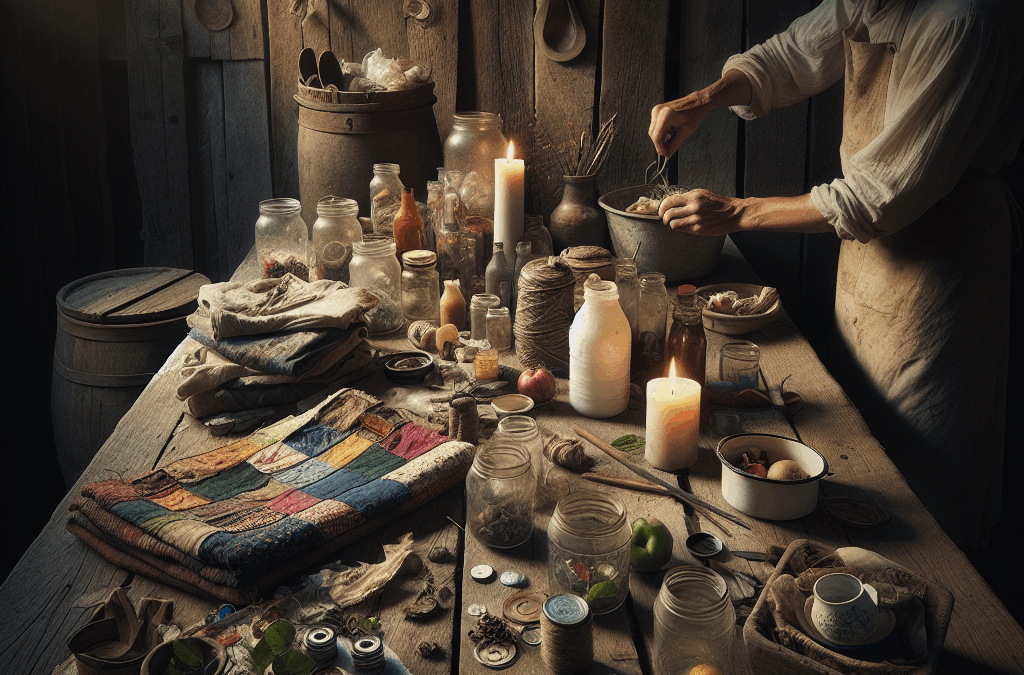
First off, let’s start by gathering everything you’ve got. This might seem like a no-brainer, but you’d be surprised how often we overlook things just lying around. I always take a good look around my place and make a list of possible supplies—anything from old paint cans to empty jars. You’d be amazed at the potential inside your home!
Next, categorize these items based on their uses. Grouping them can stimulate creativity and give you a clearer picture. For instance, if you have a bunch of crafting goodies like scrap paper, glue, and markers, you can whip up something cool. Everything you’ve got might just have a purpose waiting to be discovered!
Lastly, don’t underestimate the power of your culinary pantry. Even limited ingredients can inspire some delicious meals. I often find that I can whip up a gourmet dinner with just a few staples—some rice, beans, and frozen veggies can work wonders.
Get Creative
Use What You Have in New Ways
When supplies are low, creativity skyrockets. This is where the fun begins! For example, if you’ve got a slightly outdated tablecloth but it’s not beyond saving, how about turning it into a cute bag? I’ve done this with some old sheets; it turned out surprisingly well!
Look for inspiration in unexpected places. Sometimes simply scrolling through social media can spark an idea. I once found a DIY tutorial that helped me transform leftover fabric scraps into quirky coasters. Seriously, it’s all about thinking outside the box!
Also, don’t shy away from mixing materials. I’ve found that combining what seems like mismatched items can surprisingly yield great results. A cereal box and some tape can become a makeshift organizer! Embrace the challenge and allow yourself to play around.
Plan Ahead
Prioritize Your Needs
Now that you’ve assessed your supplies and let your creativity loose, planning ahead is key to making the most out of what you have. Make a list of what’s essential. You don’t want to waste time on projects that won’t serve your immediate needs. For example, if you need to fix something around the house, that should take precedence over crafting a wall decoration.
Once you have your priorities set, think about how you can stretch your supplies to last. I always try to make things that have multiple uses or can be repurposed later down the line. That really helps reduce waste and gets you more bang for your buck!
Stick to your plan, but also stay a little flexible. Sometimes, as you start using supplies, new ideas emerge. I’ve often changed my initial plan halfway through, and it ended up being a more satisfying outcome. Just stay adaptable!
Engage with Community Resources
Utilize Local Groups
Engaging with your community can be a game changer when working with limited supplies. You’d be surprised by how generous people can be when they know you’re in need of something. Joining local Facebook groups or community forums is a great way to connect with others who might have extra materials they’re willing to share or trade.
I’ve gotten my hands on some incredible items just by reaching out on social media. Once, I posted asking for any leftover paint for a project. A neighbor gave me an entire bucket! Sometimes a simple ask can yield surprising results.
Another option is to check out community centers or libraries. Many offer workshops or even lend out tools and supplies. It’s a win-win situation, and you also get to learn something new. Plus, you can meet like-minded people along the way who share your drive to maximize limited resources.
Learn to Adapt and Improvise
Problem-Solve on the Fly
Perhaps the most important aspect of making do with limited supplies is the ability to adapt. No two situations are alike, and that’s where the fun lies! When things don’t go as planned, think about how you can modify your project with what you have. It’s all about finding solutions and adjusting your approach.
I’ve encountered plenty of hiccups—a missing tool here, a crucial ingredient there—but I learned to improvise. If I need a hammer and I don’t have one, I can always use a heavy book or a rock for a makeshift solution. The first time I did this, I felt like a real life MacGyver!
Remember, perfection isn’t the end goal. Making do with limited supplies challenges us to stretch our imagination and learn new skills. Embrace the process, and don’t be afraid of trial and error. Every misstep is just another learning opportunity and brings you one step closer to crafting something amazing!
Frequently Asked Questions
1. What should I do first when I have limited supplies?
Start by taking an inventory of what you have. Sometimes, we overlook great materials that can be re-purposed or used in innovative ways.
2. How can I spark creativity with limited resources?
Experiment with new ways to use your supplies and look for inspiration from online resources. Pair different materials together and don’t shy away from mismatches—they can lead to unique results!
3. Is it worth reaching out to my community for help?
Absolutely! Local community groups, whether online or in-person, can offer connections to additional supplies, trading opportunities, or shared resources.
4. What if my original plan doesn’t work out?
Adaptation is key! If something doesn’t go as planned, think creatively about how you can modify your approach with what you have on hand. Flexibility can lead to unexpected success!
5. Can I really create something useful with very few materials?
Yes! Many amazing projects can be accomplished with minimal supplies. It often requires a bit more creativity and problem-solving, but the results can be just as rewarding!

by Preparation | Jul 31, 2025 | Preparedness
Critical Thinking
Understanding the Basics
Let me tell you, critical thinking is like the superpower that we all need. It’s all about evaluating information and making informed decisions. I learned that recognizing biases in myself and others is crucial. It helps to steer clear of misinformation, which is everywhere nowadays.
As I dove deeper, I found that questioning assumptions is key. Each time I followed a common belief, I practiced asking, “Why do I think this?” This simple habit opened my eyes to new perspectives and made discussions much more interesting!
Finally, developing reasoning skills has been a game changer. I started by breaking down complex problems into smaller parts, which has made tackling big issues less overwhelming. Trust me, the earlier you start, the better off you’ll be.
Effective Communication
The Art of Listening
Communication isn’t just about talking; it’s also about really listening! First off, I learned that active listening means being fully present in a conversation. It’s about catching those little details that could make or break a connection.
I also worked on my non-verbal communication skills. With a simple nod or a comforting smile, I realized how much I can communicate without saying a word. This body language aspect made my discussions more engaging and meaningful.
Finally, asking open-ended questions has helped me dive deeper in conversations. Instead of just a “yes” or “no,” I now encourage people to share their thoughts and feelings, weaving a web of understanding that strengthens relationships.
Time Management
Setting Priorities
Ah, time management – if only I’d mastered it earlier! The first step I took was learning to prioritize tasks. I started using lists, rating tasks by urgency and importance, which made my day-to-day feel less chaotic.
Then, I got into the habit of setting specific, achievable goals. By focusing on what I can realistically accomplish within a certain timeframe, I found I could maintain motivation and drive. Plus, checking things off my list feels amazing!
Lastly, I tried out various productivity techniques, like the Pomodoro Technique. By working in concentrated bursts followed by short breaks, I noticed a huge boost in my productivity levels. It’s like a fun little game that still lets me feel accomplished.
Adaptability
Embracing Change
Adaptability is a skill that has saved me more times than I can count! It starts with changing my mindset towards the unexpected. Rather than panicking when things didn’t go according to plan, I learned to view changes as opportunities for growth.
Incorporating flexibility into my routine has also been crucial. Sometimes, you just need to roll with the punches, right? Adjusting my schedule and being open to new ideas has made my life more interesting.
Lastly, I’ve discovered that seeking feedback and learning from experiences is vital. After any significant project, I always ask, “What could I have done differently?” This reflection has really shaped my ability to adapt and improve.
Financial Literacy
Understanding Basic Finance
Financial literacy is something that many of us overlook, but it’s essential! I started by grasping the basics – budgeting, saving, and investing. Knowing where my money goes has empowered me big time.
Furthermore, I learned about the concept of compound interest. When I realized how my money could grow over time, thanks to this magic, I shifted my perspective on saving and investing.
Finally, I sought resources that enlighten me on credit scores and loans. Understanding these concepts not only boosts my confidence in financial conversations but has helped me make way smarter decisions in life.
FAQs
What is critical thinking and why is it important?
Critical thinking is the ability to analyze information and make reasoned judgments. It’s super important because it helps us sift through the mass of information we receive daily and make informed decisions.
How can I improve my communication skills?
You can improve by actively listening, using positive body language, and asking open-ended questions. These techniques will enhance both your speaking and listening abilities.
What’s a quick way to manage my time better?
Start by prioritizing your tasks and setting achievable goals. Try using the Pomodoro Technique to break your work into manageable chunks and maintain your focus.
Why is adaptability crucial in today’s world?
Being adaptable helps you deal with unexpected changes and challenges more smoothly. Embracing change allows you to view new situations as opportunities to grow.
How can I start learning about financial literacy?
Begin with the basics of budgeting and saving. Look for online courses or books that cover the essentials of personal finance, investments, and understanding credit.




