Essential First Aid Skills for the Wilderness
Wound Management
Types of Wounds
When I’m in the wild, I’ve learned that wounds can vary significantly. You might experience simple cuts or abrasions, and then there are deeper lacerations that require more attention. It’s essential to identify the type of wound you’re dealing with.
Cuts and scrapes, while often unpleasant, can usually be treated with basic supplies. However, a deep laceration might require stitching or a more complex approach. I remember one time I had a buddy who slipped and fell on jagged rocks. Knowing how to classify the wound was crucial to how we treated him.
Moreover, I always consider the possibility of infection or significant blood loss with deeper wounds. Understanding the signs and symptoms can help in early intervention, which can save a lot of trouble later.
Cleaning and Dressing
The next phase is cleaning and dressing the wound. It’s one of those tasks that, believe me, you don’t want to rush through. First, I always try to keep things sterile—clean water, soap, and antiseptics are your best friends here.
Once you’ve cleaned the wound, the way you dress it can make all the difference. I usually opt for sterile bandages but have been known to improvise with what I find lying around when necessary—just ensure it’s clean! Make sure to cover the wound adequately to shield it from dirt and debris.
Don’t forget, observing the wound regularly is something I can’t stress enough. If it’s showing signs of infection or not healing, further action may be necessary.
Treatment of Major Bleeding
In the wilderness, I’m always prepared for the possibility of dealing with major bleeding. It’s critical to act quickly. I learned a long time ago that applying direct pressure is usually the first step you take. I’ll often use my hands—if you’ve got gloves, awesome, but if not, improvise!
If the bleeding doesn’t stop, elevating the injury can help, and if that fails, you may need to apply a tourniquet. One time, I had to apply a tourniquet to my friend’s arm after he got into a nasty scrape with a sharp branch. Fortunately, knowing when and how to do this was a game-changer.
Ultimately, seeking professional medical help is essential, especially after dealing with a severe bleed. Don’t underestimate the importance of getting the right care after you stabilize the situation.
CPR and Basic Life Support
Recognizing Cardiac Arrest
I can’t stress how important it is to recognize the signs of cardiac arrest. During my outdoor adventures, I always remain vigilant. If someone collapses and isn’t responsive, that’s a major red flag.
Look for signs of breathing—if you don’t see any, it’s time to take action. I remember a time when a fellow hiker had a sudden episode; spotting the signs quickly allowed us to act before it was too late.
Also, don’t hesitate to ask others for help as you begin administering aid. It can feel overwhelming, especially in a remote situation, but teamwork makes a significant difference.
Performing CPR
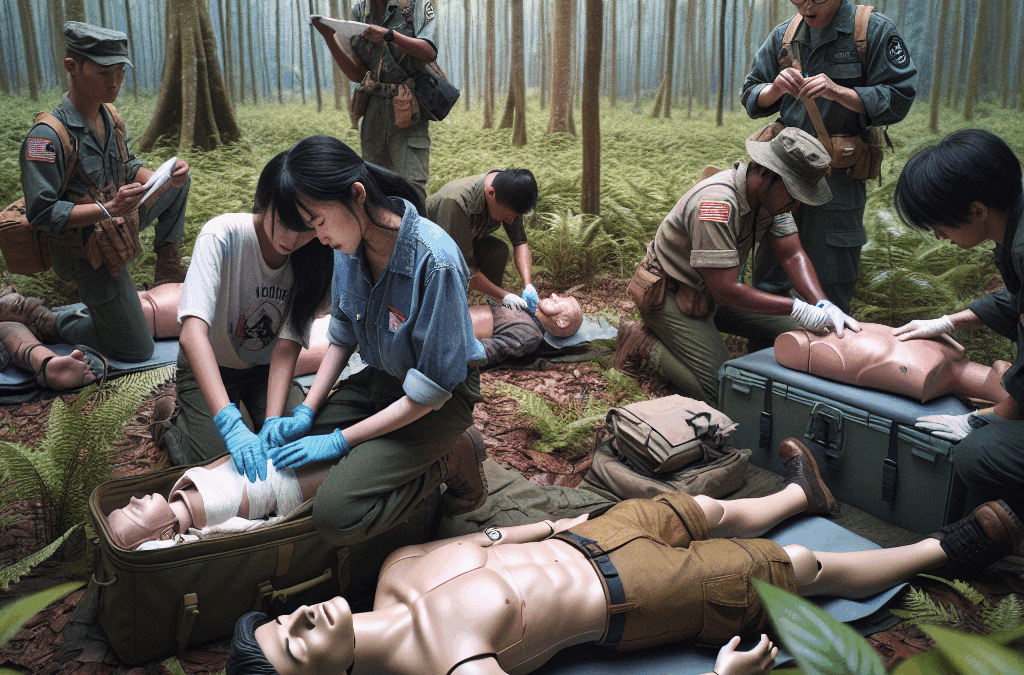
So, let’s talk about the nitty-gritty—doing CPR correctly. First off, remember the cycle: 30 chest compressions followed by two rescue breaths. The compressions should be firm—think of them as pushing down hard enough to ensure blood circulates.
When you’re in the wild, it’s often more challenging than it sounds, especially with the adrenaline pumping. I’ve had a few practice sessions, and those are seriously invaluable. They give you the confidence to perform if you ever need to!
Always keep an eye out for any signs of life after you’ve started—sometimes, people come around after a few cycles, and knowing when to stop CPR is just as critical as knowing when to start.
Using an AED
If you’re lucky enough to have access to an AED (Automated External Defibrillator)—use it! I like to familiarize myself with tools like this before heading into the wild because you never know what can happen. Many public places have them, and it’s good to be aware.
Using an AED is pretty straightforward. Just follow the audio prompts; they guide you through the process. Just remember to stay calm and act quickly; every second counts.
Having this extra tool at your disposal can be a lifesaver. One of my most memorable experiences was being in a group where we had an AED on hand, and we managed to stabilize someone until the professionals arrived. It makes a difference!
Handling Sprains and Fractures
Recognizing the Injury
When it comes to sprains and fractures, my first instinct is often to assess the situation. Check for swelling, pain, and the ability to move the joint. I’ve found that understanding the difference can help in deciding how to proceed.
One of my friends sprained his ankle while hiking, and recognizing those signs right away meant we could take immediate action to minimize the pain. I make a habit of assessing the level of pain and the mechanism of injury when I’m handling these situations.
Knowing whether it’s a sprain or fracture can sometimes be tricky, but if they really can’t move it and you notice deformity, I typically lean toward treating it as a fracture. Better to err on the side of caution!
Immediate First Aid
The first aid for sprains and fractures is rest, ice, compression, and elevation—often shortened to R.I.C.E. I swear by this method. Resting the affected area is crucial; limited movement can help reduce further damage.
Applying ice can significantly reduce swelling and numbs pain. I usually wrap some ice in a cloth and keep it there for 15-20 minutes at a time. Compression with a bandage snugly wrapped around the injury is next, but be careful not to cut off circulation!
Finally, elevating the injury helps further reduce swelling. Prop them up on a backpack or even a fallen log while you manage the other aspects of the situation. Trust me, it helps!
When to Seek Help
Knowing when to seek help is one of the crucial lessons I’ve learned. If someone is experiencing intense pain, unable to move the affected area, or if you see obvious deformities, it might be time to call for assistance.

There’s no shame in seeking professional help. I recall a hiking trip where one of my friends ended up with a suspected fracture. Despite our first aid efforts, it was clear we needed medical assistance to ensure a proper diagnosis.
Always keep a means of communication when you’re out in the wild; you never know when it will come in handy, especially with something as serious as a fracture. It’s better to be safe than sorry!
Dealing with Allergic Reactions
Identifying Allergies
During my adventures in the outdoors, I’ve learned to be observant of symptoms of allergic reactions. You’d be surprised how many people have allergies they either don’t know about or underestimate—things like bee stings or certain plants can trigger a response.
Signs typically include hives, itching, or swelling, and for some, it can escalate to anaphylaxis. One time, my buddy thought he just had a little rash, but it spiraled into something much more serious. It was a wake-up call for me to pay close attention.
Always inquire about allergies before heading out with others—it’s super important to know what you’re working with to act fast if something does happen!
Using Antihistamines
Having antihistamines on hand is something I always advocate for. They can work wonders when it comes to combating mild allergic reactions. When a reaction starts, I usually give an antihistamine as soon as possible.
It’s always good to be aware of the dosing and any precautions—some antihistamines can make you drowsy! I’ve learned this the hard way, going from one adventure to another completely zonked out. Not fun.
If my friend is experiencing a moderate reaction, I usually monitor closely. However, for severe cases where breathing becomes difficult, it’s essential to have an EpiPen or similar device on hand if you know they’re at risk.
Emergency Action Plan
Having an emergency plan is key when you’re dealing with allergies. I’d advise sitting down with your group before any wilderness adventure to discuss what to do in case of an allergic reaction. This is an area where being proactive makes all the difference.
Know where the nearest medical help is, and have a plan for how to get there quickly if someone starts reacting badly. I always familiarize myself with the route to nearby facilities just in case!
If you have anyone in your group with known allergies, make sure they know where their medications are located. It’s all about teamwork and being prepared for any situation that may arise.
Basic Wilderness Survival Skills
Navigation Skills
Being able to navigate is an underrated skill in the wilderness. I’ve had my fair share of moments drifting off the path! Learning to read a map and use a compass can save you from wandering aimlessly.
The essential takeaway for me is that practice makes perfect. Before heading out, I set aside some time to practice my navigation skills, maybe even get lost in the backyard—who knew it could be a training ground?
Always keep a backup plan; if technology fails you, knowing how to read the stars or the lay of the land can help you find your way back.
Making a Shelter
Being able to create a shelter can be a lifesaver if you’re caught in a bind. I always scout for adequate materials nearby—branches, leaves, anything natural. It’s fascinating to see just how quickly you can whip something together when you need to!
Your shelter doesn’t need to be fancy but should provide some protection from the elements. I usually aim for something that can keep me dry and out of the wind. During a particularly rainy trip, I was grateful for my quick shelter-building skills!
Take the time to learn different shelter styles so that you can build appropriately based on the environment you’re in. Each region has its own unique needs!
Finding Food and Water
Finally, survival skills wouldn’t be complete without knowing how to find food and water. I’ve relied on sources like streams and rivers for clean drinking water more times than I can count. Vegetarian options include foraging for edible plants, but I always double-check to make sure they’re safe!
Fishing can also be rewarding and is a skill worth learning. I remember when I successfully caught my first fish during a camping trip; it was both thrilling and resourceful.
It’s essential to understand your surroundings and what resources are available. Knowing how to purify water can prevent issues down the line, and recognizing edible fruits can make your trip enjoyable. Plus, nothing beats the taste of food you’ve sourced yourself!
FAQs about Essential First Aid Skills for the Wilderness
1. What should I pack for first aid in the wilderness?
Always ensure you have basic supplies like adhesive bandages, antiseptic wipes, gauze, and tape. But don’t forget additional items like insect bite cream, antihistamines, or a splint for serious injuries.
2. How do I perform CPR?
CPR involves a cycle of 30 chest compressions followed by two rescue breaths. Ensure the area is clear, and compress the chest firmly at the center, at a rate of about 100-120 compressions per minute.
3. How do I know if a wound requires stitches?
If a wound is deep, gaping, or doesn’t stop bleeding after basic first aid, it likely needs stitches. It’s always better to err on the side of caution—do seek professional help in such cases.
4. What should I do if someone has an allergic reaction?
Identify the allergy and administer antihistamines if available. If breathing becomes impaired, use an EpiPen if the person has one, and seek emergency medical support immediately.
5. How can I prepare for navigation in the wilderness?
Learn to read a map and utilize a compass; practice these skills before your trip. Knowing how to recognize natural landmarks can also help guide you back to your campsite.