by Preparation | Aug 2, 2025 | Preparedness
In a world where uncertainty can strike at any moment, understanding the importance of emergency preparedness is not just a luxury; it’s a necessity. Whether it’s natural disasters, power outages, or unexpected medical emergencies, having a well-thought-out plan can mean the difference between chaos and calm. Every household should prioritize discussing and developing an emergency strategy tailored to their unique circumstances. It’s about ensuring safety for yourself and your loved ones when every second counts.
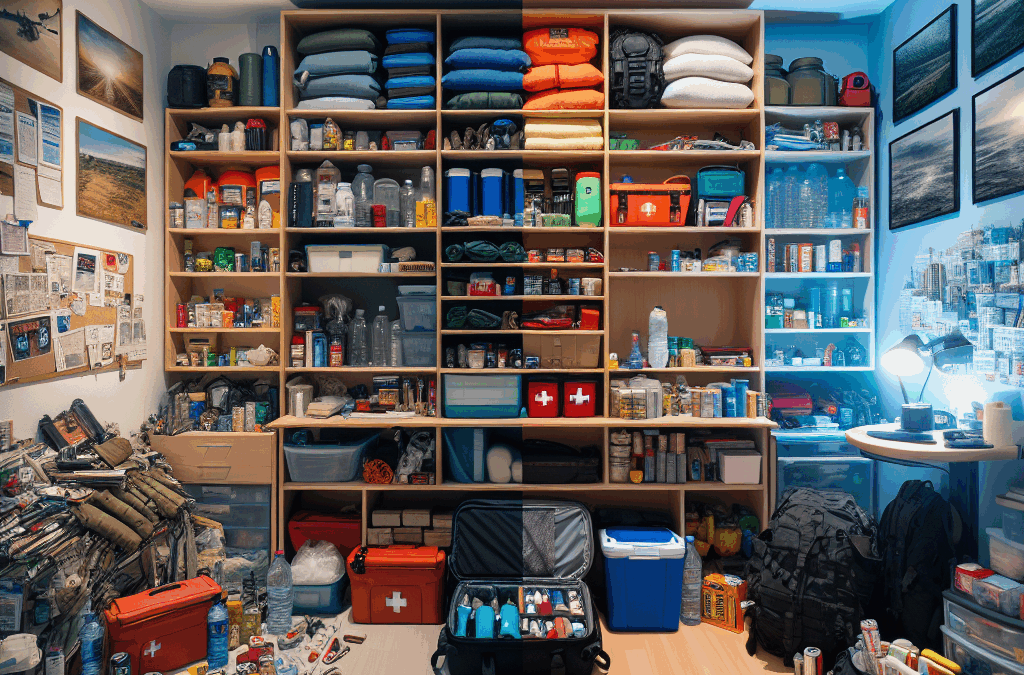
The backbone of effective emergency preparedness lies in assembling essential supplies. Building your ultimate emergency kit is not as daunting as it may seem. Start by gathering non-perishable food items, including canned goods, granola bars, and dried fruits—foods that provide energy while requiring little prep time. Don’t forget water! A gallon per person per day for at least three days is advisable. Include first-aid essentials such as bandages, antiseptics, and necessary medications in your kit. Flashlights with extra batteries are crucial for navigating those dark moments when power fails unexpectedly. Lastly, add important documents like identification and insurance information, stored in waterproof containers. When disaster strikes, having these resources at hand can save precious time.
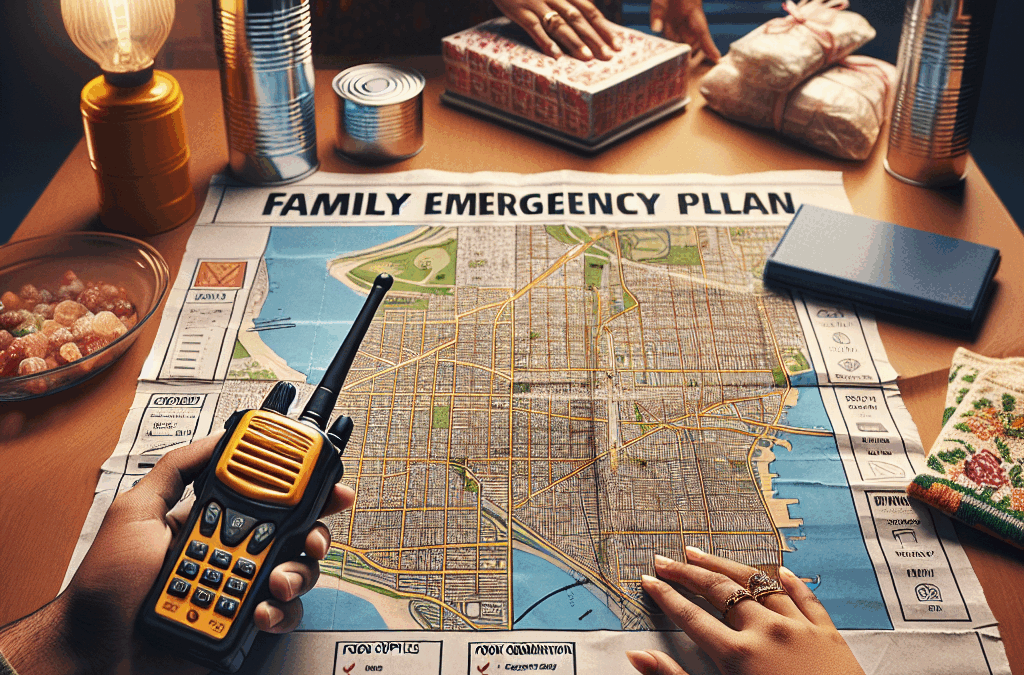
Creating your family emergency plan is another vital aspect of preparedness. This involves establishing clear communication strategies to ensure that everyone knows what to do and where to go during an emergency situation. Designate safe meeting spots both close to home and outside of the neighborhood so that family members can regroup easily if separated. Discuss how you’ll communicate if cell services become unreliable; consider using texts or social media platforms since they often operate better than voice calls during high-volume situations.
Moreover, make sure every member of your household understands the safety protocols associated with various emergencies—these could range from fire escape routes to procedures for severe weather events like tornadoes or hurricanes. Regularly practicing drills helps engrain these actions into muscle memory so that when panic sets in, instinct kicks in instead.
Staying informed is paramount on this journey towards mastering emergency preparedness at home. Utilize available resources to enhance your knowledge continually; local community centers often offer workshops on disaster preparedness led by trained professionals who specialize in safety techniques relevant to your area’s risks. Online resources from organizations like FEMA provide comprehensive guidelines on everything from creating plans tailored for pets to understanding the latest updates on potential threats facing your region.
Investing time into ongoing training elevates not only personal confidence but also collective readiness within families and communities alike—consider taking classes in first aid or CPR; these skills can be invaluable when help may be delayed due to overwhelming circumstances.
In conclusion, transitioning from chaos to calm requires deliberate efforts toward preparation—understanding its importance lays the groundwork for action while building comprehensive supply kits fortifies resilience amidst uncertainty. Clear communication strategies empower families during crises while staying informed ensures adaptability against evolving threats around us. Embrace this challenge with optimism; together we can turn potential turmoil into manageable scenarios through diligent planning!
by Preparation | Aug 2, 2025 | Preparedness
1. Communication Plan
Understanding the Importance of Communication
First things first, let’s talk communication. In any emergency, knowing how to reach each other is crucial. Whether it’s a natural disaster, medical emergency, or something else entirely, a solid communication plan can make all the difference. From my own experience, it’s easy to forget that phones might not work, so having a backup plan is key.
In our family, we designate a meeting place that everyone knows about. This place is central and easy to reach but also safe. It’s really comforting to know that if chaos happens, there’s a specific spot we can all meet up at without any confusion.
Finally, utilize technology. There are apps for that! You can send alerts through group chats or even use location-sharing apps that can help locate each other during emergencies. Just remember to keep everything simple and ensure everyone understands the plans.
Establishing Backup Contacts
Next up is picking people outside your household as backup contacts. This step is one I cannot stress enough! Choose someone who lives away from your area, just in case it gets really chaotic locally. It has worked wonderfully for us; when our local networks fail, it’s comforting to know there’s someone we can check in with.
It’s essential to discuss these contacts with your family so everyone knows who to call if they can’t reach each other. Make sure this person is reliable and understands the role they play in case of an emergency.
And don’t forget, the backup contact should also have a copy of your family’s emergency plan! Share it with them, so they can inform others where needed.
Sharing Information
Sharing is caring! I’ve learned that it’s vital to pass this information to your entire family. Schedule regular family chats where you review your communication plan. Things change rapidly, and it’s good to keep everyone updated. Plus, it fosters a sense of security when everyone’s on the same page.
Consider also writing things down. Keep a physical document with emergency contacts, essential numbers, and a summary of your communication strategy in an easily accessible place at home. This hands-on approach has helped us in more ways than I can count.
And lastly, remember to keep the information fresh in everyone’s mind. Reviewing it at family gatherings or during dinner can solidify the plan and make everyone feel prepared.
2. Emergency Supplies Kit
Gathering Essential Items
Let’s dive into something practical: the emergency supplies kit. Over the years, I’ve learned that having a well-stocked kit can be a lifesaver. First, gather essentials like water, non-perishable food, and basic first-aid supplies. I keep my kit in a designated spot where I can easily grab it when needed.
Don’t forget about personal items! Pack medication, glasses, and anything specific your family might need. Each member should have their essentials included in the kit—even your furry friends deserve to be accounted for with pet food and supplies.
What I love about preparing this kit is that you can customize it to fit your family’s needs. Take time to discuss what items each person would want to have in a crisis. It makes for a fun family activity that doubles as preparation!
Regularly Updating Your Kit
Another point worth mentioning is keeping your kit updated. Trust me, it’s easy to forget about! Go through the contents every six months, checking expiration dates on food and medication regularly. Make this a family ritual—it gets everyone involved and keeps things fresh.
Additionally, it’s important to adapt your kit based on seasons. For example, during winter, add items like blankets while in summer, include sunscreen and bug spray. Such small changes can make a sizable difference in an emergency.
Also, encourage each family member to take ownership of certain components of the kit. This might create a sense of responsibility and readiness knowing they play a vital role.
Storage and Accessibility
How you store your emergency kit matters, too. I’ve found it helpful to keep it in a spot that’s easy to access. Make sure everyone knows where it is! Clearly label the kit and ensure older kids can get to it if needed.
If possible, consider having multiple kits for different places, like inside the car or at work. Because let’s face it, emergencies can happen anywhere, and the more prepared you are, the less stress you’ll feel.
Lastly, check your kit periodically. Make sure it’s not being used for something else. Trust me; you don’t want to empty your kit searching for something else! Keeping it organized will help maintain its purpose and readiness.
3. Evacuation Routes and Shelter
Planning Your Evacuation Routes
When disaster strikes, knowing where to go is paramount. In my experience, having clearly defined evacuation routes is crucial. Map out several routes; can’t stress this enough! You never know when a road may be blocked, or traffic jams might arise. Having alternatives keeps options open.
It’s beneficial to practice these routes as a family. Take the time to drive through your planned paths. Ensuring everyone knows where to turn and what to expect can alleviate any panic later on. You’ll feel more composed knowing what to do when the time comes.
And don’t forget to check for local alerts that might shape those routes. Weather can change things, and being aware of your surroundings is crucial in times of crisis.
Identifying Safe Shelters
Next, let’s talk shelters. Identify nearby safe zones such as community centers or schools. Make sure everyone in the family knows these places and their addresses. I often recommend writing them down for quick reference.
If possible, visit these shelters beforehand to familiarize your family with the environment. Knowing where they are can ease anxiety if you find yourselves needing to head there quickly.
Plus, inquire about the facilities beforehand, especially during emergencies—they may not always be what you expect. Knowing what’s available can ease pressure on your family in a tense situation.

Incorporating Pets into Your Plan
Lastly, don’t forget about our furry friends! Your emergency plans should include provisions for pets. We love our pets, and it’s essential to find shelters that accept animals. Discuss this with family members and plan accordingly.
Gather supplies like food, leashes, and any medications your pet needs in your emergency kit. Planning for your pets can help keep everyone calm during stressful times.
It’s also good to have a designated person responsible for the pets in your emergency plan. It’s just little things like this that can make a world of difference when heading to shelter or evacuation spots.
4. Medical Preparedness
First Aid Knowledge and Skills
Medical preparedness cannot be overlooked. I think everyone in the family should learn basic first aid skills. Sign up for classes together—it can be a fun learning experience! Not only do you gain crucial knowledge, but it also brings everyone together for a common cause: safety.
It’s essential to practice scenarios regularly so that these skills become second nature. In tense situations, having a firm grasp on how to approach medical emergencies can save lives.
And you don’t have to stop there; consider expanding your skills. Learn CPR and how to manage common injuries. Equip your family with the confidence to face emergencies head-on.
Keeping Medical Information Handy
Don’t forget medical records! Having easy access to each family member’s medical history, allergies, and medications can be a lifesaver during emergencies. I keep a copy of everyone’s info in our emergency kit for quick reference. This way, if we ever need urgent care, it’s all right there.
It’s also wise to have a list of your family doctor’s contact information and nearby medical facilities. You can never be too prepared! Making this available to all family members helps ensure everyone knows what to do.
Additionally, swiftly informing healthcare providers about your family’s specific needs can speed up the process in a stressful situation. Planning ahead brings peace of mind when unexpected situations arise.
Managing Reactions and Stress
Lastly, emergencies can be emotionally charged And that’s why it’s important to discuss feelings and reactions. After all, everyone processes emergencies differently. Create a safe space in your home where everyone can express their feelings openly. This makes it easier for family members to seek help when needed.
Teach family members grounding techniques to use during stressful times. Breathing exercises can reduce panic, while practicing calming strategies can bring a sense of control in chaotic situations.
Moreover, involve family members in discussions about any previous emergencies and how they felt. Reviewing these experiences can help everyone feel more connected and understood. Then, you can approach future emergencies as a tight-knit unit.
5. Practice and Review
Conducting Drills Regularly
Practice makes perfect! It’s so vital to schedule regular emergency drills. One time, we simulated a home evacuation, and you know what? It was pretty fun! Getting everyone involved in a serious but lighthearted way builds preparedness.
Make sure to practice different scenarios—even ones that seem unlikely. The key is to keep it engaging to ensure everyone remembers the steps. Creativity in drills can keep participation high and lessen fear associated with real emergencies.
Consider rewarding the family after successful drills. This way, you mix enjoyment with seriousness and motivate everyone to take these drills seriously.
Reviewing and Adjusting Plans
After drills, always take time to debrief. Discuss what went well and what can be improved. Sharing perspectives allows everyone to learn from the experience and highlights the importance of adaptability when formulating necessary adjustments to the plan.
Set up a system where these reviews happen. I suggest quarterly reviews as the perfect time to refresh what we’ve learned. It keeps things top of mind and reminds everyone to stay prepared.
Plus, with the constant changes in life and world events, updating your emergency plan ensures it remains relevant. Keeping the family involved makes it a team effort rather than just falling flat on one person.
FAQs
1. What is the most important part of a family emergency plan?
The communication plan tops the list! Knowing how to reach each other and where to meet during an emergency is crucial for family safety.
2. How often should we review our emergency supplies kit?
I recommend reviewing your kit at least twice a year, ideally during seasonal changes. This keeps items fresh and appropriate for current needs.
3. What should I include in a first-aid kit?
Your kit should include items like band-aids, gauze, antiseptic wipes, scissors, tweezers, pain relievers, and any personal medications. Personalize it for your family!
4. How can we make drills fun for kids?
Incorporate games and challenges! For example, turn it into a scavenger hunt for supplies or time each family member on how fast they can follow the plan. Keep it light and engaging!
5. Should we involve pets in our emergency plans?
Absolutely! Be sure your emergency plans include provisions for pets, such as food, medications, and knowing where pet-friendly shelters are located. They’re part of the family!
by Preparation | Aug 2, 2025 | Preparedness
Develop a Comprehensive Plan
Understand Your Environment
First things first, you gotta know your surroundings. Living in an urban area means you’re surrounded by tall buildings, busy streets, and a lot of people. Take the time to walk around your neighborhood and identify key landmarks, such as hospitals, police stations, and grocery stores. Familiarizing yourself with the layout can seriously enhance your confidence in a crisis.
Also, take a look at potential hazards. Are there areas prone to flooding? What about places with heavy traffic that could become chaotic during an emergency? Knowing these details can help you avoid dangerous situations and find safe routes to evacuate if needed.
Remember, your environment is like a puzzle. You need to piece together every part to understand how it fits into the bigger picture of safety. Map it out, and make it a challenge – I often find it a fun way to engage with the community, and you end up learning a lot!
Establish Communication Protocols
In an urban survival situation, clear communication is crucial. I personally recommend setting up a family communication plan. This includes selecting a meeting point where everyone can gather if cell service drops. Talk openly about your plan, so everyone is on the same page.
Also, consider a backup means of communication. In addition to cell phones, having a list of local radio frequencies can be a lifesaver during emergencies when typical services are disrupted. I’ve found that simple walkie-talkies can also be great for families, especially when separated in crowded areas.
Finally, make sure everyone knows how to reach out to neighbors. Building those relationships can create a stronger support system, and in a crisis, every connection matters. So don’t be shy – introduce yourself to the folks next door; it could pay off big time later!
Create a Bug-Out Bag
This is something I swear by. A bug-out bag is essentially a portable kit that contains everything you might need to survive for at least 72 hours. You want to make sure it’s packed with essentials that suit your environment and personal needs. Mine packs food, water, first aid supplies, and even a flashlight. You never know when these items might come in handy!
When selecting your bag, go for something durable but lightweight. You don’t want to lug around a giant backpack that’s gonna tire you out before the real challenge kicks in. I often have my essentials organized in smaller bags within my main pack; it makes finding stuff way easier when time is of the essence.
Finally, make sure to update your bug-out bag regularly. Rotate out food and other items that have expiration dates. I keep a checklist so that I can always remember what needs updating, ensuring I’m never caught off-guard during an emergency.
Maintain Situational Awareness
Stay Informed
Being aware of what’s happening around you is key to urban survival. I always keep track of local news and weather reports, especially if there’s a hint of trouble brewing. There’s nothing worse than being blindsided by a situation because you weren’t paying attention!
Another critical aspect is considering your personal intuition. If something feels “off” in your environment, don’t brush it off. Trust your gut instincts – they often know better than we do! Carry a small notebook to jot down observations or potential changes in your neighborhood.
Finally, join local community groups, like neighborhood watch programs, to stay in the loop about safety updates in your area. Collaboration is key; I’ve found that more heads are better than one when it comes to spotting trouble early on!
Watch for Potential Threats
It’s vital to recognize and assess potential threats in your surroundings. This doesn’t mean you should walk around paranoid; rather, it’s about being attuned to patterns in behavior and movement. I keep my eyes peeled for anything out of the ordinary – be it suspicious people lurking or vehicles behaving strangely.
Also, consider how certain situations might escalate. For instance, if a large group is gathering and the mood seems tense, it might be wise to steer clear. I’ve learned that it’s often better to observe quietly from a distance than to insert myself into a potential conflict.
Sometimes you see things that make you uneasy, and that’s okay! Trusting your instincts and having an action plan for different scenarios can help enhance your overall safety. Your personal security is paramount, so always be on guard without being anxious.
Practice Self-Defense
It never hurts to know how to protect yourself. Engaging in a self-defense class has not only been great for my confidence but also for my physical fitness. Knowing some basic techniques can empower you in situations where you may feel threatened. I actually found a great local class that makes it fun while teaching practical skills.
Furthermore, situational self-defense strategies can go beyond physical confrontation. Learning to de-escalate tense situations verbally can be incredibly beneficial. I often practice these techniques with friends, helping each other prepare for unexpected social dynamics.
Finally, think about carrying a personal protection item (like pepper spray) if it feels appropriate for you. Just be sure you know the laws in your area about carrying self-defense items. Always use them responsibly and only in genuine self-defense scenarios!
Build a Community Network
Connect with Neighbors
Taking the time to know your neighbors can have a huge payoff when it comes to urban survival. I’ve attended street parties and local events that were a blast! Through those experiences, I’ve met some amazing people who I can rely on during tough times. Plus, let’s face it – it’s a whole lot nicer to have someone to lean on, rather than facing challenges alone.
Furthermore, building a community network isn’t just about forming friendships; it’s also about creating a safety net. Neighbors can team up to look out for each other during emergencies, sharing resources and skills that might come in handy. I often swap resources like food, tools, and even skills with those around me to build that bond further.
Lastly, consider forming a local preparedness group. It could be a small book club focused on survival techniques or a broader community initiative to prepare for urban emergencies. The possibilities are endless, and the best part is that you’re contributing toward not just your safety, but also the safety of your community. Let’s lift each other up!
Share Resources and Skills
If I’ve learned anything from urban living, it’s that pooling resources can make all the difference. If you have a skill, share it! Maybe you’re good at gardening, cooking, or first aid – offer a workshop in your community center or among friends. It’s a great way to reinforce bonds while enhancing survival skills.
On the flip side, don’t hesitate to reach out for help when you need it. If you require supplies, check if a neighbor has extras to share. I often utilize a community-sharing platform in my area to exchange items and information with other residents. It fosters a collective spirit that feels empowering.
Lastly, think about organizing community preparedness drills. Practice can make a world of difference when the real thing happens, and doing it as a group builds commitment and cooperation. The camaraderie that develops during these sessions can be both incredible and crucial in times of need!
Engage in Local Preparedness Initiatives
Many cities have established programs aimed at encouraging preparedness and resilience. I previously participated in a local training offered by my city that focused on disaster response. It was both informative and interactive, and I got to know people who shared similar interests while enhancing my skills.
Getting involved with local organizations can amplify the voice of preparedness within your community. Volunteer opportunities often arise around emergency management or safety initiatives where you can contribute your time and effort. Plus, it makes for a great addition to your resume!
Staying engaged not only helps you stay better prepared but also sends a message to others that preparedness is important. Gather your friends, and create a community that prioritizes readiness and resilience by participating in these local initiatives. Together, we can make our urban environment a safer place to live.
FAQ
1. What is the best way to start my urban preparedness plan?
The best way to start is by understanding your environment and developing a comprehensive plan. Familiarize yourself with key locations, potential hazards, and create a list of supplies you may need.
2. How do I build a bug-out bag?
Start with essential items like water, food, a first aid kit, and emergency tools. Choose a comfortable bag that fits your lifestyle, and make sure to update it regularly with fresh supplies.
3. How can I improve my situational awareness?
Stay informed about your surroundings by following local news and observing the behavior of those around you. Trust your instincts if something feels off, and engage with community groups for better connection and information sharing.
4. Is self-defense training necessary for urban survival?
While it’s not mandatory, self-defense training can empower you and help you feel more secure. Understanding both physical and verbal de-escalation techniques can be invaluable.
5. How can I connect with my neighbors?
Attend neighborhood events, join local groups, or even have casual gatherings. Building relationships with those around you fosters a supportive community that can enhance everyone’s safety in emergencies.




