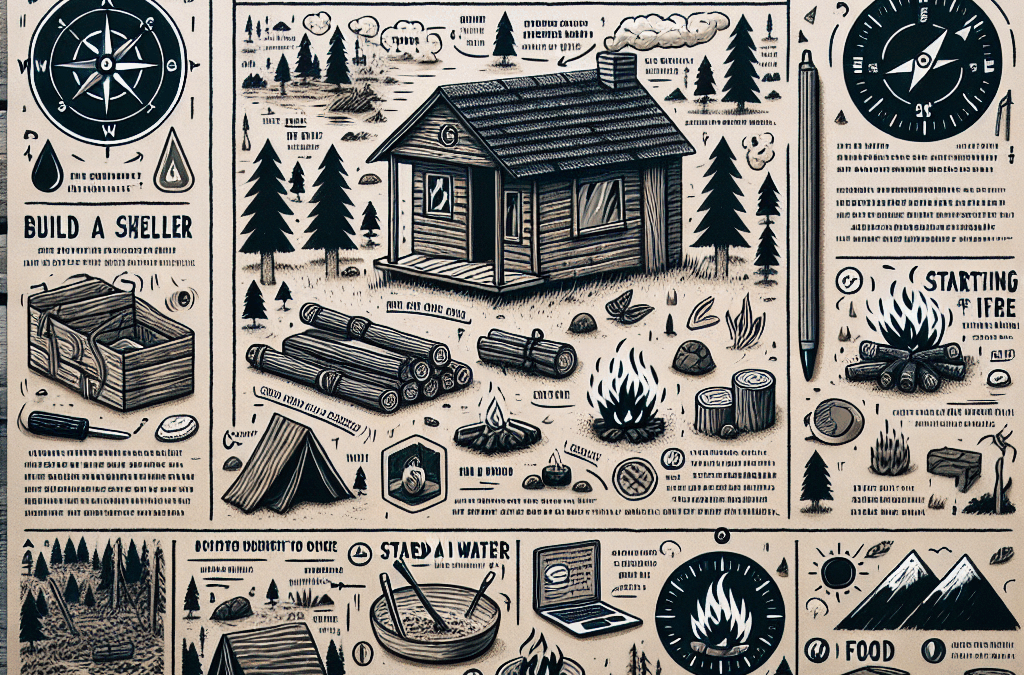
Beginner’s Guide to Wilderness Survival Skills
1. Finding and Purifying Water
Understanding Water Sources
When you’re out in the wild, you might find yourself wondering where to get water. It’s all around us—in lakes, rivers, and even streams. However, not all water is safe to drink. During my first solo camping trip, I realized just how crucial it is to learn about different water sources. Brush up on how to identify them so you’re not left high and dry!
One common source of water is the runoff from mountains or hills. As I hiked, I spotted trickles of water running down the slopes. Make sure to collect water from fast-moving sources, as they tend to be cleaner than stagnant ones. Just be careful and always check for nearby wildlife—you’d be surprised where things can go wrong!
Remember to look for natural containers like tree hollows or large leaves that can hold rainwater. This method has saved me a few times when I was caught in unexpected downpours with no water source in sight. Be resourceful, and don’t shy away from exploring what nature offers!
Purification Techniques
Now that you’ve located a water source, you’ll need a little know-how to purify it. One of the simplest methods I’ve used is boiling. If you can get a fire going, let that water bubble away for at least a minute—bacteria don’t stand a chance against high heat!
If you’re in a situation where boiling isn’t possible, I recommend using portable water filters. They can be a lifesaver when you’re hiking and want to stay hydrated. I’ve used them countless times, and they pack light, making them an essential part of my survival kit.
Always keep in mind that water purification tablets are another great option if you’re in a pinch. They don’t require much know-how or extra gear. Just drop them in the water—easy peasy, right? Trust me, being hydrated can really keep morale up while you’re out there.
Staying Hydrated
Once you’ve secured your water, don’t overlook how important it is to stay hydrated. Being in the wilderness can drain your energy faster than you think, especially on hot days. During a trek, I always make it a point to sip on water regularly, rather than waiting until I feel parched.
An easy trick is to carry a small water bottle that you can refill throughout the day. Aim for about two liters daily, though this can vary based on your activity level. Monitor how you’re feeling— dizziness or fatigue can be signs you need more fluids.
Also, be mindful of how much you’re sweating! If you’re sweating buckets, it’s crucial to drink even more to compensate. I learned this the hard way on a particularly hot day in July. Listen to your body and respect its needs, especially when it comes to H2O!
2. Building a Shelter
Choosing the Right Spot
Alright, let’s talk about shelter. Choosing a good spot is half the battle, folks. When I first set up camp, I made sure to find flat ground and stay away from any potential hazards, like falling branches or flooding areas. You don’t want to wake up soaked or smacking your head on a tree!
Look for natural windbreaks—like cliffs or dense foliage—to help shield you from the elements. It’s these little details that can make a big difference, especially if you’re stuck out there for an extended period. I once spent a soggy night because I ignored this simple rule!
Make sure to check for nearby resources too. You don’t want to set up your shelter way far from your water source or fire pit. It saves you energy when everything’s within an arm’s length. Trust me, making your life easier in the wild is key to survival.
Types of Shelters
There are many ways to build a shelter, but let’s keep it simple. The lean-to is one of my favorites. It’s quick to build and can save you from rain. Just prop a large branch against a tree and cover it with smaller branches and leaves—you’ve got yourself a cozy nook!
If you’re feeling a bit more adventurous, try building a debris hut. It’s not just cool to say you’ve done it. It provides excellent insulation. Just be prepared to spend some time gathering materials to make it effective. I once hunkered down in one of these during a chilly night, and let me tell you—it held in the warmth!
Regardless of the type you choose, make sure your shelter is big enough for you and any gear. Don’t want a raccoon stealing your snacks while you’re bundled up! A little space can help keep things organized and cozy.
Using Natural Materials
When you’re out there, Mother Nature is your best friend. Always look for materials like leaves, grass, and branches to enhance your shelter. I’ve used moss for insulation more times than I’d care to count. It’s amazing how effective it is!
Make use of fallen limbs and twigs to create a sturdy frame for your shelter. It’s about working smart with what’s around you. You’ll be surprised how quickly you can piece something together just by using your surroundings!
Lastly, be sure to take your time. There’s no rush in the wilderness. Building a proper shelter can take effort, but it’s immensely rewarding when you climb in and feel the protective comfort of your hard work. Every moment spent building is worth it when the night falls!
3. Starting a Fire
Gathering Materials
Starting a fire is like magic, really. And it all starts with gathering the right materials. In my early camping days, I learned that dry leaves, small twigs, and bigger logs were essential. I always make sure to collect a hefty amount of dry tinder before I start the fire-making process.
Whenever I venture out, I can’t stress enough how crucial it is to scout for materials first. Look around for dead twigs since they ignite easier than green ones. On a particularly chilly evening, I was so glad I had enough tinder gathered because it took me from frozen to feeling cozy in no time!
If you can, look for materials that catch fire easily, like birch bark or dry pine needles. A little preparation can go a long way when things get tough. Just remember, the more material you gather upfront, the easier it’ll be down the line.
Fire Techniques
Now, let’s get into how to actually start that fire. I’ve used matches, lighters—you name it! But I also learned the beauty of fire starters, like cotton balls soaked in petroleum jelly. Those little suckers ignite quickly and can help you out when traditional methods fail. Trust me, having a backup makes a world of difference!
Don’t underestimate the teepee fire structure either. I like to build my wood in a teepee shape—it allows proper airflow and makes it easier for the flames to catch. My first few fires were all about trial and error, but more than a few successes came from this design, let me tell you!
If by chance, you’re feeling adventurous, try the old-school flint-and-steel method. It takes practice but can be super rewarding. Nothing like the satisfaction of starting a fire without modern conveniences. Just make sure to have your tinder ready because it’ll be a quick burn!
Fire Safety
Fire safety is crucial. You don’t want to become a fiery story for the wrong reasons! The moment I build a fire, I make sure to clear away any flammable debris surrounding it. A little precaution goes a long way when the flames start dancing.

Always have a way to put it out, whether it’s water or dirt—something handy nearby that can douse the flames if needed. I’ve had a close call once because I didn’t plan outweighing my excitement with caution. Never again!
Once you’re done, make sure to fully extinguish the fire—no glowing embers left behind. Not only is it essential for safety, but it’s also respectful to nature. The last thing we want is another risk for wildfires. Always leave no trace!
4. Foraging for Food
Identifying Edible Plants
Let’s dive into a topic that’s close to my heart: foraging! It sounds like part treasure hunt, part survival technique. Understanding which plants are edible can be a game-changer when you’re in the wild. I remember my first plant identification session—it was a mix of excitement and nerves!
Always carry a field guide or a foraging app if possible. Take your time to get familiar with what’s safe to eat and what’s not! I’ve come to love wild blueberries, but I also steered clear of poison ivy—yikes! Research beforehand can save you from a rough runtime.
Seasonality plays a role too. Some plants shine at certain times of the year, so keep your eyes on what’s in season. You’d be surprised how much variety there is as the months pass. Planning ahead is essential and can lift your spirits when the snacks seem to diminish!
Hunting and Trapping Basics
If you’re feeling a bit braver, you might consider hunting or trapping. This isn’t something to jump right into without preparation, though! Learn the local regulations before you even think of taking aim. I’ve faced challenges along the way, but patience often pays off.
Start with basic traps. Nothing complicated—simple snares can be made with cordage you find in the wilderness. I once caught a rabbit with a snare I made on that very premise, and it felt like winning a lottery of sorts. Just remember, it takes practice and patience!
For hunting, I’ve also learned that knowing the land and local wildlife behaviors can make your efforts way more successful. Spend time observing before you attempt to hunt. It’s all about learning the rhythm of nature and how to blend in.
Cooking Over a Fire
After you’ve secured food, cooking it becomes the next adventure. Cooking over an open flame can be incredibly satisfying, and let me tell you—everything tastes better al fresco! I usually stick to quick meals that don’t require a ton of prep. Think of skewers with meat and veggies; it’s always a hit!
Make sure to keep an eye on your cookware to avoid any disasters. Don’t be like me and forget about your meal, only to find it burned to an inedible crisp. I’ve made that mistake a few times; the scent alone serves as a reminder!
And if at all possible, get creative. Try baking bread in the ashes or seasoning any catch you have with herbs from the wild. It’s a genuine survival excitement that adds a whole new level of enjoyment!
5. Signaling for Help
Understanding Signal Methods
You never know when you might need to signal for help, and trust me—it’s a good idea to know how! Whether it’s a whistle, mirror, or bright clothing, I’ve found that having multiple signal methods can increase your chances of getting rescued. It’s all about visible measures!
For example, during one hike, I took a brightly colored bandana just for signaling purposes. Loud noises can also grab attention. Consider carrying a whistle around your neck; it’s lightweight and effective. Just remember to use multiple signals—it gets the message across quicker!
Visual signals are equally meaningful. An arranged pattern of rocks or logs in a prominent spot can attract attention. I once arranged my supplies in an “SOS” formation, and it felt empowering to take proactive steps toward staying safe.
Advanced Signaling Techniques
If you’re feeling adventurous, consider fire as a signaling tool! Smoke can attract attention—use dry materials to create a large fire if you’re in a safe location for doing so. I’ve signaled a couple of hiking parties this way, and it offers peace of mind when others might be nearby.
Also, using a reflective surface like a mirror can send a signal even in daylight! Just angle it toward where you’d expect searchers to be. It’s these little tips and tricks that could change the game if things go sideways on your adventure. Keep an open mind!
In essence, it’s about creativity and being prepared. Making backup plans gives you more tools at your disposal when you need them! You’ll feel more secure knowing you have a strategy to get help if needed.
Conclusion
Surviving in the wilderness is all about preparation, knowledge, and staying calm. From finding water to signaling for help, each skill I’ve mentioned plays an essential role in thriving outside your comfort zone. It’s a journey of learning, and with practice, everything becomes second nature!
So, gather your gear, pick your spot, and let the adventures begin! Remember, the wilderness is not just about survival skills; it’s also about enjoying nature and embracing every moment. Make your experiences meaningful, and take the time to appreciate the beauty around you.
FAQ
1. What should I prioritize when starting my wilderness survival journey?
I recommend starting with water purification. Knowing how to locate and purify water is essential to your survival.
2. How do I know if a plant is safe to eat?
Always research beforehand! Use field guides or foraging apps to familiarize yourself with edible plants. If in doubt, do not eat it.
3. What type of shelter is best for beginners?
A lean-to is a great first shelter option. It’s simple to construct and offers good protection from the elements.
4. How important is fire safety in wilderness survival?
Fire safety is crucial! Always clear the area, have a way to extinguish the fire, and make sure it’s fully out before leaving.
5. Can I signal for help without a whistle or mirror?
Absolutely! You can arrange rocks or logs in a visible pattern or create a large fire for smoke. Just be creative with what you have!