by Preparation | Aug 3, 2025 | Preparedness
Essential Wilderness Survival Techniques
Understanding Your Environment
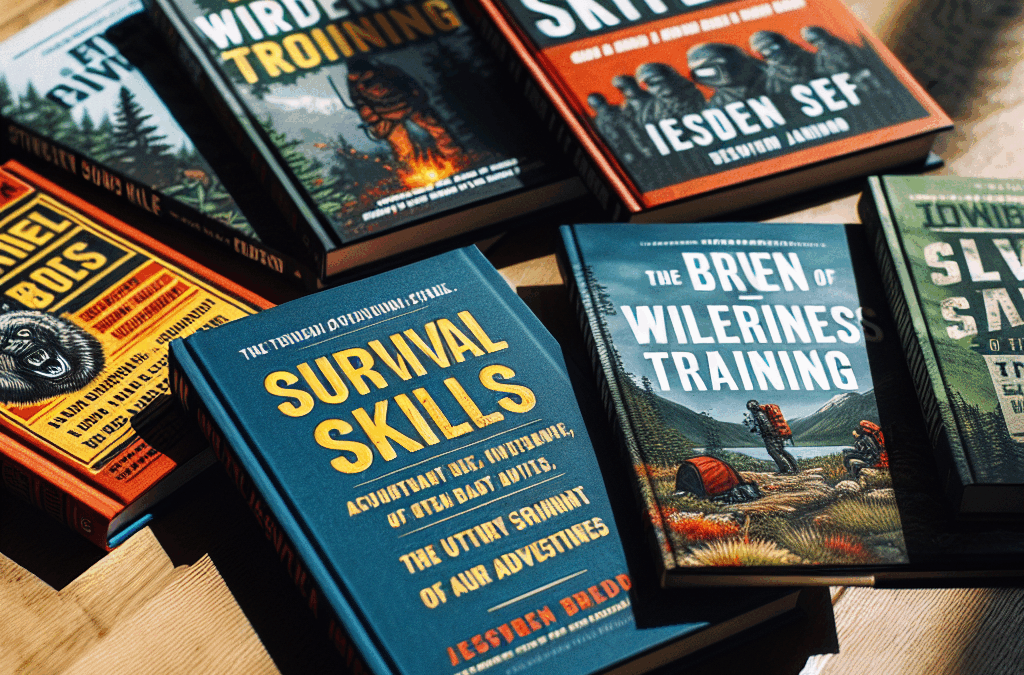
In my early days of adventuring outdoors, one thing stood out: you gotta know where you are. It sounds basic, but understanding your environment is critical for survival. Reading books like “SAS Survival Handbook” provides insights into various terrains—be it forest, desert, or tundra. You learn to recognize edible plants and dangerous wildlife.
Another essential skill is understanding weather patterns. Watching clouds can be your first clue to an incoming storm. The more you know this stuff, it becomes second nature. You’ll be amazed at how the weather isn’t just about checking your phone app anymore.
Lastly, map reading might feel outdated with GPS around, but trust me, it’s a life-saver. Books with practical exercises can really help hone this skill, teaching you how to navigate even when your devices fail you.
Fire Crafting and Management
If there’s one thing that changes the wilderness game, it’s fire. I remember trying to start a fire for the first time—it felt like a rite of passage. Books like “The Ultimate Guide to Wilderness Living” break down various methods, from using flint and steel to modern fire starters.
Learning about different tinder materials and how to gather them can really amp up your fire-starting success rate. Many authors include practical tips that you’ll wish you had when your lighter is nowhere to be found.
Lastly, fire management isn’t just about starting one; it’s about maintaining and using it correctly. You don’t want to be the person causing a forest fire! Understanding the fire triangle—heat, fuel, and oxygen—enables you to control your fire effectively.
Building Shelter
Building a shelter can mean the difference between life and death in survival situations. I love reading survival books that emphasize using natural resources creatively. For instance, “Outdoor Survival Skills” talks about constructing various types of shelter like lean-tos and debris huts.
The critical part here is location. When selecting a spot for your shelter, you’ll want to avoid low-lying areas prone to flooding and consider wind direction. Every survival expert has a favorite tip—mine is always to build near a water source while ensuring it’s safe.
Finally, your materials matter. Finding the right local wood or foliage can significantly improve your shelter’s durability. Books often detail this, guiding you on the best materials based on your environment.
Food Gathering Skills
Hunting and Trapping
When it comes to self-sufficiency, understanding how to hunt and trap is key. I recall my first attempts at tracking animals; it was frustrating yet exhilarating. Books such as “Trapping and Gathering” break down techniques in a way that make it accessible for beginners, including tips on how to set traps effectively.
It’s fascinating to learn about animal behavior, too. Each species has a pattern that you can exploit. Being patient, watching and understanding these habits can help you significantly increase your success while hunting.
Before heading out, you’ll want to get familiar with your local regulations. Remember, ethical hunting and trapping are just as important as technique and skill. Books that cover these topics are invaluable for any aspiring survivalist.
Foraging for Edibles
Foraging has always been an interest of mine, and it’s surprisingly accessible with the right resources. A great book like “Edible Wild Plants” offers illustrations and descriptions of plants you can find in various environments. It’s a game-changer when you need food in the wild.
One thing I learned the hard way is to never eat something unless you’re 100% certain of its identity. There are dangerous look-alikes out there, and being able to identify them can save you from a nasty situation.
Another handy trick? Try to forage seasonally. Different plants will be available at different times of the year. Books often discuss seasonal cycles, which can help you plan your expeditions for maximum bounty.
Fishing Techniques
Fishing is one of the more relaxing yet rewarding survival skills. I remember the first fish I caught; it boosted my confidence like nothing else! Essential reading includes “The Total Fishing Manual,” which provides insights on best practices, gear, and local fish species identification.

Understanding local regulations is just as crucial. Many areas have guidelines on what you can catch and sizes you can keep. This is often emphasized in fishing guides and can prevent legal headaches.
Lastly, mastering different fishing techniques, from fly fishing to netting, broadens your skill set. Each method has its unique benefits depending on your situation, and reading more about them can prepare you mentally when the time comes to get your catch!
First Aid and Emergency Response
Basic First Aid Skills
First aid skills are paramount in survival scenarios. I can’t stress enough how beneficial it is to know basic procedures for cuts, sprains, and burns. Books like “The Survival Medicine Handbook” are excellent for this, combining practical info with medical insights.
One of my go-to techniques is the R.I.C.E method for injuries: Rest, Ice, Compression, Elevation. Simple as it may sound, following this can make a significant difference in recovery.
Learning how to build a basic first aid kit is also covered in many survival manuals. Having the right supplies can be a real lifesaver when you need them the most.
Dealing with Emergency Situations
Sometimes, even with preparation, funk happens! Books that tackle emergency management offer insights on how to keep calm and act swiftly. Developing a plan of action is often emphasized—something I wish I had earlier in my outdoor experiences.
Communication is vital, especially when you have companions in a survival situation. Knowing how to send distress signals or even just a local emergency number can help save lives.
Practice makes perfect. Over time, scenarios can become less daunting through role-playing or simulations, which many books recommend for honing your quick reaction skills.
Mental Resilience Techniques
Survival is as much mental as it is physical. Trust me when I say the headspace you bring to a tough situation can be the difference between giving up and pushing through. Books like “The Gift of Fear” emphasize the importance of trust in your instincts, which is something I’ve learned from experience.
Visualizing success can be a powerful motivator. A solid mindset can see you through major challenges, and survival books often share techniques from sports psychology to enhance this aspect.
Lastly, connecting with nature can be a way to maintain mental balance. Spending time in natural settings has shown to improve overall well-being, which many authors nod towards in their writings.
FAQs
What are the best books on survival skills?
A good starting point includes “SAS Survival Handbook,” “Outdoor Survival Skills,” and “The Survival Medicine Handbook.” These books cover a wide range of survival topics in great detail.
How do I start learning survival skills?
Diving into books is a fantastic start! Consider joining local survivalist groups or taking workshops to get hands-on experience. Practice makes perfect.
Are survival skills difficult to learn?
They can be challenging at first, but with patience and practice, you’ll find them more manageable. The key is to start small and build your knowledge over time.
Can survival skills be learned through online resources?
Yes, there are many online courses and instructional videos! While they can be helpful, I recommend combining that with reading and in-person experiences for full understanding.
Why are mental resilience and attitude important in survival skills?
Your mental state influences your decision-making and ability to cope with stress. The right mindset enables you to stay focused, make sound choices, and increase your chances of survival.

by Preparation | Aug 3, 2025 | Preparedness
Establishing Clear Communication Channels
Choosing the Right Platforms
In my experience, one of the first things to tackle in crisis preparedness is selecting the proper communication channels. Let’s be real: not everyone is glued to their emails all day. Some folks are more responsive on social media, while others might still rely on good old-fashioned phone calls. So, it’s crucial to identify which channels work best for your specific audience.
But don’t stop at just picking the platforms—make sure everyone knows how to use them. I remember when our team faced a crisis, we had so many people confused because they were unsure how to access crucial information on our designated app. A little training can go a long way!
Lastly, set clear guidelines. If there’s an emergency, who should people contact? What information should be conveyed? Having these details sorted can save valuable time when the pressure is on.
Creating a Crisis Communication Plan
A solid crisis communication plan is like a treasure map during chaos. It gives everyone direction when tempers are flaring and stress is high. I’ve found that when crafting a plan, it’s essential to outline roles and responsibilities clearly. Everyone should know who does what in case something goes south.
Moreover, anticipating different scenarios is a game-changer. I once worked with a team that found themselves blindsided during a sudden PR crisis because we hadn’t prepared for that ‘what-if.’ By brainstorming various situations, you’ll prepare your team for almost anything that comes your way.
Lastly, don’t forget to routinely update that plan. Just like technology, environments change, so what worked a year ago might not hold up today. Regular drills and refreshers can turn a good plan into a great one.
Regularly Updating Stakeholders
Keeping stakeholders in the loop is absolutely vital. I remember a project where we didn’t update our stakeholders regularly, and guess what? They lost trust in us during an unexpected crisis situation. It was a tough lesson learned! Keeping everyone informed about developments can alleviate anxiety and build confidence.
Think about it: it’s much easier to strategize as a unit if everyone has the same information. I often find that holding quick weekly touchpoints can do wonders for aligning our efforts and keeping everyone motivated. It fosters a team vibe and helps folks feel connected!
So remember to establish a flow of communication with your stakeholders and keep it transparent. Trust is everything during a crisis, and Open lines maintain that trust.
Pacing Information Dissemination
Timing is Everything
Timing plays a huge role in how information is received. I’ve seen it where information was released too early and ended up creating more confusion. You’ll want to make sure that the content you share is accurate and can stand the test of public scrutiny.
Another thing I learned: when you’re in the thick of it, slow and steady wins the race. In a panic, I’ve rushed to communicate, only to discover that I overlooked important details. Take your time, even when it feels like the world is on fire.
Moreover, leave room for follow-ups. Once the initial news is released, be prepared to provide updates as new information unfolds. This signal shows people that you’re on it and that they can trust you to keep them in the loop.
Message Clarity and Consistency
The clarity of your message is absolutely crucial. I’ve mistakenly used jargon before, thinking everyone would get it—but yikes, a major facepalm moment! Keeping it simple is the name of the game. Remember, during a crisis people’s heads are spinning; they don’t need complicated language adding to the chaos.
Consistency matters, too. If you waver in your messaging, you risk losing credibility. I recently learned this the hard way: when messages change frequently, it breeds uncertainty. Stick to your initial plan as much as possible!
Furthermore, utilize visuals. Sometimes a quick graphic or video can convey information way more effectively than a long-winded email could. Keep people engaged and make them feel informed at the same time.
Emphasizing Transparency
Let me tell you, being transparent during a crisis is a game-changer. I’ve seen firsthand how much people appreciate honesty. It’s easy to want to sugarcoat things, but in times of trouble, that can backfire spectacularly. Lay it all out there and your audience will respect you for it.
More importantly, don’t just communicate the good news. Own up to your mistakes, acknowledge challenges, and be upfront about what’s happening. I’ve found that when transparency is prioritized, it boosts both trust and morale in times of uncertainty.
Finally, encourage audience feedback. Show that you value their opinions and insights. This two-way communication can help you adjust your messaging and foster deeper connections. Everyone feels like they’re part of the solution!
Training and Drills
The Importance of Regular Training
I can’t stress enough how vital it is to train your team thoroughly on crisis communication. A well-prepared team will respond quickly and effectively, and you’ll feel the difference during an actual crisis. It’s like a safety net for everyone involved!
Consider scheduling regular training sessions—preferably real simulations that mimic worst-case scenarios. I’ve participated in drills that were both eye-opening and sometimes downright hilarious, showcasing both our strengths and weaknesses.
Don’t forget to involve everyone. Each member of your team should know their role and how to prioritize communications. A well-coordinated team can make a world of difference when the heat is on.
Creating a Safe Space for Practice
During these training sessions, it’s crucial to foster an environment where participants feel safe to speak up and make mistakes. I once saw a team falter because people were hesitant to share their ideas during drills for fear of judgment. It’s just practice, right? Let’s learn together!
Stress the importance of feedback. After a drill, have an open discussion about what went well and what could be improved. A culture of continuous learning is vital to ensure everyone is on the same page when a crisis actually happens.
And remember, practice doesn’t make perfect but it sure does make progress. The more comfortable your team feels with crisis communication, the better they’ll function when the real deal hits.
Implementing Post-Crisis Reviews
After a crisis, one of the best things to do is a post-action review. I’m a big believer in taking a step back to evaluate what worked well and what didn’t. This could be as simple as holding a meeting where everyone shares their views on the crisis response.
It’s super helpful to keep a record of lessons learned. Documenting these insights can guide future efforts and spot trends across different crises. I can’t tell you how relieving it feels to pull out those insights during our next planning session.
Finally, ensure that this review process is ongoing. Make it part of your team’s culture to continually refine and adapt your crisis communication efforts. This way, you’ll always be ready for whatever comes next!
FAQ
1. Why is communication so important in crisis preparedness?
Communication is key to keeping everyone informed, reducing uncertainty, and maintaining trust. Without clear messaging, panic can ensue, complicating the crisis management process.
2. What should I include in a crisis communication plan?
Your plan should outline roles, responsibilities, communication channels, and scenarios to prepare for. It’s essential that everyone understands their part and how to execute it during a crisis.
3. How often should I train my team on crisis communication?
I recommend regular training sessions at least once a quarter. This helps keep everyone sharp and ready to respond effectively when a crisis occurs.
4. What if I make a mistake in my communication during a crisis?
Own up to it! Transparency is crucial, and acknowledging errors can actually strengthen trust with your audience. Just be quick to provide accurate updates afterward!
5. How can I make my post-crisis reviews effective?
Encourage open feedback, document lessons learned, and make the review process a standard practice. This will help your team grow and be better prepared for future challenges.
by Preparation | Aug 3, 2025 | Preparedness
Emergencies can strike at any moment, transforming the ordinary into chaos. Whether it’s a natural disaster, medical emergency, or unexpected crisis, being prepared is your best defense. Here’s a comprehensive guide to help you navigate the essential steps of emergency preparedness.
*Understanding Your Risks: Assessing Potential Emergencies in Your Area**
The first step in preparing for emergencies is understanding the specific risks associated with your location. Are you living in a flood zone? Is your region prone to wildfires, earthquakes, or hurricanes? Start by researching local hazards and consider historical data regarding past incidents. Many communities provide resources online to help residents gauge their vulnerabilities.
Next, think about personal risks as well—do you have elderly family members or pets that require special attention during a crisis? Identifying these factors will empower you to craft effective strategies tailored to your circumstances. Knowledge is power; with it, you can anticipate potential threats and respond proactively.
*Building Your Emergency Kit: Essential Supplies for Any Situation**
An emergency kit is a lifeline when disaster strikes. Start by gathering supplies that cater to various scenarios—think versatility! Basic items should include non-perishable food, bottled water (at least one gallon per person per day), flashlights, batteries, first aid supplies, personal hygiene items, and important documents like identification and insurance papers.
Consider adding specialized equipment depending on your family’s needs; this might involve medications for chronic conditions or baby supplies if there are young children involved. Don’t forget about entertainment options—a good book or deck of cards can keep spirits high during prolonged situations. Regularly check your kit’s contents every six months to ensure everything remains up-to-date and functional.
*Creating a Family Emergency Plan: Communication and Safety Strategies**
A robust plan serves as a roadmap during an emergency—without it, confusion can reign supreme. Sit down with your family to discuss potential scenarios and outline how everyone should respond. Designate meeting places both near home and outside your neighborhood so everyone knows where to go if separated.
Communication is critical; make sure each member has access to emergency contact numbers stored in their phones or written down somewhere accessible. Discuss how you’ll stay informed through alerts from local authorities or weather apps as situations evolve.
Practicing drills fosters preparedness too—consider conducting fire drills or earthquake simulations regularly so everyone knows what steps to take when the real thing happens. The more familiar they become with procedures, the less panic they’ll experience when faced with actual emergencies.
*Staying Informed: The Importance of Training and Resources**
Education plays an indispensable role in effective emergency preparedness. Invest time in training sessions on first aid and CPR; these skills can save lives when every second counts. Many organizations offer classes tailored for families—or even free resources through community centers.
Moreover, utilize technology wisely. Follow trusted sources on social media for real-time updates concerning emergencies in your area—this includes local government agencies and weather channels that provide timely alerts.
In conclusion, being ready for anything involves understanding risks specific to your environment while assembling necessary supplies and creating structured plans with those closest to you. By remaining informed through education and reliable resources, you’ll cultivate resilience within yourself and foster confidence among loved ones—all crucial elements when facing life’s unpredictable challenges head-on!




