First and foremost, when help doesn’t arrive, the instinct might be to panic. I’ve been there before; trust me, it’s not fun! The trick I’ve learned is to take a deep breath and hit the pause button. Panic doesn’t solve issues; it only adds to them. Remember, there’s always a way through any predicament.
Once you’ve calmed the nerves, I recommend assessing your situation logically. Determine exactly what’s going wrong. Is it a flat tire, a tech problem, or something more serious? Pinpointing the issue can offer clarity, and clarity is key in these daunting times.
Instead of focusing on the lack of help, shift your attention to what you can handle. This change in perspective can empower you to take action rather than waiting around feeling helpless. I’m always surprised by how much I can figure out when I take a step back and evaluate!
Gather Your Resources
Next up, it’s time to think about what you have at your disposal. Sometimes, all you need is a fresh pair of eyes on the situation. Grab a friend, a family member, or even a neighbor for their input. They might have experienced something similar or even have some tricks up their sleeves that you haven’t thought of!
Don’t forget about technology. In our hyper-connected world, you likely have access to online resources that can help you troubleshoot your issue. Whether it’s a quick Google search or a YouTube tutorial, you can often find step-by-step guides to sort out just about anything.
Your attitude matters too! Approaching your resources with a can-do mentality can turn the tide. Instead of thinking, “I can’t do this,” try saying, “Let’s find out what I can do.” This simple shift can lead to impressive results!
Make a Plan
Once you’ve gathered your resources, it’s important to formulate a plan. Break the problem down into manageable pieces and tackle them one by one. I’ve had moments where I felt overwhelmed, but creating a plan helped me see the light at the end of the tunnel—it’s achievable!
Writing it down also clarifies your thoughts. I like to use a trusty notebook or a note app on my phone to jot down each step I’ll take. It’s satisfying to cross things off the list, trust me! Plus, it keeps me accountable and on track.
Don’t forget to allow for flexibility in your plan. Sometimes things don’t go as expected, and that’s okay! Adjusting along the way ensures that I can handle any curveballs that might come my way.
Don’t Hesitate to Reach Out
Use Your Network
It’s so easy to feel isolated when help isn’t around, but I can’t stress enough how important it is to utilize your network. Friends, family, and colleagues can be invaluable sources of support. The next time you’re in a bind, don’t shy away from reaching out, even if it feels like you’re burdening them. Most people are happy to help!
I remember a time when I was stuck and reached out to a former colleague who had the expertise I didn’t. Not only did they help me out, but it also strengthened our professional relationship. So, don’t underestimate your connections!
Use social media wisely, too. You can post a simple request for advice or assistance. You’d be amazed at how many people are willing to lend a hand or provide guidance when they see someone in need.
Seek Professional Help
Sometimes, DIY solutions just don’t cut it, and that’s where professional help comes in. Don’t hesitate to contact experts in their respective fields. For example, if you’re dealing with a car issue and can’t figure it out, it’s perfectly acceptable to call a mechanic. I’ve learned the hard way that getting professionals involved can save you time and money in the long run.
When you do reach out for professional help, be ready to explain your situation clearly. This will help them understand your needs and provide the best support. I always jot down what I need to communicate beforehand, which saves both parties time.
Keep in mind that engaging professionals shouldn’t make you feel like a failure. Everyone has limits, and seeking assistance showcases wisdom, not weakness. We all need a hand sometimes!
Know When to Let Go
It’s crucial to recognize when we need to pivot our approach or even admit defeat in some situations. It can be hard to let go of something we’ve worked on, but sometimes it’s the best choice. I’ve had projects that I poured my heart into, only to realize they weren’t going anywhere. Being able to move on opened the door for new opportunities!
Letting go can also be freeing. It allows you to redirect your energy into something more positive or fruitful. As they say, “When one door closes, another one opens.” I always keep that in mind when I face setbacks.
Reflecting on the lessons learned from those experiences is equally important. As I move forward, I try to keep a notebook of insights that can help me make better decisions in the future.
Re-evaluate and Reflect
Learning from the Experience
After you’ve tackled an issue, take some time to reflect on what happened. What could have been done differently? What went well? I find that this reflection process is crucial for growth. It’s like a mini post-mortem that helps me review both successes and failures.
Keeping those insights captures a treasure trove of knowledge for the future. I like to document my takeaways in a dedicated journal, so when similar challenges come up, I can pull from my past experiences.
The beauty of reflection is that it aids in building your resilience. Every hurdle faced and overcome solidifies your ability to handle future obstacles with grace and agility.
Adjust Your Future Approach
Based on your reflections, it’s crucial to tweak your future approach. I often find that the way I handle problems evolves as I learn from them. For example, if I realized I waited too long to ask for help, I remind myself to reach out sooner next time.
It’s all about adapting. Each challenge equips us with new tools and strategies for the next round. I like to think of it as building my personal toolbox that I can access whenever challenges arise.
Becoming flexible in your problem-solving strategies can lessen stress and lead to faster resolutions. I’m often amazed at the creative solutions I come up with when I’m adaptable to change!
Practice Gratitude
Finally, practicing gratitude can shift your mindset from frustration to appreciation. Reflecting on the situations you’ve overcome and expressing gratitude for the help you eventually received (or the lessons learned) can be tremendously powerful.
I’ve made it a habit to journal about the things I’m grateful for following a turbulent period. It serves as a refreshing reminder of the positives in my life and what I’ve learned along the way. I get to focus on the silver linings!
Embracing gratitude also fosters a positive attitude. When I show appreciation for my journey—both the ups and downs—I find that it helps maintain a healthy perspective moving forward.
FAQ
1. What should I do first if help doesn’t arrive?
First, take a deep breath and assess your situation calmly. Determine the nature of the help you need and what tools or resources you might have at your disposal. It’s important to remain composed!
2. How can I gather resources effectively?
Gathering resources is about tapping into your network, whether through friends for advice or online for research. Utilize technology to your advantage—look for tutorials or forums that can help guide you!
3. When should I reach out for professional help?
Reach out for professional help when you feel stuck or when the issue is beyond your skills or knowledge. It’s smart and often saves you time and hassle in the long run.
4. What does it mean to let go?
Letting go means recognizing when it’s time to step back from a task or project that isn’t yielding results. Moving on can open the door for better opportunities and lets you refocus your energy on what’s truly important.
5. How do I find lessons in my experiences?
Taking time to reflect on your experiences helps identify what worked and what didn’t. I recommend keeping a journal to track these lessons, which can serve as a great reference in the future.
Disasters can strike when you least expect them, transforming ordinary days into chaotic situations in the blink of an eye. Understanding various types of disasters is the first step toward effective preparedness. Natural catastrophes like hurricanes, earthquakes, floods, and wildfires pose significant threats in many regions. Additionally, man-made disasters such as chemical spills or terrorist attacks can also disrupt lives and communities. Knowing what type of disaster is most likely to occur where you live allows you to tailor your preparation efforts accordingly.
Once you’re aware of potential risks, it’s time to create a family emergency plan. This vital blueprint should outline how each member will respond during an emergency. Start by discussing potential scenarios with your family; ensure everyone knows how to react and where to meet if separated. Designate an out-of-town contact person that could act as a communications hub if local lines are down—this is crucial for keeping tabs on loved ones in chaos. Regularly review and practice this plan so that it becomes second nature when emergencies arise.
A well-prepared household has essential supplies ready for any situation. Begin assembling your disaster kit now—it’s better to be proactive than reactive! At the very least, your kit should include non-perishable food items (enough for at least three days), bottled water (one gallon per person per day), medications, a flashlight with extra batteries, a first-aid kit, hygiene products, and important documents stored in waterproof containers. Don’t forget about pet supplies if you have furry friends! Tailoring your kit to suit specific needs ensures that everyone can stay safe and healthy during trying times.
Staying informed is another critical aspect of disaster preparedness. In our hyper-connected world, communication technologies offer invaluable tools for alerting citizens about impending threats. Sign up for local alerts and notifications through government websites or apps dedicated to emergency management; these resources provide timely updates on weather conditions or safety instructions during crises. Don’t rely solely on social media—often delayed information can spread misinformation faster than facts.
Lastly, let’s talk about recovery and resilience after experiencing a disaster. The journey back to normalcy may feel daunting but remember that rebuilding is part of the process. Emotional support plays an essential role here; lean on community resources such as counseling services or support groups designed specifically for those affected by disaster trauma. Acknowledge feelings while encouraging open conversations among family members—talking things through often alleviates anxiety.
In conclusion, disaster preparedness revolves around knowledge, planning, communication, and emotional strength. By understanding potential disasters in your area and formulating comprehensive plans with essential supplies at hand while staying informed about updates from reliable sources—you’ll reinforce both personal safety and community resilience when faced with adversities ahead! Take action today because being prepared means being empowered; after all, it’s better to have a plan than be left scrambling when calamity strikes!
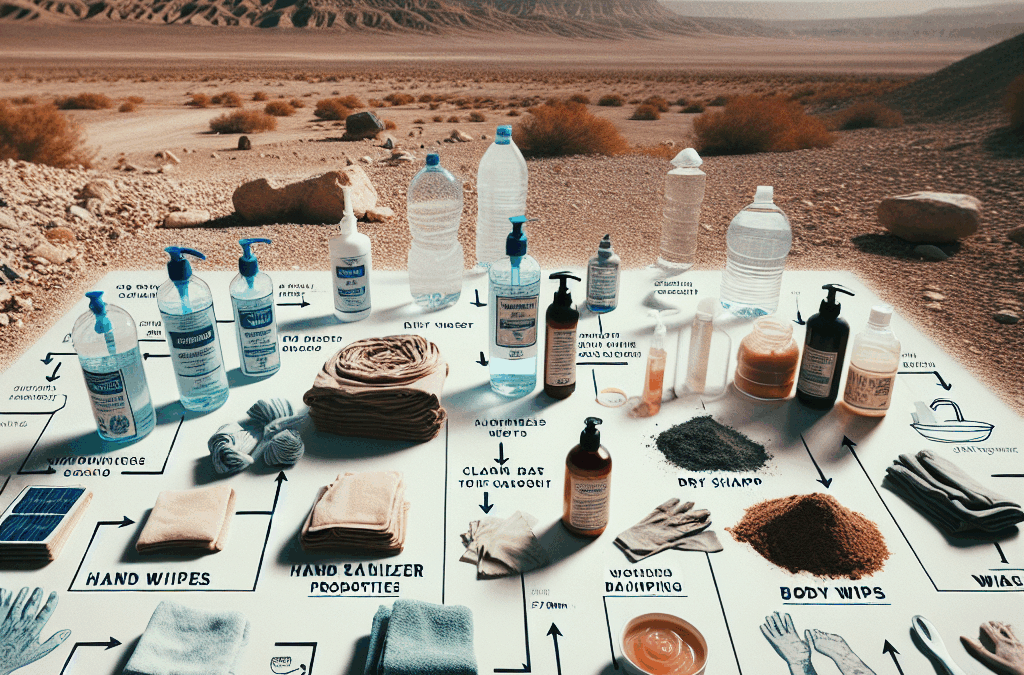
So, let’s start by talking about wet wipes. Trust me; they can be your best friend when you’re trying to maintain cleanliness without access to running water. The key is to choose those that are gentle on the skin but tough on dirt. Look for wipes that are alcohol-free for sensitive skin or those with added moisturizers so they don’t dry you out.
Another thing is to pay attention to the packaging. I’ve had my fair share of wipes that were either too dry or they just didn’t clean well. Always grab a small pack that you can easily fit in your bag. Compression is key here—less weight, more room for other essentials!
One tip: don’t forget to check the expiry date! Yes, those wipes can expire, and using old ones might just defeat the purpose of staying clean.
Rubbing Alcohol as a Cleaning Agent
Now, let’s chat about rubbing alcohol. This stuff is like magic for cleaning! Make sure you’re packing a small bottle in your travel kit. It can be super effective for disinfecting surfaces—just a few drops on a cloth go a long way.
I often use it to clean my phone and personal items like keys. Imagine all those germs lingering around; a quick wipe down with rubbing alcohol will knock them out. However, always use it in a well-ventilated area, as it can be a bit strong. Keeping your space airy is just another way to stay refreshed.
Beyond that, rubbing alcohol can also be used for minor cuts or scrapes when you don’t have access to running water. Just dab it on the area, and it’s like giving your skin a little pep talk to heal faster. How awesome is that?
Creating Your Cleaning Routine
Having a routine is essential! I suggest setting a specific time each day to use your wet wipes and rubbing alcohol. For example, first thing in the morning, after meals, and before you hit the hay. By doing this, you’re keeping a consistent check on your cleanliness.
Also, don’t forget to clean those hard-to-reach places like behind your ears, between your fingers, and even your feet. It may sound weird, but I consider it a little self-care ritual. Trust me, your body will thank you for it!
It’s all about discipline. I made it a point to stick to this routine, and I noticed I felt so much fresher throughout my day. Give it a try; you might just surprise yourself!
Using a Dry Shampoo for Hair Care
The Basics of Dry Shampoo
If you’re anything like me, keeping my hair clean can sometimes be a struggle when there’s no running water. Luckily, dry shampoo is here to save the day. It’s a little miracle worker that absorbs excess oil and refreshes your locks in a flash.
When applying, don’t just spray and walk away! Take a moment to part your hair and really get the base. Work it in with your fingers—it’s like a mini-massage for your scalp. And let’s be real, who doesn’t love that?
Honestly, the variety nowadays is incredible! From powder to spray, you can choose based on your hair type. I’ve found that sprays are super convenient, especially when you’re in a hurry.
Applying and Styling Tips
Let’s talk about application—less is more! Start with a small amount, and build up as needed. You don’t want to look like you’ve just rolled in flour! Focus on the roots and areas that are particularly greasy.
And here’s a pro tip; brush it out afterward! This will help in distributing the product evenly, leaving you with a natural look. I like to finish it off with a quick hair flip to give it a fresh, airy vibe!
Sometimes, I even use dry shampoo as a styling product. You’d be surprised how it gives added volume and texture, making your hair look fab without any water. It works wonders for those second or even third-day hairstyles!
Regular Hair Maintenance
Even when I can’t wash my hair, I keep the regular maintenance routine. You know, trimming, conditioning, and an occasional scalp massage can do wonders. I try to incorporate these practices whenever I can so my hair doesn’t feel neglected, even in waterless situations.
Another huge bonus is the right hair accessories—headbands, clips, and scarves can be lifesavers! They hide any greasiness while keeping you looking stylish.
It’s all about being proactive. If I know I won’t have the chance to wash my hair for a while, I’ll prep by using hydrating products before I even get into that situation. Keep your hair happy, and it’ll show!
Mouth Care and Fresh Breath
Keeping Brushing Supplies Handy
Oral care might seem trickier without running water, but let me share some secrets. First off, carry a toothbrush with you, and maybe a travel-sized toothpaste. Seriously, you don’t want to skip this step even if you’re on the go.
To make it easier, I recommend investing in a bamboo toothbrush which you can toss out guilt-free. Plus, just because you don’t have a sink doesn’t mean you can’t brush! A little water from a bottle will do the trick.
In a pinch, I’ve even brushed my teeth with just plain water and a good toothpaste. Sounds crazy, but sometimes desperate times call for creative measures!
Using Mouthwash Without Water
Mouthwash is a game-changer for fresh breath on the go. It can literally mask odors and give you that clean feeling in seconds. I usually opt for a small bottle of alcohol-free mouthwash because it’s gentle and effective.
Swish it around like the pros do—no water needed! Just a minute or two and you’ve got yourself a fresh mouth. It’s one of those mind-blowing hacks that you wish you knew sooner.
Also, keep some mints or gum handy. They are life-savers when you simply can’t manage a tooth-brushing situation. Pop one in after eating, and you’re golden! It’s all about keeping it casual and easy.
Add Some Flavor to Your Dental Routine
Let’s not forget the fun factor! Flavored toothpastes and mouthwashes can lift your spirits. I never mind reaching for mint or cinnamon flavored products—they make the experience enjoyable! This helps in keeping up with my oral hygiene while making it feel less like a chore.
Sometimes, I even create a mini routine out of it. You know, blast some music, and set a timer! Having a nice rhythm can make brushing or using mouthwash feel more like a self-care moment rather than a chore.
So, take pride in your smile! Even without running water, there are plenty of ways to keep your mouth fresh and clean.
Managing Personal Hygiene with Limited Resources
Choosing the Right Products
When it comes to personal hygiene, selecting the right products makes all the difference. Travel-sized products are perfect since they fit easily in your bag. I love using a small container of body wash that doubles as a hand sanitizer—talk about a two-for-one deal!
Be mindful of the ingredients, though. I’ve seen too many products with harsh chemicals! Natural options can keep you clean without irritating your skin. Brands that focus on essential oils or natural extracts are often a great choice.
Just remember, a little goes a long way. You don’t need to pile on the products; a pea-sized amount can work wonders if you apply it right!
Finding Alternative Hygiene Methods
Sometimes, a simple washcloth or towel can be an elegant solution. You can dampen a cloth with some water or a cleaning solution and wipe down your face and body without needing a shower. It’s super refreshing, especially on hot days.
Another trick I use is to soak some cotton balls or pads with cleansing solutions before packing them. This way, all I have to do is swipe them around my skin for a quick refresh. It feels glorious and invigorates you instantly!
Plus, carry a small bottle of baby powder or cornstarch. They work wonders for keeping your skin dry and fresh if you find yourself in sticky situations!
Creating Environments for Freshness
Finally, your environment matters! Try to find clean spaces or areas where you can comfortably take a moment for yourself. Sometimes I just need a little privacy to do my routine, and that makes a world of difference.
I also like to use air fresheners or even natural scents like lavender or eucalyptus to freshen up in the area I’m in. It’s amazing how a nice smell can uplift your mood and make you feel cleaner. Who doesn’t love a little aromatherapy?
Incorporating these little habits can transform your hygiene game. Even without running water, staying clean is totally achievable!
Maintaining Sanitation with Zero Water
Researching Sustainable Products
To wrap things up, let’s talk sustainability. Even when it comes to maintaining sanitation without water, there are eco-friendly products out there! Using biodegradable wipes or eco-friendly toiletries isn’t just good for us; it’s good for the planet.
I like to spend time reading labels and understanding what’s in the products I use. It’s very empowering when you know you’re making smart choices that benefit not just yourself but the world around you.
It’s also super helpful to educate yourself about local resources, especially if you’re traveling. Knowing where you can access clean and sustainable products makes it easier to maintain hygiene.
Community Solutions and Resources
I hope you realize you’re not alone in this journey! Community resources like public restrooms or stations for travelers can provide options for quick clean-ups. It’s also great to engage with local communities about sustainable practices—sharing tips can be a fantastic way to learn more!
Join social media groups where fellow travelers discuss their own hacks; you can find advice, suggestions, and camaraderie. It can be a great morale booster knowing others are in the same boat as you!
Remember, everyone has their own journey in cleanliness. Borrowing tricks from those shared experiences can enrich your own practices.
Reflection on Personal Practices
And finally, always take a moment to reflect on what works for you. Everyone’s routine will differ based on circumstances, so experiment a little. I often find myself adjusting what I do based on how I feel on a given day.
Staying clean is about consistent little choices that lead to great habits. Over time, these actions will become second nature, and you’ll wonder how you ever lived without them.
So go ahead, embrace this adventurous side of personal hygiene! With a bit of creativity, you can maintain cleanliness without ever needing running water.
FAQ
1. Can I use any type of wet wipes?
While most wet wipes can be used, it’s best to go for those that are designed specifically for skin care. Look for hypoallergenic and alcohol-free options if you have sensitive skin.
2. How do I make dry shampoo work best for my hair type?
For best results, pick a dry shampoo that suits your hair type (oily, dry, or color-treated). Experiment with different brands to find the one that gives you the best volume and texture.
3. What are some good alternatives for toothpaste on the go?
If you’re out of toothpaste, try using baking soda or even a little bit of salt. It’s not perfect, but it can help keep your mouth feeling fresh until you can brush properly.
4. How can I ensure that my cleaning products are sustainable?
Look for those labeled as biodegradable or eco-friendly. Also, check for certifications from known environmental organizations. Always doing a little research goes a long way!
5. Is it essential to have a cleaning routine?
Absolutely! A routine helps in building good habits and ensures that you don’t just neglect personal hygiene. Consistency is key, regardless of the resources you have.