In an unpredictable world, the best defense is a good offense. Emergency preparedness isn’t just a trendy buzzword; it’s a vital practice that can save lives. Whether natural disasters like hurricanes and earthquakes or man-made crises such as power outages or civil unrest, understanding how to prepare can make all the difference. So, let’s dive into essential strategies for getting ready for anything!
### Understanding the Risks: Assessing Potential Emergencies in Your Area
The first step in your preparedness journey is recognizing what threats are most likely to impact you and your loved ones. Every region has its unique set of risks. Coastal areas might face hurricanes or flooding, while mountainous regions could be more susceptible to wildfires or landslides. Research local history and consult resources like FEMA or the American Red Cross to get a clear picture of potential emergencies near you.
Additionally, consider factors such as your community’s infrastructure and any recent weather patterns that may hint at changing conditions. Speak with neighbors and local authorities to gain insights into specific vulnerabilities your area might face.
### Building Your Emergency Kit: Essential Supplies You Can’t Live Without
Once you’ve assessed the risks, it’s time to build an emergency kit—your lifeline during a crisis. Start with the basics: water (at least one gallon per person per day for three days), non-perishable food (think canned goods, energy bars), and a manual can opener (you’ll thank yourself later!).
Next, include medical supplies like first aid kits, necessary medications, hygiene items (toothbrushes, soap), flashlights with extra batteries, and important documents stored in waterproof bags. Don’t forget additional necessities like cash—ATMs may not function during power outages—and sturdy shoes, which can be crucial if you need to evacuate quickly.
Tailor your kit based on family needs; this includes infant formula if you have young children or pet supplies for furry family members.
### Creating a Family Emergency Plan: Communication and Safety Strategies
A well-thought-out emergency plan is crucial for ensuring that everyone knows what steps to take when disaster strikes. Begin by designating meeting points outside your home where family members know to gather if separated during an event.
Establish communication protocols—pick an out-of-town contact who can relay messages in case local lines are congested. Discuss potential evacuation routes from various locations around town and rehearse these plans regularly so everyone feels confident navigating them.
Also consider special needs within your family; ensure that elderly relatives or those with disabilities have tailored arrangements suited to their requirements.
### Staying Informed: Resources and Tools for Ongoing Preparedness
Preparedness doesn’t stop once you’ve assembled supplies and made plans; staying informed is equally vital! Utilize technology by downloading apps from trusted organizations like FEMA that provide real-time alerts about severe weather warnings or emergencies in your area.
Subscribe to local news outlets’ notifications via text or social media platforms for updates regarding ongoing situations affecting your community. Attend workshops offered by local agencies on disaster response techniques such as CPR training or fire safety measures—the knowledge gained could prove invaluable when seconds count.
By embracing these strategies—understanding risks specific to your area, building an essential emergency kit, creating robust family plans, and staying informed—you will empower yourself and those around you with confidence amid chaos. Remember: being prepared isn’t just about surviving; it’s about thriving through adversity!
Hey there! You know, navigating the world after dark can be a bit daunting, especially when streetlights are few and far between. I’ve had my fair share of nighttime adventures, and over the years, I picked up some cool strategies that can help anyone feel a bit safer. Here are five major tips to keep in mind, based on my own experiences.
Plan Your Route Ahead of Time
Know Your Surroundings
Before stepping out, I like to take a good look at the area I’ll be traversing. Familiarizing myself with the streets, alleys, and shortcuts can make all the difference. If there are areas I consider dodgy or poorly lit, I’ll avoid them like the plague. It’s all about knowing, right?
It might sound excessive, but sometimes I even scout these routes during the day. By doing this, I can spot landmarks or safe havens, like shops or the odd house with lights on. It really helps build my confidence when I’m moving about at night.
If you’re heading out somewhere new, I recommend using apps or maps to help plan your route, highlighting any spots to steer clear from. It’s no fun getting lost in the dark!
Check for Safe Zones
Safe zones can be anywhere that feels welcoming and secure—think well-lit areas like gas stations, convenience stores, or the front steps of busy houses. Knowing where these spots are can provide a quick escape route if you need to change course.
I’ve found that it really helps to mentally note these spots as I walk. It gives me a sense of control and makes those dark moments feel, well, a little less scary. Trust me, having a plan in your back pocket is a game changer!
Also, if the area is new to you, don’t hesitate to ask locals about safe zones. They often have good insights and can steer you towards the best routes. Community is often more important than we realize, especially at night.
Use Technology Wisely
Now, I’m a huge fan of tech, so I can’t stress enough how helpful my phone’s navigation can be when it’s dark. Having a reliable app that gives turn-by-turn directions can keep you from making wrong turns in poorly lit spots.
Another smart move is using your phone’s flashlight. It’s like carrying a miniature streetlight! I keep my phone charged and ready; a small light can help illuminate uneven pavements or even deter a potential threat.
Lastly, sharing your location with a trusted friend can be a tremendous safety net. Let them know when you’re on the move, and they’ll feel more at ease, too. Nothing builds trust like keeping those in your circle informed!
Walk With Purpose
Stay Aware of Your Surroundings
When walking in the dark, I can’t stress enough the importance of being aware of my surroundings. This means not getting glued to my phone or wearing headphones. Sure, I love my tunes, but staying alert is far more important at night.
Each time I’m out, I try to notice small details, like if there are any unusual sounds or people lingering about. It may sound overly cautious, but even a slight change can signal a need to reassess my surroundings.
When I feel the tension in the air or see something odd, I instinctively adjust my body language to appear more confident. It’s funny how often that alone can shift things in my favor. Sometimes, it’s all about projecting strength!
Keep Your Body Language Confident
One of the tricks I’ve learned is the importance of confident body language. Standing tall and walking with purpose can actually deter unwanted attention. I try to keep my chin up and shoulders back, which not only portrays confidence but also makes me feel more secure.
When I encounter others while walking, I’ll make eye contact. Not in a confrontational way, but in a way that shows I’m aware of them. People often pick up on this and tend to be less likely to mess with you when they know you’re alert.
Body language can communicate a lot! I even practice my “power poses” when I’m at home, just to instill that sense of confidence in myself. It’s all about mindset, my friends.
Travel with a Friend
Whenever possible, going out with someone else is one of my favorite tips! There’s something about having an ally that eases the nerves and enhances safety. Plus, it can be a lot more fun to share experiences with someone else.
If my friend and I are heading out, we always chat about our plans and keep each other aware of our surroundings. It’s less about just feeling safe and more about having each other’s backs, you know?
Honestly, there’s a sense of comfort in numbers. We often find ourselves looking out for potential hazards, which makes the journey way more enjoyable and less stressful! Never underestimate the power of companionship.
Dress to Be Prepared
Wear Reflective or Bright Clothing
I can’t tell you how pivotal it is to wear bright or reflective clothing when heading out at night. I’ve made it a habit to sport something noticeable, especially if I’m walking near car traffic. It’s one of those little choices that can make a huge difference!
Last winter, I bought a reflective vest for my evening walks. I felt like a safety superstar turning heads, but honestly, I felt safer knowing drivers could actually see me. It’s worth every penny if it means being visible!
Remember, it’s not about being fashionable; it’s about being smart. Choose clothes that stand out, especially if the area you’re walking through is dimly lit.
Choose Comfortable, Sturdy Shoes
Comfortable shoes are a must! I’ve been in too many situations where I regretted my choices. Whether you’re sprinting away from a situation or just walking a few miles, make sure your footwear won’t let you down.
I’ve opted for shoes with good grips and sturdy soles since they’d not only keep me comfortable but help navigate tricky terrains. I’ve tripped on uneven sidewalks all too often to know that is vital!
It might sound trivial, but taking those extra minutes to choose wisely can save a lot of hassle when you’re feeling the pace after sunset.
Carry Essential Gear
Last but not least, I always carry a small bag with essential gear when I head out at night. A mini first-aid kit, a portable phone charger, and a small flashlight are my go-tos. You never know when you might need them!
I’ve been in situations where a tiny flashlight saved me from tripping or worse. I even consider my pepper spray a part of my nighttime essentials—just a small deterrent that provides peace of mind while walking alone.
Make it easy on yourself by choosing a compact bag that’s light but functional. This will make you feel prepared and safer during those dark ventures.
Trust Your Instincts
Listen to Your Gut
This is a big one! I’ve learned time and again that my gut feelings are usually spot on. If something doesn’t feel right—a person, a sound, or even a street—I trust that inner voice more than anything!
There have been times when I’ve felt uncomfortable and chose to change my course. It’s better to be safe than sorry, right? Listening to your instincts is a fundamental part of staying safe.
Sometimes, this might mean avoiding certain paths altogether or seeking immediate company. Never hesitate to act on those feelings; they’re there for a reason!
De-escalate When Necessary
If I find myself in a tense situation, I’ve learned a few tricks to de-escalate. I focus on staying calm and keeping my voice steady. Often, my calm demeanor can influence the mood around me—people respond to energy!
Also, avoiding direct confrontation is usually a smart approach. Sometimes, simply changing the subject or walking away can diffuse tension. I’m not about proving something; I just want to get home safe.
Having strategies like these has really set my mind at ease. Practicing calm communication helps not just in the moment but builds my confidence for future encounters too.
Know When to Seek Help
There’s absolutely no shame in seeking help if you feel threatened or in danger. If I notice someone is lingering a bit too long near me, I don’t hesitate to approach a nearby shop or even flag down someone for assistance.
I’ve often found that just being loud and drawing attention can sometimes deter unwanted attention as well. People are programmed to notice when someone’s in distress. I’ve had moments when a simple shout has helped to solve potential issues.
Don’t forget: you’re not alone in this! There are so many people around who can lend a hand. Never hesitate to reach out, even if it’s to simply share your fears with someone who looks supportive.
Frequently Asked Questions
1. What should I do if I feel unsafe while walking?
If you feel unsafe, trust your instincts. Change your route, head to a well-lit public area, or seek help from others around you. Always prioritize your safety and don’t hesitate to call for assistance.
2. How can I prepare for walking at night?
Plan your route ahead of time, wear bright or reflective clothing, and ensure you have a charged phone and essential gear like a flashlight. Staying aware and confident is key.
3. Is walking alone at night dangerous?
It can be, particularly in poorly-lit or unfamiliar areas. It’s important to stay aware, trust your gut, and follow the strategies outlined in this article to enhance your safety.
4. What if I notice someone acting suspiciously?
Trust your instincts and avoid engaging. If you feel particularly threatened, seek help immediately and consider contacting authorities if necessary. Always put your safety first.
5. How important is body language when walking at night?
Very important! Confident body language can deter potential threats. Walk with purpose, make eye contact with others, and be aware of your posture to avoid appearing vulnerable.
In an unpredictable world, emergencies can strike without warning. Natural disasters, power outages, or sudden evacuations remind us that being prepared isn’t just a good idea—it’s essential. Having an emergency go-bag at the ready can mean the difference between chaos and calm when crisis strikes. This bag is your lifeline in tumultuous times, packed with supplies to help you navigate through unforeseen circumstances.
*What is an Emergency Go-Bag?**
An emergency go-bag, also known as a bug-out bag or 72-hour kit, is a portable collection of essential items designed to sustain you and your loved ones during the critical first few days after an emergency occurs. It should be lightweight yet comprehensive enough to provide for basic needs until you can reach safety or access additional resources.
*Essential Supplies: The Foundation of Your Go-Bag**
While the specifics may vary based on individual requirements and potential risks in your area, there are several core items that form the foundation of any effective go-bag.
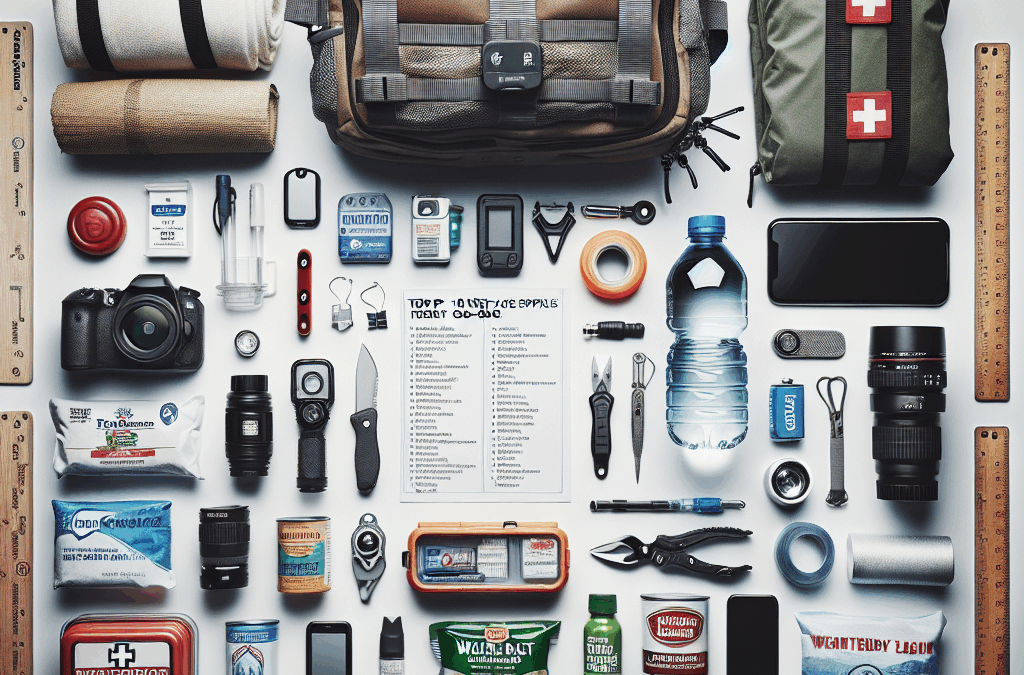
*Top 10 Must-Have Supplies for Your Emergency Go-Bag**
1. **Water:** Aim for at least one gallon per person per day for three days. Hydration is non-negotiable.
2. **Non-Perishable Food:** Pack energy-dense snacks like granola bars, canned goods, or freeze-dried meals that don’t require cooking.
3. **First-Aid Kit:** A well-stocked kit should include bandages, antiseptics, pain relievers, and any personal medications.
4. **Flashlight:** A reliable flashlight with extra batteries will illuminate dark paths during power outages.
5. **Multi-Tool:** A versatile multi-tool can assist in numerous situations—from opening cans to making repairs.
6. **Emergency Blanket:** Lightweight and compact; it retains body heat while taking up minimal space in your bag.
7. **Whistle:** Used to signal for help if you’re separated from your group or lost—its sound carries far!
8. **Maps and Compass:** While technology may fail during emergencies, traditional navigation tools remain invaluable.
9. **Personal Hygiene Items:** Consider including wipes, hand sanitizer, toothbrushes, and tissue to maintain sanitation.
10. **Cash:** In emergencies where card systems might be down, having cash on hand could be crucial.
*Bonus Items: Going Beyond the Basics**
If space allows, consider adding items like a portable phone charger (solar-powered if possible), local contact information for family members or friends outside affected areas, duct tape for quick repairs, and even a small camping stove for cooking food under challenging conditions.
*Customizing Your Go-Bag for Family Needs**
Every family has unique needs; thus customizing your go-bag is vital! For families with children or pets, include child-friendly snacks and toys to keep spirits high or pet food and leashes to ensure their comfort during uncertain times.
*Tips for Organizing Your Go-Bag Efficiently**
Use clear containers or zippered bags within your go-bag to categorize supplies—first-aid kits together, food items consolidated separately—to streamline access during crises when every second counts!
*Maintenance: Keeping Your Go-Bag Ready**
Regularly inspect your go-bag at least twice a year. Check expiration dates on food and medications; refresh water supplies as needed to ensure everything remains fit for use when required most urgently.
*Scenario-Based Packing: Tailoring Your Go-Bag for Specific Emergencies**
Consider potential threats specific to your region—earthquakes might necessitate different gear than hurricanes! Adjust contents accordingly so you’re fully equipped based on probable scenarios affecting you directly.
*Conclusion: Take Action Today for a Safer Tomorrow**
Being prepared isn’t merely about gathering supplies; it’s about cultivating confidence amid uncertainty. Take action today by assembling your emergency go-bag—your future self will thank you later! Remember: preparedness isn’t just a plan; it’s peace of mind wrapped up in practicality!