by Preparation | Aug 3, 2025 | Preparedness
Essential Outdoor Skills
Building a Shelter
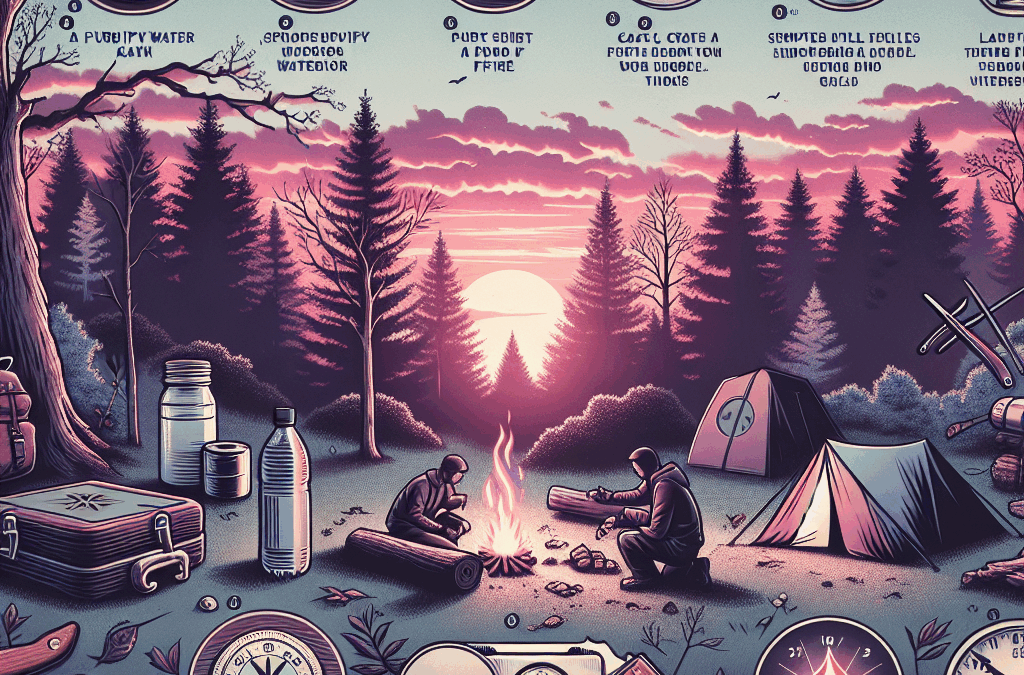
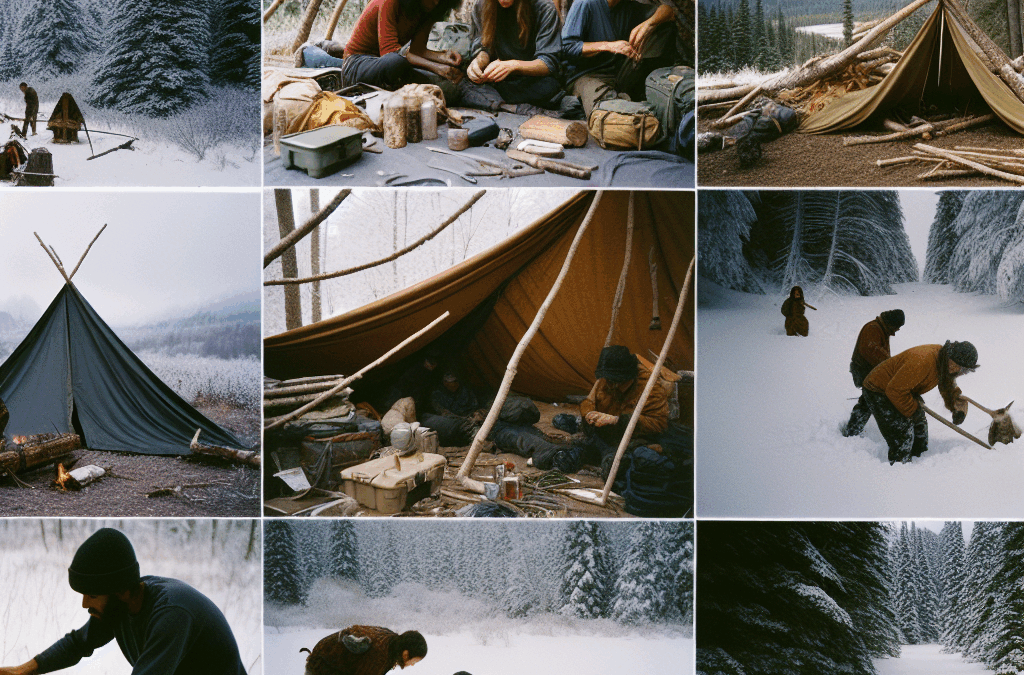
One of the first things you’ll want to master in any survival situation is building a shelter. Trust me, finding a good spot can make all the difference between a comfy night and a cold, miserable one. You’ll need to look for natural cover, like trees or rock overhangs, and make sure you’re off the ground to avoid cold winds.
My personal go-to is the lean-to method. You just take a sturdy branch, lean it against a tree, and cover it with smaller branches and leaves for insulation. It’s simple and effective. Plus, it’s always helpful to use whatever materials are available to you, and remember—nature often provides.
Lastly, don’t forget about ventilation! If your shelter doesn’t breathe, you’re just inviting condensation and moisture—two enemies of a good night’s rest. A well-ventilated shelter can keep you cozy through those chilly nights.
Finding Food
When it comes to food, foraging and hunting are vital skills to develop. You don’t need to be Bear Grylls, but knowing the basics of edible plants can keep you fueled. Look for familiar sources like berries, nuts, and greens. Keep in mind that if you’re not sure—don’t eat it!
Fishing is another avenue you can explore. If you have a basic fishing line or even a makeshift rod, you can often find food in local streams or lakes. I’ve learned the hard way that catching fish isn’t just about luck; you’ve got to be patient and know your fishing spots.
Lastly, don’t underestimate small game hunting. Carrying a slingshot or a simple trap can help you catch rabbits or squirrels. It’s all about innovation and using what you have, so think outside the box!
Water Sourcing
Finding safe drinking water should be at the top of your priority list. I always suggest looking for streams, lakes, or even collecting rainwater. However, never just drink from a source without purifying it first.
Boiling water is the most reliable method. Just bring it to a rolling boil for at least a minute, and you’re good to go! You can also use purification tablets if you’ve packed them in your survival kit. It’s like a little safety net.
Don’t forget about filtering techniques—you can use a cloth or a coffee filter to remove any debris. I’ve learned that it’s all about being resourceful and using what’s around you!
First Aid Skills
CPR Basics
Knowing CPR can literally save lives, period. It might sound intimidating at first, but the basics are pretty straightforward. If someone’s unresponsive, start with chest compressions—about two per second. Count it out, and you’ll get into a rhythm.
One night, I was camping, and a buddy tripped and hit his head. This is where my limited training kicked in. I checked if he was breathing—thankfully he was fine—but having CPR skills on hand eased my mind in that situation.
If you’re unsure about proper techniques, look for local courses to get certified; it’s invaluable knowledge that can come in handy anywhere, anytime.
Wound Care
Injuries can happen when you least expect it. That’s why I always carry a basic first aid kit—it’s like having a mini hospital in your backpack. But even without that, there are simple ways to deal with cuts or scrapes.
Cleaning the wound is crucial. I’ve made it a habit to have some alcohol wipes with me; using soap and clean water will work too. Just make sure you get rid of any dirt.
Then, cover it with a bandage or cloth. Keeping it clean helps it heal so much faster. I’ve seen too many friends neglect their scrapes only to deal with infections later on. Trust me on this—bandage it up!
Recognizing Shock
Shock can happen after a traumatic injury or severe emotional distress. It’s important to recognize the signs. Most people will look pale, feel dizzy, or breathe quickly. If you see someone acting like this, get them to sit or lie down and keep them warm.
One time, I was hiking and witnessed a fellow hiker fainting after falling down. It was super scary! I had to stay calm, position them properly, and talk to them until help arrived.
Being aware of shock can make you a superhero in the wilderness; knowing what to do can save someone from suffering unnecessarily.
Navigation Skills
Map Reading
Understanding how to read a map is a skill I picked up through trial and error. Trust me, knowing how to find your way without a GPS is essential. Start with the basics like identifying landmarks, understanding scale, and knowing how to use a compass.
When I first started camping solo, looking at a map felt overwhelming. With practice, I learned to pinpoint where I was relative to trails, roads, and water sources. It really boosts your confidence in the wild.
Pro tip: always carry a physical map, just in case. Technology can fail, but a good ol’ paper map will never die on you!

Using a Compass
Complementing map reading with a compass is a game changer. I personally love my compass—it brings me back to childhood days of being a little explorer. Understanding how to hold it and align it with the map makes navigating a breeze.
You can use the compass to determine which direction is north, and from there, plot your course. You might be surprised how liberating it feels to know where you’re headed, especially in a dense forest.
Always practice your compass skills regularly! It’s easy to forget if you don’t, but keep it handy and get familiar with it. This skill can turn you from lost to found in no time!
Using Natural Navigation
Learning to use natural signs, such as the position of the sun and stars, can also help guide your path. I never thought about this until I found myself stranded with no compass one day. Flowers tend to always face the sun, and moss often grows on the shady side of trees. Little tricks like that go a long way!
As the sun travels across the sky, it can help you estimate the time. Knowing this lets you gauge the direction you’re heading or how long you’ve got until dark. It feels magical once you start noticing these patterns.
Practice these methods while enjoying the outdoors—it’s fun, and you’ll feel more connected to the environment around you!
Mental Resilience
Staying Calm Under Pressure
This one can be tough! When you’re out there and things start going awry, it’s easy to panic. But I’ve learned that staying calm is crucial. Take a breath, look around, and assess your situation.
Remember, panicking leads to bad decisions. In my experience, I usually take a moment to find my center, maybe even do a little breathing exercise or two. It can really clear your mind and help you focus on what needs to be done.
Whatever you do, don’t let fear control you! Use that adrenaline to fuel your next move instead.
Positive Visualization
When facing tough times, I like to visualize positive outcomes. Picture yourself successfully finding your way back or taking care of an injury. This practice helps me maintain a hopeful outlook and keep pushing forward.
The more you practice this, the easier it becomes to harness that positive mindset. I can’t tell you how many times it’s turned a tough situation into a motivational experience for me!
Remember, your mentality is your strongest tool in a survival situation. Use it wisely!
Setting Goals
Lastly, setting small, achievable goals while you’re in a sticky situation is vital. Instead of thinking about how long you’ll be out in the wilderness, focus on the next step: make a shelter, find food, or signal for help. Break it down into manageable tasks!
When I focus on short-term goals, it helps me feel less overwhelmed. I can check things off my list and celebrate those small victories, which builds my confidence as I tackle bigger challenges.
Remember, survival isn’t just about physical strength; it’s about mental agility as well. Nurture that mindset to thrive!
Frequently Asked Questions
1. What should I pack for a survival situation?
Your survival kit should include a first aid kit, water purification tablets, fire-starting materials, a multi-tool, a map and compass, and sufficient food supplies. Personalize it with items you feel are necessary for your adventures!
2. How can I improve my navigation skills?
Practice is key! Spend time using maps and compasses during hikes or day outings. You can also attend outdoor navigation workshops for hands-on learning.
3. What food should I prioritize in the wild?
Focus on finding high-energy foods like nuts, berries, wild greens, and small game. Educate yourself about local edible flora and fauna before venturing out!
4. Why is mental resilience important in survival situations?
Mental resilience helps you maintain clarity and make better decisions when under stress. Staying calm and focused can significantly enhance your chance of survival.
5. How do I keep my shelter warm?
Insulate your shelter with leaves, branches, or any natural materials to retain heat. Also, avoid direct wind exposure by situating your shelter away from strong gusts.
by Preparation | Aug 3, 2025 | Preparedness
Real-Time Alerts and Notifications
Understanding the Importance
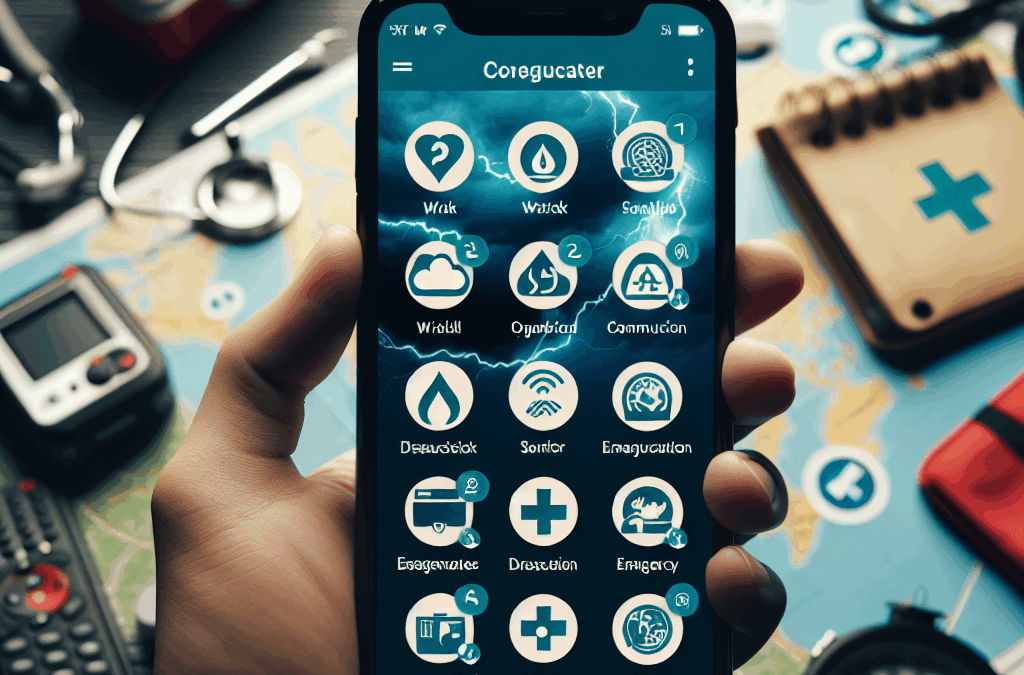
When a disaster strikes, time is of the essence. Real-time alerts are vital to keeping us informed about what’s happening as events unfold. Personally, I’ve found that notifications can make all the difference in how I prepare and respond. If a tornado warning comes through, I want to know instantly so I can take action.
Many apps today leverage GPS technology to deliver alerts specific to your location. This means, for example, if you’re in a flood zone, you’ll be alerted about worsening conditions before anyone else in a different area. This localized information isn’t just convenient; it’s crucial.
In my experience, being proactive rather than reactive saves lives. So, ensuring you have an app that gives you real-time updates on disasters is no longer a nice-to-have—it’s a must.
Top Apps for Alerts
Among the myriad of applications out there, a few stand out. For instance, the FEMA app is fantastic for federal alerts and puts safety tips at your fingertips. On the other hand, alerts from AccuWeather and The Weather Channel can provide localized storm warnings that are invaluable.
Social media platforms like Twitter have also become unofficial but sometimes reliable sources for real-time updates. Following local news stations and governmental agencies can fill gaps and provide a community feel to the updates.
Whichever app you choose, make sure they can deliver timely warnings to your device. I’m always tweaking my settings to make sure I won’t miss a beat when matters get serious.
Customization for Individual Needs
Not everyone has the same needs during a disaster, and that’s where customization comes in. Some folks only want alerts when a natural disaster is imminent, while others may follow local emergencies like wildfires or even civil unrest.
Apps that allow you to pick which alerts you receive are invaluable to me. They help cut through the noise, so I only get the most relevant updates without being overwhelmed. I always check the settings on my apps to tailor notifications just the way I like them.
In the end, your app should not just serve a purpose but fit seamlessly into your lifestyle—making your life easier rather than adding to the chaos.
Community-Based Updates
The Strength of Local Knowledge
One of the best things about community-driven platforms is that they bring together information from those right in the thick of it. I’ve found that a local resident’s experience during a disaster often delivers insights that official alerts might miss.
Platforms like Nextdoor or Facebook groups can be lifesavers during emergencies. I remember being in a flood situation where my neighbors were posting real updates about road conditions and where to find sandbags. It was that community knowledge that helped keep me safe.
Not to mention, the camaraderie established during a crisis can help ease anxiety. Having a network of people sharing updates can instill a feeling of solidarity, making you feel less isolated during a scary time.
Sharing Information Quickly
During disasters, time is money—or in this case, safety. The critical nature of sharing information quickly can’t be overstated. I’ve had instances where knowing about road closures or available shelters made a massive difference in my decision-making.
Apps that facilitate quick and easy sharing of updates help combat misinformation and keep us in the loop. It’s essential that we share accurate information as quickly as possible to help others, not just ourselves.
Whether you’re forwarding news articles or sharing your insights, immediate communication can significantly reduce panic and keep the community informed.
Establishing Trust in Communication
It’s crucial to have apps that you trust during emergencies. Misinformation can spread like wildfire, especially during a disaster when fear and confusion reign. I’ve learned to stick to well-known, reputable sources that have a track record of reliability in times of crisis.
Additionally, familiarizing myself with who’s behind the apps I’m using adds a layer of security. I’m always on the lookout for apps developed by governmental agencies or established organizations that have the means to provide essential updates.
Building trust in communication tools can significantly influence how efficiently you react to disaster alerts. It’s worth the time to research ahead of time so that when an emergency does hit, you can react clearly and confidently.
Offline Accessibility
The Need for Offline Features
I’ve personally encountered connectivity issues during disasters more than once. Standing in the aftermath of a storm with no phone service made me realize just how valuable offline features are. One app that’s saved me during past emergencies is one that downloads essential information ahead of time.
Offline maps, emergency contact lists, and checklists can be incredibly useful if the power goes out or if cell towers are overloaded. Knowing I can access essential information without internet provides a sense of security that’s hard to quantify.
Some apps, like the Red Cross emergency app, allow you to download safety tips and first aid guides for offline use. That kind of planning ensures I can still be resourceful even when technology lets me down.
Preparing Ahead of Time
Preparation is key for ensuring you are set during a disaster, and that preparation often includes downloading and setting up your apps in advance. I always make it a point to download emergency apps before the storm systems roll in.
Taking into account battery usage is also crucial. I learned the hard way during a hurricane when I needed my phone for updates, but my battery was drained after continuous use. Utilizing features that allow apps to work in low-power mode has been a game-changer.
The more steps we take in preparation, the better we can handle whatever circumstances come our way. It’s about minimizing risks and ensuring we can respond effectively.
Integration with Other Safety Tools
Connecting Multiple Tools
In my experience, the best approach to disaster preparedness is using an arsenal of tools in synergy. I love apps that can connect directly with my home security system or emergency services for added peace of mind.
For example, if I have a connected smart home device that can send alerts to my phone, I instantly have the capability to receive updates while I’m on the move. Those connections bolster my sense of safety knowing that I’m informed even when I’m away from home.
Furthermore, integration between apps means I can funnel all information in one place. It helps simplify the chaos of information that is often present during a disaster.
Emergency Contacts and Network
Having a dedicated app that helps me coordinate with family and friends during a crisis is invaluable. I like to use apps that allow me to create a network of emergency contacts, ensuring my loved ones can check in easily.
Being able to share location data with trusted friends or relatives gives everyone that extra layer of reassurance. I’ve often designated a “safe word” or signal that everyone in my network understands, which makes communication smoother.
Establishing who will be responsible for which updates can ease the burden when disaster strikes. You’re not relying on just one person in the group; everyone can pitch in, keeping the lines open and effectively communicating.
Feedback and Continuous Improvement
Lastly, a tool’s efficacy relies heavily on user feedback. Many of the apps I use have a feature for reporting issues or difficulties that I find helpful. When developers listen to users, they continue improving the experience, making it better for everyone.
After a disaster is a great time for me to assess which apps I found beneficial and which could be improved. I often send feedback to app creators so they know what works and what doesn’t, and I encourage others to do the same.
Creating a circle of continuous improvement means our tools evolve to meet our needs. This feedback loop can truly enhance your experience and contribute to overall community safety.
Frequently Asked Questions
1. Why are real-time alerts crucial during disasters?
Real-time alerts keep you informed about imminent dangers, allowing for quick responses that can save lives. They help people make urgent decisions, whether to evacuate or seek shelter.
2. How can community-based updates be beneficial?
Community updates provide first-hand accounts and information that may not be available from official sources, helping you make informed decisions based on actual conditions.
3. What features should I look for in disaster communication apps?
Look for features like real-time alerts, offline accessibility, customization options, and integration with other safety tools to ensure you’re fully prepared for emergencies.
4. How can I ensure information accuracy during a disaster?
Stick to trusted apps and official channels for updates. Verify information through multiple sources to avoid falling victim to misinformation.
5. What should I do if I can’t access the internet during a disaster?
If you can’t access the internet, having offline features like stored maps, emergency contacts, and safety guides will be vital. Download these ahead of time to prepare for potential outages.
by Preparation | Aug 3, 2025 | Preparedness
Assess Your Immediate Needs
Understand Your Situation
When I found myself needing temporary shelter, the first thing I did was to really sit down and assess my situation. It’s easy to panic, but taking a moment to gather my thoughts made all the difference. Ask yourself questions like: How long do you need the shelter? What amenities are essential for you right now? Understanding these elements helps you narrow down your options.
Also, think about your comfort levels. Being in a safe environment is a must, but do you also need privacy? Perhaps you’ve got some pets to consider as well. Listing down these needs can definitely be a game changer in crunch time.
In my experience, once I had a clear vision of what I needed, I felt empowered. It’s a huge relief knowing where to start instead of just wandering aimlessly through choices.
Consider Your Budget
Next up is figuring out your budget. When money is tight, or you just want to be smart about spending, you need to know what you’re working with. I remember going through my savings and determining how much I could realistically allocate for shelter without sacrificing my essentials. It’s not always easy, but it’s crucial.
Don’t be afraid to look for budget-friendly solutions like local shelters, community centers, or even short-term rentals that fit your needs. Websites that specialize in affordable housing can be super helpful. I found several options that were not only affordable but also met my other requirements.
Being mindful of your budget keeps you grounded and prevents any last-minute financial panic. Trust me, options like these can steer you clear of unnecessary stress!
Timeframe and Duration
Another important factor is how long you actually need the shelter. Are you in a situation that only requires a couple of nights, or are you looking for something more long-term? Knowing your timeframe allows you to filter out options that won’t serve your needs.
In my case, I needed a temporary solution for about a month. This helped me focus on places that offered flexibility. Some rental agreements can be rigid, so it’s always good to ask about short-term leases before committing.
Understanding your duration helps not only with finding the right place but also with planning your next steps. It’s like setting the stage for where you want to go from here.
Research Temporary Shelter Options
Local Shelters and Community Resources
Once you’ve got your needs outlined, it’s time to hit the research phase. I was amazed at the number of local shelters and resources available in my community. Many towns offer temporary housing through churches or non-profits at no cost or very low rates. Honestly, I didn’t even know these resources existed until I started looking.
Find out what local organizations are available, and don’t hesitate to reach out to them. They often have lists of available shelters that fit different situations, ensuring you have options tailored to you.
This can really save both time and stress – just be open and willing to ask for help! The community is often eager to assist when people are willing to reach out.
Online Platforms and Listings
The Internet can be a treasure trove when it comes to finding temporary shelter options. Websites like Airbnb, Vrbo, or even Craigslist had some fantastic leads for me. I loved how I could filter choices by price, location, and amenities. It saved me a ton of legwork!
Just make sure you’re careful and do your homework. Read reviews and look for verified listings. In my hunt, I found some hidden gems but also faced a few questionable ads! Trusting your gut is key in this phase.
Using digital tools not only broadens your options but can also help you keep track of leads as you explore various places. It helped me streamline my search so I didn’t get overwhelmed.
Networking and Community Connections
Don’t underestimate the power of networking! Friends and family may know of places or can provide referrals that can lead to securing a good temporary shelter quickly. When I reached out to my circle, I was surprised at how many people were willing to help.
I even discovered a friends’ family member who had a vacant property available for short-term rental. It felt great to connect and feel supported through those connections.
Putting it out there that you’re searching for temporary shelter can really open doors, sometimes in unexpected ways. You never know who might have a lead that works perfectly for you!
Prepare for Your Stay
Gather Necessary Supplies
When you finally lock down a shelter, preparing for your stay is key! I always made a checklist of the essentials I’d need day-to-day. Things like toiletries, clothing, and even a few comforts from home (like my favorite blanket) made settling in a lot smoother.
Depending on your situation, consider what appliances or items might be part of the shelter. Some places might not have basic kitchen supplies, so do a quick inventory to avoid surprises upon arrival.
Your comfort can significantly impact your mindset during this transitional period, so don’t skimp on these preparations!
Understand the Rules and Expectations
Each shelter or rental usually comes with its own set of house rules and expectations. Before you dive in, I always recommend taking the time to fully understand what’s expected of you, from checkout procedures to guests or noise policies. Clarity here can help you dodge potential conflicts later.
I remember staying with a friend in a community shelter where they had strict quiet hours. Initially, I didn’t realize this, but having a heads-up made it so much easier to coexist with others. Knowing these rules means you can quickly adapt without stumbling through any unwanted mistakes!
Plus, respecting the property and rules builds a good relationship with your temporary hosts or neighbors, which is so important during this time.
Document Condition Upon Arrival
Trust me, this one is a no-brainer. When you arrive at your temporary shelter, walk through and document its condition. Snap a few pictures and take notes on any issues you find. This way, if disputes arise later, you’ve got your base covered.
Keep it polite and respectful; we’re all human here. But being thorough saves you from potentially stressful situations with landlords or service providers. I learned this lesson the hard way once — flexibility is helpful, but protecting yourself matters, too!
By setting this foundation, you can focus on making the best out of your temporary stay, turning it into a positive chapter instead of a stressful one.
Know When to Transition
Assessing Your Current Situation
While temporary shelter offers relief, it’s essential to remember it’s just that – temporary. I always recommend checking in with myself regularly to gauge how I’m feeling in the shelter and to see if my needs are being met.
Are you still comfortable? Is it time for a change? Listening to your gut instincts can help you recognize when it’s time to transition to a more permanent solution.
Don’t let fear hold you back from making a change. A temporary situation doesn’t have to feel permanent if you’re actively seeking a way forward!
Start Planning for a Permanent Solution
Once you’ve begun to feel that itch for something more stable, it’s time to kick into planning mode. I started to search for longer-term rentals or housing options that aligned better with my goals.
Enlist the help of friends or family, and consult online resources to find suitable long-term accommodations. The process may take time, but knowing you’re on the right path can really give you a sense of purpose.
While you check out options, think about what you’ve learned from your temporary stay. Maybe you discovered you value being close to public transportation or found a particular neighborhood you love. Use this insight to guide your future decisions!
Reach Out for Assistance as Needed
Transitioning can be daunting, but remember, you’re not alone! Many organizations exist to help people move from temporary to permanent housing. I reached out to local housing authorities and charities that specialize in helping folks like us find stable homes.
They often have resources, advice, and even financial assistance programs to help ease the transition. It felt reassuring to know that support was available, and I wasn’t stuck figuring it all out by myself.
Always remember: asking for assistance isn’t a sign of weakness; it’s an important part of navigating life’s challenges. Use every resource at your disposal to secure the most stable situation you can!
Frequently Asked Questions
What is the best way to start finding temporary shelter?
The best way to start is by assessing your immediate needs, including your budget and desired timeframe for shelter. Understanding these factors can help you narrow down your search effectively.
Are there resources available if I don’t have a lot of money to spend?
Absolutely! Many communities offer free or low-cost shelters through non-profits, churches, or local organizations that can help those in need. Don’t hesitate to reach out to them!
How can I ensure my stay in temporary shelter is comfortable?
Preparing adequately by gathering necessary supplies, understanding the house rules, and documenting the condition upon arrival can all contribute to a comfortable stay.
When should I start looking for permanent housing?
You should start looking for permanent housing as soon as you feel your temporary arrangement is no longer serving your needs, or when you feel ready for a change. Regularly assess your situation to help inform this decision.
Is it okay to ask for help during this process?
Yes, definitely! Seeking assistance from friends, family, community support services, or housing organizations can provide valuable resources and support during your transition.




