by Preparation | Aug 4, 2025 | Preparedness
In an unpredictable world, being prepared for emergencies is not just a wise choice; it’s a necessity. Whether it’s natural disasters, health crises, or other unexpected events, having a solid plan can make all the difference. Here’s how you can ensure you and your loved ones are ready for anything.
*Understanding the Risks: Assessing Your Vulnerabilities**
The first step in effective emergency preparedness is to understand what risks loom over your household. This means taking a good look at your surroundings—are you in an area prone to floods, wildfires, or earthquakes? Consider also personal vulnerabilities such as medical conditions or mobility issues that could affect how you respond during crises. Take time to research local hazards and consult with community resources to gain insights into potential threats. By identifying these vulnerabilities upfront, you’re already ahead of the game.
*Building Your Emergency Kit: Essentials for Every Household**
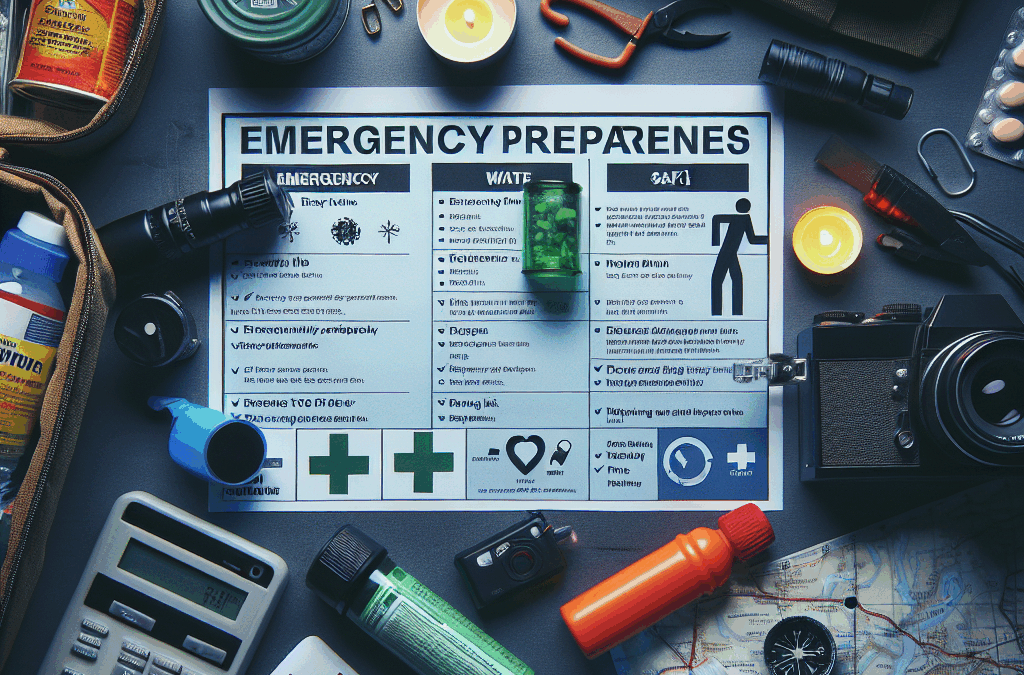
Next on the list is assembling an emergency kit—a crucial component of any preparedness plan. Ideally, this kit should be easily accessible and stocked with essentials that will sustain your family for at least 72 hours. Start with water—one gallon per person per day is recommended—alongside non-perishable food items like granola bars and canned goods. Don’t forget first aid supplies, flashlights with extra batteries, personal hygiene products, and important documents stored in waterproof bags.
Moreover, consider including specific items tailored to your family’s needs such as medications or baby supplies. Regularly check and refresh your kit every six months to ensure everything remains usable.
*Crafting a Family Emergency Plan: Communication and Safety Strategies**
Once your kit is ready, it’s time to develop a family emergency plan that encompasses communication strategies and safety protocols. Hold a family meeting where everyone can contribute their ideas—this ensures that each member feels involved and empowered.
Decide on safe meeting points both near home and farther away in case evacuation becomes necessary. Establish clear communication lines; designate one out-of-town contact who can coordinate information if local networks fail. It’s also vital to educate all members about evacuation routes and procedures so everyone knows what to do when panic sets in.
*Staying Informed: Utilizing Technology and Resources**
In today’s digital age, technology plays an essential role in staying informed during emergencies. Download apps specifically designed for disaster alerts from trusted organizations like the Red Cross or FEMA which provide real-time updates tailored to your location.
Social media platforms can also serve as useful tools for gathering information quickly—however, always verify details before acting on them due to potential misinformation circulating online. Additionally, consider investing in weather radios that keep you updated on severe weather warnings even when power fails.
*Training and Drills: Practicing Your Preparedness for Real-Life Scenarios**
Finally, preparation isn’t complete without practice! Conduct regular drills simulating different emergency scenarios—from earthquake drop-cover-hold drills to fire evacuations—to help instill confidence among family members regarding their roles during actual events.
Engage everyone by assigning specific tasks based on individual strengths; children especially benefit from knowing how they can contribute during crises. The more familiar everyone becomes with procedures through training sessions, the better equipped they will be when real situations arise.
In summary, effective emergency preparedness requires understanding risks unique to your environment while building robust plans tailored specifically for your household needs. By following these essential steps—assessing vulnerabilities, building kits, crafting plans, utilizing technology effectively, and engaging in drills—you’ll foster resilience within yourself and those around you against whatever challenges may come your way!
by Preparation | Aug 4, 2025 | Preparedness
Water Sources
Identifying Water Sources
Finding water in the wild is crucial, and I’ve learned from experience that not all water sources are safe to drink. Look for streams, rivers, and lakes as they usually provide fresh water. However, don’t just dive in and drink; always check for signs of contamination.
A good rule of thumb is to avoid water that’s murky or has an unusual color. Also, keep in mind that animals tend to hang out near water sources, which can be both a sign of proximity to fresh water and a point of danger. Always take precautions before drinking.
Sometimes, you can also collect rainwater. Setting up a tarp or any flat surface that can catch rain can be an effective way to gather water. This method has saved my skin a couple of times when I’ve been out in the wild for extended periods.
Purifying Water
Once I’ve found a source of water, my next step is always purifying it. Boiling is by far my favorite method; it’s simple and highly effective. Just bring the water to a rolling boil for at least one minute, and you’re safe to drink. If I have the luxury of time, I’ll let it cool before consuming.
In some situations, I even carry water purification tablets. They’re lightweight and can eliminate bacteria and viruses that pose health risks. It’s like having peace of mind packed in my backpack. When I’m in a survival situation, that’s priceless!
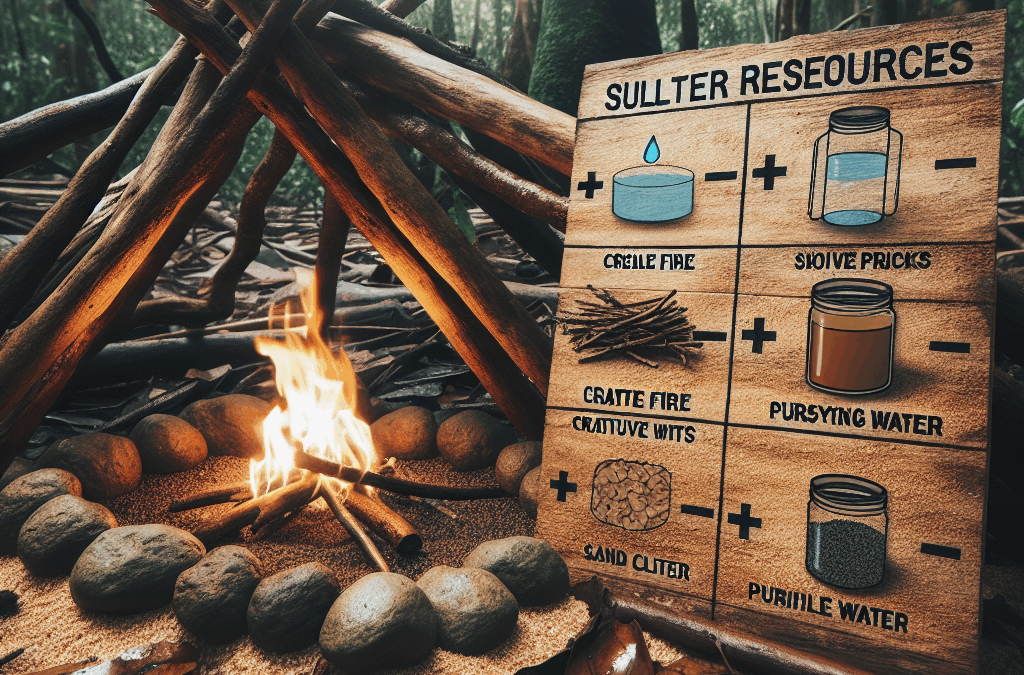
Another method I’ve picked up is using charcoal. A quick DIY filter can be made with sand and gravel if I’m in a bind. It filters out sediments, giving me a clearer water source to work with before I purify it further.
Storing Water
Don’t forget about storage! Keeping clean drinking water in the wild can be a challenge. If I find myself in need of a vessel, I’ve used any waterproof material I can find – plastic bags, containers, anything I can seal. I make sure to keep them away from dirt and debris.
Another cool storage trick I learned is to create a rudimentary water bag from animal skins if the situation calls for it. It sounds a bit gross, but it’s surprisingly effective! Just remember to clean it out thoroughly before reusing it.
Keeping my water supply organized is essential. I often label or mark my containers to avoid confusion, especially when water is scarce. That way, I know exactly what I have and can prioritize my needs accordingly.
Food Sources
Identifying Edible Plants
Now, let’s dive into food sources! There’s nothing quite like foraging for edibles when survival calls. I’ve eaten my fair share of wild plants, and I can tell you – knowing your greens is essential. Look for familiar plants like dandelions or clover as they often provide good nutrition and are easy to identify.
Pay attention to the season and the region; what’s edible in one area might not be safe in another. I keep a field guide or an app handy for reference just in case. It’s better to be safe than sorry when it comes to wild food!
Also, don’t forget about mushrooms! While some are delicious, others can be deadly. I’ve made it a point to memorize the safe ones and to avoid mushrooms that I cannot identify with certainty. Always err on the side of caution.
Hunting for Protein
While plants are great, I can’t overlook the importance of protein. In a survival situation, hunting or trapping can provide a great food source. I’ve had success with small game like rabbits and squirrels. It takes patience, but it’s incredibly rewarding to catch your own food.
I often use simple traps I’ve crafted on the spot – nothing fancy, just enough to outsmart a critter. My go-to is a snare trap; it’s effective with very little resource. Just be sure to check your traps regularly so you don’t leave a suffering animal for too long.
Of course, I’m not an expert marksman, so sometimes I rely on fishing. If I stumble upon a water source, I’ve often fished for trout or catfish. A little line and hook can go a long way when it comes to putting food on the table.
Preserving Food
Once I’ve secured food, preserving it becomes my next goal. I’m not always equipped for refrigeration, but my go-to method is drying. I dehydrate meats by cutting them thin and hanging them out to air dry. It’s surprisingly effective and gives me good jerky for later days.
If I manage to find fruits, I dry them out too. Sun-dried fruit can be a great source of energy during long hikes. Plus, it’s a tasty snack to lift your spirits in tough times!
Another method I’ve tried is smoking meat over a small fire. This keeps it edible for longer and adds a delicious flavor. Just a little effort goes a long way when it comes to making food last in the wild.
Building Shelter
Finding a Suitable Location
Next up, let’s talk about building shelters. If you don’t have a safe place to sleep, the wilderness can be a scary place. I always look for natural shelters first, like caves or rock overhangs. They offer great protection from the elements and can even keep pests at bay.
If nothing’s available, I might set up in a tree. Tree shelters can work wonders for staying out of the path of animals and keeping my site hidden. Just make sure it’s a sturdy tree with a low-hanging branch for my resting spot.
Another trick I’ve learned is staying clear of water sources. While they’re essential for survival, I prefer to pitch my shelter uphill from them to avoid flooding and insects that are often drawn to moisture.
Materials for Building
When it comes to materials for my shelter, I like using what’s around me. Fallen branches, leaves, and mud all work in close harmony to create an effective barrier against wind and rain. A bit of creativity goes a long way in fashioning a durable frame.
For the roof, I typically use leaves and other foliage; they provide great insulation and help blend my shelter into the surroundings. I can’t stress enough how important camouflage can be for safety in the wild!
Lastly, I think about insulation. I use straw or dry leaves collected from the area to keep warm during chilly nights. I learned the hard way not to underestimate the cold. A well-insulated shelter can make a world of difference.
Maintaining Your Shelter
Once my shelter is up, keeping it in shape is key. I check it regularly for wear and tear, especially after storms. Making quick repairs has saved me a lot of discomfort. If I see a leak forming, I’ll cover it with more foliage or branches to keep water at bay.

Another thing I keep an eye on is the entrance. Adding a barrier like a curtain of branches can help keep critters out and provide an extra layer of protection from wind. I’ve learned that a well-maintained shelter can feel like home in the wild.
Ultimately, making my living space comfortable and efficient allows me to focus on survival rather than just survival itself. It’s easy to fall into a rhythm and get the hang of things when my space feels secure.
Fire Making
Gathering Materials
Oh, fire – the ultimate survival necessity! It brings warmth, cooking capability, and a sense of safety. I know from experience that gathering fuel is the first step. Dry twigs, bark, and leaves can provide an excellent base for any fire. I always scout for what’s available.
Finding tender materials, such as dry grass or moss, has been a game changer for me. I’ve had success with these materials, especially in damp conditions. Kindling is crucial for starting that first spark—don’t overlook it!
While I prefer natural materials, I’ve also learned to keep an eye out for man-made items that can help. For example, I’ve found bits of cardboard or paper that make excellent fire starters when the conditions are damp.
Starting a Fire
Now, getting that fire started is where it can get tricky. I usually practice the bow drill technique. It works wonders if you have patience and persistence. It’s like making my own tiny piece of magic! Once I get some ash and heat, I can pop in my tender material, and the show begins.
Another technique I’ve used is the flint-and-steel method; it’s straightforward when I have everything I need in hand. I find that just a few sparks are all that’s needed if I’ve prepared my materials properly.
Sometimes I need a quick win—when I feel like I just can’t get it going, I’ll light a handful of dry leaves and carefully build from there. YouTube has tons of tutorials, but nothing beats the real experience!
Maintaining Fire
Once I have my fire crackling, I focus on maintenance. I always add wood gradually to avoid large flames that are hard to control. A steady supply of kindling provides more heat and keeps the fire manageable.
On cold nights, I tend to keep the fire burning longer, making sure I gather extra logs in advance. It sounds simple, but planning is everything in survival situations.
I’ve also found value in fire pits. Creating a stone perimeter around my campfire prevents spreading and helps me regulate the fire’s intensity. Plus, it looks pretty cozy too!
Using Natural Resources for Navigation
Reading Nature
Finally, let’s chat about navigating with what’s around you. I’ve discovered that nature often provides some incredible navigation tips. When I’m lost, I tend to look for landmarks—unusual trees, hills, or rock formations that can guide me on my way.
Additionally, the position of the sun can serve as an excellent guide. In the Northern Hemisphere, the sun moves from east to west, allowing me to estimate direction based on time of day. As the sun lowers in the evening, I can get a general idea of where I need to head.
Observing wildlife is another quirky trick I’ve picked up. Animals often have routes they follow. By paying attention, I can glean some insight into where food and water might be, indirectly giving me leads on how to navigate through an area.
Using Tools for Navigation
While it’s essential to understand nature, using tools can make navigation easier. I often keep a lightweight compass or a map handy. Knowing how to read a map is invaluable. I sometimes combine map reading with the sun’s position to ensure that I’m heading in the right direction.
When the weather is overcast, GPS applications on my phone have been lifesavers. However, you must always have a backup in case technology fails. I also jot down notable waypoints to remind myself where I’ve been.
Notebook and pen are my trusty sidekicks! I can mark important spots or routes I’ve taken, which helps retrace my steps if needed. Keeping a journal acts as a fantastic backtrack tool.
Practicing Situational Awareness
Lastly, practicing situational awareness is crucial for safe navigation. Always paying attention to my surroundings has saved me time and again. Risks can arise swiftly, so I need to be mindful of the weather, terrain, and any signs of nearby wildlife.
Having mental notes of my path keeps me from getting lost again. I’ve found using natural landmarks to create a mental map helps significantly. Just yesterday, I was able to find my way back to camp using a quirky tree I’d seen along the way!
Ultimately, the more I put myself out there and practice these skills, the more instinctively they come. It’s about marrying book smarts with practical experience, and trust me, they complement each other beautifully!
Frequently Asked Questions
1. What is the most important natural resource to focus on first for survival?
Water is undoubtedly the most critical natural resource. It’s essential for hydration and survival, so I recommend locating a clean water source as soon as possible.
2. How can I identify edible plants safely?
Get a good field guide or use an app to familiarize yourself with local edibles. Avoid any plants you can’t identify, and always look for known survivors, like dandelions or clover.
3. What should I do if I can’t build a shelter?
If you can’t build a shelter, look for natural formations like caves or overhangs. Stay close to trees where you can find some cover from the elements.
4. What are some effective methods for starting a fire without matches?
The bow drill method is popular, along with flint-and-steel techniques. Both require some practice, but they’re very effective when done correctly!
5. How do I navigate in the wild if I don’t have a compass?
Use the sun’s position as a guide or look for natural landmarks to help you navigate. Observing animal movement patterns can also give you clues about your surroundings.
by Preparation | Aug 4, 2025 | Preparedness
Preparation is Key
Know Your Destination
When I travel, the very first thing I do is research my destination. Getting a lay of the land not only helps me enjoy my trip, but it’s also crucial when emergencies arise. I check out the local news channels, emergency services, and any travel advisories that might be in place. It really pays off to understand the area and its potential issues.
I also tap into online travel communities. Facebook groups or forums can be a goldmine for real-time advice from travelers who are currently there. They often share experiences that can help you prepare better than any travel guide could.
And don’t forget to download essential apps that keep you updated on emergency information, local health services, or any other crucial data. These tools can make a world of difference in critical situations.
Packing Essentials
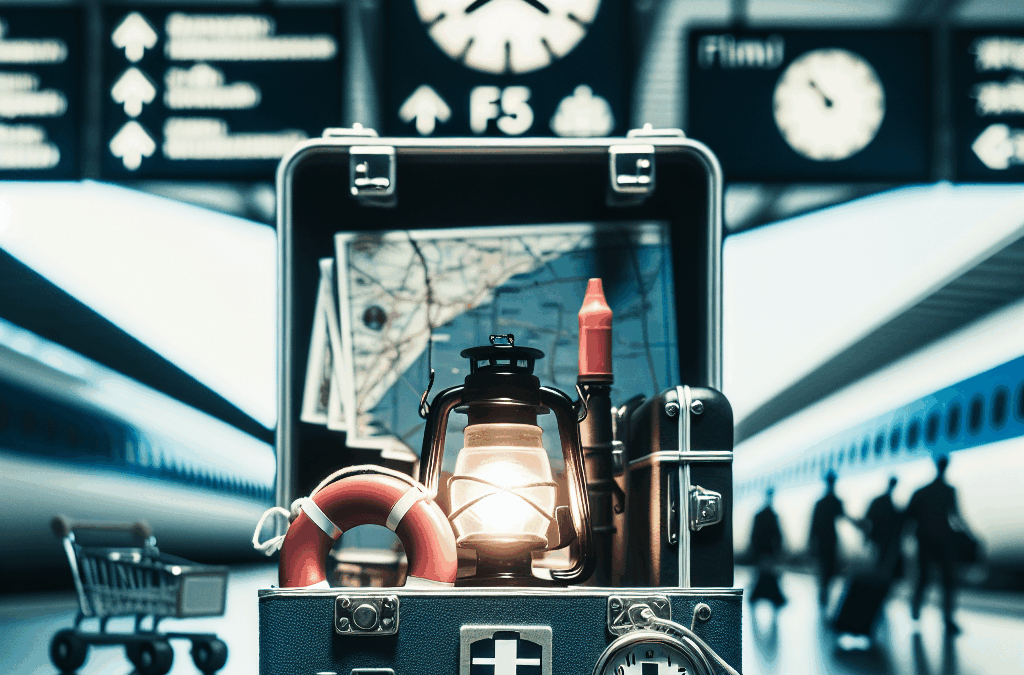
Okay, packing is a whole skill set on its own! Whenever I venture out, I always pack a few must-haves to ensure that I’m covered in case of an emergency. A first-aid kit, personal medications, and a portable charger for my phone are always in my suitcase. You never know when you might need them!
I also carry along a durable water bottle—even in areas where water is readily available, staying hydrated is essential. If things go south, knowing you’ve got those essentials can lighten your load of worry.
Furthermore, packing some non-perishable snacks is a lifesaver when you’re stuck for longer than expected. Granola bars can be both tasty and functional in times of distress. Trust me when I say that every little detail counts!
Emergency Plan
Having a game plan is paramount when you’re traveling. I make sure to discuss emergency procedures with my travel companions. It’s not the most fun topic to tackle, but knowing exactly what to do when something goes wrong can save valuable time.
We always designate meeting points and discuss how to contact each other if we get separated. I usually go over some key emergency phrases in the local language to break any communication barriers. Believe me, it can really smooth things out in tense situations!
Lastly, make sure to have your important documents scanned and saved on your smartphone or in an email for easy access. Losing important IDs can add unnecessary stress to an already tricky situation.
Stay Informed
Local Alerts and Notifications
In an age where information travels faster than light, staying informed is easier than ever. I always enable push notifications for local alerts on my phone, especially when I’m traveling. Local authorities usually have apps or social media pages that provide real-time announcements. Be sure to check them!
During a recent trip, I found myself in a place that suddenly issued a storm warning. Thanks to local weather apps, I was able to react quickly and adjust my plans to ensure my safety. It’s smart to stay ahead of the curve.
Also, following the local news or community pages on social media can give you insights into what’s going on around you. It’s kind of like having a secret radar for everything happening nearby.
Stay Connected
Let’s talk about connections—both personal and technological. Before I leave for a trip, I always make sure someone back home knows my itinerary. It’s a simple yet effective safety measure that provides peace of mind for both parties.
In addition, I keep my phone fully charged and always carry a portable charger. I can’t emphasize how critical this is during emergencies! Losing power can cut you off from all vital communication, so make it a priority.
Social media is also a handy tool for keeping your loved ones in the loop. Sending a quick update to friends or family can reassure them and buy you some extra time to focus on your situation.
Emergency Contacts
Creating a list of emergency contacts is something I always do before a trip. This list includes local emergency services, your country’s embassy details, and anyone who might need to be contacted in case of an emergency.
Also, I make sure these contacts are saved in both my phone and on a physical card tucked away in my wallet. You’ll be surprised how easy it is to forget numbers when you’re stressed, so having options is key!
Lastly, I make it a point to familiarize myself with the nearest hospital or medical facility whenever I arrive at my destination. It’s always better to know where help is before you need it!
Travel Wisely
Stay Alert
Being aware of your surroundings is one of the best ways to stay safe while traveling. I always make sure to keep my head up and take note of what’s happening around me. If something feels off, my gut instinct usually kicks in, and I pivot quickly.
When walking around, I try to avoid distractions like staring down at my phone too much. Really immersing yourself in the environment not only enhances your travel experience but also keeps you safe during emergencies.
Traveling with others is a smart move too! There’s safety in numbers, and it’s easier to keep an eye on each other when you’re together. I love making memories with my friends, but knowing we have each other’s backs is a big plus.
Transportation Choices
The kind of transportation you choose can also impact your safety. I usually prefer registered taxis or rideshare apps, especially in foreign countries where navigating public transport can be tricky.
When renting a car or using public transport, I always make sure to research the safest options. Asking locals or checking travel forums can provide insights into which modes of transport are safer after dark or during specific times.
Likewise, I schedule my travels to avoid overly crowded public transport during peak hours. It just makes for a smoother experience and keeps you less vulnerable to mishaps.
Trusting Your Instincts
Let’s face it, sometimes your instincts know better than any travel guide! I’ve learned to listen closely to that inner voice. If a situation feels sketchy, don’t hesitate to change your plans or get out of there.
The worst case is if you ignore those feelings forcing you into uncomfortable or dangerous situations. I believe in speaking up if I feel that something is off, and it often leads to a better experience overall.
Remember, your comfort level is paramount while traveling. If you find yourself in an environment that doesn’t feel right—even if it is a popular tourist spot—don’t hesitate to leave! There’s a whole world out there waiting for you to explore safely.
After the Emergency
Assess the Situation
Once the dust has settled after an emergency, it’s time to assess what happened. I find this part incredibly important—learning from our experiences is how we grow. Confronting what went wrong helps ensure I’m better prepared next time.
I reflect on what actions were effective and what could have been improved. Sometimes, talking through these aspects with friends or fellow travelers can provide new perspectives and valuable lessons!
Also, make sure to keep an open line of communication with any travel partners, sharing both of your perspectives helps you both learn and grow from the situation. It’s a team effort.
Get Support
In times of emergency, emotional support becomes incredibly valuable. I always reach out to loved ones when I return home or even just when I feel overwhelmed. Explaining the situation can help lift a weight off your shoulders.
I’ve also found that local organizations or embassies can offer support or resources, whether it’s financial, legal, or emotional assistance. Don’t hesitate to lean on them for guidance if needed.
Furthermore, connecting with travel groups or forums post-emergency can sometimes provide unexpected warmth and encouragement. Sharing your tale and hearing others’ experiences can truly help put things in perspective.
Make a Safety Review
After any trip, I chat with myself (and those who traveled with me) about our safety measures. What worked? What didn’t? This process helps build a solid safety plan for future adventures.
I recommend jotting down notes to keep track of what kinds of preparations are most useful. Maybe you discovered new apps, better packing strategies, or different transportation methods. Everything helps!
Ultimately, treating these learnings as stepping stones makes traveling even more rewarding. When we approach each experience with a mindset to grow, we truly become seasoned travelers.
FAQs
1. What should I include in my emergency kit when traveling?
Your emergency kit should include a first-aid kit, personal medications, a portable charger, and any important contact information. Don’t forget non-perishable snacks, a durable water bottle, and a flashlight for unpredicted situations.
2. How can I stay informed about emergencies while traveling?
Enable push notifications for local alert apps, follow local news outlets on social media, and stay tuned to community forums. These resources can provide crucial real-time updates on any emergencies.
3. Why is it essential to have an emergency plan while traveling?
An emergency plan helps you act swiftly and efficiently in a tough situation. It ensures that everyone knows what to do if something goes wrong, reducing panic and confusion significantly.
4. How can I maintain communication in case of an emergency?
Always keep your phone charged, save important contacts both digitally and physically, and ensure someone at home knows your travel itinerary. Staying connected reduces uncertainties and enhances safety.
5. What should I do after an emergency while traveling?
After an emergency, assess what happened, reach out for support, and make a review of your safety measures. Reflecting on your experience will help you grow as a traveler and prepare you better for future adventures.




