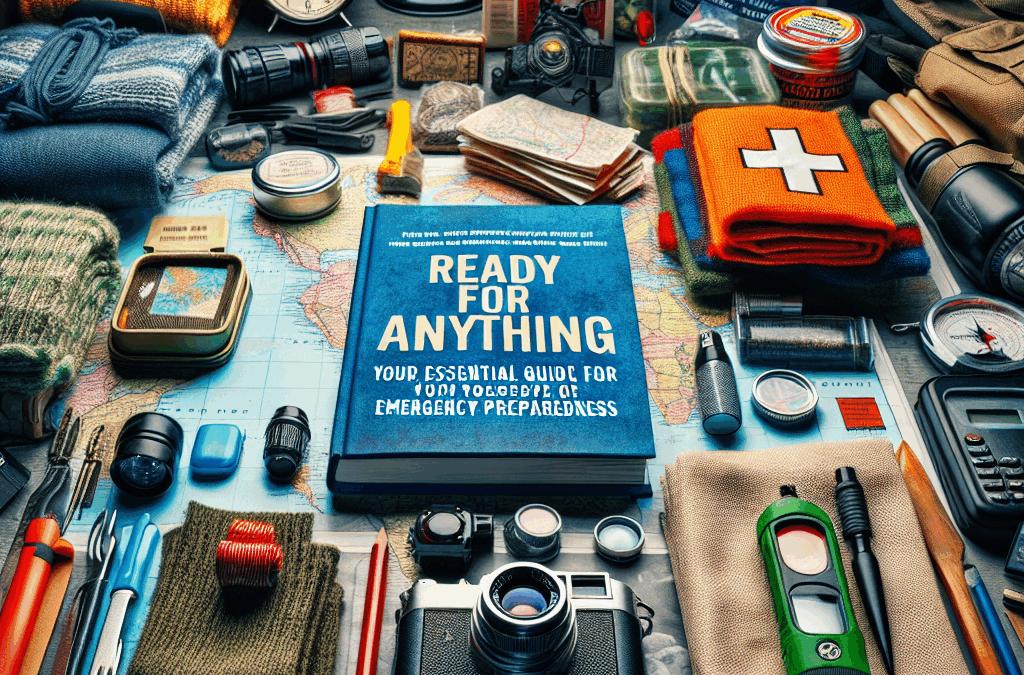
In a world where uncertainties lurk around every corner, being prepared for emergencies is no longer an option; it’s a necessity. From natural disasters to unforeseen events, understanding how to respond can make all the difference. Here’s your essential guide to getting ready for anything.
*Understanding the Risks: Identify Potential Emergencies in Your Area**
The first step in preparing for emergencies is knowing what threats are prevalent in your region. Are you in a flood zone? Does your area experience severe storms or wildfires? Each location has its vulnerabilities, so take time to research local risks. Connect with community resources and emergency management agencies that provide insights into potential disasters. Knowledge equips you with the foresight needed to act swiftly when crises unfold.
*Building Your Emergency Kit: Essentials for Every Household**
Once you’ve identified the risks, it’s time to assemble an emergency kit tailored to your needs. Start with basic supplies such as water—one gallon per person per day—and non-perishable food items like canned goods or energy bars. Don’t forget first aid supplies, flashlights with extra batteries, and essential medications. As family dynamics vary, consider including items specific to children, pets, or elderly relatives. The goal is a comprehensive kit that can sustain your household for at least 72 hours during any emergency situation.
*Creating a Family Emergency Plan: Steps to Ensure Everyone’s Safety**
Preparation isn’t solely about gathering supplies; having a well-thought-out family emergency plan is crucial as well. Begin by outlining escape routes from your home and identifying safe meeting points outside if separation occurs during an emergency. Make sure everyone knows how to reach each other using mobile devices or predetermined locations if phone lines fail. Regularly discuss this plan with all family members—especially children—to ensure they understand their roles and responsibilities when panic sets in.
*Staying Informed: The Importance of Communication and Alerts**
In times of crisis, staying informed can be life-saving. Sign up for local alert systems that provide real-time updates on emergencies affecting your area. Familiarize yourself with reliable weather apps and radio stations that broadcast warnings and information during disasters. Moreover, establish communication strategies within your family; designate a primary contact person who lives outside your immediate area should local networks become compromised.
*Practicing Preparedness: Drills and Training for Real-Life Scenarios**
Finally, don’t just prepare—practice! Conduct regular drills simulating various emergencies such as fire evacuations or severe weather responses. These exercises help reinforce actions under pressure while revealing any gaps in your plan that need addressing before real-life scenarios occur. Consider enrolling in basic first aid courses or CPR training; these skills could be invaluable during critical moments when professional help may not be immediately available.
In conclusion, emergency preparedness involves proactive measures that empower you and those you care about when faced with unexpected situations. By understanding the risks unique to your area, building a comprehensive kit, creating a solid family plan, staying informed through reliable channels, and practicing scenarios regularly, you’ll cultivate confidence amid uncertainty—because being ready means being resilient! Embrace these strategies today; tomorrow may hold surprises you never saw coming!
One of the most effective ways I’ve found to secure my property is simply by fostering good relationships with my neighbors. When you know the people living around you, there’s a sense of camaraderie that naturally develops a tighter community. We look out for one another, and that can deter potential troublemakers who might think twice about entering a ‘watched’ area.
Don’t underestimate the power of a friendly wave or a casual chat over the fence. These interactions lay the groundwork for a supportive network. You’ll find that just having a shared awareness can significantly reduce the chances of crime as it builds a sense of trust and accountability. If something unusual happens, you’ve already got eyes on the street.
Also, consider organizing a neighborhood watch program. This doesn’t have to be a formal setup; it could be as simple as a group text to alert each other about suspicious activities. The collective vigilance of a community can create an impenetrable shield around your property.
Creating a Secure Environment
The next step in my playbook is making my property less appealing to potential intruders. To do this, I focus on simple but effective changes. For instance, landscaping can play a major role in security. I always keep bushes trimmed and trees pruned to remove hiding places. A well-maintained yard conveys that someone is home and paying attention, which is a major deterrent.
Good lighting is another cornerstone of a secure environment. I personally opt for solar-powered motion sensor lights around my yard. Not only are they cost-effective, but they also provide that instant ‘uh-oh’ moment when an unwelcome visitor is caught in the beam of light. It’s about making your home shine—literally and figuratively!
Lastly, I recommend keeping valuables out of sight. If someone can see your shiny new gadget through a window, it’s a no-brainer for them. Close curtains or use window films to shield your belongings from prying eyes. It’s all about maintaining that air of invisibility for what’s inside.
Utilizing Traditional Security Measures
When it comes to securing your property, sometimes you don’t need high-tech systems to be secure. I still swear by the good old-fashioned lock and key! I make sure that every entry point to my home—doors, windows—has reliable locks. Plus, I never underestimate the power of a sturdy deadbolt; it’s a first line of defense that isn’t going anywhere.
Another traditional measure I advocate for is visibility. Having a peephole or a doorbell that lets you see who’s at the front can create a huge psychological advantage. I can’t tell you how many times I’ve just peeked out, and the thought of someone thinking twice on whether they want to be caught at my door has made all the difference.
And don’t skimp on signage! I have a “Beware of Dog” sign, despite my pup being the friendliest one on the block. The mere perception of a dog can be a significant deterrent for many intruders who want to avoid barking and potential scratches—or worse!
Establishing Strong Boundaries
Physical Barriers
Next up in my security wisdom is the use of physical barriers. Fences, gates, or even simple hedges can delineate your property and serve as effective deterrents. Making it a bit harder for someone to wander onto your property can stop a thief in their tracks. I’ve invested in a fencing solution that not only enhances the aesthetic of my yard but also serves as a notable barrier, stopping any late-night wanderers from getting too close.
It’s all about deterrence. The harder you make it for someone to get in, the more likely they are to rethink their choices. A solid fence often means someone will look for an easier target elsewhere. It can be especially effective if complemented with other strategies, like good visibility from the street.
In my experience, planting thorny bushes near your windows can also deter those who might be tempted to enter. Believe me, nobody wants to deal with those prickly little things when they’re trying to climb through a window!
Securing Routine and Awareness
Keeping a regular routine can also be a secret weapon in safeguarding your property. I make it a point to vary my schedule when I’m out and about. If I leave at the same time every day or do the same thing each weekend, it creates a predictable pattern that’s easy for potential burglars to notice.
Awareness extends to being observant—if something feels off, trust your gut. Numerous times, I’ve simply felt that something wasn’t right, and it turns out my intuition was spot-on. It’s important to be present and notice changes in your environment; whether that’s a new car parked too long in the street or a person loitering around, your instincts can guide you.
Finally, I always encourage people to document anything suspicious! Taking a few notes or even snapping a pic if it’s safe to do so can be an invaluable asset if law enforcement needs specifics later. You never know when a little vigilance pays off!
Leveraging Technology Wisely
Smart Use of Simple Technologies
Now, I know I mentioned securing your property without modern systems but let’s talk about how you can still creatively utilize simple technology without relying on the latest gadgets. For instance, using a basic video doorbell not only gives me a ping when someone’s at my door but also creates a record of activity so that I can refer back if needed. It’s not overly complicated but offers a great sense of awareness.
Another easy tech tool is a home alarm system. While some are high-tech, there are more basic systems that merely act as good-sounding deterrents. Just the sound of an alarm going off can send someone running. I make it part of my routine to test and check these systems monthly, ensuring they’re always ready should an incident arise.
Also, social media can be a surprising ally. I often post updates during vacations or long absences to keep friends informed but never mention my home location until I’m back. This ensures that I’m not broadcasting my empty home to the entire world. Be smart about how you share information—it can really make a difference.
Community Resources and Support
Lastly, never overlook the advantages of community resources. Local law enforcement often offers advice on securing your home and may even host workshops. Connecting with them can give you insights tailored to your area’s specific needs. When I attended one of their community meetings, I crossed paths with neighbors who shared their experiences and strategies, which has been invaluable.
Many neighborhoods have online forums or social media groups that focus on safety. Staying engaged in your community helps you stay informed. If you notice increased crime rates, for instance, you can jump into action to enhance your efforts on securing your property.
Finally, often overlooked, is the value of insurance! While it doesn’t prevent crime, being adequately insured provides peace of mind that, should the unfortunate happen, I’ll be taken care of. Knowing that I’m covered eases some of the worries that come with vulnerability, allowing me to breathe a little easier.
Conclusion
Securing your property without modern systems doesn’t have to be daunting. By focusing on community engagement, creating a secure environment, utilizing traditional measures, establishing strong boundaries, and leveraging technology wisely, you can safeguard your home effectively. It all boils down to being proactive, observant, and connected with those around you. Taking these steps can ensure that your home remains a safe haven.
FAQ
1. What are the most effective traditional security measures?
Effective traditional security measures include installing reliable locks, using deadbolts, and maintaining visibility at entry points with peepholes or controlled lighting. Creating a perception of security can deter intruders.
2. How can community engagement enhance property security?
Engaging with your community fosters trust and vigilance. It allows neighbors to watch out for each other and communicate swiftly if something seems off, creating a sense of shared responsibility.
3. What role does landscaping play in security?
Good landscaping can create an unwelcoming environment for potential intruders. Keeping bushes trimmed and using thorny plants near windows makes it harder for someone to access your home undetected.
4. Are there low-tech solutions for home security?
Yes! Simple solutions like good locks, sturdy fences, and even signage can be very effective. Regularly checking and maintaining these aspects ensures ongoing safety without high-tech equipment.
5. How often should I reassess my property’s security measures?
It’s wise to reassess your property’s security at least twice a year or whenever you notice changes in your neighborhood. Keeping up with local crime trends can prompt timely upgrades or changes to your security strategy.
In an unpredictable world, understanding emergency preparedness is not just prudent; it’s essential. But what does this concept truly entail? At its core, emergency preparedness means being ready for unexpected situations—natural disasters, medical emergencies, or any other crises that may arise. It involves planning ahead, ensuring you have the necessary resources, and equipping yourself with the knowledge needed to respond effectively. The significance of this proactive approach cannot be overstated; it empowers individuals and families to navigate through chaos with confidence and resilience.
Creating your emergency plan is a crucial step in safeguarding your loved ones. Start by assessing the potential risks in your area—whether they include hurricanes, earthquakes, wildfires, or floods. Next, establish clear communication strategies among family members. Designate a meeting place where everyone can gather if separated and ensure that all members are aware of emergency contacts. Don’t forget to include pets in your plan! They are part of your family too. Practice these plans regularly so that every person knows their role when an actual crisis arises.
Now that you have a framework for an emergency plan, let’s delve into the essentials—your emergency kit. This often-overlooked component can make all the difference during a disaster. Begin with water; having at least one gallon per person per day for three days is recommended. Non-perishable food items should also be included—think canned goods or energy bars that require minimal preparation. First aid supplies are non-negotiable; bandages, antiseptic wipes, and any necessary medications must be readily available.
Don’t stop there! Ensure you pack items like flashlights with extra batteries, a multi-tool or Swiss Army knife for versatility, and a whistle to signal for help if needed. Portable phone chargers will keep you connected even when power outages occur. And remember important documents—copies of identification, insurance policies, and medical records stored securely but accessibly can save invaluable time during an emergency.
Staying informed is another pillar of effective emergency readiness. Sign up for local alerts from meteorological services or community organizations so you’re always aware of impending threats in your vicinity. Familiarize yourself with basic first aid procedures and CPR techniques; knowing how to react in emergencies could mean saving someone’s life—not just your own! Consider enrolling in local workshops or online courses focused on disaster response and survival skills.
Finally, don’t underestimate the power of community engagement when it comes to preparedness. Forming alliances with neighbors can strengthen collective resilience against various adversities—and sharing information is key! Organizing community drills not only enhances individual awareness but also fosters camaraderie among residents who may face similar challenges together.
In conclusion, while we never hope to face emergencies in our daily lives, being prepared transforms fear into empowerment. Understanding what it means to be prepared lays the foundation for creating robust plans tailored to your unique situation while gathering essential supplies ensures you’re equipped when moments matter most. Staying informed through training further reinforces this readiness—a holistic approach combining awareness with action will undoubtedly enhance safety at home and beyond!