

Select Page
What to Do When Alarms Fail

What to Do When Alarms Fail

Assess the Situation

Stay Calm and Analyze

When an alarm goes off, my first instinct is to panic. But I’ve learned that staying calm is key. Take a moment to breathe and assess the situation around you. Is there an immediate threat, or is it a false alarm? Trust me, your initial reaction can set the tone for how you handle everything that comes next.

Look around and gather information. Sometimes alarms can fail due to minor issues. Check the system for alerts or warning lights. Understanding why the alarm is acting up will guide your next steps effectively.

Remember, being composed allows you to think more clearly. It keeps the panic from steering the ship. After all, rushing into a problem without knowing what’s going on can lead to bigger issues down the line.

Identify the Problem

The next step is to pinpoint what went wrong. Are there technical glitches? Maybe there’s a power outage or a software issue that’s causing the alarm to malfunction. In my experience, it’s crucial to get to the root of the problem. This prevents future occurrences and heightens overall security.

Take a moment to check your devices. If they’re operated through software, ensure everything is up-to-date. Often, manufacturers release updates that fix bugs that might be causing alarms to fail.

If you’re not tech-savvy, don’t hesitate to call in professionals. Getting the right help to identify issues can save you time, money, and a lot of headaches.

Create a Contingency Plan

Every time I experience an alarm failure, it reminds me of the importance of having a backup plan. This means having systems in place that can take over in case your primary alarms fail. Just like when I prepare my marketing strategies, I believe in always having a Plan B.

Consider utilizing different alarm systems that complement each other. For instance, if your primary smoke alarm fails, having a secondary option, like a smart smoke detector, ensures safety isn’t compromised.

Furthermore, regularly test these systems. Having a routine check can make all the difference. It’s all about creating a safety net that keeps you in control no matter what unexpected issues arise.

Notify Relevant People

Communicate with Your Team

When alarms fail, it’s important to communicate promptly with your team. This ensures that everyone is on the same page. I’ve seen too many situations where a lack of communication can exacerbate an already uncomfortable situation.

Send out group messages or make quick calls to relevant stakeholders. Depending on the severity of the failure, let them know if they should take specific actions or if you’re handling the situation.

Being open about alarm issues not only promotes teamwork but also enhances trust. People feel more secure when they know what’s going on and who’s responsible for resolving issues.

Alert Emergency Services if Necessary

If it seems like a serious situation, don’t hesitate to reach out to emergency services. I know it can feel like an overreaction sometimes, but when lives are at stake, it’s always better to be safe than sorry.

Providing them with accurate details when you call can help them prepare before they arrive. This shows that you’re taking matters seriously and ensures a quicker response time.

It’s vital to keep a calm voice during these conversations to convey urgency without alarming others unnecessarily. Clear communication leads to better preparedness in emergencies.

Document Everything

One of the things I’ve learned is the importance of documentation. Keeping records of alarm failures and responses creates a timeline that can be useful later. Whether for legal reasons or for future reference, documentation is key.
Copy of PREPARE Mag ad 970 x 250

Write down all the details surrounding the failure, including the time, circumstances, and what actions were taken. This can be beneficial for assessing patterns of failures or for discussions with service providers.

Ultimately, solid documentation helps your team improve response strategies in the future. It’s about refining processes over time and learning from past experiences.

Monitor for Future Issues

Regularly Check Alarm Systems

Monitoring is essential. I make it a routine to test my alarms regularly. This might seem tedious, but it’s a simple way to ensure everything functions as it should.

Set reminders in your calendar to check battery levels, software integrity, and functionality at least once a month. Making this part of your routine can help catch issues before they become bigger problems.

When you consistently monitor these systems, it gives you peace of mind. It’s a proactive approach to security that pays off in the long run.

Implement Improvement Measures

After an alarm failure, it’s time to look at how to improve systems and processes. Engage with your team to discuss what went wrong and how it can be prevented in the future.

If it’s a recurring issue, upgrading equipment might be a solution. Invest in modern systems that offer more reliability or look into services that offer better support.

Remember, no system is perfect, but you can always find ways to enhance its efficiency. Strive for continuous improvement, and don’t shy away from researching and implementing better solutions.

Stay Informed on Technology Advancements

The tech world moves fast, and staying updated on the latest alarm technologies can greatly benefit your safety protocols. I’ve found that new systems often have better features that can prevent failures.

Attend workshops, subscribe to relevant newsletters, and be part of communities where safety technologies are discussed. This proactive stance keeps you ahead of potential issues.

Plus, networking with others in your field can provide valuable insights on best practices and emerging trends that benefit everyone’s response to alarm systems.

FAQ

What should I do immediately after an alarm failure?

Immediately assess your surroundings to determine if there’s an actual threat before proceeding to identify the cause of the alarm failure.

How can I prevent future alarm failures?

Regularly maintain and test your alarm systems, keep software updated, and develop a comprehensive contingency plan to manage alarms effectively.

Should I notify authorities when an alarm fails?

If there is a chance the alarm failure poses a safety risk, do not hesitate to alert emergency services immediately.

Why is documentation important in alarm management?

Documenting alarm failures provides a timeline for analysis and future reference, helping to identify patterns and improve response strategies.

How often should I test my alarm systems?

It’s recommended to test alarm systems at least once a month to ensure their proper functioning and effectiveness in an emergency.

Copy of PREPARE Mag ad 970 x 250

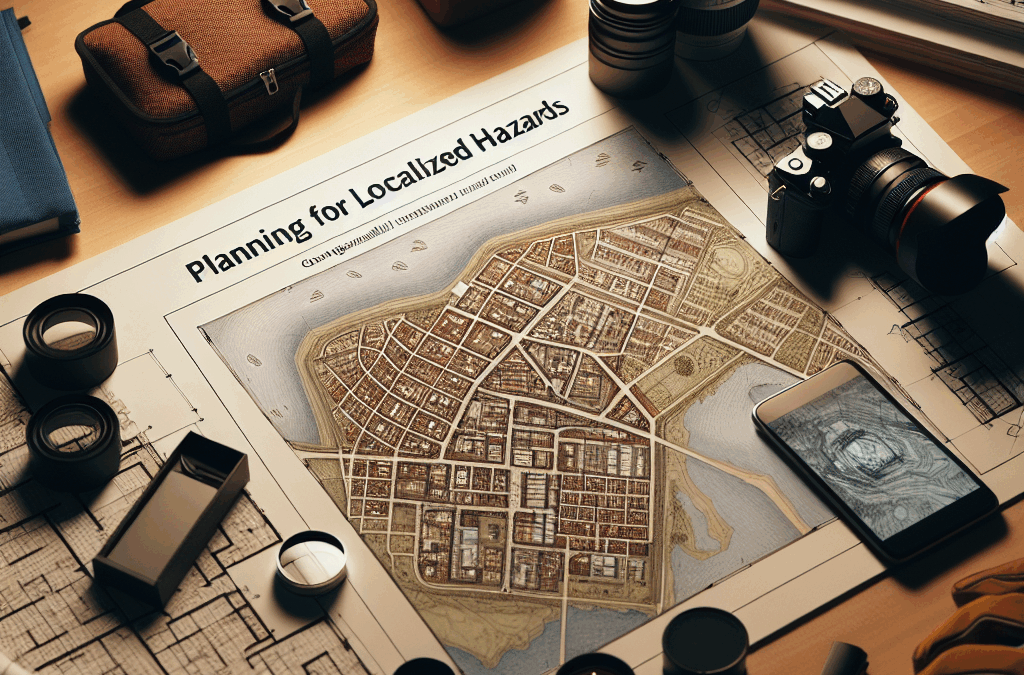
How to Plan for Localized Hazards

How to Plan for Localized Hazards

Assess Your Local Risks

Understand Your Environment

First things first, you’ve got to get a feel for what kinds of hazards are common in your area. Is it floods, earthquakes, wildfires? Living in a specific region means you’ll have your own set of risks to consider. I remember when I moved to a place that was prone to hurricanes; the local community center held info sessions that really helped me understand what to expect.

Digging into local geological surveys and historical data can be a real eye-opener. It’s like hunting for clues that tell a story about past events. When you know what has happened before, you can better prepare for what may come again. This research can also help you spot patterns that you might not notice at first glance.

Don’t skip on talking to your neighbors too! They often have firsthand experiences and local knowledge that aren’t documented anywhere. You could learn a lot from listening to their stories about how they handled storms or any other emergencies in the past.

Identify Vulnerable Areas

Next up, it’s time to take a walk around your neighborhood. Pay attention to areas that seem particularly vulnerable during extreme weather. Are there spots prone to flooding? Are certain buildings more susceptible to damage? This step is all about being proactive.

I recall walking on streets that usually get washed out whenever it rains heavily. Noting down these areas can help you create a list of places to avoid, especially during emergencies. These are not just random observations; they’re key components of your safety plan.

Once you’ve mapped out the vulnerable spots, share your findings with others. The more people that are aware, the safer everyone will be. We’re in this together, and it’s amazing how quickly a sense of community can form around shared concerns.

Stay Updated on Local Alerts

In today’s tech-savvy world, you’ve got to stay up to date with local alerts and warnings. Sign up for text alerts or download apps that provide real-time information about hazards in your area. It’s like having a personal assistant that keeps you informed!

I’ve found social media to be a great tool too. Follow local news outlets, weather stations, and city agencies. They often post updates that can be crucial for planning your next steps. I remember the last storm warning we received; I was glued to my phone for updates! It definitely helped me mitigate potential issues.

Lastly, make sure your family knows where to find this information. Create a little plan that explains how each member can stay informed — whether that’s through an app, social media, or local radio. The last thing you want during a crisis is to be running around trying to figure out what’s happening.

Develop an Emergency Plan

Involve Everyone in Your Household

Now that you know what to watch out for, it’s time to create an emergency plan! But here’s the thing – don’t go at it solo. Involve everyone in your household, from kids to grandparents. Ensuring that everyone knows the plan is paramount.

When we made ours, I made it fun by holding little family meetings. We discussed what to do if there’s an evacuation or if someone gets separated during a crisis. And let me tell you, kids are often full of great ideas! They might suggest escape routes or safety spots you never considered.

Write it all down and keep a copy in an easily accessible place. I’ve learned that having a physical plan to refer to keeps everyone calm and focused. It’s reassuring to have a clear course of action when chaos strikes!

Create a Communication Strategy

A solid communication strategy is essential. How will you contact each other during a disaster? Will you set a rendezvous point? I can’t stress enough how important this part is! 

The last thing you want in a chaotic situation is to have everyone scattered and no way to reach each other. Using well-known landmarks or the homes of family friends is a great way to establish meeting points.

Don’t forget about alternative communication methods in case cell networks go down. Maybe you could set a pattern with friends or family to check in periodically, or use walkie-talkies if you can. I’ve had some amazing times with walkie-talkies – and they might just come in handy during an emergency!

Practice Regularly

Planning is only part of the equation; you’ve got to put your plan into action. Practice makes perfect, and this applies to emergency plans too. Organize drills to simulate different types of emergencies.

I recall leading my family through a practice evacuation one evening. Sure, it was a bit silly having everyone lugging their bags around the living room, but it drilled the process into our heads! And when real emergencies came around, we felt more confident in how to respond.

Encourage open discussions about what works and what doesn’t after each drill. This feedback helps you tweak the plan and keep it relevant. The key is staying familiar with the procedures so when the time comes, you can react quickly and effectively. 

Build a Disaster Supply Kit

Understand What to Include

Now, let’s talk about your disaster supply kit. This is an absolute must! Think of it as your emergency go-bag, and it needs to be stocked full of essential items. Start with food and water — you can’t go wrong with non-perishables like granola bars and canned goods.

But don’t just throw anything in there. Make sure to include items that suit your family’s needs. If you have pets, pack essentials for them too! Last time, I forgot to include enough dog food in my kit, and I learned that lesson the hard way. It’s always good to think through all the scenarios!

Also, consider adding important documents, such as insurance papers and identification, in a waterproof pouch. You never know when you might need these, and they can mean a world of difference when trying to get assistance post-disaster.

Copy of PREPARE Mag ad 970 x 250

Regularly Update Your Supplies

Building the kit is just the beginning; maintaining it is crucial. Check your supplies regularly and replace anything that’s expired or might not be useful anymore. This vigilance keeps your kit fresh and ready to go.

During one of my annual checks, I was shocked to see how much food had expired. It was a reminder that prepping isn’t a one-time gig; it’s an ongoing project. Use it as a chance to stock up on new items or experiment with different snacks.

Involving the family in this process helps too. Make it a fun activity to update the kit together, talk about what each person thinks they need, or add a couple of new items based on past experiences. It’s more fun when everyone’s engaged!

Pack Smart and Lightweight

When you’re packing your supply kit, keep in mind that it should be easy to grab and go. Always opt for lightweight, portable items. I once packed some hefty items only to find out that in a real situation, I could barely lift my go-bag!

Packing a sturdy backpack can make a huge difference. It’s all about efficiency. Instead of lugging around boxes, you want something that’s easy to maneuver. Check out bags with multiple compartments to help keep everything organized.

And don’t forget about comfort in your kit! Little things like a compact first-aid kit or portable phone chargers can make a world of difference. Think about what you’d want most if you were out on the run. Every detail matters!

Educate and Train Your Community

Host Informative Workshops

The best way to spread awareness is by sharing your knowledge with others. Hosting workshops about localized hazards helps empower your community. Whether it’s a neighborhood barbecue or a community center meeting, take the time to educate others about preparedness.

In one gathering at my place, I shared tips on how to prepare emergency kits. People showed up with their kits to discuss what they had. It was such a great experience! Everyone learned something new, and it sparked interesting conversations.

Encouraging participation in these discussions builds a stronger, more resilient community. It’s all about working together and sharing ideas, and I promise that the more you involve one another, the more supported everyone will feel.

Leverage Social Media and Online Forums

Don’t underestimate the power of the internet! Social media can be an incredible tool for spreading awareness about hazards and preparedness. Start a local group where people can share tips, experiences, and resources.

I joined a neighborhood forum online, and it’s been fantastic! People post about local workshops or ask for advice on their emergency plans. It creates a sense of camaraderie and fosters communication that might not be as easy face-to-face.

Encouraging others to share their stories boosts everyone’s morale. It can be eye-opening to see the creativity people come up with in response to different risks, and it definitely keeps the conversation going!

Collaborate with Local Authorities

You can also partner with local emergency management agencies. They often have programs in place to help communities prepare for disasters. Offer to volunteer or get involved with local planning meetings to stay in the loop.

When you work alongside local authorities, you get to channel your community’s needs directly into their plans, which is super valuable. It also opens doors to resources that can enhance your preparedness efforts.

Collaborating with local agencies amplifies your reach and helps to build trust within the community. I’ve found that sharing information encourages others to participate and prepares everyone for what lies ahead. Remember, together we’re stronger!

Frequently Asked Questions

1. Why is it important to assess my local risks?

Assessing local risks is crucial because it helps you understand what specific hazards your area faces. Knowing this allows you to prepare adequately for those situations, ensuring you and your family are ready when disaster strikes.

2. How often should I update my emergency supplies?

It’s a good idea to check your emergency supplies at least every six months. This ensures that food items are fresh, medications are current, and that you have everything you need for different scenarios.

3. How can I effectively involve my family in the emergency planning process?

Involve your family by hosting discussions and practice drills. Encourage everyone to share their thoughts and ideas, making the planning process a collaborative and fun experience. The more input, the better your plan will be!

4. Why should I educate my community on disaster preparedness?

Educating your community increases overall preparedness and resilience. When everyone understands risks and knows how to respond, the entire neighborhood becomes safer, leading to quicker recovery in case of a disaster.

5. What should I do if an emergency strikes before I have a plan in place?

If an emergency strikes unexpectedly, stay calm. Focus on reaching out to loved ones and finding a safe place. Once the immediate threat is over, take time to create or refine your preparedness plan for the future.

Copy of PREPARE Mag ad 970 x 250

The Ultimate Guide to Disaster Preparedness: Be Proactive, Not Reactive

The Ultimate Guide to Disaster Preparedness: Be Proactive, Not Reactive

Disasters can strike at any moment, often without warning. Whether it’s a natural calamity like a hurricane or an unforeseen event such as a chemical spill, being prepared is crucial for safeguarding yourself and your loved ones. This guide will arm you with the knowledge needed to face potential disasters head-on. Let’s dive into the essential components of disaster preparedness.

*Understanding the Risks: Assessing Potential Disasters in Your Area**

The first step in readiness lies in understanding what hazards loom over your locale. Each region has its unique set of risks—earthquakes may shake California, while Florida faces frequent hurricanes. Take time to research common disasters that could affect your area by consulting resources such as local government websites or community emergency management offices. Consider factors like historical data, geographical features, and climate patterns.

Once you grasp the risks involved, evaluate your home and surroundings for vulnerabilities. Are there large trees nearby that could fall during a storm? Is your building equipped to withstand seismic activity? By conducting this risk assessment, you lay the groundwork for effective planning.

*Building Your Emergency Plan: Creating a Comprehensive Response Strategy**

With an understanding of potential threats established, it’s time to craft an emergency plan tailored specifically for your household. This plan should encompass various scenarios—evacuation routes for hurricanes or safe spots within your home during earthquakes.

Involve every family member in this process; assign roles based on age and capability (kids can help gather supplies or check emergency contacts). Designate meeting points both near and far from home where everyone can regroup if separated. Remember to include pets in your strategy; they are part of the family!

Moreover, ensure everyone knows how to contact each other during a crisis—consider using text messages when possible since phone lines may jam under stress. Have copies of important documents stored safely online or in waterproof containers so they’re accessible when needed.

*Assembling Your Survival Kit: Essential Supplies for Every Scenario**

A well-stocked survival kit is an absolute necessity for disaster preparedness. Start with the basics: food and water sufficient for at least three days per person—think non-perishable items like canned goods and energy bars alongside bottled water.

Next up are medical supplies; include first-aid kits stocked with bandages, antiseptics, pain relievers, and any required prescription medications. Don’t overlook tools—flashlights with extra batteries are invaluable during power outages—and consider packing multi-tools that can serve multiple purposes.

Lastly, personalize your kit according to specific needs; if you have infants or elderly family members, tailor supplies accordingly (think baby formula or hearing aids). Regularly check expiration dates and refresh stock as necessary to keep everything current.

*Staying Informed: The Importance of Ongoing Preparedness Education**

Preparedness doesn’t stop once plans and kits are established; it requires continuous learning! Stay informed about new safety protocols through community workshops or online courses focused on disaster response techniques such as CPR training.

Engage with local organizations dedicated to emergency preparedness—they often share valuable insights about upcoming drills or changes in local policies regarding disasters. Follow reliable news sources that provide updates on weather alerts and potential threats so you remain vigilant against emerging risks.

Ultimately, being proactive rather than reactive will equip you not only with peace of mind but also the ability to respond effectively when faced with adversity. By assessing risks appropriately, creating comprehensive plans, assembling versatile survival kits, and committing to ongoing education—you’ll transform uncertainty into confidence when disaster strikes!
