When it comes to emergencies, the best defense is a solid plan and preparation. Being ready for anything means understanding the unique risks that your area faces, assembling the right supplies, and ensuring that your family knows what to do in case of an emergency. Here’s how to get started on your journey toward comprehensive preparedness.
### Understanding the Risks: Assessing Potential Emergencies in Your Area
Every region has its own set of potential emergencies—think hurricanes, earthquakes, wildfires, or floods. Begin by researching the hazards common in your locality. Check with local emergency management offices or websites like FEMA for information specific to your area. Once you have a clear picture of the threats you may face, you can tailor your preparedness strategies accordingly.
### Building Your Emergency Kit: Essential Supplies for Every Situation
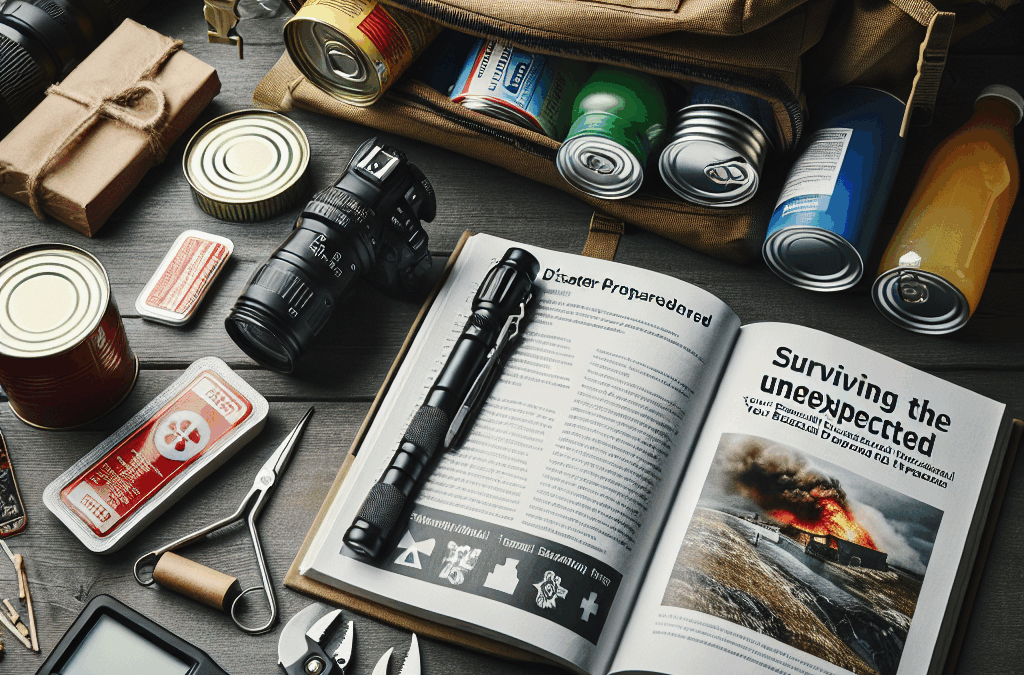
An effective emergency kit is your lifeline when disaster strikes. Start with the basics: water (one gallon per person per day), non-perishable food items, a flashlight, batteries, first-aid supplies, and any necessary medications. Don’t forget important documents—such as identification and insurance policies—stored in a waterproof bag. Additionally, consider including items like a multi-tool, blankets, hygiene products, and even pet supplies if applicable. Regularly check expiration dates and replace any outdated items so that your kit remains functional when you need it most.
### Creating a Family Emergency Plan: Communication and Evacuation Strategies
A well-thought-out family emergency plan is crucial for ensuring everyone knows what to do during crises. Discuss potential scenarios together and designate meeting points both close to home and further away if evacuation becomes necessary. Establish communication methods—especially if family members are separated during an emergency. Make sure every member understands their responsibilities; practice these plans regularly so they become second nature.
### Staying Informed: How to Monitor Alerts and Updates
Knowledge is power when it comes to emergency situations. Ensure you’re equipped with reliable sources of information such as NOAA Weather Radio or local news outlets via radio or social media channels. Many mobile apps provide alerts tailored specifically for emergencies in your area; download these resources for real-time updates about weather conditions or safety measures from authorities.
### Training and Drills: Preparing Your Family for Real-Life Scenarios
Preparation goes beyond just having supplies on hand; practicing real-life scenarios can make all the difference when faced with actual emergencies. Conduct regular drills at home that simulate various situations—like fire evacuations or severe weather responses—to familiarize everyone with procedures while reducing panic during real events. Consider enrolling in CPR courses or first-aid classes together as a family; not only will this empower individuals but also foster teamwork.
### Review and Revise: Keeping Your Emergency Plan Up-to-Date
Emergencies evolve over time due to changes in climate patterns or community infrastructure; thus it’s essential to review your emergency plan regularly—ideally every six months—to ensure its relevance. Update contact information, refine family roles based on changing circumstances (like new members), and replenish supplies as needed.
Being prepared means taking proactive steps today so you’re ready tomorrow! By understanding risks unique to your location, building comprehensive kits, creating detailed plans, staying informed through alerts, training regularly—and revising as necessary—you’ll be setting yourself up not just for survival but also peace of mind amidst uncertainty. Embrace preparedness as an ongoing commitment—it’s not just smart; it’s essential!
Disasters can strike when least expected, leaving chaos in their wake. Whether it’s a natural calamity like an earthquake or hurricane, or man-made emergencies such as chemical spills, understanding the risks you face is the first step toward preparedness.
*Understanding the Risks: Identifying Potential Disasters in Your Area**
Every region has its own set of vulnerabilities. Begin by assessing your surroundings—are you located in a flood zone? Is your area prone to wildfires or tornadoes? Local government websites often provide hazard assessments that detail risks specific to your community. Familiarize yourself with historical data on disasters that have affected your area. Engaging with neighbors and local emergency management agencies can also yield valuable insights into what to expect and how best to prepare.
*Building Your Emergency Kit: Essentials for Every Household**
Once you’ve identified potential threats, it’s time to assemble your emergency kit. This should be a well-stocked collection of essentials designed to sustain you and your family for at least 72 hours during a crisis. Start with non-perishable food items—think canned goods, energy bars, and dried fruit. Don’t forget about water; aim for one gallon per person per day.
Other critical components include:
**First Aid Supplies:** Bandages, antiseptics, pain relievers.
**Flashlight and Batteries:** Power outages are common during disasters.
**Multi-tool:** A versatile tool can assist in numerous ways.
**Personal Documents:** Keep copies of important identification and insurance information.
**Clothing & Blankets:** Extra layers can keep you warm if temperatures drop unexpectedly.
Consider special needs as well—infants might require formula and diapers, while pets need food and medications too! Regularly check and refresh your kit every six months; it’s easy for items to expire or become outdated.
*Creating a Family Emergency Plan: Communication and Evacuation Strategies**
An emergency plan is essential for ensuring everyone knows what steps to take when disaster strikes. Gather your family members together and discuss potential scenarios—establish clear roles so each person understands their responsibilities. Designate a meeting point outside of your home where everyone can regroup if evacuation becomes necessary.
Communication is key; ensure each family member has access to important phone numbers written down or saved in mobile devices. With many people using smartphones today, consider apps that allow for group messaging even under limited connectivity circumstances.
Practice drills! Simulating emergencies helps familiarize everyone with the plan, making reactions instinctual rather than panicked when real situations arise.
*Staying Informed: Resources and Tools for Real-Time Updates**
In our fast-paced world, information is power—especially during crises. Equip yourself with reliable sources of real-time updates about impending disasters or emergencies affecting your area. Smartphone apps like FEMA or NOAA Weather provide timely alerts tailored to your location.
Local news stations often broadcast vital information through various media channels; tune into radio broadcasts if electricity fails or internet access is compromised. Consider investing in an NOAA weather radio—it could be the difference between safety and danger when seconds count.
Ultimately, being prepared fosters resilience within families and communities alike. By understanding risks unique to your environment, assembling essential supplies, creating actionable plans, and remaining informed through reliable resources—you arm yourself against the unexpected challenges life may throw at you! Embrace these preparations not just as tasks but as vital steps toward safeguarding lives!
One of the most critical components of any emergency preparation checklist is ensuring a reliable supply of clean water. According to the CDC, a person needs at least one gallon of water per day for drinking and basic hygiene. In 2025, with climate change causing unpredictable weather patterns, water shortages are becoming more frequent. Thatâs why stockpiling enough water for at least 3 days is a good starting point. Consider storing water in food-grade containers and rotating your supplies regularly.
Pure, potable water is essential, but in emergency situations, tap water may be contaminated. Water purification methods such as boiling, chemical treatments (e.g., iodine tablets), or portable water filters like SteriPEN devices can make contaminated water safe for consumption. Having these tools on hand adds an extra layer of security.
Pro Tip: Mark your water containers with purchase or fill dates, and aim to replace stored water every 6-12 months. Also, consider installing a rainwater harvesting system if you live in a suitable climate to supplement your suppliesâit’s sustainable and effective.
2. Food Supplies and Nutrition
Stocking Up: Non-Perishable Essentials
Food security is a cornerstone of an effective emergency preparation checklist. In 2025, experts recommend having at least a two-week supply of non-perishable food per person. Canned foods, dried fruits, grains, and energy bars are fantastic options because they last long and require minimal preparation.
Focus on nutrient-dense foods that provide energy and essential vitamins. Remember, in stressful situations, maintaining your health is vital, and dietary diversity helps prevent deficiencies. Consider adding baby formulas or special dietary needs if relevant to your family members.
Practical tip: Use transparent, airtight storage containers to keep pests out and keep your supplies organized. Also, regularly check expiration dates, and rotate your stock to ensure freshness.
3. First Aid and Medical Supplies
Being Prepared for Medical Emergencies
A comprehensive first aid kit is an essential element of an emergency preparation checklist. For 2025, consider kits that include bandages, antiseptics, pain relievers, and supplies for treating minor injuries. If you or family members have prescription medications, ensure you have enough to last for at least a month, plus a few extras in case of delays.
In addition, learning basic first aid and CPR can be lifesaving during critical moments. Many organizations offer online training courses that are easy to follow, and practicing these skills can boost your confidence when it matters most.
Tip: Include personal health notes, allergy information, and contact details for emergency services. Store your first aid kit in an easily accessible location known to all family members.
4. Emergency Communication Devices
Staying Connected When It Counts
Having reliable communication tools is paramount in any emergency. In 2025, consider investing in battery-powered or hand-crank radios that can tune into NOAA weather alerts. Cell phones are vital but can lose power or signal during disasters, so backup options are prudent.
Satellites or two-way radios provide alternative communication channels, especially in remote areas. Ensure all family members know how to operate these devices and establish a family emergency communication plan, including meeting points and emergency contacts outside your immediate area.
Pro Tip: Keep spare batteries or solar chargers to ensure your devices stay operational. Regularly test your communication equipment to confirm everything works when needed.
5. Important Documents and Records
Securing Your Personal Identity and Information
In any disaster, losing vital documents can complicate recovery efforts. An emergency preparation checklist must include digitally scanned copies and hard copies of essential records such as passports, driver’s licenses, health insurance policies, property deeds, and financial documents.
Keep these in a waterproof, fireproof safe or a secure cloud storage service. Also, create a digital backup that you can access from any device if your physical copies are inaccessible.
Tip: Periodically review and update your documents to ensure all information is current. Inform trusted family members or friends where your backups are stored for quick retrieval if necessary.
6. Emergency Lighting and Power
Ensuring Illumination During Power Outages
Power outages are common during severe weather events or other emergencies. A well-stocked emergency preparation checklist should include flashlights, headlamps, and lanterns, preferably with LED bulbs for energy efficiency. Consider solar-powered or hand-crank options for independence from batteries.
Additionally, backup power sources such as portable generators or power banks can keep essential devices functioning. Make sure to test and maintain all equipment regularly to ensure readiness.
Advice: Keep spare batteries and multi-purpose chargers available. Place lighting devices in accessible, known locations, especially near exits and common areas.
7. Personal Safety and Self-Defense
Protecting Yourself and Your Loved Ones
Safety is a top priority on any emergency preparation checklist. In 2025, consider non-lethal self-defense tools like pepper spray, personal alarms, or stun devices. Ensure all household members are familiar with their operation and legal regulations in your area.
Developing situational awareness and practicing safety protocols can enhance confidence during stressful scenarios. Also, establish clear boundaries and safety plans with family members or neighbors to support each other.
Tip: Training courses in basic self-defense can be invaluable and help build mental resilience, which is equally important as physical tools.
8. Shelter and Warmth Solutions
Creating a Safe, Warm Environment
When disaster strikes, having a plan for shelter is crucial. In 2025, include items like thermal blankets, portable tents, and warm clothing in your emergency preparation checklist. A well-insulated space can prevent hypothermia and keep morale high.
If your home is compromised, knowing how to improvise shelter with tarps or other materials can make a big difference. Remember, safeguarding against the elements is often a matter of simple but effective preparation.
Pro Tip: Store extra blankets, hats, and gloves. Consider investing in energy-efficient heating solutions or insulation if you live in colder climates.
9. Financial Preparedness
Managing Finances During Crises
Unexpected emergencies can strain your finances. An essential part of the 2025 emergency preparation checklist is setting aside emergency cash in small denominationsâin case electronic banking isn’t available. Keep some funds in a safe, accessible location.
Additionally, review your insurance policies, including homeowner, renters, pet, and health coverage, to ensure they provide adequate protection. Having digital copies of policy documents is also helpful.
Research also suggests that maintaining an emergency fund covering three to six monthsâ living expenses is highly effective in coping with longer-term disruptions.
10. Family Emergency Plan
Coordinating for Safety and Recovery
Perhaps the most vital aspect of any emergency preparation checklist is having a clear, rehearsed family emergency plan. This plan should outline meeting points, communication strategies, and roles for each member. Practice drills periodically to ensure everyone knows what to do.
In 2025, incorporate technology like shared digital maps, emergency apps, and local alerts to stay informed. Discuss scenarios such as natural disasters, power outages, or evacuations to prepare your family mentally and physically.
Tip: Assign a designated contact person outside your immediate area who can coordinate information and relay messages efficiently.
Frequently Asked Questions
What is an emergency preparation checklist?
An emergency preparation checklist is a comprehensive list of essential items and plans that help individuals and families prepare for unforeseen disasters or emergencies, ensuring safety and stability.
How often should I update my emergency supplies?
Itâs recommended to review and update your emergency supplies every 6 to 12 months to ensure that perishables are current, batteries are charged, and all items are in good condition.
Why is a family emergency plan important?
A family emergency plan helps coordinate everyoneâs actions during a crisis, reduces panic, and increases safety by ensuring everyone knows where to go and what to do.
What are the top safety items to include in my emergency kit for 2025?
Essential safety items include a first aid kit, emergency lighting, communication devices, non-perishable food, water supplies, and personal safety tools like pepper spray or alarms.
How does the emergency preparation checklist adapt to 2025 trends?
It incorporates technological advances such as solar power, digital document backups, and modern communication tools, along with updated safety and health considerations relevant to current climate and health concerns.
Conclusion
In 2025, having a well-crafted emergency preparation checklist is more important than ever. By systematically following these 10 effective tips, you can enhance your readiness for any disaster, ensuring safety, health, and peace of mind for you and your loved ones. Remember, the key to resilience lies in preparation â so start building your emergency preparedness plan today!