
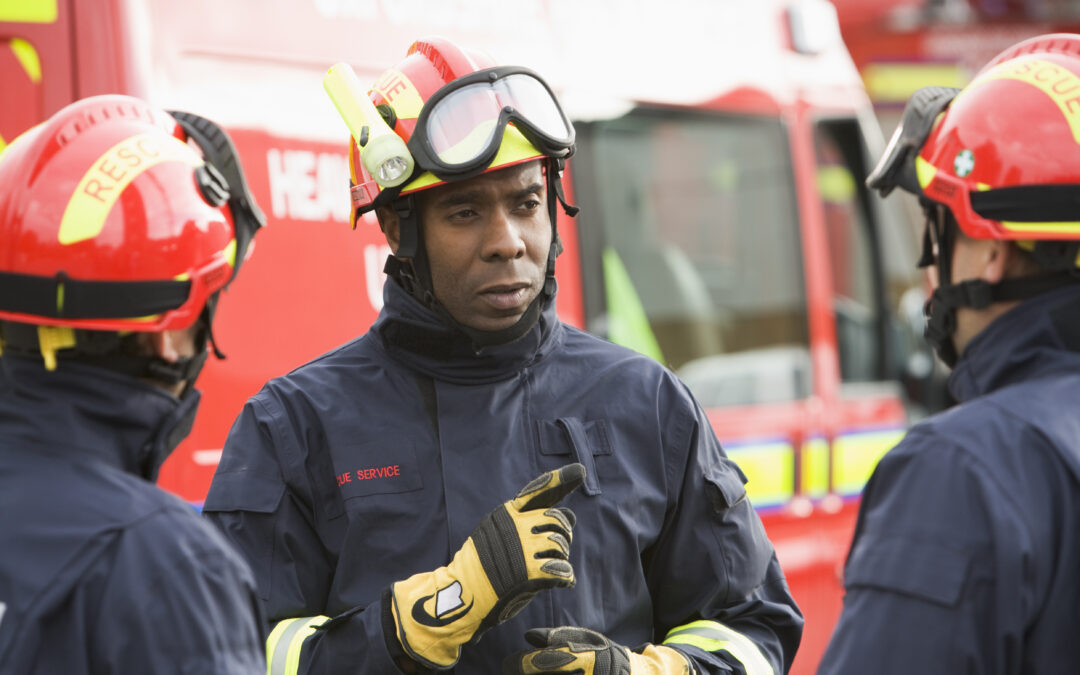
In an increasingly unpredictable world, understanding how to be disaster ready is more critical than ever. As we approach 2025, communities and individuals alike are looking for practical ways to prepare for natural and man-made emergencies. Whether itâs preparing for hurricanes, earthquakes, cyber-attacks, or other crises, having a comprehensive disaster readiness plan can make all the difference. In this guide, Iâll cover ten effective strategies to help you become fully prepared for whatever 2025 has in store.

Table of Contents
- 1. Implementing Early Warning Systems
- 2. Building and Maintaining Emergency Kits
- 3. Developing Detailed Disaster Preparedness Plans
- 4. Promoting Community Awareness and Education
- 5. Leveraging Technological Tools for Preparedness
1. Implementing Early Warning Systems
Understanding the Importance of Early Alerts
Early warning systems are crucial for minimizing damage and saving lives. These technologies detect signs of impending disastersâlike storms, floods, or wildfiresâand send alerts to at-risk populations. In 2025, advancements in AI and data analytics have increased the accuracy of these systems, making timely alerts more reliable than ever. For example, modern weather radar combined with satellite data can forecast hurricanes days before landfall, giving communities precious extra hours to prepare.
Effective early warning systems also incorporate local communication channels, including SMS alerts, sirens, and mobile apps. The goal is to reach as many people as possible quickly, regardless of language or technological barriers. Understanding what alert systems are available in your region can significantly impact how quickly you can respond.
Choosing the Right Technology
Selecting effective technology depends on your specific location and risk factors. Coastal areas might prioritize hurricane warning systems, while seismic zones focus on earthquake alerts. In 2025, integrating IoT devices with traditional warning systems offers a seamless approach, allowing real-time data collection and faster dissemination of alerts. Stay informed about government and private sector innovations for the latest tools available.
Thank you for reading this post, don't forget to subscribe NOW for FREE!

Regularly test your local warning systems to ensure they work properly. Personal devices, community sirens, and social media are vital components of a comprehensive early warning network. Remember, preparedness starts with awareness and reliable communication channels.
2. Building and Maintaining Emergency Kits
Essential Items for Your Kit
One of the most practical steps in understanding how to be disaster ready is assembling a comprehensive emergency kit. This should include water (at least one gallon per person per day for three days), non-perishable food, first aid supplies, flashlights, batteries, and essential medications. Donât forget hygiene products, a multi-tool, and copies of important documents.
Investing in durable backpacks or waterproof containers ensures your supplies stay protected. Review and refresh your kits every six months to account for expiration dates on supplies like food and medication. Remember, a well-stocked emergency kit can sustain your family for critical hours or days until help arrives.
Special Considerations for Different Disasters
Depending on your region, your emergency kit may need specific items. For flooding zones, include waterproof clothing and a portable phone charger. In earthquake-prone areas, consider sturdy footwear and protective gloves. Preparing for cyber disruptions? Keep backup copies of important data offline and in secure locations.
Creating personalized kits for pets and children is equally important. Your preparedness efforts should cover all family members to ensure everyone is safe and cared for during a disaster.
3. Developing Detailed Disaster Preparedness Plans
Family and Individual Plans
Crafting clear, actionable disaster plans is a cornerstone of how to be disaster ready. Discuss evacuation routes, communication methods, and meeting points with your family. Make sure everyone understands their role in the plan, including how to shut off utilities if needed.
Practicing your plan regularly enhances response times and confidence. In 2025, integrating smart home technology can automate some safety measures, such as shutting off gas lines remotely or sending alerts to clearly designated contacts.
Community and Workplace Preparedness
Beyond individual plans, fostering community preparedness strengthens overall resilience. Participate in local drills, volunteer for neighborhood watch groups, or collaborate with local authorities to develop community-wide emergency strategies. Employers should also have detailed disaster plans, including remote work protocols and safety procedures.
By creating a culture of preparedness, you ensure that everyone understands how to respond safely and efficiently during an emergency, which is vital for a safe 2025 and beyond.
2025 Final Strategies
Frequently Asked Questions
1. How can I start learning how to be disaster ready today?
Begin by researching your area’s specific risks, assembling basic emergency supplies, and creating a family disaster plan. Many organizations like Red Cross and FEMA offer free resources to guide your preparations. Regularly practicing your plan and staying informed about new safety technologies will also help you stay prepared.
2. What are the top priorities for disaster preparedness in 2025?
In 2025, the top priorities include adopting new technology like AI-powered early warning systems, building resilient infrastructure, and fostering community preparedness. Ensuring communication channels are reliable and accessible for everyone is also critical.
3. How do I know if my emergency kits are up to date?
Review your kits every six months, checking expiration dates on food and medications, replacing batteries, and updating supplies based on your familyâs changing needs. Keeping an inventory list can simplify this process.
4. Can technology help improve disaster preparedness?
Absolutely! From real-time alerts to smart home safety devices, technology plays a vital role in enhancing disaster readiness. Leveraging the latest innovations in 2025 can greatly reduce risks and improve response times.
5. Why is community involvement important in disaster preparedness?
Community involvement helps coordinate resources, share information, and support vulnerable populations during crises. Collective preparation can significantly reduce the overall impact of disasters and save lives.
Conclusion
Understanding how to be disaster ready is essential for a safer, more resilient future in 2025. With advancements in technology, strong preparedness plans, and community engagement, we can better handle the uncertainties ahead. Take proactive steps todayâbuild your emergency kit, develop a plan, and stay informedâbecause preparedness is the best way to protect your loved ones and your community. Remember, the more prepared we are, the better equipped we will be to face any disaster that 2025 might bring.



