
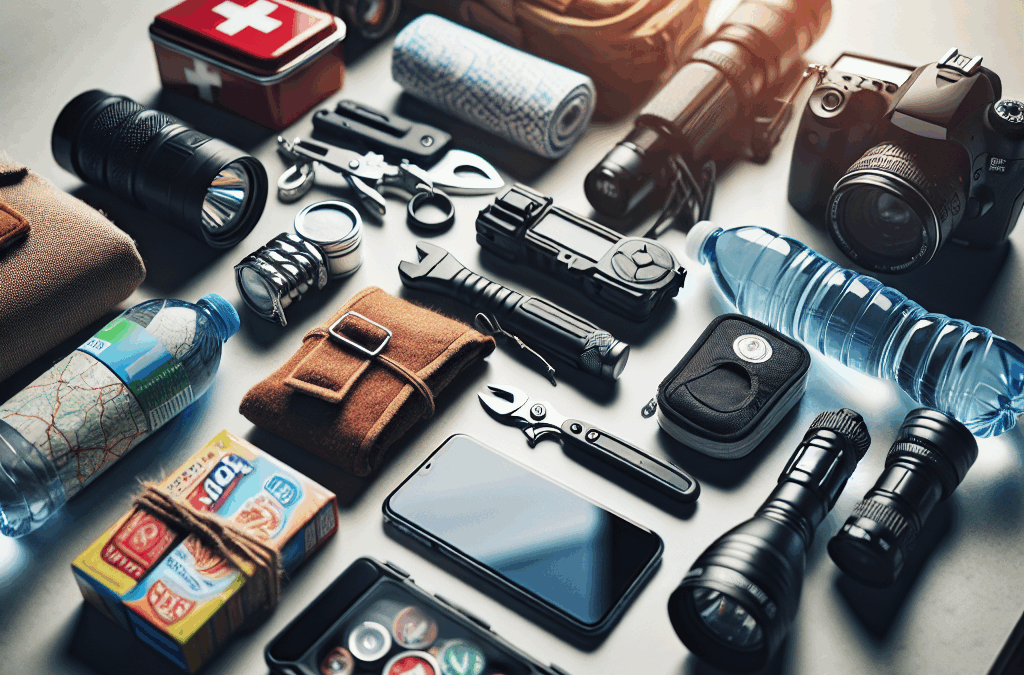
Emergency Supplies
First Aid Kit
Let’s face it: nobody plans to get injured, but accidents happen. That’s why having a well-stocked first aid kit in your car is a must. When packing your kit, think about including items like band-aids, antiseptic wipes, gauze, and adhesive tape. It’s like having a mini emergency room at your fingertips!
Also, don’t forget to include over-the-counter meds. Things like pain relievers and allergy medications can save the day if you’re in a pinch. Sometimes, distracted drivers or sudden allergies can turn a day into a nightmare, so being prepared can make all the difference.

Lastly, check your kit regularly. I can’t tell you how many times I’ve found outdated items in my own! Make sure everything is in good condition and replace expired products so you’ll be ready for anything when it counts.
Flashlight and Extra Batteries
Picture this: it’s dark out, you’re on the side of the road, and you can’t see a thing. That’s when a trusty flashlight comes into play. A bright, reliable flashlight can be the knight in shining armor you didn’t know you needed. When choosing one, opt for an LED model; they’re super bright and last forever.
While you’re at it, toss in some extra batteries. The last thing you want is your flashlight dying during a critical moment. A pack of good quality batteries doesn’t take up much space and can save you a whole lot of trouble.
Thank you for reading this post, don't forget to subscribe NOW for FREE!

And hey, keep your flashlight easily accessible! There’s no use in having one tucked away in a hidden compartment. I learned the hard way to keep mine right in the glove box for quick access. Trust me, you don’t wanna be fumbling around in the dark.
Roadside Flares
Roadside flares are an old school but gold school kind of tool to have in your kit. They’re perfect for alerting oncoming drivers that you’re stuck. It’s all about safety, right? You don’t want someone to unintentionally zoom by and make a tough situation even worse.
Setting them up is easy. Just light one and place it a safe distance away from your vehicle, and voila, instant signal! This little precaution can give you peace of mind when you’re waiting for help to arrive.
Plus, they can also serve multiple functions—not just alerting others. Feel free to get creative; you can use them to light a small campfire in a pinch! I’ve had a couple of unexpected overnight waits during road trips, and it definitely came in handy.
Basic Tools
Multi-Tool
Let’s talk about the ultimate multi-tool. This handy gadget can really save your bacon. Picture it: you have a wrench, a screwdriver, and even scissors all in one tool. It’s like having a Swiss army knife that you can count on when things go haywire.
Whether you need to tighten a loose battery cable or cut a rope, a multi-tool is versatile enough to handle most little emergencies that arise on the road. I can’t tell you how many times it’s helped me out in sticky situations—it’s definitely one of those “better safe than sorry” items.
Don’t forget to practice using your multi-tool before you need it! Familiarize yourself with all its functions. Trust me, it’s worth it to know how to operate it when you’re in a jam.
Jumper Cables
We’ve all been there—your battery decides to take a nap just when you need it most. Jumper cables are an absolute lifesaver in those situations. When choosing a set, opt for heavy-duty cables that are long enough to reach another car’s battery. You want to be prepared!
Learning how to use them isn’t too hard either. Just respect the color coding; red to red, black to ground. I’ve had my fair share of “oh no” moments, and believe me, knowing how to get my car up and running can save a whole day’s plans.
And hey, it’s even better if you learn how to help others! Jump-starting someone else’s car not only gets them back on the road but can turn into a fantastic conversation starter. You might just make a new friend!
Spare Tire and Jack
A flat tire can be an absolute bummer, but having a spare tire and jack can make all the difference. I always keep my spare in good condition, ensuring it’s properly inflated. You’ll thank yourself later when you can easily swap out that flat!
When it comes to the jack, practicing the process ahead of time can save you a lot of frustration. Knowing the steps and how to operate the jack is just as essential as having one on hand. I remember the first time I had to change a tire—it felt like an obstacle course!
Oh, and don’t forget to check your lug wrench! It won’t do you any good if it’s rusted and won’t budge when you need it. Preventive maintenance goes a long way, and it’s important to ensure that all your tools are in working order.
First Aid and Comfort Supplies
Water and Snacks
Staying hydrated is key when you’re on the road. I always stash a couple of bottles of water in my car. If you’re ever stuck, having water can help keep things calm and collected while you wait for help. Keeping a few snacks in your glove compartment is also a smart move; granola bars or trail mix can provide energy when you need it most.
It’s also a good idea to rotate out snacks and water periodically. Nobody wants to find a half-eaten protein bar from last summer! Keeping everything fresh is crucial to make sure you’re ready for any roadside adventure.
And if you share your vehicle with others, consider their preferences too. Making a small supply stash that everyone enjoys can go a long way; it’s not just about comfort but unity during a journey!
Blanket or Sleeping Bag
You never really think of how chilly it can get while you’re waiting for help, whether it’s summer night or in the middle of winter. Bringing a blanket or sleeping bag is a smart move; it’ll keep you warm and comfortable while you figure out your next move.
Choosing one that’s compact and easy to store is best—they shouldn’t take up too much room. When I step out for a road trip, I always throw a lightweight emergency blanket in the back. It’s amazing how much comfort a little warmth can provide when you’re feeling worried.
Plus, a blanket can double as a picnic blanket or even a makeshift cover if the sun is too hot. Versatility is key with any items in your survival kit, and the blanket comes in clutch for lots of unexpected situations.
Phone Charger
Let’s not underestimate how vital staying connected is. A car phone charger is a game changer, especially if you’re using your phone for navigation or just need to stay in touch with someone. It’s a small investment for a huge sense of safety.
Having a charged phone means you can call for roadside assistance or let someone know where you are if trouble hits. My favorite trick is to get a charger that plugs into both the car and the wall. It’s versatile and keeps my devices ready for action.
Also, think about downloading essential apps for roadside emergencies or even just keeping a list of towing services in your contacts. It’s those little steps that can put your mind at ease when things go south.
Safety Gear
Reflective Vest
A reflective vest is a small piece of gear that can make a big difference when you’re pulled over on the side of the road. Being visible to other drivers is crucial, especially in emergency situations. I keep mine close at hand so that I can easily slip it on if I need to work on my car.
Additionally, it adds a layer of protection. If you’ve ever had to change a tire or look under the hood, you know the last thing you want is to be clipped by passing cars. Staying bright and visible helps you stay safe!
When I wear my reflective vest, I feel a little more empowered, knowing that I’m taking steps to ensure my safety while I’m working. Plus, it’s an easy item to pack and doesn’t take up much space in my kit.
Fire Extinguisher
It might sound a little extreme, but a fire extinguisher is a smart thing to have in your car. In case things heat up under the hood or you witness a small fire, it’s a tool that can make all the difference. Choose a compact, car-rated extinguisher that you can easily access. Keeping safety first, right?
Knowing how to use it is just as important as having one. Familiarize yourself with the acronym PASS: Pull, Aim, Squeeze, and Sweep. This simple guideline can help you remember the steps in an emergency.
Also, keep an eye on the expiration dates. A fire extinguisher will only work if it’s within the recommend usage period, so a quick check every few months is a good idea!
Emergency Whistle
Believe it or not, a simple whistle can be a powerful tool in an emergency. If you were to find yourself in a sticky situation or needing to alert others, it’s louder than your voice and uses far less energy. It’s a must-have as part of your safety gear.
I like to keep mine attached to my glove box, so it’s always within reach. It’s a small item that you can easily forget about, but when the time comes to use it, you’ll be glad you have it at hand. Counting on technology might let you down, but a whistle is reliable and never needs charging!
Plus, it can also be fun for signaling at a picnic or just playing around! You can’t go wrong with adding a little playful aspect into your car survival kit.
FAQ
What items are essential for my car survival kit?
Essential items include a first aid kit, flashlight, jumper cables, snacks, and a reflective vest. It’s all about covering the bases for emergencies!
How often should I check my car survival kit?
I recommend checking your kit every few months to ensure everything is in good condition and up to date, especially food and medical supplies.
Are there any items you think are often overlooked?
Absolutely! People often forget about simple items like a phone charger and a whistle. They’re compact and can really help in emergencies.
Do I really need a fire extinguisher in my kit?
Yes! A fire extinguisher can be crucial if something goes wrong with your engine. It’s a small investment for the peace of mind it provides.
Can I customize my survival kit based on my needs?
Definitely! Personalizing your survival kit to fit your unique needs and travel habits is vital. Add items that make sense for you and your typical journeys.



