
When developing an emergency shelter plan, it’s crucial to assess the specific needs of the community, including the demographics and vulnerabilities of the population. For instance, special considerations should be made for people with disabilities, families with children, and the elderly. Common mistakes include failing to involve community stakeholders in the planning process, which can lead to gaps in resources and support. Prioritizing inclusive planning can enhance the effectiveness of the shelter plan.
Another critical aspect is the logistics of the shelter operation. Misunderstandings about resource allocation or shelter management can lead to chaos during a disaster. It’s essential to conduct regular drills and training sessions to ensure that everyone involved understands their roles and responsibilities. This preparation helps to streamline operations during an actual emergency and can save lives.
Identifying Shelter Locations
Identifying suitable shelter locations is fundamental to an effective emergency shelter plan. Locations should be accessible, secure, and capable of accommodating the expected number of evacuees. Factors to consider include proximity to transportation routes, availability of utilities, and safety from potential hazards such as flooding or fires.
Involving local authorities and community organizations can enhance the identification process, ensuring that locations are well-suited for sheltering. Additionally, it’s important to map these locations and share them with the community in advance. Neglecting to do so can lead to confusion and delays in evacuation during a disaster.
When selecting shelter sites, prioritize locations that can be quickly activated and have the necessary infrastructure, such as restrooms, sleeping areas, and kitchen facilities. Regular assessments and updates to the shelter list will keep the plan relevant and effective.
Securing Supplies and Resources
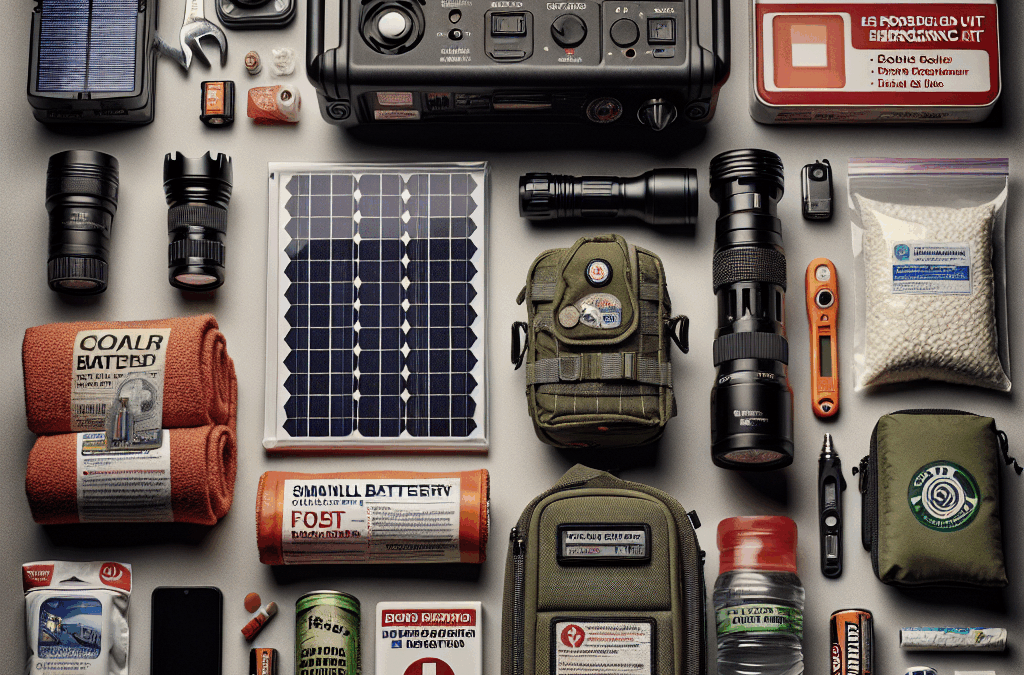
Securing necessary supplies and resources is a crucial component of an emergency shelter plan. Essential items include food, water, medical supplies, blankets, and hygiene products. It’s vital to establish a reliable supply chain and inventory management system to ensure that resources are available when needed.
Thank you for reading this post, don't forget to subscribe NOW for FREE!

Community partnerships can enhance resource availability. Collaborating with local businesses, nonprofits, and government agencies can help stockpile supplies and create a more resilient support network. A common pitfall is underestimating the quantity of supplies required or the duration of the emergency, which can lead to shortages.
Regularly updating the inventory and conducting drills to test supply distribution can improve readiness. Establish a clear process for replenishing supplies as they are used, ensuring that shelters remain adequately stocked throughout an emergency.
Communication Strategies
Effective communication is vital in an emergency shelter plan. Establish clear communication channels for both responders and the public to ensure timely updates and instructions. This includes utilizing social media, local news, and community bulletins to disseminate information.
Training shelter staff on communication protocols and ensuring that messaging is clear and consistent can prevent misinformation. A common mistake is failing to account for language barriers or the needs of individuals with disabilities, which can hinder effective communication.

Consider implementing a multi-channel communication strategy to reach diverse populations. Regularly reviewing and updating communication plans will enhance their effectiveness and ensure that all individuals receive critical information during emergencies.
Training and Drills
Training and conducting drills are essential for ensuring that everyone involved in the emergency shelter plan understands their roles and responsibilities. Regular practice helps to identify weaknesses in the plan and allows for adjustments to be made proactively.
Engaging community members in training exercises can also foster a sense of ownership and preparedness. A common oversight is not including volunteer organizations or local groups in training sessions, which can lead to a lack of coordination during an actual event.
Establish a schedule for regular drills and ensure that all participants are aware of their tasks. Documenting lessons learned from each drill can help refine the shelter plan and improve overall community resilience.
Further Reading
For those looking to deepen their understanding of emergency shelter planning, consult resources from recognized organizations such as the Federal Emergency Management Agency (FEMA) or local emergency management offices. These resources often provide templates, guidelines, and case studies that can enhance your preparedness efforts.
Further Reading
Authoritative Sources
- Ready.gov
ready.govOfficial U.S. preparedness guidance, checklists, and planning resources for households and emergencies.
- FEMA
fema.govFederal emergency management resources, disaster planning information, and recovery guidance.
- American Red Cross Emergency Preparedness
redcross.orgPractical emergency preparation steps, supply lists, and safety guidance for families.
- National Weather Service
weather.govOfficial forecasts, hazard alerts, and weather safety information.
- CDC Emergency Preparedness and Response
cdc.govPublic health guidance for emergencies, disasters, and recovery situations.
Frequently Asked Questions
What is an emergency shelter plan?
An emergency shelter plan outlines the procedures and resources needed to provide safe housing for individuals during disasters.
Why is it important to have a shelter plan?
A shelter plan is crucial for ensuring prompt and organized responses during emergencies, ultimately saving lives and resources.
How often should the shelter plan be updated?
It is recommended to review and update the shelter plan at least annually or after any significant changes in community demographics or resources.
What supplies are essential for an emergency shelter?
Essential supplies include food, water, medical kits, blankets, and hygiene products, which should be regularly inventoried and replenished.
How can communities prepare for sheltering during a disaster?
Communities can prepare by engaging in training exercises, conducting drills, and ensuring clear communication strategies are in place.
Conclusion
In summary, an effective emergency shelter plan is essential for disaster preparedness. Prioritizing the identification of shelter locations, securing necessary supplies, implementing strong communication strategies, and conducting regular training can significantly enhance community resilience. By addressing these key components, communities can ensure a more organized and effective response during crises, ultimately protecting lives and mitigating the impact of disasters.
Related Content
- The Ultimate Guide to 10 Effective Emergency Backup Plans for 2025
- 5 Essential Steps to Disaster Preparedness: Are You Ready
- Survive and Thrive: Essential Steps to Disaster Preparedness
- Planning for the Unexpected: Pets and Disaster Preparedness
- Surviving the Unexpected: Top Tips for Emergency Preparedness




