

Table of Contents
- Stock Up on Essential Supplies
- Create a Family Emergency Plan
- Maintain an Emergency Kit
- Stay Informed with Alerts and Warnings
- Practice Regular Emergency Drills
- Boost Home Safety Measures
- Build Community Relationships
- Get First-Aid and CPR Certified
- Invest in Emergency Technology
- Continue Education and Training
1. Stock Up on Essential Supplies
Why Having a Stockpile Matters in 2025
In 2025, natural disasters and other emergencies are becoming more unpredictable due to climate change and global instability. One of the most fundamental emergency readiness tips is to stock up on essential supplies. Having enough food, water, and medication ensures you can sustain yourself and your family during disruptions.
Experts recommend storing at least a two-week supply of non-perishable food and clean drinking water for each family member. Think in terms of canned goods, boxed foods, and bottled waterâitems that have a long shelf life and require minimal preparation. This preparedness step can make a significant difference if supply chains are interrupted.
Thank you for reading this post, don't forget to subscribe NOW for FREE!

Investing in durable storage containers and organizing your supplies can help you quickly access what you need during a crisis. Remember, itâs not just about quantity but also about varietyâinclude a mix of food types and personal care products to maintain health and comfort.
Practical Tips for Stockpiling
Create a designated storage space thatâs cool, dry, and easy to access. Regularly update and rotate your stock to keep everything fresh. Additionally, consider including items like batteries, flashlights, portable chargers, and hygiene kits to cover all bases during an emergency stay-at-home or evacuation.
Keeping a detailed inventory helps you monitor expiration dates and reorder supplies before they run out. Remember, prepared supplies are one of the most effective emergency readiness tips for handling unexpected situations confidently and calmly.
2. Create a Family Emergency Plan
Develop Clear Communication Strategies
In emergencies, clear communication can be a lifesaver. Create a comprehensive family emergency plan that outlines how everyone will communicate if separated. Include multiple contact pointsâsuch as relatives or friends outside your immediate areaâso family members know whom to call.
Make sure all members are familiar with the plan, including where to meet if you need to evacuate your home. Discuss potential scenarios like natural disasters, fires, or power outages, and tailor your plan accordingly. Practice this regularly to ensure everyone feels confident in executing it under stress.
Utilize technology for updates and alertsâinstall emergency apps and configure message groups for quick communication. Remember, being proactive with your familyâs safety plan is an essential component of emergency readiness tips.
Include Emergency Contacts and Important Info
Compile a list of emergency contacts, including local authorities, hospitals, and nearby friends or relatives. Keep physical copies in your emergency kit and digital copies stored securely online. Ensuring that everyone has access to this information increases their ability to act swiftly during a crisis.
Also, include important medical information such as allergies, medications, and health conditions. Being prepared with this vital information can streamline emergency response and reduce chaos during critical moments.
3. Maintain an Emergency Kit
Key Components of a Reliable Emergency Kit
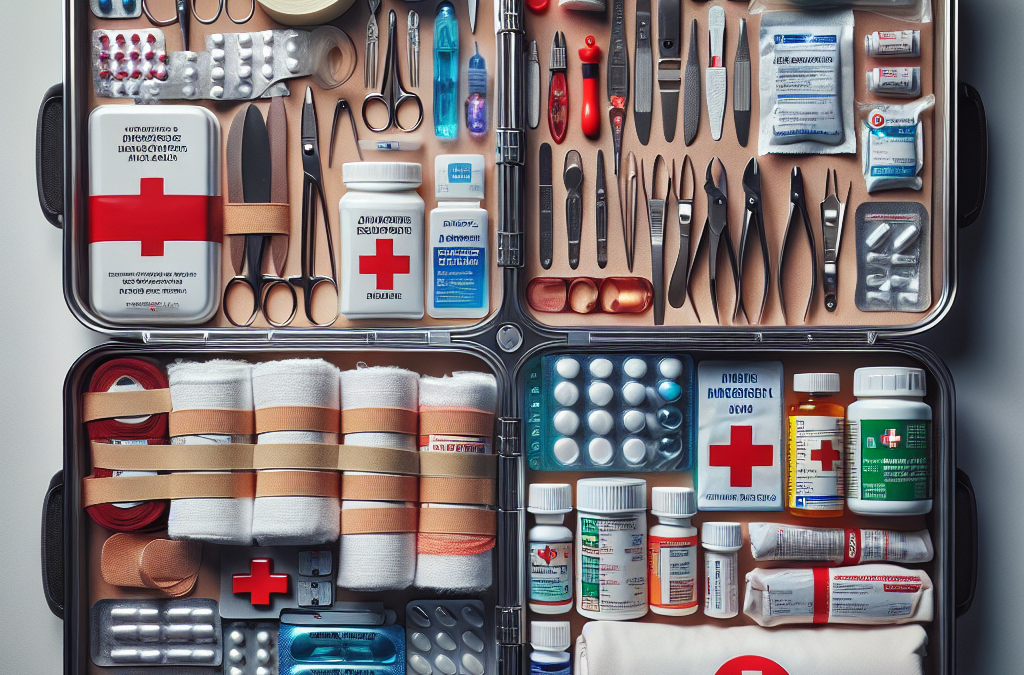
An emergency kit is more than just a bagâit’s your lifeline in a crisis. In 2025, having a well-maintained kit tailored to your familyâs needs is a top emergency readiness tip. Essentials include water, food, flashlight, batteries, first-aid supplies, and hygiene products.
Donât forget special items like prescription medications, infant supplies, pet food, and masks to adapt to evolving threats and health concerns. The kit should also include tools such as multi-purpose knives, duct tape, and a battery-powered radio to stay informed.
Regularly check your emergency kit for expired items or depleted supplies. Replenish as needed, especially after drills or emergencies, to ensure reliability when you need it most.
Storing and Accessing Your Emergency Kit
Place your kit in a designated, accessible location known to all family members. Consider having multiple kitsâone for your home, one in your car, and another at work. This preparedness measure ensures readiness no matter where an emergency occurs.
Practice retrieving and using your emergency kit periodically. Proper maintenance of your emergency kit is one of those practical emergency readiness tips that can reduce panic and improve response times during crises.
4. Stay Informed with Alerts and Warnings
Utilize Technology for Real-Time Updates
In 2025, technology plays a crucial role in emergency preparedness. Sign up for local emergency alert systems through your city or county, and install weather and disaster apps on your mobile devices. These alerts provide instant updates on approaching storms, earthquakes, or other hazards.
Many apps also offer tailored notifications based on your location, so you receive relevant information instead of generic warnings. This immediacy allows you to make rapid decisions, such as evacuating or seeking shelter.
Incorporate alerts into your daily routineâcheck your phone regularly, especially during severe weather seasons or after significant global events. Staying informed is a vital emergency readiness tip that empowers you to act proactively.
Follow Reliable News Sources
In addition to digital alerts, monitor trusted news outlets for updates during crises. Radio, TV, and reputable online sources often provide essential context and instructions that alerts alone might not convey.
Having a diverse media diet ensures you get accurate and timely information, helping you and your family stay safe. Remember, being well-informed reduces panic and enhances your overall emergency preparedness in 2025.
5. Practice Regular Emergency Drills
The Importance of Drills in Preparedness
Practice makes perfect. Regular emergency drills help you and your family become familiar with your planned procedures, reducing panic during real incidents. In 2025, conducting tabletop exercises and full-scale drills are among the best emergency readiness tips to ensure everyone knows their role.
Simulate different scenariosâfire, tornado, winter stormâto test your planâs effectiveness and identify areas for improvement. Practice drills also help spot weaknesses in your supplies, communication, and response times.
Encourage family members to provide feedback, and update your plan accordingly. Consistent practice turns preparedness into muscle memory, which can be critical when every second counts.
Partner with Community Resources
Many communities organize emergency preparedness workshops and drills. Participating in these activities fosters cooperation and enhances overall community resilience. Building relationships with neighbors during drills can lead to coordinated efforts during real emergencies.
Remember, a well-prepared community is a safer community. Making emergency drills a routine part of your readiness plan is an indispensable emergency readiness tip for 2025.
6. Boost Home Safety Measures
Structural and Security Upgrades
Enhancing your homeâs safety features is a proactive step in emergency readiness. Reinforce doors and windows to withstand storms or intruders. Install surge protectors and backup generators to keep critical systems operational during power outages.
In 2025, smart home technology can significantly improve safetyâthink burglar alarms, security cameras, and smart locksâhelping you monitor your property remotely. These upgrades can prevent accidents and enhance your preparedness stance.
Having a safe, secure home base is a foundation of effective emergency readiness tips. It provides peace of mind and a quick refuge during a crisis.
Safety Precautions for Natural Disasters
Identify and mitigate risks specific to your regionâwhether flooding zones, earthquake fault lines, or wildfire paths. Keep emergency supplies in accessible places and ensure your homeâs infrastructure is resilient to local threats.
Develop an evacuation plan that includes safe routes and safe spots within your home where you can wait out dangers. Regularly maintain and review these safety measures to stay prepared for any 2025 emergency.
7. Build Community Relationships
Neighborhood Preparedness Networks
Community networks are invaluable during emergencies. Get to know your neighbors and actively participate in local preparedness groups. Sharing resources, skills, and information can help everyone respond more effectively.
Organize or join community drills and workshops. Creating a neighborhood emergency plan helps coordinate efforts and reduces isolation during crises.
In 2025, strong community ties have been shown to improve survival rates and recovery timesâmaking this a key emergency readiness tip.
Local Resources and Support Systems
Identify local shelters, medical facilities, and support organizations ahead of time. Establishing these connections enables faster assistance and resource-sharing during an actual emergency.
Building these relationships increases resilience and ensures you are not facing disaster response alone. Remember, collective preparedness always outperforms individual efforts.
8. Train in First-Aid and CPR
Life-Saving Skills for All Ages
Accidents happen unexpectedly, and knowing basic first-aid can be the difference between life and death. Enroll in certified first-aid and CPR coursesâmany organizations offer virtual and in-person options in 2025.
Practicing these skills regularly keeps them sharp, especially in an emergency where quick action is needed. Itâs an effective emergency readiness tip that empowers everyone in your family or community.
Remember, being prepared with first-aid knowledge decreases dependence on emergency responders during critical moments, providing immediate aid when seconds matter.
Covering Medical Emergencies at Home and Beyond
Learn how to handle common injuries like cuts, burns, or choking. Keep a well-stocked first-aid kit tailored for different scenarios. Also, consider specialized training for family members with specific health conditions.
Preparedness is about confidenceâbeing ready to act swiftly and appropriately to ensure safety and stability for loved ones in any crisis in 2025.
9. Invest in Emergency Technology
Smart Devices and Apps for Preparedness
Technology continues to evolve, bringing new tools to enhance emergency readiness. Invest in devices like portable power banks, solar chargers, and NOAA weather radios. Use emergency preparedness apps to receive alerts and access survival guides.
Smart home systems that automatically lock doors, turn off utilities, or activate security cameras bolster your safety net against unforeseen events. These technological innovations are among the top emergency readiness tips for 2025.
Staying connected through technology means you stay informed and prepared, improving your chances of safety during unpredictable crises.
Data Backup and Communication Tools
Ensure your critical dataâmedical records, identification, insurance informationâis backed up digitally. Use encrypted cloud storage for easy access during emergencies.
Communication tools such as walkie-talkies or satellite phones can be indispensable if traditional networks fail. Combining tech solutions with physical preparedness creates a comprehensive safety approach for 2025 and beyond.
10. Continue Education and Training
Stay Updated on Best Practices
Emergency preparedness is a dynamic field, with new techniques and risks emerging constantly. Subscribe to reputable disaster preparedness blogs, attend workshops, and stay informed about the latest trends and protocols for 2025.
Continual learning ensures your knowledge remains current and effective. Itâs one of the most crucial emergency readiness tips that can dramatically improve your response capabilities.
Encourage all family members to participate in ongoing education initiatives to foster a culture of preparedness and resilience.
Develop Personal and Family Resilience
Building resilience involves mental, emotional, and physical readiness. Practice stress management, maintain physical health, and cultivate adaptability. These qualities help you cope better during crises.
Incorporate regular training sessions, review your plans periodically, and stay connected with local emergency services. Your ongoing commitment to safety will serve you well in 2025 and future years.
Conclusion
In summary, implementing these 10 emergency readiness tips will significantly enhance your ability to successfully navigate any crisis in 2025. From stockpiling supplies to staying informed and building a resilient community, each step plays a vital role in your overall preparedness plan. Remember, the key to effective emergency readiness is proactive planning, continuous education, and adaptive strategies. By taking these practical and strategic measures today, you are setting yourself and your loved ones up for safety and resilience in an uncertain world. Stay prepared, stay safe!
Frequently Asked Questions
1. What are the most important emergency readiness tips for 2025?
Stocking essential supplies, creating a family emergency plan, maintaining an emergency kit, and staying informed with alerts are among the most important tips to prepare for emergencies in 2025.
2. How often should I update my emergency supplies?
Itâs recommended to review and update your emergency supplies at least every 6 months, especially after drills or actual emergencies, to ensure everything is current and functional.
3. Why is community building an important emergency readiness tip?
Building community relationships enhances collective response efforts, resource sharing, and mutual support, which significantly increase resilience during crises.
4. How can I stay updated on new emergency preparedness strategies for 2025?
Subscribe to reputable disaster preparedness blogs, attend workshops, follow official agencies, and participate in local training sessions to stay informed about the latest strategies.
5. What role does technology play in emergency readiness tips?
Technology offers vital tools such as alert apps, smart devices, and communication systems that help you stay informed, connected, and prepared for unforeseen events.
Related Content
- Specific Steps for Emergency Preparedness: A Comprehensive Guide
- Preparing for the Worst: A Comprehensive Checklist for Disaster Preparedness
- Top 10 Essential Emergency Gear for Home in 2025 You Cant Ignore
- From Chaos to Control: Crafting Your Emergency Action Plan
- Disaster Preparedness 101: What Every Family Should Know



