

Table of Contents
- 1. Understanding the Importance of an Emergency Preparedness Kit
- 2. Selecting the Right Container for Your Emergency Kit
1. Understanding the Importance of an Emergency Preparedness Kit
Why Every Home Needs a Preparedness Kit
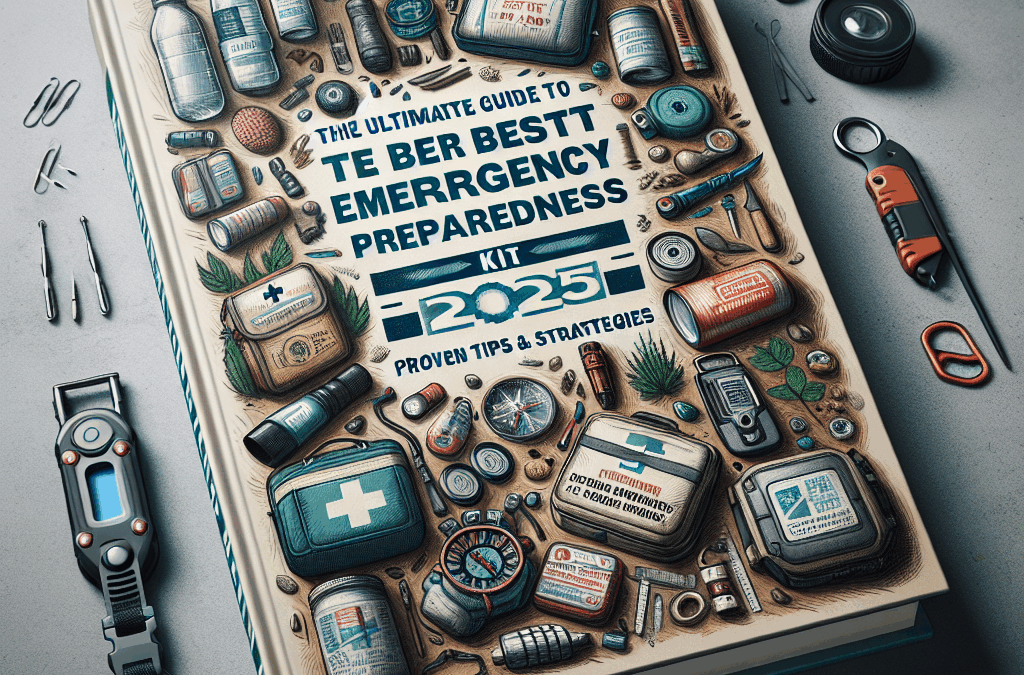
An emergency preparedness kit is vital for ensuring safety during unexpected events such as natural disasters, power outages, or other crises. In 2025, the increasing frequency of severe weather events makes it more essential than ever to be prepared. Having a comprehensive kit allows you to sustain yourself and your family for at least 72 hours, which is the recommended minimum response time during emergencies.
Real-world examples from recent natural disasters highlight the importance of being ready. During hurricanes and earthquakes, those with a ready emergency preparedness kit were able to respond swiftly, reducing stress and risk. Moreover, studies show that having a well-stocked kit significantly improves survival chances and recovery time.
Thank you for reading this post, don't forget to subscribe NOW for FREE!

Creating and maintaining an emergency preparedness kit is a proactive step. Itâs not just about stockpiling supplies but also about planning for specific scenarios that could affect your regionâwhether it’s floods, wildfires, or winter storms. In 2025, adaptability and preparedness are more critical than ever.
2. Selecting the Right Container for Your Emergency Kit
Types of Containers and Their Benefits
The container you choose for your emergency preparedness kit plays a crucial role. Options include sturdy plastic bins, military-grade duffel bags, or wheeled trolleys. Each has advantages depending on your mobility needs and storage space. For example, a waterproof container ensures your supplies stay dry if floodwaters rise.
Investing in a container thatâs durable and portable is key. In 2025, lightweight but tough materials like High-Density Polyethylene (HDPE) are popular for their resilience. You also want your container to be clearly labeled and easy to access during stressful situations.
Location also matters. Store your emergency kit in a designated, accessible spot in your home, garage, or even in your vehicle. Having a portable container allows for quick evacuation or moving supplies to different locations if needed.
2025. Ensuring Your Emergency Preparedness Kit Is Up-to-Date
Regular Checks and Maintenance
One of the most overlooked but critical steps is regularly reviewing and updating your emergency preparedness kit. In 2025, new products, changing weather patterns, and new threats mean your kit should evolve. Schedule quarterly or bi-annual checks to ensure all supplies are within expiry dates, functioning, and sufficient for your needs.
Replace expired food, water, medications, and batteries. Additionally, review your personal information, maps, and communication devices. It’s a good practice to simulate emergency scenarios to test your readiness.
Keeping your kit current ensures that when disaster strikes, you’re not caught off guard by outdated supplies or missing essentials. Staying proactive can make the difference between a minor inconvenience and a major crisis.
Frequently Asked Questions about Emergency Preparedness Kits
1. How do I start building an emergency preparedness kit for 2025?
Begin by assessing your familyâs specific needs, including medical supplies, food, water, and tools. Use our comprehensive checklist to guide you through selecting essential items, and focus on durability and portability for your kit. Remember, preparation is an ongoing processâregular updates are key.
2. What are the must-have items in an emergency preparedness kit?
Key items include non-perishable food, bottled water, first aid supplies, flashlights, batteries, warm clothing, hygiene products, and important documents. In 2025, including rechargeable devices and multi-purpose tools is recommended to enhance versatility.
3. How often should I update my emergency preparedness kit?
You should check your kit every 3 to 6 months. Replace expired items, refresh batteries, and review your supplies based on any life changes or new threats in your area. Staying current ensures maximum efficiency during an emergency.
4. Can I prepare an emergency kit for my pets too?
Absolutely! Include pet-specific food, water, medications, and comfort items. Ensuring your pets are also well-prepared can ease stressful situations and keep them safe during emergencies in 2025.
Conclusion
In today’s world, having a well-prepared emergency preparedness kit is more critical than ever. By carefully selecting, maintaining, and regularly updating your kit, you ensure that your family is protected during unforeseen events in 2025. Remember, preparedness is a continuous effortâstay vigilant, and keep your kit ready for any disaster.
For the best results, tailor your emergency preparedness kit to your specific needs, climate, and potential threats, and stay informed about new recommendations for 2025. Your safety depends on your proactive steps today.



