
1. Personal Emergency Kit
Building a Comprehensive Emergency Kit
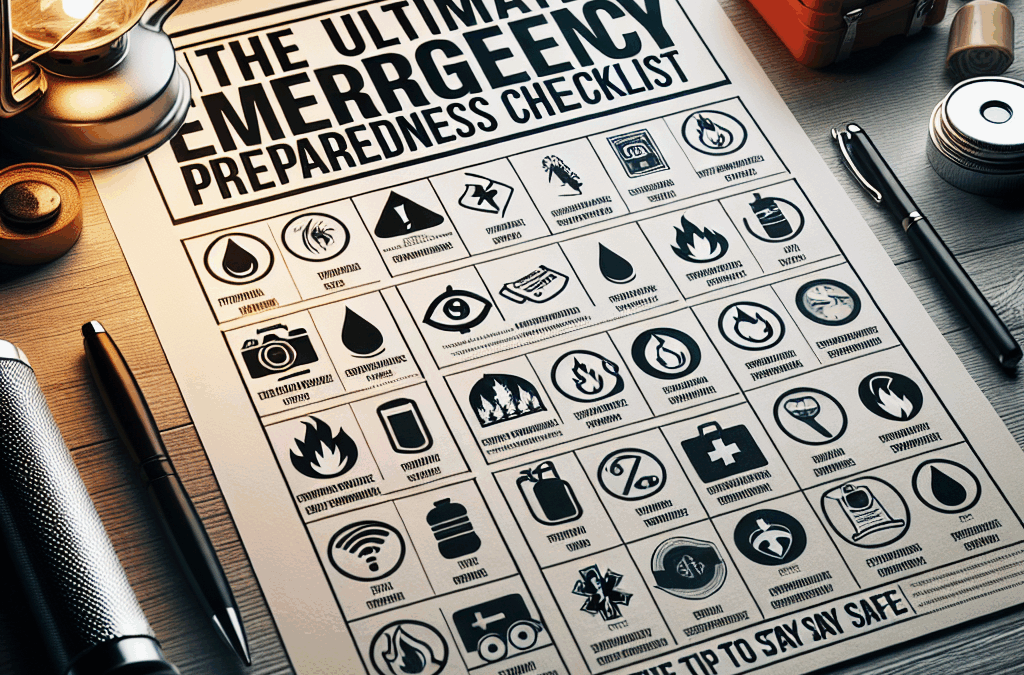
Creating a personal emergency kit is the foundation of any effective emergency preparedness checklist. In 2025, it’s crucial to have a well-stocked kit tailored to your familyâs unique needs, including pets if applicable. Consider durable backpacks or containers that are easy to carry and store. Your kit should include essentials such as water, non-perishable food, first aid supplies, flashlights, batteries, and sanitation items.
Research shows that having an accessible emergency kit can significantly reduce stress and health risks during crises. Make sure to rotate supplies periodicallyâat least every six monthsâto ensure items don’t expire. Customizing your kit based on common regional threats, such as earthquakes or floods, will make it more effective during actual emergencies.
For example, if you live in a hurricane-prone area, include waterproof clothing and tarps. For winter regions, add warm blankets and extra propane or heating supplies. The key is to prepare for the unexpected with a kit that covers your basic needs within the first 72 hours.
Thank you for reading this post, don't forget to subscribe NOW for FREE!

Location and Accessibility Tips
Keeping your emergency kit in a readily accessible location is vital. Many families store kits in garages or closets near exits for quick grabbing during evacuation. In contrast, some prefer having smaller kits in vehicles and workplaces. Test your access regularly through drills to ensure you can reach your supplies swiftly in a real emergency.
Itâs also wise to have multiple kitsâone at home, one in your car, and one at work if possible. This multi-location approach ensures safety regardless of where an emergency strikes. Remember, in 2025, smart storage solutions and labeling can help everyone in your household locate and use the kit efficiently.
Finally, involve all family members in packing and maintaining the kits. Educate them on where to find supplies and how to use critical items, such as fire extinguishers or first aid kits.
2. Emergency Communication Plan
Importance of Having a Clear Communication Strategy
During any emergency, communication can be disrupted or overloaded. An emergency preparedness checklist must include a solid communication plan for all family members and close contacts. In 2025, advanced technology enables diverse communication options, but traditional methods like printed contact lists and walkie-talkies remain essential fallback tools.
Designate emergency contacts outside your immediate area, such as friends or relatives in different cities or states. Share your familyâs communication plan with all members. Practice using your chosen methods regularly to ensure everyone understands the process and can quickly connect during a crisis.
Invest in portable power banks or solar chargers to keep your devices operational longer. Consider using messaging apps that work over Wi-Fi or satellite services when cellular networks are down. Simple, reliable communication can be a literal lifesaver in emergencies.
Technology and Backup Systems
In 2025, integrating smart home devices and emergency alert apps into your preparedness plan can enhance your safety. Set up and familiarize yourself with government and local alert system apps, such as FEMA alerts or community notification systems. These tools deliver real-time updates, helping you make informed decisions quickly.
Backup communication systems like battery-powered radios or even satellite phones can keep you connected when the internet or cell networks fail. Additionally, assembling a printed emergency contact sheetâincluding medical information and important addressesâensures vital data is accessible even if digital devices are unavailable.
Regularly update your emergency plan and test all equipment. Establish clear procedures for family members to follow if separated or unable to speak during an emergency. Remember, an effective emergency communication plan is a critical component of your emergency preparedness checklist.
3. Knowledge of Local Risks
Assessing Regional Threats
Understanding the specific risks associated with your geographical location is a key element of the emergency preparedness checklist for 2025. Whether you live in an earthquake zone, floodplain, wildfire region, or hurricane-prone area, knowing the common and severe threats helps you prepare appropriately.
Research local history and government resources to identify patterns and risk levels. Many communities publish hazard maps and emergency response plans online. Incorporate these insights into your personal preparedness efforts by customizing your kit and plans accordingly.
For example, in wildfire-prone areas, prioritize smoke inhalation protection and evacuation routes. In flood zones, focus on waterproof storage and elevated shelters. Staying informed about your local risks allows you to act swiftly and confidently during crises.
Utilizing Local Alert Systems
Modern alert systems, like community notification apps and siren networks, are vital tools to stay ahead of regional hazards. Sign up for alerts from local government agencies and subscribe to relevant social media channels. In 2025, many cities integrate multi-language options and real-time updates to ensure accessibility for everyone.
Practicing with these alert systems regularly ensures you recognize credible warnings and act promptly. Partnering with neighbors and local organizations can also enhance community preparedness, creating a shared knowledge base and support network.
Remember, knowing your local risks and being familiar with official notifications can significantly improve your safety during any regional emergency.
Conclusion
Building an effective emergency preparedness checklist for 2025 is essential for safeguarding your loved ones and property. From assembling a comprehensive personal emergency kit to understanding local risks and maintaining clear communication strategies, each step enhances your resilience against unpredictable events. Remember, preparedness is an ongoing processâregular updates, drills, and community engagement are key to staying safe. By following these 10 effective tips and continuously refining your plans, you can face any emergency with confidence and peace of mind. Make 2025 the year you prioritize your safety and preparedness efforts, ensuring youâre always ready for the unexpected.
Frequently Asked Questions
1. What should be included in my emergency preparedness checklist for 2025?
Your checklist should include essentials like water, non-perishable food, first aid supplies, flashlights, batteries, personal hygiene items, important documents, and communication devices. Tailor it to regional risks and family needs.
2. How often should I update my emergency preparedness checklist?
Alliance with the latest trends suggests reviewing and updating your checklist at least every six months. Check expiration dates, replace used supplies, and revise plans based on new information or changes in your circumstances.
3. Why is an emergency communication plan important in an emergency preparedness checklist?
An emergency communication plan ensures everyone in your household can stay connected during a crisis, especially if devices or networks fail. It helps coordinate relocations, share vital information, and reduces panic.
4. How can I adapt my emergency preparedness checklist for my region in 2025?
Identify your area’s specific hazardsâsuch as floods, earthquakes, or stormsâand include relevant supplies and strategies. Use local hazard maps and alerts to tailor your plans for maximum effectiveness.
5. What are some recommended external resources for emergency preparedness in 2025?
Consult government agencies like FEMA, the Red Cross, and local emergency management offices. Also, explore reputable websites and apps that offer guidelines, checklists, and real-time alerts for enhanced safety.



