
- Stockpile Non-perishable Foods
- Invest in Freeze-dried and Dehydrated Meals
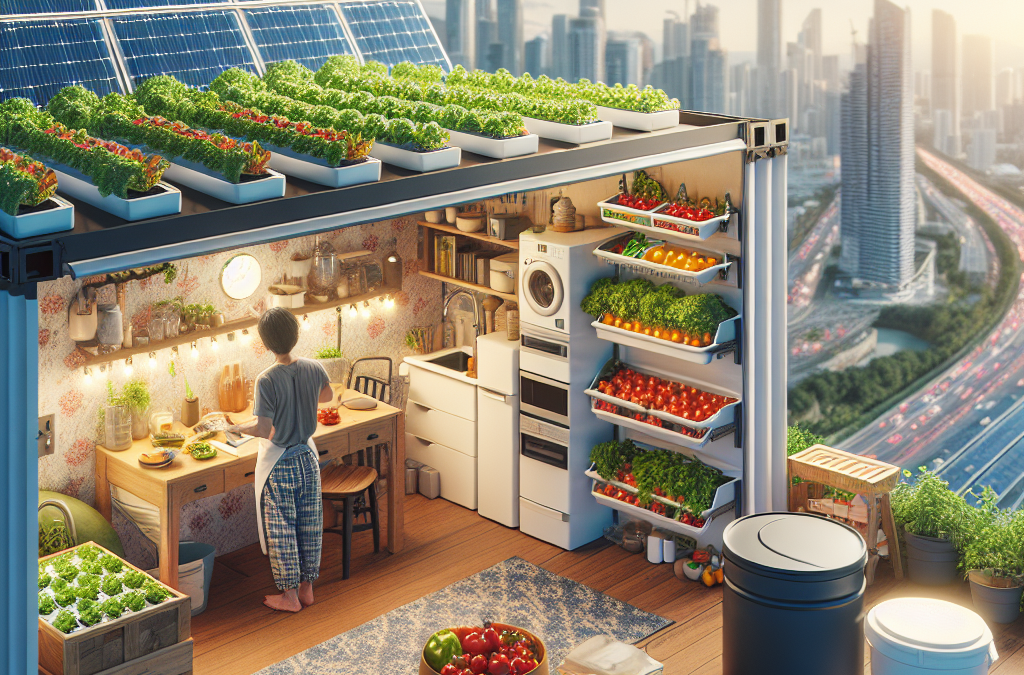
- Grow Your Own Emergency Garden
- Prepare Meal Kits for Quick Use
- Store Water and Hydration Solutions
- Include Nutrition-rich Snacks
- Prioritize Food Storage Safety
- Use Food Preservation Methods
- Coordinate Food Supplies with a Family Plan
- Stay Informed on Food Security Trends in 2025

1. Stockpile Non-perishable Foods
Why Non-perishable Foods Are Essential
For effective emergency food supply ideas, stockpiling non-perishable foods is fundamental. These items have a long shelf life and are easy to store, making them ideal for any emergency situation. Examples include canned vegetables, rice, pasta, and dried beans. Such foods can last for years, providing a reliable food source during power outages or supply chain disruptions.
In 2025, with increasing global uncertainties, having a well-stocked pantry can prevent panic and ensure your family’s safety. Many families report that a minimum of 72 hours’ worth of food can significantly reduce stress during emergencies. It’s wise to rotate stock and check expiration dates regularly to keep supplies fresh and usable.
Moreover, non-perishable foods are versatileâyou can combine different items to prepare balanced meals even in tough circumstances. Keep a variety of foods to satisfy nutritional needs and prevent dietary fatigue.
Thank you for reading this post, don't forget to subscribe NOW for FREE!

Practical Tips for Stockpiling
Start with a manageable list of essentials, and gradually increase your stock as budget allows. Store foods in a cool, dry, and dark location to maximize shelf life. Use airtight containers for items like grains or cereals to prevent pests. Label everything clearly with purchase and expiration dates to stay organized.
Consider bulk buying during sales to save money, and remember to include foods your family enjoys to encourage consumption. Quick-access storage containers can make retrieval easier during stressful times.
2. Invest in Freeze-dried and Dehydrated Meals
The Benefits of Freeze-dried and Dehydrated Foods
One of the standout emergency food supply ideas for 2025 is investing in freeze-dried and dehydrated meals. These foods retain most of their nutrients, are lightweight, and have an extended shelf lifeâoften 25 years or more. They are perfect for people who want convenience during crises.
Many companies now offer pre-packaged meals that only require water and a few minutes of preparation. This simplicity can be a lifesaver during power outages, natural disasters, or other emergencies. Additionally, these foods take up less space and are easy to store in backpacks or emergency kits.
Research shows that incorporating these meals into your emergency plan can reduce cooking time significantly, especially when resources are limited. For families on the go, ready-to-eat options make panic situations more manageable.
Choosing the Right Freeze-dried Foods
Select products with balanced nutrition, including proteins, carbs, and fats. Look for brands with reputable quality and clear labeling. Consider vegetarian options or allergy-friendly choices to meet all dietary needs. Always check the calorie content per serving to ensure adequate energy intake during emergencies.
Rotate your stock periodicallyâuse the older packages first and replace them with new stock. Keep the meals stored in a cool, dry environment to preserve their quality for years to come.
3. Grow Your Own Emergency Garden
Why Gardening Is Part of Emergency Food Ideas
Incorporating a home garden into your emergency food supply ideas can provide fresh, nutritious food even during grid failures or supply shortages. Growing staples such as tomatoes, beans, and leafy greens can supplement packaged foods and improve overall diet quality.
In 2025, climate variability and supply chain disruptions have led many to prioritize self-sufficiency. An emergency garden requires minimal resources and can be scaled to fit your spaceâbe it a backyard, balcony, or windowsill.
Additionally, gardening fosters resilience and mental health, helping families stay calm and focused during stressful times. Itâs an empowering strategy that brings sustainability into your emergency preparedness plan.
Tips for Developing your Emergency Garden
Start small with easy-to-grow plants, and use organic practices to avoid chemical dependence. Prioritize drought-resistant crops if water access might be limited. Use raised beds or containers for flexibility and to combat poor soil quality.
Preserve excess harvests through canning, drying, or freezing to extend your food supply. Teach family members about gardeningâitâs a valuable skill that enhances your overall emergency preparedness.
4. Prepare Meal Kits for Quick Use
How Meal Kits Enhance Emergency Food Strategies
As part of effective emergency food supply ideas, pre-assembling meal kits can significantly reduce preparation time during crises. Packaged in durable containers or resealable bags, these kits include all necessary ingredients, spices, and instructions.
In 2025, with many families busy and stressed, having ready-to-eat meal kits provides peace of mind. These kits are ideal for situations where cooking appliances or water may be limited. You can customize kits based on dietary preferences and family size.
Beyond emergencies, meal kits are convenient for camping trips or vacations, making them a versatile investment in your preparedness arsenal.
How to Assemble Effective Meal Kits
Choose non-perishable ingredients with a long shelf life and assemble meals that can be cooked quickly or eaten cold. Include a variety of proteins, grains, and vegetables, along with condiments and seasoning packets. Label each kit with contents and suggested preparation instructions.
Store kits in a cool, accessible location, and revisit them periodically to replace expired items. Consider including utensils, small portable stoves, or cooking devices in your kit for added versatility.
5. Store Water and Hydration Solutions
The Critical Role of Water in Emergency Preparedness
No emergency food supply ideas list is complete without emphasizing water storage. Adequate hydration is vital for health, especially when access to clean water is compromised. Experts recommend storing at least one gallon of water per person per day for a minimum of three days, but ideally for two weeks.
In 2025, innovative water purification and storage solutions have become more accessible. Including water purification tablets, portable filters, and large water storage containers in your plan ensures you have a reliable water source during emergencies.
Consider backup options like solar-powered water purifiers or UV sterilizers to enhance safety. Proper storage in food-grade containers prevents contamination and prolongs shelf life.
Practical Water Storage Tips
- Use opaque, airtight containers to prevent algae growth.
- Label stored water with purchase or fill date and replace every 6-12 months.
- Plan for water sources in your community and learn how to purify natural water if needed.
With the right water storage and purification methods, you can confidently follow your emergency food supply ideas and stay hydrated in 2025 and beyond.
6. Include Nutrition-rich Snacks
Snacks as Part of Emergency Food Planning
Snacks often get overlooked, but they are essential in emergency food supply ideas, providing quick energy boosts and improving morale. Stocking high-protein, high-calorie snacks ensures your family remains energized and satisfied during stressful times.
Examples include nuts, trail mixes, energy bars, and dried fruits. These foods have long shelf lives and are easy to carryâideal for emergencies or outdoor adventures.
In 2025, the focus on nutrition is more prominentâselect snacks that provide essential vitamins and minerals to prevent deficiency during extended crises.
Smart Snack Storage and Rotation
Store snacks in sealed, portable containers in accessible locations. Rotate stock annually, replacing expired items and updating varieties to maintain freshness. Consider making your own trail mixes or energy bites at home for cost savings and customization.
Remember, snacks can also serve as teachable moments for children about good nutrition and emergency preparedness.
7. Prioritize Food Storage Safety
Ensuring the Longevity and Safety of Stored Food
Safe storage is crucial for maintaining the quality and safety of your emergency food supply ideas. Use airtight, food-grade containers to prevent pests and moisture infiltration. Regularly inspect your supplies for signs of spoilage, pests, or damage.
In 2025, advancements in food packaging technology such as vacuum sealing and oxygen absorbers make it easier to extend shelf life. Store food in a cool, dry, dark placeâtemperature fluctuations can degrade quality and promote spoilage.
Educate yourself on proper rotation practicesâusing older stock first ensures nothing expires unnoticed, reducing waste and safeguarding your family’s health.
Handling and Emergency Food Safety Tips
Always wash your hands and utensils before handling stored foods. Keep cleaning supplies nearby to maintain hygiene. When in doubt about food safety, dispose of questionable items to prevent illness.
Proper safety precautions protect your investment and ensure your emergency food supply ideas remain effective when needed most.
8. Use Food Preservation Methods
Extending Shelf Life with Preservation Techniques
Preserving foods through canning, drying, or fermenting can greatly expand your emergency food options. Modern preservation methods in 2025 have become more efficient and safer, allowing for nutrient retention and extended shelf life.
For example, water bath canning preserves fruits, jams, and pickles effectively, while vacuum sealing removes oxygen from storage. Drying meats and herbs in dehydrators can provide flavorful additions to meals.
Incorporating these methods allows you to utilize seasonal harvests and reduce reliance on pre-packaged foods, adding variety and sustainability to your emergency plans.
Getting Started with Food Preservation at Home
Begin with simple recipes and equipmentâinvest in a good quality dehydrator and home canning supplies. Follow safety guidelines from reputable sources like the USDA or your local cooperative extension service.
Label preserved foods with date and contents, and store them in a cool, dark place. Preservation not only supports emergency preparedness but also reduces food waste and saves money.
9. Coordinate Food Supplies with a Family Plan
Ensuring Everyone Is Prepared
Developing a family-centered emergency food plan is one of the most important emergency food supply ideas. Include all members in planning, shopping, and storage to ensure collective preparedness and understanding.
Assign responsibilities such as inventory management, meal planning, and safety drills. Regular family meetings to review supplies and update your plan can make preparedness a shared responsibility.
In 2025, community coordination and shared resources have become more common, enhancing resilience during widespread emergencies.
Effective Communication and Practice
Practice evacuation and meal preparation using your stored supplies at least twice a year to identify gaps. Use checklists and labels for clarity. Establish communication plans with neighbors for mutual aid if necessary.
Coordination empowers your family to act confidently when disaster strikes, making your emergency food supply ideas more effective.
10. Stay Informed on Food Security Trends in 2025
Keeping Up with the Latest Developments
Staying informed about food security trends helps you adapt your emergency food supply ideas for maximum effectiveness. Follow reputable sources such as government agencies, nonprofit organizations, and expert blogs.
In 2025, climate change, geopolitical conflicts, and technological innovations significantly influence food availability. Being proactive allows you to adjust your supplies accordingly and avoid shortages.
Attend preparedness workshops or online courses to learn about new preservation techniques, food sources, and safety guidelines, ensuring your strategies remain current.
Leveraging Technology and Community Resources
Use apps and online platforms to track expiration dates, inventory, and local food resources. Joining local preparedness groups can also provide valuable tips, share surplus supplies, and foster a sense of community resilience.
Remaining informed ensures your emergency food supply ideas are comprehensive, up-to-date, and tailored to the challenges of 2025.
Frequently Asked Questions
- What are the best emergency food supply ideas for 2025?
- Some of the best ideas include stockpiling non-perishable foods, investing in freeze-dried meals, growing your own emergency garden, and storing adequate water. Diversifying supplies ensures preparedness for various scenarios.
- How long can emergency foods last?
- Most emergency foods, such as freeze-dried and dehydrated meals, can last 20-30 years if stored properly. Canned goods typically last 2-5 years, depending on the product.
- How much water should I store for emergencies?
- At least one gallon per person per day for a minimum of 3 days, but ideally for 2 weeks. Remember to include purification options in your plan.
- Why should I include snacks in my emergency food ideas?
- Snacks provide quick energy, improve morale, and add nutritional variety during stressful times. Choose nutrient-dense options like nuts, dried fruits, or energy bars.
- What safety tips should I follow when storing emergency foods?
- Use airtight, food-grade containers, store in cool, dark environments, rotate stock regularly, and check for signs of spoilage to ensure safety and longevity.
Final Thoughts
In 2025, strategic planning around emergency food supply ideas is more important than ever. By implementing these 10 effective ideasâranging from storing non-perishable foods and water to growing your own gardenâyou can secure your family’s safety and well-being during unforeseen events. Staying informed, practicing your plans, and diversifying your supplies make your preparedness comprehensive and resilient. Remember, the key to peace of mind is a well-thought-out and regularly updated emergency food supply in 2025.
Related Content
- How to Signal for Help in Remote Areas
- The Ultimate Guide to home disaster preparedness: 10 Proven Tips for 2025
- Be Ready for Anything: Your Complete Emergency Storage Checklist for Peace of Mind
- From Storms to Pandemics: The Ultimate Guide to Emergency Preparedness
- Prepare for the Unpredictable: Top Strategies for Disaster Readiness



