
In an unpredictable world, the concept of disaster readiness at home has never been more critical. Whether it’s natural disasters like hurricanes and earthquakes or man-made incidents, being prepared can mean the difference between chaos and calm. Surprisingly, a 2022 survey revealed that over 60% of households are not adequately prepared for emergencies. Understanding disaster readiness at home is essential not just for individuals but for families as a whole, ensuring safety and peace of mind.
So, what does it take to achieve comprehensive disaster readiness at home? This guide will walk you through the crucial steps to protect your loved ones, minimize risks, and stay calm during crises. We’ll delve into emergency planning, essential supplies, and practical strategies to empower you in the face of adversity.
Understanding Disaster Readiness at Home
What is Disaster Readiness?
Disaster readiness refers to the proactive measures taken to prepare for, respond to, and recover from emergencies. It encompasses various aspects, from having an emergency kit to formulating a family evacuation plan. The goal is to ensure that all household members know what to do during a crisis, minimizing confusion and panic.
Moreover, disaster readiness at home is not just about stockpiling supplies. It involves education, communication, and practice. Regular drills can help family members understand their roles and responsibilities during emergencies, fostering a sense of confidence and security.
Thank you for reading this post, don't forget to subscribe NOW for FREE!

The Importance of Being Prepared
Preparedness can save lives and reduce the impact of disasters. Here are a few compelling reasons to prioritize disaster readiness at home:
– **Increased Safety**: Knowing what to do in an emergency significantly lowers the risk of injury.
– **Reduced Anxiety**: Having a plan alleviates fear and uncertainty during crises.
– **Faster Recovery**: Prepared individuals can recover faster and more effectively post-disaster.
Key Components of Disaster Readiness at Home
Risk Assessment
Before you can develop a solid plan for disaster readiness at home, it’s essential to understand the risks specific to your area. This includes:
– **Natural Disasters**: Hurricanes, floods, earthquakes, and wildfires may be more prevalent in certain regions.
– **Man-made Threats**: Consider risks such as industrial accidents, active shooter situations, or terrorist attacks.
Conducting a thorough risk assessment will help you tailor your emergency preparations to the threats you are most likely to face.
Emergency Contacts and Communication
Establishing a clear line of communication is vital in emergencies. Here’s how to ensure effective communication:
1. **Create a Contact List**: Include family members, neighbors, and local emergency services.
2. **Designate a Meeting Place**: Choose a location where your family can gather if separated.
3. **Practice Communication Plans**: Regularly review your plan and conduct drills to reinforce familiarity.
Creating Your Emergency Plan
Step-by-Step Guide to Developing an Emergency Plan
Crafting an effective emergency plan requires careful consideration. Follow these steps:
1. **Identify Potential Emergencies**: Use your risk assessment to list possible scenarios.
2. **Outline Response Actions**: Determine what actions to take for each emergency type.
3. **Assign Roles**: Assign specific duties to each family member to reduce chaos.
4. **Review and Update**: Regularly revisit your plan, updating information and practicing drills.
Incorporating Disaster Readiness at Home into Family Life
Integrating disaster readiness into daily life can enhance preparedness without overwhelming your family. Consider these tips:
– **Regularly Discuss Plans**: Make conversations about emergency preparedness routine.
– **Involve Everyone**: Engage children in planning and practice drills to foster responsibility.
– **Use Technology**: Utilize apps and tools that provide alerts and reminders for emergency preparedness.
Essential Supplies for Disaster Readiness at Home
Building Your Emergency Supply Kit
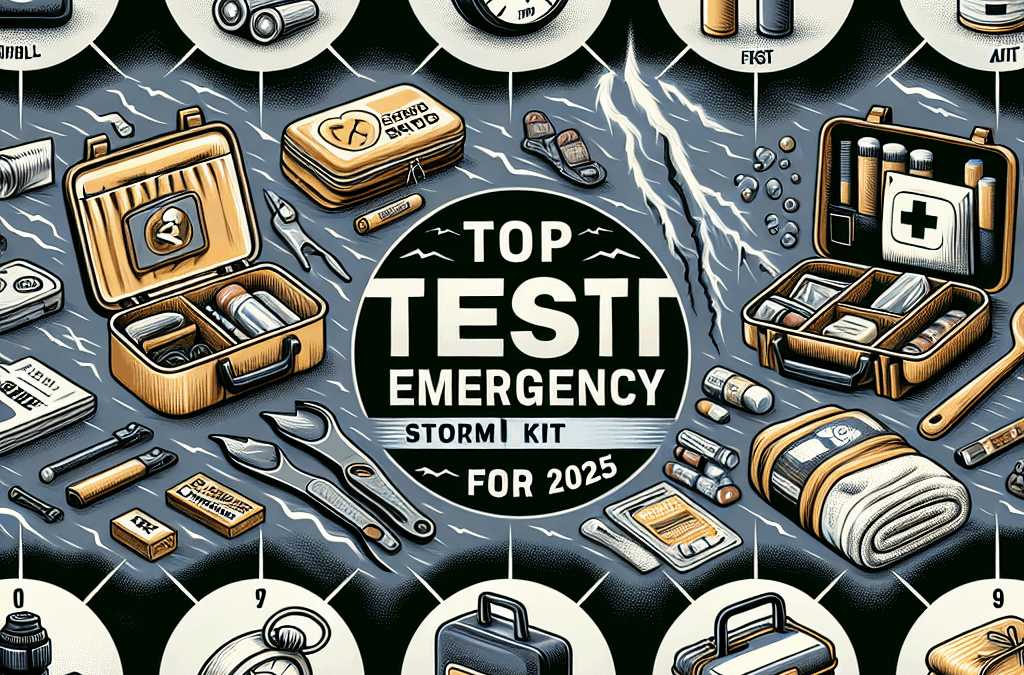
An essential aspect of disaster readiness at home is having a well-stocked emergency supply kit. Here are key items to include:
– **Water**: One gallon per person per day for at least three days.
– **Food**: Non-perishable items, such as canned goods, energy bars, and dried fruits.
– **First Aid Supplies**: Bandages, antiseptics, and any necessary medications.
– **Flashlights and Batteries**: Ensure you have reliable light sources.
– **Multi-tool**: A versatile tool can be invaluable during emergencies.
Maintenance and Rotation of Supplies
It’s not enough to just assemble your supplies; they must be maintained and updated regularly. Implement these practices:
1. **Check Expiration Dates**: Review items every six months and replace expired goods.
2. **Rotate Stock**: Use supplies in regular cooking or emergencies to keep items fresh.
3. **Store Properly**: Keep your kit in a dry, easily accessible location.
References and Resources
These resources provide valuable information about disaster readiness at home. Check them out for additional insights:
Authoritative Sources on disaster readiness at home
-
Ready.gov
ready.govA comprehensive resource by FEMA on how to prepare for different types of disasters, including checklists and planning tools.
-
American Red Cross Emergency Preparedness
redcross.orgOffers guidelines for creating an emergency plan and assembling a disaster kit, including resources tailored for various situations.
-
National Geographic Earthquake Preparedness
nationalgeographic.comAn informative guide on preparing for earthquakes, including safety tips and emergency plans specific to seismic events.
-
CDC Emergency Preparedness and Response
cdc.govA government site providing detailed information on health-related risks during disasters and how to prepare accordingly.
-
USGS Earthquake Safety
usgs.govProvides scientific information and safety tips for earthquake preparedness, including how to respond during and after an earthquake.
-
FEMA National Preparedness Plan
fema.govAn essential guide on creating a comprehensive preparedness plan for all types of emergencies.
-
NFPA Wildfire Safety
nfpa.orgOffers resources on wildfire preparation, including home safety tips and evacuation plans.
-
National Weather Service Safety
weather.govInformation on severe weather preparedness, including alerts and safety measures for various weather-related emergencies.
Frequently Asked Questions
What is disaster readiness at home?
Disaster readiness at home involves preparing your household for emergencies by creating plans, assembling supplies, and educating family members on how to respond effectively during crises.
How can I improve disaster readiness at home?
To enhance disaster readiness at home, conduct a risk assessment, create an emergency plan, regularly update supplies, and engage all family members in preparedness discussions and drills.
Why is it important to practice disaster readiness at home?
Practicing disaster readiness at home is crucial as it helps family members become familiar with emergency procedures, reduces panic during actual events, and ensures everyone knows their roles and responsibilities.
What supplies should I include for disaster readiness at home?
Your emergency kit should include water, non-perishable food, first aid supplies, flashlights, batteries, personal hygiene items, and any necessary medications.
How often should I update my disaster readiness at home supplies?
It’s advisable to check and update your disaster readiness at home supplies at least twice a year, ensuring that items are not expired and that your information is current.
Conclusion
Achieving disaster readiness at home is a journey that requires commitment, education, and practice. The importance of being prepared cannot be overstated—your family’s safety depends on it. By understanding the risks, creating a comprehensive plan, and assembling the necessary supplies, you’re taking actionable steps toward safeguarding your loved ones against unforeseen events.
As you move forward, remember that disaster readiness at home is not a one-time task, but a continuous process. Regularly review plans, engage family members, and stay informed about potential threats. Taking these steps will not only provide peace of mind but also empower you to face any challenge with confidence.



