
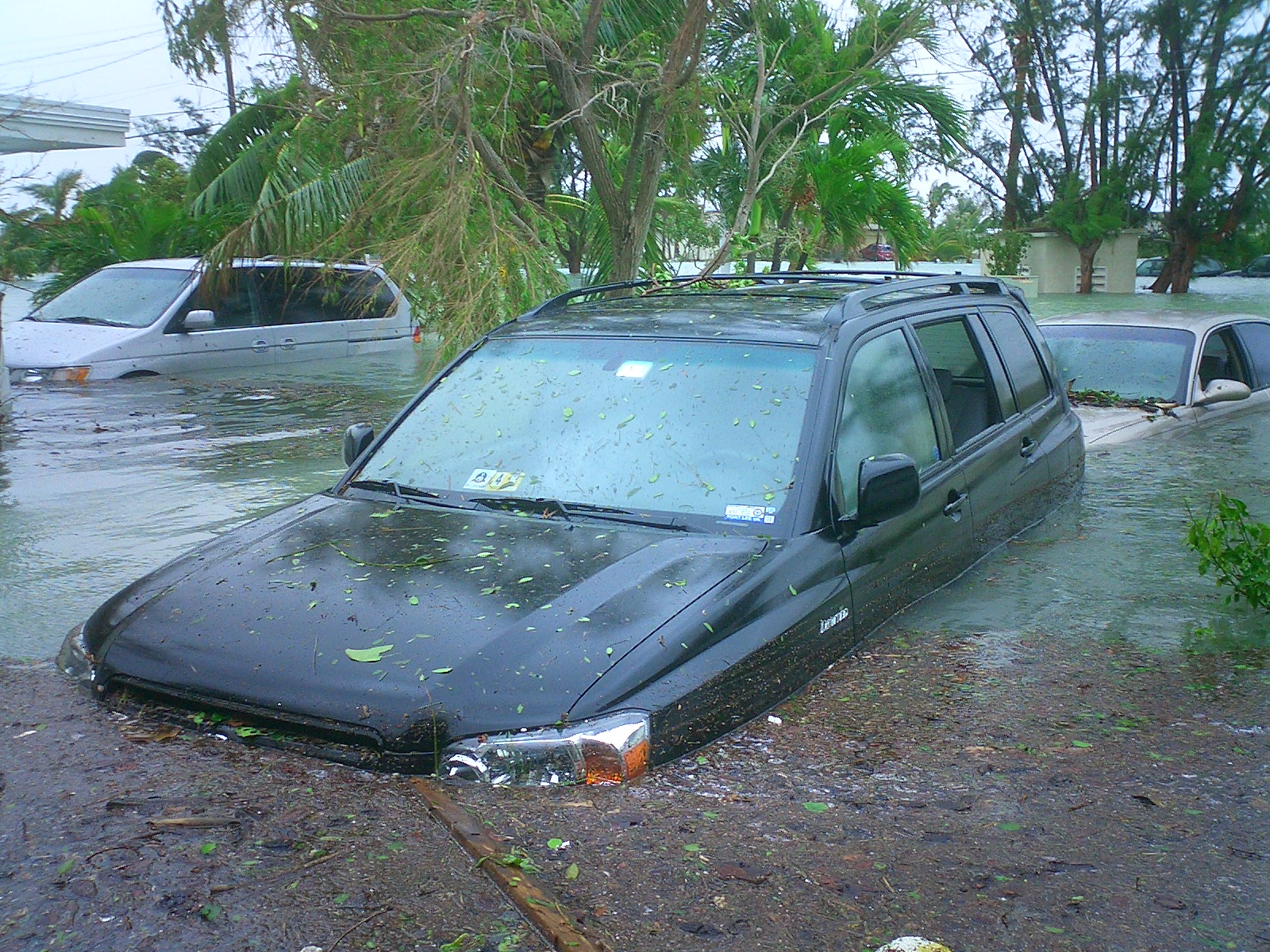
Preparing for emergencies in 2025 requires a well-thought-out disaster preparedness kit. This kit is your lifeline during unexpected events like natural disasters, power outages, or other crises. Iâve spent years helping families and communities build resilient emergency supplies, and I can tell you, the right disaster preparedness kit can make all the difference in staying safe. In this comprehensive guide, Iâll share 10 effective tips to ensure your kit is ready for anything in 2025.

Table of Contents
- Understanding the Importance of a Disaster Preparedness Kit
- Assessing Your Specific Needs
- Choosing the Right Container for Your Kit
- Gathering Essential Food and Water Supplies
- Including First Aid and Medical Supplies
- Adding Communication Devices
- Ensuring Proper Clothing and Shelter Items
- Incorporating Power and Lighting Resources
- Maintaining Your Disaster Preparedness Kit
- Practical Tips for Regularly Updating and Testing Your Kit
1. Understanding the Importance of a Disaster Preparedness Kit
Why Every Family Needs a Kit
In 2025, disasters can strike unexpectedlyâfrom hurricanes and earthquakes to wildfires and cyber-attacks. Having a well-prepared disaster preparedness kit ensures that you and your loved ones are ready to face these emergencies confidently. This kit acts as your safety net, providing essentials during critical moments.
Research indicates that over 70% of disaster-related injuries are due to lack of immediate access to supplies. By maintaining a comprehensive kit, you can significantly reduce injury risks and improve recovery time. Whether youâre at home or on the go, your kit should be easily accessible and complete.
Creating an effective disaster preparedness kit is not just about collecting supplies; itâs about strategic planning. Consider the types of emergencies likely in your area and tailor your kit accordingly. This proactive approach can make a real difference in crisis situations.
Thank you for reading this post, don't forget to subscribe NOW for FREE!

2. Assessing Your Specific Needs
Personal and Family Considerations
Every household has unique needs, especially in 2025, with diverse populations, ages, and health conditions. Think about infants, elderly family members, or pets when assembling your disaster preparedness kit. Special dietary or medical needs should influence your supplies.
For example, if you have elderly family members, include necessary medications, mobility aids, and extra comfort items. For families with infants, ensure your kit contains baby formula, diapers, and baby-safe medicines. Personalization ensures everyoneâs needs are met during an emergency.
Involving everyone in the assessment process not only helps identify specific items needed but also encourages preparedness awareness. Conducting a family emergency plan review every few months keeps your kit relevant and comprehensive.
3. Choosing the Right Container for Your Kit
Durability and Portability
The container you select must be durable enough to withstand rough conditions in 2025 disasters. Rigid plastic bins with waterproof seals are popular for their robustness and affordability. For portability, consider backpacks or rolling carts for easy transport.
Think about size and weightâyour disaster preparedness kit should be comprehensive but manageable. A kit for home might stay in a secure, accessible location, while a smaller version should be kept in your vehicle or at work.
Labeling your container clearly and organizing items systematically can help you quickly access essentials during an emergency. Invest in modular storage within the container to separate food, water, medical supplies, and tools.
4. Gathering Essential Food and Water Supplies
Long-lasting, Nutritious Food Options
In 2025, the importance of having enough food and water cannot be overstated. Experts recommend storing at least a 3-day supply per person, but aiming for a 2-week reserve is ideal. Freeze-dried meals, energy bars, and canned goods are excellent choices because of their shelf life and nutritional value.
Water is the most critical resourceâaim for one gallon per person per day. Consider water purification tools like filters or tablets to supplement stored water. Remember, stored water should be rotated regularly to prevent spoilage.
Some families find it helpful to include comfort foods to boost morale. Commercially packaged emergency food supplies now come with clear expiration dates and easy preparation instructions, making safe planning easier.
5. Including First Aid and Medical Supplies
Essential Medical Items for Emergencies
Medical emergencies often accompany disasters, so your disaster preparedness kit must include comprehensive first aid supplies. Bandages, antiseptics, pain relievers, and specialized medications are all essentials.
In 2025, consider including personal medical devices such as glucose meters, inhalers, or EpiPens, especially if family members have ongoing health conditions. A well-stocked first aid kit can manage minor injuries and stabilize severe ones until help arrives.
Training on basic first aid and CPR is also invaluable. Many organizations now offer virtual courses tailored for disaster scenarios, so your family can respond confidently during crises.
6. Adding Communication Devices
Staying Connected During Disasters
Communication is often disrupted during disasters, making reliable devices vital. Battery-powered radios, walkie-talkies, and portable chargers ensure you stay informed and connected. In 2025, solar-powered devices are increasingly popular for sustainable power sources.
Smartphones with preloaded emergency apps can provide real-time alerts and location services. But always have backup options like traditional radios and printed maps, especially when electronic devices fail.
Practice using these devices regularly so everyone in the family knows how to operate them swiftly in an emergency. Clear communication channels can save lives by providing timely updates and coordination.
7. Ensuring Proper Clothing and Shelter Items
Protection Against Weather Extremes
Weather can be unpredictable in 2025, so your disaster preparedness kit should include clothing suitable for various conditions. Waterproof jackets, sturdy boots, hats, and gloves protect against rain, snow, or heat waves.
Furthermore, consider shelter options such as compact tents, thermal blankets, or sleeping bags designed for different climates. These items offer a safe refuge if your primary shelter becomes compromised.
Comfort and safety are paramount. Adequate clothing and shelter gear can prevent hypothermia, heat exhaustion, or other weather-related health issues during emergencies.
8. Incorporating Power and Lighting Resources
Ensuring Light When Power Fails
Power outages are common in 2025 disasters, so your kit needs reliable lighting and backup power sources. LED flashlights, headlamps, and extra batteries should be staples.
Solar chargers and portable power banks help keep devices operational without grid power. Investing in a small generator or fuel-powered backup can be worthwhile for extended outages.
Synchronize your power and lighting supplies with your communication devices and medical equipment to maintain functionality during crises. Regular checks and battery replacements keep your gear ready to use.
9. Maintaining Your Disaster Preparedness Kit
Regular Checks and Upgrades
A disaster preparedness kit isnât a ‘set it and forget it’ situation. In 2025, the best practice is to review your kit every three to six months to check expiration dates, replace used supplies, and update items based on changing needs.
Create a schedule for inspections and include your family members in this process. Keeping your kit current ensures readiness and peace of mind during emergencies.
Labeling shelves and containers with expiration dates, and keeping a log of when supplies were last checked, helps streamline maintenance efforts. Remember, a well-maintained kit can be a life-saving resource.
10. Practical Tips for Regularly Updating and Testing Your Kit
Simulated Emergency Drills
In 2025, testing your disaster preparedness kit through drills can reveal weaknesses and improve response times. Conducting family simulations helps everyone understand their roles and the location of supplies.
Update your kit after drills, noting items that need replenishing or replacing. Keep a dedicated folder with instructions, maps, and emergency contacts for quick reference.
Practice assembling and using equipment under time constraints to build confidence. The goal is to turn preparedness from a routine task into a muscle memory in emergency situations.
Frequently Asked Questions about Disaster Preparedness Kits in 2025
1. What should I include in my 2025 disaster preparedness kit?
Your kit should contain food, water, medical supplies, communication devices, clothing, shelter items, power sources, and personal essentials. Tailor these to your familyâs specific needs for maximum effectiveness.
2. How often should I update my disaster preparedness kit?
Itâs recommended to review your kit every three to six months. Check expiration dates, replace used items, and update supplies based on new needs or emerging threats.
3. Can I prepare a disaster preparedness kit for pets?
Absolutely! Include pet food, water, medications, and comfort items. Remember, pets are part of the family, and their safety is equally important during emergencies.
4. Why is a disaster preparedness kit essential in 2025?
With the increasing frequency of natural and man-made disasters, having a disaster preparedness kit in 2025 can greatly reduce risks, ensure survival, and facilitate faster recovery during crises.
5. How do I ensure my disaster preparedness kit remains effective?
Regular inspections, practicing emergency drills, and updating supplies help maintain the kitâs effectiveness. Keep items organized and accessible, and educate your family on how to use everything confidently.
Conclusion
In summary, building and maintaining a comprehensive disaster preparedness kit in 2025 is vital for ensuring safety and resilience during unforeseen events. By following these 10 effective tips, you can create a reliable resource that protects your loved ones and gives you peace of mind. Remember, preparation today can save lives tomorrowâso donât wait to start assembling your perfect disaster preparedness kit.
Related Content
- Emergency Preparation Tips You Can’t Afford to Ignore
- Essential Guide to Community Disaster Preparation in 2025: Protect Your Neighborhood Now
- How to Build a Home Emergency Kit in 30 Minutes or Less
- From Chaos to Control: Mastering the Art of Disaster Preparedness
- 5 Essential Steps to Disaster Preparedness: Are You Ready



