by Preparation | Jul 30, 2025 | Preparedness
Understanding the Impact of Isolation
Emotional Consequences
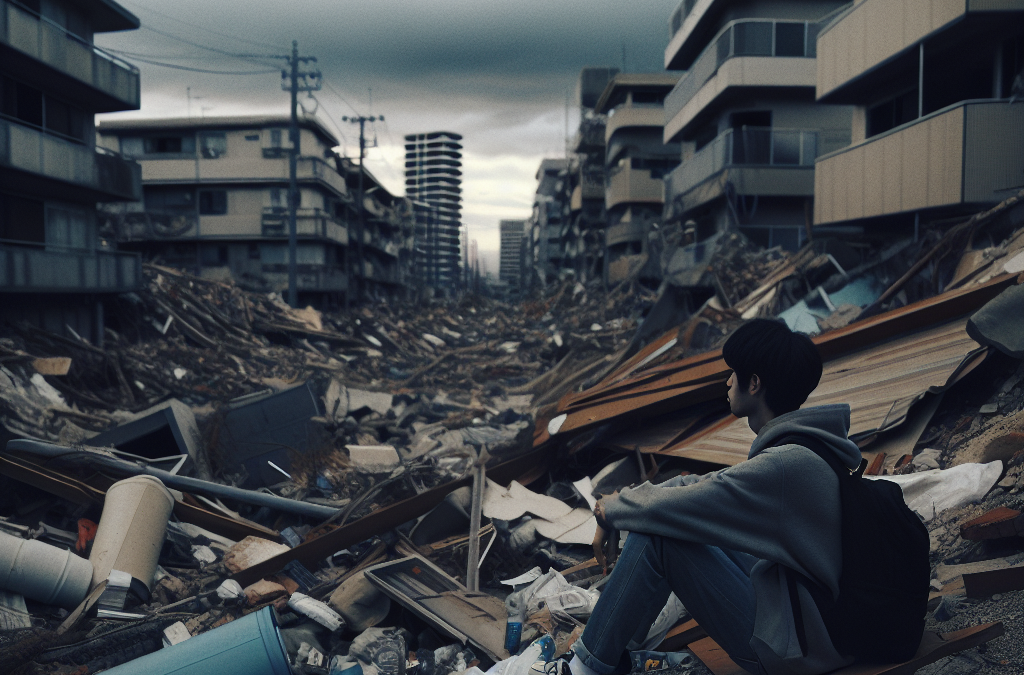
Honestly, dealing with isolation after a disaster isn’t just a minor inconvenience; it’s a real emotional rollercoaster ride. I remember feeling a massive weight on my chest, as if the walls were closing in. It’s crucial to recognize that feeling isolated can lead to heightened anxiety, sadness, and even depression. Many people might not realize just how much these feelings can affect not only our mental health but also our physical well-being.
Every human being thrives on connection. So when that connection is severed, even through unforeseen circumstances like a disaster, it can leave one feeling lost and alone. I’ve talked to folks who found themselves brewing over what they lost, both materially and in terms of community. It’s this sense of community that builds shared experiences and support, and without it, the feelings of desolation can amplify.
So understanding this impact is the first step. The next time you speak to someone struggling with isolation, give them the space to express it. Sometimes, just acknowledging that their feelings are valid can provide a lifeline to hope.
Rebuilding Communication Channels
Utilizing Social Media
I can’t emphasize enough how powerful social media can be. After a disaster, I found platforms like Twitter and Facebook essential when rebuilding the community feel. It’s crazy how a post can reconnect you with friends, family, and even neighbors you may not have spoken to in ages. So take to the digital streets, share your thoughts, and don’t be shy about reaching out!
Those little updates on social media can work wonders. It reminded me of how before everything went down, I often took connection for granted. You might find that others are also craving that sense of togetherness and your post can encourage them to share their stories. This can create a beautiful cycle of communication—even if it’s virtual.
Also, don’t underestimate a good old-fashioned group chat! Bringing together family or friends from different corners can also help maintain relationships and foster encouraging dialogues—nothing beats lifting someone’s spirits through a witty meme or a shared memory.
Finding Support Systems
Local vs. Online Support Groups
In my experience, finding the right support group can be a game-changer. Local support groups can help you connect in person, but they don’t always keep up with the needs of those feeling isolated. I’ve seen some groups meet in local community centers, and they create a warm environment for sharing experiences. Sometimes, just exchanging smiles with people who understand can bring a sense of relief.
On the flip side, after a disaster, online support groups burst into life! I found plenty of forums and chat groups that aligned with what I was going through. These communities can be incredibly empowering as they offer anonymity and the ability to connect with others who are miles away but feeling the same as you.
The key is to explore both avenues and see what resonates with you. Being around people who share your experiences—even if it’s virtual—can lighten the burden and connect you with amazing support systems that you never knew existed.
Rediscovering Personal Hobbies and Interests
Engagement Through Creativity
Diving back into hobbies can be a fantastic way to cope with isolation. I found peace and healing in picking up my old paints; focusing on creating art allowed my mind to escape the confines of reality, even if just for a moment. Engaging creatively brings out emotions that sometimes words can’t capture, and it’s therapeutic in its own right.
Moreover, it’s a reminder that we can channel our pain into something meaningful. Journal writing is another great way to get your thoughts flowing. I often recommend putting pen to paper as an emotional outlet. I would write about my experiences, and it felt like I was sharing my burdens, even if only with myself.
So, rediscovering those hobbies can give you a renewed sense of purpose. Whether it’s painting, writing, gardening, or cooking—find that passion and run with it! You might just stumble upon your new favorite way to express yourself.
Strengthening Community Engagement
Volunteering Efforts
So, let’s talk about volunteering; what an incredible way to tackle feelings of isolation! I’ll tell you, getting involved with local charities or community efforts can create a beautiful bond with those around you. I remember signing up for a food drive and, honestly, it turned into more than just a way to help others—it connected me to amazing people.
Volunteering can not only help ease your feelings of isolation but also remind you of the strength and resilience of humanity. It’s like seeing the best of the world sprout from the ashes of despair. The stories you encounter, those shared moments of laughter and hope—they fill your heart in ways you might never expect.
Plus, working together with others helps build a competitive spirit while progressing toward common goals. So, find something you’re passionate about. It can be anything from environmental cleanup to helping the elderly—you’ll find camaraderie that makes the journey through isolation much less daunting.
FAQs
1. What are the emotional effects of isolation after a disaster?
The emotional effects can include anxiety, depression, and a feeling of desolation. It’s essential to acknowledge and validate these feelings to help ease the burden.
2. How can social media help reconnect with others post-disaster?
Social media provides a platform to reach out and connect with others who may be going through similar experiences. It can foster a sense of community and togetherness even in times of isolation.
3. What resources are available to find support groups?
Local community centers and online platforms often host support groups. Websites and social media can direct you to forums or local organizations focused on post-disaster recovery.
4. Why are hobbies important during times of isolation?
Hobbies provide an outlet for expression and creativity, which can be incredibly therapeutic. They help distract from negative emotions and offer a sense of purpose.
5. How can volunteering alleviate feelings of isolation?
Volunteering connects you with others in a meaningful way—sharing experiences, stories, and working toward a common cause can significantly reduce feelings of loneliness.

by Preparation | Jul 30, 2025 | Preparedness
Situational Awareness
Understanding Your Environment
One of the first things I learned about urban survival is the importance of being aware of my surroundings. This means not just looking around, but really absorbing the details of the environment. I pay attention to the people around me, their behaviors, and the general mood of the area. Spotting unusual activities could help me avoid potential threats.
When walking down the street, I try to make eye contact with those around me, which helps me build a mental map of who’s in my vicinity. Is someone acting strangely? Are there too many people crowded in one spot? These subtle cues can signal whether it’s safe to stay or time to move.
Being attentive is not just about protection; it’s also about opportunity. Sometimes, I notice an open café or a friendly face in a crowded market. Those little details can enrich my urban experience, adding to both safety and enjoyment.
Reading the Crowd
Another aspect of situational awareness is learning to read crowds. Each gathering of people can tell a story; the energy in the air is palpable. If I sense restlessness or agitation in a crowd, it’s often best to steer clear.
I’ve often found that just observing how people react to their surroundings can give me hints about what to expect. For instance, if there’s a large crowd congregating, I might step back and assess how they’re interacting. It could be a peaceful gathering, or it could escalate quickly.
This skill has saved me from uncomfortable situations more than once. Trusting my gut, in addition to my observations, has been key to navigating urban life safely.
Stay Ready and Prepared
Being prepared is essential. I always carry a small emergency kit with essentials – think first aid items, a portable charger, and some snacks. You never know when you might need them! There’s a certain peace of mind that comes from knowing I’m ready for minor mishaps.
Also, I regularly plan my routes and know alternatives in case of disruptions. If a street is blocked or something feels off, I like having a backup plan so I can get to safety without panic.
Lastly, practicing mindfulness helps me maintain mental readiness. Whether it’s a morning meditation or a walk where I consciously take in my surroundings, it’s crucial for keeping a steady head in uncertain times.
Basic Self-Defense Techniques
Finding the Right Class
Self-defense isn’t just for tough guys; it’s for anyone looking to feel safe in an urban environment. I started by researching local classes – a combination of online reviews and recommendations were golden. Talking to friends who’ve taken classes was also super helpful.
When I finally found a class, it was all about learning techniques without relying on strength. I learned how to leverage my body weight and target sensitive areas. It was eye-opening to practice with a partner who also wanted to learn how to protect themselves.
Self-defense also builds confidence. Just knowing some basic moves transformed how I carry myself in public spaces. I walk a little taller and with more assurance, which can sometimes deter potential threats as well.
Practice Situational Self-Defense
Learning self-defense techniques isn’t enough; practicing them is crucial. I remember the first few classes being challenging, honestly. But as I consistently practiced, I began to feel more in tune with my own capabilities. I tried to incorporate small drills into my daily routine.
One exercise I found particularly useful was visualization. When I’d walk through my neighborhood, I mentally replay potential ‘what-if’ scenarios: What if someone approaches me on the street? How would I react? Thinking through these scenarios makes me feel more equipped in reality.
Having conversations with fellow class participants also helped. Exchanging experiences and tips created a supportive environment where we could challenge ourselves and grow together.
Understanding De-escalation Techniques
A huge part of self-defense is knowing when to walk away. I’ve learned that sometimes the best strategy is not to engage at all. If I find myself in a tense situation, my first instinct is to assess whether a calm demeanor could defuse the tension. It’s all about reading body language and tone.
Practicing calming techniques, like speaking softly and maintaining eye contact, has been effective in my experiences. I’ve noticed that defusing a potential confrontation can often come down to reassurance. I’ll try saying less, while keeping my body language open and relaxed.
De-escalation isn’t just about avoiding fights; it’s about respecting others and yourself. This skill does more than just keep me safe; it builds bridges of understanding, even in chaotic environments.
Urban Foraging Skills
Identifying Edible Plants
One of my favorite skills I’ve picked up is urban foraging. You wouldn’t believe how many edible plants are just sitting around in public parks or even along sidewalks! I started with a simple foraging guidebook and educated myself about the plants in my area. Learning which ones are safe to eat was such an eye-opener.
I’ve learned to eye dandelions, for example. They’re everywhere and absolutely edible! Other plants, like wild garlic, have not only enriched my diet but have also connected me to the environment around me in a meaningful way.
City gardening communities often host foraging walks, which are great for getting hands-on experience. Sharing knowledge with others who are passionate about the same skills as me makes the learning process so much fun.
Understanding Legal Considerations
While foraging is a fantastic skill, recognizing legal considerations is equally important. I’ve made it a point to familiarize myself with local laws about foraging in public and private spaces. Some areas have specific rules about whether certain plants can be harvested or not.
Being informed protects not just me but also the environment. I try to tread lightly and leave plenty for others, as well as ensure I’m not taking from protected areas. Growing awareness of these regulations enhances the sense of community around sustainable practices.
If in doubt, it’s always best to ask. Sometimes I reach out to community gardens or local environmental groups to clarify what’s safe and respectful while foraging.
Cooking with Foraged Foods
Finally, once I’ve gathered my foraged treasures, knowing how to prepare them is key. There’s something incredibly fulfilling about cooking with ingredients I’ve scoured the city for. My go-to meals often include freshly foraged herbs and greens tossed into salads or used in soups.
Experimenting with recipes has opened up my palette, and I love discovering new flavors. Sharing these meals with friends has even sparked interest in urban foraging among them! Cooking guides focused on foraged foods can be a treasure trove of inspiration.
It’s a blend of creativity, sustainability, and nourishment that gives me a fantastic sense of accomplishment. Plus, it’s a great conversation starter at dinner parties, as everyone loves hearing about the unusual ingredients I’ve sourced.
Emergency Preparedness
Creating an Emergency Kit
Emergency preparedness can sometimes feel overwhelming, but it doesn’t have to be! I started by assembling a basic emergency kit that fits my lifestyle. In it, I’ve included essentials like water, non-perishable snacks, a flashlight, and a first-aid kit. It’s like my security blanket for unexpected situations. Making sure it’s easily accessible gives me comfort.
I recommend adding personal items, too, like important documents or medications you may need in a pinch. This makes it personalized for your specific needs and ensures I have everything at hand when situations get tricky.
Regular check-ins are important. I like to refresh the items periodically to keep everything in working order, especially food and batteries, making sure my kit is always ready to roll.
Developing an Emergency Plan
Having a solid emergency plan is crucial. I’ve gone as far as sketching a map of my area, including where to meet with friends or family if something goes down. Knowing potential escape routes from my home and recognizing safe spots is something I review often.
Communication is key, too. I keep a list of emergency contacts in my phone, and I make sure folks in my circle understand our plan. It’s great to know we’re all on the same page if something happens. Sharing details helps all of us maintain calm and focus when stress levels rise.
Lastly, I practice drills every so often. It might seem silly, but rehearsing scenarios helps me think clearly in case of an actual emergency. It reduces the panic and increases my chances of efficiently executing our plan.
Staying Informed
Staying informed about local emergencies—like weather alerts or neighborhood specifics—has become a part of my routine. I follow local news apps and listen to community alerts to keep track of any incidents that might affect my area. It’s that proactive approach that helps me feel empowered.
In addition, I’ve connected with community groups focused on emergency preparedness. It’s great to swap tips and hear about what others are doing. The more I learn, the more confident I feel about handling potential crises.
With the right blend of information and practical skills, I find myself more at ease, ready to adapt if challenges arise. Urban survival feels less daunting when I take charge of my knowledge and resources.
Conclusion
Urban survival may sound challenging, but breaking it down into manageable skills makes it an exciting journey. Each skill learned adds a layer of security and confidence to my daily life. I encourage you to dive into whichever area resonates with you, and remember that practice and mindfulness can transform any situation into an opportunity for growth!
FAQ
1. Why is situational awareness important in urban survival?
Situational awareness helps you recognize potential threats or important opportunities in your environment, allowing for better decisions when navigating urban life. It’s all about being tuned in to what’s happening around you.
2. How can I start learning self-defense?
Finding a local class is a great way to begin! Look for classes that focus on practical techniques rather than just physical strength. Practicing with a partner can be incredibly beneficial.
3. What should I include in my emergency kit?
Your emergency kit should include essentials like water, non-perishable food, a flashlight, a first-aid kit, personal documents, and any necessary medications. Tailor it to fit your needs!
4. Is urban foraging safe?
Yes, as long as you educate yourself about the local flora and legal considerations surrounding foraging. Ensure you can properly identify edible plants and respect the environment around you.
5. How do I stay informed about local emergencies?
Following local news sources, weather apps, or connecting with community groups can help keep you informed about emergencies in your area. Regular check-ins with your contacts also ensures everyone is on the same page.

by Preparation | Jul 30, 2025 | Preparedness
Hey there, fellow prepper! Whenever I chat with people about prepping, one thing that really gets the conversation going is how much technology has transformed our approach to being ready for whatever life throws at us. Gone are the days when prepping meant simply filling your basement with canned goods and a few flashlights. Now, we’ve got a whole world of gadgets, apps, and innovations that can help us stay ahead of the curve. So, let’s dive into the role of technology in modern-day prepping!
1. Communication Tools: Staying Connected
Emergency Communication Devices
First off, let’s talk about communication. In a crisis, it’s crucial to stay connected with loved ones. I swear by my satellite phone. When cell towers go down, this little device can make all the difference. It might be old school, but hey, it works! Plus, there are new apps like Zello that turn your phone into a walkie-talkie, allowing you to communicate even when internet connectivity is shaky.
Another great tool? Two-way radios! I’ve got a set for our family – they’re great for keeping in touch when we’re out of cell service. Learning to use these tools ahead of time makes you ready when it really counts. Practice makes perfect, right?
Don’t forget about social media, either. In some situations, platforms like Twitter can serve as emergency outlets, allowing you to post updates or check on friends. But remember, in a real scenario, you might not want to overshare your location or situation!
2. Survival Apps: Information at Your Fingertips
Top Survival Apps I Use
Now, I’ll be honest with you — my smartphone is basically my survival companion. There are tons of apps out there that help with everything from plant identification to tracking weather patterns. My go-to is the “SOS (Survival Operating System)” app. It has an incredible collection of resources you can use to learn about first-aid, navigation, and other key prepping aspects.
Another app I can’t live without is “MyRadar.” This app gives you real-time weather updates. After a day of hiking and getting caught in the rain, I learned my lesson: always be prepared, and knowing the weather is a big part of that.
And let’s not forget offline access! Some apps allow you to download essential information ahead of time, so when you’re in an area with no signal, you’re still ready to roll. That’s a huge lifesaver!
3. Renewable Energy Sources
Solar Power for Preppers
Solar energy? Yup, I’m all about it! Having adequate power backup can be a game changer in prepping. I’ve invested in a portable solar charger that keeps my devices alive no matter what. It’s lightweight and it fits in my backpack, making it perfect for camping too!
There are even solar panels you can set up at home to power your entire prepper setup. You can connect a battery and keep your tools and tech charged, which is especially useful during extended power outages.
Plus, there’s a certain satisfaction that comes from harnessing the sun’s energy. It adds to my self-sufficiency and lets me minimize reliance on traditional power sources. In prepping, every little bit helps!
4. Smart Home Technology
Security Systems
Smart home tech has taken prepping to another level. I’ve got smart security cameras set up around my property. They help me keep an eye on things even when I’m away. I could be hiking with friends or just chilling at a coffee shop, and I can check in from my phone. Talk about peace of mind!
Some systems even offer motion detection and alerts, so if something doesn’t feel right, I know immediately. This helps prevent disturbances before they become real problems.
Of course, I understand tech can sometimes fail, so I always have backup security plans — like reinforcing doors and windows — just in case. A mix of old school and new school is a personal mantra of mine in prepping!
5. Online Communities and Learning Resources
Joining Prepper Networks
Let’s not underestimate the power of community in prepping! There are countless online forums and social media groups focused on prepping. It’s amazing to connect with others who have the same goal. I’ve learned so much from fellow preppers about everything from food preservation techniques to bug-out bag essentials.
YouTube has been my favorite teacher. I love watching tutorial videos on outdoor skills or food storage. The only downside? I often end up down a rabbit hole of watching bizarre survival experiments, but I guess that’s all part of the learning process!
Plus, many local communities offer workshops or meetups. These in-person connections allow you to share knowledge and resources, which is invaluable. Who knows? You might even find a prepping buddy or two to share tips and tricks with!
Frequently Asked Questions
1. How can technology enhance my prepping efforts?
Technology offers numerous tools and resources that can streamline your prepping process, such as communication devices, survival apps, and renewable energy sources that ensure you’re prepared for emergencies.
2. Are there specific apps for prepping I should consider downloading?
Definitely! Some of my favorites include SOS (Survival Operating System) for emergency resources and MyRadar for accurate weather updates. Research various apps to find the ones that resonate with your prep needs.
3. What’s the best way to stay informed about emergency situations?
Using a combination of emergency communication devices and social media can provide the best updates during an emergency. Apps like Twitter can assist in getting real-time news during crises.
4. How can I ensure my renewable energy sources are effective during emergencies?
Invest in quality solar chargers and panels, and practice setting them up to ensure you know how to use them when the time comes. Keeping backup batteries charged is also key!
5. What are some good ways to connect with other preppers?
Join online forums or social media groups, watch YouTube channels, and look for local meetups to learn from others and exchange valuable prepping insights.
Thanks for joining me on this exploration of technology in prepping! I hope you feel inspired to incorporate some of these innovations into your own routine. Happy prepping!
by Preparation | Jul 30, 2025 | Preparedness
The Role of Emotional Resilience
Understanding Emotional Resilience
Emotional resilience is like your mental scaffold. It’s the cushion that softens the blow when tough times hit you, and trust me, tough times can hit hard in any disaster scenario. This concept has been a game-changer for me; it’s all about bouncing back from setbacks and staying proactive. Building emotional resilience means facing challenges head-on and using them as stepping stones for personal growth.
I’ve learned that it’s not about avoiding stress or discomfort but developing the skills to navigate through them. You can do a few things to strengthen this resilience: practice self-care, maintain a positive perspective, and foster strong support networks.
In times of disaster, your emotional resilience can help you manage anxiety and the overwhelming feelings that arise. It helps you focus on survival and finding solutions rather than getting stuck in despair. I can’t stress enough how empowering it can be!
Developing Coping Strategies
Outfitting myself with coping strategies was another essential part of my journey. Coping strategies are the tools in your mental toolbox that you can lean on when times get rough. For me, it’s all about knowing when to take a breather, doing some deep breathing exercises, or even pursuing hobbies to distract myself from the chaos.
A big part of coping is recognizing the signs of stress. Sometimes we ignore the red flags until they become a flood. Journaling has helped me articulate these feelings—it’s like having a heart-to-heart with myself. Writing things down creates clarity, allowing me to tackle one concern at a time.
Moreover, connecting with others and sharing your experiences can be incredibly therapeutic. Engaging in community activities or simply catching up with friends has a profound impact, reminding me that I’m not alone in this struggle. Trust me, it’s a major key!
The Power of Positive Thinking
Shifting my mindset to a more positive outlook was a game changer. I’ve always believed that positivity attracts good vibes. Focusing on the silver linings, even in the darkest moments, has taught me to appreciate the small wins and maintain hope. Positive thinking doesn’t mean ignoring the bad stuff; it means choosing to focus on what you can control and making the best of it.
Affirmations, visualization, and gratitude practices can switch your brain into a survival gear that fosters optimism in stressful situations. I started by acknowledging every little thing I’m grateful for; it shifted my perspective and gave me strength to face each challenge.
Ultimately, being around positive people fuels this practice. Their energy can be contagious! When I surround myself with uplifting individuals, it helps keep me grounded, focused, and resilient through the ups and downs of disaster survival.
Building Strong Support Systems
Finding Your Tribe
Having a reliable support network is crucial. During times of disaster, relying on others becomes essential, and I’ve found that it’s all about finding your tribe. Surrounding myself with people who genuinely care and who I can lean on, whether it’s friends, family, or community organizations, lightens the load significantly.
I’ve discovered that joining local groups focused on disaster preparedness or recovery has offered me not just information but also lasting friendships. Having that sense of belonging has bolstered my mental health, reminding me that it’s okay to ask for help.
It’s crucial to cultivate relationships that lend emotional support. These connections turn into lifelines when the going gets tough. The sense of community can be incredibly powerful; we support each other through everything, from sharing resources to keeping each other’s spirits high.
Practicing Active Communication
When I talk about support systems, I can’t stress enough the importance of active communication. It’s essential to express thoughts and feelings. Bottling it all up can be detrimental! I remember times I felt overwhelmed and didn’t voice it—only to feel worse later on.
Having open and honest dialogue with those in my circle has been freeing. It creates an environment where vulnerability is normalized. I encourage you, find those safe spaces where you can share without judgment. Having these conversations can lead to increased understanding and stronger bonds.
Remember, it isn’t always about getting advice but simply feeling heard. Sometimes, it’s just about saying it out loud to help ease the burden and gain perspective.
Engaging in Community Activities
Community involvement has changed my mental landscape. Engaging in local initiatives has not only nurtured my mental well-being but also provided a sense of purpose. Whether it’s volunteering, organizing events, or participating in discussions, contributing to the community fosters a sense of belonging and connection.
These activities can be fulfilling while also distracting from personal stressors. When I focus on helping others, I find that my own worries take a back seat, allowing me to recharge emotionally.
Plus, you never know the connections you might make along the way! Building friendships through shared experiences can lead to even stronger support systems during challenging times. It’s truly a win-win for everyone involved.
Practicing Self-Care Regularly
The Basics of Self-Care
First and foremost, self-care is not just a buzzword; it’s a necessity. I’ve learned that taking care of myself physically, emotionally, and mentally is paramount, especially in stressful situations. Sometimes, focusing on the small stuff like drinking enough water, getting enough sleep, and eating well sets the tone for everything else.
I recommend establishing a routine. For me, it’s crucial to have structure in my day that includes time for self-care activities. Whether it’s morning yoga, evening reading, or indulging in a hobby, having that time to recharge is like filling up a gas tank to keep going.
Fitting these moments of self-care into my day helps me manage stress better. They serve as a buffer during chaotic times, allowing me to foster a more positive and resilient mindset.
Experimenting with Mindfulness and Relaxation Techniques
Okay, but let’s talk mindfulness. Several practices like meditation, deep breathing, or even mindfulness walks have varied results for everyone, but they’ve completely changed the way I handle stress! Spending a few minutes a day to slow down and simply be is refreshing.
I urge you to experiment and find what resonates with you. There’s no one-size-fits-all approach. Some folks vibe with guided meditations, while others prefer just silence in nature. Trying different things helps you discover what helps ground you the most.
Integrating these relaxation techniques into my life aids in reducing anxiety and fostering a clearer mindset, enabling me to tackle whatever comes my way with a sense of calm. Plus, it can feel pretty cool to take control over mental chaos!
Seeking Professional Help When Needed
Lastly, seeking professional help is undeniably an essential aspect of self-care. There’s no shame in reaching out to a therapist or counselor when you feel overwhelmed. In fact, I’m a huge proponent of it! Understanding that it’s perfectly okay to ask for help can be liberating.
Therapists provide tools and coping mechanisms tailored just for you. I remember how it helped to talk to someone professional about my feelings during tough times. The experience brought clarity and guided me to develop healthier coping strategies.
So if you’re feeling lost, don’t hesitate to reach out. Having a mental health professional in your corner can provide invaluable support, making your journey through disaster survival more manageable.
Continuously Educating Yourself
Staying Informed about Mental Health
Educating myself about mental health has been a stellar game plan. Understanding the psychology behind stress, anxiety, and depression equips me with the knowledge I need to recognize my feelings and deal with them effectively. There are countless resources out there—books, podcasts, and online courses—that can help expand your understanding.
I regularly dive into articles and discussions that explore mental resilience and coping mechanisms. Knowing the science behind how stress impacts the brain can refrain me from feeling overwhelmed. It’s empowering to understand that I’m not alone in these struggles!
Additionally, staying informed improves not only my mental well-being but also positions me to support others on their journeys. The more I learn, the more equipped I am to create a positive environment for myself and my community.
Recognizing the Signs of Struggle
Recognizing the signs of emotional struggle is essential in a long-term disaster scenario. I’ve learned to pay close attention to red flags in myself and others. Increased irritability, changes in sleep patterns, and social withdrawal can signal when someone, including myself, may need help.
Addressing mental health early can prevent more serious issues down the line. This practice of self-awareness can empower me to either adjust my coping mechanisms or ask for support from my support network.
Trust me, developing this skill has made a huge difference in managing my mental well-being throughout tough times! If you notice signs in others, reaching out can be incredibly supportive, fostering an environment where we all thrive together.
Exploring New Perspectives
Lastly, exploring new perspectives is like expanding your mental toolkit. Sometimes, we limit ourselves to a narrow view of our circumstances. But embracing different viewpoints, whether through books, documentaries, or conversations with people from varied backgrounds, allows me to have more compassion for myself and others.
Learning about others’ experiences with of survival and mental health can help me reframe my own struggles. It reminds me that everyone deals with challenges in their own way, and there’s beauty in that diversity. It’s all part of the human experience.
Ultimately, having an open mind promotes empathy and a stronger sense of community, fostering relationships that uplift and support one another amidst the challenges of disaster survival. It can be a continuous journey of growth!
FAQ
1. Why is mental health important in disaster survival?
Mental health is crucial during disaster survival as it helps individuals manage stress, anxiety, and emotional turmoil. Good mental health can lead to better decision-making and coping strategies in challenging situations.
2. What are some coping strategies I can use?
Some effective coping strategies include journaling, deep breathing exercises, practicing mindfulness, and reaching out to friends or support networks to share feelings and experiences.
3. How can I build a support system?
Building a support system involves connecting with like-minded individuals and surrounding yourself with people who genuinely care. You can join local community groups or engage in social activities to foster these relationships.
4. What role does self-care play in mental health?
Self-care is essential for maintaining mental health, especially during stressful times. Engaging in self-care activities can recharge your emotional batteries, helping you manage stress and promote a positive mindset.
5. When should I seek professional help for my mental health?
It’s advisable to seek professional help if you’re feeling overwhelmed, struggling to cope with daily challenges, or experiencing signs of anxiety or depression. A mental health professional can provide valuable support and coping strategies tailored to your needs.
by Preparation | Jul 30, 2025 | Preparedness
Understanding the Risks of Weather-related Disasters
Types of Weather Disasters
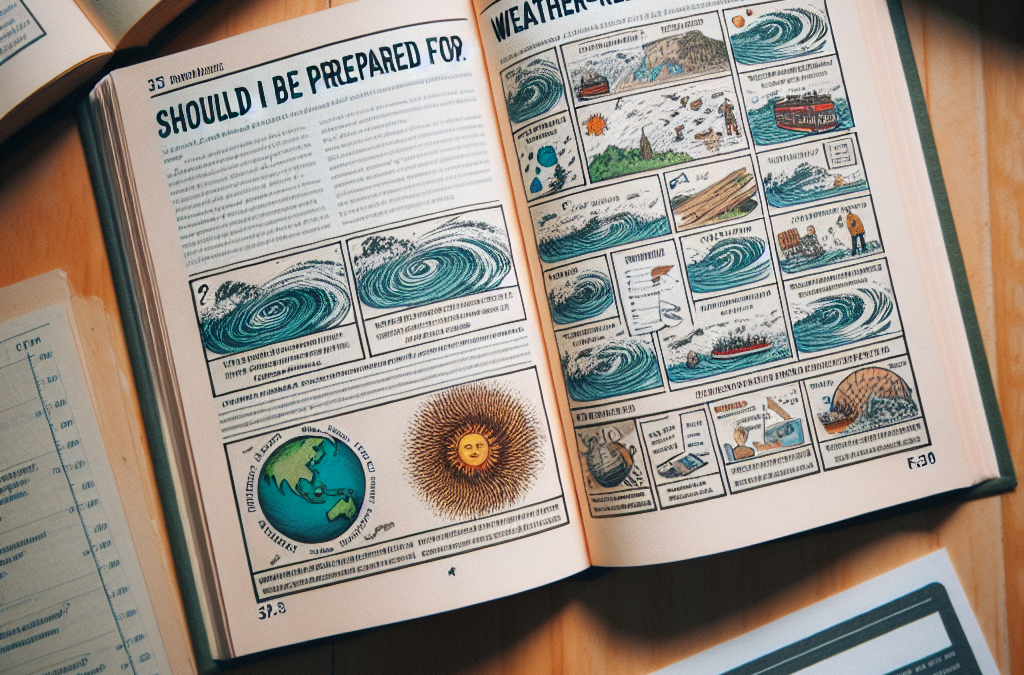
First off, let’s talk about what we’re dealing with here. Weather-related disasters can come in many forms. From hurricanes and tornadoes to floods and blizzards, each carries its own risks. Living in a place prone to one or more of these can be quite an eye-opener. Rusty old me used to think, “It won’t happen to me,” until it did!
Understanding the types of weather disasters that can affect your area is crucial. This knowledge shapes not just your preparations but also your mindset. For example, if you live in a hurricane zone, you need to stock up differently than if you were in a place known for heavy snow. Beach towels don’t help when you’re trying to dig your car out of three feet of snow!
Equipping ourselves with this info prepares us better. I remember scanning through government websites and local news—sometimes, it’s about what you can find within your community. Forecasts and alerts can become your best friends if you know how to interpret them!
Creating an Emergency Kit
What to Include in Your Kit
Now, let’s get practical and discuss an emergency kit. You want this puppy ready to go in case of a disaster. So what do you toss in there? I like to think about the essentials—water, non-perishable snacks, a flashlight, and a first-aid kit. These little things can make a massive difference when the chips are down.
Don’t forget personal documents—insurance info, IDs, etc. I learned the hard way about keeping copies of important papers. You just never know when you might need them, and trust me, scrambling around to find them post-disaster isn’t the time to be searching!
And for those of you with pets, don’t leave them out of the mix! Fido needs food and a cozy blanket to curl up with too. Preparing for the whole family helps ease anxiety, and let’s face it, pets can get anxious just like us when the winds start howling!
Staying Informed
Weather Alerts and Updates
This part might sound boring, but staying informed is KEY. I can’t stress this enough! You need to sign up for local weather alerts. Honestly, I have my phone buzzing whenever there’s severe weather in my area, and it’s saved my skin more than once—literally!
Watching local news or following your area’s meteorologist on social media can also be a game-changer. They provide real-time updates that national platforms might miss. Make it a routine to check the forecasts for the week ahead—you’ll be the friend who knows what’s up!
And don’t shy away from using apps! Weather apps are super handy for tracking storms and alerts on the go. I make it a point to keep mine updated and check them regularly. A little vigilance goes a long way when nature has other plans!
Planning Your Evacuation Routes
Knowing When to Evacuate
If things go south, knowing when to evacuate can be a lifesaver. The thing is, sometimes it can be a race against time! Keeping an ear to the ground (or, you know, your weather app) when storms are brewing helps you make that decision. I often ask myself, “Is it worth it?”
When disaster strikes, confusion reigns! Planning your escape strategy beforehand relieves some of that panic. Map out the routes, check local guidelines, and have a plan B in mind. You’d be surprised by how many people just assume they’ll figure it out on the fly. Trust me; that extra prep will save you from some serious headaches later!
Also, coordinate with your family. We have a little group chat where everyone knows the exit routes and meeting points in case we’re separated. Communication is key in these scenarios, and it’s better to be safe than sorry!
Recovering After a Disaster
Assessing Damage and Resources
Okay, so the storm’s passed. Now what? Recovery can be a hell of a process. First things first: make sure you and your family are safe. Check for any immediate hazards before you go poking around. I always take my time and gather my thoughts before diving back in—the last thing you want is to get injured when you’re already stressed!
After ensuring safety, assessing the damage comes next. It’s crucial to document everything—photos, videos, lists of what was lost. This will help your insurance claims later. I’ve been through the wringer with claims, and trust me, keeping organized makes a world of difference!
Lastly, don’t hesitate to tap into community resources! Local organizations often step up to provide aid, whether it’s food, shelter, or emotional support. I remember attending a local community meeting post-disaster; seeing everyone rally together is what healed not just our homes, but our spirits too!
FAQ
1. How often should I check my emergency kit?
It’s best to check your emergency kit every six months. Make sure items like food, water, and batteries are fresh or replace them as needed. Keeping it up-to-date is crucial!
2. What items are often overlooked in emergency kits?
People often forget personal documents, prescription medications, and pet supplies. Don’t let these slip through the cracks—make a comprehensive list!
3. How can I stay informed about severe weather?
Sign up for local weather alerts on your phone, watch local news, and use weather apps. Staying proactive will keep you informed of any changes in your area.
4. What should I do immediately after a disaster?
Take immediate stock of your surroundings for safety, document any damages, and check in with family. Always prioritize safety before assessing the wreckage.
5. Is it better to evacuate or stay during a storm?
It depends on the severity of the storm and the advice of local authorities. If they issue an evacuation order, it’s generally best to heed that warning and leave!
by Preparation | Jul 30, 2025 | Preparedness
Improvised First Aid Supplies
Bandaging Cuts and Scrapes
We’ve all been there, right? A little kitchen accident can quickly turn a fun cooking session into a mini-crisis. That’s when I discovered that clean kitchen towels make excellent makeshift bandages. Just remember to fold them to make them thicker and tie them off after applying pressure to the wound. If you’ve got a little duct tape lying around, it can work wonders to hold your makeshift bandage in place!
Another great item you might overlook is that old T-shirt you’ve been meaning to toss out. Cut it into strips, and voilà – you’ve got yourself a fashionably practical bandage! Not only is it absorbent, but it’s also soft against the skin, which is a win-win in my book. Just be sure to clean the wound first with whatever clean water you have on hand.
If the cut is a bit deeper and you need to create a more secure dressing, you can use plastic wrap to cover the area before wrapping it with the T-shirt strips. The plastic acts as a barrier against bacteria, and that’s key in keeping infections at bay until you can access proper medical attention.
Using Ice and Heat Packs
A sprain or strain during a hike can really put a damper on things. For quick relief, I’ve learned to fill a Ziploc bag with ice cubes or frozen veggies from the freezer. Honestly, next time I’m in a pinch, I might just grab that bag of peas! It’s not just cool; it’ll really help with reducing the swelling. Just wrap the bag in a towel before applying it to the affected area. We don’t want frostbite on top of the injury!
Now, if your pesky pain needs some warmth instead, a rice sock does the trick beautifully. Fill a clean sock with uncooked rice, tie it off, and pop it in the microwave for about 30 seconds. Bingo, you have an instant heat pack for those achy muscles. The rice holds heat really well and contours to whatever body part you’re soothing.
Keep in mind that both ice and heat should be used thoughtfully. Always take breaks in-between applications, maybe 20 minutes on, followed by a similar break, to give your body a chance to heal without too much shock or irritation.
Cleaning Wounds with Household Products
In case of minor cuts and scrapes, I’ve discovered that most of us have hydrogen peroxide hiding in our medicine cabinets. This is great for cleaning wounds, as it helps kill off bacteria. Just remember not to use it too often, as it can damage new skin cells. But in an emergency, it’s certainly better than leaving it uncleaned.
Now, if you run out of hydrogen peroxide, white vinegar can be a lifesaver. It’s a natural antiseptic! Just dab a little on a clean cloth and gently clean around the wound. I tend to follow this up with aloe vera from my houseplant, which can help soothe and promote healing. It’s an old trick I learned from my grandma.
Always remember to keep the area clean and dry while healing. Cover it with a clean bandage and change it regularly. Trust me, staying on top of this makes a world of difference in recovery time.
Homemade Fire Starters
Using Cardboard and Egg Cartons
If there’s one thing that has gotten me out of a tough spot while camping, it’s these homemade fire starters. Cut up cardboard and use it with empty egg cartons to create your own firestarter kits. Just pack the cardboard into each cup of the carton, then soak everything in a bit of melted wax or candle stubs. Trust me, this brilliant method will have a fire roaring in no time!
Once they’ve set, simply break off one of the compartments, place it under your kindling, and light it up. The egg carton holds everything together nicely, and the wax makes it burn longer, giving your kindling time to catch. It’s such a simple way to recycle and ensure you have a reliable fire starter ready at hand.
Plus, not to forget, this is a fantastic project to engage the kids in! They can have a blast decorating and filling up those egg cartons, prepping for future camping adventures or even chilly nights in the backyard.
Using Dryer Lint
You know when you’re cleaning out the dryer and thinking about all that lint going to waste? Don’t throw it out! Line a little container or baggie with dryer lint, and you’ve got another excellent fire starter. It lights quickly and burns hot, making it perfect when you’re in a bind.
To amp it up a notch, I’ve been known to soak that lint in used cooking oil for added longevity. Just stuff the oily lint into some old toilet paper rolls and seal one end with a piece of tape. When you need warmth, you just light the open end, and let it work its magic.
Remember, it’s not just for camping! These fire starters can come in handy for those chilly nights you want to have a fire in the backyard or even just to light up the fireplace indoors. Keep a few handy in your camping gear or emergency kit for quick access!
Using Pine Cones
Pine cones are my happy little fire-making friends. You can toss them right into the fire pit for extra flair, as they ignite splendidly. But wait, there’s more! You can enhance them by dipping them in wax for a slow-burning fire starter. Just like with the cardboard, make sure they’re thoroughly coated but not dripping wet.
For the best result, allow the wax-covered pine cones to harden in a cool spot before tossing them in your emergency gear. When you need a quick fire starter, just toss a few of these babies on the pile, and they’ll put on a show while everything else catches. Plus, they smell so good while they burn!
If you’re camping, collecting pine cones can double as a fun little nature scavenger hunt for kiddos while gathering supplies. Talk about making memories and being prepared at the same time!
Water Filtration Options
Use Coffee Filters for Clarity
Did you know that coffee filters can do more than just help you brew a good cup of joe? When in a pinch for clean drinking water, you can easily use a coffee filter to get rid of visible particles. Simply pour your water through the filter into a container, and voilà! You’ve got yourself clearer water.
Now, this won’t purify the water entirely, but it’s a great first step if you’re in a bind. Just be careful to always follow this up with boiling the water if you have the means to, or use purification tablets if you have them on hand. Safety first, right?
Another great tip? Layer multiple coffee filters for more effective filtration. The more, the merrier when it comes to debris! This simple idea can make your water much more palatable, especially when you’ve been out in the elements for a while.
DIY Sand Filter
If you’ve got a little time and access to some sand, gravel, and a clean container, you can make a simple sand filter! Start with a layer of clean gravel at the bottom of your container, then add a fine layer of sand on top. Lastly, put a coffee filter on top of the sand to catch the larger impurities.
When you pour unfiltered water in, gravity will do its thing, and the sand will catch smaller particles while letting you collect cleaner water below. It’s not quite as fun as making desserts, but it’s a substantial survival skill to have learned!
And remember, just like with the coffee filters, always boil or chemically treat the water afterward. This method is about getting the gunk out; we want to ensure we’re drinking safe water!
Using Activated Charcoal
If you have activated charcoal on hand, you’re in luck! This stuff can be used to purify water due to its porous nature, which traps impurities. If you’ve got a breathable fabric like cheesecloth, you can create a filter by placing activated charcoal in it and letting water drip through.
When setting this up, make sure to layer it well. The more charcoal, the better the filtration! Just remember, once again, this doesn’t guarantee safe drinking water unless you boil or chemically treat it afterward. It’s a great step toward making unfit water safer.
Don’t forget to store your activated charcoal properly; moisture can diminish its effectiveness. Consider stashing this stuff in your emergency kit along with those coffee filters – they’re the perfect team when it comes to ensuring safe hydration!
Home Cleaning Solutions
Vinegar for Disinfecting
When it comes to cleaning, vinegar has been my go-to for ages! In emergencies, whether it’s dealing with minor smells or surfaces that need disinfecting, vinegar is super effective and non-toxic. I often mix equal parts vinegar and water in a spray bottle and use it as an all-purpose cleaner.
This combo can do wonders on countertops, bathroom surfaces, and even fabrics (but be careful with colors, folks!). It’s a stellar natural disinfectant that keeps things clean without harsh chemicals. Plus, it’s affordable and typically already in most households!
And here’s a pro tip: If you’re dealing with mold, mixing vinegar with baking soda can create a powerful cleaning solution that not only cleans but helps to eliminate that pesky odor as well. Just be sure to rinse thoroughly afterward!
Baking Soda for Odor Control
Baking soda isn’t just for baking; it’s an absolute lifesaver when it comes to neutralizing odors! Whether it’s the fridge or your dog’s favorite spot in the house, I’ve sprinkled baking soda in those places to absorb unpleasant smells.
For carpets, I often mix it with a few drops of essential oil to make a gentle carpet powder. Just sprinkle it on, let it sit for a bit, and vacuum. Fresh-smelling rooms on a dime!
And let’s not forget its versatility when it comes to emergencies. It can also be a gentle abrasive for scrubbing surfaces, so I sometimes combine it with a splash of water to make a paste for cleaning tougher stains around the house.
Casting Out Bad Smells with Citrus
If you’ve got citrus fruits lying around, they can work wonders for freshening up your home in a heartbeat. What I love to do is take any leftover citrus peels and toss them in a pot of water on the stove. It becomes a lovely natural air freshener that fills the house with a pleasant aroma.
Beyond that, citrus cleaners can be made by combining peels with vinegar for a scrubbing solution. Just let the peels soak in vinegar for a couple of weeks and use it as you would with regular vinegar. It’s both delightful and effective!
So next time you’re slicing up an orange or a lemon, don’t toss those peels! Keep them aside for some nifty cleaning tricks that make your home smell oh-so-good.
Frequently Asked Questions
1. Can these household items actually work in emergencies?
Absolutely! Many household items can be repurposed effectively for emergency scenarios, and often they are more useful than we give them credit for. It’s all about knowing how to utilize them appropriately!
2. Are there any safety considerations to keep in mind?
Definitely! Always ensure that any items you use for first aid or cleaning are clean and suitable for the task. When dealing with food or body substances, hygiene is key. And for water purification, always boil or chemically treat any water that you aren’t 100% sure is safe!
3. How can I prepare my household for emergencies?
Start by creating an emergency kit stocked with basic household items, first aid supplies, and instructions on how to use them. This way, when emergencies arise, you’ll have your bases covered.
4. Can I use essential oils for cleaning during emergencies?
Yes! Essential oils can enhance cleaning solutions and provide pleasant scents. Just ensure they are safe for the surfaces you’re cleaning, and remember that some oils may not mix well with certain materials.
5. Is it suitable to use items like vinegar and baking soda around children?
Yes, both vinegar and baking soda are generally safe around children but should still be used with caution and supervision. Always store any cleaning products, even natural ones, out of reach of little ones!




