by Preparation | Jul 30, 2025 | Preparedness
Understanding Self-Reliance
What is Self-Reliance?
Self-reliance is all about depending on your own capabilities to manage life’s challenges. It’s that inner strength that helps you make decisions and act on them without always leaning on others. I’ve learned that self-reliance isn’t a destination, but a journey that requires continuous effort.
In my experience, embracing self-reliance means understanding my strengths, weaknesses, and preferences. It encourages me to foster skills that drive more independence in my life. It’s empowering to know I can tackle obstacles head-on with the right mindset.
Ultimately, self-reliance fosters confidence. The more I rely on myself, the more I recognize that I am equipped to handle whatever comes my way. This realization has transformed how I approach problems, allowing me to take on challenges fearlessly.
Why is it Important?
The importance of self-reliance cannot be overstated. In a world where we’re constantly bombarded by distractions and uncertainties, cultivating a self-reliant mindset allows us to remain grounded. In a way, it’s like having a personal compass that guides our decisions.
Being self-reliant helps in developing resilience. There will be moments in life when everything seems out of control, and having the ability to depend on oneself is crucial. I’ve found that this skill forms the backbone of a fulfilled and autonomous life.
Moreover, self-reliance can enhance relationships. When you’re not always dependent on others for emotional or practical support, you nurture healthier interactions. It’s a balancing act, where mutual support and independence coexist beautifully.
My Journey to Self-Reliance
Looking back, my journey towards greater self-reliance was driven by a variety of personal experiences. It wasn’t always easy—sometimes it felt like I was climbing uphill. But through trial and error, I began to appreciate every stumble as a lesson learned.
I set small goals that cultivated my self-reliance. For every challenge I faced, whether it was managing finances or tackling home repairs, I aimed to find solutions on my own first. This intentional practice made a significant difference in my confidence levels.
Sharing my insights with friends and family not only helped me grow but often opened up deep conversations about self-reliance. It’s fascinating what we can learn from one another’s experiences when we take the time to listen.
Finding the Right Mentor
Identifying Potential Mentors
Finding someone who can genuinely help you become more self-reliant can be a game-changer. I began my search for mentors by looking at people in my life who demonstrated independence and resilience. Sometimes, they were not the most obvious choices.
It’s all about observing who inspires you. Whether it’s a colleague who confidently takes the reins in projects or a friend who navigates life’s hustle with poise, make a list of individuals you admire. They might not even know the impact they have on you!
Don’t forget to consider online communities and networks. Platforms like LinkedIn or various forums can connect you with individuals who share your interests and values, even if they are geographically distant.
Building Relationships with Mentors
Once you’ve identified potential mentors, it’s crucial to establish a genuine connection. I found that reaching out proactively makes all the difference. A simple message discussing your admiration for their work often opens doors!
Show your enthusiasm for learning. I often express my eagerness to gain insights into their journey toward self-reliance. Most mentors appreciate when someone approaches them with curiosity and respect.
Remember to nurture these relationships. Regular check-ins, even just to share updates or ask for advice, help create a supportive network that fosters growth for both parties.
Value of Mentorship in Self-Reliance
Having a mentor can drastically streamline your self-reliance journey. Through my personal experience, mentors provide invaluable feedback and perspective. I often found that learning from their mistakes was just as beneficial as celebrating their successes.
Mentorship encourages accountability as well. When you have someone who’s invested in your growth, it gives you that extra push to stay true to your self-reliance goals. Having someone you can discuss your challenges and achievements with brings clarity and motivation.
Finally, mentors open up new opportunities. They can introduce you to networks and resources that you wouldn’t have encountered on your own. That’s how I stumbled upon incredible workshops and brainstorming sessions that significantly improved my skills.
Embracing a Growth Mindset
Understanding Growth Mindset
To truly become self-reliant, adopting a growth mindset is essential. This concept revolves around believing that your abilities can improve over time with effort. When I first grasped this idea, it was like a light bulb moment for me!
Having a growth mindset means embracing challenges rather than shying away. I started tackling difficult tasks headfirst, reminding myself that struggles are opportunities for growth. Each setback became a stepping stone towards greater self-sufficiency.
It’s all about believing in yourself and your potential. The more you push your boundaries and step out of your comfort zone, the more you’ll realize your capabilities. That’s an integral part of becoming self-reliant.
Overcoming Challenges
On the journey to self-reliance, you’ll encounter various challenges. It’s crucial to reframe these as learning experiences rather than obstacles. I’ve faced plenty of difficulties that at the time felt like roadblocks, but with the right mindset, I managed to reposition them as invaluable lessons.
Persistence is key. I learned early on that resilience doesn’t mean never failing; it means getting back up and continuing on your path. Each ‘failure’ contributes to your knowledge base and strengthens your resolve.
Seeking help when needed isn’t a sign of weakness; it’s part of the growth process. I’ve come to appreciate that asking questions or seeking guidance opens doors to learning and helps me overcome hurdles more efficiently.
Celebrating Progress
Finally, while striving for self-reliance, it’s essential to recognize and celebrate your progress. I’ve found that acknowledging achievements—no matter how small—can be incredibly motivating! Whether it’s mastering a new skill or simply being proactive in daily decision-making, each step counts.
Keep a journal to track these victories. I started noting down milestones, and it’s fascinating to revisit how far I’ve come. It acts as a reminder that progress is a journey, not a sprint.
Cherishing these moments reinforces my commitment to self-reliance. Every time I celebrate, I solidify my understanding that I am capable of navigating life independently.
Conclusion
Embarking on the journey toward self-reliance not only empowers you but also enriches your life in countless ways. With the right mentors, a solid growth mindset, and the willingness to embrace challenges, I believe anyone can cultivate this essential quality. Remember, it’s all about progress, not perfection!
FAQ
1. Who can be a mentor for self-reliance?
A mentor for self-reliance can be anyone who inspires you—friends, family members, colleagues, or even someone you admire in your community. It doesn’t have to be formal; even casual conversations can be enlightening.
2. How do I identify my self-reliance goals?
Start by reflecting on the areas of your life where you feel dependent on others. Write down specific goals you’d like to achieve independently, whether it’s financial, emotional, or related to skills.
3. Can I be self-reliant without a mentor?
Yes! While mentors provide invaluable guidance, self-reliance is fundamentally about believing in yourself and your capabilities. Learn from resources like books, online courses, and experiences to develop independence.
4. What if I feel overwhelmed while trying to be self-reliant?
It’s completely natural to feel overwhelmed. Take a step back, breathe, and break down your goals into smaller, manageable tasks. Celebrate even the tiniest progress, and don’t hesitate to ask for support when needed.
5. How can I cultivate a growth mindset?
To nurture a growth mindset, remind yourself that failures are learning opportunities. Challenge yourself regularly, and surround yourself with people who encourage growth. Acknowledge your achievements and reflect on your journey.
by Preparation | Jul 30, 2025 | Preparedness
Understanding Your Energy Needs
Assessing Your Current Energy Usage
First things first, you need to know what your energy consumption looks like. Take a week or two to track your daily energy usage. This isn’t just about turning off lights; it includes all your devices, appliances, and even that sneaky vampire energy—things like chargers plugged in but not in use. Jot those numbers down, and you’ll start to see a clearer picture.
After you’re done with that, it’s time to categorize your energy needs. Some devices are non-negotiable—your fridge, for instance. Others might be more discretionary. This breakdown can help in deciding what to prioritize when the power goes out. If a storm hits, knowing that your refrigerator and heating system are top priorities will help you make quicker, smarter decisions.
Remember, understanding your current usage isn’t just about numbers; it’s also about habits. Do you leave the lights on? Do you run the AC at full blast? Building awareness around your habits can really inform your energy strategy!
Choosing the Right Backup Energy Source
Exploring Options: Generators, Batteries, and More
Okay, once you’ve got a sense of your energy needs, let’s talk about backup sources. There are a few routes you can take—generators, battery systems, and even solar panels. Each has its perks and drawbacks, so you’ll want to think about what fits your lifestyle and budget.
Generators are usually the go-to for many folks because they can kick in and get you running quickly. Just remember to factor in the cost of fuel! If you’re looking for something more sustainable, battery systems are a hot topic—especially if you’re keen on solar power. They can store energy for later use, helping you rely less on grid energy.
And let’s not forget about fuel cells. Although they’re a bit on the pricier side, they have this neat ability to keep your energy supply flowing with minimal fuss. It’s all about doing your homework and picking the right vibe for your home.
Planning for Maintenance
Creating a Maintenance Schedule
So, you’ve chosen your energy backup method, now what? Well, it’s time to keep it in tip-top shape! Create a maintenance schedule that works for you. Regular checks can ensure that everything is running smoothly—like checking generator oil every few months or cleaning your solar panels.
Don’t underestimate the power of a good inspection. Just like you visit the doctor for regular check-ups, your equipment needs attention too! This reduces the likelihood of a failure when you need it most—trust me, you don’t want to scramble at the last minute because your generator won’t start.
Also, if you’re handy, dive into the functionality of your backup source. Learn how to troubleshoot basic issues. This way, you won’t be indefinitely stuck if something goes awry and you won’t have to call for help every time something seems off.
Building an Emergency Plan
Creating a Response Strategy
Now, this might feel like a bit of an obvious step, but trust me—having a plan is crucial. The moment a storm is brewing, you don’t want to be panicking like a chicken with its head cut off! Outline the steps you’ll take when you know that the power is about to go out.
Your emergency plan should clearly detail who does what when the lights go out. Is it your job to grab the generator? Is your partner in charge of checking the fuel levels? It might sound silly, but assigning roles can make a chaotic situation much more manageable.
Also, consider how you’ll communicate with each other in case you’re separated when the outage happens. A predetermined meeting point or a reliable method of communication can make all the difference, especially if the outage happens during more dramatic weather.
Educating Your Household
Sharing Knowledge with Family Members
Last but definitely not least, let’s talk about sharing the load—literally and figuratively! It’s super important that everyone in your home knows how backup systems work. Gather the family and have a little powwow about your backup energy plan.
Make it fun! You might set up a mini-scenario to practice what everyone would do in the case of a power failure. Not only does this make sure everyone is on the same page, but it also builds confidence. If everyone knows the steps, there’s less chance for panic!
This exercise can also cover what to do during an emergency. Reviewing safety protocols and knowing where equipment is located can empower your entire family to act effectively if the need arises. Plus, it’s a great bonding experience!
FAQ
1. What’s the best backup energy source for emergencies?
There’s no one-size-fits-all answer! It really depends on your specific needs and budget. Generators are quick to get you back on track, while battery systems and solar can be more sustainable long-term.
2. How often should I maintain my backup systems?
It’s good practice to check them every few months. Make a maintenance schedule that fits your life, but be diligent; a regular inspection can save you a ton of headaches later!
3. How do I create an effective emergency plan?
Start by outlining the roles everyone in your household will play during a power outage. Make sure to consider communication methods and establish a meeting point, too!
4. Can I combine different energy sources?
Absolutely! Many folks use a mix of generators, battery systems, and solar. Each has its unique benefits, so combining them can give you a robust backup plan.
5. Why is educating my family about backup energy sources important?
When everyone knows what to do, there’s less panic. Education empowers your family to respond calmly and effectively, making the situation less stressful for everyone involved.
by Preparation | Jul 30, 2025 | Preparedness
Changing Weather Patterns and Their Effects
Understanding the Shift
First off, let’s talk about the changing weather patterns that we’ve all been noticing. I mean, it feels like every time I turn around, there’s a new headline about some crazy storm or unexpected heatwave. These changes aren’t just a nuisance; they’ve got real implications for how we prepare for disasters. You see, when the seasons start to blur together, it throws us all off balance.
For instance, having a normally predictable storm season suddenly become erratic changes everything. Emergency services are trained to expect an average pattern, but climate change makes averages obsolete. It’s like trying to play a board game where the rules keep changing mid-play.
As someone who’s keenly aware of these shifts, I’ve learned that keeping an eye on meteorological trends can help us anticipate these changes better. Communication between scientists and local communities becomes essential when we’re trying to brace ourselves for the unknown.
Impact on Local Communities
Here’s where things get personal—our communities need to know how to deal with this. In many places, local emergency management is unprepared for such drastic changes, and it’s becoming crucial to re-evaluate how we respond. Communities need to step up and figure out strategies to adapt their emergency plans according to these intensified weather patterns.
After all, we’re all in this together. I often think about my own neighborhood’s disaster response plan. It feels outdated as I’ve observed firsthand how storms and floods have become more frequent and violent. Engaging communities in conversation about their specific needs in these changing climates is fundamental for successful disaster preparedness.
Furthermore, let’s not forget the importance of training the community in basic disaster response. The more equipped we feel, the better we can navigate these unpredictable times. Regular drills and educational workshops can make a significant difference.
Preparedness Plans
So how do we adapt our preparedness plans in the face of these changing patterns? Well, it starts with a review of our existing systems. Just like any good business, we need to constantly evaluate how things are working and adjust accordingly. If our disaster plans were written a few years back, it’s time for a refresh!
In my experience, involving local experts who understand both the community and the science behind climate changes can yield profound insights. They can help tailor plans to meet specific local risks rather than using a generic template that may not fit everyone.
And don’t forget about the technology! There are some amazing apps and platforms out there that can help track weather changes and give alerts. Incorporating these tools into our preparedness plans can really boost our response efficiency. Plus, who doesn’t love a little tech to spice up disaster preparedness?
Infrastructure Vulnerability
Assessment of Infrastructure
Let’s dive into the state of our infrastructure. Over the years, I’ve seen firsthand how certain buildings and systems struggle under the weight of severe weather events. Assessing the structural integrity of dams, bridges, and roads is crucial. If all these systems are designed with past weather norms in mind, that’s a big red flag!
In many places, older structures aren’t equipped to handle the extreme conditions brought on by climate change. This creates a vulnerability that we simply can’t afford when disasters strike. We need to prioritize retrofitting older buildings or even consider relocating vital infrastructure away from high-risk zones.
Bringing in engineers and urban planners to evaluate and remodel these infrastructures can help communities stand stronger in adversity. It’s a smart, proactive step that I believe all communities should consider seriously.
Investment in Robust Solutions
During my journey, I’ve realized that investing in robust and sustainable solutions is a game-changer. This might sound like a no-brainer, but you’d be surprised at how many places still overlook the need. Flood barriers, improved drainage systems, and storm-resistant buildings can significantly mitigate disaster impacts.
The best part? These solutions often pay for themselves over time by saving communities from the cost of damage and rehabilitation after a disaster. It’s financially wise to invest in prevention rather than just response!
Community leaders must make these investments a top priority. Getting the local government and stakeholders on board is essential. I’ve learned that with the right push, informed advocacy can lead to securing necessary funding for these projects.
Long-Term Implications
So what happens when we don’t address infrastructural concerns? Well, the long-term implications can spell disaster for communities. We must consider the socio-economic impact of natural disasters exacerbated by climate change. Economic recovery can take years if not decades!
People lose their homes, jobs, and sometimes even their lives. As someone who takes these matters to heart, it’s heartbreaking to see communities struggle due to a lack of foresight. Our investments today can shape a more resilient future.
Additionally, there’s also the issue of mental health. It’s not something everyone thinks about, but the trauma associated with disasters can linger long after the physical cleanup is done. Addressing structural vulnerabilities not only safeguards facilities but also the inhabitants’ well-being.
Community Engagement and Education
Empowering Local Communities
Alright, let’s pivot to the importance of community engagement. If there’s one lesson I’ve learned, it’s that informed civilians make for a resilient community. Educational initiatives about disaster risks and climate preparedness must be accessible to everyone. It’s all about empowering people with knowledge!
Engaging local leaders and organizations, like schools and community centers, can play a key role in spreading the word. Workshops, seminars, and even social media campaigns can help keep the public informed on how to respond and prepare for climate-related disasters.
Open discussions about our vulnerabilities also foster a sense of ownership among community members. They become better prepared and feel a stronger connection to their neighbors. Collective action is always more effective, and the emotional support garnered is invaluable!
Interactive Training Programs
Now, let’s talk about how fun disaster preparedness can truly be! Implementing interactive training programs can shift the perception of preparedness from a chore to something engaging. I’m all about making it fun! Who says you can’t have both education and entertainment?
Consider organizing drills that mimic real-life scenarios. Getting hands-on experience can prepare people in ways that just reading a pamphlet won’t. It’s often through role play and practical exercises that the biggest lessons are learned.
Plus, it builds camaraderie within the community. From planning a local disaster fair where people can learn more about both climate risks and preparedness plans to hosting competitions, the possibilities are endless!
Building Communication Networks
Lastly, effective communication networks must be established. In my experience, having multiple lines of communication can save precious time during emergencies. Social media platforms, community websites, and texting groups can all play critical roles during a disaster.
The faster you can disseminate information, the better off everyone will be. I mean, imagine if half the town knew the evacuation route, and the other half didn’t? Total chaos! Establishing protocols before a crisis hits can streamline actions and prevent confusion.
It’s also crucial to ensure that everyone has access to these networks. I often think about the elderly or those without internet access. Solutions should be inclusive, ensuring that everyone gets the information they need when they need it most.
Policy and Governance Adjustments
Integrating Climate Risk into Policy
Last, but definitely not least, let’s dig into how policy adjustments influence our preparedness for climate impacts. Integrating climate change risk into local and federal policies is something we all need to rally for! When lawmakers understand the reality of climate impacts, they can begin to build solid frameworks for disaster preparedness.
I’ve seen policies evolve, but there’s still a long way to go. It’s great to see more proposals that consider how climate variability affects our disaster response systems. Together, we can advocate for comprehensive policies that prioritize sustainability and adaptation.
Engaging in advocacy creates a louder voice for concerned citizens. I believe grassroots movements can significantly impact how policies are crafted and enacted. Let’s put pressure where it counts!
Funding and Budget Allocations
Here’s the thing about policies—not all of them come with the cash to back them up. We need to ensure that budgets are allocated correctly to support these initiatives. As I’ve learned in marketing, a great plan is worthless without the resources to implement it.
This involves direct communication with local governments to prioritize funding for disaster preparedness measures. We must push for transparency about where funds are going and advocate for necessary budget adjustments.
Getting community buy-in on these issues can help put additional pressure on decision-makers. The more people who express concern and interest, the more likely they are to take action!
Monitoring and Evaluation
Finally, we can’t forget the importance of monitoring and evaluating the effectiveness of policies. Just like I continually assess marketing strategies, policies need to be reviewed regularly to determine how well they work in practice.
Continuous assessment helps refine policies, ensuring they adapt to the evolving nature of climate change. Engaging with community feedback during this process can yield wonderful ideas and solutions that might be overlooked otherwise.
I always say, learning is a journey, not a destination. By acknowledging that our approaches may need tweaking, we can ensure that our strategies remain relevant and effective in the face of our growing climate challenges.
Conclusion
In conclusion, addressing the impact of climate change on disaster preparedness is no small feat. It requires a multifaceted approach that involves understanding weather patterns, evaluating our infrastructures, engaging communities, adjusting policies, and continuously learning from our experiences. Together, we can build resilient communities that stand strong in the face of unforeseen challenges.
Frequently Asked Questions
- 1. How does climate change affect normal weather patterns?
- Climate change can cause more extreme weather events and disrupt traditional seasonal patterns, making it difficult to predict storms, floods, and heatwaves.
- 2. What role does community engagement play in disaster preparedness?
- Community engagement empowers residents to be proactive in disaster response, fostering a sense of ownership and encouraging collective action, which strengthens resilience.
- 3. Why is infrastructure assessment crucial for disaster preparedness?
- Older infrastructure may not withstand extreme weather events, so assessing its integrity is essential to prevent failures that could exacerbate disaster impacts.
- 4. What are some effective communication strategies during a disaster?
- Establishing multiple channels like social media, community websites, and text communication can ensure timely and accurate information dissemination during emergencies.
- 5. How can policy changes enhance disaster preparedness?
- Integrating climate risk into policies and ensuring proper funding can create comprehensive strategies that prepare communities for future challenges posed by climate variations.
by Preparation | Jul 30, 2025 | Preparedness
Stay Calm and Assess Your Situation
Taking a Moment to Breathe
First off, when you find yourself in a stressful survival scenario, the first thing I always recommend is to take a deep breath. Seriously, just stop for a second. Stress can hit you like a ton of bricks, and when that happens, the last thing you want to do is panic. By taking a moment to breathe, you give yourself the chance to think clearly.
Breathing is such a simple yet powerful tool. I often use a technique that involves inhaling for four counts, holding for seven, and then exhaling for eight. It sounds a bit fancy, but trust me, it works wonders to steady your heartbeat and clear your mind.
Once you’ve got your breathing under control, it’s time to assess. What happened? What resources do you have? This little moment of calm can help you transition from a reactive state to a proactive one.
Identifying Immediate Needs
Now that you’re calm, let’s chat about identifying what needs to be done right away. Focus on the essentials: shelter, water, food, and communication. These are the basics and will guide your actions moving forward.
For example, if you’re lost in the woods, your immediate need might be to find fresh water first. Understanding what’s critical means you can prioritize your plans and avoid getting overwhelmed by everything at once.
This step is all about survival tactics, but it’s so essential that you can’t skip it. Make a quick mental checklist of what you need versus what you want, and stick to that when planning your next steps.
Creating a Plan
Once you have your needs identified, it’s time to develop a plan. I can’t stress enough how important it is to have some sort of direction. It not only helps in survival but gives you a purpose, which can tremendously reduce stress.
Write things down if you have a pen and paper; sketching out your plan can make it feel more solid. If not, just keep repeating it to yourself. Remember, a plan doesn’t have to be foolproof, just something to guide you out of that initial chaos.
Having a plan gives you focus. It’s like having a roadmap in an unfamiliar landscape. The more clear your plan, the less anxious you might feel, which means you’re better equipped to handle the curveballs that come your way.
Stay Physically Active
Use Movement to Combat Stress
Staying physically active is another major key. I’ve found that moving my body helps shake off some of that initial stress response. Whether it’s a short hike, a little jogging in place, or even just stretching, it keeps the blood flowing and helps clear your mind.
When I’m stressed, I often think of my body like a pressure cooker; if I don’t let some steam out, it just builds up. Even simple exercises can be a great way to release those pent-up feelings and keep your energy levels up.
Plus, getting some physical activity can help you feel grounded in your situation. It’s like a little reminder that you’re still you, no matter what’s going on around you.
Utilizing the Environment
Look around you. Nature itself can be a form of therapy. I often take a moment to appreciate my surroundings, whether that’s the trees, the sound of a river, or even the stars at night. It’s a reminder that I’m part of something much larger.
Use your environment to encourage activity too. Climbing a tree for a better view or walking along a stream can help you feel more connected and less stressed. Engaging with nature can shift your mindset from one of fear to curiosity.
Moreover, being in nature can provide unexpected solutions to your problems. It’s amazing how a little exploration can lead to fresh water sources or edible plants that help you survive, all while taking your mind off the dire situation.
Physical Comfort Measures
Don’t underestimate the power of comfort. Find ways to make yourself comfortable, be it a makeshift seat or bundling up in leaves for warmth. Every little bit helps! If you’re comfortable, that relaxation will translate to less stress.
I remember a time I built a small shelter with branches and leaves. It wasn’t the prettiest thing, but hey, it kept me dry and gave me a sense of safety. Feeling secure in your physical environment helps bring down those anxiety levels.
Even consuming something as simple as a snack can be a great stress reliever. Food can have a grounding effect and provide the necessary energy for whatever comes next in your survival journey.
Stay Mentally Sharp
Keep Your Mind Engaged
Staying mentally engaged is crucial in a survival situation. The more you think and evaluate, the less time you have to dwell on stress. I love to create simple games in my head or recite facts I’ve learned about survival—anything that keeps my brain active.
Trying to visualize what could happen next also helps. Imagine the outcomes of your decisions. This not only keeps you focused but also gives you confidence in your abilities.
Moreover, don’t lose sight of your sense of humor either. Laughter can be a great stress buster, even in dire situations. Finding humor, when possible, can lighten the mood in any tense moment.
Mindfulness Techniques
Another approach that’s served me well is incorporating mindfulness techniques. It might sound a little out there, but focusing on the present can drastically decrease stress levels.
You can do this by engaging your senses. What do you hear? What do you see? What scents are in the air? This practice pulls your focus back to the now and reduces anxiety about the unknown.
Mindfulness can also involve meditation. Even a minute or two focusing on your breath or visualizing a safe place has helped me a ton—especially when the stress feels like it’s about to overwhelm me.
Reflecting on Past Experiences
Reflect on past experiences, even if they weren’t survival-oriented. Drawing parallels and remembering how you handled difficult situations before can boost your morale. I often think back on tough times I overcame and realize I got through them just fine.
Journaling your thoughts, when possible, can also be liberating. It may not be feasible during critical survival moments, but thinking about what has worked for you in the past can pave your path to success now.
This reflection helps me understand that I am capable of facing challenges, which can be incredibly empowering. Reminding ourselves of our capabilities can be such a game-changer in stressful situations.
Build Social Connections
Finding a Supportive Group
If you’re not alone, building social connections with fellow survivors can help tremendously. Sharing experiences, discussing plans, and supporting each other can alleviate stress levels. You’ll find that many minds working together can lead to better solutions!
Even just a conversation, a laugh, or a shared meal fosters camaraderie and helps individuals feel less isolated in their struggle. Teaming up can create a support system that’s crucial in stressful situations.
I remember being part of a group where we all felt the weight of our situation, but the simple act of sharing stories and working together transformed our stress into solidarity.
Effective Communication
When in a group, effective communication becomes key. Clearly sharing your thoughts and feelings can reduce misunderstandings and build trust among your group members. It’s a must if you want to thrive together.
Here, I recommend techniques like active listening—acknowledging what others say can make them feel valued and heard. When people feel understood, it can lower stress levels for everyone.
Moreover, it’s essential to be honest about your own feelings too. If you’re feeling overwhelmed, sharing that with your group can help create a supportive environment where others can offer help or encouragement.
Working Together Toward Solutions
Last but not least, collaboration can reduce individual stress by splitting tasks. Breaking down responsibilities allows people to feel less burdened. We can often come up with creative solutions when brainstorming together.
I’ve found that when we tackle survival needs together—like building a shelter or finding food—stress transforms into purpose. Everyone pitches in with their skills, leading to not only practical results but emotional relief as well.
This unified effort helps reinforce bonds and creates a sense of community, leading to less fear and anxiety overall. Having people you can rely on in high-stress situations is invaluable.
FAQs
1. What should I prioritize in a survival situation?
Your primary focuses should be on finding shelter, water, and food. Prioritize these essentials to stabilize your situation before moving into longer-term survival strategies.
2. How can I manage panic during a crisis?
Start by taking deep breaths to calm your heartbeat. Then, assess your situation and create a plan to regain a sense of control over your environment.
3. Is it important to stay active in stressful situations?
Absolutely! Physical activity helps alleviate stress. Engaging your body can keep your mind clear and boost your overall morale.
4. How can I maintain hope during survival challenges?
Reflecting on past experiences where you’ve overcome challenges can boost your confidence and help you stay hopeful. Finding reasons to stay positive helps shift your mindset.
5. Why is social connection vital in survival situations?
Building connections with others fosters support and reduces feelings of isolation. Teamwork can lead not only to better survival tactics but also emotional relief.
by Preparation | Jul 30, 2025 | Preparedness
Identify Potential Risks
Understanding Your Environment
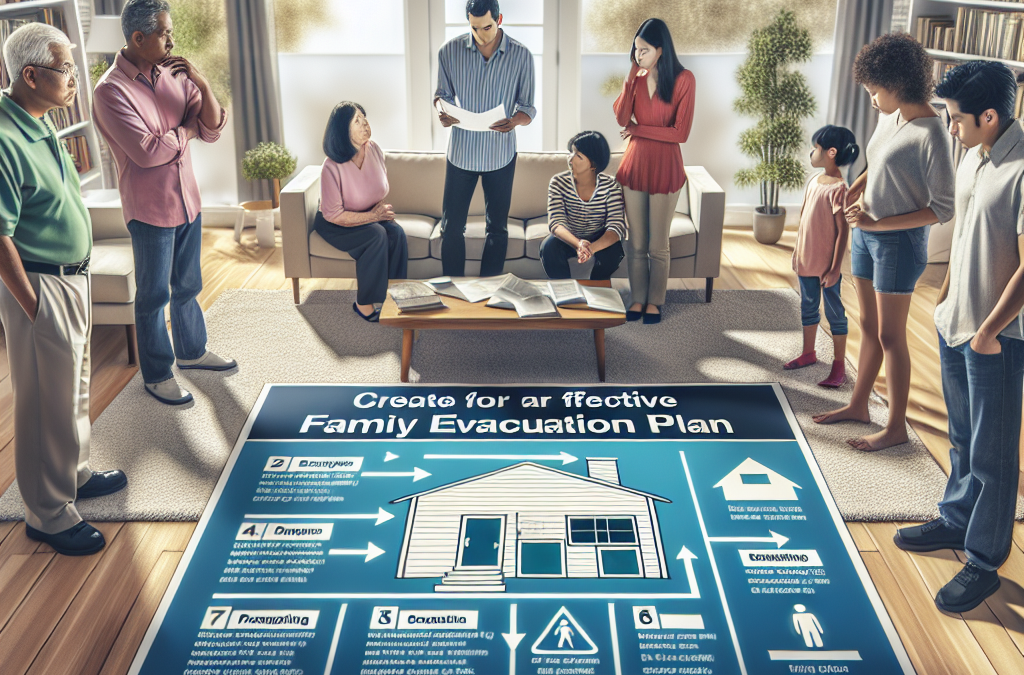
First off, let’s talk about the importance of understanding your surroundings. You’ve got to know what kind of emergencies are relevant to where you live. For instance, if you’re in a hurricane zone, that’s something to prioritize. For other folks, maybe it’s wildfires or earthquakes. Listing these risks gives you a clear picture of what you’re up against.
Once you’ve got a good grasp on your local risks, consider how they would impact your family. Think about things like whether you have pets, children, or elderly family members in the house. Each demographic will require different considerations. Personally, I find that bringing the whole family into the conversation makes everyone feel more secure and involved.
In my experience, staying informed is key too. Subscribe to local emergency management alerts or follow local news channels. It’s essential to stay in the loop, especially in times of crisis. This way, you’re not only informed but ahead of the game when planning your evacuation.
Establish a Meeting Point
Choosing the Right Location
Alright, next up is establishing a meeting point. This is like your family’s headquarters in case the chips are down. You want it to be somewhere safe, easily accessible, and known to all family members. My go-to spot is a nearby park or a friend’s house across town. Just someplace that makes sense!
Make sure every family member knows how to get to the location. I’ve learned from experience that during a stressful situation, people tend to forget directions, so practicing is key. We used to do mock evacuations just so everyone felt more confident! Seriously, it worked wonders for our peace of mind.
Also, consider establishing alternative meeting points, especially if your primary spot becomes compromised. It’s like having a backup plan for your backup plan. Life’s unpredictable; be prepared for anything!
Develop a Communication Strategy
Setting Up Channels
Next, communication is everything! You want a solid game plan for how your family will stay in touch. In our digital age, using tech tools can be a real lifesaver. I’d suggest setting up a group chat or using a family locator app. Whatever gets the job done and keeps everyone connected!
The tricky part is ensuring everyone knows how to use these tools. With kids, make it a fun learning experience. We often sit down together and have tech evenings where we go through our communication tools. It’s a great excuse to bond and build knowledge at the same time.
Don’t forget to plan for situations where cell service might be down. You can create a list of important numbers on a physical piece of paper to stash in wallets or backpacks. Trust me; your future selfwill thank you for this. I’ve learned the hard way how vital this small step can be!
Pack an Emergency Kit
What to Include
Now, let’s dive into the nitty-gritty of packing an emergency kit. I think of it as your survival toolbox. Some essential items to include are water, non-perishable food, first aid supplies, and flashlights. But go beyond the basics! Think about what your family specifically might need during a crisis. For example, allergy medications or favorite snacks for the kids are great additions.
I’ve also learned that it’s handy to have important documents readily available—things like insurance policies, identification, and medical records. I like to keep everything in a waterproof bag just in case water damage becomes a concern.
Make it a point to review and replenish your kit periodically. Food and medications can spoil or expire, so don’t let your kit become a relic of the past. I try to set up a routine check every six months. It’s straightforward, and I find it keeps our family thinking about preparedness all the time.
Practice Your Plan
Regular Drills
Finally, don’t just stick your plan in a drawer; you gotta practice! Organizing regular drill sessions helps everyone understand what they need to do in an emergency. We’ve made it into a family tradition, almost like a game. This way, the kids especially can get the hang of what needs to happen, and it eases their anxiety.
During these drills, encourage feedback. Ask your family what went well and what could improve. This not only enhances the process, but it also fosters open communication. I can’t stress enough how valuable this conversation is—it opens up channels for everyone to express concerns or suggestions.
Finally, celebrate your preparedness! After a practice session, we usually treat ourselves to something fun, like ordering pizza or watching a movie. It makes the whole preparation idea seem less daunting and reinforces our teamwork.
Frequently Asked Questions
1. What should I include in my emergency kit?
Your emergency kit should include essentials like water, non-perishable food, first aid supplies, flashlights, batteries, and essential medications. Think about your family’s specific needs when curating your kit.
2. How often should I review my evacuation plan?
It’s a good idea to review your plan at least twice a year, or whenever major life changes occur (like moving, adding new family members, etc.). Regular reviews ensure everyone is still on the same page and prepared.
3. What if my family can’t communicate during an emergency?
Creating a communication strategy that includes alternate forms of contact is vital. Consider meeting points, and using tools like group chats or family locator apps, and make sure to have important phone numbers documented physically.
4. Why is practicing the evacuation plan so important?
Practicing helps everyone know their specific roles and reduces panic during an actual emergency. It also encourages dialogue about the plan, ensuring everyone’s concerns and suggestions are heard.
5. How do I choose a meeting point?
Choose a location that is safe, familiar, easily accessible, and known to all family members. Having a backup meeting point is also safe in case your primary spot becomes compromised.

by Preparation | Jul 30, 2025 | Preparedness
1. Risk Assessment
Understanding Local Hazards
One of the first steps in creating a disaster response plan is to get a solid grip on the risks your community faces. Having lived through various emergencies, I cannot stress enough how crucial this is. Natural disasters like floods, wildfires, and hurricanes may be prevalent in one region while entirely avoidable in another.
By mapping out local hazards, you’ll be able to prioritize your response efforts. Each hazard presents unique challenges that demand specific strategies. For instance, a region prone to earthquakes might need to focus more on structural integrity and evacuation routes, while a coastal community needs to think about storm surges and high winds.
Always remember: knowledge is power. The better you know your risks, the more effective your response plan will be. If your town holds a community meeting to discuss preparedness, don’t miss it—this is your chance to get informed and involved!
Vulnerability Analysis
Once we’ve identified the risks, the next step is analyzing who and what might be vulnerable in our community. This includes assessing the safety of buildings, the readiness of emergency services, and even the resourcefulness of local residents. I’ve seen countless neighborhoods shockingly unprepared for a minor flood simply because they didn’t realize the low-lying areas were at risk.
Look into demographics, too. Certain groups such as the elderly or people with disabilities may require extra assistance during disasters. A well-rounded plan isn’t complete without accounting for those who might need a little extra help in a crisis.
This isn’t just about “doing the right thing”—it’s also about rounding up the troops (i.e., your neighbors) to ensure that everyone knows their part in keeping our community safe. Knowledge shared is preparedness multiplied!
Resource Inventory
Every good disaster response involves knowing what resources are available, and it often surprises me just how many people overlook this critical component. Think about it: do you know where your local first aid supplies are stocked, or which neighbor has a generator they’d be willing to share? Being proactive and assembling an inventory of community resources can make all the difference in a disaster.
I suggest creating a list—yes, good ol’ paper and pen style works best! Note down shelters, medical facilities, and various supplies available. Teach your community about these resources so that when the time comes to respond, everyone is on the same page.
When you know what’s out there, it’s easier to identify gaps in resources. Are there things we can work together to procure or stockpile? Just like we share cookie recipes, we need to share our community resources and bolster one another.
2. Communication Strategy
Establishing Clear Channels
I can’t stress enough how vital clear communication becomes during a disaster. Think about times when the Wi-Fi goes down—chaos, right? Now imagine it during an emergency when every second counts! Establishing reliable and clear communication channels ahead of time can’t be understated.
Consider multiple methods of communication. Frequently, people think of the internet or phones, but what happens if those are down? A good old-fashioned walkie-talkie system might come in handy! Local radio stations or even a community message board can serve as alternative communication sources.
Everyone should know how to access information—be it through social media, community bulletin boards, or a neighborhood group chat. Just thinking about the tech side of things can sometimes make our heads spin, but remember that the easier it is to share information, the more lives it may save.
Emergency Contacts
Compile a list of essential contacts under various scenarios. I personally recommend keeping this info accessible both digitally and physically. That way, if something serious happens and your phone is inaccessible, you’ve got a backup. Think police, fire departments, hospitals—every emergency service in our area needs to be easily reachable.
And let’s not forget about each other! In a crisis, neighbors can be the first responders. Having a list of nearby friends and family can help to establish a quick support system. Trust me, it’s always better to have buddy check-ins rather than panicked phone trees.
Practice makes perfect, so don’t hesitate to run drills with your family. Know who to contact and practice communicating efficiently in less-than-ideal conditions. You’ll be impressed at how much calmer you feel when you know exactly who to call!
Regular Updates
Communication shouldn’t only happen in crisis mode. Regular updates about community preparedness initiatives can ensure everyone remains in the loop. I encourage everyone to set up a time, whether it’s monthly or quarterly, to discuss updates within the community plan. Sometimes, things change in local emergency protocols or even available resources.
Creating an open dialogue allows individuals to voice their needs or concerns. Picture a town hall meeting or community barbecue where safety messages are shared alongside laughter and food. Building relationships within your community fosters a spirit of cooperation and preparedness.
The importance here is to keep the conversation going. Don’t just leave your plan gathered dust on a shelf! And with each passing day, make sure to update anyone who may have fallen behind, fostering a supportive environment.
3. Training and Drills
Providing Education
I’ve seen countless communities come together to learn vital lifesaving lessons, making training a must in every disaster response plan. It’s one thing to have an emergency guide, but it’s an entirely separate ballgame to know how to execute it. Offering preparedness training can familiarize community members with procedures and resources.
Consider organizing workshops on first aid, search and rescue techniques, or even CPR certifications. It’s such a rewarding thing to learn these skills, and they might really save a life someday—including your own. In my experience, the more educated a populace is, the more resilient we become as a whole.
Remember to tailor your training to your community’s unique needs. If you live in an area with a high elderly population, teaching evacuation protocols should be emphasized. Awareness leads to empowerment, which increases the likelihood of a successful response.
Conducting Drills
Talking the talk is one thing, but walking the walk is essential. Drills simulate real-life scenarios, and boy, do they shine a light on gaps we didn’t see coming! Regularly conducting drills helps community members practice what they’ve learned and apply it to actual situations.
Whether a smoke alarm test, earthquake drill, or hurricane preparedness practice, holding these drills encourages commitment to the response plan. Plus, they foster a sense of community as people come together to collaborate and share knowledge.
Don’t be shy about throwing in a fun incentive for participation! Who doesn’t love free pizza after a community drill? Trainers and volunteers can find creative ways to keep spirits high while still driving home the seriousness of these events.
Inclusivity in Training
Consider the essential nature of inclusivity when training a community for disaster response. We all come from varying backgrounds and have unique challenges to face. It’s incredibly important to ensure that education and drills cater to everyone—those with disabilities, language barriers, and elderly individuals.
Having materials in different languages or formats can go a long way. Tailoring training sessions to be accessible and relatable ensures that every participant walks away feeling empowered and educated. It’s about creating a united front where no one is left behind.
Plus, encouraging diverse perspectives within these drills can lead to innovative solutions! Sometimes the best ideas come from the most unexpected sources. Remember, a diverse community response is a powerful one!
4. Resource Management
Establishing Inventory Protocols
One aspect of an effective disaster plan that often gets overlooked is resource management. I’ve been involved in situations where resources go to waste simply because we hadn’t kept track. Establishing an inventory protocol helps ensure that everything is tracked, reported, and used efficiently when emergencies strike.
Think about creating a checklist of all physical assets available in your community. This could range from medical supplies to emergency housing. Knowing what’s available ahead of time makes distribution more efficient during a crisis.
Don’t forget to periodically check and update this inventory. It’s amazing how quickly supplies can dwindle or expire. Regular assessments keep resource management relevant. This way, you won’t end up with cans of soup that expired in 2005!
Establishing Partnerships
Another layer of resource management involves forming partnerships with other organizations, such as NGOs, local businesses, and even neighboring communities. When disaster strikes, pooling resources can mean the difference between chaos and effective response. I’ve seen how collaboration can create a strong network that can respond to emergencies more effectively.
Consider reaching out to local businesses for support. They can provide materials, personnel, or even funding that can dramatically enhance our resources during a disaster. Establish strong relationships before crises happen! This camaraderie builds trust and cooperation that can be invaluable when the heat is on.
Remember, it’s not all about the big-ticket items either. Small community organizations can also play significant roles in your disaster response plan. Reach out to them and learn how you might be able to work together effectively.
Monitoring and Evaluation
Management doesn’t stop once a disaster occurs. Post-disaster evaluations are essential for refining resource allocation. I can’t emphasize enough how valuable it is to sit down afterward and assess what worked and what didn’t. Honest feedback will allow for improved resource management in future scenarios.
Involve community members in the evaluation process. They hold valuable insights into their needs and challenges during a crisis. Collecting survey data and community feedback provides tangible evidence that can lead to better strategies in the future.
Ultimately, effective management ensures we stick with our resources and use them in the best possible way. That way, when disaster strikes, we can spring into action—and that’s the goal, right?
5. Continuous Improvement
Regular Training Updates
So, you’ve created a killer disaster response plan—awesome! But let’s not get too comfortable. Constantly evolving circumstances may render parts of your plan obsolete. Regular training updates are essential in ensuring every participant is up to speed with changes, improvements, or new strategies.
I urge communities to be curious and bring changes to your resources as they arise. Remember that open feedback mechanisms allow for continued improvement. You can create a culture that values continuous learning and adaptation. This is key to staying relevant and effective as a disaster response team.
Establish specific times throughout the year to revisit training sessions and ensure new members have a chance to learn and old members stay sharp. Think of it as keeping your team in “game shape”—because you never know when the next storm is coming!
Community Feedback Loop
Feedback can be an incredible tool for continuous improvement. I encourage communities to create an incubator for fresh ideas, where everyone feels welcome to contribute. Inputs drawn from the experiences of locals who have lived through disasters are invaluable for fine-tuning your response plan.
I mean, who knows better than those who directly faced the challenges? Encourage communication and create forums for discussion where shortcomings can be addressed without fear. This shared learning experience inevitably strengthens the entire community, making us more resilient.
Moreover, celebrating successes is equally essential! Recognizing and sharing what worked can inspire others to contribute actively and encourage the entire community to keep showing up and engaging.
Adapting to Future Challenges
The world isn’t static. New risks arise; climate change has already changed the playing field dramatically. As community members, it’s paramount to stay adaptable in our plans. I’ve found that regularly reviewing and adjusting our guidelines helps keep everyone aligned with current needs.
Being proactive about these changes can enhance community preparedness. Regularly assess potential future risks and update your strategies accordingly, ensuring they stay relevant to what your community might face down the road.
Embrace a mindset of growth. Each disaster we experience is a chance to learn and evolve into a more formidable team. Change is the only constant in life, but with a solid plan, our community can ride those waves rather than drown in them!
FAQ
1. What is a disaster response plan?
A disaster response plan is a strategic framework designed to prepare communities for emergencies, outlining actions for risk assessment, communication, resource management, and continuous improvement.
2. Why is risk assessment important?
Risk assessment is critical as it helps identify potential hazards in your area, allowing for prioritized and targeted planning based on specific community needs and vulnerabilities.
3. How can community members get involved in planning?
Community members can get involved in disaster planning by attending meetings, participating in drills, assisting with resource inventories, and providing feedback on existing strategies.
4. What role does education play in disaster response?
Education empowers individuals with critical skills and knowledge for effective response to emergencies. It builds confidence and ensures everyone knows their roles during a crisis.
5. How often should disaster plans be updated?
Disaster plans should be regularly updated, ideally at least once a year or whenever significant changes occur in community resources, risks, or personnel.




