by Preparation | Jul 30, 2025 | Preparedness
Understanding Your Environment
Know Your Location
When it comes to mobile home living, the Lay of the land is critical. You might be situated in a beautiful spot, surrounded by nature, but this also means you need to be aware of potential risks. Are you near flood zones? Is there a history of tornadoes in your area? Understanding your location can help you take the necessary precautions.
I remember moving into my first mobile home, thinking I had everything figured out. But boy, was I wrong! After a storm caused some flooding, I realized I needed to pay attention to my surroundings. Knowing what environmental threats are common in your area can help you prepare ahead of time.
Moreover, connecting with neighbors is huge. If they’ve dealt with tough weather before, they can share insightful tips and tricks that might just save your skin someday. It’s like having a local support network that’s looking out for each other.
Assess Natural Hazards
Now that you know your location, let’s dive deeper into assessing natural hazards. You want to be aware of things like wildfires, earthquakes, or sinkholes, depending on where you’re located. Reviewing local mapping resources for such hazards can be a lifesaver.
For instance, I took the time to visit my local city hall and grabbed some pamphlets that outlined potential risks. This gave me a roadmap of sorts, showing which areas were most vulnerable to different types of disasters.
Keep in mind, it’s not only about knowing them but also creating a personalized action plan. Whether it’s checking for earthquake insurance or preparing for a potential wildfire evacuation, proactive planning can make a significant difference in keeping you and your loved ones safe.
Be Informed About Weather Patterns
Staying informed about the weather can be your best friend, especially for those living in mobile homes. I’ve found that setting up alerts on my phone for severe weather updates is a total game changer. It gives me a heads-up to make any last-minute preparations.
It can be easy to ignore those weather updates, but trust me, you don’t want to be caught off guard during a thunderstorm or hurricane. Sometimes, those notifications can lead to life-saving actions, like strengthening your exterior or moving valuable items inside.
Additionally, understanding seasonal weather patterns where you live helps too. For example, if you know that hurricane season is approaching, you can take specific duties around securing your home and stockpiling supplies so you’re not scrambling later on.
Securing Your Home
Strengthening Your Mobile Home
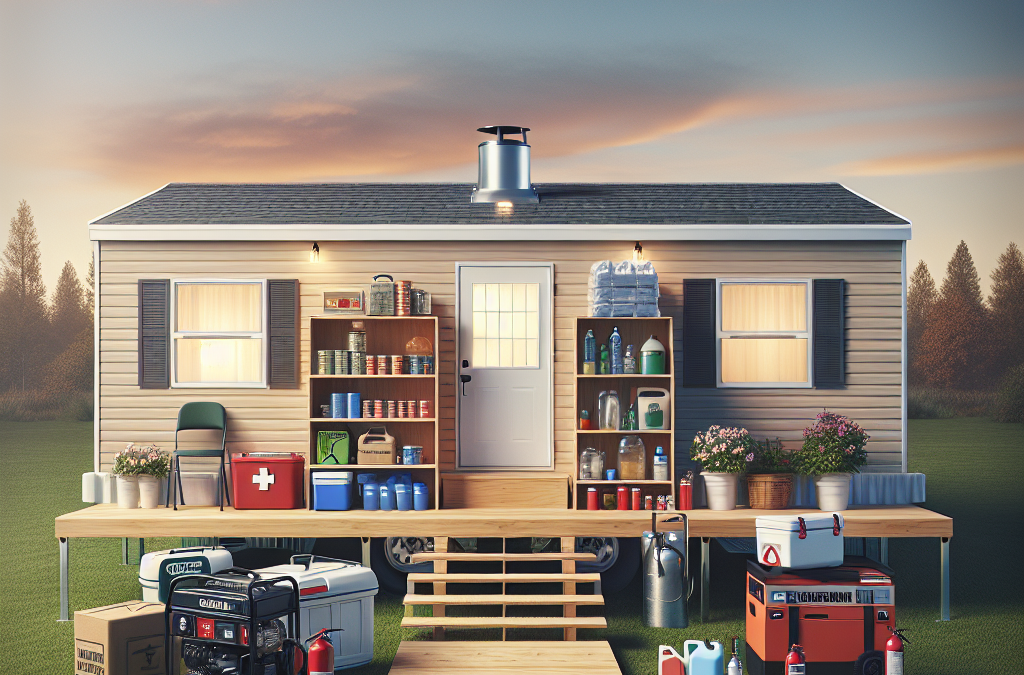
Once you’re clued in on the hazards, it’s time to get serious about securing your mobile home. You want your home to be as strong and safe as possible, especially since they can be more vulnerable during extreme weather.
One of the first things I did was inspect the skirting around my home. Loose or damaged skirting can lead to structural issues and make your home more susceptible to damage. A tight seal can help prevent wind and flooding from making their way into your living space.
Additionally, think about anchoring your home properly if that’s feasible for your area. I recently had my mobile home anchored, which gave me peace of mind that it wouldn’t be easily moved during a storm.
Creating an Emergency Plan
Creating an emergency plan is all about knowing what to do before, during, and after a disaster strikes. I can’t stress the importance of having a solid plan that everyone in your household knows and understands.
In my case, I gathered my family and drafted a plan together. What would we do if a tornado hit? Where would we meet if we were separated? Not only did it get everyone involved, but it also eased a lot of anxiety regarding what could happen.
Make sure to also practice regular drills. It sounds a bit cheesy, but when we had our first practice drill at home, it really helped us see areas of improvement. We even discovered our pet’s emergency kit wasn’t where it should have been!
Gathering Supplies
Okay, now let’s talk about supplies because having those on hand can make or break your preparedness. I’ve learned over the years that a basic emergency kit is a fantastic foundation. From food and water to first-aid supplies, each item plays a vital role in keeping you safe and healthy during a crisis.
I recommend checking your supplies every few months, like I do. You’d be surprised how quickly things can expire or run out. And don’t forget about the little things–like flashlights and batteries–they always seem to be needed when you least expect it!
Moreover, personalize your kit. Do you have pets? Make sure to pack supplies for them. Is there anyone in your home with special medical needs? Tailor your preparation to meet those needs, so you don’t find yourself caught off guard.
Communication is Key
Establishing Communication Plans
Let’s face it—communication during a disaster can be tricky, but having a plan can make all the difference. Establish communication channels with your loved ones ahead of time, so everyone knows how to reach each other when things get crazy.
I once missed an important family check-in during a storm simply because I didn’t have a planned approach. We’ve since established group texts and made sure everyone knows how to use them, in case the power goes out and phones are all over the place.
Also, don’t forget about your neighbors. Having a buddy system can really help. If anything happens, check in on each other and share resources. Remember, you all share a community. A little teamwork goes a long way!
Utilizing Technology
Technology is an amazing tool for communication during emergencies. I’ve found it super helpful to have weather apps and emergency services numbers saved into my phone. Also, social media can be powerful when alerts go out rapidly.
But don’t just stop there! Look for apps designed specifically for emergencies, whether they track family locations or provide quick access to important documents you might need in a hurry.
And hey, if you’re tech-savvy, consider setting up an emergency email account or a social media group just for these kinds of situations. It can make all the difference if the usual phone lines aren’t working.
Staying Updated
Lastly, staying updated with local news is crucial during any disaster situation. I like to have a battery-operated or hand-crank radio handy, so no matter what happens to the internet, I’ll stay in the loop.
Regular check-ins with trustworthy news sources can offer the latest weather conditions and safety responses happening in your area. It pays to know what’s happening outside your mobile home.
Plus, consider joining local community forums or groups that focus on preparedness. They often share updates and insights that could be a lifesaver. Remember, knowledge is power!
Final Preparations
Review Your Insurance Coverage
Insurance isn’t the most thrilling topic, right? But trust me, reviewing your insurance coverage is one of the least stressful tasks you can do when not in a crisis. Understanding what your insurance covers can save you big time if the worst does happen.
I learned this the hard way after a minor incident left me questioning whether I was fully covered. It turned out I needed a special rider for flooding. Understanding your coverage now can give you peace of mind when the storm clouds roll in.
Don’t hesitate to reach out and chat with your insurance agent. They can guide you through the specifics and help address any burning questions you might have!
Practice Safety Drills
Another great way to finalize preparations is through regular safety drills. I still recall my first time organizing a drill at home; needless to say, things were a bit chaotic, but it ended up being so beneficial.
Everyone got a chance to practice what we’d do in an emergency. This way, when something does happen, you don’t have to think—you just react. Make these drills part of your routine, perhaps every six months, to keep the memory fresh!
So, want to take it a step further? Include friends or neighbors in the exercises. The more familiar everyone is with potential emergency plans, the stronger our community becomes. It’s all about teamwork, folks!
Stay Positive and Resilient
Prepping can be a bit overwhelming at times, so don’t forget to stay positive. Life throws a lot our way, but having a solid plan in place gives me comfort on the tough days. Knowing that I am prepared lessens anxiety.
Mental preparedness is just as essential as physical preparedness. I often practice mindfulness techniques to calm my mind, especially when I think about potential emergencies. Staying mentally resilient can truly affect how you respond in a crisis.
Lastly, always remind yourself that it’s okay not to have everything figured out immediately. Take things one step at a time, and before you know it, you’ll be on a solid path to preparedness!
FAQ
1. Why is it important to understand my environment when living in a mobile home?
Understanding your environment helps you assess inherent risks like natural disasters, which allows for better preparation and safety for you and your family.
2. What should I include in my emergency supplies kit?
Your emergency kit should ideally include non-perishable food, water, a first-aid kit, flashlights, batteries, hygiene products, and any personal medication or documents you may need.
3. How can I strengthen my mobile home?
Strengthening your mobile home can involve checking and repairing your skirting, ensuring it’s anchored properly, and making necessary repairs to the structure itself to withstand strong weather.
4. How often should I review my emergency plan?
It’s wise to review your emergency plan at least every six months, or after any significant life changes to ensure everyone remains informed and ready to respond.
5. What role does communication play in mobile home preparedness?
Effective communication ensures everyone knows their role during an emergency, making it easier to coordinate responses and stay connected when chaos strikes.
by Preparation | Jul 30, 2025 | Preparedness
Essential Urban Skills
Situational Awareness
One of the first things I learned in my urban survival journey is the importance of situational awareness. You’ve got to be tuned into your surroundings. Whether you’re walking down a busy street or sitting in a park, always be conscious of who’s around you. Is anyone acting strangely? Are there potential hazards nearby? Being aware can help you avoid trouble before it even starts.
I recommend practicing this skill regularly. Try walking around your neighborhood and actively observing your environment. Notice the people, the vehicles, the noises. This not only sharpens your instincts but also boosts your confidence in handling unexpected situations.
Remember, awareness isn’t about paranoia; it’s about being smart. Trust your gut feelings. If something feels off, it’s okay to change your path or seek safety. Urban survival is a lot about trusting your instincts and being prepared for the unexpected.
Basic First Aid
Let’s talk about first aid. You don’t have to be a paramedic to save a life, but knowing a few basics can really make a difference. For example, do you know how to treat a burn or stop bleeding? These are simple yet crucial skills that can be learned quickly with a little practice.
I always keep a small first aid kit with me—band-aids, antiseptic wipes, and even some ibuprofen. Make sure you familiarize yourself with its contents. It’s not just about having the gear; it’s also about knowing how to use it in an emergency. There are tons of great online resources and courses to get you started.
One of my favorite resources is the American Red Cross. They offer first aid courses that are quick and effective. Plus, there’s nothing quite like the peace of mind that comes from knowing you can help yourself and others in a pinch.
Self-Defense Techniques
Sometimes, you need to be ready to physically protect yourself. Learning self-defense techniques isn’t all about being Bruce Lee; it’s about standing your ground and knowing how to escape a bad situation. I took a few classes at my local community center, and let me tell you, it was eye-opening.
What I found most helpful were techniques that focused on escaping rather than fighting. Learning to break free from a hold or disengage quickly can be life-saving. Plus, it builds your confidence, which is key in any survival situation.
Even if you don’t join a class, consider watching online tutorials. Just make sure they’re by credible instructors or organizations. Practicing with a friend or family member can also help you get comfortable with movements. You never know when these skills might come in handy!
Necessary Gear for Urban Survival
Everyday Carry Essentials
Your everyday carry (EDC) gear is what you have on you at all times. It’s like your personal survival kit! I always carry a small multi-tool, a flashlight, and a portable charger in my backpack. These items are super practical and can be utilized in a variety of situations.
Multi-tools are incredible because they combine several tools into one compact design. You can use them for everything from opening cans to making repairs. It’s about being resourceful! And as for the flashlight, it doesn’t just light up your way; it can also draw attention if you’re in a bind.
Don’t forget to customize your EDC based on your needs. If you live in a colder climate, maybe you need a space blanket or extra warm gloves. Think ahead about your daily life and what might come in handy in unexpected scenarios.
Emergency Kit for Home and Car
I can’t stress enough how important it is to have an emergency kit both at home and in your vehicle. You never know when something might happen—power outages, severe weather, or even a breakdown. I spent a weekend putting together kits for both, and it was one of the best decisions I ever made.
In your home kit, ensure you have essentials like water, non-perishable food, first-aid supplies, and a battery-operated radio. For your car, think about including jumper cables, a flashlight, and perhaps even a blanket. You can buy pre-made kits, but I found it’s more satisfying to tailor it to your specific needs.
Refresh your kits regularly. Check the expiration dates on food and medicine, and swap out seasonal items, like warm clothes for your car in the winter. Knowing you’re prepared can ease a lot of worries, trust me!
Self-Care Items
Survival isn’t just about physical gear; it also involves mental and emotional well-being. I make sure to include self-care items in my survival prep. This might be something as simple as a journal or a stress ball, but these tools can vastly improve your resilience in tough situations.
Don’t overlook the importance of mental health during emergencies. Keeping a calm mindset can drastically influence your decision-making. Meditating or practicing mindfulness whenever you can is hugely beneficial and can be a few moments of peace amidst chaos.
Consider adding a book or a game to your emergency kit. Engaging your mind helps to keep you calm when faced with unexpected events. Remember: survival is about adapting, and a clear mind is a powerful ally.
Community Connections
Building a Support Network
Being prepared for anything is good, but having a strong support network can make all the difference in urban survival. Forming connections with neighbors and like-minded individuals creates a sense of community. I began attending local neighborhood meetings and offering to help others during community projects, and it truly paid off.
Your support network can serve as a resource in times of need. Whether it’s someone sharing information about local emergencies or pooling together supplies, the people around you become invaluable. It’s about building trust and accountability.
Don’t underestimate social media as a tool for connecting. There are numerous online groups focused on urban survival strategies. Share experiences, ask questions, and learn from one another. The more voices, the better the knowledge base!
Practicing Together
Once you’ve built your network, practice scenarios together. Organize drills or workshops where everyone can contribute skills and knowledge. Even something simple, like having a fire drill or practicing how to use emergency supplies, can prepare everyone better than individual efforts.
Learning together makes it more enjoyable and reinforces the knowledge. I’ve had so much fun and laughter during these practice sessions, all while feeling more prepared for whatever might happen.
Keep it light but serious enough to emphasize the importance of the subject. Community survival is a shared responsibility, and when everyone is on the same page, it creates a safer environment.
Staying Informed
Finally, always stay informed about local resources and services. Whether it’s knowing your local emergency services contact numbers or being updated on city plans for dealing with emergencies, this knowledge is crucial. I make it a habit to keep local emergency apps on my phone for easy access.
Subscribe to local news channels or community newsletters to stay updated on events or potential threats. This way, you’re not just informed, you’re also prepared. Being proactive rather than reactive is the name of the game.
Connect with local public safety organizations to understand their strategies and responses to various emergencies. Not only will this keep you informed, but it will also strengthen your community ties and enhance your personal survival strategy.
FAQ
What should I include in my everyday carry items?
Your everyday carry items could include a multi-tool, flashlight, portable charger, first aid supplies, and anything specific to your daily needs. Make sure it’s practical for your lifestyle!
How often should I check my emergency kit?
It’s a good idea to check your emergency kit at least every six months. Refresh any expired items and swap out seasonal gear as needed.
Where can I learn self-defense skills?
Local community centers, gyms, and even online tutorials offer self-defense classes. Just make sure to choose credible instructors to ensure effective learning.
Why is community connection important for survival?
Building a community network can provide emotional support, share resources, and improve preparedness. Having trustworthy neighbors can be invaluable during emergencies.
How can I stay informed about emergencies in my area?
Subscribe to local news outlets, download emergency apps, and follow community social media pages. Keeping updated can help you respond effectively when needed.
by Preparation | Jul 30, 2025 | Preparedness
Local Wholesale Stores
Finding Your Nearest Wholesale Store
First things first, if you’re looking to buy bulk emergency supplies, you’ve got to know where to go. Local wholesale stores are often just a stone’s throw away. I recommend checking online directories or Google Maps to find the nearest ones. They usually stock a wide variety of emergency supplies at a fraction of the retail cost, which is a huge win for your wallet!
Once you locate a few candidates, take a little time to call them or check their websites. Some places may even let you order online, which is super convenient when you’re in a hurry. Plus, many wholesalers provide local delivery options, perfect for stocking up without the heavy lifting.
Also, remember to check if the store offers membership options. Many wholesale clubs offer discounted rates for members on various emergency supplies, which could save you some serious cash in the long run.
What to Look For
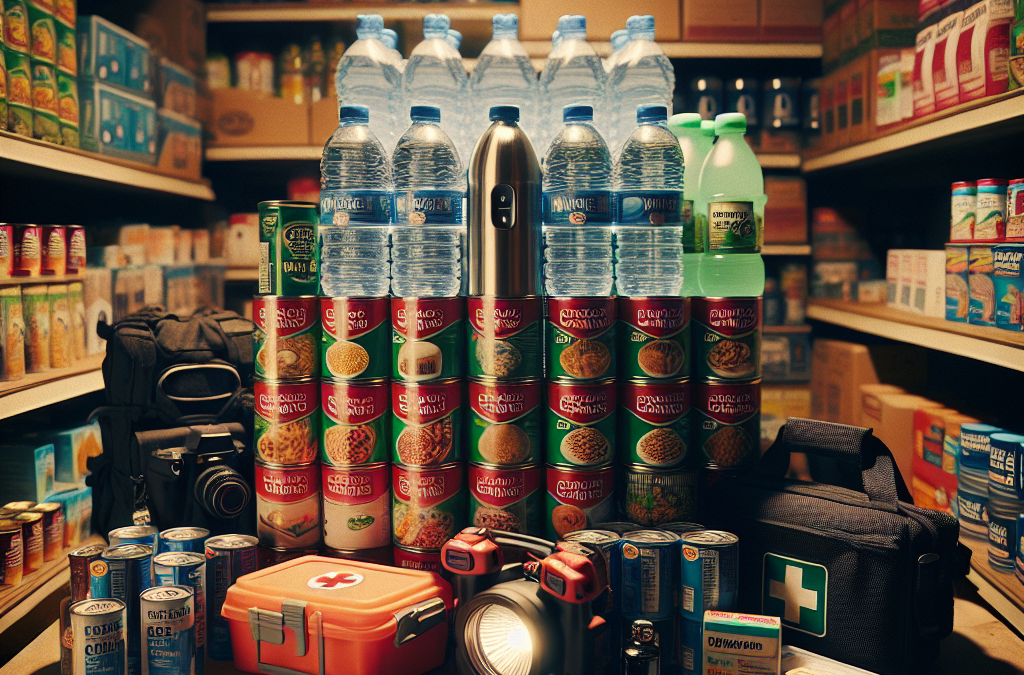
When you arrive at the wholesale store, you might feel a bit overwhelmed by all the stuff. It’s vital to have a plan! Focus on what emergency supplies are most crucial for your needs. Think about food, water, first-aid kits, and other essentials that your family might rely on in a pinch.
Don’t hesitate to ask store employees for advice. They often have great insights into which products are most popular or cost-effective. I’ve found that the staff are usually pretty knowledgeable about what’s good to stock up on and can even point you to seasonal deals.
Lastly, keep your eyes peeled for bulk options. For example, buying a large pack of batteries or canned goods can save you a good chunk of change. I often stock up on these items when I see them on sale, so definitely keep your shopping list flexible!
Building Relationships
If you find a local wholesaler that you like, building a relationship with them can really pay off. Often, small businesses appreciate repeat customers and might even give you a heads up on upcoming sales. I’ve formed great connections with some of the folks at my local stores, and it’s resulted in better deals and insights over time.
Plus, remember to follow them on social media! Many businesses announce special promotions or loyalty programs on platforms like Facebook or Instagram. You’ll never know when a flash sale could save you a lot.
Lastly, sharing your experience through recommendations can benefit you, too! Many wholesalers appreciate word-of-mouth marketing, and they might offer discounts for referrals which are a win-win situation.
Online Retailers
Benefits of Shopping Online
If the thought of walking through the aisles of a big store doesn’t excite you, no worries! Online shopping for bulk emergency supplies is a game-changer. I personally love the convenience of ordering supplies right from my couch. Plus, you can often find better deals online compared to the in-store price.
You get to compare prices among several retailers with just a few clicks, making it easier to find the best deals. Many websites even have customer reviews that can help evaluate the quality of the supplies you’re considering. Nothing like wisdom from fellow survivalists, right?
Just be sure to factor in shipping costs. Sometimes, they can eat into your savings. I usually wait for free shipping offers or spend just enough to qualify for it, maximizing my deals!
What to Consider When Buying Online
While the online shopping scene has a lot of perks, it also comes with its challenges. Be cautious and check the seller’s reputation. Look for sellers with high ratings and good reviews, especially on platforms like Amazon or even specialized emergency supply sites.
It’s also smart to read the fine print regarding return policies. You don’t want to get stuck with items that don’t meet your needs. Having a clear understanding of return options ensures that you’re covered in case things don’t go as planned.
Lastly, an item could be listed at an attractive price, but make sure you check its details. What may seem like a great offer at first glance might turn out to be smaller sizes or quantities than expected, so do your due diligence!
Finding the Best Deals
Alright, let’s talk about saving some cash while shopping online. One of my top strategies is to set up alerts on deal sites like Honey or Rakuten, which notify you of price drops or cashback options on emergency supplies. Trust me; it’s saved me a good amount over the years!
You can also follow various online retailers’ newsletters; they often send out exclusive discounts and promotional codes for subscribers. Why not save some dollars while equipping your emergency kit?
Lastly, wait for holiday sales or specific “Preparation Month” deals that many retailers might run. Timing your purchases can lead to significant savings. Keep an eye out for trends or events, and jump on those sales!
Specialty Emergency Supply Stores
Why Specialize?
When it comes to assembling a quality emergency kit, specialty supply stores are sometimes the way to go. These places focus specifically on products designed for emergency situations, and that kind of expertise can be invaluable. I’ve found everything from durable food rations to professional-grade first-aid kits at these shops.
Not only do specialty stores often stock high-quality items, but they also provide knowledgeable staff who are usually well-versed in survival tactics and emergency planning. Talking to someone who knows the ins and outs can really arm you with useful advice.
Plus, they often carry unique and hard-to-find items that the big-box stores may not have. If you’re preparing for a specific threat—like natural disasters in your area—these stores can be particularly beneficial.
What to Expect
Visiting a specialty emergency supply store can feel like being a kid in a candy store. You’ll find everything from tools, gear, and foods specifically designed for long shelf life, to personal safety items. Just be prepared to spend some time browsing and asking questions.
Moreover, many of these stores often offer workshops or classes that can teach you practical skills—like wilderness survival or first-aid techniques. I’ve loved attending these sessions because they boost my confidence when it comes to dealing with emergencies.
And if you ever get overwhelmed, don’t hesitate to ask for help! The staff can guide you through your purchases and direct you to the essentials you need, making the process a breeze.
Networking and Community
There’s something special about connecting with like-minded folks in person. Specialty stores often serve as hubs for local survivalist communities. I’ve met tons of knowledgeable people who share tips, resources, and even form local prepper groups to exchange ideas and plans.
Keep an eye out for bulletin boards or events hosted at these stores. Many times they organize meetups where you can network with experts and fellow enthusiasts who can provide additional knowledge and support.
Plus, being part of a local community helps to strengthen preparedness efforts. Who knows, you might even find someone who can help you with skills you want to learn or equip you with tools you hadn’t considered yet.
Government and Non-Profit Organizations
Utilizing Government Resources
Some people overlook this option, but local and state government organizations often provide resources for emergency preparedness. Depending on where you live, they may offer bulk supplies at discounted rates or even for free, especially for essential items during crisis situations.
Don’t hesitate to check the official website of your local emergency management office. They often have lists of resources available and might even offer workshops to educate residents on preparation strategies.
Additionally, some organizations run community programs that distribute supplies to those in need during emergencies and disasters. It’s a great way to get involved with your community while ensuring everyone is prepared!
Non-Profit Organizations and Contributions
Engaging with non-profit organizations can also lead to valuable resources. Many of these groups focus on disaster relief and preparedness. For example, organizations like the Red Cross often have educational resources and bulk supply options. They can guide you through what you need based on your specific situation.
Moreover, some non-profits host donation drives or create emergency supply kits for communities. Participating can not only score you supplies but also foster teamwork in your community, which can be incredibly beneficial in emergencies.
Lastly, consider donating or volunteering with these organizations. Often, in return, you’ll gain knowledge and insight into how they prepare and respond to emergencies, making you better armed for your own needs.
Staying Informed
Keeping up to date with local emergency management and non-profit organizations can help keep you informed about available resources. Consider subscribing to newsletters or joining social media groups focused on emergency preparedness. I find it super helpful to stay connected and learn about new programs or supplies being provided.
They can also provide you with timely alerts regarding emergency situations, which can assist in your preparedness by offering relevant tips and resources. It’s important to stay vigilant and aware of local situations and how they may impact your supply needs.
Connecting with these organizations promotes a sense of community, whether you’re facing an emergency or just looking to prepare for any situation. You’ll make lasting connections and become a more informed member of society.
Conclusion: Your Path to Preparedness
There you have it! Buying bulk emergency supplies doesn’t have to be a chore. Whether you prefer local stores, online shopping, specialty shops, or tapping into government and non-profit resources, there’s a world of options available to you. Each of these avenues has its unique perks, and together they help ensure that you and your loved ones are well-prepared for whatever life throws your way.
Taking steps today to gather these supplies can give you peace of mind knowing that you’re proactive. Emergency preparedness isn’t just about supplies; it’s about knowledge, community, and being ready to handle whatever comes next!
FAQ
1. What should I prioritize when buying emergency supplies?
Focus on essential items like food, water, first-aid supplies, and any specific gear that caters to your family’s needs. It’s best to evaluate your unique situation and base your purchases around those priorities.
2. Are there significant savings to be gained when purchasing in bulk?
Absolutely! Buying in bulk often reduces the per-unit cost, letting you stock up on essential supplies without breaking the bank. Plus, if you keep an eye out for sales, the savings get even better!
3. What resources can I find through local government or non-profit organizations?
These organizations often provide educational resources, workshops, and even bulk supplies at discounted prices. They can also guide you through preparations based on specific local risks.
4. Is it worth joining a wholesale membership for bulk purchases?
Yes, if you buy in bulk frequently, a membership can yield significant discounts on necessary supplies. Just ensure that your projected savings will outweigh the cost of membership.
5. Can I return items if they don’t meet my needs when purchasing online?
Most online retailers have return policies, but it’s essential to read the specifics before purchasing. Always check the seller’s return policy to avoid any surprises!

by Preparation | Jul 30, 2025 | Preparedness
Stay Calm and Assess the Situation
Take a Deep Breath
First and foremost, I can’t stress enough how important it is to stay calm during any situation involving emergency communication failures. I remember the first time my phone died during a power outage, I freaked out thinking about all the people I couldn’t reach. But taking a deep breath and staying composed helps in making clearer decisions.
When I encountered this issue again, I found that slowing down and assessing my surroundings gave me a better perspective. It helps you to think rationally rather than react impulsively, which can often lead to mistakes.
In times of distress, your mind can race, but that’s when you need to anchor yourself. Step back, and remind yourself that panic rarely leads to solutions.
Evaluate Available Resources
No two emergencies are the same; each situation can vary greatly depending on your surroundings. For instance, when I had a communication breakdown during a hike, I had to look around and evaluate the resources available to me. This could be anything from knowing how to use a paper map, relying on non-digital communication methods, or even tapping into community resources.
Making a mental note of what tools or people are within reach is vital. I recall figuring out that I could use a whistle to signal others instead of relying solely on my phone. It’s about getting resourceful.
Whether it’s a landline, a radio, or simply people nearby, checking all available options can often lead to finding a more reliable means of communication than what you first had in mind.
Inform Others If Possible
While this might seem obvious, it’s easy to forget in the heat of the moment. If you still have access to methods of communication, like a limited battery on your devices, send out quick messages to inform family or friends of your situation. I remember sending a single text to let my family know I was okay when my phone battery was dying. It was short, but it did the job!
Using social media or group chats can also be effective if those platforms are still up and running. People often forget that while some services might fail, others might still be available. Just last week, I utilized social media to quickly reach out to friends during an outage.
Don’t underestimate the power of keeping those close informed, even if it’s a quick status update. It keeps everyone in a loop and prevents them from worrying unnecessarily.
Use Alternative Communication Methods
Go Old School with Landlines
In my experiences, there’s often a tendency to rely heavily on our smartphones. But what if your phone’s out of commission? It’s like, duh, that’s when landlines become your best friend. If you’re at home, try reaching out through your landline or contacting neighbors who might have power or working phones.
I remember a blackout that lasted for hours. My friend and I resorted to using his landline to call our loved ones. We were surprised to find out how many folks still had landlines for emergencies! Sometimes, it’s the simplest things that turn out to be most effective.
Landlines can provide a more stable connection during times when mobile networks are congested, so don’t overlook this option when you find yourself in a jam.
Utilize Public Communication Resources
Turning to public resources can also be a game-changer when your personal systems fail you. Libraries, community centers, and even police stations might have communication services available for emergencies. I once found myself in need of assistance during a storm and headed to a nearby library, which was a hub of activity and support.
There could be bulletin boards with important updates or staff who can help connect you to law enforcement or emergency services. It’s a refreshing reminder that we all have community resources we can lean on, often more than we realize!
So, take a moment to consider what public resources you could have right at your fingertips. You never know when they might come in handy!
Consider Sending a Signal
In a pinch, going back to basics and signaling for help can be incredibly effective. In a recent situation while camping, I had to use bright-colored fabric to signal for help. At first, I felt ridiculous waving a bright bandana, but then I saw a nearby hiker who noticed me and came over.
Also, methods like using a whistle, mirror, or other reflective surfaces can attract attention much more efficiently than just yelling. Sometimes, we just need to think creatively when our tech fails us.
Keep in mind that the goal is to be seen and heard. Don’t hesitate to be proactive, even if it feels a little silly. A little creativity can lead to significant outcomes!
Have an Emergency Plan in Place
Establish a Family Communication Plan
One of the best preventive measures you can take is crafting a solid communication plan with your family and friends. Include specific details like meeting points, alternative phone numbers, or even methods of transportation in case of an emergency. I recently refreshed my family’s emergency plan, and it’s made such a difference in knowing we’re all on the same page.
Discussing scenarios beforehand really helps; it takes the pressure off in times of crisis. We even had a fun evening where we brainstormed different “what-if” scenarios, which surprisingly brought us all closer as a family.
Have those conversations so that if systems falter, you have alternative strategies lined up to ensure everyone can stay connected.
Practice Regular Drills
Drills can play a crucial role in ensuring everyone knows what to do when the time comes. It’s like a fire drill for your communication plan! Every few months, I encourage my family to review our emergency plan and run a practice drill. It keeps the plan fresh in everyone’s minds.
While it may seem tedious at times, this practice pays off when it counts. I find that families who practice together are more relaxed and confident in emergencies because they know exactly how to respond under pressure.
Think of it like training for a sports event; the more you practice, the better equipped you’ll be when the actual event occurs!
Stay Informed About Technology
Lastly, staying informed about emergency technology options is essential. Part of preparing is understanding which backup devices might help in a communication loss. I’ve learned about apps that work offline, satellite phones, or even walkie-talkies that could be invaluable during emergencies.
Staying up-to-date with changing technology might just save the day when unexpected situations arise. I love exploring new gadgets that I can stash in my emergency kit; you never know when they might come in handy!
Train yourself and your family on how these alternatives work. You might be amazed at the skills you can learn when you’re all exploring together!
Utilize Community Resources
Connect with Local Organizations
Local organizations often play a key role during emergencies. They can offer support, resources, or even a communication grid you might not be aware of. When I volunteered with my local Red Cross, I saw firsthand how they served as a vital hub for support during crises.
I suggest reaching out to know what your community offers during emergencies. A simple call could connect you with valuable information when your regular communication system fails.
Being an active part of your community can give you a network of support you might not have considered before. Plus, it fosters a sense of unity among neighbors!
Engage in Neighborhood Networking
A great way to ensure you don’t feel alone during an outage or crisis is to get to know your neighbors. Participating in local meetups can lead to forming a solid neighborhood network. I’ve found that knowing your neighbors not only strengthens the community but also creates a support system for emergencies.
These relationships can become invaluable when traditional communication systems aren’t working. Organizing a neighborhood contact list can really foster quicker connections during stressful times.
Creating those personal relationships and trust can be a lifeline when technology lets us down!
Participate in Local Emergency Training
Look into participating in courses or training sessions offered by local organizations. Whether it’s first aid training or communication workshops, these valuable experiences are crucial in improving your emergency preparedness. I’ve attended several workshops, and they’ve given me skills that I have called on in real-life situations.
Knowing how to effectively use these skills or tools could be the difference in a crisis. Plus, it introduces you to other local community members who share similar interests, building connections that can help during certain emergencies.
The best part? It empowers you to feel more in control in difficult situations. There’s nothing worse than feeling helpless, so invest in yourself and your community because it truly pays off!
Frequently Asked Questions
1. What are the primary steps to take if my emergency communication system fails?
The key steps include staying calm and assessing the situation, using alternative communication methods, creating an emergency plan, utilizing community resources, and being prepared through training and practice drills.
2. How can I maintain communication when technology fails?
Use traditional methods like landlines, public communication resources, or even signal for help using old-school techniques. It’s all about being resourceful!
3. What should I include in my family communication plan?
Your communication plan should include designated meeting places, alternative contact information, and methods for re-establishing contact when systems fail.
4. How important are community resources during communication failures?
Community resources are essential as they provide support and alternative means of communication. Local organizations can assist greatly if your personal systems fail.
5. Why should I participate in local emergency training?
Participating in local emergency training empowers you with skills and knowledge that can be crucial during an emergency, enhancing your preparedness and confidence.
by Preparation | Jul 30, 2025 | Preparedness
Creating a Personalized Emergency Plan
Understanding Your Needs
One of the first things I learned when crafting an emergency plan is that everyone’s needs vary. As seniors, it’s essential to take into account any mobility issues, medical conditions, or sensory impairments. Trust me, it’s not just about having a plan; it’s about having a plan that actually works for you or your loved one. Sometimes what works for younger folks just doesn’t apply.
This means talking to family members or caregivers to discuss specific needs. Don’t hesitate; being open about vulnerabilities can lead to better planning. For example, if you’re on medication, ensure you have a list of what you take and where to find it during an emergency.
Lastly, remember to account for different scenarios. Natural disasters, like hurricanes, require different strategies than, say, medical emergencies. Tailoring your plan to cover diverse situations can give everyone peace of mind.
Communication is Key
Communication might seem basic, but when the time comes, it can be a lifesaver. Keeping in touch with family and friends about your plans is crucial. I find that setting up a phone tree or a group chat is incredibly useful, so everyone knows what’s going on in case of an emergency.
Having a reliable way to communicate not just about the emergency itself but also about your well-being can make all the difference. And, of course, make sure to check in regularly with your family or friends, especially if they live far away. Being proactive can relieve anxiety for both you and them!
Consider also how you’ll communicate during an emergency. If the power goes out, you might have to rely on alternate options—like battery-powered radios or walkie-talkies. Establish a routine, so there’s a plan for connecting even when things go sideways.
Emergency Supply Kit
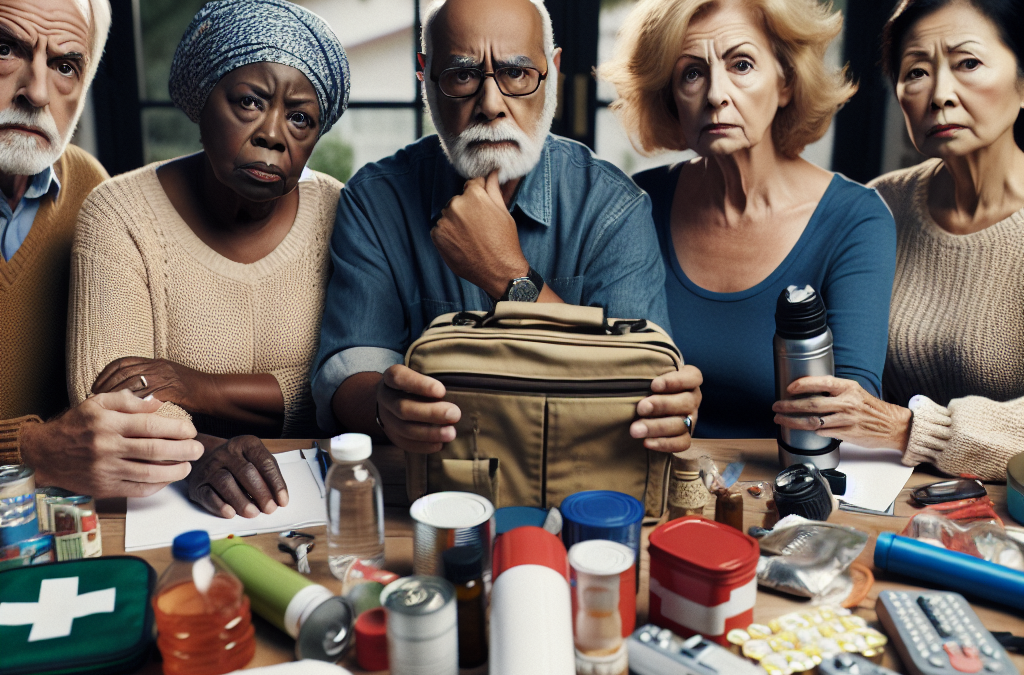
When I started gathering emergency supplies, I quickly learned that it’s about more than just water and snacks. A comprehensive emergency kit should include essential medications, extra glasses, hearing aids, and chargers for your devices. You’d be surprised at what you realize you need when you think ahead!
Don’t forget personal items that could make a tough situation slightly more manageable. A comfort item, like a favorite blanket or a family photo, can bring emotional support amid chaos. It’s nice to have something that feels normal during uncertain times.
Regularly review and update your emergency kit to ensure everything is up-to-date, especially medications and food. You don’t want to find out that your supplies expired right when you need them most!
Local Resources and Support
Connecting with Your Community
Your local community has a wealth of resources specifically tailored to seniors. I highly recommend you check in with local organizations or senior centers—they often hold workshops on emergency preparedness. It’s great to know you’re not alone and can learn from others who are in similar situations.
These centers can provide information about shelters, transportation options, and services that may be available during emergencies. This connection can really foster a sense of camaraderie and support, which can be invaluable.
Building relationships with your neighbors can also pay off. They can be essential allies in emergency situations, and knowing who you can count on nearby adds another layer of security.
Understanding Local Emergency Protocols
Every community has specific protocols for emergencies, and getting familiar with them can save you tons of stress. Attend local meetings or workshops that explain emergency strategies or evacuation procedures. Knowledge is power!
Don’t forget to register with local emergency registries if they exist for seniors or those with disabilities. Making your specific needs known to local authorities can ensure that help will be on the way when you need it most.
Lastly, keep yourself informed about any alerts or warnings issued by local agencies. Sign up for local news notifications or follow social media updates from local authorities. It’s about being proactive and staying aware!
Available Services for Seniors
When disaster strikes, having access to services that cater to seniors can significantly ease the situation. Many communities offer crisis assistance hotlines or in-home support. Familiarize yourself with these options ahead of time.
I recommend reaching out to your local Area Agency on Aging to find specific programs available in your area. They can offer resources from meal programs during disasters to transportation assistance if you need to evacuate.
Additionally, ask about medical transportation services in your area. This can be vital if an evacuation happens and you’re reliant on buses or taxis, especially those that accommodate mobility devices.
Health and Safety Considerations
Regular Health Management
Your health is always a priority, and during emergencies, it shouldn’t be any different. Make sure you have a list of your primary care physician, preferred hospital, and any specialists you see. It’s also crucial to keep an updated list of medications, dosages, and any allergies.
I keep a digital and physical copy because, you know, technology isn’t always reliable! Having this information at hand can go a long way in emergencies when time is of the essence.
Also, don’t forget about mental health. Stressful situations can weigh heavily on seniors; consider connecting with support groups or mental health resources available for seniors. It keeps you grounded and focused.
Physical Safety and Mobility
Making sure your living space is safe and accessible is another piece of the puzzle in emergency preparedness. Though it may seem simple, things like securing loose rugs, removing clutter, and ensuring good lighting can prevent accidents when you need to evacuate quickly.
Also, if you rely on mobility aids like walkers or canes, make sure they are easily accessible and functional. I’ve had instances where I couldn’t find my cane in a hurry—it’s no fun at all.
Consider also whether you would need additional assistance to evacuate if you’re unable to move quickly. Having a buddy system set up with family or neighbors can ensure you have support when help is needed.
Emergency Notifications
Last but definitely not least, stay in the loop with emergency alerts. There are several apps and services designed to send notifications about local emergencies. Always keep your phone charged and with you, so you can receive these updates anytime an emergency occurs.
Sign up for local alert systems that provide prompt notifications about weather emergencies, public safety issues, or community alerts. It’s a quick way to stay informed and prepared.
If you’re tech-savvy, consider investing in devices that can contact emergency services if you cannot—for instance, smart home devices or medical alert systems. They can be a real lifesaver!
FAQs
1. What should be included in a personalized emergency plan for seniors?
A personalized emergency plan should include your specific needs, such as medications, mobility issues, and communication methods with family or friends. Don’t forget to consider multiple scenarios like medical emergencies or natural disasters!
2. How can I connect with local resources for seniors?
You can reach out to senior centers, local organizations, or your Area Agency on Aging. They can provide invaluable workshops and resources tailored to seniors during emergencies.
3. What items are essential in an emergency supply kit?
Your emergency kit should include at least food and water, medications, hearing aids, spare glasses, chargers, and comfort items. Regularly review the kit to keep supplies fresh and relevant!
4. Why is communication so important in emergency preparedness?
Communication ensures that everyone is on the same page and knows the emergency plan. It can help relieve stress for both you and your loved ones if they know how to reach you during a crisis.
5. How can I improve my home’s safety for emergencies?
Improving home safety can include securing loose rugs, ensuring good lighting, and keeping mobility aids easily accessible. A little preparation can prevent accidents when urgency strikes!

by Preparation | Jul 30, 2025 | Preparedness
Understanding Your Environment
Mapping Out Key Locations
First things first, whenever I think of urban survival, I can’t help but stress the importance of knowing the landscape around you. Familiarize yourself with important landmarks, like hospitals, police stations, and public transport hubs. It’s kind of like playing a real-life game of Connect Four. You want those pieces in your favor, ready to snag a quick escape if needed.
Make a personalized map. This doesn’t mean pulling up Google Maps, but rather getting out there and making observations. Walk the streets, note what looks off, and where you might find shelter. The more you know, the better equipped you’ll be if you need to make a fast move.
And let’s be real—having this mental map loaded can really give you peace of mind. You won’t be scrambling to figure out how to get to safety; you’ll already have exits planned, which can take a huge chunk of anxiety away in tense situations.
Emergency Kits and Gear
Choosing Essential Items
Next, let’s chat about gear. I remember the first time I packed my emergency kit—my friends laughed at me for being overprepared. But let me tell you, they weren’t chuckling when the lights went out. Make sure your kit includes basic first aid supplies, food, water, and a flashlight. Seriously, don’t skimp on the snacks! Your brain needs fuel to think clearly in crises.
Water is a non-negotiable. Some people suggest a gallon per day per person—do your own math based on your needs, but have a plan for hydration. The ability to stay nourished and hydrated gives you way more stamina, which you’ll definitely need if you’re hightailing it out of dodge.
Last but not least, think about comfort; a good pair of sturdy shoes is a game-changer. You need to be able to move fast and far if necessary. Don’t get trapped in flip-flops, people! Invest in something durable for your escape.
Accessing Routes and Exits
Identifying Multiple Pathways
In any urban area, always have a few escape routes in your back pocket. I can’t emphasize enough the need for alternatives. Not every route is going to work during an emergency—the roads might be blocked or too crowded. Explore side streets, alleys, and parks that could lead you away from trouble. It’s like covering your bases before calling in that big project at work.
Try to drive or walk the routes you’ve identified, so you really understand how long they’ll take and what obstacles you might run into. Being aware of your surroundings means you’ll be prepared for anything, even how a spontaneous street festival might throw a wrench in your plans.
Also, keep an eye on the traffic patterns; certain areas get jammed quick. You don’t want to be caught in a bottleneck if a rush hour hits at the wrong time. Plenty of apps track real-time traffic—keep that in mind when you’re scouting your escape routes! This can save you major hassle.
Staying Calm Under Pressure
Developing a Cool Mindset
A huge piece of planning your escape is all in your mind. Figuring out how to keep your composure when the world feels upside down is crucial. I know it’s easier said than done, but practicing deep breathing can help a ton. When panic sets in, we often forget our basics—breath brings clarity.
I also recommend visualizing potential scenarios. You know, play out what you’d do if an unexpected situation arose. The more you rehearse it mentally, the less daunting it will feel in the moment. Picture yourself moving through the scenario calmly and efficiently, like a pro in an action movie.
Lastly, trust your instincts. If something feels off, don’t hesitate to act. Staying aware and listening to that gut feeling can often lead you in the right direction. Remind yourself that the goal is to stay safe, and don’t be afraid to change your plans as needed.
Practice Makes Perfect
Conducting Drills
Let’s wrap up with why it’s super important to practice your escape plans. Just like any other skill, coming up with your routes and strategies is great, but putting them into action is what makes them stick. I remember my first drill felt like playacting in my backyard—embarrassing but helpful! Grab some friends, set up scenarios, and see how everyone reacts.
Be Creative! Throw in layers of complexity: Maybe simulate a medical issue, or have someone posing questions as you mastermind your escape. Trust me, it’s eye-opening to see what works and what needs rethinking when the pressure is on. It’s all about refining those reactions until they become second nature.
Don’t forget to tweak your training to align with the season or the specific urban setting you’re in. What works during a sunny summer day in the city might not hold up during the winter month’s ice storm. Flexibility in your plans is the name of the game!
FAQ
1. What should I put in my emergency kit?
Your emergency kit should have first aid supplies, enough food and water for several days, a flashlight, extra batteries, and sturdy shoes. Don’t forget any personal items that could be important, like medications!
2. How do I find alternative escape routes?
Explore your surroundings ahead of time—walk or drive through various streets and alleys. Use apps that show real-time traffic to help identify less congested options during an emergency.
3. What should I do if I start to feel panicked during a situation?
Take a deep breath and try to ground yourself. Visualize navigating the exit calmly and focus on what you need to do next. Trust your instincts; if something doesn’t feel right, adjust your route.
4. Is it really necessary to practice escape scenarios?
Absolutely! Practicing makes your response automatic, which can save crucial time in a real emergency. The more familiar you are with your plan, the better you’ll handle unexpected challenges.
5. How often should I update my plans or emergency kit?
Check and update your emergency kit at least twice a year, or whenever you notice a significant change in your life circumstances. It’s a good time to reassess your escape routes as well!




