
by Preparation | Jul 30, 2025 | Preparedness
1. Create a Disaster Preparedness Plan
Understanding Your Risks
Let’s kick things off with the importance of understanding your location and the risks that come with it. I’ve learned that every region has its own set of potential disasters—whether it’s hurricanes, earthquakes, or floods. Sit down, grab a cup of coffee, and jot down what threats might affect your home. Knowing this can help tailor your preparedness plan significantly.
After identifying the disasters you might face, it’s great to think about the specific characteristics of your home. For instance, if you live in an area prone to flash flooding, consider how your home’s location and its elevation can impact your risk. An informed home game plan sets the stage for effective preparation!
Don’t forget to involve the whole family. Creating a solid plan isn’t just a solo gig; it should include everyone who resides in your home. Discuss possible scenarios together and talk about the importance of having clear communication and designated meeting places in case of emergencies.
Develop an Evacuation Strategy
Once you understand your risks, it’s time to focus on evacuation strategies. Imagine being caught in a crisis—knowing where to go can be key. I recommend mapping out at least two different routes to safety. That way, if one road is blocked or hazardous, you won’t be stuck twiddling your thumbs.
Include important locations in your plan, such as local shelters or the homes of friends or family. Also, make sure everyone in your household is aware of these routes—you’d be surprised how easily panic can set in if folks aren’t prepared.
Lastly, practice makes perfect! Go on a little “evacuation drill” with your family, simulating how you’d react in different emergencies. This reinforces the route and gets everyone comfortable with the plan. Remember: staying calm during a crisis is often half the battle!
Stock Up on Emergency Supplies
No disaster plan is complete without emergency supplies. I can’t stress enough the importance of having enough essentials on hand. Start with a basic kit that includes water, non-perishable food, first aid supplies, flashlights, and batteries. Trust me; when disaster strikes, you’ll be glad you prepared in advance!
After nailing the basics, take it a step further by customizing your kit. Include items that cater to your family’s unique needs—medications, pet supplies, and even comfort items could make a massive difference. I once added a few games to my kit, and you know what? It turned a tense situation into a moment of bonding.
Don’t forget to review and replenish your supplies periodically. Expired food or depleted batteries won’t serve you in a pinch, so check that kit every few months. Keeping everything fresh is essential to ensuring your kit is ready whenever disaster knocks on your door.
2. Secure Your Home’s Structure
Assess Your Property’s Weak Points
Now let’s delve into fortifying your home. I remember the moment I realized my garage door could be a weak spot during storms. Start by inspecting your home for vulnerabilities, like loose shingles or old windows that might not withstand high winds. A little TLC upfront can go a long way in protecting your shelter from the elements.
One thing I found helpful was consulting a local contractor for advice. Sometimes, a professional’s eyes can catch things I’d never notice. It’s always worth the investment to ensure your property is up to par with the local building codes and safety standards.
Lastly, when you’re securing your property, think about landscaping, too. Overhanging branches can become dangerous during severe winds. So, trim any trees that are too close to your home. Keep in mind that your home’s exterior is the first line of defense in a disaster!
Invest in Quality Safety Features
Have you ever thought about the safety features of your home? Invest in robust safety features: sturdy doors, metal shutters, and high-quality window glass. Trust me, I learned the hard way that having these can save you a ton when the storm hits.
Installing security measures like cameras and motion detectors is also a smart idea. Not only do they deter potential intruders, but they also give you peace of mind during a disaster when knowing your home is secure can be invaluable.
Evaluate and update your security system regularly. There’s always new tech on the market, and it can be quite advantageous to keep up-to-date. Plus, being familiar with your security features means you’ll know how to use them when the pressure is on!
Maintain Home Insurance
It’s so easy to forget about insurance until you really need it. However, making sure you have adequate and up-to-date home insurance is key. Take it from me; I’ve had to learn how crucial this is the hard way. Review your policy regularly and ensure it covers the types of disasters you might face.
Consider investing in additional coverage for floods or earthquakes if applicable to your location. Many homeowners are blindsided by their policies when these events occur, so don’t hesitate to ask your insurance agent questions until you have full clarity.
And don’t skimp on documenting your belongings—having a visual inventory can make filing a claim much easier if disaster strikes. It’s a small effort that will pay off big time in a challenging situation.
3. Create a Communication Plan
Establish Communication Methods
This might seem trivial, but communication is vital during a disaster. When things go haywire, having a communication strategy can keep everyone connected. I recommend designating a family member or close friend who lives outside the area as your primary contact. This person can circulate information on your behalf.
In our tech-driven world, don’t forget to include multiple communication methods—texts, emails, and social media can be valuable during a crisis. Ensure everyone knows how to reach the designated contact via different channels so that if one method fails, another can step in.
Also, be sure to discuss family members’ preferences for communication devices. Some folks prefer phones, while others might lean toward apps. Make sure you take everyone’s likes into account so that your communication plan is user-friendly for all.
Practice Regularly
Once your communication plan is established, it’s time to practice. I can’t stress how important it is to run through your plan several times a year. Pretend something is going wrong—where would you meet? What would you say to each other? This is all about making sure everyone’s on the same page and knows their role in a crisis.
It’s also a good opportunity to check your equipment, whether it’s phones or two-way radios—whatever you decide is part of your plan. Like everything else, tech sometimes acts up, and you don’t want to be fumbling with devices when the heat is on!
The more familiar everyone is with the plan, the less stress there will be when the real deal occurs. Plus, these practice runs can bring a sense of camaraderie and dependability among your family, which is invaluable!
Review Your Plan Periodically
Don’t just set it and forget it! Your family dynamics and emergency contacts may change over time, so it’s vital to regularly revisit and revise your communication plan. When you have a family meeting, go over your location-specific risks again and discuss what worked well in your previous drills.
Having an updated plan shows that you care about your family’s safety. My approach has been to schedule regular times to review and tweak our plan—just like a coach would with the game plan before each season.
Above all, it’s about keeping conversations open! Encourage your family to speak up about changes in how they want to communicate in different scenarios. This creates a culture of preparedness and makes everyone feel valued in the process.
4. Stay Informed with Local Alerts
Utilize Technology for Updates
In this digital age, staying updated is easier than ever! I highly suggest downloading local weather apps or emergency alert systems that can notify you in real-time of any dangers. Investing in a NOAA Weather Radio has also been a game-changer for me—it’s as reliable as they come in a storm!
Monitoring news sources isn’t just for weather—stay in the loop about your community’s emergency services and what they recommend. There’s a real advantage to knowing what’s happening right in your backyard, before, during, and after a disaster strikes.
Make it a point to regularly check these resources, especially during “weather season.” For me, it became a little ritual to check in over coffee weekly! The more proactive you are, the more prepared you’ll feel.
Pay Attention to Alerts and Warnings
When those alarms sound—or those notifications pop up on your screen—take them seriously! It’s easy to dismiss alerts when the weather’s calm, but having a gut check during quiet moments might just save your neck later on.
Familiarize yourself with the different alerts and what they mean. Each community may have specific codes, so understanding these can be essential for quick decision-making. Pay attention to both the general and detailed warnings—each piece of information could be crucial to how you follow up!
Seeing residents ignore warnings can be frustrating. Remember to propagate the message of preparedness throughout your community. Share what you’ve learned with neighbors—it creates a stronger community foundation when everyone is on guard!
Connect with Local Emergency Services
Being proactive also means reaching out to local emergency services. Many community centers offer classes in first aid and other emergency preparedness tools—these resources can be invaluable. It might seem like a small step, but knowing the right people and processes can make a big difference.
Consider connecting with a local community emergency response team (CERT). It’s a fantastic way to get involved and learn hands-on skills that may come in handy during the critical moments after a disaster strikes.
Foster relationships with your local fire and police departments too. Getting to know them can make you feel more secure and informed about resources available in your area. Plus, it can be reassuring to know who you can turn to in an emergency!
5. Practice Regular Drills
Schedule Your Drills
When I first started planning for disasters, getting my family to do drills felt like pulling teeth. However, scheduling regular drills is crucial. Treat it like an event; mark it on the calendar just like you’d do for a birthday! Having a set time gives everyone the chance to prepare their minds.
Incorporating elements of fun into these drills can help with engagement. For instance, I often turn it into a mini-competition with rewards for completing certain tasks. Who doesn’t love a little bit of motivation during serious prep?
Plus, remember that these drills don’t have to be exhaustive. Even simple exercises like “how to turn off utilities” can go a long way. Little bits of practice go a long way in building confidence come crunch time!
Consider Different Scenarios
When practicing your drills, consider various scenarios. What would you do in an active shooter situation versus a natural disaster? Tailoring your drills to include multiple types of emergencies covers all bases and prepares your family for different outcomes.
Gather your family and discuss what to do in each scenario before putting it into practice. This way, everyone understands what’s expected of them. Role-playing can feel silly but is extremely effective—by putting yourself in different shoes, you can prepare for the worst!
Also, make it a point to augment your home drills with community events. Many organizations offer emergency prep sessions that simulate various scenarios, and these can be helpful in honing your skills in a realistic setting!
Evaluate and Adjust
As with anything in life, it’s important to evaluate how your drills go. After each practice, have a brief family chat. Discuss what went well, what felt awkward, and what could be improved. This open dialogue encourages continuous improvement and made a big difference in our family practices.
Don’t be afraid to make adjustments based on feedback—certain drills may not resonate as much as others. Tailoring your preparations based on experience ensures that everyone feels more connected and engaged in the process.</
by Preparation | Jul 30, 2025 | Preparedness
Understanding Cultural Diversity
Recognizing Different Cultural Norms
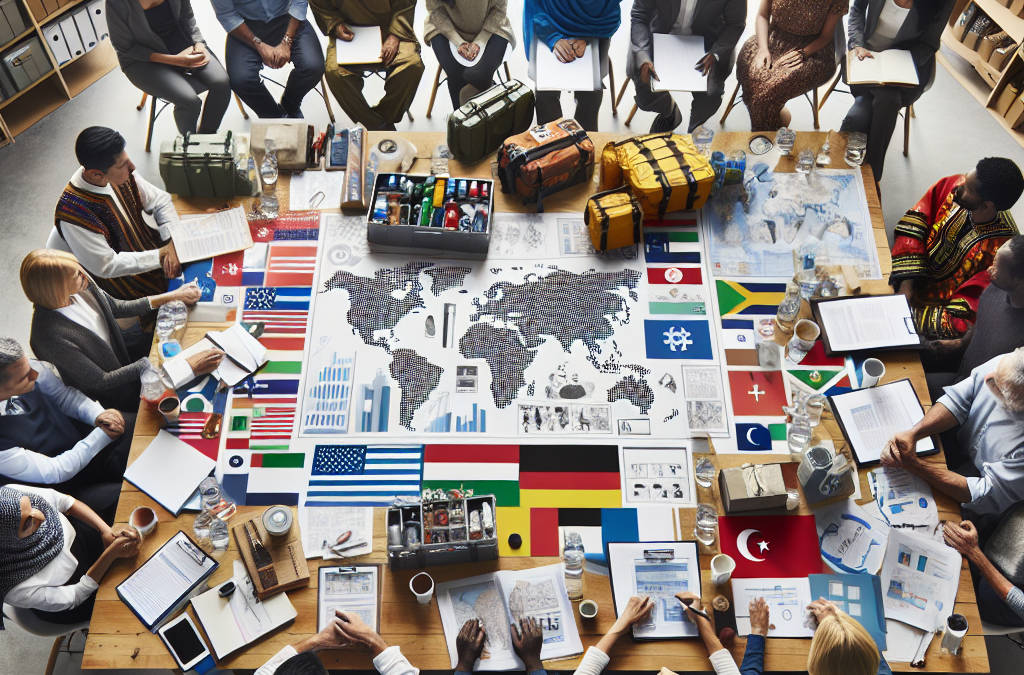
When I started working on community preparedness, I quickly realized just how diverse the communities I was dealing with were. Each group had its unique set of cultural norms that influenced how they interpreted risks and responded to emergencies. Understanding these differences became crucial. For instance, some cultures might prioritize family gatherings as a first response, while others rely heavily on institutional instructions.
It was a real eye-opener for me to see how different beliefs and values shaped people’s perspectives on safety and security. Engaging with various community leaders helped me gather insights into what those norms were. By spending time with them, I developed a better understanding of how to create a more inclusive and effective preparedness plan.
Without recognizing these cultural nuances, any preparedness plan could fall flat. It’s vital for us as planners to immerse ourselves in the community’s cultural outlook. A little effort goes a long way in enhancing trust, leading to a more resilient community when faced with crises.
Language Barriers
Language plays a huge role in how communities prepare for emergencies. In my experience, failing to accommodate language differences can leave entire communities in the dark about vital information. When I put together preparedness materials, I always made it a point to translate them into the predominant languages of those communities.
One time, working in a multilingual neighborhood, I collaborated with local schools to create bilingual pamphlets. The feedback was incredibly positive! It turned out that families were more likely to engage in preparedness activities when they understood the information in their own language.
Going beyond just translation, I learned that incorporating visual aids also helped overcome language barriers. Infographics, pictures, and easy-to-read bullet points could convey critical information even for those with limited reading skills. It’s all about making sure that everyone feels informed and involved in their own safety.
Community Engagement Techniques
Getting the community involved is another key aspect. I found that organizing workshops in different neighborhoods allowed for open conversations about preparedness. People were more receptive when they could discuss their concerns actively. This co-creation not only empowered the community but also ensured the plans resonated with their experiences.
We also discovered that using local events, like festivals or farmer’s markets, as platforms to share preparedness information was super effective! It created a laid-back atmosphere where people were willing to stop, chat, and learn without feeling overwhelmed by the seriousness of the subject.
Building relationships with community members is about trust. When they saw us genuinely interested in their needs, it became a partnership rather than just a top-down approach. Effective engagement leads to better preparedness and boosts morale, making everyone feel like they’re in it together.
Incorporating Community Values
Identifying Core Values
When the time came to incorporate community values into our preparedness plan, I was amazed at how much joy and pride people took in their customs. Each community I worked with had core values that defined them. For some, it was about coming together as a family during crises; for others, it was about maintaining traditions through challenging times. Understanding these values helped me design a plan that was truly reflective of each community’s spirit.
Aside from the values, I also learned the importance of honor in certain cultures. Many groups place a high value on respect and honor, with some even having rituals that involve ancestors during emergencies. By respecting and incorporating these traditions into our plans, we found deeper connection points with the community.
Ultimately, the takeaway was clear. If we wanted to build a community preparedness plan that truly resonated, we had to align it with their core values. This understanding fosters a natural sense of ownership among community members, leading to better engagement overall.
Utilizing Cultural Competence
Cultural competence is a skill I’ve invested a lot in mastering over the years. It enabled me to engage more effectively with diverse community groups. It’s not just about knowing a few facts; it’s about understanding and appreciating those differences. I always remind myself to be approachable and open-minded when interacting with different cultures.
One practical skill I honed was active listening. I truly took the time to listen and seek clarity on how people felt about various issues related to preparedness. This approach not only improved my knowledge but also made residents more comfortable in expressing their thoughts and concerns.
Ultimately, practicing cultural competence means that you’re committed to ongoing learning. Each interaction serves as a learning opportunity to understand how best to engage with communities, thus enriching both professional and personal experiences.
Building Trust Through Transparency
In my journey towards building community preparedness, I learned that transparency is vital in establishing trust. I made it a priority to communicate openly about what our preparedness plan entailed, how decisions were made, and who was involved. Residents appreciate honesty, especially when it comes from someone who genuinely cares about their well-being.
Creating an open-door policy where community members could approach us with their thoughts and suggestions was important. This not only built trust but also fostered a stronger partnership between us and the community. I realized early that people were more likely to engage in preparedness activities when they felt they were included in the process.
Finally, I found that consistently providing updates, particularly during emergencies, goes a long way in reinforcing that trust. By sharing real-time information and being upfront about challenges, we built a resilient community that remained proactive even in tough times.
Educational Outreach
Creating Targeted Educational Programs
When it came to educational outreach, I quickly identified the need for targeted programs. Not every community will respond the same way to general preparedness education, and that’s something I learned the hard way. By focusing on specific needs and challenges faced by distinct groups, we could create effective educational sessions.
I started partnering with local organizations and schools to help reach diverse audiences. We emphasized hands-on learning experiences, which resonated well with participants. This kind of engagement made them feel like they weren’t just students but active participants in their preparedness education.
Topic-wise, we tailored our programs to cover culturally relevant information that aligned with their values. For instance, incorporating examples from their everyday lives made the lesson plans more relatable. This approach allowed community members to see preparedness as not just a task, but a lifestyle.
Empowering Community Leaders
Empowerment is a big theme I’ve witnessed over the years. One of the most effective ways to enhance educational outreach is by empowering local leaders to take charge. I’ve found that training community leaders enables them to share knowledge with their own networks effectively. They often have established trust, which makes them credible messengers of preparedness.
I remember a particular instance where we conducted workshops specifically for community leaders. Instead of just handing them information, we encouraged them to share their perspectives and techniques for engagement. The outcome? A ripple effect where leaders could multiply the impact of the training by sharing it with their communities.
Empowering leaders not only educates but also fosters a sense of ownership over the preparedness process. They become champions of change and advocates within their communities, creating a more robust preparedness culture overall.
Leveraging Technology for Outreach
Technology has played a huge role in how I approach educational outreach. Digital platforms allow us to reach even the most remote communities. Utilizing social media, apps, and websites helped share information quickly and effectively. I started collaborating with tech-savvy individuals within the community to enhance our outreach capabilities.
Webinars and virtual workshops became a mainstay, especially during the pandemic, bridging the gap when in-person gatherings weren’t possible. We utilized storytelling and local examples, making our virtual interactions just as engaging as face-to-face meetings.
As we continued to innovate our outreach strategies through technology, we realized that using interactive platforms led to more engagement. Polls, Q&As, and “Ask Me Anything” sessions facilitated a dynamic two-way conversation that made residents feel included and heard.
Feedback and Continuous Improvement
Encouraging Community Feedback
One of the best lessons I’ve learned is the importance of gathering community feedback. After implementing our preparedness plan, I started creating simple channels for community members to share their thoughts and suggestions. Whether through surveys or community gatherings, the aim was to create a continuous cycle of feedback.
In my experience, community members often have insights that surprise you! Their unique perspectives helped me better understand what worked and what didn’t. For instance, a community member once mentioned that the information sessions were too formal, leading us to revise our approach and make it more inviting and relaxed.
Encouraging this feedback fosters a sense of collaboration and makes the community feel valued. People appreciate being able to voice their opinions and witness their feedback lead to tangible changes in the plan.
Implementing Changes Based on Feedback
Taking feedback seriously is crucial. I learned that when community members see their suggestions result in changes, it builds trust and engagement. Each time we adjusted our plan, based on their input, we showcased our commitment to doing what’s best for the community.
For instance, after receiving feedback on the accessibility of our meeting locations, we adjusted our venues to better accommodate everyone. Enabling all members of the community to participate enhances our preparedness efforts.
This iterative process of implementing feedback ensures that the preparedness plan adapts over time, staying relevant to the community’s evolving needs. Ultimately, it’s about creating a living document that grows alongside the community.
Establishing a Review Process
Lastly, establishing a regular review process ensures that everything stays on track. I made it a point to set quarterly meetings where we would assess the effectiveness of our preparedness efforts. During these meetings, we celebrated successes and identified areas needing attention or adjustment.
In our reviews, I’ve found that involving community partners brought additional value. They provided insights into how our plans were impacting the community positively or negatively. It was an excellent platform for collaborative problem-solving, enhancing both our plan and our relationships.
This commitment to review fosters accountability and transparency in the preparedness process, allowing for a smoother transition through challenges. It reminded all of us that preparedness is not just a one-time task but a continuous journey.
FAQ
1. What are some key cultural considerations in building a community preparedness plan?
It’s essential to understand cultural diversity, address language barriers, engage effectively with the community, incorporate their values, and always promote educational outreach.
2. How can language barriers affect community preparedness?
Language barriers can lead to miscommunication and misinformation about important safety measures, making it critical to create translated materials and use visuals to ensure everyone understands the information.
3. Why is community engagement important in preparedness planning?
Engaging the community fosters trust, ownership, and empowerment. It allows for the creation of a plan that reflects the needs and experiences of local residents, ultimately resulting in a more resilient community.
4. How do I empower community leaders to effectively communicate preparedness?
Providing training and resources for community leaders helps them share knowledge within their networks. This approach leverages their established trust and credibility, enhancing the overall outreach.
5. What role does feedback play in improving preparedness plans?
Feedback is crucial for making necessary changes to preparedness plans. It allows communities to feel heard, ensures that plans remain relevant, and fosters a culture of collaboration and continuous improvement.
by Preparation | Jul 30, 2025 | Preparedness
Choosing Your Homestead Location
Assess Your Needs
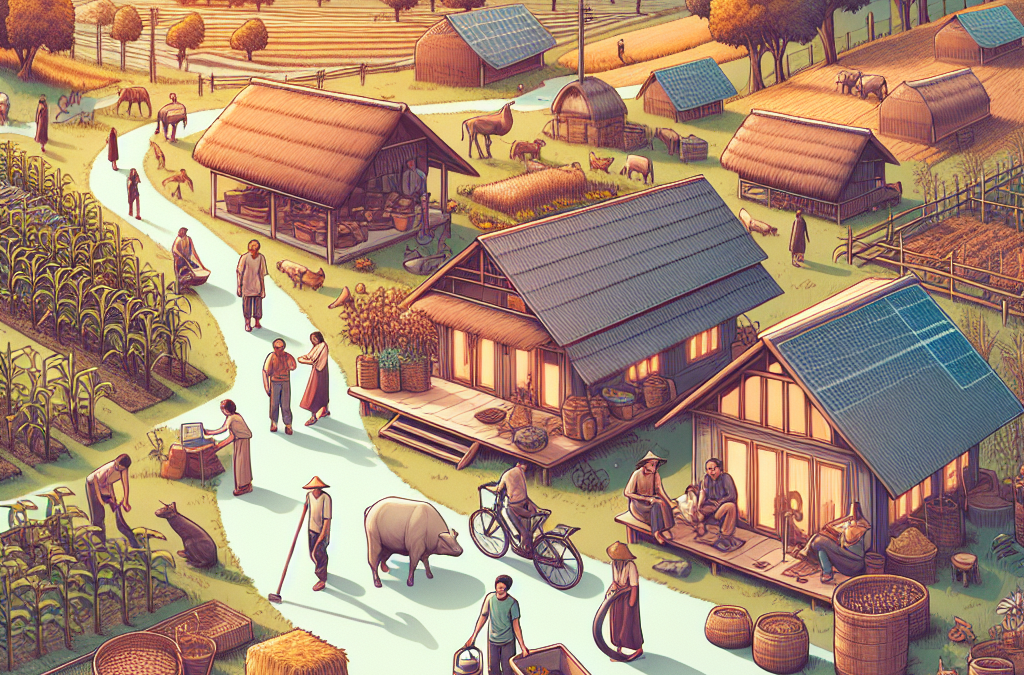
When I first thought about moving to the countryside, I had all these dreams of having a little patch of paradise. It was essential for me to figure out what I needed in terms of space, resources, and proximity to the necessities—like grocery stores and medical services. Take some time to jot down what’s important for you. Are you looking for a quiet retreat or a more communal setting?
Also, be aware that some locations are more conducive to self-sufficiency than others. Do your homework on the climate, soil quality, and local resources. You don’t wanna end up somewhere that makes it a hassle to grow your own food or access clean water!
And, of course, think about the kind of lifestyle you want. Rural living can vary wildly, from turnover rates of land to community vibes. Make sure the area has the cultural flavor and community feel you’re looking for.
Understanding Zoning Regulations
Okay, so here’s a reality check: zoning laws can be a total thorn in your side if you’re not aware of them. Each area has its own set of rules about land use, so make sure you dive into this boring but necessary paperwork. It’ll save you a world of headache later.
For example, some places have restrictions on what kind of livestock you can keep, while others might limit your ability to build structures. Knowing what’s allowed can help you avoid legal issues and make more informed decisions about your homestead.
Trust me, nothing sucks the joy out of your dream homestead faster than being served with a cease and desist because you didn’t check the zoning laws. Get in touch with your local planning office; they’re usually pretty eager to help.
Accessing Resources and Utilities
When I first made the leap to rural living, I didn’t realize how important access to water, electricity, and other utilities would be. Make sure to evaluate what’s available in your chosen area. If you like the idea of being off-grid, research how to set up your own systems.
With water, it’s crucial to know whether you can drill a well or if the area has reliable water access. Prices can skyrocket if you need to truck water in, so plan accordingly!
As for electricity, consider whether you want to connect to the grid or go solar. The initial investment can be steep, but it pays off in the long run—literally! Look into local companies that specialize in solar setups; they often have incentives that can lower your costs.
Growing Your Own Food
Starting a Vegetable Garden
So, you wanna grow your own food? Awesome! The first steps in starting a vegetable garden are getting your hands dirty—and I mean that literally. Prepare your soil by tilling it and adding compost or organic matter. Healthy soil is your best friend!
Next, consider what veggies you love to eat. I’ve found that planting perennials like asparagus and rhubarb can be a great move since they’ll come back year after year. But don’t be shy! Experiment with herbs and seasonal veggies—there’s nothing quite like plucking fresh basil for your pasta sauce.
Remember, start small and grow from there. The more you experiment, the better you’ll understand your needs and your soil. It’s all about trial and error, and hey, even the pros have their off days!
Fruit Trees and Berry Bushes
On my quest for self-sufficiency, I quickly realized fruit trees and berry bushes are the gifts that keep on giving. After they’ve established themselves, they require far less effort than replanting every season! Plus, let’s be real: nothing beats fruit fresh off the branch.
I highly recommend choosing varieties that grow well in your region. Apple trees, blueberry bushes, and blackberry brambles are fantastic options. Just keep in mind that they need the right conditions to flourish, so check local advice on what might thrive in your area.
Don’t forget about maintenance! Pruning and occasional pest control are a must, but it’s relatively low-key, especially compared to the needs of a full veggie garden. Just sit back and watch them grow while you sip your morning coffee!
Storing Excess Produce
Once your garden bursts forth with delicious goodies, you’ll need a plan for how to store all that extra produce. Trust me, you don’t wanna find out the hard way that cucumbers go bad fast! I recommend canning or freezing, which can keep your harvest fresh all year long.
If you’re new to preserving, start simple. Canning tomatoes is a great gateway project. As you get comfortable, you can branch out into pickles, jams, or whatever floats your boat. There are so many online resources that guide you through each step—it’s just like a cooking show without the camera!
And don’t forget about sharing with your neighbors! Building community is a big part of rural living, and sharing your bounty can lead to friendships and alliances that make living in a rural area even more fulfilling.
Raising Animals for Food
Chickens for Eggs
Ah, chickens! If you like eggs and have a bit of space, raising chickens is pretty much a no-brainer. They’re relatively easy to care for and they provide a steady supply of fresh eggs. Not to mention, they’re quite entertaining to have around!
Start with a small flock to gauge what works for you. Keep in mind that different breeds lay different amounts of eggs. I started with Rhode Island Reds because they produce well and adapt easily. Make sure to give them a cozy place to roost, and they’ll be happy chickens!
Just remember, chickens are social creatures. The more, the merrier, as they say! However, don’t go overboard right off the bat; manage your expectations and resources. Soon enough, you’ll have a feathered squad that’ll be the talk of the homestead.
Goats for Milk
If you’re looking to up your self-sufficiency game, let’s talk goats! Not only are they adorable, but they provide a fantastic source of milk. Plus, they’re great at clearing brush if you have some unruly landscaping.
There’s a learning curve, of course, but once you get the hang of it, they’re worth the commitment. Plan on starting with a couple of dairy breeds, like Nubians or Saanens. They’ll require shelter, some fencing, and regular milking, but they’re super rewarding.
Milk from your goats can be turned into cheese, yogurt, ice cream—you name it. It’s like having a mini dairy right at home! Just remember to check local ordinances regarding livestock to keep everything above board.
Bees for Honey
Now, let’s not forget about bees! If you’ve got a garden thriving, adding bees is a fantastic way to boost pollination and get sweet, delicious honey. Plus, they play a crucial role in the ecosystem, and who doesn’t want to support our buzzing buddies?
I’ll be honest: beekeeping isn’t for the faint of heart. There’s a learning curve, and it’s important to go into it with the right mindset. I started off with a local beekeeping course, which was super helpful and allowed me to connect with experienced keepers.
Once you get the hang of it, the rewards are plentiful. Fresh honey is an amazing treat, whether it’s drizzled on toast or mixed in tea. And trust me, your plants will thank you for the vibrant bee population flying around!
Building Community Connections
Finding Local Support Groups
Living in a rural area can sometimes feel isolating, especially when you’re just starting out. That’s why I can’t stress enough the importance of finding local support groups. These folks are usually loaded with knowledge and ready to help you navigate aspects of self-sufficient living.
I joined a local community group focused on sustainable living, and it really was a game-changer. From gardening tips to animal care advice, the camaraderie of like-minded individuals can make the learning curve less steep—and much more fun!
Many areas also offer workshops and events, so keep your eyes peeled for bulletin boards or social media pages where these are posted. Don’t be shy; they want you to get involved!
Trading and Bartering
Once you’ve settled in a bit, consider looking into trading or bartering with your neighbors. It’s a time-honored tradition that can build community ties. Whether it’s swapping a dozen eggs for a basket of tomatoes or trading fresh herbs for a freshly baked loaf of bread, it fosters great relationships.
Plus, when you get to know your neighbors, you’ll find opportunities to collaborate on projects—be it sharing tools, skills, or even labor. It’s a win-win situation, and it’s all built on trust.
And let’s be honest, trading makes life just a bit sweeter. You’d be surprised how many goods and services can be exchanged without cash. Get creative; you’ll soon find your community bursting with talent!
Participating in Local Events
Finally, don’t underestimate the power of local events. Farmers’ markets, harvest festivals, and craft fairs are not just fun; they’re also great opportunities to showcase your own skills and products. Engaging in these activities will help you meet others who share your interests while supporting local agriculture!
Add to the vibe by volunteering at these events. You’ll gain valuable social capital, meet local farmers, and start forming a network. Plus, who doesn’t want to try amazing homemade pies or fresh jams?
And those relationships can help you navigate the often tricky waters of rural homesteading. Establishing your footprint in the community will make your journey toward self-sufficiency that much more enjoyable.
FAQs
1. What is self-sufficient living?
Self-sufficient living involves becoming less reliant on external systems by growing your own food, raising animals, and creating a sustainable lifestyle that meets your basic needs.
2. Is it expensive to start a homestead?
While initial investments can be high, particularly in land and infrastructure, many aspects of homesteading can become more affordable over time as you cultivate your own resources.
3. Can I really grow enough food for my family?
Many people successfully grow most of their food by strategically planning their garden and expanding it over time. Starting small and assessing what works best for your family is key.
4. Do I need a lot of land to be successful?
Nope! You can practice self-sufficiency on smaller plots of land. Urban gardening and container gardening can also yield lot of produce with limited space.
5. How can I build a supportive community?
Joining local groups, participating in community events, and networking with neighbors can help you establish connections. Staying involved in local initiatives fosters relationships that promote support and collaboration.
by Preparation | Jul 30, 2025 | Preparedness
Essential Tools for Roadside Assistance
Jumper Cables
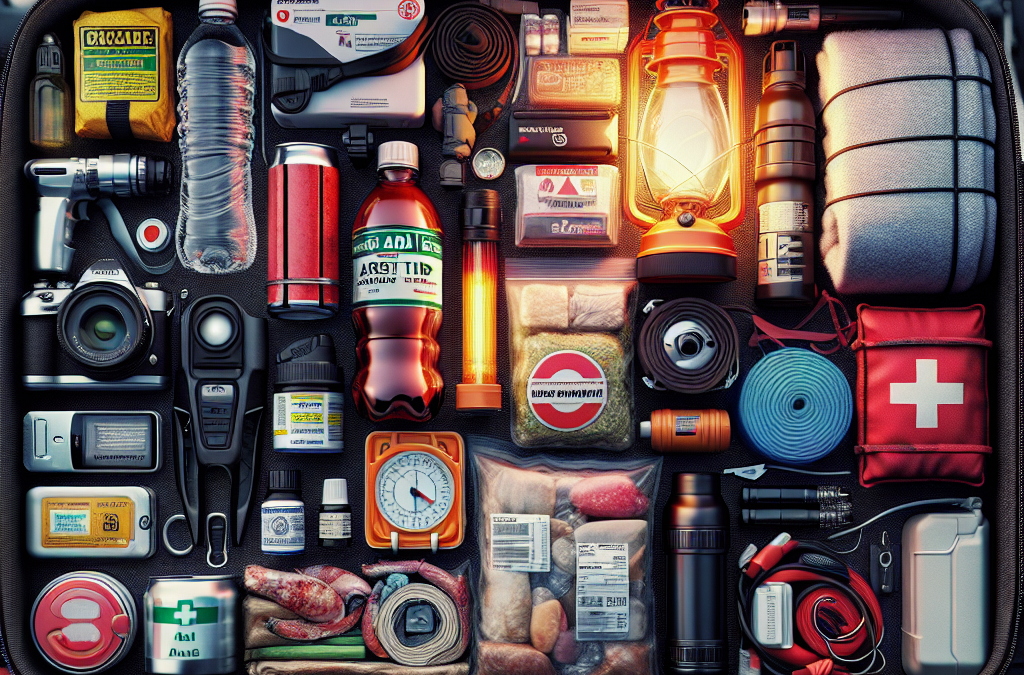
One of the most crucial items I’ve found in my car emergency kit is a good set of jumper cables. There’s nothing like the sinking feeling of getting into your car and realizing the battery is dead. Trust me, your day can go from bad to okay with just a quick jump start. Make sure you get cables that are long enough to reach across cars—nothing is worse than realizing they’re too short when you need them the most.
When picking out jumper cables, aim for a gauge of 6 or lower, which indicates they can handle a stronger current. The last thing you want in an emergency is a weak set of cables that can’t get the job done. I personally prefer cables that come with detailed instructions, just in case you need a refresher on how to jump a car.
Also, don’t forget to check them regularly for wear and tear. Just because they’re in your kit doesn’t mean they’ll work perfectly! If they look frayed or damaged, it might be time for an upgrade.
First Aid Kit
You’d be surprised how many people overlook packing a first aid kit for their car. I mean, you never know when a small accident could happen—a paper cut, a bug bite, or a blister from a long road trip. Having a basic first aid kit can really ease those little annoyances. Look for a kit that includes adhesive bandages, antiseptic wipes, and gauze.
If you’re like me and enjoy outdoor adventures, consider adding some extras like tweezers for splinters and even a cold pack for unexpected bumps and bruises. It’s super handy when you’re miles away from the nearest pharmacy.
And remember, just packing the kit isn’t enough! Make it a habit to check the contents regularly and replace any items that get used or expire. You don’t want to be in a bind, only to find your antiseptic is outdated.
Flashlight and Extra Batteries
A flashlight is another must-have in any car emergency kit. Picture this: it’s dark, you’re on the side of the road, and you need to see what’s going on. A flashlight can not only light your way but also signal for help if needed. I like to have a sturdy, rechargeable flashlight—those little mini ones just won’t cut it for serious situations.
Don’t just throw the flashlight in there though; make sure you also have extra batteries. It’s always a good idea to pack them in a waterproof bag, just in case. Check the flashlight every few months to ensure it still works and that your batteries aren’t leaking.
Plus, a simple headlamp can work wonders too—hands-free light while you dig through your trunk or attempt to change a tire? Yes, please! It’s one of those small gadgets that might just save the day.
Emergency Supplies You Can’t Ignore
Water and Non-Perishable Snacks
When I hit the road, I always make sure to pack extra water and some non-perishable snacks in my emergency kit. You’d be amazed at how dehydrated and hungry you can get if something goes awry and you’re stuck waiting for help. A couple of bottles of water should suffice, along with snacks like granola bars or nuts that can keep for a while without spoiling.
Pro tip: Look for snacks that are energy-dense but light, so you’re not lugging around a ton of heavy items. I love having a mix of protein and carbs to really keep my energy up if needed. A small stash can really make a difference.
Make sure to check the expiration dates on your food items regularly! You may think it’ll last forever, but you might be surprised by what can go stale or bad. Rotate your supplies just like you’d do in your pantry.
Blankets and Warm Clothing
Weather can be unpredictable, and trust me, getting stuck in the cold can be beyond uncomfortable. I always pack a couple of warm blankets in my trunk along with an extra set of warm clothing. Even in summer, it can sometimes turn chilly at night, especially if you’re in a remote area.
Make sure those blankets are not just lightweight fleece, but also something that can keep the heat in. My go-to is a thicker emergency survival blanket that’s compact and reflective—it’s cheap and incredibly effective.
And don’t forget a beanie and gloves! It’s often easy to overlook these small items until the moment you genuinely need them. Being prepared for temperature drops is one of those simple things that can really keep your spirits high in a frustrating situation.
Road Flares or Reflective Triangles
If you’ve ever seen an accident scene, you’ll know how important visibility is in emergency situations. A set of road flares or reflective triangles is vital for alerting other drivers of your presence if you’re stuck. I make sure to have a couple of flares on hand; they’re effective and straightforward to use.
Reflective triangles are a nice touch too, especially if you prefer something reusable. Just set them up behind your car, and they’ll help prevent any further accidents by letting drivers know you’re in distress. You could even make it a habit to practice setting these up in your driveway; it’s just one of those things that can feel a bit challenging when you’re nervous.
And let’s be real, we all appreciate anything that can make a tough situation a little less daunting. Both of these items will give you and any onlookers peace of mind while waiting for help to arrive.
Staying Informed: Emergency Contacts and Resources
List of Important Contacts
This might sound basic, but having a list of important contacts saved in your car can be a lifesaver. I keep a little laminated card with numbers for family, friends, and even my roadside assistance service. In an emergency, you might forget phone numbers, even those of your closest relatives!
Along with personal contacts, consider jotting down local emergency services numbers, too. You never know when you may need them. And if you have kids, pack a special list that includes a trusted neighbor’s number as well—it’s just good thinking.
Stash that list somewhere safe and easily accessible, like in your glove compartment, so you’re not fumbling around when stress hits. Sometimes it’s perfect to cover your bases, and this is one of those times.
Emergency Roadside Assistance
Having a roadside assistance plan is like having a good friend you can call when things go sideways! I highly recommend signing up for one if you haven’t already. There’s always peace of mind knowing you can call for help if your car breaks down, or you’re dealing with a flat tire.
Before hitting the road, be sure to have your membership information on hand, either in your phone or in your emergency kit. That way, you’re ready to make that call without scrambling through your paperwork. Trust me, organization counts when the nerves kick in!
Plus, in most cases, these services offer more than just towing. They often provide help with lockouts and running out of fuel as well, so having that membership can cover multiple bases. You never know what might happen, and it’s better to be prepared.
Emergency Apps for Your Phone
In this tech-savvy world we live in, utilizing your smartphone to stay informed during emergencies is on the table. I downloaded a few emergency apps that provide everything from car trouble assistance to navigation for the quickest routes when you’re stranded. It takes some of the stress away, knowing I can track my family’s location or get quick access to help.
Look for apps that provide real-time updates on things like weather conditions, traffic alerts, and emergency contact options. Some apps even allow you to store all your important information securely so you won’t lose it if your phone dies.
Just remember to keep your phone charged! That little battery icon becomes all too real when you’re in a tough spot, so occasionally check up on your charging habits before heading out on any adventures.
Frequently Asked Questions
What should I prioritize in my car emergency kit?
The top priorities should include jumper cables, a first aid kit, water, snacks, and a flashlight. Beyond these essentials, think about your personal needs and habits to customize your kit even further.
How often should I check my emergency kit?
I recommend checking your emergency kit at least twice a year. Make sure everything is in order, and replace any items that are expired or used. It’s a good habit to get into!
What snacks are best for an emergency kit?
Energy-dense non-perishable snacks are ideal! Look for items like granola bars, trail mix, or jerky. They provide quick energy and can last quite a while without spoiling.
Can I include personal medications in my emergency kit?
Absolutely! If you have medications that you need on hand, consider adding a supply to your car kit. Just remember to keep them in a safe, temperature-regulated spot to avoid any degradation or damage.
Is it necessary to have roadside assistance, or can I rely on my emergency kit?
While having a well-stocked emergency kit is super important, roadside assistance helps when the situation is too challenging to handle alone, like a major breakdown or if you lock your keys inside your vehicle.

by Preparation | Jul 30, 2025 | Preparedness
1. Identify Shared Values and Goals
Understanding What Self-Reliance Means
First things first, you need to figure out what self-reliance means to you and the kind of community you want to create. Self-reliance is not just about being independent; it’s about having the skills, knowledge, and mindset to tackle life’s challenges. Sit down, jot down what self-reliance looks like in practical terms, and look for others who resonate with those ideas.
Once you have this clarity, it’ll help guide your conversations with potential community members. Think about things like sustainability, local resources, or DIY skills. These shared values will be pivotal in attracting like-minded individuals who appreciate this vision.
Trust me, when you clearly articulate what self-reliance means for your community, it’ll resonate with those who are looking for the same kind of connection. It’s all about paving the way to see who’s right there with you on this journey.
Engaging Your Community in Discussions
Getting people involved in conversations about these shared values is crucial. Start hosting community gatherings, workshops, or even online discussions. Use social media, local community boards, or word of mouth to spread the word about these meetups.
During these discussions, encourage everyone to share their experiences and insights. The more personal stories you gather, the more you’ll foster a sense of belonging. People want to feel heard and valued, and these interactive sessions will be the backbone of your community.
Over time, as you facilitate these discussions, you’ll see your community members start forming connections. They’ll start to feel like they belong—like you’re all in this together. And that’s when the magic happens!
Creating Action Plans Together
Let’s face it; talk is cheap. To build a strong community, you need actionable plans that align with your shared values. Collaboratively brainstorm projects or initiatives that everyone can rally behind, whether it’s starting a community garden, organizing workshops on self-sufficient living, or even planning skill-sharing events.
Having these goals keeps the energy alive. Plus, working on these tasks together enhances the bond within the community and makes everyone feel more invested in the collective growth. Celebrate small wins along the way; it boosts morale and fosters camaraderie!
Remember, when your community sees their ideas come to life, it reinforces their dedication to the cause. You’re not just talking; you’re doing, which is what self-reliance is all about!
2. Foster Trust Among Members
Building a Safe Space
Creating a supportive environment is key. It’s all about fostering trust, which takes time and effort. Be transparent about your intentions and lead by example. Share your own vulnerabilities and experiences; this encourages others to do the same. A safe space allows members to express themselves without judgment, making it easier for everyone to connect.
Encourage open dialogue, where members can address concerns and celebrate triumphs together. Whether it’s a virtual chat or a face-to-face meeting, communication is vital to establishing trust. Be responsive and approachable; let everyone know their voice matters.
With time, as members start to feel more comfortable, you’ll see deeper connections forming. You want people to feel they can rely on each other, not just for skills, but also for emotional support. That’s the bedrock of a self-reliant community.
Encouraging Collaboration and Support
In my experience, collaboration is one of the best ways to build trust. One great idea is to create a buddy system or mentoring pairs where seasoned members can help newcomers. This not only empowers individuals but also strengthens the community fabric. Additionally, organizing group projects that require teamwork can cultivate relationships that might not have formed otherwise.
Also, don’t underestimate the power of celebrating each other’s successes. When someone achieves something—big or small—make it known! It reinforces a positive atmosphere and encourages everyone to strive for their own goals.
Trust builds over time, but it can be easily broken. So keep working on it! A community that supports one another in both action and spirit is a dynamic, self-reliant community.
Addressing Conflicts Constructively
Let’s be real—conflicts will happen. It’s part of any group dynamic. But instead of avoiding issues, tackle them head-on. Set the tone early on that disagreements can happen, but it’s how you work through them that counts. Make conflict resolution a part of your community norms.
When tensions arise, create a platform for open dialogue where all parties can express their feelings in a respectful manner. Use mediation techniques, if necessary, to guide these discussions, aiming for mutual respect and understanding.
Remember, conflicts, when handled well, can actually strengthen trust. It shows that your community is resilient and capable of navigating challenges together. And that’s a beautiful thing!
3. Utilize Online Platforms for Connection
Finding the Right Tools
In today’s digital world, online platforms can make a huge difference in connecting like-minded folks. Start by scouting out social media groups, forums, or apps that align with your community’s interests. I’ve found platforms like Facebook Groups or Discord to be incredible for discussing ideas and sharing resources.
Make sure the platforms you choose allow for easy communication among members. Look for options that support both written and visual content. This way, everyone can engage in ways that they’re most comfortable with.
Also, think about the kind of content that sparks engagement. Shared articles, DIY tutorials, or even inspirational quotes can get the conversations flowing and keep everyone motivated to participate.
Creating Virtual Events
Hosting virtual events is another great way to keep the community spirit alive, especially in this increasingly remote world. Whether it’s workshops, webinars, or casual hangouts, virtual events can draw in members who may not be able to attend in-person gatherings.
When planning these events, keep the format interactive. No one wants to sit through a lecture! Encourage members to share their thoughts, experiences, or showcase their skills. Interactive elements, like Q&As or breakout sessions, can make these gatherings much more lively.
These virtual platforms can also serve as archives—record sessions for members to refer back to later. Plus, it keeps the knowledge flowing, and new members can benefit from past discussions, solidifying a continuous learning environment.
Maintaining Engagement Between Meetups
One mistake I see often is communities just going silent between events. To counteract that, I suggest you establish regular posts or threads that encourage ongoing conversation. Weekly prompts or challenges can get the discussions rolling and remind everyone to engage consistently.
Additionally, consider sending out newsletters to your community. Share highlights from events, resources learned, upcoming plans, and even personal stories from members. Keeping your community informed helps maintain that connection and reinforces unity.
Remember, the more interaction you foster, the more the community becomes a part of daily life for its members. It should feel like a home, not just a club!
4. Organize Local Meetups
Choosing the Right Location
When it comes to fostering relationships, face-to-face time is invaluable. So, organizing local meetups should be on your to-do list! First, you’ll want to choose a place that’s convenient and comfortable for everyone. Parks, local libraries, or community centers can be great options as they provide an informal yet engaging setting.
Make the meetups appealing by incorporating activities related to self-reliance—like a potluck where everyone shares a dish made from locally-sourced ingredients. These informal gatherings encourage conversations while allowing everyone to showcase their skills.
Also, ensure that the chosen venue is a place where members feel comfortable. This means considering accessibility and the atmosphere. You want to build a positive vibe, so choose a place where everyone can relax and be themselves.
Planning Engaging Activities
Let’s talk about activities! The key to a successful meetup is to keep things interesting. Plan hands-on workshops where members can learn and practice self-reliant skills together. I’ve hosted sessions on gardening, cooking, and crafting that doubled as learning experiences and social mixers.
Games and icebreakers are another fantastic way to loosen everyone up and encourage interaction, especially for newcomers. The goal is to create a vibe where everyone feels included and excited to share and participate.
Don’t forget to mix it up! Regularly solicit feedback from members on what they want to learn or experience. Being responsive to these suggestions keeps the community vibrant and helps everyone feel valued.
Connecting with Other Communities
While it’s great to focus on your community, it’s also beneficial to connect with other local like-minded groups. Collaborating on events, projects, or initiatives can expand your outreach and introduce fresh perspectives. Plus, it’s all about building a larger network of self-reliant individuals who can share knowledge and resources.
Consider co-hosting events with other community groups that share similar values. This not only strengthens ties but also invigorates your members by exposing them to new ideas and practices.
Building those bridges fosters a more resilient and supportive environment for everyone involved. And who knows? You might just discover some amazing collaborations along the way!
5. Celebrate Community Milestones
Recognizing Achievements
There’s something incredibly uplifting about celebrating milestones, no matter how big or small. Whether it’s reaching a goal, successfully completing a project, or welcoming new members, taking time to acknowledge these events fosters a shared sense of accomplishment within your community.
For instance, host quarterly gatherings to highlight what everyone has achieved. It can be as simple as sharing stories, but it reinforces that you’re all working towards a shared vision. This also encourages more participation because everyone likes to be recognized!
Making a big deal about achievements cultivates pride in the community and reminds everyone why they’re part of it in the first place. Plus, it encourages others to step it up and find ways they can contribute!
Creating Traditions
Establishing traditions can significantly enhance the identity of your community. Consider creating recurring events or annual gatherings that members can look forward to. Whether it’s a seasonal festival, skill-sharing day, or community clean-up, having these traditions fosters a sense of belonging.
Traditions also create a sense of continuity, reminding members of their journey together. When you include everyone in these traditions, it gives them a stake in the community’s evolution and direction.
Plus, it’s a fantastic way to attract new members! Traditions can become the highlight of your community that others want to join in on. It’s all about building that reputation and showcasing what you stand for!
Documenting Your Journey
Lastly, do not underestimate the power of storytelling. Document your community’s milestones, projects, and experiences through blog posts, videos, or a shared scrapbook. Having a record of the journey not only honors achievements but also provides inspiration for future members.
Sharing successes and stories helps reinforce the strong bonds formed through your collective efforts. It also serves as a powerful tool to attract new members who resonate with the vision and values you’ve established.
Moreover, it’s a way to remind existing members of how far they’ve come together. The journey is essential, and documenting it creates a rich tapestry of experiences that encapsulate the spirit of your community.
Frequently Asked Questions
1. How do I start forming a community?
Start by identifying common values and interests among potential members. Host informal gatherings to discuss these themes, and slowly build connections through shared experiences.
2. What platforms can I use to connect with members?
You can use social media platforms like Facebook and community-specific apps like Meetup or Discord to facilitate discussions and organize events.
3. How can I encourage participation in the community?
Encourage participation by creating engaging activities, acknowledging each member’s contributions, and ensuring that everyone feels heard and valued.
4. What should I do when conflicts arise within the community?
Address conflicts constructively by promoting open communication and mediation. Establish norms around conflict resolution to guide discussions and foster understanding.
5. Why is celebrating milestones important?
Celebrating milestones fosters a sense of belonging and pride within the community. It also encourages participation and strengthens the connections among members.

by Preparation | Jul 30, 2025 | Preparedness
Family Members
Involving Everyone
When it comes to crafting a family emergency plan, involving every single family member is crucial. After all, everyone has their unique perspectives and talents to contribute. I’ve found that including kids also helps them feel prepared and less anxious if something goes down. Plus, let’s face it—kids often have wild ideas that can spark unexpected solutions!
A family meeting is the best way to kick this off. It’s like our own version of a brainstorming session where everyone can share their thoughts. I usually set a laid-back vibe with some snacks because who doesn’t love snacks? From young ones to grandparents, everyone’s input matters.
Once we gather everyone, I encourage open dialogue about what emergencies they’re most concerned about. This builds a sense of ownership and responsibility for the plan. When family members feel involved, they are more likely to take the plan seriously and know exactly what to do when the time comes.
Assigning Roles
Each family member should have a specific role during an emergency. I usually start by assessing everyone’s strengths. For instance, my oldest child is great with technology, so I assign them the task of keeping our communication lines open during a crisis. It’s all about utilizing our unique skills!
Along the same lines, I designate a “go-to” person for various scenarios. Maybe one family member handles getting supplies together, while another is responsible for keeping contact numbers updated. This not only streamlines the process, but it also gives everyone some responsibility to take pride in.
Remember, the roles can also evolve based on circumstances. Having flexibility is super important. If one person isn’t available during an emergency, having clearly defined back-ups can make all the difference.
Practicing Together
Having a plan is great, but practicing it makes it truly effective! I can’t stress enough how important it is to run through the plan as a group at least once a year. Think of it as a family drill! From fire drills to evacuation routes, practicing can reveal gaps in our plan we might have overlooked.
During practice sessions, I make sure to ask questions and poke holes in our strategy. What if someone isn’t home? What if we can’t get to the car? Addressing these “what-ifs” will ensure we’re not left scrambling in a real emergency.
And let’s be real, practicing can be fun! We often turn it into a game with rewards for the best performance or even create a fun little video documenting our drill. It’s a great bonding experience while ensuring that we’re ready for whatever life throws our way.
Local Emergency Services
Connecting with Authorities
Speaking from experience, it’s super helpful to establish a relationship with our local emergency services. I recall once organizing a meet-and-greet with our local fire department. They didn’t just show up, but they really engaged and taught us a ton about safety protocols.
These connections can come in handy; they can provide us with community resources we may not even know about. Through these relationships, I’ve learned about upcoming community safety seminars or even family safety days that they host. It’s like having a direct line to helpful resources!
Also, they can advise us on best practices for creating safer homes. Having professionals share their knowledge not only builds trust in the community but really empowers us to make informed decisions during an emergency.
Training Opportunities
Along with connecting, I highly recommend taking advantage of training opportunities offered by local services. For example, signing up for CPR and first aid classes can be a game-changer. It’s something I wish I had done sooner! The skills you learn can literally save lives.
In my hunt for these classes, I’ve found that many are often free or low-cost, making them accessible to everyone. Not only do we gain valuable skills, but we also meet like-minded families who are concerned about safety and preparedness just like us!
Plus, after the training, it’s great to return with the whole fam and share what we learned. Nothing beats the feeling of knowing you’re prepared for emergencies, and being able to share that knowledge is even better!
Resources and Materials
Local emergency services often have a treasure trove of resources. I’ve picked up everything from brochures to checklists that have helped us solidify our plan. These resources offer guidance on everything from emergency contacts to evacuation routes.
One thing I found super useful was a customizable emergency plan template they provided. It allowed us to jot down all our critical information that we might not remember in the heat of the moment. And, spoiler alert: it was a lot more detailed than I’d initially thought!
In the end, having these materials to refer to gives me peace of mind. It puts all our emergency information in one place, making it easier for our family to stay organized and informed in times of uncertainty.
Schools and Community Groups
Collaborating with Schools
Schools play an integral role in emergency planning and response. It’s smart for families to engage with school officials to understand what the school’s emergency plans are. I remember having a heart-to-heart with my kids’ principal about the safety drills they conduct.
Getting involved can help parents stay informed about school policies regarding emergencies and also help us discuss them at home. Knowing that there’s a consistent plan for our kids outside of our home helps put our minds at ease.
Moreover, hosting workshops with school officials can present opportunities for parents to ask questions, voice concerns, and actively participate in what should happen in real crises, which shows that we’re all in this together!
Networking within Community Groups
Joining local community groups can also provide a wealth of information and resources. When I started attending neighborhood association meetings, I discovered an incredible network of families focused on emergency preparedness. They bring in experts for talks and share best practices that we can implement at home.
I’ve also gleaned insights into resources available for families that I wouldn’t have known about otherwise. Sometimes, community members offer to lead workshops, and this leads to great collaborations amongst families when establishing their plans.
Don’t underestimate how powerful community connections can be. The more we share knowledge and resources, the better prepared we’ll all be in the face of any emergency.
Creating a Network of Support
Building a network of trusted friends can be incredibly valuable when planning for emergencies. I often head over to my neighbors and chat about our emergency plans. This way, we all know who to rely on during tough times. It’s been comforting to find a group of folks who are eager to support one another.
It’s also wise to create a buddy system. Assigning families in your area as standby contacts for each other can ensure you’re never truly alone during a crisis. These are the people who can check on one another and make sure everyone is accounted for.
Ultimately, having this support network enhances our sense of security, knowing that we aren’t just relying on ourselves when the going gets tough!
Professional Experts
Consulting Safety Professionals
Sometimes, I find it’s worth my while to consult safety professionals, particularly when I feel our plan needs a refresh or a deeper dive. I had a home safety inspection done once, and it opened my eyes to several vulnerabilities I never even considered.
These experts can offer practical advice and strategies that tailor to our specific needs. Whether it’s fire safety, first aid, or natural disaster preparedness, their insights can really elevate our emergency strategy to the next level.
They can also provide valuable training that family members can take advantage of, which is super useful when trying to build up everyone’s skill set together.
Workshops and Training Sessions
Look out for workshops conducted by professionals! I learned so much from attending a local emergency preparedness workshop hosted by a local Red Cross representative. These sessions are typically jam-packed with information and even actionable strategies.
It’s a great way to engage in hands-on learning. We’ve had opportunities to role-play various emergency situations, which really fills our knowledge gaps and prepares us for real-life situations!
Plus, workshops often foster collaboration, as they bring together people from various backgrounds. It’s a chance to learn from each other and create a little community of preparedness advocates.
Creating a Customized Emergency Plan with Experts
After learning from various professionals, I recommend taking the leap to create a customized plan. They can guide me through an assessment of our unique family situation. Together, we dive into specifics like the layout of our home, our family’s schedules, and our individual needs.
This personalized approach can unearth corners we might have avoided and help in recognizing potential risks only a professional could foresee. Knowing we have tailored guidance gives me so much confidence that we’re on the right track!
Finally, working with an expert can help with distributing essential information among family members effectively, assuring we have a concise but thorough emergency guide to follow. It’s like having a built-in support system!
Conclusion
Creating a family emergency plan is no small feat, and it certainly isn’t something to do alone. Whether it’s family members, local emergency services, schools, community groups, or professionals, involving a variety of voices ensures that we’re prepared for anything life throws our way. So, let’s get together, make plans, and keep our loved ones safe!
FAQs
1. Why should I involve my entire family in creating an emergency plan?
Involving everyone creates a sense of ownership and responsibility, making it more likely they’ll follow the plan when needed.
2. How can local emergency services assist in our planning?
They can provide resources, training workshops, and valuable advice tailored to your community needs.
3. What are some roles I can assign to family members?
Roles can include establishing communication points, gathering supplies, or being responsible for planning exercise drills.
4. How often should we practice our emergency plan?
It’s beneficial to practice at least once a year, allowing the family to remain familiar and comfortable with the plan.
5. Are there any costs associated with getting professional help for emergency planning?
While some consultations and workshops may have associated fees, many local resources and workshops are often low-cost or even free!




