by Preparation | Jul 30, 2025 | Preparedness
Understanding the Basics of Rainwater Harvesting
The Importance of Rainwater Collection
Let me tell you, collecting rainwater isn’t just some trendy thing to do; it’s downright essential. First off, we all know water is life, right? So having a backup source can be a lifesaver. Plus, it’s a sustainable way to cut down on your utility bills. Imagine using collected rainwater for your garden or washing your car!
Besides the practicality, think about the environmental impact. By harvesting rainwater, we reduce stormwater runoff, which helps keep our local waterways cleaner. Trust me, this system can make a real difference.
When I first started, I was amazed by how easy it is to harness nature’s water gifts, and it had me feeling like an eco-warrior. It’s fascinating to think that this simple practice can help combat the water crisis we sometimes hear about.
Components of a Rainwater Collection System
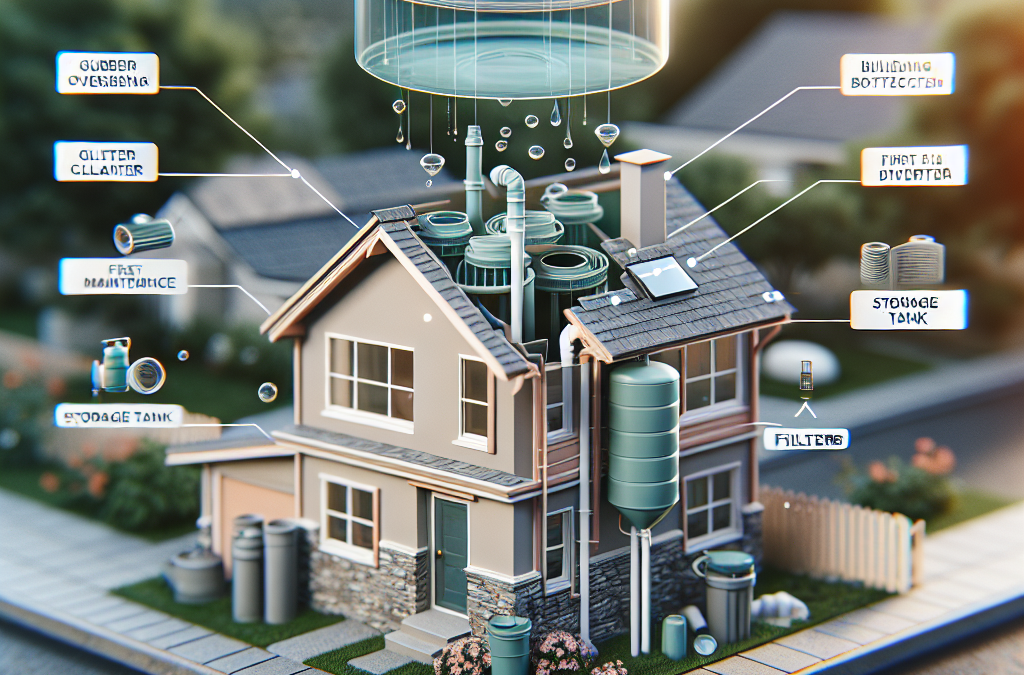
Alright, let’s dive into the nuts and bolts. A rainwater harvesting system generally includes a catchment area (like your roof), guttering, a downspout, and a storage tank. It might sound simple, but each piece plays a crucial role. Trust me, getting the right components makes all the difference.
There’s also the filtration system, which is super important to keep your stored water clean and safe for uses like irrigation. Without it, you might end up with all sorts of gunk in your tank, which is definitely not what you want.
Don’t skimp on the quality of materials either. A sturdy tank and reliable filters can save you headaches down the line. I made some mistakes with cheaper materials in my early days, and let me just say, I learned my lesson!
Legal Things to Consider
Before you get all gung-ho and start building your system, check your local regulations. In some places, rainwater harvesting is encouraged, while in others, there might be limits or specific guidelines to follow.
Every municipality is different, and it’s important to comply with any guidelines to avoid fines or complications. I remember when I jumped in without doing my homework and faced a bunch of red tape afterward. Definitely not fun!
Once you know the legal landscape, you can feel good about your project. It’s empowering to contribute positively to the environment while sticking to the rules.
Setting Up Your Rainwater Collection System
Choosing the Right Location
Location, location, location! You’ve gotta pick the right spot for your collection system. Ideally, you want an area that receives ample rainfall and is easy to access. Trust me; you don’t want to be lugging buckets across a muddy yard!
I like to set my tanks close to the house so I can connect them easily to my downspouts. This not only makes things efficient, but it also helps ensure I’m utilizing every drop of rain that falls.
If you have trees or other structures nearby, consider how they affect rainwater flow. I learned the hard way that certain branches can block rain, so keep those in mind when deciding where to place your system.
Installing the System
Now comes the fun part—installation! If you’re a DIY enthusiast like me, you’ll find it pretty satisfying to get your hands dirty. Follow the manufacturer’s guidelines for the specific components you buy, but I can give you a general idea of how it goes. You’ll start by installing your gutters and downspouts to ensure water flows into your collection tank.
Connecting the tank is usually a straightforward process. I remember the first time I hooked mine up; it was exhilarating to see the water start filling up the tank after a rain.
As you’re setting everything up, don’t forget to install a first flush diverter if you can. It helps ensure that the initial dirty water from the roof doesn’t contaminate your storage tank. Trust me; you’ll thank yourself later for it!
Testing Your System
Once everything’s in place, it’s time to test things out! After the next rain, keep an eye on your system and see how it performs. You’re looking for any leaks, blockages, or issues with water flow. The last thing you want is a nasty surprise after all your hard work.
Don’t worry if you find a hiccup here or there. I had my share of troubleshooting too. Use this time to tweak and improve your setup. Sometimes a simple adjustment can make a world of difference.
If all goes well and your system fills up, you’ll want to test the water quality as well. Just to be safe! It can be a bit of work, but it’s a rewarding experience that reassures you your system is running smoothly.
Maintaining Your Rainwater Collection System
Regular Inspections
Maintenance is key to keeping your system functional. Get into the habit of inspecting your gutters and tank regularly. You’d be surprised at how quickly debris can pile up. I usually check mine after significant storms to clear any leaves or dirt that may have accumulated.
Watch for any signs of wear and tear, too. If you spot something that doesn’t look right, nip it in the bud before it escalates. Trust me, catching issues early saves time and money!
Also, keep your filtration system in top shape. This is what keeps your water clean, and it’s easy to forget. Regular cleaning should become part of your routine maintenance.
Cleaning the System
It’s not the most glamorous task, but cleaning your rainwater system is essential. I recommend doing a thorough clean at least once a year. Empty your tank, scrub it down, and make sure there’s no algae build-up.
While you’re at it, I find it helpful to give the gutters a good clean too. Removing any dirt, leaves, and debris helps facilitate better water flow when it rains.
After everything’s cleaned up, refill your tank, and you’ll be surprised at how fresh and invigorating it feels to have clean water stored up and ready to use!
Using Your Collected Rainwater Wisely
Finally, it’s all about how you use that collected water. Just because you’ve got it doesn’t mean you can use it for everything! Be mindful of where your rainwater goes. I typically use mine for watering my indoor and outdoor plants, and it works wonders.
Many people also use collected rainwater for flushing toilets or washing their cars—great for saving on the water bill. Just make sure you’re aware of what can and can’t be done with it, depending on local guidelines.
After all this work, it’s quite gratifying to see the positive impact you’re making, both for your home and the environment. You might find yourself falling in love with this eco-friendly practice just as I did!
Frequently Asked Questions
What are the primary components needed for a rainwater collection system?
The basic components include a catchment area like a rooftop, guttering to collect water, downspouts to channel it into a storage tank, and filtration to keep the water clean. It’s crucial that each component is chosen carefully to ensure optimal performance.
How do I know if rainwater harvesting is legal in my area?
Before starting your project, it’s important to check local regulations regarding rainwater harvesting. Laws can vary greatly by location, and some areas encourage it, while others may have restrictions. A quick call or visit to your local government’s water department can save you from potential headaches later on.
How can I maintain my rainwater collection system effectively?
Regular inspections and cleaning are key to maintaining your system. Make it a habit to check your gutters and tank frequently for debris or any signs of damage. Cleaning out your filtration system at least once a year helps ensure you’re collecting clean water.
Can I use collected rainwater for drinking purposes?
Using rainwater for drinking can be done, but it requires proper treatment and filtration to be safe. If you’re considering this, it’s essential to research and implement the necessary purification systems to meet health regulations in your area.
What are some practical uses for collected rainwater in the home?
Collected rainwater can be used for various purposes, such as watering plants, washing vehicles, and flushing toilets. It’s a great resource for irrigation in your garden, helping you save on your overall water bill while giving back to the environment.
by Preparation | Jul 30, 2025 | Preparedness
Human Health Impacts
Immediate Effects of Radiation Exposure
Let’s be real—radiation is no joke. When someone gets exposed to high levels of radiation, the immediate effects could be brutal. Things like nausea, vomiting, and fatigue can hit hard and fast. Honestly, you wouldn’t want to find yourself in that situation. It isn’t just about bad vibes; it’s about feeling physically awful.
These symptoms can onset very quickly after an acute exposure, often within hours. What’s scary is that some folks might not realize what’s happening to them at first. It can throw a wrench in your plans, making it essential to recognize the signs and seek help immediately.
In addition, the psychological aftermath can also be daunting. People often feel a sense of fear and anxiety about their health after these disasters, which can linger long after the physical symptoms fade away. That emotional toll is just as significant as the physical damage done.
Long-Term Health Risks
The long-term risks of radiation exposure can be even creepier. Cancer is the big bad wolf here. Those who’ve been exposed to significant radiation may have an increased risk of various cancers years down the line. It’s a grim truth that many don’t like to think about but ignoring it won’t help.
Other potential long-term effects include cardiovascular diseases and damage to your thyroid. Studies have shown that radiation can impact organs that we might not even immediately think about. Keeping an eye on your health post-exposure is crucial.
Your mental well-being plays a role too. Survivors often deal with anxiety and depression stemming from the event. It’s vital for folks to have access to mental health support to process what they’ve gone through and rebuild their lives.
Vulnerable Populations
And, of course, we can’t forget about vulnerable populations. Kids, pregnant women, and even the elderly are at greater risk during radiological events. Why? Their bodies are more susceptible, and the long-term effects can hit harder for them. It honestly breaks my heart when I think about how these disasters can impact those who are already vulnerable.
This vulnerability is a reminder for all of us to stay informed and prepared. When we know that certain groups are at a higher risk, it motivates us to create safer environments and advocate for better disaster preparedness.
The community plays an essential role here. Helping one another during crises—especially those most at risk—fosters resilience and supports recovery efforts across the board.
Environmental Impacts
Contamination of Land and Water
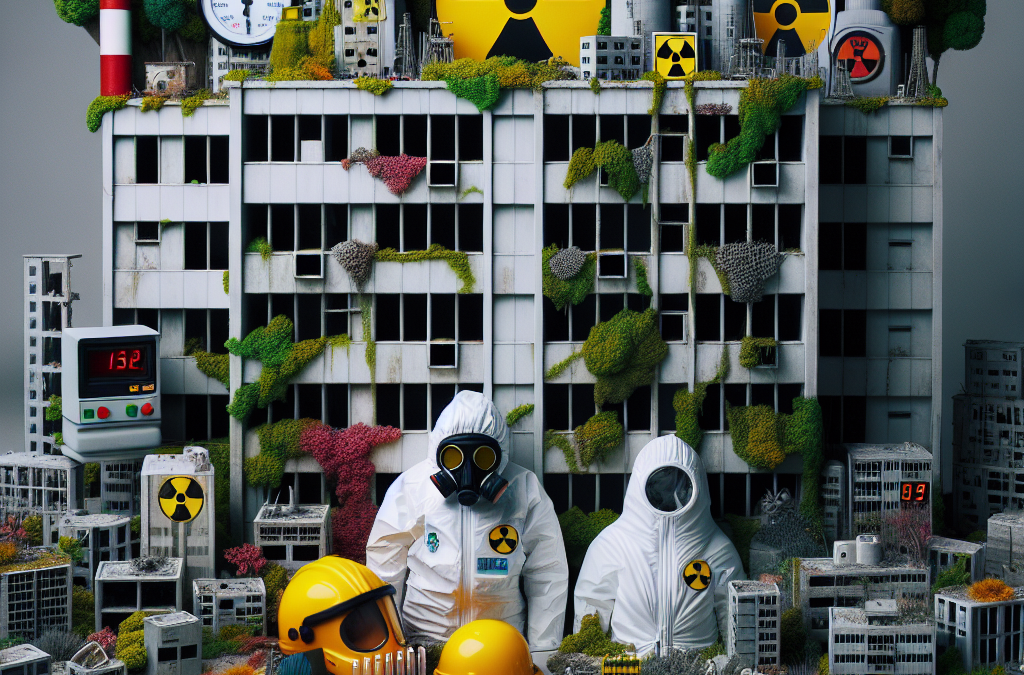
Now, let’s dive into the environment. One of the major issues following a radiological disaster is the contamination of land and water. The impact can last for decades, or even longer in some cases. Sites can become uninhabitable for a long stretch of time, and that’s a big deal!
Water sources can also be compromised, making them unsafe for drinking or irrigation. This can result in food shortages and health crises, creating a vicious cycle of issues. People need clean water, and when that gets messed up, it’s a problem shared by everyone.
As someone who has seen the effects of environmental disasters firsthand, I can say that the scars they leave can take generations to heal. It’s vital for society to develop robust cleaning and containment responses to deal with the fallout.
Impact on Flora and Fauna
Let’s talk about our furry and green friends. Radiological disasters don’t just affect people; they also have devastating effects on wildlife and vegetation. You can imagine that once an area is contaminated, the native species suffer, often leading to drastic declines in their populations.
This decline can disrupt entire ecosystems, creating imbalances that have long-lasting effects. It changes the landscape—both literally and figuratively—transforming vibrant areas into ghostly reminders of their former selves.
It’s sad to think about, but recovery for affected wildlife can take years. We really need to think about how we can mitigate these impacts ahead of time and preserve what we can.
Economic Consequences
Lastly, let’s touch on the economic fallout. After a radiological disaster, local economies can crumble. Property values can plummet, and businesses may close down for good. People are often hesitant to return—and who can blame them? The fear of radiation lingers long after the physical cleanup is done.
Tourism can take a massive hit as well, which can starve a community of much-needed revenue. With fewer visitors, local services suffer, creating a ripple effect of economic hardship. Recovery isn’t just about cleaning up; it’s about revitalizing a community.
As someone interested in marketing and community resilience, I believe we need to foster proactive approaches to recovery, so that when disaster strikes, communities aren’t left in the dust, financially or emotionally.
Preparedness and Response
Emergency Plans
So, how do we get ourselves set up for success? Well, emergency planning is a biggie. Communities need to create and communicate clear emergency plans for radiological disasters. This means everything from evacuation routes to communication methods for keeping everyone informed.
I remember a community drill I participated in; we learned about these plans firsthand, and it was honestly eye-opening. Preparedness isn’t just a bunch of jargon—it’s what can save lives when the crunch comes.
Having these plans in place also helps to mitigate panic and confusion when an actual disaster occurs. Clear communication can guide people and keep emotions at bay during a tense time.
Education and Training
Education is key! Folks need to know what they’re up against and how they can protect themselves. Community workshops could provide training on recognizing signs of exposure and how to decontaminate yourself if you find yourself in a disaster zone.
Kinda wild to consider how much power knowledge can give us. It can help individuals and communities band together and respond effectively, transforming a potentially chaotic situation into one where everyone knows what’s going on.
Having trained personnel ready to step in is vital too. First responders who have dealt with radiological threats can make all the difference in those early hours of a crisis. It’s refreshing to see communities prioritizing this level of preparation.
Community Engagement
Last but not least, community engagement is an essential piece of the puzzle. When people come together to prepare for potential disasters, it builds a sense of unity and resilience within the community. Sharing resources, planning, and participating in drills allows everyone to feel more secure and informed.
One thing I’ve noticed is that engaged communities handle crises better. There’s a certain trust that builds when people collaborate on preparation efforts. It’s reassuring to know that we can rely on each other when push comes to shove.
Plus, it’s pretty empowering to take action. People love being part of solutions, and when we rally together, we create stronger, safer environments for everyone.
Regulatory and Safety Measures
Government Regulations
Government regulations play a pivotal role in managing the risks associated with radiological disasters. There are strict rules dictated by organizations meant to keep us safe. These guidelines often revolve around proper containment measures, emergency response protocols, and worker safety measures.
Having those regulations in place is crucial—not just for preventing disasters but also for effectively responding when they do happen. I’ve seen communities that are proactive about implementing these standards set an example for others.
It can create a culture of safety where everyone knows their responsibilities and can act accordingly. In times of crisis, that culture can be life-saving!
Safety Training for Workers
Safety isn’t just about regulations; it’s personal, especially for those working in industries where exposure risks are higher. Regular training about safety procedures can empower workers to keep themselves and their colleagues safe. This kind of training can be lifesaving.
For example, learning to identify radiation hazards and how to mitigate those risks can create a safer workplace. Remember, those frontline workers become our first line of defense during a disaster.
So, when I think about safety training, it’s all about building a culture of vigilance. Workers should feel confident and equipped to face hazardous situations, and that starts with comprehensive training.
Community Involvement in Regulation
Lastly, community involvement in regulations is super important. It’s one thing to have regulations on paper, but when folks are involved in the process, it adds a layer of insight that’s invaluable. Communities can bring their experiences and knowledge to the table to create better regulations.
Public forums, discussions, and participation in licensing processes can result in regulations that truly reflect the community’s needs and concerns. This isn’t just top-down governance; it’s a collaborative approach that can foster trust.
From my experience, when local voices are heard, the regulations are often more effective and embraced by the community since people feel like they have a stake in their safety protocols.
Conclusion
In conclusion, understanding the risks of radiological disasters requires a multi-faceted approach. From grasping the health implications and environmental impacts to ensuring preparedness, response, and safety measures, it’s a lot to digest. But facing these challenges head-on can ultimately foster resilience and community strength.
My takeaway? It’s essential for all of us to stay informed, engaged, and prepared to tackle these very real risks together. When we band together and take knowledge to heart, we create safer worlds for our families and communities.
FAQ
1. What are the immediate health effects of radiation exposure?
Immediate effects of radiation exposure can include symptoms like nausea, vomiting, and fatigue. These symptoms can present themselves within hours of exposure, highlighting the need for prompt medical attention.
2. How does radiation affect the environment?
Radiation can contaminate land and water sources, making them unsafe for living organisms. It can disrupt ecosystems and lead to declines in plant and animal populations, impacting biological diversity.
3. Why is community engagement important in disaster preparedness?
Community engagement fosters collaboration and trust among residents. When people work together to prepare for disasters, they create a network of support that can make a significant difference in recovery efforts.
4. What role do government regulations play in preventing radiological disasters?
Government regulations set safety standards for industries and establish protocols that help prevent disasters from occurring. These regulations ensure that organizations are equipped to handle potential radiological risks effectively.
5. How can individuals prepare for a radiological disaster?
Individuals can prepare by creating emergency plans, participating in community drills, and staying informed about safety protocols. Being knowledgeable and ready can help mitigate the impacts of a radiological event.
This HTML article provides insight into the understanding of radiological disasters, structured to be informative and approachable. The tone is friendly and personal, aiming to both educate and engage the reader.
by Preparation | Jul 30, 2025 | Preparedness
Diverse Skill Sets Enhance Flexibility
Understanding Cross-Training
Cross-training in survival skills is all about diversifying the abilities you can call upon. It’s like not putting all your eggs in one basket! When you’re out in the wild, relying on a single skill can be limiting. For instance, if you’re a pro at building fires but can’t navigate back home, you might find yourself in a sticky situation. That’s why mixing it up is key.
From my own experience, I’ve found that learning to forage for food complements my navigational skills beautifully. When I can recognize edible plants while knowing how to read the terrain, my chances of survival soar. The more skills you have under your belt, the quicker you can adapt to any curveball nature throws at you.
Plus, diversifying your skill set keeps things interesting. Instead of getting bored with the same routine, you’re constantly challenging yourself, which helps to solidify what you learn. After all, who wants to be stuck in a rut when learning about survival can be so much fun?
Building Confidence Through Mastery
Practice Makes Perfect
One of the coolest things about cross-training is the confidence it builds. I remember the first time I successfully started a fire using only my surroundings—it was a euphoric moment! By learning various techniques, from friction-based methods to modern fire starters, I felt capable and ready for anything.
When you’ve invested the time to master different skills, it boosts your survival mindset. Suddenly, situations don’t seem so overwhelming. For instance, if you’re lost in the woods, having multiple navigation techniques under your belt reduces panic and increases problem-solving abilities.
Confidence isn’t just about knowing what to do; it’s also about trusting yourself to pull it off. I’ve found that the more I practice, the more I trust my instincts, which is vital when you’re out there facing the great unknown.
Adapting to Different Environments
The Value of Versatility
Let’s face it: nature doesn’t always play nice, and environments can vary wildly. Cross-training allows me to adapt my skills to whatever situation I find myself in. Whether I’m hiking in the mountains or camping by a lake, having a range of survival skills ensures I’m prepared for any scenario.
For example, in a forested area, my skills in shelter building and food foraging come in handy. But if I find myself near a body of water, knowing how to fish or purify water moves to the forefront. It’s like having my own toolkit of awesomeness, and I get to choose the right tool for the job!
Being adaptable doesn’t just help in survival situations; it enhances my enjoyment of nature, too. I mean, who wouldn’t want to be the person who can whip up a meal on a camping trip or navigate back to camp when the sun sets?
Collaborative Learning Opportunities
Learning with Others
One of the best parts of cross-training in survival skills is how much you can learn from others. During group adventures, I’ve picked up countless tips and tricks from fellow enthusiasts. It’s an amazing way to not only enhance your own skills but also build camaraderie.
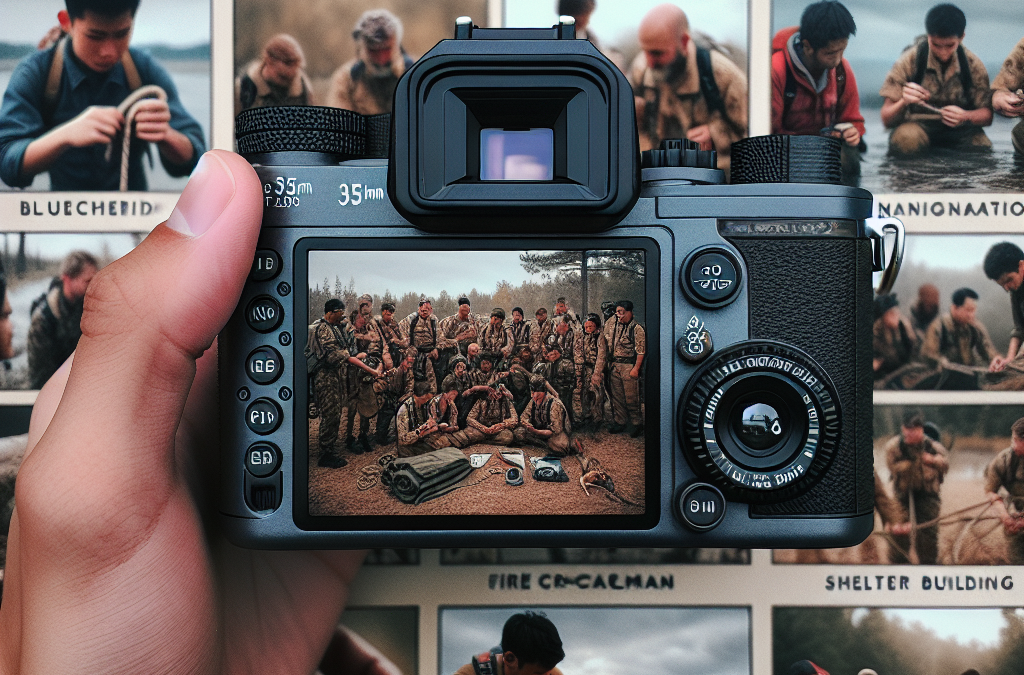
Take a wilderness survival course, for example; you’re bound to meet people with diverse backgrounds. Whether it’s a military veteran or a nature guide, everyone has something unique to offer. These collaborative experiences are invaluable, and they often lead to lifelong friendships.
Additionally, sharing skills with friends can reinforce what you’ve learned. Teaching someone else is a great way to deepen your understanding. When you explain how to build a shelter or start a fire, it solidifies your knowledge, while also fostering a sense of community around essential skills.
Preparing for the Unexpected
The Reality of Survival Situations
Finally, life is unpredictable. Cross-training helps prepare you for unexpected circumstances by arming you with a stash of survival skills. Trust me when I say it’s not just about ‘if’ something goes wrong, but ‘when.’ Being prepared can make all the difference in critical moments.
I remember a backpacking trip where a sudden storm hit. Having cross-trained in both navigation and emergency shelter building meant that instead of freaking out, I could act swiftly. Understanding how to identify shelter materials and create a safe space proved invaluable at that moment.
Each experience adds to your arsenal, making you better equipped to handle surprise situations. The more flexible and knowledgeable you are, the more effectively you can respond. This level of preparedness can turn anxiety into action—a huge win for any survivalist!
FAQs about Cross-Training in Survival Skills
1. What is cross-training in survival skills?
Cross-training in survival skills refers to the practice of diversifying your knowledge and abilities to enhance your survival capabilities in various situations. Instead of focusing on just one area, it encourages learning multiple skills to adapt to different environments.
2. How does cross-training improve confidence?
Confidence in survival situations often stems from practice. When you master a variety of skills, you feel more capable of handling unexpected challenges. This trust in your abilities can reduce panic and improve your decision-making in critical moments.
3. What are some examples of survival skills to cross-train?
Some examples include navigation techniques, fire-starting methods, shelter building, foraging for food, and water purification. Learning a mix of these skills ensures that you’re prepared for whatever nature throws your way.
4. Can cross-training be done solo or in a group?
Absolutely! While you can certainly learn on your own through books and practice, joining a group can enhance your learning experience through shared knowledge and skills. It’s also a great way to build a community of fellow survival enthusiasts!
5. Why is adaptability important in survival skills?
Adaptability is crucial because survival situations can change rapidly. By having a range of skills, you can adjust your approach based on the specific environment and challenges you encounter, increasing your chances of survival and success.

by Preparation | Jul 30, 2025 | Preparedness
1. Finding Space to Garden in the City
Utilizing Small Balconies
When I first started my urban gardening journey, I was working with a small balcony that didn’t seem like it could fit much. But let me tell you, with a little creativity, it’s amazing what you can squeeze in! I began with vertical gardening. A couple of tiered plant stands allowed me to grow herbs and small veggies without taking up valuable floor space.
Choosing the right containers is also key. I found that using a mix of different-sized pots not only looked appealing but also helped me maximize my growing options. You don’t need a lot of room to grow food – sometimes a few pots can yield a surprising amount.
And don’t forget about the importance of sun exposure. I quickly learned that my balcony faced northeast, which meant I had to strategically position my plants throughout the day to soak up as much sunlight as possible. Even in small spaces, a little bit of planning goes a long way!
Community Gardens
One of the best discoveries in my urban horticulture experience was finding local community gardens. They’re often projects run by civic organizations or neighborhood groups and can be a great resource. Not only do these spaces provide a little plot of land for you to cultivate, but they also come with a built-in support system.
Getting involved in a community garden opened up a world of networking opportunities. I met fellow gardeners who shared tips, seeds, and even some veggies from their overflowing harvests. Plus, the camaraderie makes it more fun to dig in the dirt together!
Don’t be shy about asking around in your neighborhood or checking local Facebook groups. You might find an amazing community ripe for planting – literally!
Window Sills and Indoor Options
If you’re really strapped for outdoor space, don’t stress! You can grow a surprising amount of food right on your windowsill. Herbs like basil, parsley, and even green onions can thrive indoors with just a little sunlight. I started growing herbs in mason jars, which not only looked cute but were also super handy for adding fresh flavor to my cooking.
Another top tip? Consider using hydroponic systems that can fit on a counter. They’re a bit of an investment, but they really maximize your possibility for growing. And hey, being able to grow fresh lettuce in the middle of winter is totally worth it!
Remember, every little space counts! Get creative and see what you can make work in your home. You can turn even the tiniest nook into a flourishing mini-garden.
2. Selecting the Right Plants
Choosing Hardy Vegetables
Not all plants are created equal when it comes to urban gardening. I learned quickly that I needed to choose varieties that would thrive in confined spaces and sometimes less-than-ideal soil conditions. Start with hardy vegetables like radishes, greens, and carrots – they’re forgiving and grow well in smaller pots.
My first year, I tried to grow tomatoes and ended up with more struggles than success. But radishes? They were a breeze! With a little love and attention, they grew fast and were ready to eat in weeks.
Make sure you also consider the climate of your city. Research which plants thrive during your growing season and opt for varieties that do best in your specific zone.
Herbs and Companion Planting
Herbs are fantastic for urban gardens. They don’t take up much room, and you’ll be surprised at how many you can keep in just a few pots. I recommend starting with staples like rosemary, cilantro, and mint. These not only give flavor to your meals but also add a lovely fragrance to your space.
Another fun aspect is companion planting. I’ve found that certain plants actually help each other grow better when planted near each other. For instance, basil is wonderful when paired with tomatoes. Their synergistic relationship helps ward off pests and enhances growth. Plus, they both make for great homemade sauces!
Experimenting with different combinations has made my little garden not only more productive but also more interesting to tend. Every combination is like a mini science experiment!
Native Plants
Don’t overlook the importance of native plants! They’re typically more resilient and adaptable to local conditions, which makes them easier to maintain. I’ve planted a few native flowering plants alongside veggies, and they attract beneficial insects and pollinators, giving my garden a healthy ecosystem.
Plus, there’s something really meaningful about growing plants that are historically rooted in the area you’re living in. It connects you further to the land, and it feels extra special!
Always do a little research on what grows natively in your area and consider incorporating them into your garden space for a more diverse and caring garden.
3. Soil and Fertilizers
Building Quality Soil
The foundation of any garden is its soil. When I first started gardening, I just grabbed some basic potting mix, but the results were, let’s just say, less than stellar. Investing in quality soil has made a huge difference in my gardening experience.
Creating a blend that combines potting soil with compost not only enriches the nutrients available to your plants but also improves drainage and moisture retention. I’ve had the best luck using a mix of organic compost and worm castings to create a nutrient-rich base.
Also, consider the pH level of your soil, as it can affect nutrient absorption. Simple soil test kits can help you figure out what you’re working with, so don’t skip that step!
Organic Fertilizers
In my quest for healthy gardening, I quickly turned to organic fertilizers. Chemical fertilizers might give a quick boost, but they can also be harmful to the environment. I prefer to use organic options like fish emulsion or bone meal, which enrich the soil naturally and provide long-lasting benefits to my plants.
Composting is another fantastic way to feed your garden. Last year, I started composting kitchen scraps and yard waste. It took some time to get the hang of it, but now I have nutrient-rich compost that I use to amend my soil every season.
Trust me, feeding your plants naturally not only helps them grow but also makes for healthier food down the line. Plus, it makes me feel good knowing I’m doing my part for the planet!
Mulching for Success
As I delved deeper into my gardening journey, I learned about the incredible benefits of mulching. Applying a layer of mulch on the soil surface not only helps retain moisture but also prevents weeds, which has been a game-changer for me.
I use straw or wood chips as mulch, depending on what I can get my hands on. It’s been super helpful in keeping my little veggie patch thriving without constant watering. It makes my gardening life just a tad easier, you know?
Plus, as the mulch breaks down, it adds nutrients back to the soil, creating a lovely cycle of support for my plants. It’s truly a win-win!
4. Pest Management Strategies
Identifying Common Pests
Pest control can be one of the biggest challenges in urban gardening. I’ve encountered all sorts of little critters that just love munching on my plants. Learning to identify pests early on has been an important part of maintaining a healthy garden.
For example, aphids and spider mites are notorious for ruining plants. I found that a simple soapy water spray can help take care of them without resorting to harmful chemicals. Just take a gentle spray bottle and mix a bit of dish soap with water and watch those pests disappear!
Getting familiar with beneficial insects like ladybugs and lacewings has been equally important. I learned that attracting these helpful critters can help keep the bad ones in check. I’ve even started planting flowers that attract them – it’s all about balance!
Natural Remedies
There’s no need to reach for harsh pesticides when there are natural remedies available! I’ve used things like neem oil and diatomaceous earth with great success. For instance, neem oil acts as a natural repellent for many insect pests and is safe for humans and pets, which is a big plus in my book.
Garlic spray is another easy DIY remedy I learned about that deters a lot of unwanted visitors. Just blend garlic cloves with water, strain it, and spray it on infested plants. It smells a bit funky, but my plants don’t seem to mind!
With patience and persistence, it’s possible to keep pests at bay without negatively impacting the environment. I love sharing natural pest control tips with fellow gardeners!
Companion Planting for a Healthy Garden
As I mentioned earlier, companion planting is not just great for the plants but also for pest control. I discovered that planting marigolds near my veggies can deter aphids and nematodes. Plus, they add a pop of color to my garden!
Planting certain herbs alongside your vegetables can also help. For example, basil is a natural repellent for flies and mosquitoes, so it benefits everyone when planted nearby!
Finding out which plants grow well together has really taken my gardening to the next level. Not only do my plants seem healthier, but I’ve also created a more biodiverse environment that supports all kinds of critters.
5. Harvesting and Enjoying Your Urban Bounty
Knowing When to Harvest
Ah, the moment of truth – when it’s time to reap what you’ve sown! One of the most exhilarating parts of gardening is harvesting, but knowing when to do it can be tricky. I’ve had my fair share of too-early or too-late harvests, so I’ve learned to pay attention.
For example, leafy greens are best picked before they get too tall or bitter. I typically try to harvest in the morning when they’re crisp and full of moisture. Similarly, tomatoes should be harvested when they’re just turning that lovely shade of red, not waiting until they’re completely soft.
Always look up specific harvesting info for each type of plant. It makes a difference – trust me!
Storing and Preserving Your Harvest
Once you’ve harvested that gorgeous produce, the next step is figuring out how to store it properly. I learned that different veggies require different storage tactics. For instance, leafy greens can benefit from being wrapped in a damp cloth before putting them in the fridge.
Another great way to extend the life of your harvest is through preservation methods. I started canning my excess tomatoes and pickling cucumbers. It’s a little work, but there’s nothing quite like enjoying your garden’s bounty all year long!
Plus, if you’re someone who loves gifting, homemade preserves make wonderful presents. Friends and family will be amazed that you grew the ingredients yourself!
Sharing the Bounty
One of the best parts about urban gardening is the community aspect. Once you start harvesting, you might find yourself with more produce than you can eat. This is the perfect opportunity to share your fresh food with neighbors or friends!
I often find joy in sharing my herbs or a big basket of veggies with neighbors. Not only does it strengthen community ties, but it also spreads the joy of gardening! Plus, my friends return the favor with their own garden goodies, and it turns into a delightful cycle.
In the end, urban gardening is not only about sustaining yourself but also about fostering relationships and sharing the fruits of your labor. It’s about creating a community and enjoying the experience together!
FAQ
1. What are the best vegetables to grow in an urban space?
Some of the best vegetables for urban gardening include radishes, leafy greens, and carrots, as they thrive in small spaces and can be grown in containers.
2. How can I attract beneficial insects to my urban garden?
Planting flowers like daisies and marigolds, alongside herbs, will help attract beneficial insects like ladybugs and lacewings, which control pests naturally.
3. What should I do if I have limited sunlight?
If you have limited sunlight, focus on shade-tolerant plants like spinach or certain herbs. You can also rotate pots to ensure they get as much sun as possible throughout the day.
4. Can I grow vegetables indoors without natural sunlight?
Absolutely! You can set up an indoor garden using grow lights, which mimic natural sunlight. Many herbs and greens can thrive in such conditions.
5. How often should I water my urban garden?
Watering frequency can vary depending on the plant and weather, but generally, aim for once every few days, and water deeply. Always check the soil moisture before watering to avoid overwatering.
by Preparation | Jul 30, 2025 | Preparedness
Hey there, let’s chat about something that can really sneak up on us—financial emergencies. We all know they can happen at any time, and trust me, being unprepared can leave you in a tight spot. From personal experiences and stories I’ve heard, I’ve boiled it down to five major risks that can come into play if you don’t take the time to plan for these unexpected events. So, grab a cup of coffee, and let’s dive in!
1. Financial Instability
Increased Debt Load
One of the most immediate consequences of not having a financial safety net is the increased risk of accumulating debt. If an unexpected expense pops up—like a medical bill or car repair—you might find yourself reaching for credit cards or payday loans. I’ve been there, and let me tell you, those high-interest rates make it feel like you’re digging a hole you can’t get out of!
As debt piles up, it becomes a snowball effect. You pay one bill, but then another crisis arises, leading you to borrow more. It’s such a tiring cycle, and it can make you feel overwhelmed. I learned the hard way that relying on debt is really no way to live; it takes away your peace of mind.
Eventually, this type of instability affects not just your bank account, but also your mental health. You start stressing over payments and bills instead of enjoying life. That’s definitely not what we want, right?
Impact on Credit Score
If you continually rely on loans during financial emergencies, your credit score can take a significant hit. Trust me, I’ve seen friends struggle with this. A low credit score means higher interest rates on loans and credit cards, creating a frustrating cycle of debt.
Your credit score matters more than you might think. It directly affects nearly every financial decision you’ll make, from getting a mortgage to simply renting a place. Understanding this, I made it a priority to maintain a good score by planning for emergencies and avoiding panic-driven financial decisions.
In the long run, a strong credit score can save you thousands of dollars in interest payments—money that could go toward savings or investments instead of debt!
Risk of Bankruptcy
Now, let’s go to the worst-case scenario: bankruptcy. If financial emergencies keep piling up and you can’t manage your debts, this could become a grim reality. I’ve heard about people facing this difficult situation, and it’s truly heartbreaking.
Bankruptcy can feel like a black mark on your financial history, impacting your ability to secure loans and make major purchases for years. You lose control of your options, and it can be incredibly challenging to get back on your feet after that.
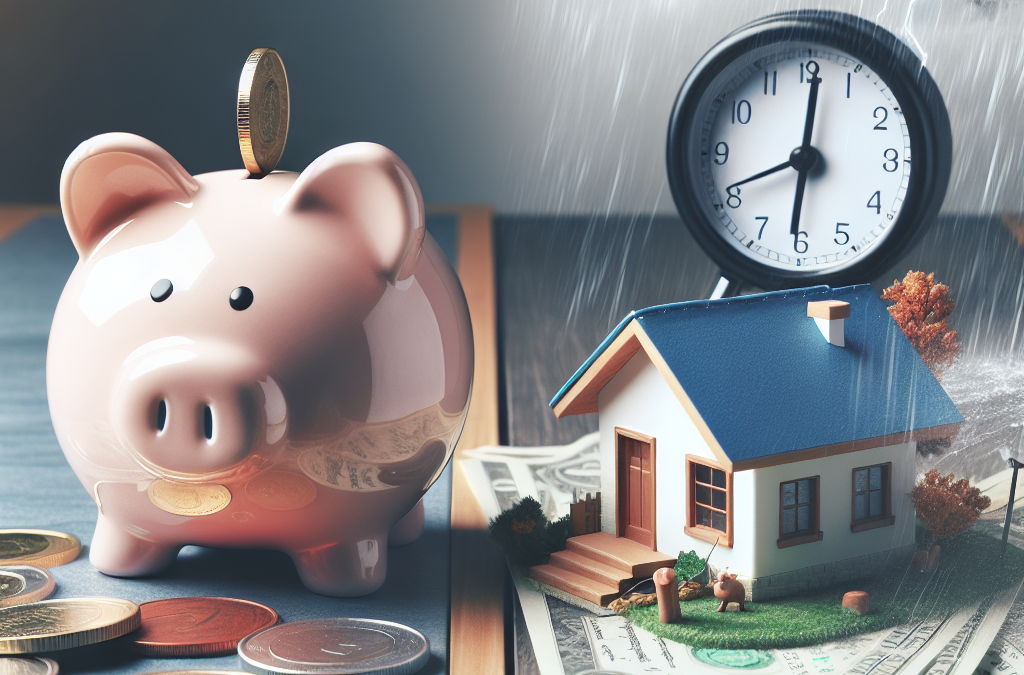
Avoiding this fate starts with planning ahead. Setting up an emergency fund is one way to circumvent these dire circumstances. I remember the relief I felt when I established my own fund—knowing that I had a cushion for unexpected costs gave me a sense of financial security.
2. Missed Opportunities
Investment Stagnation
When financial surprises drain your resources, investing takes a backseat. I learned firsthand that if I was using all my funds for emergencies, I wasn’t able to grow my money through smart investments like stocks or retirement accounts.
Similarly, the longer you wait to invest, the more you’ll miss out on compounding interest—it’s like leaving money on the table! I’ve kicked myself for not starting earlier, and it’s a regret I think many share.
By preparing for financial emergencies, I’ve been able to keep my investment plans on track and actually watch my money grow, rather than just being reactive to life’s curveballs.
Limited Career Choices
Financial stress can also dictate life choices, particularly career options. When you’re strapped for cash, you may feel pressured to accept any job that pays the bills—even if it isn’t the right fit for you. I know so many folks who felt stuck in jobs just for the paycheck, and it can drain your motivation and happiness.
Creating a financial cushion grants you the freedom to pursue jobs that align with your passions or career goals, rather than those driven solely by necessity. That’s a huge relief and can lead to a more fulfilling career.
For me, having my emergency fund meant that I wasn’t just surviving; I could explore different opportunities, even if they came with a little initial risk. It’s a game-changer when your finances support your dreams!
Personal Development Limitations
Lastly, without financial planning for emergencies, your personal development can suffer. Maybe you want to take a course or a workshop to enhance your skills, but if you’re constantly fearing financial crises, those opportunities become less accessible.
I’ve found that investing in myself has been one of the most rewarding things I can do. It opens doors and creates new possibilities. But without that buffer against emergencies, it’s hard to justify spending on something like education.
In the end, preparing for bumps in the road allows you to invest in your future instead of just reacting to the present. It fosters growth, and ultimately, that’s what we all want, right?
3. Emotional Toll
Stress and Anxiety
Let’s not overlook the emotional impact of being unprepared for financial emergencies. I remember a time when just thinking about unexpected expenses would send me spiraling into anxiety. It’s exhausting!
The constant worry about money can lead to sleepless nights and strained relationships. I’ve seen friends become irritable or withdrawn as they struggle under financial stress, and it’s tough to watch. Knowing you might have to scramble for cash at the last minute weighs heavily on your mind.
By setting aside funds for emergencies, I’ve significantly reduced my stress levels. I can handle life’s surprises with a bit of grace rather than panic, and that peace of mind is just priceless.
Effects on Relationships
Financial hurdles can take a significant toll on personal relationships. During stressful times, partners may argue about money management or how to handle emergencies. Trust me, I’ve observed healthy relationships become strained simply over finances!
From my experience, it helps to have open conversations about financial goals and plans, especially regarding emergency funds. When both parties are on the same page and trust that they can handle surprises together, the burden feels lighter.
Creating a solid financial plan not only saves money but also nurtures relationships. Knowing you’ve got each other’s backs during tough times brings a sense of teamwork that can strengthen your bond.
The Loneliness Factor
Lastly, the isolation that comes with financial struggles is real. People often avoid discussing money problems, and as a result, you can feel awfully lonely. I’ve seen friends’ financial secrets eat away at their confidence. It’s like being on an island, all while trying to keep up appearances.
By planning for financial emergencies, you build a safety net that allows you to seek help without shame. It changes the narrative from one of secrecy to one of empowerment, where you can lean on friends and family during tough times.
So don’t shy away from talking about finances! Start conversations early, so that no one has to feel alone in the struggle when challenges arise.
4. Education Disruptions
Student Loans After a Crisis
For those pursuing higher education, financial emergencies can impact your ability to pay for tuition or educational resources. I’ve seen students use loans to cover living expenses, which just adds stress to an already challenging workload.
When you find yourself juggling studies and a job just to make ends meet, it can divert your focus from your education. Those financial strains push your priorities in directions that might not align with your career goals.
Planning for these situations can change the game! Having financial reserves can ease the pressure to work multiple jobs or take on excessive loans, allowing you to truly invest in your education.
Interrupted Goal Progress
Financial emergencies can stifle ambitions and halt your educational aspirations. I recall a friend who had to halt her studies due to unplanned expenses, derailing her dreams and aspirations. It was hard to watch someone capable feel like their future was put on hold.
Many people find it frustrating when life gets in the way of their goals, and my buddy’s story is just one of many. When plans get interrupted, it often leads to doubt and discouragement. The motivation that fuels us can start to dwindle.
This is why it’s essential to have that emergency fund! It’s a safety net that keeps your aspirations alive and allows you to keep moving forward, even when life throws you a curveball.
Access to Better Resources
Lastly, when unanticipated costs arise, you might have to settle for less in terms of educational resources. For instance, you may miss out on valuable learning materials or necessary technology simply because you don’t have the funds. I’ve seen this happen too often; it’s simply unfair!
Developing a financial strategy for emergencies not only safeguards your education but also ensures you have access to the tools and resources you need. Spending some time on planning could make a world of difference.
So focus on being prepared! When you give yourself the breathing room regarding finances, you can make better choices about your education and enjoy a more enriching learning experience.
5. Impact on Future Generations
Modeling Financial Behaviors
As adults, we often forget that children watch and learn from our habits. If we’re constantly in financial turmoil, what kind of example are we setting for them? I’ve noticed how stressed conversations about money can lead to kids developing anxiety about finances from an early age.
By making financial planning a priority, we model good behavior for the next generation. It teaches kids about saving, budgeting, and the importance of having a safety net. These lessons can lay the groundwork for healthier financial habits in their future.
In my opinion, creating a secure environment for your kids reduces anxiety while empowering them to take control of their financial futures. And that, my friends, is a legacy worth leaving!
Passing Down Financial Literacy
Not being prepared for financial emergencies can hinder your ability to impart financial wisdom to your children. I often think about how my own financial experiences can help guide loved ones, and I want to ensure I pass on what I’ve learned.
Teaching financial literacy at home is crucial. It’s not just about saving; it’s about planning for the unexpected, understanding credit, and knowing how to invest. Being financially literate helps prepare future generations to navigate life’s challenges with confidence and competence.
By laying the groundwork now, your kids can grow up understanding the importance of planning for emergencies, setting them up for a more stable future.
Creating a Legacy of Stability
Ultimately, being unprepared for financial emergencies can have a lasting impact on your family’s financial legacy. If I’ve learned anything from my own journey, it’s that creating a financial plan is an investment in not just my future but also my family’s future.
Imagine leaving behind a legacy of financial wisdom instead of chaos. That’s something to strive for! It’s about breaking generational cycles of financial struggle and instead embedding security and knowledge in your family’s foundation.
So, let’s not just focus on our own stability; let’s pave the way for healthier financial futures for those who come after us. It’s the best gift we can give!
Frequently Asked Questions (FAQ)
- 1. What are common financial emergencies?
- Common financial emergencies include unexpected medical expenses, car repairs, job loss, and home repairs.
- 2. How much should I have in an emergency fund?
- Experts generally recommend having three to six months’ worth of living expenses saved up in an emergency fund.
- 3. What steps can I take to start an emergency fund?
- Start by assessing your monthly expenses, setting a savings goal, and consistently contributing to your fund, even if it’s a small amount.
- 4. How can I reduce stress related to financial emergencies?
- Being proactive with financial planning, staying informed about personal finance, and seeking help when needed can significantly reduce stress.
- 5. Can financial planning improve my overall quality of life?
- Absolutely! Having a plan in place alleviates anxiety, better prepares you for unexpected events, and opens doors to opportunities for personal and financial growth.
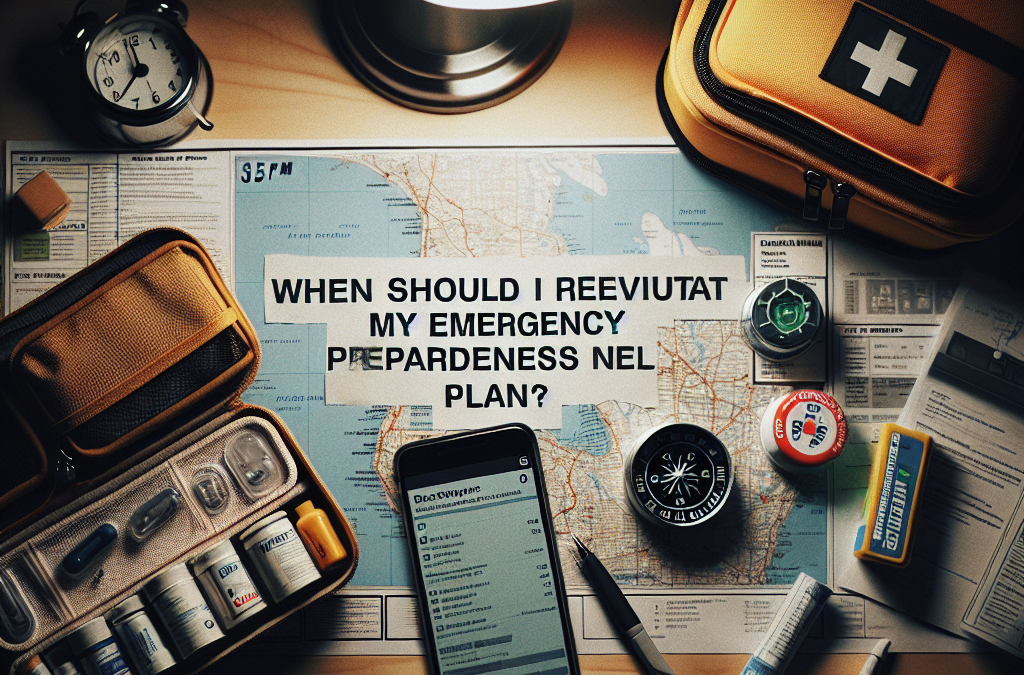
by Preparation | Jul 30, 2025 | Preparedness
1. After a Major Life Change
Recognizing Life Changes
So, let’s kick things off by chatting about one of the most obvious times to rethink your emergency preparedness plan: after a major life change. We all go through changes—whether it’s moving to a new home, getting married, having a baby, or even experiencing loss. Each of these events comes with new responsibilities and dynamics that can affect your safety and preparedness.
For instance, if you’ve just welcomed a new family member, your emergency plan should reflect this change. Kids have different needs and vulnerabilities that require you to consider their safety specifically. It’s all about tailoring your plan to match your current situation.
Additionally, if you moved to a different region, the types of emergencies you might face could be entirely different. From hurricanes to wildfires, your new locale might bring new risks that you need to account for in your emergency plan.
Updating Contact Information
Another important aspect of dealing with life changes is updating your contact information. Whether it’s family members, close friends, or work contacts, make sure that your emergency communication network is solid. I’ve often found that if I don’t keep this up to date, it can create chaos when it comes time to reach out in an emergency.
This means not only ensuring your phone numbers are correct but also including alternative means of communication. In the modern age, you might even want to include social media connections in your plan! You never know how crucial those can be when reaching out for help.
Regularly checking in on these details can save you a lot of headaches down the road, so make it a habit to reassess them whenever something big happens in your life!
Assessing Emotional Readiness
Let’s also not forget about our emotional readiness. Major life changes can take an emotional toll, and that can cloud our judgment when it comes to planning. Taking a moment to assess whether you and your family are mentally prepared for emergencies is crucial.
Coping with stress and fear is essential; consider involving a trusted friend or family member to discuss your emotional preparedness. Talking about fears can sometimes alleviate those worries and make it easier to focus on planning.
In my experience, creating an environment where everyone feels safe discussing their concerns leads to a more comprehensive plan. Emotional readiness also means having open lines of communication among family members when it comes to emergency situations.
2. After a Major Disaster Event
Reflecting on Real-Life Experience
Watching any major disaster unfold—even if it’s not happening right in my backyard—gives me the a-ha moment that it’s time to reevaluate my emergency preparedness plan. Seeing communities affected by natural disasters is a stark reminder of how unpredictable life can be. It compels me to think about how effective my plan actually is.
Reflecting on these real-life experiences can help you identify weaknesses in your own plan. Did I have enough supplies? Were my communication methods effective? It’s crucial to learn from these events, even if they’re happening miles away.
Taking a proactive approach to update your plan after such events is not only smart, but it also helps prepare for future uncertainties. This is an opportunity to think critically about your preparedness rather than waiting for something to happen to you.
Community Response
Another aspect worth considering is how your community responds to disasters. Community plans and resources can greatly differ, drastically influencing your own plan’s effectiveness. After witnessing how your town—like mine—responds during a disaster, you might want to reach out to local agencies and learn about their protocols.
Is there a community center designated as a shelter? Are there local alerts you can subscribe to for disaster updates? Understanding these resources can strengthen your own plan immensely. Often, the more connected I feel to my community, the more prepared I feel overall.
Plus, being aware of local resources can foster a sense of solidarity with your neighbors, which is essential during tough times!
Resource Inventory
One thing I love to do after a major disaster event is perform a thorough inventory of my emergency resources. This means going through my supplies—checking if they’re up to date, complete, and functioning. I’ve learned from personal experience that forgetting to do this can leave me in quite a bind.
Items like batteries, water, and food can expire. Making a checklist of everything I have and the expiration dates is a game changer. It’s easy to shove the emergency kit in a closet and forget about it, but regularly checking on it keeps me feeling prepared.
By maintaining an updated inventory, I assure that when an emergency arises, I’m not left scrambling at the last second trying to gather supplies. That’s the last thing I want when chaos strikes!
3. Changes in Regulations or Standards
Staying Informed
As someone who takes preparedness seriously, I can’t stress enough the importance of keeping up with changing regulations and standards. Governing bodies and organizations periodically revise their disaster preparedness guidelines based on research and changing risks. This means my plan might need a little tweaking too!
I find that subscribing to emergency management newsletters or checking websites like FEMA’s can help keep me informed about any changes that may impact my plan. It’s easy to get lost in day-to-day life, but taking the time to stay educated pays off when it counts the most.
Plus, staying informed lets me add new resources or techniques to my plan, making it even stronger. A little knowledge goes a long way when it comes to keeping my family safe.
Reviewing Safety Equipment
Your fire extinguisher may pass the eye test, but I’ve learned the hard way that neglecting to review safety equipment is a big no-no. Regulations about safety features and equipment can change, and what once was good enough might not meet current standards.
If you’re like me, check the expiration dates and the effectiveness of items like smoke detectors, carbon monoxide detectors, and other safety equipment. Regular maintenance is key to ensuring that if the time comes, my equipment will perform as intended.
Updating your equipment based on new standards not only keeps your home safer, but it also helps all family members know how things work in an emergency. Everyone should be familiar with the tools at their disposal!
New Technology
Technology is constantly evolving, and I often find myself amazed at the innovative solutions that come up for emergency preparedness. Apps that track weather alerts, devices that monitor home hazards, or even smart home features can enhance the way I prepare for disasters.
Taking the time to explore new technology and incorporating those advancements into my plan can boost its efficiency. For example, I recently downloaded a home security app that also alerts me to weather updates, ensuring I’m never caught off guard.
Being open to new tech not only modernizes my preparedness plan but also provides my family with more tools to manage difficult situations. If it helps keep my loved ones safe, I’m all for it!
4. Changes in Family Dynamics
Understanding Family Needs
As families evolve—kids grow up and leave, new members join—it’s essential to revisit my emergency preparedness plan as well. Each person has different needs, and ensuring that the plan accommodates everyone is key to effective safety.
For example, my teenager’s independence means he might not be home during an emergency. Creating a separate plan for him and explaining our family protocols is crucial. Ensuring he knows where our emergency go-bags are and how to reach me is a great way to prepare him for any situation.
Meanwhile, if you’ve got elderly family members, their specific needs should be at the forefront of your plan. From mobility issues to medication requirements, tailoring the plan to suit everyone’s circumstances ensures everyone knows what to do and who will assist them during emergencies.
Gathering Family Input
Here’s a tip I’ve picked up from experience: involve the whole family when re-evaluating your emergency preparedness plan. Holding a family meeting to discuss roles and responsibilities helps everyone feel included and clarified in case emergency protocols need to be executed.
By talking it out, we can address any concerns or misunderstandings among family members. Plus, it’s a good way for everyone to pitch in and add their thoughts! Kids often come up with creative ideas that can improve our strategy, making it even stronger.
Having this open dialogue fosters accountability and makes everyone feel engaged in the process—because let’s be real, no one wants to be the only one confused in a crisis.
Reassessing Responsibilities
Family dynamics aren’t static, so I make it a point to regularly reassess who does what in an emergency. As roles change, a reassessment provides clarity on who’ll take charge of specific tasks, ensuring chaos doesn’t reign when emergencies arise.
Maybe now the youngest kid is old enough to take on responsibilities, I might need to shift tasks around. Ensuring everyone has a clear understanding of their roles comes from these regular reviews.
In my experience, it keeps me and my family calm during an emergency when everyone knows their lane and can act quickly without hesitation. It’s one less thing to worry about when push comes to shove!
5. Significant Changes in Local Hazard Assessment
Monitoring Environmental Changes
Every year, environmental conditions shift. Having lived in a few different places, I know firsthand how crucial it is to stay updated on local hazards and risks. From wildfires in some areas to earthquakes in others, understanding what could happen is vital to my emergency preparedness plan.
Checking local news, attending community meetings, or even following emergency management agencies on social media can provide me critical info about any changes in risk profiles. Knowledge is power, and being in the loop allows me to anticipate issues before they arise!
New hazards can surface, and ignoring them could be dangerous. I treat hazard assessments like I would a weather forecast—something that needs regular attention!
Adapting to Community Resources
Speaking of local risks, changes in community resources can often be tied to local hazard assessments. It’s something I like to keep track of. A new shelter opening up or a local emergency response unit being established means changes to my emergency plan.
This is a fantastic opportunity to connect with those units, engage with community members, and understand how we can work together during crises. Being proactive means I can help shape the support network in my community during tough times.
Whether it’s new volunteer opportunities or gathering resources for emergency training, keeping my ear to the ground allows my family to be better prepared.
Avoiding Complacency
Finally, staying fresh with local hazard assessments prevents complacency. It’s easy to fall into a routine and think everything’s hunky-dory, but regular review of hazards keeps me alert to potential issues.
I make it a habit to create a timeline for when I’ll revisit my plan based on local assessments. This way, I’m proactive rather than reactive, putting my family in a better place to handle emergencies.
It’s a spicy blend of being concerned yet prepared, and that balance is invaluable. I never want major changes to catch me off guard when there’s plenty of information at my fingertips!
FAQ
1. How often should I re-evaluate my emergency preparedness plan?
I recommend re-evaluating your emergency preparedness plan at least annually, but more often is beneficial, especially after significant life changes, community disasters, or new regulations.
2. What should I do if I’ve experienced a major life change?
After experiencing a major life change, assess your family’s needs and ensure your emergency plan addresses any new vulnerabilities or responsibilities. Update contact information and involve everyone in the discussion!
3. How can I stay informed about local hazards?
Stay informed by following local news outlets, subscribing to emergency management newsletters, and attending community meetings. This keeps you in the loop about changing risks in your area.
4. What should be included in an emergency preparedness plan?
Your emergency preparedness plan should include contact information, emergency supplies inventory, roles for each family member, communication methods, and resources relevant to your area’s hazards.
5. How can I involve my family in emergency planning?
Hold family meetings to discuss the plan, gather input, and clarify roles. This creates a sense of teamwork and ensures everyone knows what to do in an emergency.




