
by Preparation | Jul 31, 2025 | Preparedness
Choosing the Right Clothing
Layers, Layers, Layers!
When facing the cold, the number one rule is to wear layers. I can’t stress this enough! Starting with a moisture-wicking base layer helps keep sweat from freezing against your skin. The last thing you want is to feel damp and cold when the temperature is already dropping. Then, I typically go for an insulating layer, like a fleece or down jacket, which traps heat without weighing me down too much.
Finally, I top it all off with a waterproof and windproof outer layer. Trust me, having a good shell jacket can make all the difference when you’re battling fierce winds or unexpected snow. I once got caught in a storm and having my outer shell saved me from shivering my way through the night!
Remember, it’s all about the combination of materials! Materials such as wool and synthetic fibers perform exceptionally well in cold weather. And don’t forget your head, hands, and feet—they’re the first to feel the chill. A good beanie, warm gloves, and insulated boots are essentials that I never leave home without.
Building a Shelter
Finding the Perfect Spot
So, when you’re out in the cold and need to set up shelter, the first step is finding the right spot. I usually look for a flat area that’s protected from wind—being nestled close to trees can be a real lifesaver. They act as natural windbreaks, reducing the chill you’ll feel in your cozy little hideout!
Next, it’s vital to stay away from the water sources. Sure, they might seem like a good location, but they can get really cold at night and increase your risk of frostbite. Instead, I choose locations slightly above the ground level to avoid cold air settling around me, which can make my sleeping experience much more comfortable.
Lastly, if you can find a space with some natural materials nearby, you’re in luck. Using fallen branches, leaves, or snow can help insulate your shelter. I’ve built several snow caves that kept me warmer than I ever expected; you’ll be amazed at how effective some simple building techniques can be.
Starting a Fire
The Essentials of Fire-Making
Let’s talk about starting a fire—this skill can really save your life in a cold environment! I always carry waterproof matches and a fire starter; they’re a game changer when the elements are wet. Even in the worst weather, having these helps me get that fire roaring.
Finding the right materials is a crucial step. Dry leaves, small twigs, or even bark can serve as excellent tinder. If you can find some dry wood, that’s even better. I recommend splitting logs to expose fresh wood inside, which ignites much easier than the damp exterior. Just remember: patience is key!
Once you get your fire started, arrange it well for maximum warmth. I like to build a teepee style fire—you get a wonderful flame and lots of heat. Plus, it creates a nice area for cooking if you’re in need of hot meals. Keep adding wood to maintain that fire until you feel secure and warm!
Finding Food and Water
Sourcing Water Safely
Surviving in the cold isn’t just about keeping warm; you need to hydrate, too! Finding water sources is critical, but it’s important to remember that not all water should be consumed straight away. Always look for streams or melted snow, but filter or boil it to avoid any nasty surprises.

If you’re stuck in a pinch, I’ve used snow as a water source before. Just remember not to eat snow directly; instead, melt it on a fire to get clean water! Cold weather makes you need even more fluids, so keeping hydrated is key to maintaining your body heat.
Don’t forget, food can be a challenge during winter. I often look for sources like fish in frozen lakes or small game tracks in the snow. Setting up snares or traps can also yield food, but make sure to follow local guidelines for trapping. Every little action counts when it comes to ensuring your survival!
Navigating in the Cold
Using Natural Landmarks
When you’re out there in the winter wonderland, navigation becomes a true necessity. I always take note of natural landmarks and changes in the landscape. Snow can cover familiar paths, so using the sun’s position can help you find your way. Even though it might be cloudy, tracking the sun when it’s visible gives me a sense of direction.
If I get lost and the conditions are dangerous, I’ve used the stars at night to guide myself back. It’s just a matter of knowing some basics about constellations. And on cloudy days, I stick to the basics—keeping my own tracks visible helps me retrace my steps.
Lastly, always carry a map and a compass if you can. Modern technology can fail, but traditional navigation skills can be lifesavers. Learning how to combine these techniques with technology leads to successful explorations in wintry terrains!
FAQ
1. What are the most important survival skills for cold climates?
The most important skills include choosing the right clothing, building a reliable shelter, starting a fire, sourcing food and water, and navigating using natural landmarks.
2. How can I prevent frostbite while outdoors in cold weather?
Wearing appropriate layered clothing, covering all exposed skin, and taking breaks to warm up are essential in preventing frostbite. Always stay aware of how you’re feeling!
3. What should I do if I can’t find water in the winter?
If you can’t find water, melted snow can be a great alternative, but remember not to eat it directly. You can also check for water sources under snow and ice near rivers or streams.
4. How can I improve my chances of finding food in the winter?
I recommend learning about local wildlife and foraging options. Setting traps and snares, or fishing in frozen lakes can provide sustenance when resources are limited.
5. Why is layering important in cold climates?
Layering is important because it helps manage moisture and trap heat. Each layer serves a purpose, from moisture-wicking to insulation, ensuring you stay warm and dry.
by Preparation | Jul 31, 2025 | Preparedness
Assessing Your Water Needs
Understanding Daily Consumption
To kick things off, the first thing you gotta do is genuinely understand how much water you and your family consume daily. This ain’t just about drinking; think cooking, cleaning, and hygiene too. Honestly, you’ll be surprised how quickly those gallons add up when you really start thinking about it!
Start by tracking your usage over a week or so. Grab a notebook or even your phone, and jot down how much water you use for everything. Are you filling the kettle for tea? That’s part of it! Washing the dishes? Don’t overlook that. It all counts!
Once you have a clear picture of your family’s needs, you can assess how much water you’d want to store for emergencies. Trust me, having that knowledge is like having a roadmap—it guides your decisions for how much water you really need to store away.
Choosing the Right Storage Containers
Types of Containers
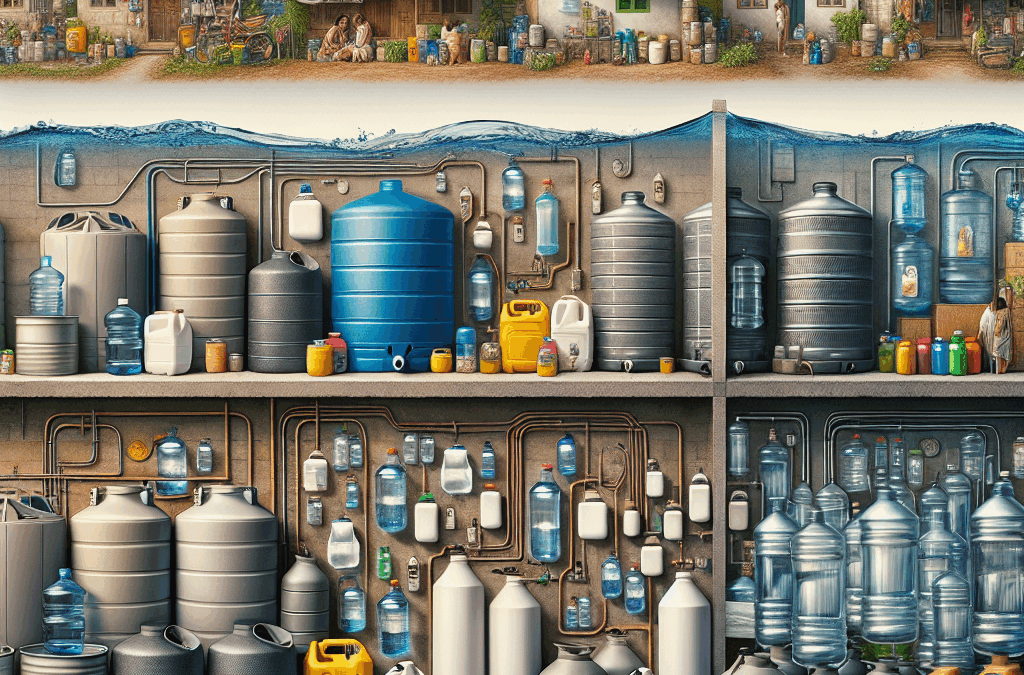
Now that you’ve got an idea of how much water you need, it’s time to talk about containers. You can’t just fill up your old soda bottles and call it a day, folks! There are proper water storage containers designed specifically for this purpose.
You can go for food-grade plastic containers, which are lightweight and durable. There are also glass containers that, while a bit heavier, don’t leach chemicals over time. Then you’ve got stainless steel, which is awesome for keeping things fresh but can be a little pricey. Consider your space and budget before diving in!
Always remember to check for any leaks or cracks before using them. You wouldn’t want to be caught with a busted container when it’s crunch time. It’s all about being proactive instead of reactive when it comes to water storage!
Treating the Water Before Storage
Using Water Purification Methods
So, let’s chat about treating the water before you pop it in the container. Gender aside, I know we all assume water straight from the tap is good to go. But, if you’re storing it long-term, you might wanna jump through a few hoops to treat it properly.
One popular method is using water purifying tablets or drops, which can eliminate bacteria and viruses that might mess with your health. You can also boil the water for a minute or two, depending on where you live. Just remember to let it cool before pouring it into your containers!
Ultimately, treating your water ensures you’re not just hoarding plain old H2O, but really good, clean water that’ll keep your family safe in an emergency. Believe me, it’s worth the extra step!
Proper Storage Practices
Finding a Suitable Location
Alright, let’s get into the nitty-gritty of storage. It’s super important to pick a good spot for your water containers. Ideally, you want them kept in a cool, dark area away from direct sunlight, which can degrade the plastic over time.
If you’re like me, you might think the garage or basement is the perfect spot, but make sure it’s dry and out of reach from potential leaks or flooding. If the containers are in an old shed, check for critters creeping around. Those little guys could make a mess of your supplies!
And, don’t just shove those containers in a corner and forget about them. Rotate your water supply every six months or so, and do a visual check every now and then. It’s a simple task that can save you major headaches later.
Regular Maintenance and Safety Checks
Updating Your Supply
Your long-term water storage isn’t a “set it and forget it” deal. Just like my favorite plants, it needs some maintenance to make sure it’s good to go! This means regularly checking your supply and updating it when necessary.
As mentioned earlier, every six months is a good rule of thumb for rotating out older water supplies, but also keep tabs on the containers. Inspect them for leaks, discoloration, or any signs of wear and tear. If something looks off, it’s best to replace it.
And don’t forget to keep an eye on the overall condition of your storage area too. Keep it tidy and organized; a cluttered storage space can lead to accidents or even mix-ups with different liquids. Practicing regular maintenance feels a little tedious, but trust me, it’ll pay off big time when you’re in a pinch!
Frequently Asked Questions
1. How long can water be stored for?
With proper storage techniques, you can safely store water for 6 months to a year. Just remember to check it periodically!
2. Can I store water in my bathtub?
Yes, in emergency situations, you can fill your bathtub with water. However, make sure it’s clean and consider treating it with purification tablets if you’re going to use it later.
3. Is there a specific way to seal my water containers?
You want to ensure your containers are tightly sealed and that any caps or lids are snug. You can even use tape around the edges for an extra seal if you’re worried.
4. Do I need to treat tap water before storing it?
While tap water is generally safe, treating it with purification methods can help eliminate any pathogens, particularly if it’s going to be stored long-term.
5. How do I know if my stored water is safe to drink?
Before consuming stored water, conduct a visual inspection for any contaminants or odd smells. If everything looks good, you can taste a small amount; trust your instincts, and if anything seems off, don’t drink it.
by Preparation | Jul 31, 2025 | Preparedness
1. Basic Supplies for Injury Treatment
Understanding the Basics
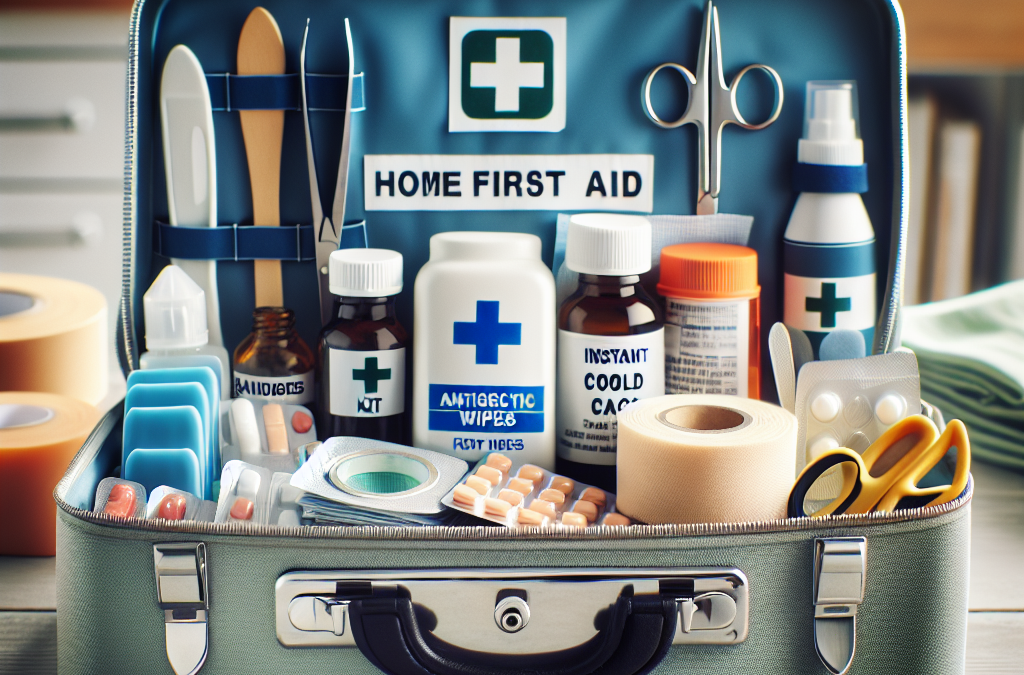
When I first started thinking about putting together a first aid kit, I realized how important it is to have the right supplies on hand. Basic supplies like adhesive bandages, gauze pads, and antiseptic wipes are the fundamental building blocks. Trust me, these items are lifesavers in small accidents, and it’s best to have them close by.
For me, the excitement of creating my own kit made me think of all the “just in case” moments we encounter—tiny cuts, scrapes, and even blister problems. Anyone who’s ever taken a hike knows those shoe blisters can sneak up on you, and having the right band-aid can make all the difference.
Moreover, stocking up on these basics doesn’t need to cost a fortune. You can find most essentials at your local pharmacy or even dollar store. Just remember, you want to ensure everything is easily accessible so you’re not scrambling around when you need it the most.
Choosing the Right Materials
So there’s more to first aid supplies than just what looks nice on the shelf. You really need to think about the materials you’re choosing. For instance, breathable bandages are a must because they help wick moisture away, reducing infection risk.
I like to choose products that come with clear instructions right on the packaging; if I’m in a panic, I don’t want to be deciphering tricky directions. That clarity can save lots of time and keep stress levels down.
Let’s not forget the importance of expiration dates. It’s easy to forget about items hiding at the back of the drawer! I set a reminder to check my kit every six months, so things like antiseptic wipes and ointments don’t go bad.
Special Considerations
Depending on your lifestyle, you might need to include some unique items. For example, if you or someone in your household suffers from allergies, having antihistamines on hand is crucial. Or if you have kids, those adorable cartoon band-aids can encourage them to keep their spirits up after a tumble!
Keep in mind any specific medical needs too. If someone has a prescribed medication or special equipment, that should definitely be included. I’ve learned from experience that incorporating those needs into your first aid plan prevents panic later on.
Last but not least, consider environmental factors. If you enjoy outdoor adventures, some insect bite relief or sunburn cooling gel could come in handy. It’s all about tailoring your kit to fit your personal needs and preferences.
2. Medications You Should Have
Basic Over-the-Counter Medications
I’ve discovered that having a few basic over-the-counter meds in my kit can be a game changer. Pain relievers like ibuprofen or acetaminophen help ease headaches or body aches that can pop up unexpectedly, especially after an active day.
Don’t forget about antacids, either. Those pesky moments when spicy food backfires can be uncomfortable, and having a little something to ease the burn can turn a rough evening into a more bearable one.
And let’s not skip over good ol’ allergy remedies—hay fever can hit hard when the seasons change. Keeping some antihistamines on hand will help you breathe a lot easier during those troublesome months.
Cold and Flu Essentials
No one wants to be caught off guard by a scratchy throat or runny nose, right? I always keep some cold and flu medications in my first aid kit. Syrups, throat lozenges, and nasal decongestants are must-haves for any unexpected illness.
I’ve learned by experience that a little preparation can prevent a lot of discomfort. When those symptoms hit, having the comfort of familiar remedies makes staying cozy on the couch a whole lot better.
Plus, I’ve got to say, it beats making a late-night pharmacy run when you just want to rest up. So stock your kit with what works for you!
Prescription Medications
Now let’s chat about prescription meds. This can get a little tricky because it’s not just about stocking up—it’s about staying organized. I dedicate a little space in my kit for personal prescriptions to ensure I’m always prepared.
One tip I’ve found helpful: keep a list of emergency contacts, including doctors. That way, if something happens and you need a refill or medical advice, you know right where to look.
Make sure to follow the guidelines for storage. Some medications should be kept in specific conditions—like out of sunlight or in a cooler environment. It’s all about keeping everything safe and effective.
3. Tools and Accessories That Matter
Basic First Aid Tools
Definitely don’t overlook the significance of good tools! Scissors, for instance, can help you cut through stubborn bandages quickly when you need to get to an injury.
Also, tweezers are excellent for removing splinters or pulling out ticks, which are way too common in warmer months. Trust me, these tools can make all the difference in an emergency.
Adding a digital thermometer to my kit has truly been a lifesaver. Checking temperatures can guide my responses, especially with the kiddos. A good thermometer means I know when it’s time for a cold compress or a doctor’s visit!
Personal Protection Equipment
When I think about first aid, I always consider personal protection. Disposable gloves have become a staple in my kits ever since I realized how handy they are when dealing with injuries.
Alongside gloves, a basic face mask could come in handy during specific situations, especially if you’re around someone who’s ill. It just adds a layer of safety that goes a long way.
And, don’t forget about a face shield or goggles if there’s a chance for blood sprays, especially in situations where safety is paramount. It might seem like overkill, but being prepared can be a lifesaver!
Storage and Organization
Having all the right tools and supplies is all well and good, but if they aren’t organized properly, it can feel like chaos. I recommend utilizing clear containers or pouches to help keep things sorted and easy to find.
Labeling each section or container makes things super simple. In a moment of panic, you want to grab what you need without hunting through layers of clutter.
Lastly, think about where you’re storing your kit. I’ve created a designated spot in my home that’s both easily accessible but also out of reach from little hands. Finding that balance means I’m ready for anything that comes my way.
4. Tailoring Your Kit to Your Family
Assessing Your Family’s Needs
Taking the time to evaluate my family’s unique needs has made tailoring our first aid kit much more effective. Think about the age of everyone in your household—do you have toddlers or teenagers? Each group brings different challenges.
For parents, adding items like teething gel or pediatric pain relievers can be crucial. And for teens, maybe some acne treatment should be thrown in the mix. It’s all about anticipating what might come up!
Consider any ongoing medical conditions too. Stocking your kit with necessary extras ensures you feel prepared for anything, whether it’s managing a fever for a child or preparing for a fainting spell in a grandparent.
Special Considerations for Pets
And let’s not forget about our furry companions! I’ve found it essential to have pet-specific items in my first aid kit. A basic supply of tweezers or special pet first aid guides can really help in emergencies.
If your pet has allergies, try to keep their antihistamines handy—because trust me; they can suffer too. Canine first aid can sometimes feel like a whole other ballgame, so having resources can ease some worries.
Don’t forget important items, like a muzzle or leash for a scared or injured pet. They can help you manage the situation safely while you access care!
Involving Family Members
One thing I’ve truly enjoyed is involving my family in building and maintaining our kit. It’s a great way to educate everyone about the supplies while also preparing them for possible emergencies.
Each person can take the time to learn what to do in certain situations, from basic CPR to identifying what to grab in a hurry. Plus, having everyone involved sparks interesting conversations about health and fitness!
Make it a family event to restock the kit together—checking expiration dates brings everyone together while also teaching responsibility. It becomes a communal activity, strengthening your family’s preparedness and confidence.
5. Training and Preparedness
Understanding Basic First Aid
If there’s one lesson I’ve learned, it’s that having a well-stocked first aid kit is only part of the equation. Gaining knowledge about how to use those supplies is equally essential. I took a basic first aid course, and it opened my eyes to what I can do in emergency situations.
Learning techniques like CPR, bandaging wounds, or how to treat burns encourages confidence when handling accidents. Plus, it’s empowering to know that I can care for myself and my family when needed.
Many organizations, like the Red Cross, offer great resources and even certifications in first aid and CPR. I highly recommend checking those out—they’ve been game changers for me!
Regular Refresher Courses
Knowledge isn’t enough if it gets rusty over time! I regularly sign up for refresher courses and online webinars, because staying informed is super important. Plus, it’s fun to meet others interested in emergency preparedness!
Even just reviewing materials or reading first aid manuals every now and then can keep life-saving techniques fresh in my memory. Journals and guides often have updated information that may improve my approach to home health emergencies.
Sharing that knowledge with my family can be a good bonding experience too. Together, we work through different scenarios, keeping those important conversations open and ensuring everyone knows what to do when a challenge arises.
Creating a Plan
Beyond gathering supplies, creating a comprehensive emergency plan is essential. I made sure to sit down with my family to discuss what we would do in different situations, like natural disasters or severe injuries. Everyone has a role to play, and knowing that is comforting.
We also set communication plans—deciding who to contact for help or how to find each other in public spaces if separation occurs. It’s all about feeling prepared and knowing we have each other’s backs.
Finally, I have a designated spot to keep our plan accessible, so in the heat of the moment, we can refer to it for guidance. It’s all about remaining calm and collected, and knowing what our next steps should be can help with that tremendously.
Frequently Asked Questions
What is the best place to store a first aid kit?
The best place to store a first aid kit is in a location that is accessible to all family members but out of reach of young children. A kitchen cupboard, a hall closet, or under a bathroom sink usually works well.
How often should I check my first aid kit supplies?
It’s a good idea to check your first aid kit every six months. This helps ensure that all items are in good condition and have not passed their expiration dates.
Can I use expired first aid supplies?
While some items might retain their effectiveness past expiration dates, it’s generally best to replace expired supplies to ensure optimal safety and effectiveness.
Should I include specific medications for family members in my first aid kit?
Yes, you should include any specific prescription medications or necessary items for family members who have ongoing medical needs. Just make sure they’re stored properly!
Is it worth it to take a first aid class?
Absolutely! Taking a first aid class prepares you to handle emergencies effectively and gives you confidence in your skills. Plus, it can be quite empowering!
by Preparation | Jul 31, 2025 | Preparedness
Understanding the Importance of Preparedness
What Does Preparedness Mean to Me?
Preparedness, to me, is the art of anticipating challenges before they knock on your door. It’s about having an understanding of potential situations and being ready for them. Whether it’s about personal safety, financial stability, or health, being prepared means you’re not left in the lurch when life throws you curveballs.
When I started focusing on preparedness, I realized how much peace of mind it brought me. It’s like having an umbrella in your car during sunny weather—you never know when it might rain! Being prepared enables me to respond instead of react, making me feel empowered rather than helpless.
By evaluating past experiences and learning from them, I’ve crafted a mindset that gears me up for various situations. This is transformative, as it not only influences how I handle upcoming challenges but also boosts my confidence in daily life.
Building a Proactive Mindset
Shifting from Reaction to Action
I’ve learned the hard way that being reactive often leads to chaos. A proactive mindset means I take the initiative instead of waiting for something to go wrong. One of the strategies I use involves setting aside time each week to think about potential challenges I may face in the near future.
It’s not just about anticipating problems but also about crafting thoughtful responses. By having these plans in place, I don’t feel overwhelmed when issues arise; I feel ready. I remember one time when I was faced with an unexpected financial expense. Since I had proactively set aside an emergency fund, I handled it with ease, which was a game-changer.
It’s about reframing your thinking. Instead of panicking at the first sign of trouble, you start recognizing that you’ve got tools and strategies to handle whatever comes your way. This approach makes life far less stressful and far more manageable.
Identifying Potential Risks
Assessing Your Environment
There’s power in observation. I personally take time to look around my surroundings and think critically about the risks I might face. This could range from checking home security systems to considering natural disaster preparedness. For me, it starts with a simple assessment of my living environment.
Once I identified potential risks, I began prioritizing them. Not all risks are equal; some could be catastrophic, while others are minor inconveniences. This differentiation helps me focus my resources on what truly matters, making preparedness feel more achievable.
Furthermore, discussing these risks with friends and family also brings fresh perspectives. They might see something I overlooked, or we could brainstorm solutions together. It’s a collaborative effort that not only strengthens our preparedness but also our bonds.
Creating an Action Plan
Steps to Take When Preparing
Having a solid action plan is like building a safety net beneath you. I find it incredibly helpful to break down my plans into actionable steps. Whether I’m preparing for potential health issues or planning for emergencies, having those steps laid out is crucial.
For instance, I maintain a checklist for emergencies that includes essential contacts, supplies, and plan details. This isn’t just about a vague idea of what to do—it’s about having a clear path to follow when things get tough.
And let me tell you, referring back to those steps during a stressful moment is a lifesaver. I once had a minor health scare and, because I had everything lined out, I was able to make quick, informed decisions. It made a tumultuous time much smoother.
Review and Revise Your Preparedness Plans
Why Regular Updates Matter
Regularly reviewing my plans is something I can’t stress enough. Life changes and so do the challenges we face. What worked last year might not be effective today, so I’ve made it a habit to revisit my preparedness plans every few months.
This process is often as enlightening as it is necessary. I find gaps in my strategy and discover new tools to incorporate. Plus, it prompts me to think critically about my growth and how my approach to life differs from previous times.
And when I involve my family in these reviews, it adds a layer of accountability and shared responsibility. We discuss what’s working, what’s not, and brainstorm ways to improve our entire preparedness approach. This engenders not just readiness but unity as we face life’s uncertainties together.
Frequently Asked Questions
What is the main goal of positive preparedness?
The main goal is to enable individuals to anticipate potential challenges and respond effectively, minimizing panic and maximizing confidence in difficult situations.
How can I develop a proactive mindset?
Start by shifting your focus from reacting to events as they happen to preparing in advance. Set aside time weekly to identify potential risks and craft strategies to address them.
What should I include in my action plan?
Your action plan should encompass essential contacts, resources you’ll need during emergencies, and clear steps to follow in various scenarios. Don’t forget to keep it updated!
Why is it important to regularly review my preparedness plans?
Regular reviews ensure that your plans remain relevant and effective as circumstances change. It helps identify factors that may need adjustments to better prepare you for future challenges.
How can involving others in my preparedness process benefit me?
Involving family or friends fosters a collaborative environment where you can gain new insights, share the workload, and enhance mutual support during crises.
by Preparation | Jul 31, 2025 | Preparedness
Stay Aware of Your Surroundings
Keep Your Head Up
I’ve been in situations where the chaos escalated quickly. Trust me, the first thing you want to do is keep your eyes open and stay alert. It’s not just about you—it’s about understanding what’s happening around you. The moment you lose focus, you could find yourself right in the middle of something dangerous.
People can become unpredictable during a riot. The energy in the crowd can shift from peaceful to aggressive in the blink of an eye. By staying aware, you can read the room better and make smarter choices. If things start to get heated, you’ll want to make a quick exit rather than getting swept along.
Another aspect of awareness is watching for police activity. Knowing where the law enforcement is can help you navigate more safely. Are they marching toward you, or are they stationed somewhere? These are crucial details that can impact your safety during public unrest.
Listen for Warnings
During those tense moments, pay attention to announcements or warnings from authorities. Sometimes there are loudspeaker announcements urging people to disperse or seek shelter. A few times, I’ve heard those warnings just in time to make a run for it. Ignoring those can lead to real trouble.
Also, be mindful of what others around you are saying. If someone is expressing concern or telling folks to move, it’s usually wise to take that seriously. It’s all about gathering intel from your surroundings to keep yourself safe.
Checking social media can also provide updates during such events. People often post live updates that can give you a sense of where things might be heading. Just make sure to verify what you see—you don’t want to act on misinformation!
Evaluate Your Route
Before heading into a chaotic environment, I like to mentally map out my escape routes. Think about the safest way to leave if things go south. It might sound paranoid, but trust me, it’s a smart move.
Look around and identify potential exits, whether it’s a side street or a public building. Familiarizing yourself with the layout can make a world of difference if you need to get out quickly. You don’t want to find yourself cornered, right?
I also recommend avoiding large crowds when you can. If there’s an alternate path that allows you to observe from a distance, take it! Better safe than sorry, my friends. You can still keep your ear to the ground without putting yourself in harm’s way.
Remain Calm and Collected
Control Your Emotions
It’s easy to get caught up in panic, but I’ve learned that staying calm is probably the best defense against chaos. When people around you are freaking out, staying collected lets you think clearly. If you’re panicking, you’re more likely to make poor choices that could put you in danger.
During one outing, I found myself in the midst of a protest that escalated. Instead of losing my head, I took a few deep breaths and focused on maintaining my cool. This allowed me to assess what was happening and respond appropriately.
Sometimes, simply moving away from the chaos can help you regain that sense of calm. Find a quiet corner or step aside to collect yourself. It’s amazing how just a moment of stillness can clear your mind.
Don’t Engage
While you might feel the urge to stand your ground or engage in discussions, defer that instinct. In volatile situations, confrontation can spiral quickly into violence. I learned this the hard way when I attempted to reason with an angry group and ended up stuck in a tense spot.
Your best bet is to keep your distance from heated discussions or arguments. It’s about survival. If someone’s getting aggressive or reckless, don’t stick around to see how it plays out. Just move away and focus on your own personal safety instead.
Even if treated unfairly or harshly by others, don’t let emotions push you into dangerous waters. Rely on your instincts, recognizing when it’s time to disengage and remove yourself from potential harm.
Group up When Possible
If you can, always try to stay with a buddy or a group. There’s a sense of security in numbers. During my experiences in crowded situations, I’ve noticed that having friends around not only helps you feel safer but makes navigating the chaos more streamlined.
When you’re with others, keep communication open. Use text or chat apps to check in and make sure everyone’s okay. Even when the noise level spikes, a quick message can help you coordinate your movements.
If you can’t find familiar faces, be sure to identify others who might seem trustworthy and share common goals. Misery loves company, and in a riot, you’d want to stick with those aiming for safety just like you.
Trust Your Instincts
Listen to Your Gut
Sometimes, our instincts are our best guides. I’ve made choices in chaotic situations simply by following that gut feeling. If something feels off, trust it. It’s better to err on the side of caution than to regret not listening to your inner voice.
As I mentioned earlier, during a protest, I felt a shift in energy that told me it was time to hightail it. Ignoring that could’ve put me in an uncomfortable situation, so I didn’t hesitate to make my exit.
Remember that your safety comes first. No one knows your situation better than you do, so prioritize what feels right in the moment. Always trust your instincts, even if they go against popular opinion.
Be Ready to Change Plans
Flexibility is crucial. The situation can change at any moment, and being able to adapt is essential. If you had a plan to head somewhere, be prepared to alter that if it suddenly feels unsafe. I can’t count how many times I’ve had to pivot my plans due to unforeseen chaos.
It’s also a good idea to have a backup plan. What if your usual escape route is blocked? Think outside the box and have multiple options in mind. It may save your skin one day!
Staying unpredictable can also shield you from possible threats. If you change directions often and quickly, it’s harder for anyone who may wish you harm to track your movements.
Know When to Leave
There’s a thin line between staying informed and putting yourself in danger. You need to know when it’s time to call it a day and get out. I’ve been in situations where the vibe went from peaceful to outright dangerous in moments, and those instances remind me to always be on my toes.
Every situation is different, so gauge the crowd and what’s happening. If people are getting rowdy or aggressive, breaking away becomes priority number one. Don’t let FOMO or curiosity keep you trapped in a bad situation.
Sometimes, it’s also beneficial to have a point of no return. Maybe decide that if things escalate beyond a certain point, you’re out. By setting that boundary beforehand, you’re keeping yourself safe and your mind focused.
Keep Essential Items Accessible
Personal Safety Gear
One of the best tips I can share is to carry personal safety gear. This can range from a simple whistle to pepper spray or even a first-aid kit. I always have a few essentials tucked away just in case. You never know when they might come in handy!
During one incident, a friend had a whistle that helped us draw attention to ourselves when we were feeling cornered. It seemed simple, but it sure helped clear our way to safety. Likewise, pepper spray or a personal alarm can alert others to your predicament, should you find yourself in trouble.
Also, if you have any important medical supplies, make sure those are easily accessible. You might feel the adrenaline pumping, but knowing you can reach for what you need without fumbling around is a relief.
Keep Your Phone Charged
Having a charged phone might be a lifesaver in emergencies. Not only does it allow you to contact friends or family, but it’s also useful for navigating away from danger. I’ve had loads of moments where simply pinging my GPS helped reroute me to safety during chaotic scenes.
Before heading out, I make it a point to charge my phone fully and often carry a portable charger. Whether you use it for calls, texting, or seeking assistance, staying connected during a riot can make a world of difference.
Also, consider downloading relevant apps that can provide real-time updates about the situation. Staying in touch with ground reports during disturbances can help you make wiser decisions and avoid potential threats.
Have Emergency Contacts Ready
Before heading into any large gatherings, it’s smart to have your emergency contacts organized and easy to find. You never know when you might need to reach out for help. Create a designated contact list saved on your phone to quickly access should the need arise.
Whenever I’ve been out at large events, I always keep a small note with my contacts written down as well. If my phone dies or gets lost, I know I still have access to important numbers. It’s all about minimizing those risks, right?
Additionally, check that your loved ones know where you’re going and your planned route. It’s a good idea to agree on a check-in time. That way, if they don’t hear from you, they’ll know to reach out or take action.
FAQ
1. What should I do if I find myself in a riot?
Stay calm and assess your surroundings. Quickly identify exit routes and keep your head up to avoid getting caught in the chaos.
2. How can I remain safe in a public disorder situation?
Stay aware, trust your instincts, and avoid engaging in confrontations. If things feel unsafe, it’s best to leave the area.
3. Is it advisable to document events during a riot?
While documenting can be tempting, your safety comes first. If the situation feels dangerous, prioritize getting out safely over capturing footage.
4. How can I prepare before going to a large event?
Carry essential items like personal safety gear, keep your phone charged, and have a plan for emergency contacts. Awareness is key!
5. When should I call for help?
If you feel threatened or see others in need of assistance, don’t hesitate to call for help. Always prioritize your safety and the safety of those around you.

by Preparation | Jul 31, 2025 | Preparedness
Understanding the Value of Goods and Services
Recognizing What’s Valuable
When you’re deep in a crisis, the first step is recognizing what’s actually valuable. You might think that your old PlayStation is a treasure, but in a survival scenario, clean water and food are the hottest commodities. I can tell you, in my experience, getting to know the community and assessing their needs is paramount. If you can figure out what people around you find most valuable, you’re already on the right track!
Think about it: what skills do you have that others might need? If you’re a good cook, maybe your culinary skills are your best barter chip. If you’re handy, fixing stuff around the neighborhood could exchange for something you need. It’s a win-win when you understand the true value of what you can offer.
Don’t forget to look at seasonal goods. During a plant shortage, for example, home-grown fruits or veggies can be gold. So, tap into that awareness and keep a mental note of what’s hot and what’s not in your community.
Evaluating Your Own Resources
Before diving into bartering, take stock of your own resources. What do you have on hand that others might want? It’s not just about tangible items like tools or canned goods but also your skills or services. Trust me, once I started making a list of what I had, it opened my eyes to numerous opportunities for barter.
For instance, I once traded some homemade jams for firewood during a chilly winter. It’s these types of relationships that can bloom in times of need. You may have a spare set of clothes that could help someone in need. The key is to recognize that these resources can be incredibly useful during tough times.
Also consider any connections you might have. Maybe you know someone who can fix a car or set up a phone line. These are all part of your resource arsenal. Use what you have to make the most of the barter system.
Building Relationships
Bartering isn’t just a transaction; it’s also about relationships. In the heat of a crisis, trust becomes a currency of its own. When I first started bartering, I made sure to build connections with my neighbors. Getting to know them was key to success. Trust is what makes people willing to trade with you.
Be friendly, engage in conversations, and offer your skills or goods genuinely. Show that you care about their needs, and reciprocation in a barter system will follow naturally. I remember giving out some surplus food to neighbors, which directly led to getting help in return when I needed it. It’s all about cultivating a culture of trust and reciprocity.
Don’t rush these relationships, though. Take the time to get to know people’s stories. More than just an exchange, this can lead to a supportive network that lasts beyond immediate crises.
Creative Bartering Strategies
Mixing and Matching Resources
One of the fun parts of bartering is the creativity behind it. I’ve found that offering combinations rather than just one single item can be more enticing. Let’s say you have some canned goods, why not pair them with a few homemade cakes for a barter? These combos can often make the deal more appealing for both parties.
For example, I once combined some fresh veggies with a skill to bake bread. Many people had flour but no fresh produce, and vice versa. That melding of goods led to some delightful exchanges and made the bartering process richer!
Get your creative juices flowing and think about things like skills, crafts, or manuals that you could pair with tangible goods. The more unique the combination, the more likely you are to strike a deal.
Setting Barter Terms Clearly
When it comes to bartering, clear communication is super important. I learned this the hard way when a misunderstanding led to an unsatisfactory exchange. Always be upfront about what you’re willing to offer and what you expect in return. A simple conversation to lay out terms can save both parties from confusion later on.
Be aware of how you frame your offers. Instead of saying “Can I have that for this?”, try using a collaborative approach, like “What do you think about this in exchange for…?” This opens up the dialogue and allows for a smooth negotiation process.
And remember, it’s okay to walk away if you feel that the terms aren’t fair. Keeping your value in mind will reinforce your confidence in these exchanges.
Using Technology to Facilitate Bartering
In the age of technology, leveraging social media and community apps can enhance your bartering experience. I frequently utilize local Facebook groups and community forums to find out what others are offering or looking for. It’s a fantastic way to widen your reach without needing to physically go out.
Platforms like Nextdoor or even barter-specific apps can connect you with locals who are interested in trading goods or services. It’s amazing how technology can build a community feel, even in times of crisis.
Just remember to keep safety in mind. Always meet in public places or have someone with you when making exchanges. Building a bartering network offline that complements your online connections can provide a significant boost during tough times.
Reflecting on Your Bartering Experiences
Taking Time to Evaluate Successes and Failures
After a round of bartering, I always take a moment to reflect on what worked and what didn’t. This practice not only helps me improve for future exchanges but also makes me appreciate the relationships I’ve built. If a certain item didn’t trade well, I look at why that might be. Was it timing, price, or demand? Reflection provides invaluable insight!
This evaluation can enhance your future strategies. If one approach didn’t resonate, perhaps alter your resource offerings or your negotiation style. The learning from each experience is what fine-tunes your skills going forward.
Keep a little journal or notes on your phone of what worked well and what didn’t. These details can improve your bartering prowess significantly!
Sharing Experiences with Others
Finally, don’t underestimate the power of sharing your bartering stories with friends or community members. Sharing your experiences can not only inspire others but also build a stronger barter network. I’ve had people come back to me after I shared a successful barter idea, and it blossomed into a great community exchange event.
Additionally, discussions can yield new ideas for innovation. Each person brings a unique perspective, which can translate into fresh bartering techniques and strategies. Keep the dialogue open!
A community that learns together can become incredibly resilient. By sharing, we create an environment where everyone benefits, which ultimately makes our barter system even stronger.
Frequently Asked Questions
1. What are the first steps to start bartering?
The first step is to assess both what you have to offer and what you might need from others. Look around your space, whether it’s food, supplies, or skills, and figure out what’s in demand in your community.
2. How can I build trust with potential barter partners?
Building trust takes time. Start by engaging genuinely with people, offering help when you can, and being clear and honest in your exchanges. The stronger your relationship, the more willing they’ll be to trade with you.
3. Can I barter online?
Absolutely! Many community forums and social media groups facilitate bartering. Just ensure you follow safety precautions like meeting in public places.
4. What should I do if the barter doesn’t go as planned?
If you find that a barter didn’t meet your expectations, don’t hesitate to reflect on what went wrong to learn from the experience. Open communication can also help in finding middle ground for future exchanges.
5. How can I effectively evaluate my bartering success?
Take time to reflect after each barter. Consider what worked, what didn’t, and how both parties felt about the exchange. Keeping notes can help track your progress and adjust strategies for the future.




