by Preparation | Jul 31, 2025 | Preparedness
Preparation is Key
Gathering Essential Supplies
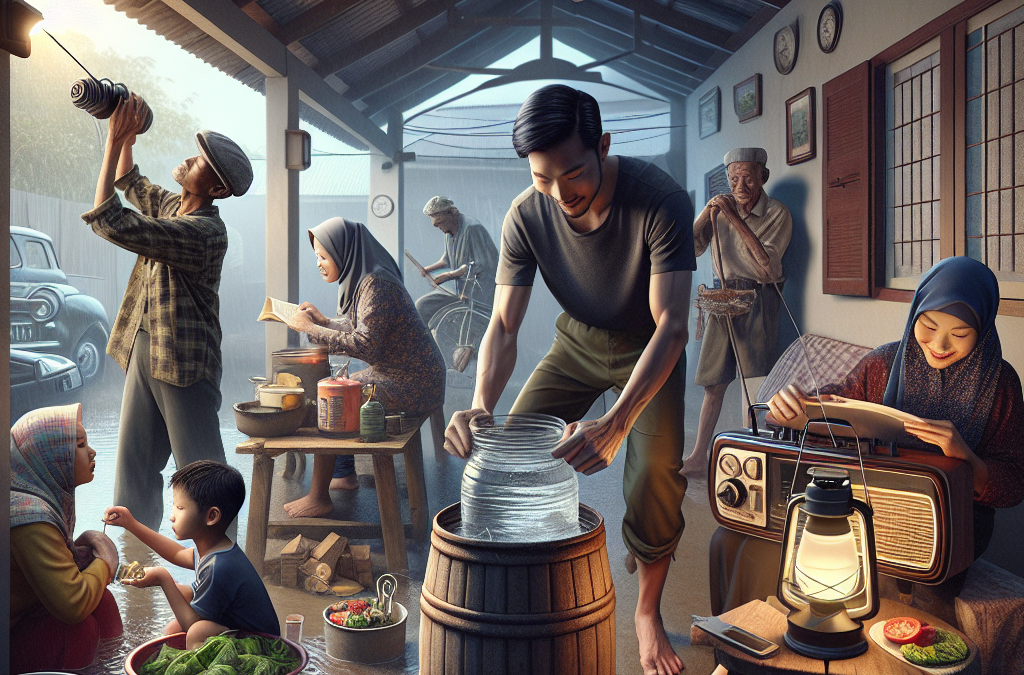
Let me tell ya, preparing for a power outage is like getting ready for a mini-adventure, and honestly, it’s a lot more fun than it sounds! First off, you’ve gotta gather your essential supplies. Think about it: candles, flashlights, batteries, and a first-aid kit. If you haven’t stocked up on water, make sure you hit the store as soon as you can. For my family, we always keep at least a few gallons of water handy because you never know how long you’ll be in the dark.
Trust me, during my first experience with a blackout, I learned the hard way about the importance of having those supplies. I was left fumbling around my house, trying to find anything that could help illuminate the darkness. Flashlights aren’t just for camping—they’re a game changer during outages!
And lest I forget, a backup phone charger is a lifesaver! When your phone dies and you lose connection to the outside world, it’s like you’re living in a 90s movie. Keep your devices juiced up so you can check for updates or send a funny meme to your friends about the experience!
Creating an Emergency Plan
Discussing the Scenario
Having an emergency plan in place is like having a roadmap for those unexpected bumps in the road. Sit down with your family and discuss what you’ll do if the power goes out. It sounds a bit dramatic, but trust me, it’s crucial! You need to know who’s responsible for which tasks, whether it’s getting the kids or making sure the pets are comfortable.
And don’t forget to consider the kiddos—they might not react well to the sudden loss of a toy or movie. In my house, we came up with fun games and storytelling sessions. Turn it into a bonding experience instead of a panic!
Have a meeting point if you live in a bigger house or complex. It’s super helpful to know where everyone will go if you get separated during the chaos. Plus, it minimizes unnecessary anxiety. A simple chat can make such a difference!
Staying Informed
Using Battery-Powered Devices
What’s scarier than being in the dark? Not knowing what’s causing the blackout! I can’t stress enough the importance of having a battery-powered radio on hand. Check the weather channel for updates, or good old-fashioned radio news. You’ll be pleasantly surprised by just how much you can stay informed with this simple device.
Make it part of your routine to check the charge on your emergency devices regularly. I’ve gotten caught off guard because I assumed my radio was charged up, only to find it dead when I needed it the most. Ugh, total bummer!
In this tech-savvy world, it’s great to have apps that track outages, but don’t rely on your phone if it runs out of battery! Old school can save the day—don’t underestimate it!
Adapting to the Dark
Making Your Home Comfortable
As much as I love the idea of embracing the minimalist lifestyle, nothing screams discomfort like a cold, dark house! In the event of a power failure, I break out the blankets and huddle up in some cozy corners. Everyone loves a little warmth, both physically and emotionally, and it can really lighten the mood!
Set the vibe with candles and soft music. Yes, I know that’s unconventional with no power, but using battery-operated fairy lights can add a touch of magic! It really does wonders for making everyone feel a bit more at home.
And hey, also think about preparing no-cook meals. Foods that don’t require a stove can save you from stress and hunger. Some of my go-to favorites include canned beans, dried fruits, and trail mix! Who said power outages have to be bland?
Maintain a Positive Attitude
Finding the Bright Side
Seriously, staying positive is half the battle. I’ve seen it all—meltdowns, fear, and sheer boredom, but it’s all about perspective! Use this time to bond with your family. Make silly faces, tell jokes, or even have a pretend camp-out in your living room.
Another cool idea is to use this opportunity to get creative. Work on drawing or making crafts using whatever supplies you’ve got around the house. You might discover a hidden artist in your family! It’s amazing how creativity can blossom even when the lights are out.
Lastly, remind your loved ones that it’s just a temporary situation. Power will be back on, but these memories can last a lifetime! You’d be surprised how many laughs can come from a little chaos!
FAQ
What supplies should I keep for a power outage?
Always have essentials like flashlights, batteries, candles, a radio, water, and non-perishable food items. A first-aid kit is also a must-have!
How can I keep my family entertained during an outage?
Try storytelling, playing board games, or turning it into a fun camping experience at home. Get creative with whatever’s available!
Is it important to have a backup phone charger?
Absolutely! You want to ensure you can stay connected for updates or help if needed. Battery-powered chargers are especially beneficial!
What should I do with perishables in my fridge?
Keep the refrigerator and freezer closed to maintain cold temperatures as long as possible. Check for food safety after the outage ends.
How can I ensure the safety of my home during a power outage?
Make sure to use flashlights instead of candles to avoid fire hazards. For longer outages, be cautious with generators, keeping them away from living areas for safety.

by Preparation | Jul 31, 2025 | Preparedness
Choosing the Right Crops
Consider Your Climate
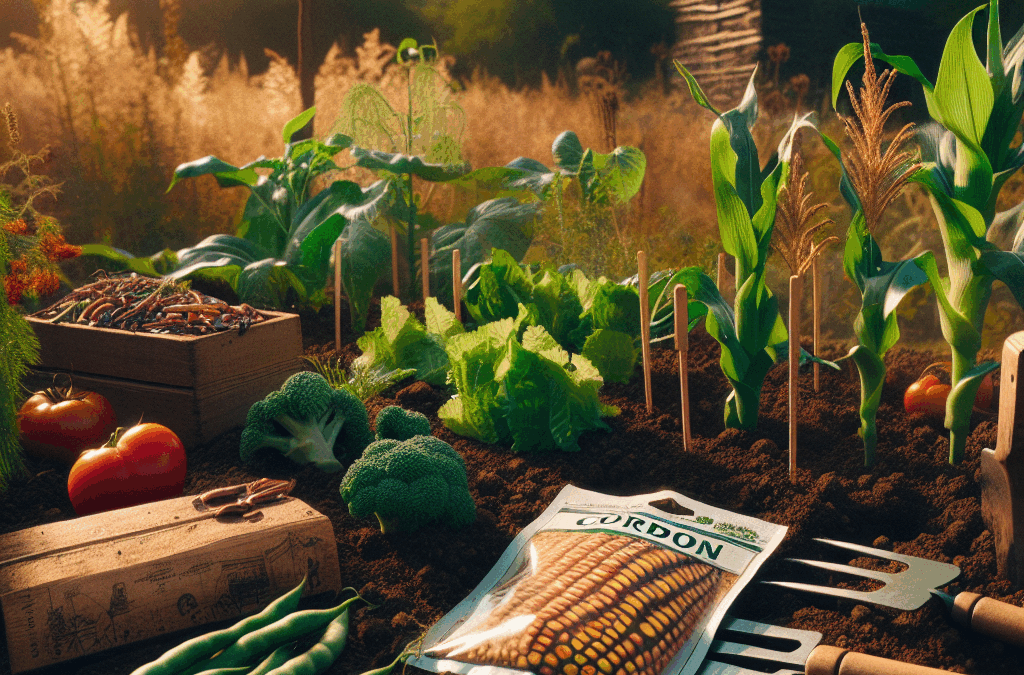
When you’re diving into survival gardening, one of the very first things you gotta think about is your climate. I mean, if you live in a place where it rarely rains, trying to grow something that needs a lot of water can be pretty frustrating. Trust me, I’ve been there. Understanding your local weather patterns can really help you choose plants that will thrive.
For example, if you’re in a hot, sunny area, crops like tomatoes, peppers, and squash are great options. They love the heat! But if you’re in a cooler region, you might want to lean towards hardier greens like kale and spinach, which can tolerate a bit of chill. By aligning your choices with your climate, you set yourself up for success.
Once you’ve nailed down the climate, check the growing season. Some crops are short-term and can be harvested quickly, while others, like certain root vegetables, take longer. Knowing when you can plant and how long it takes to grow is critical in survival gardening.
Assess Your Space
Now, let’s talk about space. It’s awesome if you’ve got a big backyard, but don’t fret if your gardening area is limited. I started off with just a small balcony! Every bit of space counts. You can use containers on your patio, raised beds, or even vertical gardening options to maximize your yield in a compact area.
The key here is to assess what you have and plan accordingly. If you’re working with a small space, consider crops that produce a high yield relative to their size, like herbs or cherry tomatoes. They pack a punch without taking up too much room!
Also, think about your garden’s layout. You want to ensure that taller plants don’t shade shorter ones. Planning your garden’s layout can make a significant difference in how well each plant performs, especially in drier times when every little bit of sunlight counts.
Know Your Nutritional Needs
When it comes to emergency food supply, let’s not forget the nutritional aspect. You want to make sure the crops you’re planting will actually provide what you need. It’s super tempting to plant just what you like to eat, but balance is key.
Consider incorporating a variety of vegetables, fruits, and even legumes into your garden. For example, beans can help fix nitrogen in the soil, enhancing its fertility, while leafy greens provide essential vitamins. A mix not only helps your garden thrive, but it ensures you have a balanced diet when times get tough.
Staying mindful of nutrition will help you make better choices about what to grow. If you focus on a diverse range of crops, you’ll be better prepared when it comes time to harvest and eat—because nobody wants to just live on potatoes, right?
Preparing Your Soil
Testing Soil Quality
The next step is soil preparation. I can’t stress this enough: good soil means healthy plants! I always recommend testing your soil first. Kits are usually cheap and super easy to use. Knowing the pH and nutrient levels helps you figure out what to add to the soil for optimal growth.
Most plants prefer a pH between 6.0 and 7.0, so if your soil is outside this range, you might need to either add lime to raise the pH or sulfur to lower it. Don’t skip this step—it’s like laying the foundation for a house; everything else depends on it!
Besides pH, consider testing for essential nutrients like nitrogen, phosphorus, and potassium. These are the big three that will give your plants a healthy start. It’ll also save you from the headache of guessing and potentially causing harm to your plants.
Amending the Soil
Once you’ve tested your soil, it’s time for amending. This can involve adding compost to enrich the soil, which is something I absolutely love doing! Compost is like magic; it turns kitchen scraps and yard waste into nutrient-rich food for your plants.
Another great option is to use mulch. Mulching helps retain moisture, suppress weeds, and adds organic matter as it breaks down! It’s like giving your garden a cozy blanket while feeding it at the same time. Who doesn’t want to do that?
Don’t forget about aeration as well—loose soil allows roots to grow deep and strong. If your soil is too compact, you might need to till it gently but be cautious not to overdo it. Let’s keep those microorganisms thriving!
Maintaining Soil Health
As you start growing your crops, it’s super important to maintain the health of your soil. It’s not just a one-time deal; think of it as an ongoing relationship that needs nurturing. Regularly adding organic material like compost can keep the nutrient levels up throughout the season.
Crop rotation is another technique that I swear by. Rotating your crops each season helps prevent soil depletion and disrupts pest life cycles. It’s an easy way to maintain that vibrant soil health while keeping pests at bay!
Additionally, avoid using chemical fertilizers whenever possible. They might give a quick boost but can do long-term damage to the soil’s structure and health. Go for organic options; they’ll be better for your garden and for you in the long haul.
Creating a Sustainable Water Source
Assessing Your Water Needs
Getting the right amount of water to your plants can sometimes feel like a juggling act. Too much and you’ll drown them; too little and they’ll wither. The first thing you need to do is assess how much water your garden is actually going to need. It depends on the crops you choose and your local climate.
During dry months, some plants may need daily watering, while others, like cucumbers or melons, prefer deep but infrequent watering. Checking the top inch of soil before watering can be a good rule of thumb. And let me tell you, overwatering is one of the biggest mistakes I see new gardeners make!
In addition, consider seasonality. Your watering needs may fluctuate depending on the time of year. Hot summer months can demand more water, while rainy seasons will need less. Keeping an eye on these changes helps ensure your plants stay happy and hydrated.
Implementing Drip Irrigation
If you’re serious about sustainability, I can’t recommend drip irrigation enough. This system lets you deliver water directly to the plant’s roots, minimizing waste and evaporation. It’s like having a water butler for your plants! I set one up last year, and it has made my life ten times easier.
A drip irrigation setup doesn’t have to break the bank either. There are kits available for home gardeners that are pretty straightforward to install. You can even make your own if you’re feeling crafty! Once it’s in, you can set it up on a timer and let it do the work for you, which is seriously a game-changer.
Plus, it helps reduce the chances of fungal diseases since water isn’t sitting on the leaves. This means healthier plants overall. If you’re thinking about self-sufficiency, this is an investment worth considering!
Collecting Rainwater
Another awesome way to maintain a sustainable water source is by collecting rainwater. I’ve set up a simple rain barrel by my downspouts, and it’s been fantastic. Not only is it a smart way to use natural resources, but it’s also super eco-friendly!
Rain barrels can be bought at garden stores or even DIY-ed with some basic tools. You just need a barrel, a downspout connector, and some filter setup to keep debris out. It’s easy—trust me, if I can do it, anyone can!
This water is typically free of chemicals compared to tap water, making it great for your garden. You can use it to water your plants, wash off equipment, or even make mixes for your compost pile!
Harvesting and Preserving Your Crops
Knowing When to Harvest
Harvest time can be one of the most exciting parts of gardening! But knowing when to pick your crops can sometimes be tricky. I remember waiting way too long to pick my tomatoes once, and let me tell you, they were overripened and mushy. Sad times!
Every crop has different indicators for ripeness. Check the seed packets or do a bit of online research. A good rule of thumb for many veggies is to look for vibrant color and a slight firmness. Your senses—sight, touch, and sometimes even smell—are your best friends at this stage.
Don’t wait too long, as many crops can attract pests or rot if left on the vine. A bit of vigilance during the growing season makes all the difference. You want to enjoy your harvest, not be sad about what you lost!
Methods of Preservation
Once you’ve harvested your crops, preserving them is where the fun really begins. Canning, freezing, dehydrating—the options are endless! I usually start with canning because it’s a great way to store tomatoes and pickles, and they make awesome gifts!
If you’re more of a freeze-it kinda person, keep in mind that you need to blanch veggies first—it’s a quick dip in boiling water followed by an ice bath. This helps preserve the color and nutrients, making your frozen goods last longer and taste better.
I’ve also dabbled in dehydrating herbs and fruits. It’s super easy and adds unique flavors to meals later on. Plus, it makes a great way to enjoy summer flavors in the middle of winter. You’ll thank your past self when you dig into those dried goodies! Trust me.
Sharing Your Bounty
The best part about growing your own food? Sharing it with others! Once you start harvesting, consider sharing the wealth. I always find that my neighbors love when I drop off some fresh veggies, and it fosters a great community vibe.
Not everyone has the ability or space to grow their own food, so sharing what you’ve grown can make a real impact. Besides, it usually sparks conversations about gardening and sustainability, and you might even inspire someone else to start their own garden!
And let’s be honest, you might just make a few new friends along the way. Gardening has this amazing way of bringing people together, and what better way to connect than over something you’ve nurtured right from the ground up?
FAQs about Survival Gardening
1. What crops are best for survival gardening?
Some of the best crops for survival gardening include tomatoes, carrots, beans, and various greens like spinach and kale. They’re versatile, nutritious, and tend to grow well in a variety of climates.
2. How can I improve my soil?
You can improve your soil by testing its quality, adding organic matter like compost, and incorporating mulch to retain moisture. Regularly rotating crops also aids in maintaining soil health.
3. What’s the most efficient way to irrigate my garden?
Drip irrigation is the most efficient way to water your garden as it delivers water right to the roots and reduces evaporation. Collecting rainwater is another eco-friendly option!
4. How do I know when to harvest my crops?
Each crop has different signs for ripeness. Typically, look for vibrant colors, slight firmness, and consult seed packets for specific indicators about when to harvest.
5. How should I preserve my harvested crops?
You can preserve crops through canning, freezing, or dehydrating. Each method has its benefits, so choose based on the type of crop and your own preferences.
by Preparation | Jul 31, 2025 | Preparedness
In a world where natural disasters can strike with little warning, understanding the importance of disaster preparedness is crucial. It’s not merely a task on your to-do list; it’s an essential component of safeguarding your family and property. Preparedness means being proactive rather than reactive, ensuring you have the tools and strategies in place to respond effectively when emergencies arise.
The first step in this journey is assessing your risks. Different regions face unique challenges—be it hurricanes, earthquakes, floods, or wildfires. Take time to research the types of disasters that are most prevalent in your area. This knowledge will guide your planning efforts. For instance, if you’re living in a flood zone, prioritizing water-resistant supplies and evacuation routes becomes paramount. By identifying potential threats specific to your environment, you can tailor your preparedness strategy accordingly.
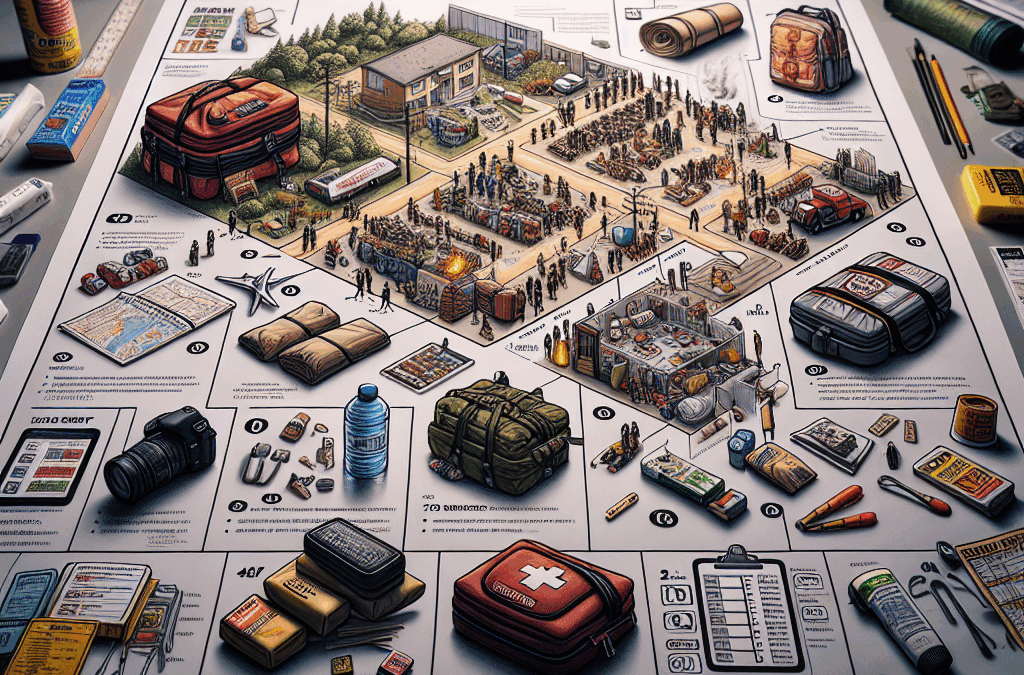
Once you’ve assessed your risks, it’s time to build your emergency kit. This kit should be a treasure trove of essential supplies that will sustain you during challenging times. Think beyond just bottled water and snacks—include items like first aid supplies, flashlights with extra batteries, multi-tools, blankets, and hygiene products. Don’t forget about medications specific to family members’ needs as well as important documents stored in waterproof containers. A well-stocked emergency kit can make all the difference when facing unexpected disruptions.
Equally important is creating a family emergency plan that covers communication and evacuation strategies. Discuss these plans with every member of the household so everyone knows what to do before disaster strikes. Establish meeting points outside the home where everyone can gather after an evacuation—this reduces confusion amidst chaos. Moreover, consider designating an out-of-town contact person who can relay information if local networks become unreliable during a crisis.
Staying informed is another critical aspect of effective disaster preparedness. Utilize alerts from local authorities or download apps designed for real-time updates about weather conditions or emergencies in your area. Social media platforms often provide timely information too; however, ensure you rely on verified sources for accuracy—disinformation can spread rapidly during crises and create unnecessary panic.
Regularly reviewing and updating your preparedness plan is vital for staying ready for anything life throws at you. Situations change over time—new family members may join the household or personal circumstances might shift—and it’s important that your plan evolves accordingly. Set aside time annually (or biannually) to revisit each component: assess any new risks based on environmental changes or recent events; replenish expired items in your emergency kit; and practice drills with the entire family so everyone feels comfortable executing the plan.
Disaster preparedness isn’t simply about having supplies ready; it’s about cultivating resilience within yourself and those around you. By understanding risks, designing comprehensive plans, staying informed through reliable channels, and regularly reassessing strategies—you equip yourself with confidence against uncertainty. Remember: being prepared isn’t just smart—it could very well be lifesaving! So take these steps seriously today because tomorrow may bring surprises we least expect!
by Preparation | Jul 31, 2025 | Preparedness
Stay Informed and Educated about Weather Conditions
Understand Weather Terminology
It’s super important to get a grip on weather terminology. When you hear a weather alert, do you know what a “flash flood watch” means compared to a “warning”? I started paying attention to these terms, and what a game changer! Knowing the difference can help you prioritize your response. A ‘watch’ means to be prepared, while a ‘warning’ is the time to act.
Before I learned this, I would just brush off the alerts. But once I had a better understanding, I realized how vital it is to stay updated. Educate yourself on common weather phenomena specific to your area, whether it’s hurricanes, tornadoes, or snowstorms. Make a mental note—knowledge is power!
Finally, don’t just rely on the news. Apps and local alerts keep you in the loop throughout the day. I downloaded a few reputable weather apps, and let me tell you, it’s worth the space on my phone!
Follow Trusted Sources for Updates
One of the biggest lessons I learned during unexpected weather events is to follow trustworthy sources. Social media can be super misleading, and we don’t want to get caught up in the panic. Find local meteorologists on Twitter or Facebook who provide accurate and timely updates. Building that trust is key!
Don’t hesitate to get weather notifications sent straight to your phone. I have alerts set up to ping me when severe weather is approaching, and it’s been a real lifesaver. Being notified instantly means I can act quickly!
Also, check out local government websites for emergency plans and community resources. Often, they publish helpful guides about what to do before, during, and after a disaster. Being prepared makes all the difference.
Participate in Community Preparedness Events
Getting involved with your community during preparedness events is a blast! I’ve joined local emergency preparedness meetings and trainings, which gave me insight into local hazards and community response strategies. Plus, you meet some great people who think like you—future survivalists!
These events often provide hands-on training, like how to use an emergency kit or what to include in an evacuation plan. The experience is invaluable, and you gain confidence knowing you can handle a tough situation.
Trust me on this one—community bonds help in times of crisis. You can share resources, experiences, and even group networking in case you need help during bad weather.
Create a Disaster Preparedness Plan
Assess Your Household’s Needs
First things first, take stock of your household’s unique needs. This isn’t a one-size-fits-all situation. I personally sat down with my family and discussed what we would need during a disaster. That includes food supplies, medications, and special items for little ones or pets.
At the end of the day, knowing what everyone needs helps reduce stress in high-pressure moments. Plus, you can avoid the scramble at the last minute when everyone realizes they need something vital!
Compiling a list of necessary items for different scenarios can be a smart move, helping you stay organized. It doesn’t have to be complicated; you can keep it simple but effective!
Develop an Evacuation Plan
Your evacuation plan is your life jacket when things go south. For my family, this means knowing multiple routes out of town just in case. I cannot stress enough how crucial it is to have alternate paths in mind—traffic during evacuations can be a nightmare!
Make sure everyone in your household knows the plan. Whether it’s kids or grandparents, everyone should be informed about what to do and where to go. Practice makes perfect, so why not have a little drill? It can be fun and educational at the same time!
Don’t forget to consider transportation, too. If you only have one vehicle, plan who drives it and what to do in case of emergencies. Having a clear strategy is a huge weight off your shoulders when disaster strikes.
Compile a Go-Bag with Essentials
Talking about a go-bag gets me excited, honestly! I put together an emergency bag with all the essential items my family might need in a hurry. Think of non-perishable snacks, water bottles, flashlights, and a first-aid kit. It’s kinda like a survival care package!
Don’t forget cash! ATMs may not function during a disaster, so having some bills on hand is a lifesaver. Also, pack copies of important documents—IDs, insurance info, you name it. Keeping everything together can save you a ton of stress later on!
Lastly, remember to refresh your go-bag occasionally. I tend to swap out old snacks and check the expiration dates regularly. It’s the simple things that can make a big difference when you need to act fast!
Establish Communication Protocols
Identify Emergency Contacts
Communication is key during a disaster. Identify trusted emergency contacts that your family can reach out to if you’re separated. I made a list stored on everyone’s phones and printed a few copies for the fridge. It’s great for peace of mind!
You’ll want to choose a mix of local and long-distance contacts. Sometimes the cell networks are down, and it might be easier to get in touch with someone outside the area. Whoever it is, make sure they’re on board, too, and understand they’ll be your go-to.
Don’t forget to establish a meeting point if everyone gets split up. It should be somewhere familiar and accessible—like a local park or community center. Having a plan protects you from panic later!
Use Multiple Communication Channels
Relying solely on your phone isn’t the best idea. I learned that the hard way! You never know when signals may drop or when you might lose power. It’s important to have multiple ways to communicate. Use social media, landlines, or even walkie-talkies!
Encourage family and friends to share their locations using location-sharing apps. It may sound a bit dramatic, but it can really come in handy when every moment counts. Keeping tabs on each other shouldn’t add stress, so use tech to your advantage!
Also, consider having a family group chat as a backup for real-time updates. Keeping everyone in the loop can alleviate fears and uncertainties when things go wrong.
Educate Family on Communication Plans
Here’s a fun one: make your communication plan a family affair. Sit down and involve everyone—no matter their age. This builds understanding and reduces anxiety when it’s time to put the plan into action.
Run through scenarios where you might need to execute your plan. This way, people will know exactly what to do without being flustered in the heat of the moment. I remember the first time we did a mock drill. Everyone was so much calmer during the actual storm!
Keep it interesting with role-playing or games to teach young kids about safety precautions and routes during an emergency. They’ll not only learn, but they’ll remember the lessons, too!
Stock Up on Emergency Supplies
Build a Comprehensive Emergency Kit
Hello, emergency kit! What’s inside matters more than you might think. I always recommend keeping basics like non-perishable food, first-aid items, and hygiene products. But don’t forget the pet essentials if you have furry family members!
When I first assembled my kit, I focused on food and water. But then I thought about comfort too—things like blankets, a battery-operated radio, and even board games for the kids! It was eye-opening to think of all the needs that could arise.
Regularly checking and updating the emergency kit is crucial. Changing out stale food or expired supplies ensures you’re always ready to go. It’s one less thing you have to worry about when disaster strikes!
When to Restock Supplies
Make it a habit to restock your emergency supplies—maybe set a reminder on your phone or jot it down in your planner. Every few months, review what you have and what might need refreshing. Keeping track will transform a typically daunting task into an easy routine.
I had no idea how quickly supplies could dwindle until I forgot to check my kit. That was a real wake-up call! I found expired items and bare minimums sitting there. Now, I treat my emergency stock like a monthly grocery shopping trip—only for safety!
Being proactive saves time and ensures that you’re never caught with your pants down when an emergency hits. It’s all about staying ahead of the game!
Sourcing Alternative Supplies
Don’t forget to think outside the box when assembling supplies! Local supermarkets might be low on certain items during emergencies. That’s why diversifying your sources is smart—try local co-ops or farms for fresh food options.
I found that reaching out to community groups can help find emergency items. People often share resources and tips on where to score food and supplies. Talk to your neighbors; they might have insights you wouldn’t have thought of!
Creating a network can make a world of difference when everyone is trying to get the same resources. Building community and connections will be beneficial not just in emergencies but in daily life too!
FAQ
1. What should be included in an emergency kit?
An emergency kit should include non-perishable food, water, a first-aid kit, flashlight, batteries, personal hygiene items, cash, and any necessary medications. Don’t forget comfort items for kids or pets!
2. How can I stay informed about weather conditions?
Follow trusted sources such as local meteorologists and official government weather services. Download apps that send real-time alerts to keep you informed on developing weather situations.
3. Why is having an evacuation plan important?
An evacuation plan helps you act swiftly in emergencies. Knowing routes, meeting points, and transportation arrangements in advance can save precious time and reduce panic when every second counts.
4. What types of communication methods should I use?
Utilize multiple forms of communication like phone calls, text messages, social media, and even community bulletin boards. Ensure everyone knows how to reach each other during a disaster.
5. How often should I check my emergency supplies?
It’s recommended to check and restock your emergency supplies every few months. Regular reviews will ensure your kit is up-to-date and ready for anything life throws at you.

by Preparation | Jul 31, 2025 | Preparedness
Disasters can shake us to our core in ways we never thought possible. Whether it’s natural disasters like hurricanes and earthquakes or man-made tragedies, the psychological toll is real. Having navigated my own fair share of emotional upheavals, I can tell you, it’s crucial to categorize our feelings and reactions. Let’s dive into how disasters can affect our mental state and more importantly, how we can learn to cope.
Understanding the Emotional Reactions to Disasters
Common Emotional Responses
Right after a disaster hits, it’s normal to feel a whirlwind of emotions. You might feel fear, sadness, anger, or even numbness. Every person reacts differently to trauma, and acknowledging your feelings is the first step. Once, after a significant event, I found myself oscillating between extreme sadness and a feeling of complete detachment from reality. I realized that these reactions, though unsettling, are part of the healing process.
Understanding that these feelings are common can be liberating. Whether it’s grief from loss or anxiety about future uncertainties, naming these emotions can help in processing them. I often recommend journaling to my friends post-disaster. Writing what you feel, even if it seems jumbled, creates a pathway to healing.
Also, don’t be surprised if these emotions linger longer than you’d expect. Many times, the psychological impact of disasters doesn’t vanish quickly; it morphs over time. Giving yourself permission to feel is key, and it’s perfectly okay to seek out support when needed.
Adjustment Difficulties
After experiencing a disaster, adjusting back to ‘normal’ life can be one of the toughest challenges. You might find reminders of the event trigger anxiety or distress. When I was attempting to resume my routine after a natural disaster, I faced difficulties concentrating on mundane tasks. Everything seemed tinged with worry.
Finding healthy coping mechanisms is vital. For me, joining a support group was a game-changer. Talking to others who had gone through similar experiences helped me realize that I wasn’t alone. Sometimes sharing your story helps weave a narrative that makes life seem less chaotic.
Routine is your ally too. Gradually re-establishing a sense of normalcy can offer comfort. In the aftermath of my own experiences, I focused on small daily tasks—like walking my dog or cooking dinner—as a way to anchor myself amid the chaos.
Physical Symptoms Related to Stress
It’s essential to realize that emotional turmoil can manifest physically. Stress from disasters can lead to symptoms like headaches, stomach issues, or fatigue. I learned this lesson during a particularly stressful time. My body literally started sending me red flags, and I knew I needed to listen.
When your mind is in distress, the body often reflects that turmoil. Acknowledging physical symptoms and treating them gently is so important. Techniques like deep breathing, meditation, or light exercise helped me. I even took up yoga, finding that it not only calmed my mind but also eased physical tension.
Remember, your body is battling too! Make sure to prioritize self-care. Whether that’s indulging in a hobby you love, or simply taking a warm bath, nurturing yourself can go a long way in helping you recover holistically.
Identifying and Addressing Trauma Symptoms
Recognizing Trauma Signs
Trauma can be sneaky. Sometimes, the signs don’t show up until weeks or even months later. For me, I noticed I was becoming easily agitated, and certain sounds or images from the disaster would send me spiraling. Recognizing these signs is crucial; it’s the first step toward finding help.
Symptoms can range from intrusive thoughts about the event, hypervigilance, or even avoiding places or reminders that trigger distress. I once avoided a park where I had experienced a traumatic event. Understanding that avoidance often stems from fear made it easier for me to confront my feelings.
It’s key to approach trauma with patience. Each person’s healing timeline is unique. Acceptance of where you are is essential for moving forward without fear or shame about your recovery journey.
Seeking Professional Help
Let’s face it—often we need a little extra help, and that’s totally okay! Talking to a professional can provide tailored guidance and coping strategies. I remember feeling apprehensive about seeking therapy after my experiences, but it turned out to be a blessing in disguise.
Finding someone you trust is essential. Whether through personal recommendations or online directories, look for someone who specializes in trauma care. Therapy gave me tools to manage my anxiety and helped me explore my feelings constructively.
Don’t hesitate to reach out! Seeking help is a sign of strength, not weakness. It’s okay to lean on experts who can provide a safe space for you to explore your feelings—trust me, it can transform your healing journey.
Building a Support Network
Connecting with family, friends, or community members can shore you up during tough times. After experiencing disaster, isolation can sneak in, but I’ve found that sharing the weight of that burden makes a world of difference. Organizing meet-ups or joining community support groups can strengthen your network.
Never underestimate the power of a listening ear. I often invite friends over just to hang out, allowing a casual environment to talk about life, feelings, or just to enjoy a good movie together. It’s comforting to know you’re not alone in the aftermath.
Remember that it isn’t just about talking; giving support to others can be equally healing. Sometimes, being there for someone else helps us process our own experiences. Strength breeds strength, and community can be a powerful part of our healing process.
Developing Coping Strategies and Skills
Healthy Coping Mechanisms
Creating a toolkit of coping strategies can help you navigate post-disaster life. I’ve learned to combat my anxiety through various methods—some are physical, while others are creative or contemplative. For instance, simple things like going for a run or engaging in art have proven therapeutic for me.
It’s all about discovering what works for you. Experiment with tools like mindfulness, journaling, or even gardening. When I tend to my plants, I find peace in the rhythm of watering and caring for them. That connection to nature brings grounding to the chaos within.
Your toolkit should be unique to you! Whether you enjoy cooking, running, painting, or meditating, prioritize activities that bring you joy and calmness. Having these coping strategies in place can arm you when stress strikes.
Building Resilience
Resilience isn’t about being tough but rather about adapting, learning, and bouncing back from adversity. I’ve found that every disaster has taught me something valuable about myself. It’s about reframing your mindset and embracing the idea that you can overcome challenges.
Start by setting small goals for yourself. After a disaster, I focused on tiny achievements—like getting out of bed on time or having a healthy meal. Celebrating those little wins can build confidence and encourage you to tackle bigger challenges ahead.
Building resilience often includes fostering optimism. Surrounding myself with positive and supportive people has helped craft an uplifting environment that encourages recovery. Remember, it’s okay to lean on others. Together, we can be stronger.
Practicing Self-Care
Finally, never underestimate the power of self-care. In times of crisis, self-care can often be neglected. I’ve realized that prioritizing my own needs is crucial in being able to show up for others. It’s not selfish; it’s essential.
Establishing routines that include self-care practices can provide stability. Whether that means reading a book, treating yourself to a spa night, or simply taking time to breathe deeply, it’s vital. After all, if your tank is empty, you can’t help others fill theirs!
Make self-care a non-negotiable part of your day. When I began checking in on myself regularly, I noticed that my overall wellbeing improved. You deserve love and care just as much as anyone else. Prioritize yourself because it’s a pivotal part of healing.
Frequently Asked Questions
1. What are the common emotional reactions to disasters?
Common emotional reactions to disasters include fear, anxiety, sadness, anger, and confusion. It’s perfectly normal to experience these feelings, as everyone copes in their own unique way.
2. How do I know if I’m experiencing trauma symptoms?
Signs of trauma can include intrusive thoughts related to the disaster, heightened anxiety, mood swings, and physical symptoms like headaches or fatigue. If these symptoms persist, it might be beneficial to consult with a professional.
3. What should I do if I feel isolated after a disaster?
If you feel isolated, reaching out for support is essential. Join local groups, connect with loved ones, or consider talking to a therapist who can help you rebuild your social connections.
4. How can I practice self-care during difficult times?
Practice self-care by incorporating activities that nourish your mind and body. This can include exercise, meditation, hobbies, and simply making time for relaxation. Prioritize your well-being like it’s your lifeline—because it truly is.
5. When should I seek professional help after a disaster?
If your symptoms are significantly impacting your daily life, or if they persist for several weeks, it’s a good idea to seek professional help. A therapist can provide valuable support and coping strategies tailored to your situation.

by Preparation | Jul 31, 2025 | Preparedness
Stay Connected with Others
Utilize Technology
One of the best things about living in the digital age is how easy it is to stay connected with friends and family, even when you’re stuck at home. I remember during the last significant emergency, I relied heavily on video calls. Apps like Zoom and FaceTime allowed me to have ‘face-to-face’ chats, making me feel less isolated. I suggest scheduling regular catch-ups with your loved ones to keep up the good vibes.
Don’t forget about social media! While it can sometimes get a bad rap, platforms like Facebook and Twitter can help you stay in touch and keep up with what everyone’s doing. Share memes, funny stories, or even just check in on each other. It really helps to laugh together, even if it’s through a screen.
If you’re feeling extra creative, consider starting a virtual book club or a game night. I’ve enjoyed countless evenings of playing online games with friends, and it felt almost like we were in the same room. Finding ways to connect, even while you’re apart, can really bridge the gap and keep your spirits up.
Reach Out for Support
If things get tough, don’t hesitate to reach out for support. I learned the hard way that bottling up feelings makes everything feel worse. Whether it’s a chat with a good friend or a session with a professional, talking things through can work wonders. It’s okay to be vulnerable; we all need that support sometimes.
A lot of communities have created support groups (both online and offline) to help those feeling isolated. Take a look around; you might be surprised at what’s available. For me, discovering a community of people experiencing the same feelings made a huge difference. We could encourage each other and share tips and good practices.
Don’t forget about your local resources—many organizations offer helplines and online support groups. They’re there to help you navigate through tough times. I always keep a list of helplines and support services handy just in case I need them or someone else does.
Express Yourself
When I was feeling isolated, I found writing to be incredibly therapeutic. Journaling has helped me process my thoughts and feelings, and sometimes, I just dump everything onto the page without holding back. It’s a great way to understand what I’m going through. You might be surprised at how cathartic it can be.
Art can also be a powerful outlet. Whether you draw, paint, or craft, finding a creative hobby can give you a sense of accomplishment and joy. I took up painting a few months ago, and it was like a switch flipped for me. I forgot about the stress of isolation and immersed myself in the world of color and creativity.
You can even try expressing yourself through music. Whether you’re playing an instrument, singing, or just dancing around your living room, music has a magical way of lifting our spirits. I’ve had some of the best moments during isolation just blasting my favorite tunes and having a mini-concert at home!
Establish a Routine
Create a Daily Schedule
Crafting a daily schedule can be super helpful when you’re holed up at home. When everything feels chaotic, having a structured day helps ground me. I usually start by setting fixed wake-up and bedtime routines; it gives my day some much-needed rhythm. You’ll find it easier to manage stress and anxiety if you have a clear plan.
I recommend including a mix of work, relaxation, and fun activities in your schedule. Maybe set aside some time each day to read, go for a walk, or try that new recipe you’ve been eyeing. Balancing productivity with leisure is key in preventing burnout, especially when the days seem to blend into one another.
Don’t forget to include breaks in your schedule. Short breaks to stretch or do something you enjoy can recharge your batteries and make you feel more productive. You bet I’ve taken many coffee breaks where I just step outside for a minute and soak in the fresh air!
Set Small Goals
Along with my daily schedule, I like to set small, achievable goals for myself. These can be simple things like finishing a book, organizing a room, or starting a workout routine. By breaking things down into bite-sized tasks, I find that I get a real sense of accomplishment, which is especially important when I’m feeling isolated.
Every time I check a goal off my list, it keeps the positive vibes flowing. I recommend writing down your goals where you can see them daily—maybe put them on your fridge or as a wallpaper on your phone. This small visual cue can serve as a reminder and motivation when you need it.
Also, don’t be afraid to celebrate those wins! Even small victories deserve recognition. Go ahead and treat yourself when you accomplish your goals—it might be as simple as enjoying a relaxing bath or indulging in your favorite snack. These celebrations can make a world of difference in lifting your mood.
Practice Self-Care
Self-care became a big focus for me during isolation. I made it a priority to spend time on myself and my mental health. Whether it’s practicing mindfulness, doing yoga, or simply taking a hot bath, finding those moments for yourself can be a game-changer. I can’t stress enough how important it is to be kind to yourself during tough times.
Additionally, physical activity plays a huge role in my self-care routine. Whether it’s a home workout, going for a run, or even dancing around the living room, getting those endorphins going always lifts my spirits. Find a workout you enjoy, and it won’t feel like a chore at all.
Also, don’t underestimate the power of nutrition. Fueling your body with healthy meals makes a difference in how you feel. While it’s tempting to snack on junk food more when I’m stuck at home, I’ve found that cooking nourishing meals keeps my energy levels up and my mood stable.
Engage in Hobbies
Rediscover Old Interests
Isolation is a perfect time to revisit hobbies that you might have put on the back burner. I picked up painting and gardening again, and honestly, it felt like finding an old friend. Reconnecting with these pastimes fuels creativity and gives you something to look forward to each day.
Get curious! Explore the things that genuinely excite you. Maybe it’s knitting, photography, or learning a new language. Dedicating time each week to explore a hobby can significantly enhance your well-being, and who knows—you might just discover a new passion!
Sharing these hobbies with others can also add a layer of connection. I found online groups and classes for my interests, and it felt great to connect with people who shared the same passions. It’s fulfilling to learn together and share our progress!
Learn Something New
Why not use this time to learn something new? I enrolled in a few online classes during my isolation. There’s an abundance of resources out there, from cooking to coding, and it felt refreshing to challenge myself and soak in new information. It’s amazing how engaging your brain like this can shift your perspective.
Self-paced learning also means you can go at your own speed, which was perfect for me. I loved having the flexibility to dive deep into topics that intrigued me without the pressure of a rigid timeline. Plus, it’s a great way to keep my mind sharp while having fun!
Don’t be afraid to get hands-on. Many hobbies involve skill-building, so trying your hand at DIY projects or cooking new recipes can feel rewarding. The better you get, the more fun it becomes. It’s a win-win situation!
Volunteer Virtually
Giving back can be an incredibly fulfilling way to combat feelings of isolation. I discovered various virtual volunteer opportunities that allowed me to contribute while connecting with others. Whether it’s helping with online tutoring or supporting local organizations through social media, it’s a great way to feel part of a community.
Volunteering can also lead to new friendships! I met like-minded individuals through different initiatives. Building relationships through shared efforts always brightened my days and shifted my focus away from my feelings of isolation.
Make it a fun family or friend activity! You could organize online fundraisers or get together to help your community from a distance. It feels energizing to be part of something bigger than yourself, and you might be amazed at how much of a difference you can make!
Conclusion
In summary, coping with isolation during emergencies can be challenging, but it’s entirely possible with some creativity and effort. By staying connected with others, establishing a routine, embracing hobbies, and practicing self-care, I’ve learned to thrive, even when times get tough. Remember, it’s okay to feel overwhelmed sometimes, but you’re never truly alone.
FAQs
1. How can I stay connected with friends and family during isolation?
You can utilize technology like video calls and social media to stay in touch. Schedule regular catch-ups or start virtual activities such as game nights or book clubs to maintain connections.
2. What are some self-care practices I can adopt?
Consider creating a morning routine that includes mindfulness exercises, physical activity, and healthy meals. Also, take time for your hobbies and ensure regular check-ins with your emotional health.
3. How do I establish a productive routine?
Create a daily schedule that includes a mix of work, relaxation, and fun activities. Setting small, achievable goals can help keep you motivated and provide a sense of accomplishment.
4. What should I do if I feel overwhelmed?
Reach out for support, whether from friends, family, or mental health professionals. Expressing your feelings and seeking help can reduce the emotional burden and provide clarity.
5. How can volunteering help during isolation?
Volunteering can provide a sense of purpose and connection with others. Engaging in virtual volunteer opportunities allows you to help your community while forming new friendships along the way.




