by Preparation | Jul 31, 2025 | Preparedness
Understanding the Importance of Preparedness
Why Preparedness Is Key
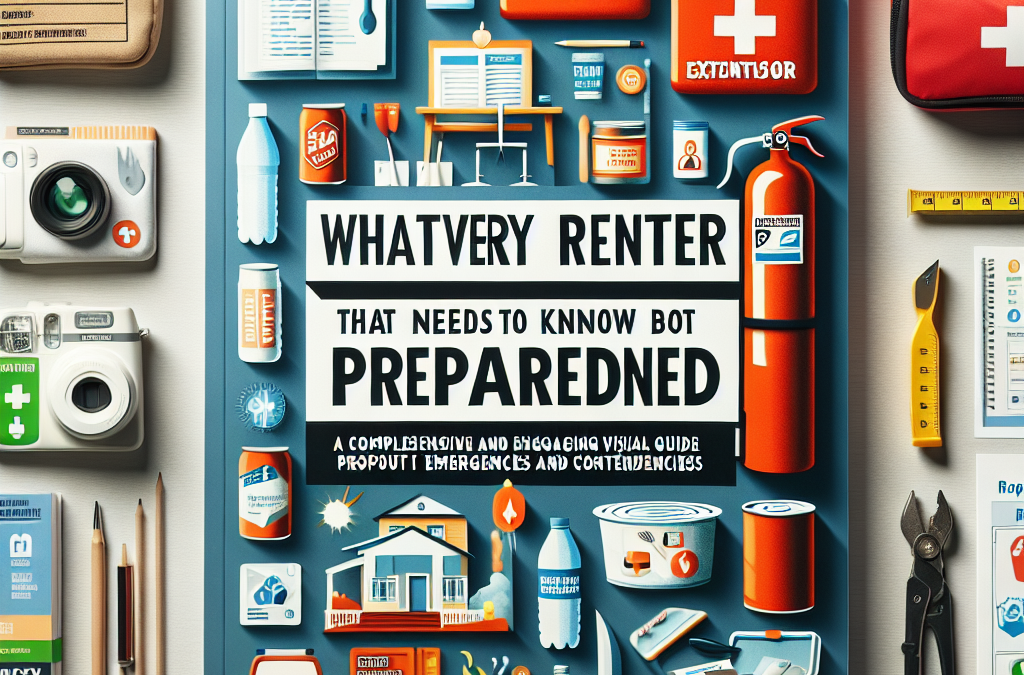
Let me tell you, being prepared as a renter is absolutely crucial. From my experience, you never really know when something is going to go wrong—floods, fires, or even unexpected maintenance issues can pop up out of nowhere. It’s like life throwing a curveball when you least expect it. Being prepared gives you peace of mind and ensures that you’re not left scrambling when things go awry.
Plus, let’s be honest, being a renter means that you’re navigating a different ballpark compared to homeowners. Your landlord has certain responsibilities, but you can’t always rely solely on them. If there’s an emergency, you need to have a game plan ready to go. That’s why I’m all about keeping things organized and knowing what to do.
And speaking of knowing what to do, staying aware of local emergency procedures is a biggie. Trust me, knowing your building’s evacuation routes and emergency contacts can be a lifesaver—literally! It puts you one step ahead in stressful situations when everyone else might be panicking.
Creating an Emergency Plan
Developing Your Plan
Alright, let’s get real. The first step in creating an emergency plan is just sitting down and making a list. I know it sounds boring, but hear me out! Identify potential emergencies specific to your area. For instance, if you live near a fault line, earthquakes should be on your radar. Or if you’re in a hurricane zone, that’s another thing to consider.
Once you’ve pinpointed those emergencies, take it a step further. Think about how you’d respond. Who would you contact? Where would you go? Write this all down. I can’t stress enough how helpful it is to have a printed copy tucked away somewhere handy in your apartment.
Lastly, don’t forget to involve your roommates or family members in this process. Everyone should be on the same page about the emergency plan. A quick meeting over snacks can help everyone understand their roles, and it makes the whole thing feel less daunting!
Building an Emergency Kit
What to Include
Your emergency kit is basically your survival bag! You want to pack it with all sorts of essentials to get you through unexpected situations. Start with the basics: food, water, and first aid supplies. It’s crucial to have enough non-perishable food to last a few days, just in case you can’t get to a store.
Don’t forget important documents, like rental agreements and IDs. Store these in a waterproof bag. In case of emergencies, the last thing you want is to be fumbling around for your lease in the middle of disaster. I’ve been there, and it’s so frustrating!
And hey, add some personal touches to your kit! Maybe it’s a flashlight with extra batteries or a blanket to stay warm. Think about what would keep you comfortable or safe during a tough time. Having items that make you feel a bit more at ease can make a world of difference when things get crazy.
Staying Informed and Connected
Use Technology to Your Advantage
In today’s world, staying informed has never been easier, and you should totally take advantage of that! I use apps that send warnings about severe weather or emergencies in my area. Set these up on your phone and keep notifications turned on—you never know when something important will pop up!
Beyond apps, consider connecting with your neighbors. Having a solid community can be incredibly helpful. I’ve found that simply introducing yourself to neighbors can lead to exchanging contact info. You never know when someone will be able to lend a helping hand!
Also, don’t shy away from local resources! Many communities host preparedness workshops or provide valuable resources. Getting involved not only helps you learn but also connects you with others who are in the same boat.
Review and Practice Your Plan
Testing Your Plan
Okay, so you’ve got your plan and your kit—now what? Reviewing and practicing your emergency plan is super key! I recommend going over your plan at least once or twice a year. Things change, and so do your needs, so keeping your plan fresh is important.
And practice makes perfect, right? Doing a mock drill with your roommates or family can help everyone feel more confident. Plan out what you’d do in different scenarios. You’ll even pick up on any gaps in your plan when you run through it together.
Finally, give your emergency kit a good once-over. Check expiration dates on food and batteries, and refresh any supplies that are low. Doing this will keep you prepared and ensure you’re ready for anything life throws your way!
FAQs
1. What should I include in my emergency kit?
You should include non-perishable food, water, a first aid kit, personal documents in a waterproof bag, flashlights, batteries, and any comfort items you might need.
2. How often should I review my emergency plan?
It’s a good idea to review your emergency plan at least once or twice every year, especially after any major life changes or if you move to a new place.
3. How can I stay informed about emergencies in my area?
Utilize apps that send alerts about severe weather or local emergencies. Also, consider joining local neighborhood groups or community boards to stay updated.
4. Should I involve my roommates in the preparedness process?
Absolutely! Involving your roommates (or family members) ensures that everyone is on the same page and knows their role during an emergency, which makes everything smoother.
5. What’s the first step I should take to prepare for an emergency?
The first step is to sit down and identify potential emergencies that are relevant to your area, then create a comprehensive emergency plan tailored to those risks.

by Preparation | Jul 31, 2025 | Preparedness
Assessing Community Vulnerabilities
Understanding Your Community’s Risks
You know, one of the first things I realized when diving into disaster response planning was the importance of understanding what risks our community faces. It’s like really getting to know your own backyard. Are we prone to floods, wildfires, or earthquakes? Addressing these questions is crucial because not preparing for the specific risks can leave us vulnerable when a disaster strikes.
To start, I gathered data from local emergency management agencies and historical records. This wasn’t just about crunching numbers; it was about hearing stories from neighbors who’ve lived here longer than I have. You can learn a lot from personal experiences that data alone doesn’t tell you.
Keep in mind that community vulnerabilities also include social factors such as poverty levels, access to resources, and population density. By engaging different community members, I got a fuller picture of both physical and social vulnerabilities. It’s a real eye-opener and helps shape a comprehensive response plan.
Engaging with Local Stakeholders
Once I understood the risks, I knew I couldn’t tackle this alone. I reached out to local stakeholders—leaders from schools, churches, non-profits, and businesses. Creating a solid network of contacts was key. Everyone plays a role in a disaster response, and getting those voices involved early fosters collaboration and commitment.
This step is all about building relationships with the people who can help make your plan a success. I organized community meetings to discuss our potential challenges, and what amazed me was the level of interest and input we got. It’s like everyone took ownership of this responsibility, which was empowering!
We also filled gaps in expertise this way. Some stakeholders offered technical skills, others shared resource availability, and some even had firsthand experience in crisis management. With a diverse team, we could think outside the box! Trust me, a collaborative approach is way better than trying to go it alone.
Creating a Vulnerability Map
After gathering insights from the community, I turned to geographical mapping. Creating a vulnerability map was hands-down one of the most useful tools in our plan. It visually represented the risks and the areas most affected, allowing us to prioritize our efforts.
Using simple tech tools, I marked high-risk zones, emergency service locations, and resources available in our community. A little creativity here really helped. It’s more engaging to see it on a map than just reading it in a report!
This map became a living document, regularly updated with feedback from the community. It’s more interactive this way, fostering a sense of accountability among community members. Honestly, if you’re starting this process, invest time into mapping out those vulnerabilities. You won’t regret it!
Developing Emergency Response Strategies
Establishing Clear Protocols
With vulnerabilities mapped out, it was time to hammer out contingency plans. I found that the best way to do this is by establishing clear, easy-to-follow protocols for various types of disasters. Everyone needs to know what to do when things get chaotic! You don’t want panic; you want action.
We worked backward from potential disaster scenarios. Each protocol included roles, responsibilities, and communication strategies. What I loved most was the feedback from our community on how to make these protocols user-friendly. We aimed for clarity over complexity—nobody needs a complicated guide during a crisis!
This reminded me of those emergency drills we had in school. Just like then, practice made everything a bit less intimidating. We organized community drills to test these protocols, which brought everyone together in a really meaningful way.
Creating Community Support Networks
One thing I learned was that individuals often feel powerless during disasters, but establishing strong community support networks equips them with the knowledge and resources they need. So we created a buddy system, pairing neighbors to check in on each other during a crisis.
In forming these networks, I emphasized the different roles people could play—whether that’s as a point of contact, a first aider, or someone who can assist with transporting supplies. It truly takes a village, right? Leveraging local resources such as churches and schools also ensured we had designated meeting points.
And let’s not underestimate the power of social media! By using community boards and local groups, we kept everyone in the loop on developments, preparedness tips, and even morale-boosting activities. Staying connected is key in times of uncertainty.
Regular Training and Drills
When we think about emergency response strategies, let’s not forget the importance of training. I made it a priority to schedule regular drills and workshops for everyone involved. Training ensures these protocols aren’t just words on paper, but practical steps that people are familiar with.
We brought in local experts for real-world training scenarios. It was phenomenal to see community members step up and take their roles seriously—and often, stepping beyond their comfort zones! No one was forced; they showed up because they cared.
And hey, the best part? Drills became a community-building event. People felt more connected with their neighbors and shared not only knowledge but also laughter and camaraderie. After all, preparedness can be fun!
Establishing Communication Channels
Creating a Communication Plan
One of the real game-changers for us was crafting a robust communication plan. I knew that during a disaster, reliable information was everything. Keeping residents informed on updates, resources, and safety measures can save lives.
We set up a multi-platform approach, utilizing social media, local radio, and even old-school flyers. I contacted local media outlets to ensure we’re all on the same page in spreading consistent messages. It’s crucial that there’s no room for misinformation during emergencies.
Additionally, we provided training on how to use these communication tools effectively. Not everyone is tech-savvy, and I wanted everyone on board. Empowering folks with knowledge about how to access information or share updates was fundamental in making our community resilient.
Utilizing Technology
Embracing technology was another breakthrough for us! From text alerts to community apps, using tech to keep our town informed became a priority. It took some getting used to, but once folks understood how useful these tools could be, everyone jumped on board.
We looked into available applications specifically designed for emergency management. These platforms help streamline information and keep everyone in the loop. There’s something so reassuring about knowing what’s happening in real time! It reduces anxiety and lets people focus on staying safe.
Of course, we also addressed the tech gap. Not everyone has access to smartphones, so I made sure we had alternative ways to receive information. Inclusivity is essential, and preparation needs to ensure no one is left in the dark!
Feedback and Continuous Improvement
After each drill, our emphasis was always on feedback. What worked? What didn’t? Holding community forums post-drills was vital, allowing everyone to voice their opinions and experiences. True improvement can only come from honest discussions.
This continuous cycle of feedback fostered a caring community where folks felt valued for their input. I was always amazed by the innovative suggestions that popped up. It’s humbling to realize just how much wealth of knowledge is out there if you open up the floor for discussion.
Over time, this practice transformed our response plan to be more grounded and effective. The goal was always progress, and incorporating community feedback played a huge role in enhancing our methods and strategies. Trust the process, listen, and watch your plan blossom!
Preparing for Recovery
Establishing Recovery Resources
Here’s where it all comes together: preparing for recovery. It’s easy to focus on what happens during a disaster, but what about afterwards? Establishing recovery resources is a huge part of the plan that we can’t overlook. I started by mapping out local resources available for post-disaster support.
This included reaching out to non-profits, mental health services, and local government agencies. Creating partnerships ensured that when the recovery phase came, we could mobilize these resources quickly. Sharing this information with the community empowered them to know where to turn in times of need.
Remember, recovery isn’t just about physical resources. It’s also about emotional support. Connecting residents with mental health professionals or support groups can help heal the unseen wounds that disasters cause. It’s a critical piece of the puzzle that often gets sidelined.
Creating a Long-term Recovery Plan
Next up was developing a long-term recovery strategy. Now, I didn’t want it to be a one-size-fits-all approach, so I involved community members in creating this plan. The idea was to address both the immediate aftermath and the long-term rebuilding phase.
Engaging in discussions on what rehabilitation looks like for different parts of our community opened up pathways to understanding specific needs—be it housing, public infrastructure, or local business support. Each corner of our community has its own unique flavor, and a cookie-cutter technique wouldn’t cut it.
We aimed for inclusivity, ensuring that everyone had a seat at the table. It fostered a sense of hope and resilience, knowing that together, we could lay the groundwork for a strong recovery regardless of what came our way.
Monitoring and Adaptation
And lastly, I always emphasize the importance of monitoring and adapting our recovery strategies based on real-world feedback. Situations are fluid, and policies put in place may need tweaking as we learn from past experiences.
I established a community advisory board to help assess the effectiveness of our recovery efforts regularly. This isn’t about pointing fingers; it’s about crafting solutions that better serve the community. Transparency and adaptability are key in stirring up the collective strength of our neighborhood.
Each disaster brings its own lessons; by staying open to growth and innovation, I truly believe we can build a resilient community ready for whatever life throws at us!
Frequently Asked Questions
What should we consider when assessing community vulnerabilities?
When assessing community vulnerabilities, look at both physical risks, such as natural disasters, and social factors, like poverty levels and resource availability. Engage with local residents to gather quantitative data and personal insights to get a comprehensive understanding.
Why is community engagement important in disaster planning?
Community engagement is crucial as it fosters collaboration, builds trust, and encourages ownership of the disaster response plan. When residents feel a sense of responsibility, they’re more likely to participate and contribute to the plan’s success.
What type of communication channels should we establish?
Establishing a multi-platform communication plan is key. Utilize social media, local radio, community apps, and even physical flyers to ensure that information reaches all community members, regardless of their access to technology.
How often should we conduct drills and training sessions?
Regular drills and training sessions should be held at least once or twice a year. This frequency helps ensure that community members remain prepared, familiar with the protocols, and can adapt to any changes in the plan or procedures.
What role do recovery resources play in disaster response?
Recovery resources are essential for helping communities bounce back after a disaster. They provide support in both the immediate aftermath and the long-term recovery phase, helping residents access crucial services like housing, mental health support, and rebuilding programs.

by Preparation | Jul 31, 2025 | Preparedness
Understanding Positive Preparedness
Defining the Concept
Positive preparedness is all about being ready for life’s ups and downs with a constructive mindset. When I first stumbled upon this idea, I was struggling to see how I could turn adversities into opportunities for growth. I realized that it’s not just about avoiding the storm but learning to dance in the rain. It’s about packing your emotional toolkit with hope and resilience, ready to tackle whatever comes your way.
At the core of positive preparedness is the belief that we can handle challenges, no matter how daunting they may seem. This perspective shifts our focus from being reactive to proactive. Instead of waiting for the next wave of difficulties, we prepare ourselves mentally and emotionally, ensuring that we’re equipped to face any situation with optimism.
In my experience, this shift in mindset not only enhances our ability to cope but also empowers us to inspire others in their journeys. It’s about creating a ripple effect of positivity that can change the atmosphere in any challenging situation.
The Importance of Mindset
Your mindset can be your greatest ally or your worst enemy. I learned this through trial and error – times when I let negativity cloud my judgment and prevent me from seeing the good in tough situations. A positive mindset enhances our capacity to address challenges with creativity and fearlessness; it opens up pathways we may not have considered otherwise.
Cultivating a positive mindset involves conscious effort and practice. I’ve found that starting each day with gratitude can significantly set the tone for how I approach challenges. Keeping a gratitude journal has been a game-changer for me, allowing me to reflect on the positives, even when the negatives loom large.
Ultimately, a positive mindset is like a muscle – the more you work on it, the stronger it becomes. Embracing challenges with a hopeful outlook helps convert stress and fear into motivation, enabling personal growth and resilience.
Building Emotional Resilience
Emotional resilience is one of the cornerstones of positive preparedness. It’s that inner strength we develop which allows us to bounce back from setbacks. My journey toward increasing my emotional resilience began when I realized that I couldn’t control every circumstance but could control my reaction to them.
One effective way I’ve built my resilience is by developing coping strategies. Whether it’s deep breathing exercises, mindfulness, or simply talking it through with a friend, finding what works for you is crucial. Each small step you take will add to your capability to bounce back better and more robust than before.
A supportive community also plays a crucial role in building resilience. Surrounding myself with positive influences has made a world of difference; we can lean on each other during tough times and celebrate victories together, no matter how small. Remember, resilience isn’t about never failing; it’s about getting up every time you do.
Embracing Challenges as Opportunities
Finding the Silver Lining
When challenges arise, finding the silver lining can be tough but incredibly rewarding. There have been moments in my life where frustrating situations turned into transformative experiences. For instance, after losing my job unexpectedly, I was initially devastated, but it opened doors I never knew existed. I learned to focus on what I could control – taking courses, networking, and ultimately launching my own venture.
Embracing challenges requires a shift in perspective; it’s about seeing obstacles as opportunities for growth. I often remind myself that every challenge comes with a lesson. Reflecting on what has worked in the past and what hasn’t can shed light on the next steps to take as we navigate uncharted waters.
In reflecting on life’s challenges, I always find stories of triumph and success that inspire me. Whether it’s someone fighting illness or overcoming personal adversity, these narratives fuel my motivation to choose hope over despair, prompting actionable change.
Taking Action Despite Fear
Fear is a natural reaction when faced with the unknown. However, taking action, even when scared, is crucial for personal growth. I’ve learned to recognize fear as a signpost directing me toward a path I need to explore rather than a wall holding me back.
Instead of letting fear paralyze me, I’ve found ways to step forward in spite of it. I often break challenges down into smaller, manageable tasks. This approach allows me to tackle the bigger picture without feeling overwhelmed, making the action steps feel more achievable.
Taking calculated risks is essential as well. Each time I challenge myself to step out of my comfort zone, I discover new strengths and capabilities I didn’t know I had. It’s in those moments that I realize how much I can handle when I embrace challenges rather than shy away from them.
Learning from Past Experiences
Every setback contains seeds for future success. Looking back on my own journey, I’ve encountered numerous hurdles, each with valuable lessons embedded within. For instance, a failed project once taught me the importance of planning and backup strategies. These lessons have shaped my current approach to new ventures.
Reflecting on past experiences also allows us to identify patterns in our responses to challenges. I often analyze moments of success and difficulty, looking for insights to prepare myself for the future. Journaling these experiences helps me track personal growth as well.
The beauty of learning from our experiences is that it creates a pathway to approach new challenges with confidence. When we can draw on past lessons, we arm ourselves with knowledge that prepares us to face whatever comes our way.
Fostering a Supportive Network
Building Connections
A strong network can make all the difference when embracing challenges. Over the years, I’ve learned the importance of surrounding myself with people who uplift and encourage me. These connections have provided support during difficult times, often serving as a reminder that I’m not alone in my struggles.
Connecting with others allows us to share insights, advice, and sometimes just a listening ear. I actively seek opportunities to meet like-minded people – be it through networking events, community activities, or simply reaching out to friends for a chat. Each connection adds a layer of strength to my support system.
It’s also crucial to be a source of support for others. This reciprocal relationship not only benefits our network but enriches our own experiences through shared growth. There’s a profound satisfaction in helping others navigate their challenges, which ultimately reinforces our own ability to deal with difficulties.
Importance of Vulnerability
Being vulnerable is often seen as a weakness, but in my experience, it’s a strength. Allowing myself to be vulnerable has helped forge deeper connections with others. When I share my challenges and insecurities, I create an inviting space for others to reciprocate, forming genuine bonds based on shared experiences.
Vulnerability fosters authenticity, making it easier for us to lean on our support networks when times get tough. I’ve found that opening up often leads to shared insights and perspectives that I might have missed otherwise. By embracing vulnerability, I’ve discovered countless opportunities for learning and mutual support.
It’s essential to remember, vulnerability doesn’t mean exposing every part of ourselves at once. It’s about being open to others, sharing just enough to create connections, and being comfortable asking for help. This exchange of authenticity can be incredibly healing.
Maintaining Positive Relationships
Maintaining supportive relationships is vital for positive preparedness. I make it a priority to nurture my connections, recognizing that maintaining open lines of communication is essential. Regularly checking in on friends and family, even with a simple message, shows that you care and strengthens the bond.
It’s also important to recognize and at times distance ourselves from negative influences. Surrounding ourselves with people who uplift us allows for a healthier environment to foster growth. Each positive encounter builds a fortified community that supports our endeavors, especially in tackling challenges.
In conclusion, building and maintaining relationships fills my life with joy and resilience. These connections not only provide external support but also empower us to take action in our own lives, knowing we have a solid foundation behind us.
Conclusion: Embracing Hope for the Future
In my journey of embracing challenges with hope, I’ve discovered that positive preparedness is about cultivating resilience, supportive relationships, and a proactive mindset. Life will always throw challenges our way, but how we choose to approach them defines our growth and potential. So let’s take a moment to cherish our victories, learn from our experiences, and keep moving forward with an open heart and mind.
FAQ
1. What is positive preparedness?
Positive preparedness refers to the proactive mindset and emotional readiness to tackle life’s challenges with hope and resilience. It involves equipping ourselves with tools and strategies to turn adversity into growth opportunities.
2. How can I build emotional resilience?
Building emotional resilience can involve developing coping strategies such as mindfulness, deep-breathing exercises, and seeking support from others. Reflection on past experiences also enhances our capacity to bounce back.
3. Why is vulnerability important?
Vulnerability fosters authenticity and deeper connections with others. By sharing our struggles, we create an environment that encourages openness and support, allowing us to navigate challenges together more effectively.
4. How can I maintain positive relationships?
Maintaining positive relationships involves regular communication, showing appreciation, and sometimes distancing ourselves from negativity. Nurturing these connections helps create a supportive community that bolsters our capacity to face challenges.
5. What role does mindset play in facing challenges?
Your mindset can significantly impact how you handle challenges. A positive mindset empowers you to see difficulties as opportunities for growth and encourages proactive steps rather than reactive responses.
by Preparation | Jul 31, 2025 | Preparedness
Building Trust Within the Community
Creating Open Lines of Communication
One of the first things I learned in building a community is the importance of open communication. It’s so much easier to collaborate when everyone feels comfortable expressing their thoughts and concerns. I often organize informal meetups or coffee chats just to encourage people to share. You’d be surprised how a simple cup of coffee can break down barriers!
Another key aspect is using social media wisely. Platforms like Facebook groups or neighborhood apps can help facilitate discussions. Make sure to moderate these spaces to keep conversations friendly and constructive. I remember when our group tackled an issue and it was through an unexpected Facebook thread that we found some brilliant solutions.
Lastly, create a feedback loop. After any community event or initiative, seek opinions on what went well and what could improve. This practice not only builds trust but also encourages everyone to engage in future discussions, knowing their voices are heard. It’s all about making folks feel valued!
Encouraging Diverse Participation
Recognizing Varied Contributions
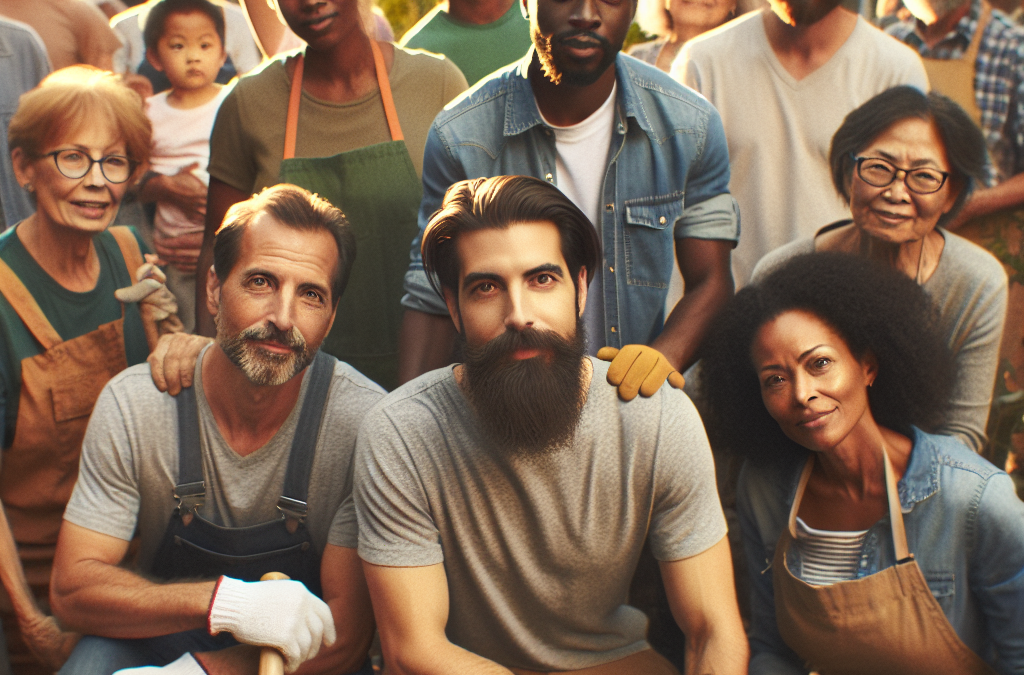
Every community is made up of individuals with unique skills and perspectives, and I’ve found that recognizing these differences can lead to fantastic collaboration. From artists to engineers, each person brings something special to the table. Once, I initiated a community project where we had a mix of talents, and the results were incredibly creative!
It’s important to actively seek out quieter voices too. Not everyone feels comfortable stepping up, so I work on creating platforms that allow people to shine in their own ways—like workshops where individuals can showcase their skills or share personal stories. Doing so can help amplify diverse perspectives.
Moreover, I believe in promoting inclusivity. Ensuring everyone feels like they belong in the conversation not only enriches the community but also fosters a sense of ownership. When people are included, they’re far more likely to participate actively in projects and initiatives.
Creating Shared Goals
Establishing a Common Vision
When it comes to community collaboration, setting shared goals can make all the difference. I’ve led workshops where we brainstorm and align on objectives together. It’s incredible to witness the energy and enthusiasm that springs from collective ambition! The key here is to ensure that everyone has a say in what those goals should be.
Visual tools, like mind mapping, can really help in articulating these goals. I sometimes bring out giant post-it notes and markers to let folks jot down ideas. Seeing dreams and aspirations laid out visually is super inspiring and can spark motivation within the group.
Once shared goals are established, it’s important to regularly check in on them. Whether through monthly meetings or casual catch-ups, keeping these goals in front of everyone ensures that we’re all on the same page and working toward that common vision.
Organizing Collaborative Activities
Setting Up Community Events
In my experience, one of the best ways to foster collaboration is by organizing community events. Whether it’s a potluck, cleanup day, or a local sports tournament, bringing people together in a relaxed setting can work wonders for bonding. I often involve as many residents as possible in the planning phase, letting everyone contribute their ideas.
Sometimes, just having a fun activity is enough to break the ice. After planning a series of games, I saw friendships blossom and trust build—people who once barely waved at each other were now chatting like old friends. It’s amazing how creating shared experiences can unite a community.
Don’t forget about follow-up events too! Keeping the momentum going with seasonal gatherings or themed meetups ensures that those connections continue to grow. I’ve noticed that the more often we gather, the stronger our ties become!
Utilizing Resources and Assets
Pooling Local Knowledge and Skills
One thing I’ve come to appreciate is the vast well of resources within our community. From local businesses offering sponsorships to skill-sharing seminars by residents, leveraging these assets can boost collaboration significantly. I’ve organized skill swaps where people teach one another various crafts and trades, and let me tell you—it’s incredible what you can learn!
Additionally, I encourage local organizations to partner with us for mutual benefit. For instance, a local library may host a series of community talks, or a nearby business could lend space for projects. These relationships not only help with logistics but also create a culture of cooperation.
Lastly, it’s crucial to celebrate these resources publicly. Whether through social media shout-outs or community newsletters, showcasing what’s available keeps everyone informed and engaged. This transparency fosters a spirit of collaboration because people are more likely to contribute when they see how their participation can make an impact.
FAQs
1. What is positive preparedness in community collaboration?
Positive preparedness involves proactive measures taken by individuals and groups to enhance community resilience and collaboration. It’s about fostering a friendly environment where everyone can communicate, share ideas, and work together effectively.
2. How can I encourage my community to participate?
Start by organizing informal meet-ups and using social media to create discussion spaces. Be sure to recognize diverse contributions and create events that cater to various interests to attract different members of the community.
3. What types of events work best for fostering collaboration?
Community potlucks, skill-sharing workshops, clean-up days, and themed gatherings have proven to be effective in building bonds among residents. The key is to ensure everyone feels welcomed and has something to share!
4. How important are shared goals in community collaboration?
Shared goals are crucial because they provide a sense of direction and unity. When everyone has input into creating these goals, it fosters collaboration and engagement, making it more likely that the group will successfully work together.
5. How can I build trust within my community?
Start with open communication, encourage participation, and create feedback loops. Building relationships through casual chats and community events can also enhance trust as members get to know each other better.
by Preparation | Jul 31, 2025 | Preparedness
Preparation is Key
Create an Emergency Kit
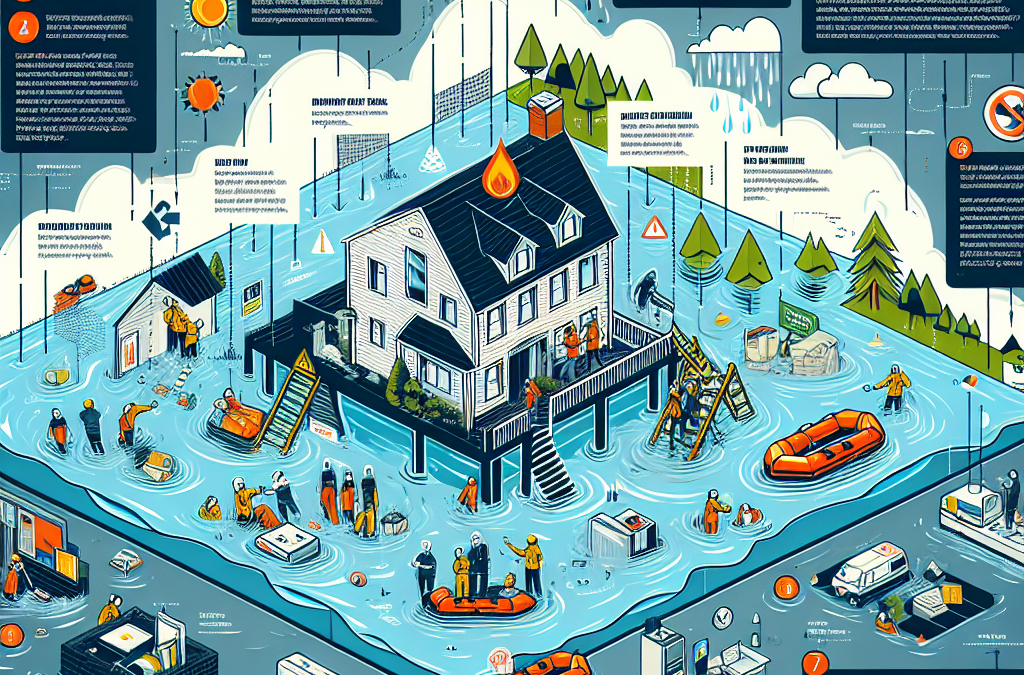
Preparing for a flood can feel overwhelming, but having an emergency kit ready to go makes things simpler. I always keep a backpack handy that’s filled with essentials like water, non-perishable food, a flashlight, and extra batteries. Having these basic supplies can really ease your mind when the skies darken and threats of flooding arise.
Don’t forget personal items like medications, important documents, and even a first-aid kit. You’ll want to be able to grab this kit and go at a moment’s notice. I recommend including cash and some comfortable shoes as well—trust me, being on your feet and moving quickly is essential during a flood emergency.
Finally, make sure to check your emergency kit periodically. Items can expire or get damaged, so it’s best to refresh your supplies every few months. This way, you know you’re truly prepared when an actual situation arises.
Know Your Area
Understanding the flood risks in your area is so crucial. I grew up in a region prone to flash floods, so I always pay attention to local news and weather alerts. Knowing your flood zone can empower you to make smarter decisions when warnings are issued.
Take the time to familiarize yourself with the flood maps provided by local authorities. They can indicate not just whether you live in a floodplain, but also what the elevation levels are. This information can be a lifesaver when trying to decide if you should evacuate. Trust me; knowledge is power during a crisis!
Also, it helps to connect with others in your community. Local groups often share tips and experiences that can keep everyone informed about what’s effective in handling flood situations. Community preparedness has helped me feel more secure when dealing with emergencies.
Establish an Evacuation Plan
One of the best things I’ve learned over the years is having an evacuation plan. If you’re in a flood-prone area, you need to figure out where to go if things go sideways. Don’t leave it to chance; map out routes and establish your safe zones ahead of time!
When you create your plan, make sure everyone in your household knows it well. I always sit down with my family and discuss what we’ll do in case of flooding. It really helps everyone feel on the same page and cuts down on chaos when alerts come streaming in.
Make sure to practice your evacuation routes as well. Driving those paths during calmer times will prepare you for the real deal. Knowing which roads are prone to flooding can save you time and frustration during any emergency.
Stay Informed
Use Smartphone Alerts
Let’s be real: our smartphones are lifelines in emergencies. I’ve made huge use of weather apps that provide real-time alerts for severe weather. When storms are heading our way, knowing what’s coming gives me that extra layer of security.
Select settings that notify you about flood warnings or watches, and you’ll feel a lot more in control. It’s also smart to stay connected to local news channels through social media, as they often share updates rapidly compared to regular broadcasts.
And, of course, don’t forget classic flashlights or batteries for a radio. Technology can fail, but having a backup helps ensure that you won’t be left in the dark—physically or metaphorically—when an emergency strikes.
Stay Active on Community Alerts
I always keep an ear to the ground regarding community alerts. Joining local groups on platforms like Facebook or Nextdoor can keep you in the loop about what’s happening in your area. It’s a helpful way to share resources and experiences.
Community engagement doubles as a great support system. A friend of mine once alerted me to a local flood watch that I had missed—just one quick message kept me ahead of the storm. Look out for neighborhood groups where you can share and receive vital information!
Don’t underestimate the power of your neighbors. When you all work together, you create a stronger community that helps protect each other from flooding risks. Plus, it helps build those connections for that “we’re all in this together” village vibe!
Follow Local Guidelines
Every once in a while, you’ll hear programs or emergency plans popping up in your city, and it’s vital to listen to these guidelines. Each locality has unique protocols in place when floods hit—some might suggest temporary evacuations, while others provide shelter options.
Keep an eye on the advice from local authorities. They know the bad spots and what works best for your neighbors during an emergency. Sometimes, it means moving to higher ground or seeking out particular shelters established just for flood events.
Stay informed about what’s being recommended, and don’t hesitate to follow these guidelines. Opinions of neighbors are great, but nothing beats official advice when it comes to your personal safety.
Safety First During a Flood
Evacuate if Necessary
When a flood warning is issued, take it seriously. I learned early on that when they say “evacuate,” they mean it. There were times I hesitated and it just wasn’t worth the risk. The moment you hear that warning, start moving.
As you gather your belongings, remember: don’t be a hero. Just because you think you can ride it out doesn’t mean it’s safe. I once tried to stick around when the water levels began to rise, and let me tell you, that was a stressful decision that nearly cost me time—don’t do it!
Grab your emergency kit, important documents, and any pets, and go to your predetermined evacuation site. Safety should always be the priority, and knowing when to leave is half the battle.
Avoid Floodwaters
If you find yourself in the thick of it, avoiding floodwaters is non-negotiable. Floodwaters can be unpredictable, carrying debris and pollutants that pose serious risks. I can’t express enough how important it is to stay clear.
Always seek higher ground! In the rare event that you get stuck, keep calm and wait for help to come. I’ve seen folks panic, and frankly, it makes things worse. Stay put and find a safe place until it’s possible to get back to safety.
It’s also good to tell someone your plans, if you can. If you’re stuck for too long, you want someone to come looking for you. Safety is a two-way street, so make sure your loved ones know where you’re at!
Protect Your Property
When floods are looming, securing your home is important. I always advise moving valuables to higher ground, plus shutting off electricity and gas to avoid hazards. You won’t want anything silly blowing up while you’re worrying about safety.
If you have time, put sandbags around doors and basement windows to help keep water out. There are tricks to using tarp and plastic sheeting that can provide additional layers of protection. I had a DIY project craft day for prepping just this way before a storm, and it made all the difference!
Remember that protecting your property is helpful, but your life comes first. Focus on your safety first, and deal with damages later. Everything can be repaired, but lives can’t be replaced.
Post-Flood Recovery
Stay Safe During Cleanup
The cleanup after a flood can be tough. I’m not gonna lie; I’ve found myself overwhelmed by the mess left behind. First, make sure you’re safe before diving in. The last thing you want is to get hurt trying to clean up.
Wear protective gear, especially gloves and masks, because floodwaters can carry bacteria and harmful contaminants. Trust me, it’s not worth exposing yourself to unnecessary risks; you need to stay as healthy as possible!
Take your time with the cleanup. Rushing can lead to mistakes and injuries. I pace myself and do little bits at a time while keeping hydrated and taking breaks. It’s a sprint, not a race!
Document Damages
This one can be boring, but trust me—documenting damages is crucial. I’ve helped friends through the claims process, and having those records can speed things up with your insurance company. Take photos or videos of the damages and keep track of everything impacted.
Many folks overlook the little stuff, but it all adds up! Be thorough in your documentation; it helps not just for insurance but for your own records as well. When the storms have cleared, you want to know what you were dealing with.
Once you have everything accounted for, reach out to your insurance company. Follow-up with any necessary claims to ensure you’re supported in the recovery process. Remember, they want to help, but you must keep pushing those communications.
People Need Support
After any disaster, it’s vital to keep communicating with your loved ones and neighbors. Just because the floodwaters recede doesn’t mean the impact is gone. I’ve participated in community recovery efforts, and it’s amazing how much support is available.
Lean on each other for emotional support too. I’ve learned that connecting with others who went through the same experience can help with the mental load. Share stories, experiences—just be there for one another, and it makes the recovery much lighter.
Lastly, don’t shy away from professional help if needed. There’s no shame in reaching out to counselors or local support groups. Remember that asking for help is a sign of strength, especially when it feels like the flood didn’t just wash away homes but emotional well-being too.
Frequently Asked Questions
1. What should I include in my emergency kit for floods?
Your emergency kit should include essentials like water, non-perishable food, medications, first-aid supplies, cash, important documents, and a flashlight with batteries. Don’t forget personal items and comfortable shoes!
2. How can I find out the flood risk in my area?
Check with local authorities or visit government websites that provide flood zone maps. Staying informed about your area helps you understand the risks better.
3. Is it safe to stay in my house during a flood?
Only stay in your house if you’re certain it’s safe. If there’s any recommendation to evacuate, take it seriously and relocate to a safer area.
4. What should I do after a flood?
After a flood, focus on your safety first. Wear protective gear for cleanup, document damages for insurance, and reach out for community support—both emotional and practical.
5. How can I support my community after a flood?
You can support your community by participating in cleanup efforts, donating supplies or funds, and providing emotional support to neighbors who may be struggling. Community unity is crucial!

by Preparation | Jul 31, 2025 | Preparedness
Layering Your Clothing Correctly
Understanding the Basics of Layering
When the cold sets in, one of the first things I’ve learned is that layering my clothing is crucial. It’s not just about throwing on a bunch of sweaters; it’s about understanding the science behind how layers trap heat. The base layer should be snug and moisture-wicking to keep sweat away from your body, which can make you feel colder.
The middle layer should provide insulation—think fleece or wool—which helps to keep the warmth close. Finally, the outer layer needs to be windproof and waterproof if you’re facing stormy weather. This setup traps body heat effectively and relies on the principle of thermal insulation.
Another tip? Don’t forget accessories! Hats, gloves, and thick socks are essential as a lot of heat escapes from the extremities. When I bundle up properly, I can face the cold with confidence!
Choosing the Right Fabrics
Not all materials are created equal when it comes to keeping you warm. From my experience, natural fibers like wool and cashmere do wonders compared to cotton. Cotton tends to absorb moisture, which can quickly sap away your body heat. Wool, on the other hand, retains warmth even when wet!
Synthetic materials also have their place. They’re often designed for specific weather conditions and can offer good insulation without the weight of heavier fabrics. Look for clothes with thermal properties and good reviews from outdoor enthusiasts when shopping.
In the end, I’ve found that mixing different fabrics can really optimize warmth, balancing performance with comfort. Get creative with your wardrobe, and you’ll be amazed at how warm you can stay!
Utilizing Heat-Reflective Materials
Have you ever heard of heat-reflective materials? I hadn’t until recently, but they’re a game changer! Products like thermal blankets and sleeping pads can reflect your body heat back to you, making them ideal for cold nights whether you’re camping or at home. I keep one handy in my living room for those unexpectedly chilly nights.
What’s even cooler is that these materials are lightweight and easy to store. If I’m heading out for a hike in the colder months, I always pack a heat-reflective blanket in my backpack. It takes up hardly any space and can be a lifesaver!
So, next time you’re prepping for the cold, consider incorporating these materials into your repertoire. You’ll be surprised how effective they are in retaining warmth!
Creating a Warm Environment
Sealing Off Drafts
One of the simplest things I do when the cold comes knocking is to check for drafts in my home. Cold air sneaks in through windows, doors, and even cracks in the walls. A few years back, I invested a couple of hours sealing these gaps, and it was totally worth it.
Using weather stripping or caulking is super easy and can make a significant difference in how warm your space feels. You’d be amazed at how much colder it can get when those breezes whip through!
Plus, it not only helps with warmth but also energy bills since I’m not heating up the outside air. A win-win for sure!
Using Rugs and Curtains
Adding some cozy rugs and thick curtains isn’t just about aesthetics; it’s about function too! Rugs can add an additional layer of insulation against cold floors, and heavy curtains can help trap heat inside.
Last winter, I decided to invest in some plush area rugs and blackout curtains on my windows. The difference was astounding! I felt warmer immediately, and I loved the way it made my living space feel cozier.
Don’t underestimate the power of your ambiance; sometimes, just a few changes can offer a whole new level of comfort in your home!
Utilizing Natural Sunlight
On sunny days, I take full advantage of the sun’s natural warmth. I always open my curtains wide in the morning to let that beautiful sunshine flood in. It heats up my space surprisingly well, and it’s completely free!
In the colder months, I’ve learned to rearrange furniture to maximize the sunlight—sitting near windows makes a world of difference. Just be sure to close those curtains at night to keep the warmth inside and the cold air out.
Nature has its own little way of helping us if we just pay attention. So don’t shy away from using what’s out there!
Staying Active
Exercise to Boost Body Heat
One of my favorite ways to keep warm without relying on heat is to stay active, especially during the winter months. Whether it’s a quick dance party in my living room or a brisk walk outside, movement is fabulous for generating body heat!
I’ve found that even short bursts of activity can elevate my body temperature and make me feel significantly warmer. Plus, staying active throughout winter helps keep my spirits up, so it’s a double win!
So go ahead and jump around or do a few jumping jacks if you’re feeling chilly. You’ll not only get warmer, but you’ll also have a blast while doing it!
Utilizing Household Chores
I often find that doing household chores can keep me warm as well. Believe it or not, cleaning the house or cooking can get my blood pumping and warm me up! While I’m scrubbing the floors or preparing a meal, I can feel the warmth radiating throughout my body.
This approach comes with the added bonus of accomplishing something productive. It’s a fantastic way to kill two birds with one stone—stay warm and keep my home tidy!
So next time you’re feeling chilly, consider tackling that to-do list. You might be amazed at how much warmth comes from getting things done!
Socializing for Warmth
Let’s not forget the warmth of social interaction! Spending time with friends and family naturally boosts my mood and can help keep the chilly vibes at bay. When everyone gathers together, it adds a certain warmth to the atmosphere that I find comforting.
Having a cozy gathering with hot drinks, blankets, and good company can transform a cold evening into something special. We might even play games or watch movies together, which keeps us all moving and laughing!
So don’t underestimate the power of human connection during those cold months. Sometimes, all it takes is a little camaraderie to keep the chill away!
Encouraging Heat Retention Through Body Care
Keeping Hydrated
Staying hydrated might not seem like a direct method of keeping warm, but trust me, it plays a role! When I keep my hydration levels up, my body functions better and can regulate its own temperature more efficiently.
I love to sip on warm teas and broths during the winter months. It not only hydrates me but also gives my body that comforting warmth from inside out. Plus, it’s just delicious!
So remember to drink plenty of fluids and consider adding warm beverages to your routine if you want to keep cozy.
Warm Baths and Showers
A warm bath is one of my favorite ways to unwind and keep warm. There’s nothing quite like soaking in a hot tub of water for combating the chill after a long day outside. It relaxes my muscles and warms me up quickly!
I often light some candles or play soothing music when relaxing in a bath. It transforms the experience from just warm to a full-on spa day, which feels like a treat during the cold weather.
Even a hot shower can work wonders! Just make sure to dry yourself off completely and get dressed in warm clothes right after to lock in that heat.
Embracing Self-Care Rituals
Finally, don’t underestimate the importance of self-care! I’ve found that when I take the time to indulge in things that make me feel good, I naturally feel warmer. Whether it’s applying warm blankets or even a comforting face mask, these little rituals can create a sense of warmth and wellbeing.
Plus, pampering myself goes a long way for mental warmth as well. It helps fend off that winter gloom and makes those cold days feel a bit more bearable.
So go on! Treat yourself to your favorite rituals, and enjoy that warmth—inside and out.
FAQ
1. Can layering my clothes really help keep me warmer?
Absolutely! Layering is all about trapping heat between the layers while using moisture-wicking fabrics to keep you dry. It’s an effective way to stay warm in chilly conditions.
2. What materials should I avoid while dressing for the cold?
Avoid cotton as a base layer because it traps moisture, which can make you feel colder. Opt for materials like wool or synthetics designed for warmth instead!
3. How can I create a warmer environment in my home?
Sealing drafts, using rugs and curtains, and maximizing natural sunlight can all help in making your space warmer. Little changes can result in significant warmth!
4. Does staying active really make a difference in how warm I feel?
Yes! Movement increases blood circulation and generates body heat. Incorporating light exercises or chores can keep you toasty during colder months.
5. Are warm beverages helpful for keeping warm?
Definitely! Warm drinks like tea or broth not only hydrate you but also provide warmth from the inside out, making chilly days feel a little cozier.




