When putting together a survival kit, the first thing I think about is the environment where I live and possibly travel. For example, if you’re in a region prone to earthquakes, your gear will differ significantly from someone living in a forested area where wildfires are a concern. I always suggest evaluating seasonal factors too—winter gear, for instance, would include items for cold weather survival.
It’s critical to make a list of potential survival scenarios you might encounter. This can include anything from natural disasters to being lost in the woods. Each situation requires a nuanced approach to gear selection. Taking the time to think about your needs will save you time and potentially your life down the road.
Finally, keep in mind that your personal skills also dictate what gear you might need. If you’re a skilled fisherman but not a hunter, include fishing gear over hunting tools. Tailoring your kit to your abilities enhances your chances of survival in stressful situations.
Identify Key Situations
Next up, I recommend identifying key situations you might face and which gear is essential for each. For example, if you find yourself outdoors frequently, having the right navigation tools is crucial. A compass or a reliable GPS should be part of your primary gear list. There’s no excuse for getting lost, especially when a little preparation could make all the difference.
You might also want to think about emergencies at home. If you live in a flash flood zone, gear that’s waterproof is essential. You never realize how much you need certain tools until it’s too late, so prepping for specific situations can help you choose wisely among the available gear.
Lastly, keep your local threats in mind. Hurricanes? Pack a weather radio. Wildfires? Ensure you have breathing masks and fireproof blankets. The more prepared you are, the less likely you’ll feel overwhelmed when a real emergency arises.
Assess Group Size
The size of your group is another vital consideration. If you’re prepping for just yourself, you can get away with more minimalistic gear. However, if you’re packing for a family of four, you’ll need to rethink your entire kit. I remember hearing a friend share his survival story where he underestimated how much food and water he would need for his kids. It really drove home the point that you can’t ignore group size!
In a larger group, I’ve found it helpful to break down gear assignments. If everyone knows their roles and the gear they’re responsible for, it minimizes chaos when the pressure hits. Everyone can’t have a giant backpack; distributions of smaller, specialized items work wonders.
Ultimately, every person needs gear that fits their skills and needs. A smaller, lightweight pack works for kids, while adults might need something more robust. It’s all about finding that balance to keep everyone safe during tough situations.
Choose Essential Survival Gear
Prioritize Basic Needs
Confession time: I used to think I needed all sorts of gizmos in my survival kit. But after a bit of trial and error, I learned that the basics—food, water, shelter—are what you must prioritize. You can have all the fancy gadgets in the world, but if you don’t have clean drinking water or food that you can cook, you’ll be in serious trouble.
Food in your kit should ideally be non-perishable. Think energy bars or canned goods. I’ve found freeze-dried meals to be a game-changer too—they’re lightweight and easy to prepare. You just add water, which you better make sure you have as a backup!
Water, on the other hand, can be more challenging to store. I always keep a portable water filter on hand, as it allows me to purify water from creeks or ponds. And let’s not forget about shelter: a durable tarp or a lightweight tent can be a blessing when the weather turns nasty.
Add Tool Variety
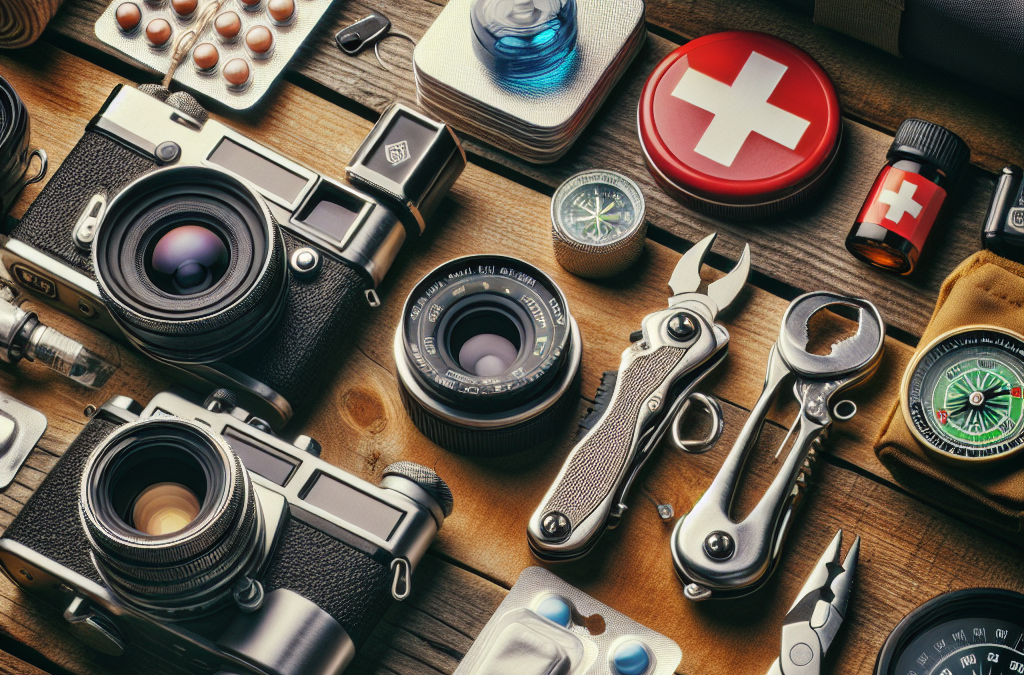
When I began my survival journey, I learned the importance of variety in the tools I carried. A multi-tool can function like a Swiss Army knife with various uses for cutting, screwing, and opening. I’d say it’s one of the must-have items in your kit. You never know when you need to fix something or build a makeshift shelter!
Don’t underestimate the importance of a first-aid kit either. Accidents happen, and having basic medical supplies can provide immediate help. I consider including things like antiseptics, bandages, and even scissors crucial for dealing with common injuries. Your fists can only do so much in a pinch!
Lastly, think about self-defense tools if that’s a concern in your area. A whistle or a simple personal alarm system can be a lifesaver when you’re trying to draw attention to yourself. Covering all your bases will ensure you’re better prepared for whatever comes your way.
Include Comfort Items
Now, this may sound odd, but don’t overlook the comfort items in your survival gear. After a long day in the wild, the last thing you want is to be miserable. Items like a decent sleeping pad or lightweight blanket can make a world of difference. I tell ya, having a comfortable place to sleep at night is a game-changer for morale!
You might also consider packing a portable charger or solar charger, depending on your situation. Keeping your phone charged for emergencies seems trivial, but it’s essential for navigation and communication. I can’t stress enough how useful that connectivity is even in outdoor scenarios.
And let’s face it, mental well-being matters too. A book, journal, or even a small pack of cards can help break the monotony. Laughter can do wonders in tough times, so bringing along something to lift spirits can turn a dire situation into a bonding experience.
Package and Maintain Your Gear
Organize Your Kit
Once you’ve sourced all your gear, I can’t stress enough how important it is to keep everything organized. I’ve had instances where I’ve frantically searched for items only to find them buried under an avalanche of stuff. A well-organized kit is easy to navigate, making chaos that much more manageable when you’re in a survival situation!
I recommend using labeled zip bags or compartments in your backpack. When everything has its own spot, you can easily grab what you need without turning into a hot mess. Not to mention, you’ll know if something is missing, which means you can restock long before you need it.
Also, don’t forget to check your kit regularly. Gear can wear out or expire, and I’ve been guilty of forgetting about items until it’s too late. Create a routine—maybe once a season—for checking everything so that you’re always prepared.
Train with Your Gear
Now that you’ve nailed down your gear and organized it like a pro, the real fun begins: training! Yep, knowing how to use your gear is just as important as having it. I’ve learned this the hard way during a camping trip when I struggled to set up my tent in the dark. Talk about embarrassing!
Consider doing a trial run of your kit in a safe environment. This helps you understand what works and what doesn’t without the pressure of a real emergency. Practice making quick meals, setting up your shelter, or even using your first-aid kit. Knowledge and familiarity can give you the confidence you need during a real-life situation!
Additionally, I suggest connecting with local survivalists or groups. Learning from others not only exposes you to new techniques and gear but can also lead to a strong support network. Trust me, having friends who are on the same path can provide a much-needed experience boost!
Stay Updated on New Gear Options
The world of survival gear is extensive and continuously evolving. I often find exciting new products that make survival more manageable and efficient. Keeping up with new supplies can better your kit and adapt to modern challenges. I keep an eye on blogs, forums, and even outdoor expos to stay informed about the latest trends.
Sometimes, social media can be a treasure trove for discovering innovative gear. Following enthusiasts and survival experts can introduce you to tools others have found effective. Plus, you can read reviews and feedback, making it easier to determine what suits your unique needs.
Also, don’t shy away from trying DIY. Some of the best survival gear I’ve made have come from experimentation. You might find that you can easily tailor existing items to your needs. Just keep safety and functionality in mind as you explore your options!
FAQs about Choosing the Right Gear for Your Survival Kit
1. What are the most essential items for a survival kit?
The essentials include food, water, shelter, a first-aid kit, and multi-tools. Prioritizing basic survival needs ensures you can stay safe in various scenarios.
2. How often should I check my survival gear?
I recommend checking your survival gear at least once a season. This ensures everything is in good condition and ready for use when needed.
3. Can I make my survival gear?
Absolutely! DIY solutions can provide custom adaptations tailored to your needs. Just ensure you’re considering functionality and safety when creating your gear.
4. Is it necessary to train with my survival gear?
Yes! Training with your gear can build confidence and ensure you know how everything works, which is vital in emergencies.
5. What should I do if I realize I don’t have a needed item in my kit?
Don’t panic! Assess the situation, and if time allows, source the needed item. Regular checks can help prevent this scenario, but adaptability is key!
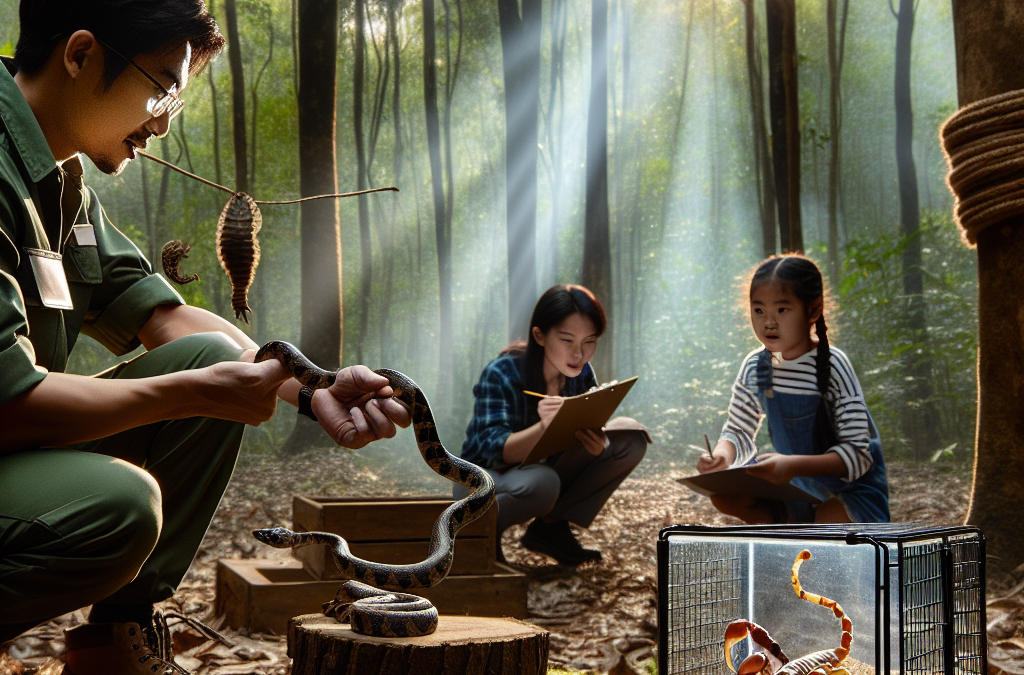
One of the essential skills in handling toxic animals is knowing which ones to look out for. I’ve had my share of close encounters with species like the black widow spider and the Eastern diamondback rattlesnake. These creatures are incredibly dangerous and can cause serious harm if not respected. Educating myself about the various types of toxic animals in my area has been a game changer for my safety.
For instance, in my local hiking trails, I often encounter the heavily camouflaged poisonous toads. Not only do their vibrant colors signal danger, but also their skin secretes toxins that can be fatal to pets and even humans if ingested. Taking time to observe and educate myself about their habitats and behaviors has definitely sharpened my survival skills.
By keeping a field guide handy or using an app dedicated to wildlife, I can quickly identify potential threats. Each toxic creature usually has unique signs that can alert us to their presence. Whether it’s a certain coloration, body shape, or behavior, these are clues I’ve learned to recognize and respect.
Staying Safe in Their Presence
Keeping a Safe Distance
Whenever I’m outdoors, one of the first rules I abide by is to keep my distance from any wildlife that I suspect to be dangerous. With animals like snakes, it’s crucial to understand that they often won’t attack unless provoked. I make sure to always give them plenty of space. Trust me, a little caution goes a long way!
I also firmly believe in the power of observation. I stick to trails and well-lit paths to avoid surprising any hidden animals. Being aware of my surroundings is key. If I spot a snake basking in the sun or a spider spinning its web, I quietly back off and continue my adventure elsewhere.
And of course, wearing appropriate clothing—like sturdy boots and long pants—adds a layer of protection. This isn’t just about style; it’s about safety. I’ve had a few close calls where my gear saved me from accidentally stepping onto a spiky thorn or even a hidden snake. Dressing smart can be my first line of defense.
First Aid for Toxic Encounters
Basic Steps to Take
If a toxic animal does manage to bite or sting, it’s essential to stay calm. I’ve learned that panic can intensify the situation. The first thing I do is to assess the injury. Checking if the bite is localized or if I’m experiencing any systemic reactions can help dictate my next steps.
First aid techniques vary depending on the animal. For a snake bite, for instance, I’ve always been advised to keep the area still and below the heart, and to avoid sucking out venom or applying ice. Instead, I’ll seek medical attention promptly. Knowing the right responses can literally be life-saving!
And if the culprit is a sting, like from a wasp or bee, I use a card or my fingernail to scrape out the stinger and then apply a cool compress. I keep antihistamines handy for allergic reactions that may follow. Preparing ahead of time ensures I can act swiftly and effectively when things go awry.
Understanding Toxic Animal Behavior
How to Avoid Provocation
One of the most critical lessons I’ve learnt is to understand the behavior of toxic animals. Just like humans, many animals signal when they feel threatened. For instance, I’ve seen snakes coil back or puff up before an attack. Recognizing these signs helps me back the heck away before things get hairy.
Additionally, I’ve noticed that many toxic animals are more active at certain times, like dusk or dawn. Knowing when to avoid specific areas during those hours has helped me not encounter these creatures unexpectedly. It’s basically about respecting their territory and timing my adventures accordingly.
I always tell others that if you’re hiking with friends, make sure to maintain a group dynamic. Animals are less likely to approach larger groups. Loud chatter, while an annoyance sometimes, can be a great deterrent for unwanted encounters!
Educating Yourself and Others
Sharing Knowledge on Safety
Finally, I believe that one of the best survival skills is to educate not just myself but also those around me. I often organize small safety workshops, where we discuss how to identify toxic animals and what to do in case of an encounter. This is not only fun but also crucial for building a safer community.
It’s staggering how much misinformation exists about toxic animals. I’ve seen people believe that all snakes are inherently dangerous, which isn’t the case. By sharing accurate information, we create a better understanding and reduce unnecessary fears.
Additionally, community forums or social media can be fantastic platforms for sharing experiences and knowledge. I often update my friends about new species I’ve learned about or interesting encounters I’ve had. This helps everyone stay informed and prepared.
FAQ
What should I do if I encounter a toxic animal?
If you encounter a toxic animal, it’s best to stay calm and back away slowly. Avoid sudden movements that could provoke it. Keeping a safe distance is key!
Are all snakes dangerous?
No, not all snakes are dangerous! Many are harmless and play crucial roles in their ecosystems. It’s essential to be educated on which species are toxic.
How can I tell if a spider is poisonous?
Many poisonous spiders have distinctive markings or colors. Researching species in your area can help you identify them accurately. If uncertain, it’s best to stay away!
What are the signs of a toxic reaction?
Signs of a toxic reaction may include swelling, difficulty breathing, nausea, or other systematic responses. If you suspect a serious reaction, seek medical attention immediately.
Is it safe to handle all animals in the wild?
It’s generally not safe to handle animals in the wild. Many can carry diseases or may be toxic. If you must handle something, ensure you have the proper knowledge and equipment to do so safely.
In times of crisis, I realized how vital emotional well-being truly is. After a natural disaster, many people experience feelings of anxiety, fear, or sadness. It’s essential to recognize these emotional needs and approach them compassionately. Listening and offering support can create a safe space for healing.
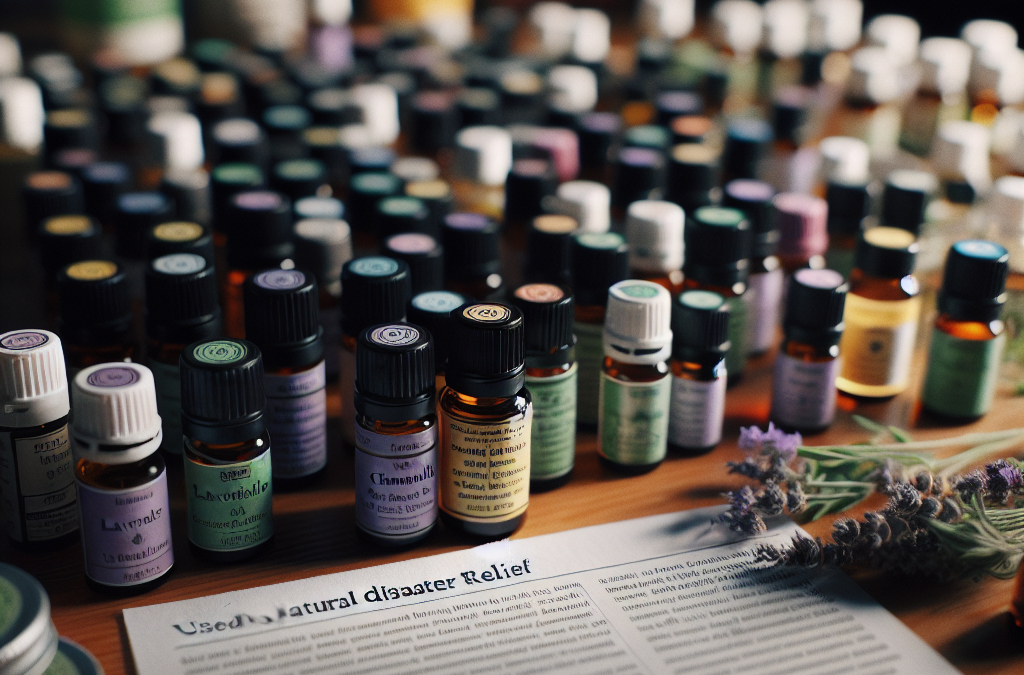
I’ve found that essential oils, known for their uplifting properties, can be a game-changer when it comes to addressing emotional stress. Oils like lavender and bergamot are particularly known to ease tension. Just a few drops in a diffuser can transform the atmosphere and help everyone feel a bit calmer.
When I share these oils with others, it’s heartwarming to see their reactions. Sometimes, just a simple inhalation can center a person, making them more receptive to the support around them.
Using Essential Oils for Relaxation
I’ve hosted several workshops on using essential oils for relaxation. Essential oils, such as chamomile and frankincense, can help bring about a sense of calm amidst chaos. Utilizing these oils in stressful environments gives people practical coping mechanisms.
One technique I love to teach is making a calming roll-on. Mix essential oils with a carrier oil in a small roller bottle, and voilà! You’ve got an easy way to carry relief in your pocket. Applying it to pulse points during tough moments has made a significant difference for many attendees.
Creating a soothing environment using oils can significantly uplift the spirits of those affected in the aftermath of disasters. It’s amazing how a bit of scent can change the atmosphere from tense to tranquil.
Connecting Through Aroma
Aroma has an extraordinary power to connect us. When disasters strike, sharing an aromatic experience can foster community support. I often bring a selection of essential oils to community gatherings and let people experience them firsthand.
Teaching mindfulness exercises using essential oils is an enlightening process. I guide participants in deep-breathing exercises combined with the unique scents. It’s incredible how this shared experience creates bonds among participants, reminding us we are not alone in our journey.
Aromatic connections also serve as reminders of hope. The scent of peppermint or citrus can bring joy and invigoration, promoting resilience even in our darkest hours. It’s just a simple way to reconnect with happier memories and foster positivity.
Building Physical Resilience
Aromatherapy for Immunity Boosting
When I think about physical health during a disaster, I can’t help but mention the immune system. Essential oils like eucalyptus and tea tree are renowned for their antibacterial and antiviral properties. During epidemics or disasters where stress can weaken our health, these oils can act as a protective shield.
In practice, adding a few drops of these oils to a warm bath or diffuser can provide a holistic defense against contagions. I love sharing this tip with friends, as it combines relaxation with protection.
Sometimes, I even whip up a DIY immunity blend with these oils, mixing them in a roll-on bottle. It’s a fantastic way to support one’s well-being as people start to get back on their feet after a disaster.
Managing Physical Discomfort
Let’s be real—natural disasters can result in physical discomfort, too. I remember the days after a local flood where people were struggling with muscle aches from recovery efforts. Essential oils like peppermint and ginger can work wonders in soothing those aches.
Applying these oils topically—diluted with a carrier oil, of course—can provide quick relief. I often recommend making a pain-relief salve. Simply mix your favorite essential oil with coconut oil or shea butter, and you’ve got an easy-to-use remedy at hand.
Seeing the relief on faces when they find effective solutions is truly rewarding. It’s all about sharing knowledge and ensuring we look after ourselves and each other!
Creating a Safe Environment
After a disaster, ensuring a safe space is essential. Using essential oils not only enhances the atmosphere but can also help repel pests and purify the air. I’ve used oils like citronella and lemon to help keep spaces welcoming and clean.
Having a space that smells pleasant can have a psychological impact too. It’s better to come back to a home that feels comforting rather than chaotic. I’ve made it a habit to diffuse oils both at home and in communal recovery centers, and it’s heartwarming to see the shift in mood.
Essential oils can transform an environment into one that fosters healing and resilience. By creating that physical comfort zone, we can help recharge our community’s spirits after a disaster.
Practical Applications in Recovery
Education and Resources
One of my favorite aspects of working with essential oils is the ability to educate others. Workshops, pamphlets, and community discussions can spread valuable knowledge about the benefits and safe use of essential oils. I love making these workshops interactive, allowing people to experience the oils firsthand.
In my experience, educating the community empowers them to take actionable steps towards their recovery. Providing resources, like recipes for oil blends, helps them create their own solutions at home.
Open discussions about essential oils can also spark interest in holistic healing. It’s rewarding to create a community that values not just immediate recovery but ongoing wellness.
DIY Solutions for Disasters
Why spend a fortune on prepared products when we can make fantastic, effective solutions using essential oils? From cleaning sprays to healing balms, I love guiding others through the process of creating their DIY disaster relief products. It’s an affordable and fulfilling approach to healing.
By sharing simple recipes, I aim to instill confidence in others so they can utilize essential oils effectively. I often teach how to make a disinfectant spray with tea tree oil – it’s a hit every time!
Seeing people gain these skills inspires a sense of independence within our community, bringing them one step closer to recovery.
Collaborating with Local Organizations
Partnering with local organizations has allowed me to spread the word about the benefits of essential oils even further. When I reach out to shelters or crisis centers, we can provide essential oil kits that include various oils and instructions for use.
Collaboration not only ensures that the resources go to the people who need them most, but it provides a platform for discussions around holistic and natural methods, which many people resonate with.
Ultimately, every community thrives when we come together, and using essential oils is just one of the countless ways we can boost resilience and recovery efforts as a united force.
Conclusion
Essential oils offer incredible support when navigating through the unpredictable waters of natural disasters. Whether it’s promoting emotional well-being, building physical resilience, or offering practical applications in recovery, these little bottles of nature can be game-changers. My journey with essential oils continues to remind me of their profound impact, and I’m excited to see them integrated into disaster relief conversations.
FAQ
What are some essential oils that can help with emotional support during disasters?
Oils like lavender, bergamot, and chamomile are fantastic for emotional support. They can help reduce anxiety and promote a sense of calm in stressful situations.
How can I safely use essential oils if I’ve never tried them before?
Always dilute essential oils with a carrier oil before applying them to the skin. It’s a good idea to perform a patch test first to check for reactions. Starting with a diffuser is also a great way to introduce oils into your home.
Can essential oils help with physical pain after a disaster?
Absolutely! Oils like peppermint and ginger are known for their pain-relieving properties and can be very effective in managing soreness and discomfort.
Are there any DIY recipes I can make for disaster relief?
Yes! For example, you can mix one part tea tree oil with ten parts water in a spray bottle to create a natural disinfectant. Another option is to blend your favorite soothing oils with coconut oil for a simple recovery balm.
How can I incorporate essential oils into community recovery programs?
Consider hosting workshops, providing DIY kits, or collaborating with local organizations to distribute essential oil resources and educate community members about their benefits.
So, let’s start by taking a good look at our homes. I found that assessing the weak spots in your property can actually save you a lot of trouble down the line. Go outside and walk around; make sure to check doors, windows, and other entry points that could be easy targets.
While you’re at it, don’t forget to examine the landscaping too. Overgrown shrubs near windows can be a hideout for thieves. Trim those bushes back, so they can’t use them as cover. It’s often the small details that make a difference.
After you have identified these areas, it’s time to think about how to improve them. Invest in solid locks and maybe even some smart home devices. Trust me, the peace of mind you get from knowing your home is secure is totally worth the effort.
Lighting is Key
Lighting plays a huge role in deterring looters. I can’t stress enough how important it is to brighten up the perimeter of your home. Installing motion-activated lights near entry points can catch potential thieves off guard.
You might want to consider using some solar-powered lights if you’re looking for an easy installation. They are cost-effective and can really make a difference. Just imagine the surprise on the face of someone sneaking around when those lights flick on!
Plus, don’t forget about interior lighting. Keep some lights on timers to simulate that someone is home. It’s a classic trick but one that can help thwart would-be looters.
Security Systems and Cameras
In today’s world, it feels like having a home security system is essential. I’ve learned that these systems come in all shapes and sizes, from basic alarms to comprehensive setups with cameras and monitoring services.
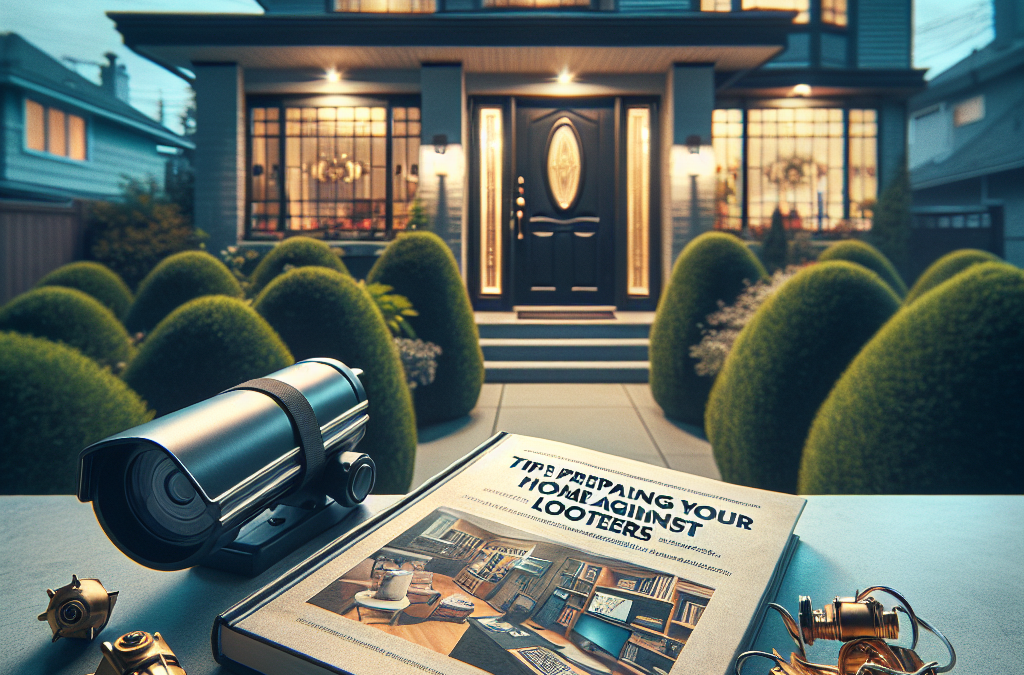
Installing cameras not only puts you in a proactive position but also sends a message to anyone thinking of trespassing: “Hey, we’re prepared!” Plus, many modern security systems can be monitored from your phone, giving you peace of mind wherever you are.
Finally, don’t forget to regularly check and maintain these systems. An outdated security camera is almost as good as no camera at all. By staying on top of your home security, you ensure you’re always a step ahead.
Creating a Safe Environment
Neighborhood Watch Programs
One of the coolest things I’ve done is get involved in local neighborhood watch programs. There’s something empowering about banding together with your neighbors to watch out for each other.
Not only will you get to know your neighbors better, but this sense of community can significantly deter thieves. When they see that everyone is looking out for one another, many think twice about breaking into homes.
I’ve also found that having regular meetings can help stay connected. Share updates, concerns, or even tips on safety in the neighborhood. All of this creates a solid support system that we all appreciate.
Informing Trusted Neighbors
Having a trusted friend or neighbor look after your home while you’re away is invaluable. I always make sure to inform someone nearby about my plans and ask them to keep an eye on things.
When they know you’ll be gone, they will be more vigilant. Plus, I always remind them to report any suspicious activity. It’s amazing how much peace of mind comes from knowing someone is watching your back.
Also, consider exchanging keys with trusted neighbors. This way, they can check on your house, collect mail, or even water plants, making it less obvious that you’re absent.
Secure Your Valuables
Make it as difficult as possible for would-be looters to steal your stuff. I found it helpful to keep my valuables tucked away in secure places like safes. That’s where I stash important documents, jewelry, and any small electronics.
Additionally, avoid displaying high-value items from windows. It’s easy for someone to spot an expensive guitar or new TV and think your home is a target. I’ve learned to keep my valuable things out of sight whenever I can.
Finally, consider insuring your valuables. This can help you breathe a little easier, knowing that even if the worst happens, you are somewhat protected financially.
Emergency Plan and Communication
Developing an Emergency Plan
Having a plan in case of an emergency is a solid way to be prepared. I always make sure that everyone in the household knows the steps to take should anything happen—a fire, or, yes, even a break-in.
This plan should include designated meeting places, emergency contact numbers, and what to do during various situations. It might seem tedious, but having this mapped out can make a huge difference in a high-stress moment.
And remember: practice makes perfect! You can organize a drill where everyone knows what to do. It really helps everyone feel a bit more confident in times of crisis.
Communication is Crucial
It’s also really important to maintain clear communication with loved ones. I often set up group chats for emergencies, so everyone can stay in the loop. It might seem like a small thing, but having that channel open can save a lot of confusion in the heat of the moment.
Consider downloading safety apps that provide alerts in case of emergencies. Many neighborhoods have their own communication channels, making it easier to receive and share information quickly.
Being prepared and communicating effectively not only helps keep your home safe but also gives you confidence to tackle anything that comes your way. Let’s be real, the more informed we are, the better off we’ll be!
Regular Updates and Drills
Finally, take time every so often to revisit your safety plans and update them as necessary. I find that revisiting our strategies at least once a year keeps things fresh in everyone’s minds.
Additionally, these refreshers are a good opportunity to discuss any new concerns that may have arisen. Family dynamics can change, and so can the threats, so staying updated is key.
Plan another drill too—it can reinforce your emergency plans and make everyone feel a little more prepared. And hey, it can even be a fun family bonding activity!
Conclusion
To wrap things up, I hope these tips give you a solid foundation to prepare your home against looters. Whether it’s enhancing security, creating a safe environment, or developing an emergency plan, every step you take can make a difference. I’ll genuinely be rooting for you as you implement these strategies in your home. Stay safe!
FAQs
1. What are the most effective home security measures?
Installing a comprehensive security system, ensuring proper lighting around your home, and maintaining solid locks are among the most effective measures. Additionally, consider having cameras for added security.
2. How can I involve my neighbors in home security?
Engaging in a neighborhood watch program or simply keeping each other informed about unusual activities can create a supportive environment. Trusting your neighbors to look out for one another is key.
3. What can I do if I can’t afford a security system?
Even without a security system, simple steps like improving outdoor lighting, securing all entry points, using timers for lights when you’re away, and keeping valuables hidden can deter thieves.
4. How often should I review my home security plan?
I recommend reviewing your home security plan at least once a year. This ensures that everyone in the household remembers the plan and updates it based on any changes in circumstances.
5. What should I do during an emergency?
In any emergency, stay calm and follow your emergency plan. Make sure everyone in your home is safe and knows where to meet. Always prioritize calling local authorities and informing them of the situation.
First things first: staying calm is crucial. When you’re faced with a medical emergency, your body may go into panic mode, but taking a deep breath can help you regain focus. I remember my first experience with this. A close friend collapsed at a party, and my first instinct was pure panic. However, I took a moment to breathe and clear my mind, and it made a world of difference.
When you find yourself in a similar situation, try to close your eyes for a second, inhale deeply, and slowly exhale. This technique switches your body’s stress response to a calmer state, allowing you to think more clearly.
Calmness will help you assess the situation more effectively. Observe your environment, the person in need of help, and identify any potential dangers. Trust me; a level head will make handling an emergency much smoother.
Evaluate the Severity
Next up, you need to gauge how serious the situation is. Not every sneeze or cough warrants a trip to the emergency room, right? Assess whether the person is more sore than hurt, or if it’s something demanding immediate attention. This is where I learned that a little knowledge goes a long way. Basic first-aid training can be incredibly helpful here.
You don’t have to be a medical professional to recognize signs of serious issues. Look for symptoms like unresponsiveness, heavy bleeding, or severe pain. Being aware of these signs can help you act accordingly.
If you’re unsure, it’s always better to err on the side of caution. If the situation seems serious, don’t hesitate to call for help.
Use Your Resources
In emergencies, knowing how to utilize your resources effectively can be a game-changer. This means taking advantage of everything at your disposal—from your smartphone to anyone nearby who might be able to help.
For instance, if you have access to a first-aid kit, check it for supplies. I’ve been in dire situations where just the basics—a bandage or antiseptic—made a difference in helping someone feel better until help arrived.
Additionally, don’t shy away from reaching out. Whether it’s a friend, family member, or even a neighbor, someone may have more experience or knowledge in handling medical situations than you do. It’s all about pooling resources!
Know Basic First Aid
Get Comfortable with First-Aid Skills
Basic first aid isn’t just for doctors or nurses—everybody can and should know the essentials. Think of CPR, the Heimlich maneuver, or how to clean and dress a wound. I took a basic first-aid course a couple of years back, and it’s been one of the best decisions of my life.
Learning these skills can make you feel more confident when facing a medical emergency. When I’ve found myself in sticky situations, I often remembered the practices I learned during my training, and it made responding feel less overwhelming.
Practice makes perfect. Use online resources or even YouTube videos to familiarize yourself with different techniques. After all, confidence in your skills can significantly impact the outcome of an emergency.
Practice, Don’t Panic
During my training, one of the key takeaways was practicing the skills I learned. It’s vital not just to know what to do but to rehearse it until it becomes second nature.
For example, if I had to perform CPR, I’d visualize the steps before they even happen. Practicing this each year, through refreshers or drills, can help solidify that knowledge in your mind, so it’s readily accessible when you need it the most.
The more you practice, the less likely you’ll freeze in a moment of crisis. It’s kind of like learning to ride a bike; once you’ve done it enough, you just know how to do it without thinking!
Stay Updated on Health Guidelines
Medical guidelines can change, and what might have worked a few years ago may not be relevant today. Make it a habit to stay informed on health and first aid protocols. I often check local health departments or credible online resources to see if there are updates.
Subscribing to health newsletters or following relevant social media pages can be a great way to stay in the loop. Plus, you might discover handy tips that come in handy during emergencies, which could be a lifesaver!
Being informed empowers you to handle emergencies effectively, so don’t slack on this one!
Communicate Effectively
Speak Clearly and Calmly
Effective communication during an emergency can save lives. Whether you’re speaking to the affected person or calling for help, clarity matters. I’ve found that speaking in a calm, clear voice not only helps others understand what’s happening but also reassures the person in distress.
Try to avoid jargon, as not everyone will understand technical terms. Instead, communicate your observations simply. For example, instead of mentioning specific medical symptoms, describe what you see in layman’s terms.
This also includes being succinct, especially when relaying information to emergency services. Time is of the essence, so avoiding unnecessary rambling can be crucial in an urgent scenario.
Document Everything
Whenever I’ve faced emergencies, one thing that has helped immensely is documenting details. If I need to call for medical assistance, I jot down crucial information like symptoms, time of onset, and vital signs if possible. This practice has consistently proven itself invaluable.
When relaying this information, especially to paramedics or doctors, every detail can help them make informed decisions faster. It might seem tedious, but trust me, knowing you’ve got a clear record can take some pressure off!
Additionally, having smart devices at the ready can aid this process. Taking a video or sending a quick voice note about the situation can be perfectly acceptable in the right circumstances!
Ask for Help
Don’t hesitate to ask for help, whether it’s calling a friend or dialing emergency services. I used to think I needed to ‘tough it out’ and handle everything solo. But I’ve learned that there’s no shame in reaching out for support.
Sometimes just having another pair of hands can completely change the situation. If a friend is nearby, they might assist you directly or even help you to keep the patient calm.
Remember, the goal is to ensure safety and provide help until more qualified care arrives. It’s a team effort, and there’s strength in numbers!
Follow Up and Learn from the Experience
Check on the Affected Person
Once the acute situation has been dealt with, it’s important to follow up. If someone needed help, checking in on their recovery is significant. I often make a point to visit or keep in contact with the individual to see how they’re doing after the fact.
Being caring and present not only helps the affected person recover emotionally but could also provide you with insight into how they’re feeling physically. Sometimes they might even have advice or recommendations based on their experience.
This follow-up also opens a door for feedback on your response. If there were areas for improvement, they can enlighten you, and that’s a valuable learning opportunity!
Reflect on Your Actions
Taking time to reflect on your choices during the emergency is also important. Ask yourself: what did I do well? What could I have done differently? Institute that practice for every event, whether it went well or not.
After my first big emergency, I spent time writing down my thoughts and feelings. It allowed me to see areas of improvement and build on my strengths. Reflection leads to growth, and we all want to be better in these situations than we were before.
Plus, it helps alleviate some anxiety about the unknown—by practicing these reflective habits, I felt more equipped for future incidents!
Take Action if Necessary
After reflecting, if there are significant gaps in your knowledge or skills that could have improved your response, take action. This might mean taking a first-aid class, reading up on relevant topics, or even just chatting with a medical professional for their insights.
Continuing education helps build confidence and preparedness for whatever may come your way in the future. After a tough experience, I often commit to upskilling myself and have found it incredibly rewarding.
At the end of the day, every medical emergency is a chance for growth. Embrace it and aim to be the best self you can be in a crisis!
FAQ
What should I do first in a medical emergency?
Stay calm, breathe, and assess the situation to understand its severity. This will guide your actions.
Do I need special training to handle medical emergencies?
While formal training is beneficial, knowing basic first aid techniques can make a huge difference, and many courses are available to help.
How do I communicate effectively during an emergency?
Speak clearly, keep it simple, and document any important information that emergency services may need.
Is it okay to ask for help?
Absolutely! Asking for help not only reinforces teamwork but can also lead to better outcomes in emergencies.
What should I reflect on after an emergency?
Consider what went well, what could improve, and how you can ensure better preparedness for next time. Reflection leads to growth!
In a world where unpredictable events can strike at any moment, being prepared for a disaster is not just smart—it’s essential. Understanding the risks associated with natural disasters, emergencies, or even man-made crises can mean the difference between life and death. So, what could happen? From hurricanes and earthquakes to floods and wildfires, each region has its unique set of threats. Knowing your specific vulnerabilities allows you to tailor your preparedness efforts effectively.
Once you’ve identified potential risks, it’s crucial to build an emergency kit filled with essential supplies. Start by gathering non-perishable food items such as canned goods, dried fruits, and granola bars—foods that require minimal preparation and offer sustenance during tough times. Don’t forget water; experts recommend one gallon per person per day for at least three days. First-aid kits, flashlights with extra batteries, blankets, and hygiene products should also make the cut. Consider including essentials like medications, pet supplies if you have animals, and important documents stored in waterproof containers. An adequately stocked emergency kit can be a lifesaver when access to resources becomes limited.
Creating a response plan is another fundamental step in disaster preparedness. This plan should outline clear steps for you and your family to follow during an emergency. Identify safe locations where everyone can meet if separated—this might be a neighbor’s house or a designated community center. Discuss how you’ll communicate; text messages may work better than phone calls due to network overloads during disasters. Additionally, review evacuation routes ahead of time so that when the moment arrives, you won’t waste precious time figuring out where to go.
Staying informed is paramount in any crisis situation. Leverage technology by downloading weather apps or signing up for local alerts that provide real-time updates about impending threats in your area. Social media platforms often serve as valuable resources for immediate information sharing amongst communities during emergencies too. Don’t underestimate the power of traditional media; television and radio broadcasts are still effective ways to stay updated on developing situations.
Moreover, community awareness significantly enhances disaster preparedness efforts; there’s strength in numbers! Engage with local organizations that focus on emergency readiness—they often host workshops or drills that equip residents with vital skills ranging from basic first aid to search-and-rescue techniques. Create neighborhood groups focused on sharing information regarding local hazards or resources available within your community—having established relationships with those around you will foster trust and cooperation in times of crisis.
Ultimately, preparing today means increasing your chances of survival tomorrow. It takes time and effort to create an effective disaster preparedness plan but consider it an investment in safety—not only for yourself but also for those living around you. By understanding risks specific to your area, building comprehensive emergency kits filled with essentials, crafting detailed response plans tailored to your family’s needs while utilizing technological advancements alongside fostering community connections—you’re laying down the groundwork for resilience amidst adversity.
So don’t wait until it’s too late; start preparing now! Your future self will thank you when faced with unforeseen circumstances—and together we can build stronger communities ready to face whatever challenges lie ahead.