by Preparation | Jul 31, 2025 | Preparedness
Understanding Power Grid Vulnerabilities
What Makes Power Grids So Fragile?
When I first started to dig into this topic, I realized just how complex our power grids are. They’re a massive network of transmission lines, substations, and generators that connect us to electricity. But with that complexity comes vulnerability. Extreme weather, cyber-attacks, and even simple wear and tear can jeopardize the reliability of our electricity supply.
One thing that struck me was how interdependent these systems are. If one line fails, it can cause a ripple effect, leading to outages far from the original failure point. This interconnectedness is both a strength and a weakness, and it’s crucial to understand if you want your family to be prepared.
Another aspect to consider is the aging infrastructure. Many power grids were built decades ago, and they haven’t evolved at the same pace as our technological advancements. It gives us a sobering reality check about our reliance on electricity in today’s world.
Historical Context and Recent Events
Reflecting on past events helps us understand how to prepare better. For instance, I remember the big blackout in 2003; it affected millions in the Northeast. That incident was a wake-up call for many of us about the fragility of our electricity systems. The reality is, these failures can happen without much warning.
Even more recently, we’ve seen events like Hurricane Sandy and its devastating impact on power lines and sub-stations. These events paint a clear picture of why we need to be proactive about preparation. If we look to history, we can learn valuable lessons on how to ready ourselves and our families.
Talking to my friends and family after these events, I discovered a mixed bag of responses. Some were totally blindsided and had no plan, while others already had backup systems in place. It made me realize the importance of awareness and preparation in safeguarding our households.
Assessing Your Household’s Needs
Each family has unique needs, so it’s crucial to assess what yours requires to withstand a power grid failure. I started with the essentials—food, water, and medical supplies. You’d be surprised how quickly things can get sketchy when the power goes out, especially in warmer months.
Next, I looked into communication. During outages, keeping in touch with family and friends can be tricky. I invested in battery-powered radios and made sure to have backup chargers for our mobile devices. Trust me, having a way to gather news and connect with others can reduce anxiety during these stressful times.
Finally, consider how your family relates to power. Do you have elderly family members or young kids? Their needs may require extra attention. I’ve found that tailoring your emergency plan to suit the specific dynamics of your household is vital.
Creating a Comprehensive Emergency Plan
Plan Development
Getting started on an emergency plan can feel overwhelming, but I assure you, it’s worth it. I gathered all members of my family and we sat down, discussing what to do if the power went out. A big part of this was figuring out our meeting points in case we ended up separated.
We also made a list of essential contacts—friends, family, and neighbors—so we know who to call if we need help. Deciding on these specifics together made everyone feel more invested in the plan, which is crucial because it involves teamwork.
I learned the hard way that writing it all down is key. Having a written plan that everyone can refer back to is essential for clarity during a crisis. I crafted a simple document and posted it in a common family area. It’s kind of our power outage playbook!
Practice Makes Perfect
Having a plan is great, but practicing it is even better. We set aside a weekend to run through our emergency procedures. We pretended like the power was out, and we executed our plan step by step. Man, did this highlight areas we hadn’t considered or prepared for!
Through practice, I learned how crucial communication is, especially under pressure. Certain tasks just took longer than expected, which alerted me to possible weaknesses we might face in a real outage situation. It’s a learning curve, but it’s so vital.
Additionally, I encourage others to involve kids in drills. They might not remember all the details, but being part of the process gives them a sense of responsibility in a crisis. It’s both enlightening and a bit fun!
Gathering Supplies and Resources
Okay, let’s talk supplies! I’ve discovered that assembling an emergency kit is a must-have when prepping for grid failures. I began by purchasing a sturdy plastic bin and filling it with essentials like water, non-perishable food, a first aid kit, and flashlights. I can’t stress enough how important it is to periodically check these supplies; you’d be surprised how quickly items can expire.
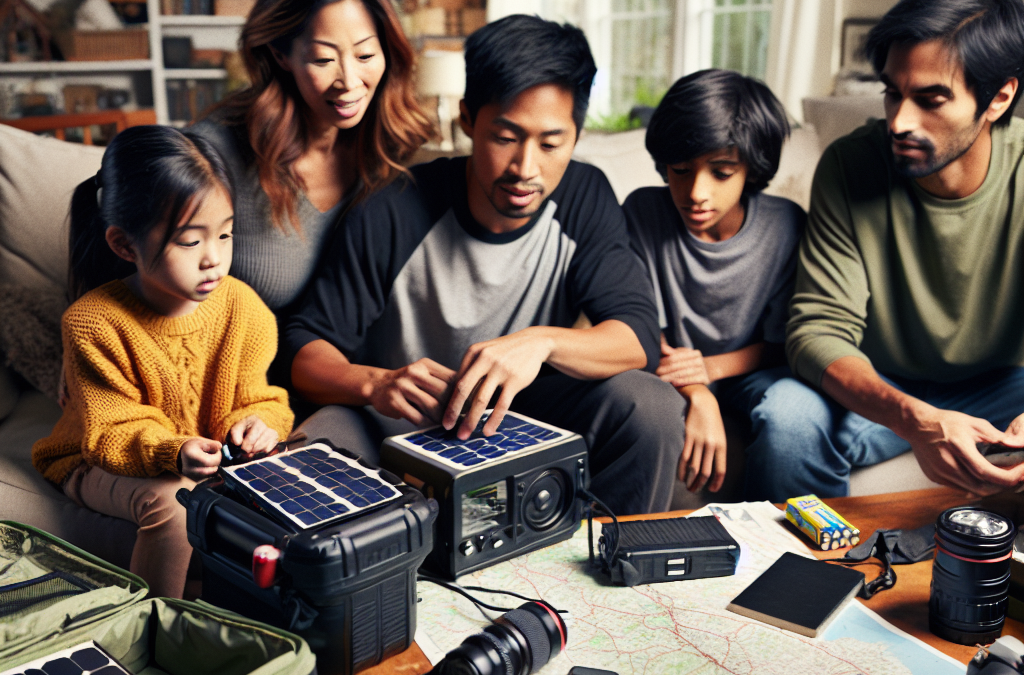
I also researched solar chargers—these babies can be a lifesaver for keeping devices charged when the grid goes down. Having backup power sources ensures that we have a way to communicate and access information, which is vital in a power outage.
It never hurts to get crafty, too! I started creating a mini survival garden in my backyard to supplement our food supply. Growing herbs and some veggies is not only cost-effective, but it also empowers your family in a time of potential scarcity.
Staying Calm During an Outage
Mental Preparedness
When the lights go out, it’s easy to panic. I’ve been there and felt that rush of anxiety when things go dark. So, it’s essential to take some time to mentally prepare. I make it a point to share relaxation techniques with my family, like deep breathing or even some light stretching to promote calmness.
I’ve learned that staying in the right headspace can be crucial. Watching too much dire news can add unnecessary stress, so I encourage limiting media consumption during an outage. Instead, having family games or story time can uplift our spirits and keep us connected.
It’s also important to remind everyone that outages are temporary. Keeping a positive outlook can really influence how we handle a crisis as a family. Fostering a sense of community through shared experiences helps us cope better, no matter how long the situation lasts.
Communication with the Outside World
Once the grid fails, how are we gonna know what’s going on? Well, I recommend investing in a battery-powered or hand-crank radio. It might sound old-school, but this allows us to stay updated without any reliance on our standard power sources.
Establishing a communication plan with neighbors can also be beneficial. Knowing who to contact can provide reassurance and additional support during outages. I’ve formed a little community group with my neighbors to share resources and information. Let’s face it, there’s power in numbers!
Don’t forget to consider social media. If you have access to a charged phone, platforms like Twitter can provide real-time updates from local authorities. Just make sure to conserve battery life to stay connected when you really need it.
Emotional Support for Family Members
One aspect that often gets overlooked during power outages is emotional well-being. I’ve found that discussing feelings around the uncertainty can help relieve stress. It’s okay to feel anxious; acknowledging those feelings can be liberating.
Keeping the dialogue open with my family is key. We’ve had more heart-to-heart discussions during outages and realized how much we rely on each other for support. Creating a safe space for emotions can help everyone feel less isolated and frightened.
Also, a little humor goes a long way. Finding a way to laugh during tough situations can lighten the mood and bring everyone together. Whether it’s telling silly jokes or playing games, focusing on the positives can make a huge difference.
Conclusion
Ultimately, preparing your family for power grid failures is about being proactive rather than reactive. Each step, from understanding vulnerabilities to honing emotional strategies during an outage, adds a layer of safety and assurance for you and your loved ones. If there’s one thing I can leave you with, it’s this: preparation isn’t just about stockpiling; it’s about fostering a sense of readiness and resilience.
FAQ
1. What are some essential supplies to have during a power grid failure?
Essential supplies include water, non-perishable food, batteries, first-aid kits, flashlights, and a battery or solar-powered radio.
2. How often should I check and update my emergency supplies?
I recommend checking your emergency supplies at least every six months to ensure nothing has expired and that you’re stocked up.
3. How can I help my family stay calm during an outage?
Encourage relaxation techniques, limit exposure to stressful news, and engage in family games or activities to foster connection and positivity.
4. Should I include neighbors in my emergency plan?
Absolutely! Forming a community connection can provide additional resources and emotional support during outages.
5. Is an emergency kit for power outages different from other types of emergency kits?
Yes, while there are overlaps, a power outage kit focuses more on food and water, communication devices, and alternative energy sources, while other kits may be more general in nature.

by Preparation | Jul 31, 2025 | Preparedness
Water Procurement
Understanding Water Sources
First things first, finding water in the desert is like discovering gold. You gotta know where to look! Natural sources like streams and rivers can be super elusive. Pay attention to wildlife; they often point you in the right direction. Also, your best bet might be digging in dry riverbeds or checking under rocks—water can sometimes be hiding just out of sight!
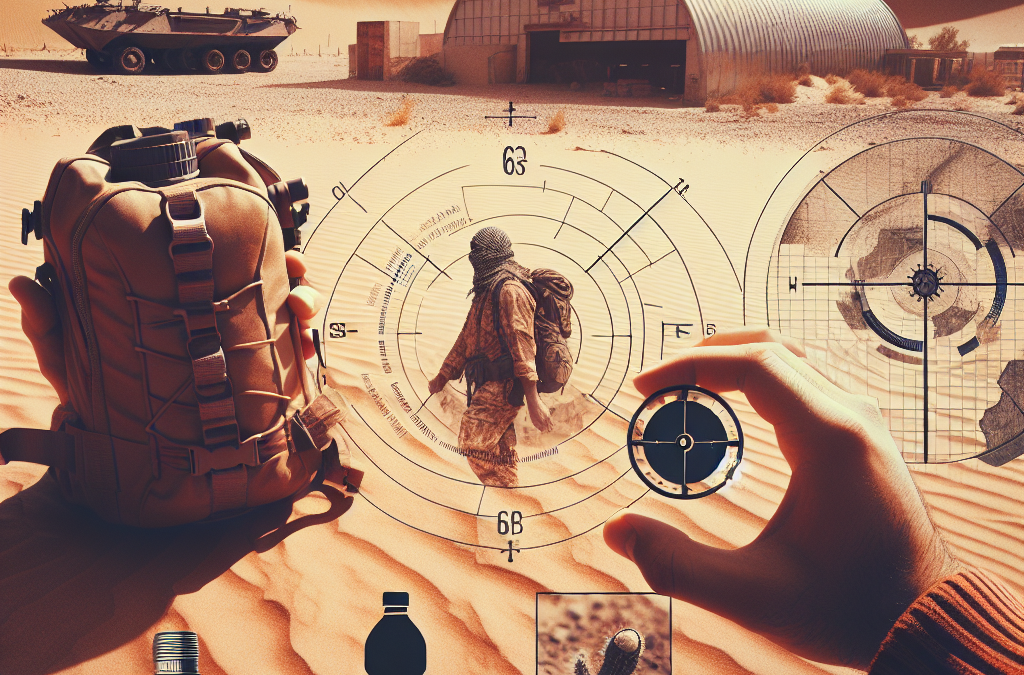
Another tip? Look for plant life. Cacti, for instance, are not just beautiful; they can provide much-needed hydration. Just make sure you know how to harvest water safely—prickly things can really ruin your day if you’re not careful!
Remember to be patient and observant. Water flows through nature in mysterious ways, and picking up on subtle signs will make all the difference when you’re parched.
Water Storage Techniques
Once you find some water, it’s crucial to store it properly. I’ve learned the hard way that you can’t just fill up a bottle and call it a day. Use airtight containers if you have them; this can help prevent any evaporation, especially when the desert sun is beating down. I’ve used anything from plastic bags to repurposed soda bottles—it’s all about being resourceful!
It’s equally important to ration your water. This is where keeping track of how much you’re consuming each day comes in. You might feel tempted to chug it all when you’re thirsty, but slow and steady wins the race. Trust me, you don’t want to find yourself running on empty!
I also recommend creating a makeshift shade for your water source if you can’t find a cooler spot. Evaporation is a sneaky thief, especially in the desert. Shielding your water from direct sunlight can stretch your supply much longer.
Desalination Techniques
Okay, so say you’re lucky enough to stumble upon saltwater—don’t lose hope! Though it’s not drinkable, I once learned a nifty trick for desalination using simple materials. You can create a solar still with just a container and some plastic wrap. Place the water in a basin, cover it tightly, and place a small cup or container in the center. The heat from the sun will evaporate the water, and as it condenses on the wrap, it will drip into your cup. Voila! Fresh water!
This technique can take time, but if you’re out there for the long haul and find yourself in a jam, it can be a lifesaver. Just keep an eye on it and adjust the setup as needed during the day for maximum sunlight exposure!
But don’t forget, though desalination might sound like a miracle, it’s not a substitute for finding fresh water sources. Use it as a backup plan—there’s no reason to get stuck relying on just one method out there!
Navigation Skills
Using Natural Landmarks
Getting lost in the desert is one of the scariest feelings I’ve ever experienced. One of the best hacks I’ve picked up is using natural landmarks to navigate. Mountains, rock formations, and even the sun’s position can guide you. The way the sun travels across the sky is like a giant compass—the east is where it rises, and you can estimate south and north from there.
During my desert adventures, I always try to familiarize myself with the terrain during daylight. Not only does this help with navigating back to safety, but it also helps me to spot other features that can aid my journey. Keeping track of where I’ve been relative to prominent landmarks has saved my butt more than once!
Another strategy is to create a mental map of your area. Draw mental notes and remember the unique characteristics of a region improves your sense of direction the next time you’re wandering around—seriously, it’s a game-changer!
Using the Stars for Navigation
When the sun sets, the desert becomes a different world. And guess what? The stars can be your best friends. I’ve learned to navigate using the North Star, which is visible in the northern hemisphere. If you can spot it, you’re heading north—what a relief! Knowing basic constellations can really help you find your way home when everything else feels disorienting.
In addition to the North Star, I also keep an eye on the moon. The phases can offer hints about what direction you’re heading at night. Remember, my friends: always have a little stargazing knowledge up your sleeve—it’s not just for romantics!
Plus, who doesn’t love a good night sky? Keeping your eyes on the stars can lift your spirits even when you’re feeling lost. It’s a great reminder of how small we are, and sometimes, that perspective can help you find your footing again.
Using a Compass
If you’re not a celestial navigator, no worries! Carrying a compass is a no-brainer for anyone adventuring in the desert. I always have one handy, and it’s saved me from making silly mistakes. Just make sure you know how to use it—it’s not just a pretty piece of gear!
To use it effectively, hold it level and wait for the needle to stabilize. Once it points north, you can determine your headings. Remember to keep away from any metal objects or electronics—they can throw the readings off!
Additionally, I like to practice using my compass regularly. Familiarity with your navigation tools builds confidence and can make all the difference when you’re feeling disoriented. So whip it out and give it a spin!
Building Shelter
Finding a Suitable Location
If you ever find yourself in a situation where you need to shelter from the blistering sun or sudden storms, location is key! I’ve learned that finding shade is paramount. The best spots tend to be under rock outcroppings or large shrubs. These spots not only provide shelter but also help keep the temperature down.
Before settling down, always survey the area for potential hazards. Is a flash flood a possibility? Or do you have any concern about falling rocks? It’s best to pick a safe spot over one that looks comfy but is actually kind of dangerous!
And don’t rush it either—taking the time to find the right place saves you time and energy while you relax in your makeshift home. In the end, comfort and safety should always be your goals.
Building the Shelter
Once you’ve found your spot, it’s time to work your magic! I usually start with whatever materials are available—branches, stones, or even bundled-up leaves can work wonders. I like to construct a lean-to style shelter; it’s pretty straightforward and provides ample coverage from sun and wind.
Using natural materials not only blends your shelter into the environment but also makes it easier to find resources you need. Stack branches against larger trees or rocks, ensuring it’s sturdy enough to handle your weight. It’s like building a little fortress!
When building, consider the wind direction and where you want the entrance. You’re aiming for a cozy spot that stays cool without too much hassle. And remember: the more effort you put into building your shelter, the more comfy your stay will be!
Insulating the Shelter
Now that your structure is up, it’s time to think about insulation. In the desert, temperatures can swing wildly between day and night, and trust me, you want to be comfortable! I often add a layer of leaves or grass inside to help with insulation. This not only adds a bit of warmth but also makes the ground feel nicer.
Another trick? Create a windbreak with stones or vegetation around your shelter to help block out any cold drafts or sweltering winds. It’s about making your space as cozy as possible under the circumstances!
Lastly, when the temperature drops, I often use extra layers of clothing or a sleeping bag if I’ve got one handy. Heat retention is key for a good night’s sleep, and trust me, it can mean the difference between feeling rejuvenated or wiped out the next day.
First Aid Essentials
Identifying Common Injuries
In the wild, anything can happen, and knowing how to handle common injuries is crucial. I’ve experienced everything from scrapes to sunburns, and being prepared can save yourself a lot of trouble. Know your basic first aid—understanding how to treat a wound can prevent infection, which is a major concern out there!
Also, make sure to keep an eye out for signs of heat exhaustion. Symptoms can include dizziness, rapid heartbeat, and excessive sweating. If you spot these in yourself or a partner, you need to take action immediately—get to shade, hydrate, and cool down!
Being aware of snakebites is also a must, especially in desert areas. If you or someone you know gets bitten, remain calm and seek help as quickly as possible. The less movement, the better, as it slows the spread of venom!
First Aid Kit Essentials
When I pack, I don’t leave home without a first aid kit. Essential items include antiseptic wipes, band-aids, gauze, and adhesive tape. You don’t need a full hospital, but these basic supplies can cover a lot of situations!
Don’t forget pain relievers! Ibuprofen or aspirin can make a huge difference if you encounter discomfort during your adventures. Also, consider adding allergy medication if you’re prone to reactions—you never know when an unexpected encounter with nature might happen!
I always remind myself to regularly check and replace items in my kit. You don’t want to find out that your antiseptic has expired when it’s time to use it. Keeping your kit fresh shows that you’re serious about your safety when hitting the desert!
How to Administer Basic First Aid
Once you’re prepared with supplies, the next step is knowing how to use them! For minor cuts, I wash the wound with clean water, apply antiseptic, and cover it up with a bandage or gauze. It’s a simple yet effective way to reduce infection risks and keep the area protected.
If someone is suffering from heat exhaustion, here’s what I’ve found works best: move them to a shaded area, provide cool water, and even apply a cold cloth to their forehead or neck. Monitoring their condition is essential, and knowing when to seek further help can be lifesaving!
Remember, in any emergency, it’s important to stay calm. Your composure can help ease the panic in others and ensure you think clearly about your next actions. So, take a breath and tackle those challenges head-on with confidence!
Conclusion
Surviving in a desert environment requires knowledge, resourcefulness, and a good bit of strategy. From finding water to navigating by the stars, each skill plays a vital role in ensuring your safety and comfort. With preparation and practice, you can approach any desert trek with confidence.
Frequently Asked Questions
What should I prioritize when preparing for a desert adventure?
Water procurement is crucial—always ensure you have enough water and know where to find more. Navigation skills and shelter-building are also vital components you shouldn’t ignore!
How do I stay hydrated in the desert heat?
Carry enough water and learn how to find additional sources. Rationing your water is also essential; drink small amounts regularly rather than chugging it all at once!
What’s the best way to build a shelter in the desert?
Look for natural shade and materials like branches or foliage. Build your shelter to protect against the elements, and make sure to insulate it for comfort during cold nights!
Are there specific first aid items I should include in my kit for desert survival?
Definitely include antiseptic wipes, bandages, gauze, and pain relievers. Having supplies for heat-related illnesses, like cold packs, is also beneficial.
How can I improve my navigation skills for the desert?
Practice by using natural landmarks and the stars. Carrying a compass and learning how to use it will also help boost your confidence when navigating through challenging terrain!
by Preparation | Jul 31, 2025 | Preparedness
Stay Connected with Others
Establish Communication Channels
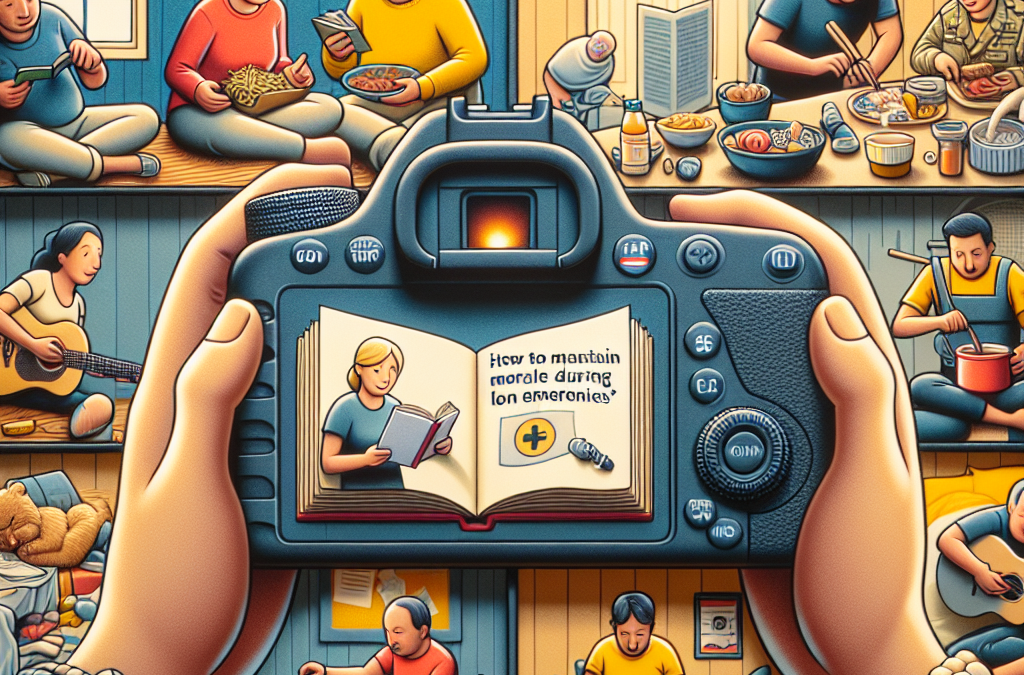
One of the best things I learned during long emergencies is the importance of staying connected. Whether it’s through social media, phone calls, or even good old-fashioned letters, make an effort to reach out to family and friends. This connection can be a lifeline, reminding you that you’re not alone in your struggle.
During tough times, I found that setting up regular check-ins with my crew—whether it was a weekly video chat or a group text—really helped keep spirits high. Knowing there’s someone out there thinking of you can work wonders for your morale.
Don’t underestimate the power of shared experiences. When we break bread together—virtually or in person—over shared stories about our days, it creates a bond that can uplift everyone involved.
Participate in Virtual Gatherings
As someone who loves a good get-together, transitioning to virtual gatherings was initially a challenge. But boy, did it open up a whole new world! Online meetups, game nights, or even virtual happy hours can provide much-needed moments of joy and distraction from ongoing stress.
Sometimes we think, “Oh, it won’t be the same,” but trust me, it can still be a blast. Whether it’s a trivia game or karaoke night over Zoom, find creative ways to connect. You’ll be surprised by the laughter and smiles that can emerge from a screen.
And remember, the goal is not perfection. It’s about those warm moments where we can feel a sense of normalcy and community. Let loose, enjoy, and remind yourself that you’re all in this together!
Build a Support Network
Having a solid support network is indispensable. I’ve learned to surround myself with people who lift me up, even during the heaviest times. Find those who understand what you’re going through and can offer a listening ear or helping hand.
As you build this network, don’t shy away from expressing your needs. It’s okay to admit when you’re struggling or when you need support in certain areas. Trust me, people are often more willing to help than we expect.
Creating a mix of close friends for emotional support and acquaintances to expand your perspective can contribute significantly to morale-boosting. Your network can become a rich tapestry of shared hope and encouragement that brings light during the darkest days.
Engage in Routine and Structure
Set Daily Goals
Finding a rhythm during long emergencies is key. I realized that establishing daily goals helped me keep my focus and boosted my motivation. Little tasks, even as simple as preparing a healthy meal or doing a home workout, can provide that sense of accomplishment.
When you set these achievable goals, they become stepping stones towards feeling productive again. Start small; over time, you’ll feel more empowered and equipped to tackle bigger challenges, keeping moral high.
Documenting your accomplishments, no matter how minor, helps to reinforce a sense of progress. Even on the toughest days, ticking off a few small items can work wonders for your mindset.
Create a Balanced Schedule
Having a structured yet flexible daily schedule is crucial. I like to break my day into blocks that include work, relaxation, hobbies, and connection with others. This balance helps to stave off burnout, which can affect morale drastically.
Don’t forget to leave some wiggle room—life happens, right? However, having those time slots carved out ensures that I still devote time to essential activities while allowing for spontaneity when needed. It’s about balance and not letting routines grow stale.
Moreover, intentionally scheduling relaxation time often becomes a cherished respite that reinvigorates my spirit during challenging times. Allow yourself those pauses; they are just as vital to your overall well-being.
Incorporate Self-Care Practices
Let’s talk about self-care, because boy, it’s crucial! I often remind myself that taking care of my physical and mental health directly impacts my morale. Whether it’s practicing mindfulness, meditation, or simply enjoying a hot bubble bath—make time for yourself.
Getting enough sleep is a big part of that. When I skimp on sleep, everything feels heavier. Rejuvenating rest and downtime enhances our capacity to handle stress, which can seemingly drop overnight.
Lastly, exercise is my outlet. Even when I lack motivation, a quick walk outdoors or a few stretches can lead me to a better headspace. Prioritize activities that keep you feeling good, even in small doses.
Cultivate Positivity and Resilience
Practice Gratitude
During long emergencies, I found the practice of gratitude to be a game changer. Each day, I try to list a few things I appreciate. They can be as simple as a hot cup of coffee or a moment of laughter with a friend. Shifting focus towards what’s going well can alter your outlook dramatically.
Try keeping a gratitude journal. Writing down my thoughts helps me acknowledge the positives and can act as a comforting reminder during difficult times, encouraging a more optimistic view.
When you share your gratitude with others, it creates a beautiful ripple effect. This act not only uplifts your spirit but also encourages the people around you to recognize and appreciate their blessings.
Build Resilience Through Learning
I’ve come to realize that resilience isn’t just about toughness; it’s also about learning and adapting. Embrace new skills, whether it’s picking up a new hobby or pursuing online courses. Personal growth can ignite a sense of purpose and accomplishment.
As you navigate through challenges, those skills can empower you, making you more confident in facing uncertainties. Reflecting on past challenges that you’ve overcome also reinforces your ability to handle what’s thrown your way.
Surround yourself with stories of resilience. They can inspire you and remind you that none of us are alone in our struggles. Sharing stories not only fosters a bond with others but can also serve as fuel to stay resilient through difficult times.
Maintain a Positive Environment
Creating a positive environment is essential to maintaining morale. I’ve learned that decluttering and organizing my space helps to promote clarity and calmness. Surrounding myself with uplifting music, art, or anything that inspires joy is key to uplift the energy in my home.
Consider invoking elements of nature. Indoor plants or even natural light can significantly enhance moods, making spaces feel alive and vibrant. I can’t stress how much a green companion has transformed my workspace.
Lastly, humor is a fantastic booster. Incorporate laughter into your life through comedy shows or light-hearted content. Finding joy in the moments can act as a powerful remedy during tough situations.
FAQs
1. How can I stay connected with others during long emergencies?
Utilize digital tools for communication such as social media, video calls, and messaging apps, and consider scheduling regular check-ins with friends and family to stay in touch.
2. What practices can help maintain daily structure during emergencies?
Create a balanced schedule that incorporates goals, relaxation, and self-care. Start with small, achievable tasks that bring a sense of accomplishment.
3. What role does gratitude play in maintaining morale?
Practicing gratitude shifts focus from negative aspects to positive ones, helping to cultivate a more optimistic outlook and improving overall emotional well-being.
4. How can I improve resilience during tough times?
Building resilience involves learning new skills, reflecting on past challenges, and surrounding yourself with inspiring stories that cultivate a mindset of growth and adaptability.
5. Why is humor important in tough situations?
Humor serves to lighten the mood and provide relief during difficult times. It fosters connection and helps us break away from stress through joy and laughter.
by Preparation | Jul 31, 2025 | Preparedness
Understanding Emergency Medical Training
What is Emergency Medical Training?
Emergency Medical Training (EMT) is all about preparing individuals to respond effectively in emergency medical situations. It provides the skills and knowledge necessary to manage crisis situations before professional medical assistance arrives. You might have seen the term thrown around in various contexts, but essentially, it encompasses various levels of training, from basic first aid to advanced life support.
From my experience, being trained in emergency medical scenarios has been such a game changer! You never know when an emergency will strike, whether at home, work, or in public spaces. Knowing I have the training to assist someone in need gives me a sense of empowerment and readiness.
What I particularly appreciate about EMT training is that it’s practical. The skills learned are often hands-on, which makes it easier to remember and apply when the situation arises. So, let’s dive into what you can expect from this training!
Core Skills in Emergency Medical Procedures
Basic Life Support (BLS)
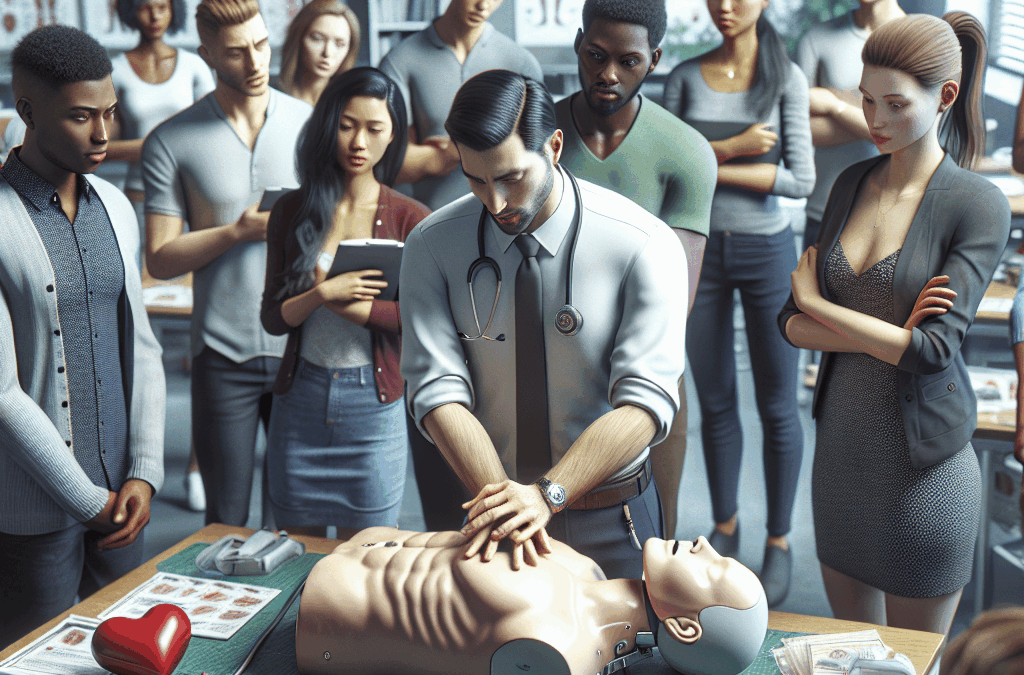
Basic Life Support is a foundational skill any emergency responder should master. It includes CPR (cardiopulmonary resuscitation) techniques, which are essential for those facing cardiac arrest. The best part about learning BLS is that it’s a skill that can literally save lives.
During my training, I can’t stress enough how valuable the practice sessions were. Repeatedly performing CPR on manikins helped build my confidence. Plus, learning to recognize the signs of someone who might need CPR is crucial. Spotting those early warning signs can make a world of difference!
Not only is BLS about administering chest compressions, but it also encompasses how to use an automated external defibrillator (AED). Familiarity with the AED can be a lifesaver, and knowing how to operate it quickly can improve survival rates significantly.
Wound Management
Wound management might sound straightforward, but it covers a range of skills that are essential in an emergency. Cleanliness is paramount when dealing with injuries. Knowing how to properly clean and dress a wound can prevent infections and complications.
I remember one of my instructors emphasizing the importance of assessing the injury first before jumping straight into treatment. This allows you to prioritize care, especially in a situation where multiple injuries may be present. It’s crucial to stay calm, which is where your training kicks in!
Additionally, understanding when to contact emergency services is vital. If a wound presents a serious threat, like severe bleeding, knowing not just how to manage it but when to escalate care can save lives.
Shock Management
Shock can occur in various medical emergencies, and recognizing its signs is critical. Symptoms such as clammy skin, rapid pulse, and faintness should never be overlooked. My training taught me to assess for shock in any traumatic scenario.
When treating someone in shock, the goal is to keep them calm and maintain their body temperature. Covering them with a blanket or coat can be simple but effective. Knowing these little tricks can make your intervention much smoother!
Furthermore, ensuring they are lying down and elevating their legs can help blood flow to vital organs. Being aware of these techniques makes you feel more prepared for any knock-on scenario you might face in real life.
Legal Considerations in Emergency Response
Good Samaritan Laws
When stepping up to help during an emergency, understanding Good Samaritan laws in your state is crucial. These laws are designed to protect individuals who assist those in danger and reassure them not to hesitate in providing help.
I recall discussing this in training, with many folks unsure whether they’d be liable if they tried to help someone. It’s empowering to know that as long as you act in good faith and within your training, you’re generally protected.
However, it’s important to stick to what you know and can competently perform. Going beyond your training could expose you to legal issues, which is why understanding these laws should be part of your emergency training toolbox.
Informed Consent
Informed consent can be complex but is essential in emergency situations. It generally means that the person you are helping should understand the treatment you’re providing. In a chaotic emergency, this can be challenging, especially if the person is unconscious or unable to communicate.
In situations where a patient can provide consent, I found that explaining your actions—no matter how briefly—can help assuage their fears. It’s all about building trust in a moment of crisis, and I’ve seen firsthand how simply speaking to someone can calm their nerves.
In contrast, if a patient is unresponsive, the presumption of consent allows you to offer aid without delay. It’s a fine line to walk, and knowing the legalities is part of being a competent first responder.
Documentation and Reporting
After any emergency response, documentation of what occurred is critical. Writing down your observations, actions taken, and any changes in the patient’s condition helps provide essential information to incoming medical professionals.
In my field experience, I often felt overwhelmed right after an incident, but having a simple structure to follow—like noting down times and specific actions—made a world of difference later. It ensures that everyone involved has the information they need to proceed.
Ultimately, accurate documentation can also protect you legally if questions arise about your treatment. So incorporating this into your training will not only help your response but safeguard against potential legal issues!
Practical Experience and Continued Learning
Hands-On Training
There’s no substitute for hands-on training in emergency medical training. A classroom setting provides the theoretical foundation, but applying those skills in real-life scenarios is where the confidence builds. Whether it’s through simulations or training sessions, I find that getting your hands dirty (figuratively!) is key.
During my EMT course, we had mock scenarios where we’d have to respond to various emergencies, and those experiences were invaluable. Role-playing different scenarios with peers taught me how to communicate effectively and rethink strategies on the spot.
Even today, I seek out opportunities to practice through workshops or refresher courses, reinforcing those skills regularly. Continuing to hone your skills keeps you sharp and prepared for unexpected situations.
Staying Updated with Protocols
Medical protocols evolve, and it’s crucial to stay informed about new techniques and guidelines in emergency care. Each time I take a refresher course, I learn something new. Whether it’s updates in CPR techniques or changes in first aid recommendations, these insights are ever so important.
I often recommend subscribing to credible organizations or following their updates. Social media can be a great tool for this too. I keep an eye on updates from organizations like the American Heart Association to receive training updates directly!
Additionally, networking with fellow emergency responders through seminars or workshops can share new approaches and practices among peers, enhancing your knowledge in the field.
Advocating for Public Training Programs
I believe everyone should have access to emergency medical training. Engaging in your community to promote free training events, like CPR or first aid classes, can empower more people and create a safer environment.
The feeling of empowerment multiplies when more individuals are trained. I’ve volunteered my time to coordinate community events, and it was rewarding to see people take that knowledge into their lives!
Ultimately, the more people know how to respond in emergencies, the more lives we can save. Every little bit of effort counts, and it’s super fulfilling to contribute to that goal.
Conclusion
Emergency Medical Training isn’t just a nice-to-have; it’s a lifeline in critical situations. Whether it’s through understanding core skills, navigating legalities, or advocating for public awareness, we’re capable of making a difference. I can’t stress enough how important this training has been in my life, both personally and professionally. So, I encourage everyone to invest time in this invaluable training!
FAQ
- What does Emergency Medical Training cover?
- Emergency Medical Training covers essential skills such as CPR, wound management, and shock management, equipping individuals to respond in crisis situations.
- Are there legal protections for people who help in emergencies?
- Yes, Good Samaritan laws generally protect individuals acting in good faith when assisting someone in an emergency, ensuring they aren’t held liable for unintended consequences.
- How can I practice my emergency care skills?
- Engaging in hands-on training, refresher courses, and mock scenarios is a great way to practice emergency care skills and build confidence in your abilities.
- Why is documentation important in emergency medical care?
- Documentation helps provide vital information to incoming medical professionals and protects the responder from potential legal issues regarding their care.
- How can I promote emergency medical training in my community?
- Organizing community events, speaking about the importance of training, and providing accessible workshops are great ways to advocate for public emergency training programs.
by Preparation | Jul 31, 2025 | Preparedness
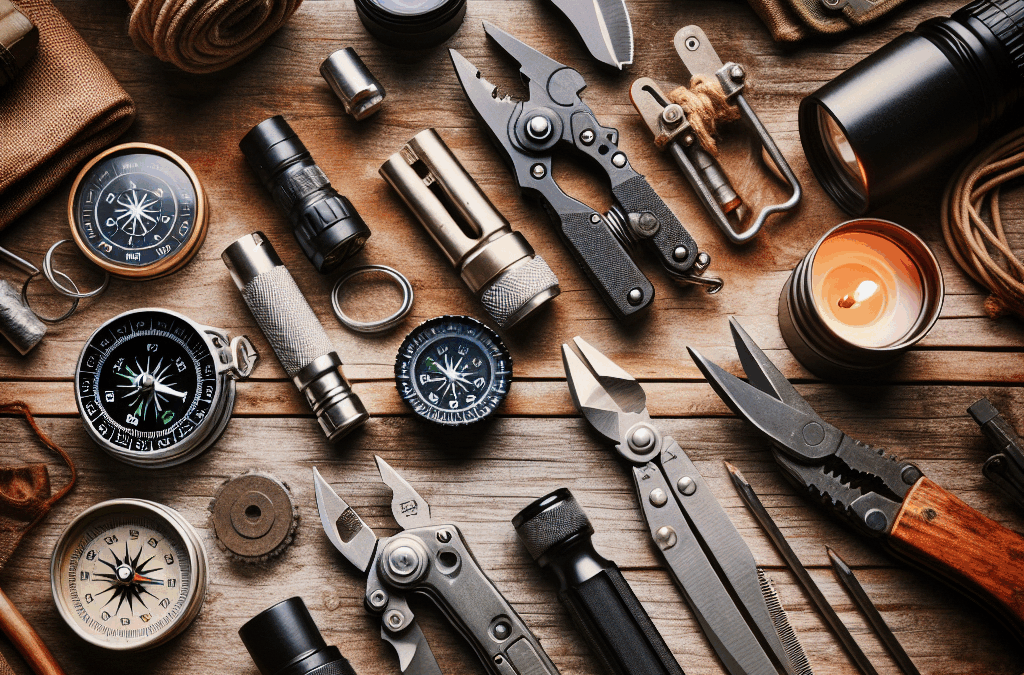
Hey there, fellow adventurers! If you’re anything like me, the thrill of the great outdoors is always calling. Whether it’s hiking, camping, or just getting away from it all, being prepared is essential. One of the most crucial parts of preparing for any adventure is knowing how to choose the right survival tools for your kit. I want to share my experience with you, breaking it down into five key areas that will help you pack the essentials. Let’s dive in!
Understanding Your Needs
Assessing Your Environment
First things first, you gotta consider where you’re heading. Each environment has its own set of challenges. For instance, if you’re trekking through a dense forest, your priorities might be different than if you were hitting the desert. I remember planning a camping trip in the Rockies one summer, and the weather turned unpredictable. Having the right gear could’ve saved me from some wet nights!
Evaluate the terrain. Are you facing rocky paths, muddy hills, or maybe coastal cliffs? It helps to do a little reconnaissance about where you’re going so you can tailor your toolset accordingly. Different tools can tackle different environments better than others.
Lastly, don’t forget about the season! Winter survival is a whole different ball game compared to summer camping. Knowing the weather patterns, what critters are out and about, and what plants are around can make your selection a lot more effective.
Essential Survival Tools
Multi-Tool Magic
You can’t go wrong with a good multi-tool. Trust me, I’ve tried to go without one, and it just made life way harder than it needed to be. A multi-tool combines several tools into one handy gadget—think knives, screwdrivers, and even pliers all packed into a neat little unit.
When I’m out and about, I find that having a multi-tool can tackle unexpected situations. Need to cut rope? Boom! You got a knife. Fixing gear? There’s a screwdriver for that. It just simplifies everything. Plus, my multi-tool has helped out various campmates too. Sharing is caring, right?
So, figure out which multi-tool suits your needs best. Some have built-in features like can openers or mini saws. Read reviews and find one that’s durable but doesn’t break the bank. Remember, you want something that you can rely on!
Navigation Gear
Map and Compass Basics
Oh man, I can’t stress this enough—being able to navigate is key. Technology is great, but you never know when your phone battery might die or when you lose signal. Having a physical map and a compass can be a lifesaver.
It’s a good idea to practice using them before your trip. I recall getting lost on a hiking trail because I thought I could wing it. That was a humbling experience. Being familiar with how to read a map and use a compass in different terrains makes it way less daunting.
Additionally, take the time to mark out your route and potential hazards or important landmarks. You’ll feel much more secure on your journey, and it could even save you some time!
First Aid Essentials
Organizing Your Kit
Having a first aid kit is non-negotiable. But let’s be real: not all first aid kits are created equal. I’ve had my fair share of duds, and trust me, it’s a bummer to find out you’re missing key supplies when you actually need them.
I recommend customizing my first aid kit to suit my needs, depending on the length and type of my trip. Basic supplies like band-aids, antiseptic wipes, and gauze are a start, but you might also want to consider including unique items like blister packs or allergy medications.
Stay organized—label sections and use small containers if needed. This way, you can quickly find what you need when things get urgent. I can’t tell you how crucial it is to grab the right stuff without fumbling around.
Emergency Preparedness Tools
Signaling Devices
Okay, let’s talk about how to be seen when things go south. Having signaling devices like whistles, mirrors, or flares can make a big difference in emergencies. I once got separated from my group, and thank goodness I had a whistle on me. It’s a simple tool, but it cuts through the noise in a way that shouting just can’t.
Consider adding a flashlight or headlamp to your kit as well. A night hike can turn into a panic attack if you don’t have enough light. Plus, some headlamps have safety features that can signal for help too.
Building a small fire can attract attention, but it’s good practice to have those signaling tools handy. Nature isn’t always forgiving, and being prepared can lead to a speedier rescue if the situation turns dire.
FAQ
1. What should I prioritize when choosing survival tools?
Always start with understanding your environment and needs. Tailor your kit to what you’re facing—be it weather, terrain, or duration of your trip. Essentials should always include navigation tools, first aid supplies, and a reliable multi-tool.
2. How do I know if my multi-tool is good quality?
Look for reviews and consider the warranty. A solid multi-tool should feel sturdy in your hand, come with a good range of tools, and be something you can rely on for multiple scenarios, not just one.
3. Is it necessary to carry a map and compass even if I have GPS?
Absolutely, yes! GPS devices can fail, especially when you’re out in the wild. A map and compass are reliable and have no battery issues. Plus, they’re great to practice with and can enhance your navigation skills.
4. How often should I check my first aid kit?
I advise checking your kit before every trip. Ensure items aren’t expired and replace anything you’ve used. Keeping it organized will save you time and trouble when you’re in a pinch.
5. What’s the best way to signal for help?
Using a whistle is highly effective because it can be heard over long distances. Additionally, having a bright flashlight or reflective surface can help, especially during the day. Carry various signaling devices for redundancy!
So there you have it! Picking the right survival tools isn’t rocket science, but it does take some thought and planning. I hope my experiences help you gear up for your own adventures. Happy exploring!
by Preparation | Jul 31, 2025 | Preparedness
Assess What You Have
Taking Inventory of Supplies
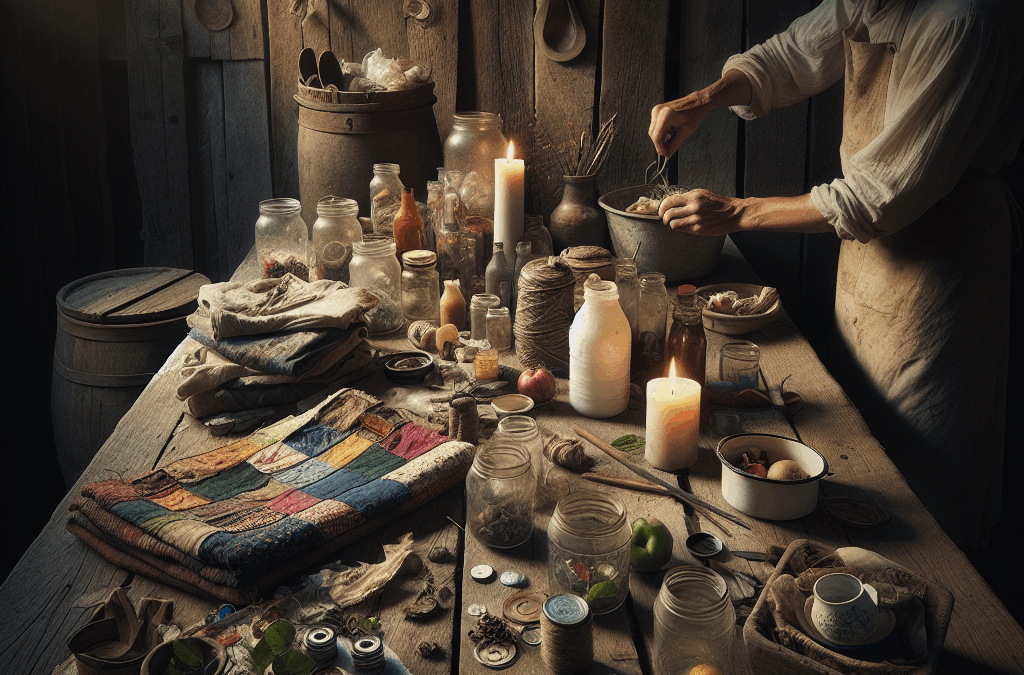
First off, let’s start by gathering everything you’ve got. This might seem like a no-brainer, but you’d be surprised how often we overlook things just lying around. I always take a good look around my place and make a list of possible supplies—anything from old paint cans to empty jars. You’d be amazed at the potential inside your home!
Next, categorize these items based on their uses. Grouping them can stimulate creativity and give you a clearer picture. For instance, if you have a bunch of crafting goodies like scrap paper, glue, and markers, you can whip up something cool. Everything you’ve got might just have a purpose waiting to be discovered!
Lastly, don’t underestimate the power of your culinary pantry. Even limited ingredients can inspire some delicious meals. I often find that I can whip up a gourmet dinner with just a few staples—some rice, beans, and frozen veggies can work wonders.
Get Creative
Use What You Have in New Ways
When supplies are low, creativity skyrockets. This is where the fun begins! For example, if you’ve got a slightly outdated tablecloth but it’s not beyond saving, how about turning it into a cute bag? I’ve done this with some old sheets; it turned out surprisingly well!
Look for inspiration in unexpected places. Sometimes simply scrolling through social media can spark an idea. I once found a DIY tutorial that helped me transform leftover fabric scraps into quirky coasters. Seriously, it’s all about thinking outside the box!
Also, don’t shy away from mixing materials. I’ve found that combining what seems like mismatched items can surprisingly yield great results. A cereal box and some tape can become a makeshift organizer! Embrace the challenge and allow yourself to play around.
Plan Ahead
Prioritize Your Needs
Now that you’ve assessed your supplies and let your creativity loose, planning ahead is key to making the most out of what you have. Make a list of what’s essential. You don’t want to waste time on projects that won’t serve your immediate needs. For example, if you need to fix something around the house, that should take precedence over crafting a wall decoration.
Once you have your priorities set, think about how you can stretch your supplies to last. I always try to make things that have multiple uses or can be repurposed later down the line. That really helps reduce waste and gets you more bang for your buck!
Stick to your plan, but also stay a little flexible. Sometimes, as you start using supplies, new ideas emerge. I’ve often changed my initial plan halfway through, and it ended up being a more satisfying outcome. Just stay adaptable!
Engage with Community Resources
Utilize Local Groups
Engaging with your community can be a game changer when working with limited supplies. You’d be surprised by how generous people can be when they know you’re in need of something. Joining local Facebook groups or community forums is a great way to connect with others who might have extra materials they’re willing to share or trade.
I’ve gotten my hands on some incredible items just by reaching out on social media. Once, I posted asking for any leftover paint for a project. A neighbor gave me an entire bucket! Sometimes a simple ask can yield surprising results.
Another option is to check out community centers or libraries. Many offer workshops or even lend out tools and supplies. It’s a win-win situation, and you also get to learn something new. Plus, you can meet like-minded people along the way who share your drive to maximize limited resources.
Learn to Adapt and Improvise
Problem-Solve on the Fly
Perhaps the most important aspect of making do with limited supplies is the ability to adapt. No two situations are alike, and that’s where the fun lies! When things don’t go as planned, think about how you can modify your project with what you have. It’s all about finding solutions and adjusting your approach.
I’ve encountered plenty of hiccups—a missing tool here, a crucial ingredient there—but I learned to improvise. If I need a hammer and I don’t have one, I can always use a heavy book or a rock for a makeshift solution. The first time I did this, I felt like a real life MacGyver!
Remember, perfection isn’t the end goal. Making do with limited supplies challenges us to stretch our imagination and learn new skills. Embrace the process, and don’t be afraid of trial and error. Every misstep is just another learning opportunity and brings you one step closer to crafting something amazing!
Frequently Asked Questions
1. What should I do first when I have limited supplies?
Start by taking an inventory of what you have. Sometimes, we overlook great materials that can be re-purposed or used in innovative ways.
2. How can I spark creativity with limited resources?
Experiment with new ways to use your supplies and look for inspiration from online resources. Pair different materials together and don’t shy away from mismatches—they can lead to unique results!
3. Is it worth reaching out to my community for help?
Absolutely! Local community groups, whether online or in-person, can offer connections to additional supplies, trading opportunities, or shared resources.
4. What if my original plan doesn’t work out?
Adaptation is key! If something doesn’t go as planned, think creatively about how you can modify your approach with what you have on hand. Flexibility can lead to unexpected success!
5. Can I really create something useful with very few materials?
Yes! Many amazing projects can be accomplished with minimal supplies. It often requires a bit more creativity and problem-solving, but the results can be just as rewarding!




