by Preparation | Jul 31, 2025 | Preparedness
Assessing Your Pet’s Needs
Understanding Common Health Issues
As you embark on the journey of creating a first aid kit for your furry friend, it’s crucial to understand what kinds of health issues you might encounter. Every pet is unique, and knowing their specific needs can make a huge difference in an emergency. When I first started thinking about my pets’ health, I made a list of common problems like cuts, bites, and allergic reactions. It gave me clarity on what to include in my kit.
For instance, my dog, Max, is prone to ear infections, while my cat, Bella, occasionally gets into tussles with other animals. By identifying these issues, I ensured I was prepared for any situation that might arise. Consider chatting with your vet about potential concerns—they can offer customized advice based on your pet’s age, breed, and health history.
Being proactive is key! Think about your pet’s lifestyle, whether they are active and adventurous or more relaxed. This can help you predict potential emergencies and prepare accordingly. It’s all about being one step ahead.
Talking to Your Veterinarian
One of the best resources I found while preparing my pet’s first aid kit was actually my veterinarian. They have a wealth of knowledge and could suggest essential items for my kit based on my pets’ unique needs. Just asking simple questions during our regular check-ups gave me valuable insights.
Don’t be shy about asking specific questions! For example, “What should I have on hand for a bee sting?” or “How can I handle a sudden illness?” These conversations can help you build a tailored kit that’s efficient and effective.
Make it a practice to update your kit according to your vet’s advice, as recommendations might change with seasons or health developments. Keeping an open line of communication with your vet can ensure that you’re always prepared for anything life throws your way with your pet.
Regularly Updating Your Kit
Over time, I realized that just building the kit wasn’t enough. Regularly updating it is super important! Just like you check the pantry for expired food, keep an eye on the contents of your first aid kit, too. If your pet’s health changes or they age, you may need to add new supplies.
Also, I’ve learned that I should check items like gauze and antiseptics to ensure they remain sealed and effective. Rotating supplies can also help ensure anything that needs attention is taken care of promptly. Make it a habit to do this every few months. You never know when you’ll need it!
Additionally, every few seasons, let’s say every six months, it helps to re-evaluate what’s in there. Some items might get used up or become obsolete. If you’ve had a change in your pet’s activities or health, adapt the kit to suit those new circumstances!
Essential Items for Your Kit
Bands and Wraps
When I think of first aid, one of the first things that comes to mind is bandages. The world of bandages is vast, and I’ve learned that having a variety is key. From adhesive bandages for small cuts to elastic wraps that can secure gauze on a more serious injury, each plays an essential role in pets’ first aid.
Having a set of stretchy bandages is great for wrapping injuries on a leg or paw, while smaller adhesive bandages work perfect for those tiny scrapes. Just keep in mind, don’t use human bandages, as they can contain materials that might be unsafe for pets if swallowed!
Stocking a few different types ensures you’re ready for small everyday boo-boos to bigger accidents. Trust me; after a couple of mishaps with Max and Bella, I learned this the hard way. The right bandage can really speed up healing and help minimize infections!
Cleaning Supplies
Next, we have cleaning supplies, an absolutely necessary component of any pet first aid kit. Keeping wounds clean is essential, and I often use sterile saline solution and antiseptics to help with that. It’s something I learned after witnessing a minor cut turn serious due to lack of proper cleaning!
Even knowing you can use natural options like witch hazel can help soothe your pet’s skin after cleaning. However, I always consult with my vet before trying new products, just to be on the safe side. You just never know what works best, especially if they have allergies.
Keep some cotton balls and swabs handy, too. They can really help with applying cleaning solutions, making things easier and more controlled. And let’s face it; the last thing you want is a messy clean-up job!
Medication and Treatment Essentials
I’ve faced the tough decision of having to give Max medication for unexpected allergies, and that’s when I realized having the right medications is crucial. Over-the-counter choices like Benadryl and activated charcoal can come in handy for treating mild allergies or poisoning.
However, it’s vital to consult your vet about dosages and what medications are safe for your specific pet. I always keep a little guide with standard dosages for my pets and maintain a line of communication about any changes to their health or medication needs.
Having a thermometer specific for pets is another essential tool that has saved me from guessing too much. If ever in doubt, taking a quick temperature gives definitive information. Those little pieces of knowledge make you feel more in control in an emergency.
Storing Your Kit
Choosing the Right Container
When I first built my first aid kit, I didn’t put much thought into the container. Boy, was I wrong! I later realized that having a good sturdy container makes a huge difference. You need something that’s durable, waterproof, and easy to carry around, please! I recommend a plastic box with labels for each section inside, so you know exactly where everything is in a moment’s notice.
Also, think about where you plan to keep this kit. Evaluate the environment; if it’s in a humid area, you might need to think about sealing everything inside properly. Keeping medications and supplies in their original packaging can also help prevent any mix-ups.
Once, I had everything scattered in a drawer, and it took me ages to find what I needed in an emergency. Trust me; it’s worth investing some time into organizing it properly to make things smoother later!
Labeling and Organizing Items
Another crucial aspect is labeling. I figured out that simply throwing things together isn’t enough; organizing by type helps a lot. Using labels for different sections like ‘bandages,’ ‘medications,’ or ‘cleaning’ copies not only saves time but ensures that others who might need to use the kit can find what they need in a hurry.
Consider creating a quick reference guide to put inside the kit. It could include emergency numbers for vets, poison control, or even your regular vet’s info. On one stressful occasion, I was frantically looking for numbers, only to realize I could’ve had that on hand!
Also, regularly checking and re-labeling supplies as needed keeps everything up to date. It’s a simple practice that can prevent any mishaps where you think you have the right item only to find out it expired or was used last week.
Location Accessibility
Finally, where you store your kit can make a world of difference. It’s an easy mistake to hide it away in the back of a closet; I did that once, and you can imagine how fun that was trying to dig it out during an emergency! Instead, I’ve learned to keep my first aid kit in a place that’s easily accessible yet safe from small hands and paws.
Keep a small kit in your car too, just in case emergencies happen while you’re out and about. This has been a lifesaver during long walks or hikes. Trust me, having it on hand prevents panic when unexpected problems arise.
Finally, maybe consider having a separate smaller kit specifically for travel, just to keep it all ready to tackle whatever comes your way during adventures. You’ll thank yourself later for being prepared and confident in handling situations when they pop up!
Training and Practice
Learning Basic First Aid Techniques
Honestly, having a first aid kit is just one part of the equation—knowing how to use it is another. I took a weekend class on basic pet first aid, and it was a game-changer! They walked us through techniques like how to bandage a leg and when to apply pressure to stop bleeding.
Hands-on techniques taught me to perform CPR on pets, which I certainly hope I never have to use, but it gives peace of mind to know what to do in a scary situation. I’d recommend checking for local classes, as many community programs offer these invaluable skills.
Alternatively, there are several online resources and videos to guide you. Just make sure they come from reputable sources or certified professionals. Knowing these skills can make that crucial difference if an emergency arises, and being prepared is so empowering.
Practicing with Your Pet
Another thing I found super helpful was practicing how I would handle my pets in an emergency. I set aside time to get used to the equipment and practice where all the items in my kit are located. It felt a bit silly at first, but it actually built confidence for me—and my pets were great sports about it!
Since my pets are pretty calm, practicing nudging their paws or holding them still for a bandage helped me prepare for the real thing. It was reassuring to know how they reacted and how I could best calm them if they were stressed.
Having my pets accustomed to being handled during these training sessions really paid off when things got tense. Your pets might surprise you by being more cooperative if they’ve had a little practice in advance!
Creating a Family Plan
Finally, involving the family in the process can create a sense of teamwork about your pets’ health and safety. I often include my kids in discussions about the first aid kit and what supplies we have. They’ve learned where to find everything and how to assist if needed in an emergency.
This also lays a foundation for valuable life lessons about responsibility and care of pets. My kids take pride in knowing they can help care for our animals and are more attentive during our walks and outings. It’s all about creating that bond between them and our pets!
Every few months, we have a family refresh on knowledge about the first aid kit, discussing what’s in it and why. What could be a mundane chore becomes a bonding session over our beloved pets. Teamwork makes the dream work, right?
FAQs
1. What should be included in my pet’s first aid kit?
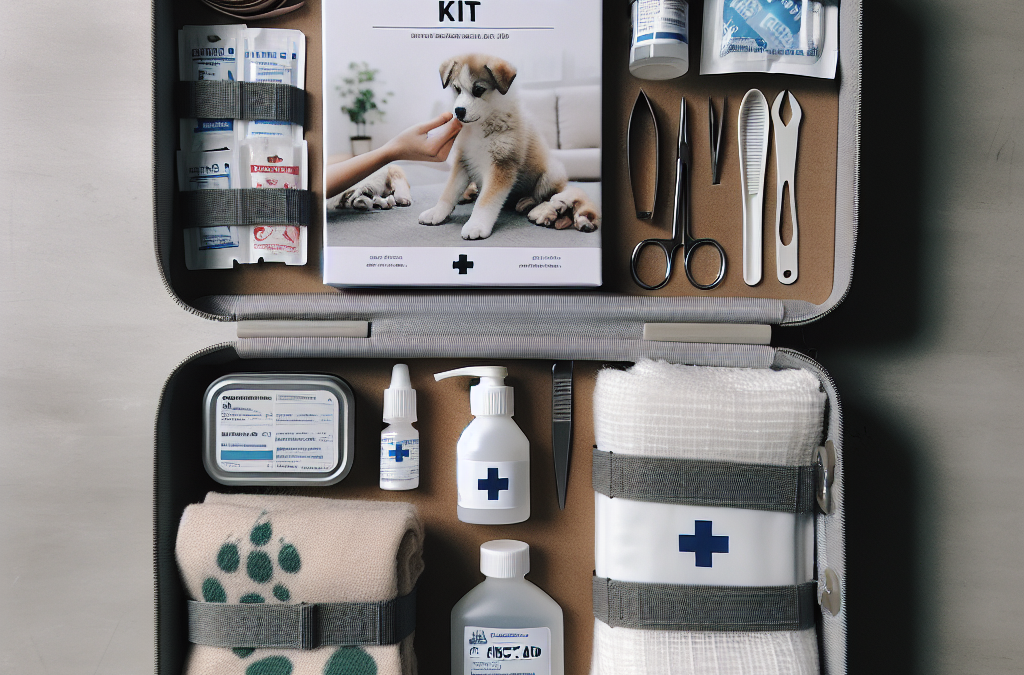
Your kit should contain bandages, antiseptics, gauze, medications, and a thermometer, along with a few basic first aid tools like scissors and tweezers. Tailor it to your pet’s specific needs.
2. How often should I check and update my first aid kit?
I recommend checking your kit every few months, replacing expired items, and ensuring everything is in good condition. This keeps you prepared for any emergencies!
3. Is it necessary to take a pet first aid class?
While not mandatory, it’s incredibly beneficial. Learning basic first aid techniques increases your confidence and equips you with the skills you may need during a pet emergency.
4. Can I use human medications on my pets?
Some human medications are safe for pets, but you must consult your veterinarian before giving anything. Dosages vary widely, and some medications can be harmful to pets!
5. Where should I store my first aid kit?
Keep your first aid kit in an easily accessible, safe place that your pet can’t reach. Consider having smaller kits for your car and travel to ensure preparedness wherever you go!

by Preparation | Jul 31, 2025 | Preparedness
Stay Calm and Breathe
Understanding the Power of Breath
When an emergency strikes, our natural reaction might be panic. Trust me, I’ve been there. The first thing you’ve got to do is to hit the pause button. Breathing techniques can help clear the fog of panic. I remember a time when I was in a tense situation; focusing on my breath turned everything around for me.
Calming breaths essentially signal to your brain that it’s all going to be okay. When you exhale slowly, your body recognizes that it’s not in immediate danger anymore. It’s like telling yourself, “I got this!” I often find that inhaling deeply through my nose and exhaling through my mouth does wonders.
Try to implement deep breathing exercises every day, so you’re trained and ready when emergencies happen. Even simply counting your breaths can anchor you back in the present moment. Let this become your go-to strategy!
Reframe Your Thoughts
Identifying Negative Triggers
When trouble looms, our mind can go to dark places. I’ve learned the hard way that recognizing these negative thoughts is crucial. Grab a notebook, jot down your feelings during an emergency. Trust me, it’s validates what you’re feeling.
Reframing isn’t about lying to yourself; it’s about flipping the script. Instead of thinking, “I can’t handle this,” shift to, “I’m learning how to handle this.” This minor change in dialogue can really empower you to tackle the situation. It’s refreshing!
Next, consider the positive aspects of your predicament. For every emergency, there’s an opportunity for growth. Maybe it’s improving your crisis management skills or learning more about your support system. Keep reminding yourself: every cloud has a silver lining.
Visualize Success
Imagining Positive Outcomes
This might sound a bit cheesy, but visualization has been a game changer for me. When faced with an uncertain situation, I take a moment to vividly imagine a successful resolution. Picture it! What does that look like for you? The clarity really helps.
When you see yourself conquering the issue, you’re setting a positive tone for your actions. It’s like a mental rehearsal that boosts your confidence when faced with obstacles. Plus, I’ve noticed that imagining success reduces anxiety—how cool is that?
Can you envision your ideal outcome? Maybe it’s acing an important presentation or calmly managing a family emergency. Take that picture and hold on to it as a goal. Visualization can often lead to those goals manifesting in reality.
Seek Support
Don’t Hesitate to Reach Out
There’s a common misconception that we have to handle everything on our own. Let me tell you, that’s often not the case. When I face emergencies, reaching out to friends, family, or even professionals helps lighten the load. They can offer perspectives and support you might not even have considered.
Support networks are crucial during crises. I remember a time when I was unsure how to maneuver through a tough situation; talking it through with a friend not only eased my mind but also provided solutions I hadn’t thought of.
Encourage yourself to express your feelings openly. Engaging in constructive conversations can help you realize you’re not alone in your struggles. A listening ear may be exactly what you need to see things in a new light. Keep that connection alive!
Practice Gratitude
The Bright Side in Dark Times
It’s easy to get bogged down by negativity during emergencies, but I’ve found that practicing gratitude helps shift my focus. No matter how bad things seem, there’s always something to be thankful for! Even if it’s just having a place to rest your head that night, acknowledging those wins matters.
Gratitude can alter your perspective. I learned to list three things I’m grateful for every day, even amid chaos. This ritual constantly reminds me that life has its ups and downs, and recognizing what’s good helps create a more balanced outlook.
Consider keeping a gratitude journal. It’s a fantastic tool I’ve used to document positive aspects of my life, especially during tough times. Revisiting those moments fosters resilience and positivity, turning emergencies into opportunities for growth.
FAQs
What is the first step to take during an emergency?
First and foremost, stay calm and breathe. This helps clear your mind and allows you to think more clearly.
How can I reframe my negative thoughts effectively?
Identify your negative triggers and consciously shift your thoughts to a more positive perspective, focusing on your ability to handle the situation.
Does visualization really help in stressful situations?
Absolutely! Visualizing a successful outcome boosts your confidence and reduces anxiety, making it easier to face challenges.
Why is seeking support important during emergencies?
Support from friends and family provides comfort and additional perspectives, helping you navigate through difficulties better.
How can gratitude change my perspective during tough times?
Practicing gratitude helps shift focus from negativity to positivity, enhancing your resilience and outlook on situations.
by Preparation | Jul 31, 2025 | Preparedness
In an unpredictable world, the adage “hope for the best but prepare for the worst” rings especially true. Disasters can strike at any moment—be they natural calamities like hurricanes, earthquakes, or floods, or man-made crises such as industrial accidents or civil unrest. The key to navigating these challenges lies in preparedness. Here’s how you can ensure both survival and resilience in the face of adversity.
*Understanding Risks: Identify Potential Disasters in Your Area**
The first step toward effective disaster preparedness is understanding what risks lurk in your environment. Each region faces unique threats based on geography and climate. For instance, coastal areas may be prone to hurricanes and flooding, while regions near fault lines might experience earthquakes. To pinpoint potential disasters specific to your locality, consult resources like local government websites or emergency management agencies. They often provide comprehensive assessments of risks prevalent in your area.
Once you’ve identified these hazards, take note of their historical frequency and severity. This valuable information will guide you in prioritizing which preparations are most critical for your household.
*Building Your Emergency Plan: A Blueprint for Survival**
With a clear understanding of potential threats, it’s time to draft an emergency plan tailored to your family’s needs. Start by outlining escape routes from your home and identifying safe meeting points outside if evacuation becomes necessary. Remember that communication is vital; establish a system for keeping in touch with loved ones should traditional channels become compromised.
Moreover, include specific roles for each family member within your plan—designate who will grab essential items during an evacuation or who will check on elderly relatives nearby. Regularly practice these scenarios through drills so that everyone knows exactly what to do when the moment arrives.
*Stocking Up: The Ultimate Emergency Supply Checklist**
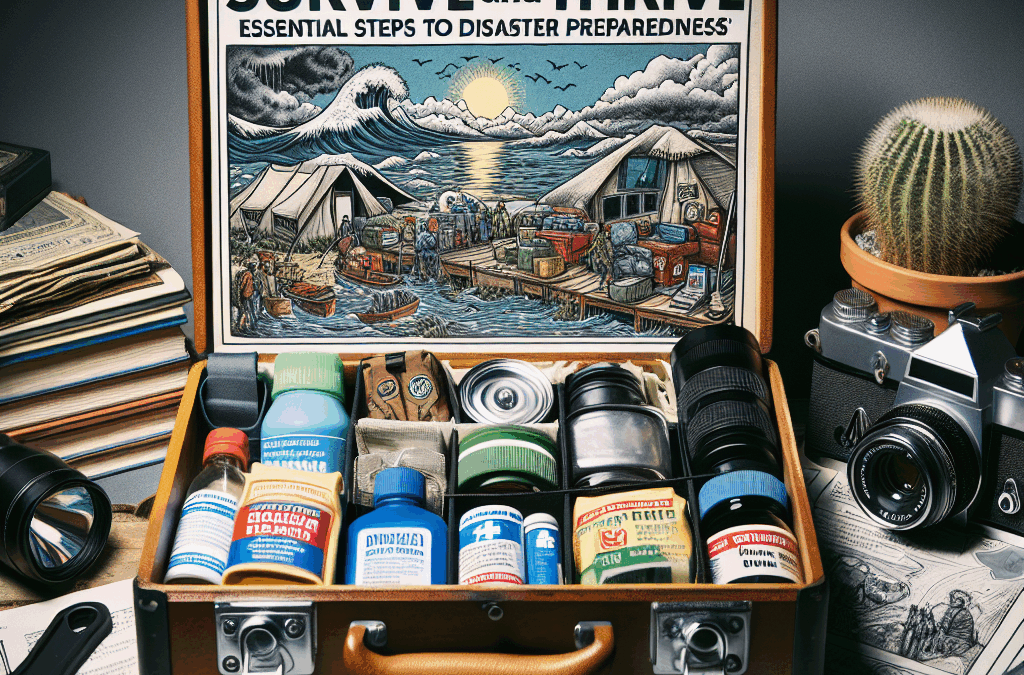
A well-stocked emergency supply kit can mean the difference between mere survival and thriving through a crisis. Begin with the basics: water (one gallon per person per day), non-perishable food items (think canned goods and energy bars), a flashlight with extra batteries, and basic first-aid supplies.
Don’t forget important documents! Store copies of identification papers, insurance policies, medical records, and any other crucial paperwork in a waterproof container within your kit. Additionally, consider including tools like a multi-tool knife or duct tape—these can prove invaluable during emergencies.
Lastly, tailor your supplies based on individual needs; if you have pets or young children, ensure their requirements are met too!
*Staying Informed: The Importance of Communication and Training**
Disaster preparedness doesn’t end once you’ve created a plan and assembled supplies; staying informed is equally crucial. Sign up for local alerts regarding weather updates or emergency notifications through text messages or apps provided by governmental organizations.
Furthermore, invest time into training opportunities available within your community. Programs like CPR certification courses or FEMA training workshops equip individuals with skills that could save lives during emergencies.
In conclusion, disaster preparedness is not just about surviving but also about fostering resilience within our communities. By understanding risks unique to our area, crafting detailed plans tailored to our families’ needs, stocking vital supplies thoughtfully, and remaining informed through education and communication channels—we set ourselves up not just to survive but truly thrive amidst chaos when it inevitably arises.

by Preparation | Jul 31, 2025 | Preparedness
Understanding the Crisis and Its Impact
Identifying What Constitutes a Crisis
When we think about crises, it’s easy to jump to dramatic events—a natural disaster, a financial emergency, or a health pandemic. But what I’ve realized over the years is that crises can also be personal. They can be anything that disrupts our daily lives and challenges our mental resilience. Recognizing the scope of a crisis is the first step towards tackling it.
The beauty here lies in the acknowledgment. By understanding the type of crisis we are dealing with, we can better prepare ourselves mentally and emotionally. It’s not only about the event itself but also how it shapes our perceptions and actions moving forward.
So, in my experience, sitting down and listing out what bothers me most during these times has been therapeutic. It makes those big, scary “crisis” feelings feel a bit more manageable, even familiar!
Recognizing the Emotional Toll
Crises take an emotional toll; that’s a fact. I’ve been through my fair share of ups and downs, and one thing stands out: the constant sense of uncertainty can lead to anxiety and sadness. It’s vital to recognize these feelings as legitimate. Ignoring them doesn’t make them disappear.
When you feel that emotional weight, don’t hesitate to reach out. Sharing feelings not only lightens the load but also opens doors to new perspectives and solutions. I’ve had countless meaningful conversations during crisis moments that changed the game for me—each one made me feel less alone.
Moreover, processing those feelings through journaling or talking to a close friend has helped me find clarity. Even a simple “Hey, I’m having a rough day” can be the start of significant healing.
Finding Support Systems
Support systems are like lifelines in turbulent waters. In my journey, I can’t stress enough the importance of having a crew to lean on during crises. Friends, family, or even support groups can be incredibly beneficial. We all grapple with our own battles, but having others rally around you makes a difference.
What I’ve found over time is that creating or joining a community where open discussion is encouraged can help foster resilience. It’s comforting to know you’re not going through it alone, and sometimes just hearing “me too” can be a source of strength.
I also believe in the power of professionals—therapists or counselors can provide guidance and tools that we might not think of ourselves. They’re often able to highlight areas of your life needing attention, and that insight can be really illuminating!
Navigating Through the Crisis
Staying Positive Amidst Adversity
Keeping a positive mindset can be tough, especially when the world feels chaotic. But I’ve found that focusing on what I can control—my reaction and outlook—has made a remarkable difference. Even trying to embrace small, joyful moments can create a more encouraging atmosphere.
Creating a daily gratitude list has been a game-changer for me. It sounds cliché, but recognizing things to be thankful for—even the little ones—helps shift my perspective during dark times. It’s all about retraining the brain to look for silver linings.
And let’s face it, practicing kindness—whether to myself or to others—has turned those dark days into more bearable experiences. After all, a little love can go a long way!
Establishing Actionable Steps
Once I’ve recognized the crisis and the emotional waves that come with it, the next step is taking action. It’s about forming actionable steps to navigate through the noise. I often start by breaking down tasks into small, manageable pieces. For example, simple to-do lists can be powerful in giving direction.
This not only provides a sense of purpose but also allows me to tick off accomplishments, boosting my mood. And honestly, who doesn’t love that feeling of knocking things off a list? It’s like tiny victories that build up!
Additionally, setting realistic goals that are achievable has been crucial. Trying to tackle everything at once can leave you feeling defeated, whereas small wins create a positive feedback loop that keeps you motivated.
Reflecting and Learning Post-Crisis
After navigating through a tough time, I always take a moment to reflect. What worked? What didn’t? This reflective practice teaches valuable lessons, helping me build a stronger foundation for the future. I’ve learned that crisis can often lead to unforeseen growth.
I also make it a habit to discuss my experiences with trusted friends or loved ones, not just to vent but to analyze. Sharing is growth, and maybe even helping others who may face similar challenges down the line!
Finally, I ensure to celebrate the resilience I’ve built through these tough times. Whether it’s journaling about my growth or simply treating myself to something special, I honor the journey. It’s all about how far I’ve come and not just that moment of struggle.
Frequently Asked Questions
What is ‘Positive Preparedness’?
Positive Preparedness is a mindset and practice that encourages individuals to develop resilience and hope during crisis situations. It involves understanding crises, recognizing emotional impacts, and finding proactive ways to navigate through tough times.
Why is it important to identify the type of crisis?
Identifying the type of crisis helps to set the course for your response. Different situations require different coping strategies, so understanding the specifics can make your approach more effective.
How can I find support during a crisis?
Finding support can be as simple as reaching out to friends or family. You may also consider joining groups or seeking professional help. Remember, you don’t have to face tough times alone!
What steps should I take to maintain positivity?
Focus on what you can control, practice gratitude, and embrace kindness, both towards yourself and others. These small acts can help create a more positive environment even during challenging situations.
How can I reflect on my experiences after a crisis?
Take time to write about your experience, discuss it with trusted friends, and look for lessons learned. Celebrating your resilience and growth is crucial in moving forward with newfound strength.

by Preparation | Jul 31, 2025 | Preparedness
1. Leveraging Early Warning Systems
Understanding the Basics of Early Warnings
When it comes to disaster management, early warning systems are your best friends. These systems can predict natural disasters like floods, hurricanes, and earthquakes before they hit. Imagine knowing a storm is on its way days in advance—how cool is that?
In my experience, the effectiveness of these systems relies heavily on technology. Meteorological satellites, sensors, and even social media can help gather data and relay important information. It’s about connecting the dots so communities can prepare.
However, it’s not enough to just have this technology. It needs to be accurate, trustworthy, and accessible to everyone in the community. If you can’t rely on the system, then what’s the point, right?
Integrating Mobile Technology
In today’s world, nearly everyone has a smartphone, which is super handy in disaster situations. Sending immediate alerts and updates via SMS can reach people wherever they are. I’ve seen towns transform their approach to disaster readiness by tapping into mobile tech for real-time communication. Instantly notifying people can save lives!
Furthermore, apps can provide guidance on evacuation routes, shelters, and safety measures. Imagine getting a push notification that tells you not just to evacuate, but also gives you the fastest route to safety—seriously, that changes everything!
Also, let’s not forget about the importance of community engagement. How you use this tech matters. Conducting workshops to show folks how to use alerts and apps ensures that no one feels left in the dark when disaster strikes.
Utilizing Social Media Platforms
Social media can be more than just memes and photos of brunch. During disasters, these platforms are powerful tools for real-time updates. I’ve always found it fascinating how Twitter can disseminate information faster than any news outlet during an event. It’s raw, it’s real, and it’s instant.
Many organizations use platforms like Facebook to create community groups for sharing disaster information. That sense of community really shines here. People can share what they see, whether it’s road closures or signs of danger, helping to keep everyone informed.
However, beware of misinformation. It’s crucial to have trained moderators or reliable sources sharing content. The last thing we need during a crisis is to amplify panic through poorly vetted posts!
2. Employing Drones for Assessment and Aid Delivery
Improving Situational Awareness
Drones are like the superheroes of disaster response! They can fly over affected areas to provide a bird’s-eye view of the situation, which is invaluable. I’ve seen them survey damage after hurricanes and deliver supplies when roads are blocked.
The beauty of drones lies in their ability to quickly gather data in potentially dangerous areas. This real-time information helps response teams make informed decisions about where to send help first. It’s a game changer in disaster management.
Plus, drones can reach areas that are otherwise inaccessible. Rather than sending people into harm’s way, utilizing drones can keep rescue teams safe while still getting critical information.
Delivering Supplies
When traditional transportation methods are compromised, drones can swoop in to deliver medicine, food, and other essentials. It’s honestly inspiring to see tech being used in such a creative and lifesaving way! I remember a story about a drone delivering insulin to a diabetic patient stranded by floodwaters—talk about technology saving lives.
However, there are challenges to this too. Regulations around airspace can impact drone usage. It’s vital for agencies to navigate these laws while ensuring that this innovation can be used effectively during disasters.
And let’s not discount the potential for collaboration. Some companies are experimenting with logistics partnerships that can streamline supply chains even more, making disaster response faster and more efficient.
Documenting Damage for Insurance and Recovery Aid
After a disaster, the road to recovery can be long and arduous. Drones can help document the damage, providing essential evidence for insurance claims and recovery aid requests. I’ve seen firsthand how having these detailed aerial images helps communities get back on their feet faster.
Creating an accurate record of what happened through drone footage can also help policymakers understand the extent of the damage for future planning. It’s about learning and improving for next time, which is crucial.
That said, it’s crucial to operate within privacy guidelines to ensure respect for affected individuals. Transparency in this process helps alleviate concerns about data misuse. It’s all connected, and we must tread carefully!
3. Implementing Geographic Information Systems (GIS)
Mapping Risk Areas
GIS technology helps visualize data in a way that’s comprehensible, which is why I’m a big fan. By mapping out risk-prone areas, communities can better prepare for disasters. You can’t prepare if you don’t know where the problems might arise, right?
I’ve worked with local governments using GIS to pinpoint flood zones or areas susceptible to earthquakes, which has led to more informed decision-making about evacuations and resource allocation. This kind of planning is a huge asset!
GIS can also continually evolve—tracking changes in demographics, land use, or environmental conditions. Keeping these maps updated actively aids in reducing vulnerability over time in communities.
Enhancing Response Coordination
Another cool feature of GIS is its ability to integrate data from multiple sources. When a disaster hits, the last thing teams need is to operate in silos. Using GIS ensures everyone—from emergency services to public health officials—has access to the same maps and data, facilitating seamless coordination.
During major incidents, I’ve seen how vital it is for teams to have debriefings based on real-time GIS data. It keeps everyone on the same page, literally and figuratively! No more guesswork; we can make decisions based on facts.
This level of collaboration enhances communication and helps avoid duplication of efforts. When resources are limited, efficiency is key. GIS is like a shared brain for responders, making it all work smoother.
Public Education and Training
GIS isn’t just for the authorities; educating the public about it is equally important. Hosting workshops to familiarize community members with maps and data can empower them to make better decisions during emergencies. I love seeing people feel more informed and in control.
Plus, GIS can help communities identify their risks. I’ve participated in programs where citizens map their own neighborhoods, identifying hazards and escape routes. When people understand their own environment, it builds resilience.
Knowledge is power, and I truly believe that understanding the tech behind disaster management can transform how communities prepare and react during emergencies.
4. Fostering Community Resilience with Technology
Creating a Network of Local Leaders
Effective disaster management often depends on strong community ties. By leveraging technology, we can foster a network of local leaders who can help organize efforts during and after a disaster. I’ve seen how groups using platforms like WhatsApp or Slack form instant communication channels—how cool is that?
Gathering local leaders enables each group to cater their response based on their community’s needs. You’ve got experts on the ground who can share intel about resources, which is vital for quick and effective action.
This network also encourages volunteerism. When people are connected, they’re more likely to step up during a disaster—whether that means cooking meals, helping with evacuations, or simply checking in on those who need help.
Utilizing Crowdsourcing for Information Gathering
Crowdsourcing represents an exciting frontier in disaster management. Community members can share real-time information, from road conditions to situations needing immediate assistance. I’ve seen this in action after hurricanes—neighbors posting updates, which helps everyone else plan their next steps.
However, it should be noted that information needs verification. Allowing local leaders or trained volunteers to sift through shared content can maintain the integrity of data while still making it an interactive experience for everyone involved.
Moreover, using dedicated apps for this process can streamline information collection. These apps can guide people on what kind of updates to share and how to report issues effectively—which I think is super helpful!
Engaging in Continuous Training and Drills
Technology can help simulate disaster scenarios for training purposes. For instance, virtual reality offers immersive training experiences without putting anyone at risk. It’s an intriguing way to prep community members for potential events, right? Whenever I see community drills being executed effectively, it’s like a breath of fresh air.
Regular drills using technology allow everyone to practice communication and coordination in a “low-stakes” environment. When disaster actually strikes, everyone feels more prepared and confident, cutting down on panic and confusion.
Let’s be real: practice makes perfect. The more familiar everyone is with response protocols and tech tools, the better they’ll perform when it counts. It’s all about honing those skills over time!
5. Utilizing Mobile Apps for Preparedness and Response
Creating Personalized Emergency Plans
I absolutely love the idea of mobile apps that help individuals create their emergency plans tailored to their needs. These personalized plans can guide users on what to include—like contact info, skills, and resources available in their area. It’s like having your very own digital safety buddy!
Engaging with technology this way encourages proactive measures. For me, knowing I have a plan makes me feel a whole lot better during those uncertain situations. And let’s face it, who doesn’t want to feel prepared when disaster looms, right?
Having an app to turn to takes the weight off shoulders—not just for individuals but for families and communities. This tech can truly empower everyone, giving them the tools to respond effectively.
Keeping Updated with Push Notifications
Apps allow for real-time alerts through notifications, ensuring users know what’s coming and when. I think this feature is a lifesaver! It keeps everyone in the loop about evacuation orders, weather changes, and safety recommendations—it doesn’t get safer than that.
Moreover, notifications can be tailored based on geographic location. If a storm is approaching your area, you can get notified immediately! It’s like having your own emergency siren right in your pocket.
And let’s not forget about accessibility. These apps should cater to various needs, including multiple languages or formats that cater to those with disabilities. Making tech inclusive means more people effectively stay informed and safe.
Building Community via Interactive Platforms
Mobile apps can serve as interactive platforms for communities to engage with each other before, during, and after disasters. I’ve seen apps where neighbors can form groups, share resources, and offer support to one another. This merely strengthens community resilience.
With a sense of belonging in place, people are more likely to share knowledge and offer help when needed. Building that connection is a beautiful thing—but it takes a tech-savvy approach to get it started!
Additionally, encouraging feedback through these platforms helps streamline community efforts. Listening to users allows developers to improve functionality and the overall experience, fostering an engaged community ready to tackle disaster together!
Frequently Asked Questions
1. How can technology improve disaster preparedness?
Technology enhances disaster preparedness by providing real-time information, personalizing emergency plans, and creating effective communication channels. Through mobile apps, individuals can access tailored plans, alerts, and community resources, making them feel more secure and informed.
2. What is the role of drones in disaster management?
Drones play a pivotal role in disaster management by providing aerial assessments, delivering supplies, and documenting damages for recovery. Their ability to gather real-time data helps teams make informed decisions, ensuring timely and effective responses.
3. Why is community engagement important in disaster management?
Community engagement is vital because local knowledge and relationships can significantly enhance response efforts. By utilizing technology to foster collaboration among residents and leaders, the community becomes better prepared and more resilient.
4. What is GIS, and how does it assist in disaster management?
Geographic Information Systems (GIS) help visualize and analyze geographical data. In disaster management, GIS is used to map risk areas, improve response coordination, and enhance community preparedness by providing critical information during emergencies.
5. How can social media be effectively used during a disaster?
Social media can be effectively used during disasters to disseminate real-time updates, share resources, and encourage community support. However, it’s essential to monitor content actively to prevent the spread of misinformation, ensuring reliable information reaches those in need.
by Preparation | Jul 31, 2025 | Preparedness
Hey there! Today, I’m diving into a topic that’s super important for all of us—how to secure our homes from intruders. Whether you live in a bustling city or a quiet neighborhood, the safety of your home should always be a priority. From personal experience, I can tell you that taking a few proactive steps can make a world of difference. So, let’s break this down into five major areas that can help fortify your fortress. Ready? Let’s go!
Enhance Your Physical Security
Invest in Quality Locks
First things first, let’s talk about locks. You’d be amazed at how many homes still have basic locks that can be easily picked. When I moved into my house, I swapped out all the standard locks for deadbolts. Trust me, it’s worth investing in high-quality locks that are hard to tamper with. Look for options that come with a grade rating from the American National Standards Institute (ANSI) for added peace of mind.
Also, consider installing smart locks. These babies let you control access to your home with your phone. No more fumbling for keys! You can remotely lock or unlock your door and even see who comes and goes.
Lastly, don’t forget about secondary entrances. That garage door or back door should have just as secure a lock as your front door. Time to lock it down, folks!
Upgrade Your Outdoor Lighting
Next up, let’s shed some light on the situation—literally! Criminals love the cover of darkness, so brightening up your property can deter unwanted visitors. Motion sensor lights are a fantastic option because they only turn on when someone approaches.
I’ve installed them around my yard and let me tell you, it’s made a huge difference. Just the other night, a raccoon set them off, and I can only imagine how a potential intruder would feel seeing those lights blaze to life.
Dusk-to-dawn lights are also a great addition. They keep your property lit from nightfall to sunrise, making it look lived-in and less appealing to anyone looking to cause trouble.
Fortify Windows and Doors
Don’t forget about your windows and doors! These can be vulnerable entry points if they’re not adequately secured. A simple upgrade is to add window locks and secure latches on all your ground-level windows.
For an extra layer of protection, consider window security film. This stuff strengthens your glass, making it harder to break. When I put this film on my windows, it really gave me peace of mind knowing that the glass wouldn’t shatter as easily.
Additions like door jammers or security bars can also add a friendly barrier to your doors and windows. Every little bit helps, and knowing my windows and patio doors are secure lets me sleep easier at night!
Utilize Security Systems
Invest in a Home Security System
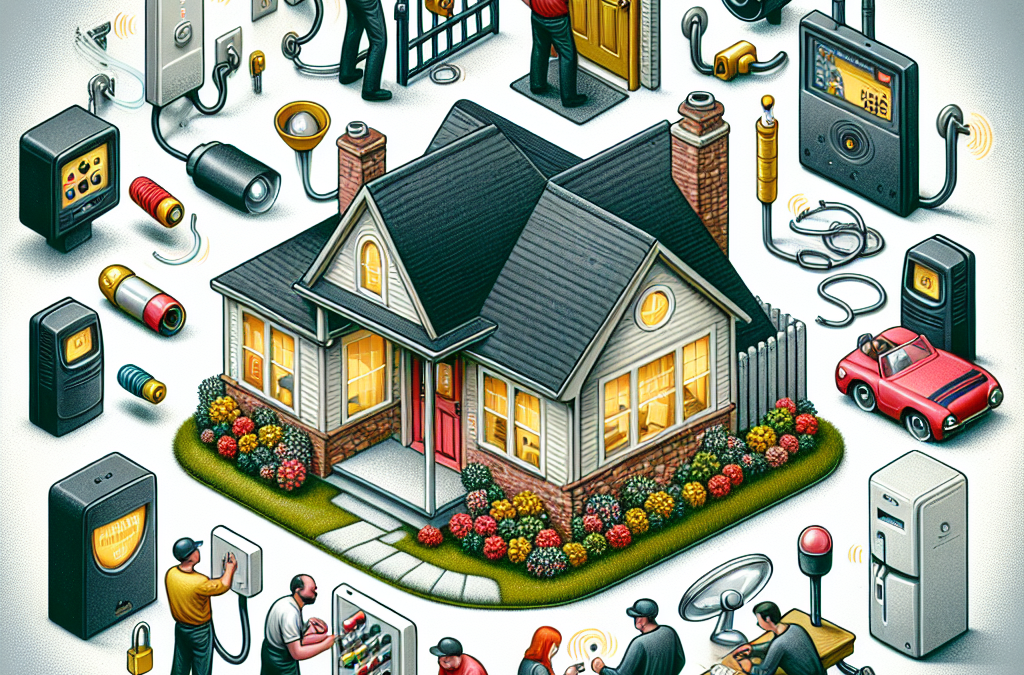
If there’s one thing I can tell you, it’s that having a security system is worth it. Many companies offer affordable plans with comprehensive coverage. Whether you go for a traditional system with cameras and alarms or a modern smart home setup, it’s crucial to have that layer of security that alerts you and the authorities.
When I installed mine, I felt like I’d set up an invisible fortress around my home. Plus, you can keep tabs on everything through your phone. I love being able to check in when I’m away.
Installation can be a breeze, too! Some systems even offer DIY setups, so you can do it at your own pace. Just remember to put those yard signs up—let everyone know you’re serious about security!
Install Security Cameras
Your home security system won’t be complete without security cameras. They act as your eyes and can deter intruders right off the bat. I installed a few around my home, and I can’t tell you how comforting it is to have that extra surveillance.
With modern technology, you can find cameras that offer motion detection, night vision, and cloud storage. Some even allow you to talk through the camera. Imagine scaring off a would-be intruder by saying, “Hey! I see you!”
Be smart about where you place them—entry points are key. Cameras positioned to capture both the front and back of your home are especially important. And don’t forget about the sides of your home!
Set Up an Alarm System
An effective way to add security is through alarm systems. They not only alert you to movement but can also notify local law enforcement. I opted for a system that alerts me on my phone for real-time notifications.
Many of these alarms now come with features like glass break sensors, door/window sensors, and even smoke detection. It’s so reassuring to know that my system can alert me of more than just a break-in.
Make sure to test your alarms regularly. Nothing would be worse than feeling secure only to find out your alarm doesn’t work when it’s needed most!
Create a Secure Outdoor Environment
Lush Landscaping Isn’t Just Pretty
While it’s great to have a beautiful yard, overgrown bushes can create hiding spots for intruders. Keeping your landscaping neat and trim can help eliminate places for someone to lurk. I started doing regular maintenance, and cutting back my bushes near windows made a noticeable difference.
Instead of high shrubs, consider low plants that add some charm while keeping everything visible. Clear sightlines offer better security and can deter intruders who prefer to stay hidden.
If you’re looking for extra deterrence, planting thorny bushes near windows or under windows can also help. It’ll make anyone second guess their entry plans, that’s for sure!
Neighborhood Watch Programs
Buddying up with your neighbors to form a neighborhood watch program can enhance your security even further. It’s amazing what a little community spirit can do! I personally love how it fosters relationships, plus having a watchful eye can deter crime.
Regularly communicating with neighbors about any concerning activities keeps everyone informed and alert. You’d be surprised how sharing little details can lead to a safer neighborhood.
Host block parties or meetings to build camaraderie. A friendly neighborhood is a strong neighborhood, and you all look out for each other. Together, you can keep your community safe!
Secure Your Garage and Shed
Your garage and shed can actually serve as unwelcome entry points for intruders. Many folks overlook them, but making sure these areas are secure is vital. I used to leave my garage door unlocked often, but not anymore!
Invest in good quality locks for your garage door and shed. Furthermore, keep ladders stored away, as they can provide access to upper levels of your home. My trick is to always keep tools and outdoor furniture secured away—no need to give thieves an invitation.
Lastly, installing motion-activated lights around your garage and shed can alert you to any unwanted attention. I’ve had my motion lights save me from a couple of suspicious situations.
Stay Informed and Proactive
Regular Property Assessments
Staying proactive and regularly assessing your property for potential vulnerabilities is key. I set aside some time each season to walk around my home and check for weak spots or anything that could be improved.
Take a look at your locks, lights, and overall security. Ask yourself what could be done better. Making these tiny tweaks can go a long way in keeping your home secure.
Documenting these assessments also helps in tracking progress. Over time, you’ll identify areas that need addressing and make the necessary shifts to bolster your home’s defenses.
Education and Awareness
Education is another fantastic tool for keeping your home safe. Stay updated on crime trends or alerts in your neighborhood. Websites and social media are perfect for learning about recent reports of burglaries or suspicious activity.
Also, consider taking security workshops or self-defense classes. Understanding how to respond in a crisis can give you confidence and the tools to stay safe. I’ve found that even simple awareness techniques can make a difference!
And don’t hesitate to share your knowledge with neighbors—keeping everyone informed creates a culture of safety.
Follow Up on Security Measures
Lastly, always follow up on your security measures with regular reviews. It’s not just about installing systems but also maintaining them. If you’ve got smart technology, ensure your apps are updated and devices are functioning properly—nothing worse than a faulty security system!
You should also revisit your plans every so often. Circumstances change, and a simple reevaluation can propel you to upgrade your systems or strengthen areas that have become lax.
For me, it’s about cultivating a habit of vigilance. A few routine checks make all the difference, and it’s something I take pride in as a homeowner.
FAQs
1. What are the best types of locks to use for home security?
High-quality deadbolts and smart locks are among the best options. Make sure they are rated by ANSI and fit well into your door for maximum security.
2. How can I improve outdoor security without spending a lot?
You can improve outdoor security with strategic lighting, trimming your shrubs, and keeping an eye out in your neighborhood. These tasks can be done affordably and can greatly enhance your home’s safety.
3. Is it worth investing in a home security system?
Absolutely! A home security system not only deters intrusions but also offers peace of mind. It’s an investment that can protect your home and your loved ones.
4. How often should I assess my home for security vulnerabilities?
It’s a good practice to reassess your home at least once a season. Changes in the environment or your lifestyle may reveal new vulnerabilities that need addressing.
5. What should I do if I notice suspicious activity in my neighborhood?
If you notice suspicious activity, it’s crucial to alert your neighbors and, if necessary, contact local law enforcement. Staying informed as a community helps keep everyone safe!




