First off, boiling water is a great step for killing bacteria and viruses, but it’s not a catch-all solution. Some contaminants, like heavy metals and certain chemicals, won’t be eliminated just by boiling. Having spent time learning about various water sources, I found that ensuring you have a clean supply is just as important as purification methods.
When in the wild, I often carried portable water filters, and trust me, they can save your health. If you come across murky water, it’s smart to think about what might be lurking beneath the surface—bacteria, parasites, and yes, even chemicals that just don’t remind you of a refreshing mountain spring.
So, next time you’re out and about, remember: boiling is crucial, but it’s not a magic wand. Always assess the water source’s potential contaminants before you drink up!
Boiling Isn’t Enough
Another thing I learned the hard way? Not all boiling methods are equal! If you’re in a hurry and think a few minutes on the campfire will do, think again. It’s recommended to boil water for at least one minute (or three at higher altitudes) to ensure effective sterilization.
This little tidbit can save you from some nasty surprises. I once thought I knew better and ended up with a serious case of Giardia. Now, I’m a stickler for the right time!
So, if you’re ever in doubt about your water supply, it’s always worth taking extra precautions. Better safe than sorry, right?
Storing Water Effectively
Okay, so you’ve boiled it—what’s next? Storing your water correctly is another crucial element people often overlook. Using clean containers is paramount because even the best water can get contaminated if it’s in the wrong vessel. I tend to use BPA-free bottles or stainless steel canisters when I’m hiking.
Also, if you’re thinking about long-term storage, regular maintenance is necessary. Rotating your water supply every few months can help stave off any surprises. I always make a note in my calendar to check and refill these containers periodically.
So, remember to think about how you store your water as much as how you purify it. It’s all part of staying safe and hydrated!
Myth 2: You Can Survive on Just Fruits and Nuts
The Importance of Balanced Nutrition
I get it; fruits and nuts are great, but living off just those? Not so much! My attempts at a fruit-and-nuts-only diet during a survival trip made me realize that while they can give you a quick energy boost, your body craves variety.
While I munched on berries and nuts blissfully, my energy levels spiked and crashed like a rollercoaster. There’s a lot to be said about getting protein and healthy fats, which these staples fail to provide adequately.
Next time you find yourself pondering a survival diet, make sure to include some protein sources—think lean meats if you can catch them or maybe some fish if you’re by the water!
Foraging Wisely
And let’s not forget, while foraging, you’ve got to be smart. Some berries are delicious, while others can send you on a rollercoaster to the ER. One of my buddies got brave with wild mushrooms, and it didn’t end well! I settled for dandelion greens and other known edibles.
Make sure to equip yourself with knowledge beforehand. It’s more than just spotting something green and putting it in your mouth; learn the basics before you go nom nom on the wilderness. You’ll thank yourself later!
And really, it’s not just about what’s “good” but also about understanding what might be lurking in your environment—play it safe and do your homework.
Essential Supplements
Considering how challenging it can be to source a complete meal in the wild, I started bringing protein bars and multivitamins. You don’t want to end up malnourished while trying to survive! A little boost can go a long way.
Pack some of your favorite energy bars or shakes in your bag for the days you’ll be away from home and, trust me, this will make a world of difference. You don’t want to be out there feeling weak—energy is key!
Keep in mind that your diet needs to be well-rounded, even when out exploring! It’s all about keeping that stamina up.
Myth 3: Fire is Only for Cooking or Warmth
Understanding Fire’s Versatility
When I first started camping seriously, I thought fire was just for cooking food and staying warm. Boy, was I in for a surprise! Fire has many uses that can enhance your survival experience dramatically.
For instance, did you know fire can help purify water? Simply boiling it, as mentioned earlier, is one method! Moreover, fire can also signal for help—you can create smoke signals or a brightly visible flame if you need to attract attention.
Once, during an outing, I used a fire to create a signaling smoke. A couple of hikers spotted me and ended up giving me a lift back. You just can’t underestimate the power of fire!
Fire as a Deterrent
This one is a biggie: fire can be an excellent deterrent for wild animals. When I was camped in grizzly bear territory, I kept a roaring fire going at night. It not only provided warmth but also gave me peace of mind that my campsite was relatively safe from unwelcome visitors.
Fire can act as a barrier, a way to ward off potential threats. I learned this through my experiences and the stories of more seasoned survivalists. Trust me, the more you know about fire’s role, the better prepared you are.
So, remember that keeping a well-managed fire could mean the difference between a cozy night under the stars and a wild encounter.
Creating Tools from Fire
Now, let’s get creative! I’ve used fire for charcoal to make primitive tools. It’s pretty incredible what you can accomplish! If you’re into foraging or crafting, you can create fire-hardened wooden tools, which can be very beneficial for various tasks.
Once, I crafted a makeshift spear using the fire to harden the point. It was impressive to see how nature, with a little help from a flame, can turn a twig into a mighty tool!
So think beyond the basics when you start your fire next time. It’s an essential survival element and not just for the obvious reasons.
Myth 4: All Knives are Created Equal
Choosing the Right Knife for Your Needs
Believe me, not all knives are made equal! In my early days, I packed a generic kitchen knife for my outdoor adventures thinking it would suffice. Major rookie mistake! I learned the hard way that having the right knife can make or break your experience.
A good survival knife should be robust, fixed blade, and easy to grip. I’ve found that a solid knife can assist in everything from food prep to shelter making—trust me, you don’t want something flimsy that can’t handle tough tasks.
So when browsing at the outdoor store or online, test a few out! The right fit can make all the difference in your survival gear setup.
Maintenance Matters
So, you’ve selected your trusty blade? Now, maintenance is key! A dull knife isn’t just ineffective—it can be downright dangerous. I always bring a whetstone to keep my knife sharp during excursions.
I’ve experienced the frustration of a dull blade when trying to skin a catch or chop firewood. Sharpening tools take a few minutes but save you a heap of trouble in the long run. That’s one lesson I never forget!
Plus, cleaning your knife after every use helps prevent rust and prolongs its life; getting into this habit supports your overall preparedness.
Innovative Knife Uses
Moreover, I’ve discovered that a knife can serve multiple functions. You can use it to carve, scrape, or even open packages. On one camping trip, I fashioned a trap using my knife that helped catch dinner! It was a great feeling to use that tool creatively.
Remember, thinking outside the box will keep you from getting stuck in a rutted routine. Don’t be afraid to experiment a little, but always keep safety at the forefront.
Your knife can become an invaluable ally if treated correctly and wielded wisely. Embrace its potential!
Myth 5: Survival is Solely About Gear
The Importance of Knowledge
It’s super tempting to think that having the best gear means you’re set for survival, but let me tell you—it’s not just the gadgets! In reality, your knowledge and experience are even more crucial.
I’ve seen some campers with all the fancy gear struggle because they lack understanding and practical skills. On the flip side, I’ve made do with a few basic tools simply because I knew how to improvise and adapt to my situation.
Educating yourself through books, courses, or actual experiences can empower you more than any piece of gear ever will. That confidence and curiosity will take you far!
The Value of Practice
One essential lesson I learned is to put my skills to the test. Knowledge without practice is like having a map without knowing where you’re going. I regularly practice skills like building shelters and starting fires without matches—just to keep those skills sharp!
One time, I set up a weekend retreat focused on practicing various survival skills with friends, and we learned so much—invaluable things that no gear could replicate.
So, challenge yourself! Get out there and get your hands dirty. There’s no substitute for experience.
Teamwork in Survival
Lastly, let’s talk about camaraderie. Survival isn’t always a solo endeavor. That often-forgotten aspect of survival is knowing how to work with others. I recall a camping trip where teamwork made a big difference in keeping our spirits up and achieving our goals. We all had different skills to contribute.
Pool your knowledge with others. Collaboration during tough times can forge unbreakable bonds while also giving you diverse solutions to every problem you encounter. The collective effort can lead to success and safety.
Never underestimate the power of a well-rounded team. You might be the best survivalist, but a little help can go a long way.
Frequently Asked Questions
1. What’s the most common survival myth?
Many believe you can drink any water after boiling it. While boiling kills most pathogens, it doesn’t remove chemicals or heavy metals, so be cautious of your water source!
2. Can I really survive on just fruits and nuts?
While they can provide quick energy, they lack essential nutrients. A balanced diet is crucial, so try to incorporate protein and other food sources when in a survival situation.
3. How important is fire in survival situations?
Fire is incredibly versatile. It’s not just for cooking and warmth, but can also purify water, signal for help, and keep wildlife at bay.
4. What should I look for in a survival knife?
A good survival knife should have a fixed blade, be sturdy, and feel comfortable in your hand. It’s the ultimate tool for various tasks in the wild.
5. What is more important, gear or knowledge?
While gear is helpful, knowledge and experience are more critical for survival. Skills can often outlast any fancy device you might own. Always invest time in learning!
When disaster strikes, the stakes can be high. Whether it’s a natural calamity like a hurricane or an unexpected event such as a power outage, understanding the risks is your first step toward effective emergency preparedness. Acknowledging what could happen allows you to tailor your readiness efforts accordingly. Research local hazards—earthquakes, floods, wildfires—and assess how they might impact your home and community. This awareness not only equips you with knowledge but also fosters a proactive mindset.
Once you’ve grasped potential threats, it’s time to create a comprehensive emergency plan. This blueprint should map out what actions to take in various scenarios. Consider where you would go if you needed to evacuate and identify safe routes out of town. Designate a meeting point for family members in case you’re separated. It’s essential that everyone understands their roles; assign tasks based on age and capability so that each person knows what to do when the time comes. Document your plan clearly and ensure that every family member has access to it—this could save precious moments during a crisis.
Next comes the creation of an essential emergency kit, which serves as your lifeline when chaos unfolds. Start by gathering non-perishable food items such as canned goods and granola bars, enough to sustain each household member for at least three days. Don’t forget about water—aim for one gallon per person daily! Include medications, important documents (like IDs and insurance papers), first aid supplies, flashlights with extra batteries, and tools for communication like a battery-operated radio. Personalize this kit according to your family’s specific needs; toddlers may require diapers while elderly family members may need additional medical supplies.
In our fast-paced world inundated with information, staying informed is crucial during emergencies; hence effective communication plays a vital role in preparedness. Sign up for local alerts regarding weather updates or safety announcements from government agencies via smartphone apps or text messages. Establish group chats within your community or family networks so that everyone remains connected during crises—this can facilitate quick decision-making and resource sharing.
Lastly, practicing preparedness through drills ensures that everyone is ready when disaster strikes unexpectedly. Conduct fire drills at home or practice evacuation routes regularly—familiarity breeds confidence! You can even simulate other scenarios: What would you do in case of an earthquake? How would you respond if faced with severe flooding? Engage all family members in these exercises so they feel empowered rather than anxious about what lies ahead.
Emergency preparedness isn’t just about gathering supplies; it’s about cultivating resilience amid uncertainty. Equip yourself with knowledge about potential risks while crafting solid plans tailored to those situations—it transforms fear into readiness! As daunting as it might seem initially, taking small steps consistently will make all the difference when facing unforeseen challenges down the line.
So remember: Be prepared—not scared! Embrace this roadmap towards emergency readiness today!
When it comes to putting together an emergency kit, it’s all about the essentials. I remember when I started my own kit, it felt overwhelming at first. But, I learned that it’s all about having the right items that could really make a difference during a crisis. Basic things like water, non-perishable food, and first-aid supplies are crucial. Start with a checklist and make sure you don’t forget anything important!
You don’t have to buy everything brand new, either. You can often find items around the house or at thrift stores. I found a good flashlight in my garage—I just needed to buy fresh batteries. Getting creative with what you already have is not only budget-friendly but also quite satisfying.
Lastly, consider the size of your family when putting together your kit. You’ll want to ensure it can last for everyone, especially if you live in a more rural area. Customizing your kit to your specific needs will help keep costs down while being well-prepared.
Storing Your Supplies Wisely
Once you’ve gathered your supplies, the next crucial step is finding the right storage solution. Rather than buying expensive containers, I’ve repurposed old bins and shelves from around my home. It’s really about being resourceful and sensible with your space while keeping things organized and easy to access.
Labeling isn’t just for organization, it’s a lifesaver during emergencies. I labeled my bins according to their contents and it has saved me so much time when I need to grab something quickly. Remember, in a high-pressure situation, you’ll appreciate having everything at your fingertips.
Also, regularly check your kit to ensure everything is in working order. I set a reminder to do this every six months, and trust me, it gets easier with time! This not only keeps supplies fresh but guarantees that nothing questionable sneaks in.
Maintaining Your Kit on a Budget
One of the best tips I’ve learned is to keep a close eye on sales and bulk prices throughout the year. When canned goods go on sale, load up! It’s an easy and budget-friendly way to ensure you have enough supplies without breaking the bank.
Don’t forget to use coupons! It may seem old-fashioned, but I have snagged some excellent deals just by taking the time to look for discounts. Combine that with weekly sales, and you’ll likely save a bundle next time you stock up.
Finally, connect with friends or neighbors to pool resources. Maybe you can share bulk purchases or trade items. I’ve found that working together not only helps keep everyone prepared but also adds a fun community aspect to the whole process!
Planning for Communication During Emergencies
Establishing Communication Plans
Creating a communication plan was one of the first things I did after setting up my kit. It’s crucial to have a clear understanding of how my family would reach each other during an emergency. We designated a meeting spot and agreed on contacts we would check in with.
I used to think this was just common sense, but I realized how often people overlook this vital detail. Write down all necessary contact info and keep a copy in your emergency kit. This simple step could save you a lot of stress later!
Make sure everyone is on the same page: practice your plan together. This initiative kept my family informed and ready. The more comfortable you become with your plan, the better prepared you will be in a real crisis.
Utilizing Technology
These days, there are tons of apps designed for emergency preparedness. My favorite one sends alerts based on my location for severe weather warnings! It’s free, and it helps me stay informed without any extra hassle.
However, I’ve also made non-digital plans just in case the worst happens—like power outages or losing service. Making physical note cards with critical information and keeping them with my emergency kit has been a lifesaver a few times!
Technology may fail us, but having multiple ways to communicate keeps me feeling secure. Being proactive is key in maintaining peace of mind, especially when unexpected situations arise.
Staying Informed and Up-to-Date
Knowledge truly is power. I stayed in touch with local news stations and weather updates to understand what possible risks I may face in my area. This habit keeps me prepared without spending a dime.
I also recommend following social media accounts from local emergency agencies. They’re great for finding the latest safety tips and alerts in real-time. I love that it keeps my community connected and informed.
Ongoing learning about preparedness techniques is vital. I frequently attend community workshops (many are free!) that provide insights into how we can be more prepared while staying budget-friendly. Don’t underestimate the power of shared knowledge!
Food Security Tips
Growing Your Own Food
One of the best things I’ve done for preparedness and my wallet is starting a small vegetable garden. Even just a few herbs can make a world of difference. It’s really satisfying to grow your own food while saving money on groceries!
You don’t need a big backyard, either. If space is tight, I’ve seen successful container gardens on balconies and porches. Consider what you use most often in your cooking, and start there!
Not only does gardening help with food security, but it’s also an excellent way to connect with nature. It has helped me unwind and appreciate my surroundings much more. Give it a shot, and you may find it’s not just cost-effective but also therapeutic.
Using Preserved Foods
Learning to preserve food has been an invaluable addition to my preparedness routine. I’ve tried canning and dehydrating, which helped stretch our food supply significantly. On top of that, it opens the door to trying new recipes!
When you take advantage of in-season produce, you can save a ton while stocking up for the future. I like to visit local farmers’ markets, where I typically find great deals on bulk items to preserve. Getting to know local farmers has been a bonus; they often share tasty tips!
Preserved foods last a long time, giving us peace of mind knowing we can rely on them in tough times. I feel like I’m also giving a little back by supporting local agriculture, and finding joy in the process itself!
Budgeting for Food Needs
A key element of budgeting for food preparedness is keeping track of what you spend. I started utilizing simple spreadsheets to organize my purchases and pinpoint areas where I could cut back. It feels empowering to watch my savings grow!
Utilizing a meal-planning strategy has been transformative. I now plan meals around sales and what I have stockpiled, which helps eliminate waste and saves money. It’s like a game, figuring out how to create delicious meals that fit my budget!
Regularly reassessing your needs and planning accordingly is crucial. This allows you to stay under budget while stocking up on essentials. I’ve learned that preparedness doesn’t have to be an expensive endeavor; it really just requires time and creativity.
Understanding Local Resources
Identifying Community Support Services
One of the first things I did was research the support services in my community. Local organizations often have resources available for emergency preparedness, including training and assistance.
Don’t hesitate to reach out and ask questions. I found that local fire departments provide free classes on preparedness and safety. Getting educated has not only helped me save money but expanded my network.
These resources are usually underutilized, so don’t wait until an emergency arises to understand what’s available to you. Getting involved now is great for building a relationship with your community!
Joining Local Preparedness Groups
Thanks to social media, I found a group of like-minded folks interested in preparedness right in my area. It’s amazing how much we can learn from each other’s experiences, and often, these communities are incredibly supportive.
Being part of a group helps me stay motivated and accountable. We come together for training sessions, share resources, and brainstorm new ideas on how to be better prepared. More brains are always better than one!
Plus, it’s heartwarming to become part of a tight-knit community that genuinely cares for one another’s safety. I’ve made several friendships through these gatherings, and it’s incredible how shared knowledge can enhance our collective security.
Volunteering and Giving Back
Lastly, I’ve learned that helping out in the community fosters a spirit of preparedness. Volunteering with local disaster relief organizations not only bolsters my skills but also strengthens connections with my neighbors.
This experience has opened my eyes to the challenges many face in emergency situations. Giving back not only helps others but has enriched my understanding of how to be a better-prepared individual. It’s a win-win!
Being part of something bigger than myself has been rewarding, reminding me that we are all in this together. I always encourage my friends to get involved—it can truly make a monumental difference.
FAQs About Budget-Friendly Preparedness
1. What items are essential for an emergency kit?
Essential items include water, non-perishable food, a first-aid kit, flashlight, batteries, and any necessary medications. It’s also good to include important documents and comfort items, especially for children.
2. How can I save money while preparing my emergency kit?
Start by gathering supplies you already have at home or buy from discount stores. Watch for sales and use coupons for bulk purchases. You can also swap items with friends or family to save more.
3. What should I consider when creating communication plans?
Establish clear contacts and meeting places for your family. Keep a copy of contact information in your kit and practice regularly to ensure everyone knows the plan and feels confident.
4. How can I grow my own food on a budget?
Start small with herbs or easy-to-grow vegetables. Use containers if you lack outdoor space, repurpose items you already have, and consider joining community gardening efforts to share resources.
5. Why is community involvement important for preparedness?
Being part of community groups helps share resources, learn from one another, and foster teamwork during emergencies. It builds stronger connections and enhances the overall security of everyone involved.
Emotional resilience is all about our ability to bounce back from tough times. It’s like a rubber band; the more you stretch it, the stronger it gets. I’ve faced my fair share of ups and downs, and through my journey, I’ve learned that understanding what emotional resilience truly is can be a game-changer.
In simple terms, it means being able to adapt and recover from stress. Whether it’s a rough day at work, a personal setback, or dealing with grief, knowing that we can bounce back is comforting. When faced with challenges, resilient people are able to maintain their mental health and well-being.
For me, embracing my emotional resilience has been a key part of my life. Instead of viewing my struggles as weighing me down, I started to see them as opportunities for growth. This shift in mindset has transformed my perspective and helped me navigate life with confidence.
The Importance of Emotional Resilience
So why should we care about building emotional resilience? Honestly, life is unpredictable. Bad days are guaranteed, but how we handle them can make all the difference. For example, having emotional resilience has made it easier for me to cope with stress and maintain my relationships.
Moreover, emotional resilience not only boosts your mental health but also improves your physical well-being. I’ve noticed that when I’m feeling strong emotionally, my body responds positively too. It’s kind of wild how intertwined our mental and physical states are!
Beyond personal benefits, think about how it helps in professional settings. Being resilient allows you to tackle challenges head-on without letting them consume your energy or enthusiasm. I’ve found that my best ideas often come during tough times because I stay focused and adapt quickly.
Building a Support Network
Why You Need People
Ah, the age-old saying: “No man is an island.” Having a support network is crucial for building emotional resilience. When I went through some tough patches, the people around me made all the difference. It’s like having a safety net when you walk the tightrope of life!
Your support network can be friends, family, or even colleagues. Just knowing that there are people who care and are willing to lend an ear is comforting. I’ve spent many nights chatting with friends over coffee, sharing our struggles, and it always lightens the load.
Creating this network requires effort, and it doesn’t happen overnight. I remember reaching out to old friends and reconnecting, realizing how valuable those relationships were for my emotional health. Don’t hesitate to ask for support; it’s a strength, not a weakness!
Communicating Needs
Once you have your support network, learning how to communicate your needs effectively is essential. Early on, I often found myself bottling up my feelings, thinking I could handle everything alone. But trust me, opening up is liberating!
Effective communication involves being honest about what you’re feeling. Whether you’re stressed, overwhelmed, or even just need a hug, expressing those emotions makes a world of difference. I’ve learned that people are often more understanding and supportive than we expect.
Also, remember to listen as much as you share. Just having an open dialogue not only fosters closer relationships but also strengthens your emotional resilience. It’s all about creating an environment where everyone feels valued and heard.
Practicing Self-Care
The Basics of Self-Care
Let’s talk about self-care – my favorite topic! Self-care is often viewed as a luxury, but it’s a necessity for boosting emotional resilience. I’ve found that simple actions, like setting aside time for hobbies or practicing mindfulness, can profoundly impact how I feel daily.
It’s essential to identify what makes you feel good. For me, it’s gardening, hitting the gym, or just curling up with a good book. Making self-care a priority can refresh your energy and keep you grounded when times get tough!
Another crucial aspect is respecting your limits. There was a time when I took on too much, thinking I could manage it all. But when I learned to say “no” to things that drained my energy, life became way less hectic, and I reclaimed control over my emotional well-being.
Mindfulness and Stress Management
Incorporating mindfulness into your routines can significantly enhance emotional resilience. I remember when I first tried meditation; it felt strange but brought me to a state of calm I hadn’t experienced before. Mindfulness practices help center your thoughts and bring focus to the present moment.
Also, stress management techniques like deep breathing or yoga can be incredibly beneficial. After a filled day, I often unwind with some stretches or a focused breathing exercise, and it’s a game-changer for my mood. The more I practiced, the more resilient I became.
Creating a stress management toolkit tailored to your needs can set you up for success. Take a bit of time to try out different techniques and find what works best for you. Once I did that, it felt like I was armed with the best defenses against life’s challenges!
Embracing Change and Learning
Adapting to Life’s Changes
Embracing change can be daunting, but it’s a big part of building emotional resilience. Life’s unpredictability means that we’re constantly facing new challenges and situations. Instead of resisting change, I’ve learned that adapting to it can lead to incredible growth.
When I faced a major life transition, embracing the discomfort and uncertainty taught me valuable lessons. Reflecting on how I handled those changes helped me realize that every challenge could be an opportunity for development!
Learning to manage your reaction to change is vital. Understanding that it’s okay to feel uneasy or uncertain gives you a framework to navigate future changes confidently. I often remind myself that each experience is unique and contributes significantly to who I am.
Continuous Learning and Growth
Lastly, continual learning is critical for emotional resilience. Whether it’s reading books, taking courses, or engaging in conversations with others, my commitment to learning keeps me flexible and open-minded. I believe that staying curious about the world around us has shaped my ability to adapt to changes.
Applying the lessons I’ve learned from both failures and successes accelerates my growth. For instance, reflecting on past mistakes has helped me make better decisions in similar situations moving forward. Embracing growth in all areas of life is vital for resilience!
My journey has shown that investing in personal development enriches not only our emotional resilience but also our overall well-being. The more we cultivate our abilities to learn, adapt, and grow, the better we handle life’s curveballs!
Conclusion
To wrap things up, building emotional resilience is not just about surviving tough times, but thriving despite them. Each of these areas plays a significant role in fostering strength and adaptability. So, whether it’s leaning on your support network, practicing self-care, or embracing change, remember that it’s all part of the journey.
Frequently Asked Questions
1. What is emotional resilience?
Emotional resilience refers to our ability to adapt and recover from difficult situations. It’s about maintaining mental health amidst life’s challenges.
2. Why is a support network important?
A support network provides emotional backing during tough times. Connecting with friends and family can help lighten the load and provide different perspectives.
3. How can I practice self-care?
Self-care can include hobbies, exercise, or simply taking time for yourself. It’s about recognizing your needs and making them a priority to enhance emotional well-being.
4. What role does mindfulness play in resilience?
Mindfulness helps you stay present and focused. It reduces stress, allowing for clearer thinking and better emotional responses to challenges.
5. How can I embrace change better?
Embracing change requires a shift in mindset. Accept that change is natural and view challenges as opportunities for growth. Reflecting on past experiences can also help position you positively for future changes.
Forward planning is like having a roadmap for your life, goals, or any project you’re tackling. It’s all about taking a step back and looking at the bigger picture before diving in headfirst. From my experience, when I take the time to plan ahead, everything seems to flow much more smoothly. You can identify potential roadblocks and set yourself on a path to success instead of scrambling around at the last minute. Trust me, it’s a game-changer!
Moreover, forward planning isn’t just about figuring out what I want to achieve; it’s also about anticipating challenges. By thinking through how various scenarios might play out, I mentally prepare myself for the unexpected. It’s like having a secret weapon—an ace in the hole that keeps me ahead of the game!
In my projects, I’ve often noticed that I’ve felt more in control and confident when I’ve engaged in thorough planning. It’s a proactive rather than reactive choice, and it can make all the difference between success and a last-minute panic!
Why It Matters
Implementing a forward planning strategy is vital for a couple of reasons. First, it helps prioritize tasks and allocate resources wisely. I’ve found that when I’m juggling multiple responsibilities, identifying what’s urgent versus what can wait is crucial. This clarity helps me focus on what truly matters and prevents me from getting bogged down by tasks that aren’t immediately necessary.
Additionally, forward planning reduces stress. When I know what’s coming down the pipeline, I can manage my time better and prepare for upcoming deadlines. Instead of waking up in a frenzy, I can approach each day with a clear mind and a solid plan.
Ultimately, it allows for adaptability. Life is full of surprises, and while I can’t control everything, I can respond proactively rather than reactively. This quality alone has transformed the way I handle challenges in both my personal and professional life.
Setting Realistic Goals
A huge part of forward planning is setting realistic goals that are both achievable and measurable. From my perspective, it’s vital to break down larger goals into smaller, manageable milestones. This makes the whole process feel less overwhelming and allows for a sense of accomplishment along the way.
What’s worked for me is the SMART criteria—specific, measurable, achievable, relevant, and time-bound goals. By crafting my plans around these principles, I’m setting myself up for success. It’s like creating a checklist that keeps me on the right track!
And here’s a tip: always be flexible with your goals. Sometimes life throws curveballs, and it’s important to adjust your plans accordingly. Embracing the fluidity of your objectives helps maintain motivation and keeps things fresh!
Identifying Potential Challenges
Recognizing Obstacles
One of the keys to successful forward planning is identifying potential challenges before they arise. It’s a bit like driving—you can’t just focus on the road ahead; you also need to anticipate any bumps or turns that might come your way. I always recommend dedicating time to brainstorm possible obstacles related to my goals.
It’s often helpful to create a “what if” scenario list. For instance, I might think, “What if I miss a deadline?”, or “What if resources are limited?” By considering these questions, I can strategize solutions ahead of time, which, let me tell ya, is incredibly empowering!
Being proactive about challenges allows me to remain calm under pressure. It’s all about having contingency plans at the ready, giving me the confidence to tackle whatever life throws my way. Learn from this: when you get in the habit of anticipating hurdles, you’ll find they become much easier to navigate!
Being Open to Change
Now, real talk: not everything goes according to plan. I’ve learned that embracing change is a crucial part of the forward planning process. Sometimes the goals I set don’t align with my evolving priorities or external circumstances, and that’s okay!
I’ve found that staying open-minded about adjustments is key. Whether it’s revisiting my goals or tweaking my timeline, flexibility keeps me resilient. When I face unexpected challenges, I can pivot instead of feeling defeated. This adaptability is vital in maintaining progress and not getting stuck in rigid thinking.
Remember, change isn’t a setback; it’s a part of the journey! Embrace it, and watch how it can lead to unexpected opportunities that you might not have considered initially.
Communicating Effectively
One aspect of planning that’s often overlooked is communication. Whether you’re working in a team or managing a personal project, ensuring that everyone is on the same page is essential. I’ve seen firsthand how effective communication can improve collaboration and streamline processes.
I always make it a point to share my plans and ideas with those involved. This transparency creates an environment where feedback is welcomed, and adjustments can be made collaboratively. Speaking of, I’ve learned that asking for input can offer new perspectives that enhance the overall plan!
Moreover, clear communication minimizes misunderstandings that can lead to obstacles down the road. So make an effort to keep everyone in the loop. Trust me; it pays off in dividends!
Creating a Flexible Action Plan
Building Your Action Steps
Once I’ve laid the groundwork, it’s time to create a solid action plan. This is where the magic happens! I like to outline specific tasks that need to be accomplished, breaking them down into even smaller steps if necessary. This makes them feel manageable and less intimidating.
By using tools like to-do lists or project management apps, I track my progress and stay organized. I find that visually seeing what I need to accomplish often provides the motivation I need to get things done. Plus, checking off completed tasks is so satisfying!
And hey, make sure to include deadlines for each step. While some days might require my attention elsewhere, having specific time frames for each task keeps me accountable and on track.
Reviewing and Reflecting
A crucial part of my action plan is to set aside time to reflect on progress regularly. I can’t emphasize this enough! Whether it’s weekly, monthly, or after completing a project, reviewing what I did well and what didn’t go as planned helps me adjust and improve.
I find it beneficial to ask myself a few key questions: Did I achieve my goals? What challenges did I face? How can I do better next time? This reflection process is fundamental in building a growth mindset and ensuring future plans are even more robust.
Don’t forget—give yourself a pat on the back for your achievements too, no matter how small! Acknowledging your wins boosts morale and keeps the fire burning for your next set of goals.
Adjusting as Necessary
Making adjustments is natural and, dare I say, necessary! As I’m going through my action plan, it’s essential to remain aware of any changes that might need to be made. Sometimes life throws unexpected challenges, and rather than seeing them as setbacks, I treat them as opportunities to recalibrate.
I’ve had to shift gears many times, whether it’s extending deadlines or re-evaluating priorities. Embrace this fluidity in your forward planning, and don’t be afraid to pivot! Being flexible with your plans allows you to remain adaptive and keep moving forward, regardless of the bumps in the road.
Consistency, coupled with adaptability, creates a powerful recipe for success. Always be prepared to modify your plans based on your ongoing reflections and changing circumstances!
FAQ About Positive Preparedness: The Power of Forward Planning
1. What is forward planning?
Forward planning is the practice of setting clear goals and identifying the steps necessary to achieve them while anticipating challenges and changes that might occur along the way. It’s like a roadmap to help you stay on track.
2. Why is it important to identify potential challenges?
Identifying potential challenges allows for proactive problem solving. By recognizing obstacles in advance, you can create contingency plans that keep you moving toward your goals, minimizing stress and uncertainty.
3. How do I create an effective action plan?
An effective action plan includes clear, manageable action steps, deadlines for each task, and regular reviews to assess progress. It’s also vital to be flexible and ready to adjust the plan as circumstances change.
4. What are some tips for communicating effectively during the planning process?
Maintain transparency by sharing your plans with everyone involved. Encourage feedback and be open to suggestions. Clear communication prevents misunderstandings and enhances collaboration.
5. How can forward planning help in stressful situations?
Forward planning helps minimize stress by providing a clear direction and understanding of what needs to be done. When you know what to expect, you can manage your time and resources more effectively, leading to greater confidence in facing challenges.
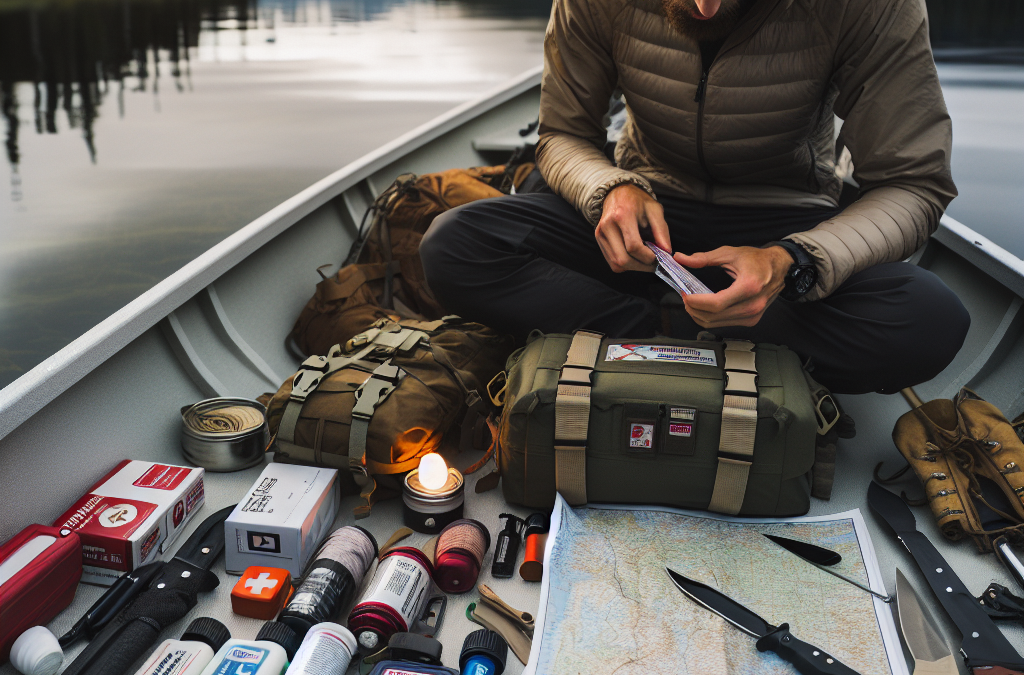
So when I think of boating and survival, the first thing that pops into my head is supplies. You gotta have the right gear on hand. I always recommend packing things like non-perishable food, water, and first aid kits. If you’re stranded, you’ll be grateful you thought ahead!
When I put together my boat supplies, I also focus on multipurpose tools. A Swiss Army knife or a good multi-tool can take the place of a whole toolbox. This kind of prep lets you handle unexpected repairs or other challenges that crop up.
Lastly, don’t forget about your environment. Bringing along bug spray and sunscreen could make or break your experience. You don’t want to be the one swatting mosquitoes or getting sunburned while trying to survive, trust me!
Safety Equipment
On top of supplies, your boat needs safety equipment. I can’t stress enough the importance of life jackets – they’re a must-have! Make sure you have enough for everyone on board and that they fit properly, especially for kids.
Flares and signaling devices are another area I see people overlook. If something goes wrong, you need a way to signal for help. Floating distress signals can be a lifesaver—they can grab attention when you’re miles away from shore.
Another tip? Always keep a fire extinguisher on board and ensure it’s easily accessible. I once had a small engine fire, and the last thing you want is to scramble for safety gear when the heat is on—literally!
Navigation Equipment
Survival is not just about having supplies; it’s also about knowing where you are. A reliable GPS or a good old-fashioned map is something I always carry. These tools help you navigate the waters and find safe harbor.
Don’t just rely on electronics though. Make sure you can read a compass and understand navigational markers. I’ve had my share of adventures where technology failed, and trust me, being lost is not fun!
Ultimately, take some time to familiarize yourself with your navigation aids, both digital and traditional. This lets you navigate safely, and that peace of mind is invaluable when you’re out there.
Communication Methods
Staying In Touch
You’ve got all your survival gear, but what if something goes wrong? That’s where communication comes into play. I always have a VHF radio on hand because it’s reliable and can reach help in serious situations.
Additionally, a charged mobile phone is great, but don’t solely rely on it. Cell service can be spotty out on the water, so have backup plans. I recommend also getting a satellite phone if you’re planning on sailing in remote areas.
Lastly, let someone know your plans—where you’re going, how long you’ll be out, and when you expect to return. That way, if things go south, someone will notice quickly and send help when needed.
Emergency Plans
Having a solid emergency plan can make a world of difference. Make sure to have a buddy system in place. I always encourage my friends and family to know their responsibilities in case of an emergency.
Regular drills can be super helpful, too. We often practice abandoning ship or what to do in case of a man overboard. It’s easy to forget what to do in the heat of the moment if you haven’t practiced.
Also, keep a list of emergency contacts handy. It’s really important to know who to reach out to—think local authorities, marina contacts, or even friends who can help out on the shore.
Boat Maintenance
Regular Inspections
Maintaining your boat isn’t just about aesthetics; it’s crucial for safety. I make it a habit to conduct regular inspections—checking the hull for cracks, inspecting the motor, and ensuring everything is in working order are top priorities.
I also check the fuel system to avoid leaks and make sure all entry points are water-tight. Having a properly maintained boat is key to avoiding problems when you’re out on the water.
Whenever possible, I recommend bringing a toolbox with basic repair tools. You never know when something will break, and being prepared is half the battle!
Cleaning and Winterization
Cleaning your boat seems like a chore, but it can reveal any issues that might need addressing. Taking the time to clean regularly can help spot rust, wear and tear, or mold—all major troublemakers!
As the seasons change, winterizing your boat is essential if you live in a colder climate. I like to flush out the engine and treat the fuel to keep everything in good shape while I’m off the water.
Always make sure to remove anything perishable and keep your boat dry. A dry boat in the winter can prevent mold and serious damage, which means you won’t have to spend more money on repairs down the line.
Mental Preparedness
Staying Calm in Crisis
Surviving in tough situations isn’t just about physical gear. Staying calm can be your biggest asset. I’ve learned a few tricks to keep a level head. Deep breathing exercises can do wonders when anxiety kicks in.
Keep a positive mindset; it helps in any survival situation. I often remind myself that obstacles are just challenges waiting to be solved. A little optimism goes a long way when times get tough.
Also, remember that it’s okay to ask for help. Sometimes, just talking through a tough situation with a companion can bring clarity and solutions to what seems like an insurmountable problem.
Developing Skills
Building skills can really boost your confidence. I’ve taken courses on basic survival skills, which have helped me feel more equipped for handling emergencies. Things like fishing, cooking on a camp stove, or starting a fire can be invaluable.
Additionally, learning navigation skills not only makes you a better mariner but also enhances your problem-solving capabilities in general. It’s good to know how to improvise and adapt if you’re caught off-guard.
Keep honing those skills even when you’re not on the water. Each new skill you learn adds to your toolkit and prepares you for whatever comes your way.
Positive Relationships on Board
If you’re not solo sailing, then maintaining good relationships with your crew or passengers is paramount. It’s important to foster communication, so everyone feels heard and valued. I find that regular check-ins can help ease tension during stressful times.
Create a shared sense of responsibility. Whether it’s assigned roles or a buddy system, having everyone know what the plan is ensures that there’s less likelihood of panic if troubles arise.
Ultimately, working together in coordination not only strengthens your team but also cultivates friendships and lasting memories out on the water. After all, who doesn’t love a good adventure story?
Frequently Asked Questions
1. What are the essential supplies I need for my boat?
You should pack non-perishable food, plenty of water, a well-stocked first aid kit, and multipurpose tools. Don’t forget about bug spray and sunscreen!
2. How do I maintain effective communication while out on the water?
A VHF radio is crucial for reliable communication. It’s also smart to carry a charged mobile phone and a backup plan, like a satellite phone for remote areas.
3. What should a good emergency plan include?
Your emergency plan should include a buddy system, regular drills, and a list of important contacts. Make sure everyone knows their responsibilities.
4. How often should I inspect my boat?
Regular inspections are key; I recommend checking your boat before each outing, especially the hull, motor, and safety equipment.
5. Why is mental preparedness important in survival situations?
A clear mind can make all the difference in a crisis. Keeping calm, having a positive attitude, and building skills are vital components of staying prepared.