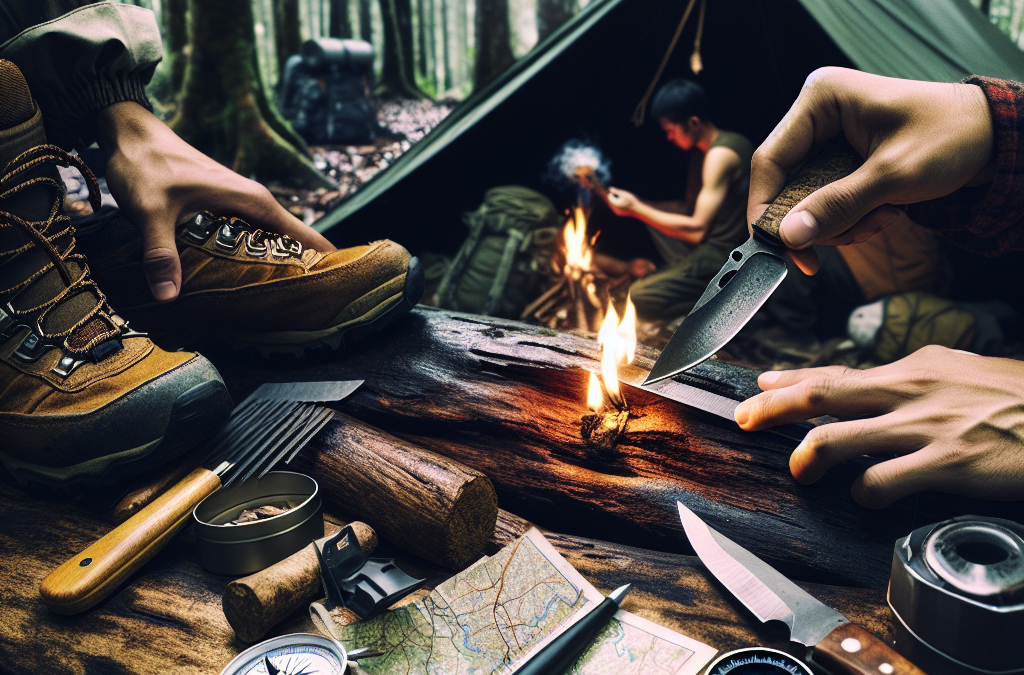
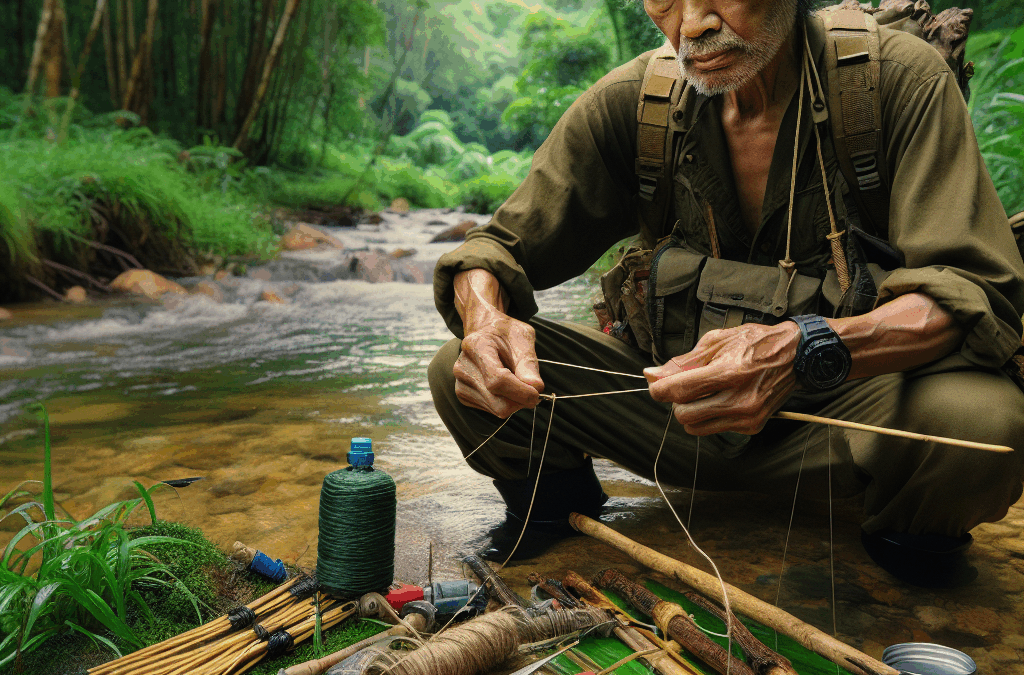
When it comes to sharpening survival skills, consistency is key. Personally, I carved out a chunk of my weekend to practice things like fire-starting or setting up a tent. It doesn’t have to be an all-day affair; even dedicating an hour can make a difference. The more you practice, the more second nature these skills become.
Setting a specific day or time to practice can help solidify this routine. For example, I decided that Sundays are my “Survival Sundays.” Every week, I challenge myself with a new skill or scenario, which keeps it fresh and exciting. Plus, I like to bring a friend along to make it a fun activity rather than a chore.
And let’s be real, it’s not about perfection. It’s about improvement. You’ll stumble and make mistakes, but that’s part of the learning process. Each practice session builds confidence and, ultimately, expertise when you really need it.
Join a Community
Connecting with like-minded folks has been a game-changer for me. Finding a community—whether it’s through online forums, social media groups, or local meetups—gives you a chance to learn from others and share your experiences. I’ve met some incredible people who have expanded my knowledge and pushed me to try things I’d never have tackled alone.
In these groups, I’ve found people of varying skill levels, which means I’m always learning something new. Sometimes, seeing someone else demonstrate a technique can really help it click for me. Plus, they can offer tips from their own experiences, which is often more relatable than a textbook.
Community support also comes in really handy when you’re tackling larger projects or challenges. Teaming up to learn survival skills prepares you for real-world scenarios where collaboration can be essential. It makes it more enjoyable and less daunting.
Create Realistic Scenarios
Bringing real-life situations into your practice can really level up your learning. I often create scenarios at local parks, simulating being lost, or forced to survive with limited resources. This kind of applied learning sticks with me way more than just reading about it.
The beauty of crafting your own scenarios is that you can tailor them to challenge yourself. Maybe it’s trying to build a shelter in under an hour or foraging for edibles during a hike. Whatever it is, make it as real and practical as possible. This not only helps you learn but also boosts your problem-solving skills.
Also, don’t forget to have fun with it! Sometimes, I’ll even turn these scenarios into friendly competitions with friends to see who can complete a task the fastest. It keeps the energy up and makes learning feel like more of an adventure rather than a chore.
Stay Updated with Resources
Read Books and Articles
Books have been my go-to source of survival knowledge. I’ve got a shelf dedicated to survival manuals and adventure stories that not only teach but inspire. They come with diagrams and step-by-step instructions that you can refer back to anytime.
Additionally, online articles and blogs provide more current information, along with personal anecdotes that often fill in the gaps traditional books might miss. I love finding authors who really dive into their personal survival stories—it gives you context and makes the learning more relatable.
There’s also a lot of newer research out there regarding wilderness safety and first-aid techniques that can come in handy. So, keeping up with fresh content keeps my knowledge relevant and sharp, preparing me for any circumstance.
Watch Instructional Videos
These days, there’s no shortage of great survival content online, especially on platforms like YouTube. Watching someone demonstrate a skill can make a huge difference in my understanding. It’s one thing to read about making fire with a bow drill; it’s another to see someone do it successfully.
Instructional videos are often informal and relatable. I’ve picked up tons of tips and tricks I wouldn’t come across in a book just by seeing how others tackle challenges. Plus, many creators have a unique approach that might resonate differently depending on your learning style.
And if you find a channel you really vibe with, you can follow their journey, getting updates on new techniques or gear recommendations. Remember to look for videos that emphasize safety practices, as this is a critical aspect of survival training.
Utilize Mobile Apps
Mobile apps are a lifesaver (pun intended) when it comes to enhancing survival skills. There are countless apps out there for wilderness survival, first-aid, and even navigation. I like to have a few loaded on my phone before heading out, just as a precaution and quick reference guide.
Many of these apps include survival guides, foraging information, and even emergency hacks for when things go awry. They tend to be concise and easy to understand, making it a breeze to get the information you need when you need it. I’ve had moments in the wild where pulling up quick tips made all the difference.
Moreover, some apps also offer interactive features, like quizzes or challenges, which help reinforce what you’ve learned. Staying engaged through a fun format makes it less like studying and more like a game.
Learn from the Experts
Take Classes or Workshops
Attending survival classes has been one of the best investments in my skill-building journey. Learning from professionals who’ve been in tough situations gives you a well-rounded education that’s hard to replicate. They offer hands-on experiences in a safe environment and answer all those questions you have along the way.
I’ve participated in everything from basic wilderness survival to advanced navigation and bushcraft workshops. Each class built on the last, giving me more confidence and deeper knowledge. Plus, the camaraderie and motivation from being with peers is another great reason to participate.
You can often find these classes offered by local outdoor organizations or community colleges, so there’s usually something accessible nearby. Keep an eye out for specialized workshops on topics that interest you personally!
Follow Survivalist Blogs and Podcasts
I’m always on the lookout for blogs and podcasts dedicated to survival skills. It’s such a flexible way to learn because I can absorb the information while I’m on the go—driving, hiking, or even just chilling at home. These platforms often share the latest trends in survival techniques, gear reviews, and inspiring personal stories.
Some of my favorite podcasts feature in-depth interviews with experienced survivalists who share lessons learned from their adventures. Hearing stories from the field can be incredibly motivating and enlightening, revealing what works and what doesn’t in real-life situations.
Plus, many bloggers and podcast hosts encourage community interaction, so you can discuss ideas or ask questions directly. It creates a sense of connection, even though I’m just listening from my couch.
Attend Expos and Conferences
If you ever get the chance to go to a survival expo or conference, jump on it! These events gather an incredible array of experts, enthusiasts, and vendors all in one place. I attended one last year and met folks who’ve got a wealth of knowledge and experience to share. They often conduct live demos, which are super helpful!
Approaching different booths and chatting with various vendors is a unique opportunity to learn about the latest gear and techniques. Many times, you can even try things out firsthand. This kind of exposure can spark new interests or perspectives that you might not have considered.
Plus, being around passionate, skilled individuals instantly raises my motivation. Everyone’s excited about learning and sharing, which creates this awesome atmosphere that’s infectious. It reminds me that we’re all in this together, pushing the envelope of our abilities.
Stay Physically and Mentally Fit
Regular Exercise
It might not seem related at first glance, but being in good shape physically can seriously enhance your survival skills. I’ve noticed that endurance matters when you’re out there; being able to hike long distances or carry gear becomes a breeze when you’re regularly active. I try to incorporate activities like hiking, running, and strength training into my weekly routine.
This doesn’t mean you have to be a professional athlete, but being fit helps you maintain focus and handle stress better. Plus, when you build stamina, it allows you to focus on learning new skills without tiring out too quickly. Every little bit counts!
As I’ve pushed my physical limits, I’ve also felt a boost in my mental resilience. Knowing that I’m capable of handling physically demanding situations makes it easier to believe in my other skills when the going gets tough.
Meditation and Mindfulness
You might think meditation is just for relaxation, but it can be a vital part of your survival toolkit. Practicing mindfulness has helped me enhance my focus, which is crucial in high-pressure situations. Spending a few minutes every day practicing techniques lets me clear my head and remain calm when things get dicey.
In times of stress, it’s easy to feel overwhelmed. Engaging in mindfulness has taught me to take a step back, assess my surroundings, and make logical decisions, rather than reacting instinctively. This skill has helped me significantly in both day-to-day life and during my wilderness adventures.
Plus, the mental discipline gained through dedicated practices positively impacts all facets of survival skills—from the way I tackle obstacles to how I interact with others in a group setting.
Develop Problem-Solving Skills
Survival situations are often unpredictable, which means you’ll need to think on your feet! I’ll often throw myself into unexpected situations to strengthen my problem-solving skills. This could be something simple, like figuring out how to build a shelter with materials on hand, or more complex, like navigating without the aid of a map or GPS.
Incorporating brain games and puzzles into my routine has also sharpened my quick-thinking abilities. The more I practice identifying potential solutions, the more adept I become at applying these strategies outdoors. Engaging with challenging situations keeps my brain agile, preparing me for whatever adventures lie ahead.
Plus, I’ve learned that collaborative problem-solving can offer new insights. When I work with others, I see alternative approaches and solutions that I wouldn’t have thought of on my own, so finding partners for practice is always a good idea!
Frequently Asked Questions
1. What are the best resources for learning survival skills?
Books, online articles, instructional videos, and mobile apps are some of the best resources available. They can provide detailed guidance and real-life applications that make learning easier.
2. How can I practice survival skills at home?
You can set up small challenges or tasks that mimic survival situations, such as starting a fire, building a makeshift shelter, or practicing first aid techniques using materials at home.
3. Is it necessary to take a class for survival skills?
While it’s not absolutely necessary, taking a class can greatly enhance your learning experience. You get hands-on practice and learn from experienced instructors, helping you build confidence in your abilities.
4. How important is physical fitness in survival situations?
Being physically fit can significantly improve your chances in survival scenarios. It enhances stamina, agility, and mental resilience, which are all crucial when you’re in challenging situations.
5. How can I stay motivated to keep learning survival skills?
Joining community groups, setting personal challenges, and keeping the learning fun and varied can help you stay motivated. Engaging with others who share your passion also boosts enthusiasm!
One of the first things I learned on my journey toward developing a survivor’s mindset is to find the silver lining in every challenge. It’s so easy to get caught up in the negatives, but shifting my perspective has been a game changer. Instead of dwelling on what’s wrong, I try to focus on what I can learn from the situation.
For example, when faced with an unexpected setback, I challenge myself to think about the lessons it offers. Sure, it can be frustrating, but every obstacle presents a unique opportunity for growth. I often remind myself that hardships make me stronger.
Practicing this mindset daily has transformed my outlook. By training my brain to seek out positives, I’ve been able to bounce back from tough situations more quickly. It’s all about flipping the script, and it’s something I wholeheartedly recommend doing!
Developing Resilience
Resilience isn’t just an innate trait — it’s a skill you can cultivate. When I began recognizing that resilience could be developed, I felt empowered to control my response to adversity. The first step for me was acknowledging my emotions, which allowed me to work through them instead of burying them.
I started to embrace hardships as natural parts of life. It’s not about avoiding difficulties, but rather how I respond to them that defines my resilience. I began practicing meditation and mindfulness exercises that helped me nurture a sense of calm and focus when under pressure.
A key strategy that really helped me was setting small, achievable goals. Every time I overcame a minor challenge, it boosted my confidence and fortified my resilience. It made me feel like I could tackle anything life threw my way!
Surrounding Yourself with Positivity
The people I surround myself with play a huge role in my attitude toward life’s challenges. I’ve found that being around positive, encouraging individuals can uplift my spirit and inspire me to adopt a more optimistic mindset. It’s like being on a team where everyone cheers each other on!
I consciously choose to invest my time in relationships that foster a sense of community rather than negativity. There’s something refreshing about connecting with others who share a similar mindset, and it can be contagious! I feel more motivated and enthusiastic about finding solutions with supportive friends and mentors.
Whenever I start feeling low, I reach out to my circle of positivity. Whether it’s a simple message, a phone call, or a casual meet-up, it reminds me that I’m not alone in my journey. Trust me, finding your tribe can make all the difference!
Taking Action: The Power of Proactivity
Assessing the Situation
When it comes to problem-solving, the first thing I do is assess the situation at hand. And, honestly, it’s about cutting through the noise and getting to what really matters. Understanding the core issue helps me address it head-on rather than letting it fester.
I ask myself key questions: What’s really going on? What are my options? And what can I do right now? These questions guide my thought process and prevent me from spiraling into panic. I’ve learned that clarity is my best friend during tough times.
This approach has allowed me to move from a state of anxiety to one of empowerment. Taking the time to assess allows me to devise a plan that is both effective and manageable, rather than feeling overwhelmed by the situation.
Implementing Solutions
After I’ve assessed the situation, it’s time for action! I’ve discovered that taking even small steps toward a solution helps ease feelings of helplessness. By breaking tasks into smaller, manageable actions, I feel a sense of accomplishment with every step I complete.
For instance, when I faced a significant personal hurdle, instead of overwhelming myself by tackling everything at once, I created a checklist. It sounds simple, but crossing items off gives me a boost of motivation! I realize that every little action takes me closer to overcoming the bigger challenge.
Additionally, being open to adapting my solutions based on new information has been crucial. Life is dynamic, and so are our challenges. Adapting my approach—rather than sticking rigidly to a plan—has led to better outcomes and less stress.
Learning from Experiences
Post-action reflection is something I can’t emphasize enough. After I work through a challenge, I take a moment to reflect on what went well and what could have been done better. This isn’t about beating myself up; rather, it’s an opportunity for growth.
I jot down my experiences and insights, turning them into valuable lessons for the future. I’ve discovered that these reflections contribute directly to my preparedness for the next challenge—I’m literally building a toolkit for resilience!
This cycle of action and reflection reinforces my survivor’s mindset and boosts my self-confidence. Knowing that I have a rich reservoir of past experiences to draw upon is incredibly reassuring. It’s a continuous process of growth, and I embrace it wholeheartedly.
Staying Grounded and Mindful
Practicing Mindfulness
Mindfulness is a practice I’ve integrated into my daily routine that has profoundly shifted my perspective. By being present in the moment, I cultivate a deeper awareness of my emotions and the situations around me. This practice grounds me, especially during turbulent times.
I often kick off my day with a few minutes of mindful meditation or deep-breathing exercises. This helps me set a calm tone for the day ahead and prepares me to face challenges with a clear and focused mindset. It’s like prepping my mental armor!
Mindfulness has also enhanced my ability to recognize negative thought patterns. By observing my thoughts without judgment, I learn to respond rather than react impulsively. This has created space for more constructive thoughts and a more balanced outlook on life.
Recognizing Stress Triggers
Identifying my stress triggers has been a game changer. Once I learned what situations or thoughts set me off, I could prepare myself better. It’s like shining a light on hidden fears, making them less daunting.
I keep a journal where I note my stress responses, and over time, I’ve been able to see patterns. Knowing what triggers my stress helps me equip myself with coping strategies in advance. Whether it’s practicing deep breathing or taking a walk, having a plan in place reduces my anxiety levels significantly.
Understanding my triggers also sets the stage for proactive decision-making. Instead of getting caught off-guard, I’ve become more adept at navigating stressful situations with a level head. That knowledge alone can be incredibly empowering!
Creating a Balanced Lifestyle
Lastly, a well-rounded and balanced lifestyle is essential in cultivating a survivor’s mindset. I strive to nurture my physical, emotional, and mental health through a mix of good nutrition, exercise, and leisure. It’s about fueling my body and soul to withstand life’s hurdles.
I prioritize creating a routine that incorporates physical activity. Whether it’s hitting the gym, a dance class, or a moonlit stroll, I’ve found that movement clears my mind and boosts my mood. It’s a win-win!
Ultimately, life is about enjoying the journey, not just surviving it. Investing in activities that bring me joy, like hobbies or spending time with loved ones, helps create that balance. Embracing a holistic approach goes hand-in-hand with my survivor’s mindset, ensuring I stay resilient no matter what.
Frequently Asked Questions
1. What is a survivor’s mindset?
A survivor’s mindset is an attitude of resilience, optimism, and proactivity in facing life’s challenges. It’s about embracing setbacks as opportunities for growth and maintaining a positive outlook.
2. How can I develop resilience?
Resilience can be developed by recognizing your emotions, setting small achievable goals, surrounding yourself with positivity, and learning from your experiences to build confidence for the future.
3. Why is mindfulness important in cultivating a survivor’s mindset?
Mindfulness helps you stay present and aware of your emotions. By practicing mindfulness, you can reduce stress, recognize negative thought patterns, and respond to challenges more effectively.
4. How do I recognize my stress triggers?
To identify stress triggers, keep a journal of your experiences and emotional responses. Over time, you’ll notice patterns that can help you better prepare yourself for future challenges.
5. What lifestyle changes can help with a survivor’s mindset?
Creating a balanced lifestyle that includes good nutrition, regular exercise, and activities that bring you joy can strengthen your resilience and enhance your overall well-being, empowering you to tackle life’s challenges!
In a world where natural disasters, power outages, and unforeseen emergencies can strike at any moment, being prepared is not just wise—it’s essential. Emergency preparedness equips individuals and families to handle crises effectively, ensuring safety and survival when it matters most. So, why should you invest time into assembling an emergency kit? Because it’s about peace of mind; knowing that you have the essentials on hand can make all the difference in a stressful situation.
Understanding the basics of an emergency kit is crucial. It’s more than just tossing some supplies into a bag; it requires careful consideration of your family’s specific needs and potential risks in your area. Let’s dive into the top ten items every emergency kit should include.
*Essential Item #1: Water and Water Purification**
Water is life, especially during emergencies when access may be compromised. Aim for at least one gallon per person per day for three days. Additionally, consider including water purification tablets or filters to ensure safe drinking water if necessary.
Stock up on a variety of non-perishable food items such as canned goods, energy bars, dehydrated meals, or MREs (Meals Ready-to-Eat). These foods require no cooking and are lightweight—perfect for easy transport.
*Essential Item #3: First Aid Kit Essentials**
A well-stocked first aid kit can be invaluable in times of crisis. Include bandages, antiseptics, pain relievers, allergy medications, and any personal prescriptions. Familiarize yourself with basic first aid procedures to maximize your readiness.
*Essential Item #4: Flashlights and Batteries**
When power goes out or visibility wanes due to smoke or debris, a reliable flashlight becomes your best friend. Opt for LED flashlights paired with extra batteries—or consider solar-powered options that never run out!
*Essential Item #5: Multi-Tool or Swiss Army Knife**
Versatile tools can help you tackle various tasks—from opening cans to making minor repairs around your shelter—without needing multiple gadgets cluttering your kit.
*Essential Item #6: Emergency Blanket and Warmth Supplies**
Hypothermia is a serious concern in many disasters. Emergency blankets are compact yet effective at retaining body heat. Coupling these with warm clothing layers ensures you’re ready against the elements.
*Essential Item #7: Communication Devices and Power Banks**
Staying informed during an emergency is vital. A battery-powered NOAA weather radio provides updates on severe weather alerts while portable chargers keep your cell phone operational when conventional power sources fail.
*Essential Item #8: Personal Hygiene Products**
Don’t overlook hygiene! Items like wet wipes, hand sanitizer, toothbrushes, toothpaste, feminine products, and trash bags will help maintain cleanliness—even in dire situations.
*Essential Item #9: Important Documents and Cash**
Keep copies of vital documents (IDs, insurance policies) sealed within waterproof bags alongside some cash; ATMs may not be functioning post-disaster.
*Essential Item #10: Specialized Items for Your Family’s Needs**
Consider unique family requirements—be it baby formula for infants or pet supplies for furry friends—and customize accordingly.
Once you’ve gathered these essentials, don’t forget to regularly review your emergency kit’s contents! Replace expired foods or medications annually to keep everything fresh and functional.
In conclusion, taking action today by assembling an emergency kit prepares you not just physically but mentally as well—for whatever challenges lie ahead. Embrace this proactive approach toward safety; after all, a little preparedness goes a long way toward securing a safer tomorrow!
First things first, let’s talk about gear. I remember when I first got into survival fishing; walking into a tackle shop was like stepping into a candy store! But let’s keep it real—you don’t need a fancy rod and reel to catch dinner. A simple spinning rod is often the best bet for beginners. It’s versatile and easy to use, perfect for grabbing smaller fish like panfish or even larger ones.
When selecting a rod, I always suggest looking for one that feels comfortable in your hands. The reel should be smooth and easy to operate. I once spent a whole day wrestling with a sticky reel, and let me tell you, it almost ruined the experience for me. The right setup not only enhances your fishing effectiveness—it makes it fun too!
Don’t forget about line; a good fishing line can make or break your catch. I recommend monofilament line—it’s user-friendly and comes in various strengths. Just remember, the lighter the line, the more stealthy you’ll be in the water. It’s like a little ninja move for catching fish!
Selecting Bait: Natural vs. Artificial
Next up, let’s chat about bait. Deciding between natural and artificial bait can be quite the debate; I’ve had my own battles picking sides. Natural bait often gets the job done, especially if you’re fishing for species like catfish or trout. Worms, minnows, and even insects can be incredibly effective.
However, don’t underestimate artificial lures! A good spinner or crankbait has saved my bacon on more than one occasion. They can be excellent for catching predatory fish like bass. My trick is to match the lure color to the water clarity; muddy waters call for brighter colors, while clearer waters might require more natural tones.
Remember to also consider seasonal changes; what works in spring may not work in fall. I’ve learned through trial and error that being adaptable in my bait choices keeps the catch coming. Just pay attention to what’s swimming around in your area, and you’re golden!
Understanding Local Fishing Regulations
No one likes a ticket, right? Before you grab your gear and hit the water, it’s critical to check out local fishing regulations. When I first started, I didn’t think much of it—just assumed fishing was fair game everywhere. Spoiler alert: it’s not!
Every body of water can have its own rules regarding what species you can catch, bag limits, and even specific fishing seasons. Ignoring these can lead to hefty fines that’ll make you wish you’d just done your homework. Plus, it’s all about being a good steward of the environment; we want our fishing spots to be around for generations to come!
Another thing to check is the need for a fishing license. Some places require them, while in others it might be free. I’ve learned it’s always best to err on the side of caution and be properly licensed. It saves you the headache and lets you fish confidently!
Locating Fish in Different Environments
Freshwater Fishing Techniques
Now, let’s dive into where the fish are hiding. Freshwater fishing can be a blast, especially in lakes and rivers. I remember the first time I fished in a lake; it felt like a treasure hunt. Fish are typically near structures like rocks, submerged logs, or weed beds. If you know where the structure is, you’re halfway to a catch.
Time of day matters as well. Early morning and late evening usually see fish being more active. I’ve had my best luck during these ‘magic hours.’ They’re like the fish’s version of happy hour—you gotta be there to reap the benefits!
Understanding water temperature also helps; fish tend to prefer certain ranges depending on the season. I’ve found that in the summer months, early mornings are the best as the water is cooler. This is when they feel more comfortable coming out to play!
Saltwater Fishing Techniques
If you ever find yourself by the ocean, you’ve gotta give saltwater fishing a shot! It’s a whole different game compared to freshwater. The type of fish you can catch varies widely, from snook to grouper. Locating these fish can take a bit of local knowledge, so I always recommend talking to local anglers.
Consider fishing on the tides; low tide often reveals hidden spots that fish may use to hide. I’ve had great success casting my line near sandbars or jetties. There’s something incredibly exhilarating about the pull of ocean fish!
Don’t forget your gear! Saltwater can be tough on your equipment, so it’s best to use corrosion-resistant materials. I learned that the hard way after my first fishing trip when my fancy rod looked like a rusty relic just a few days later!
Ice Fishing Techniques
If you thought fishing was just a summer sport, think again—ice fishing is a thrilling way to catch fish in the colder months! There’s something peaceful about sitting on a frozen lake, surrounded by snow, and waiting for a bite. I know it sounds a bit crazy, but trust me, it’s relaxing.
A crucial step, though, is ensuring the ice is thick enough to support you. I usually wait until there’s at least four inches of solid ice. Then, I drill a hole in the ice using an auger and drop some bait down. Make sure you’re dressed warmly; being comfortable means you’ll enjoy it a lot more!
When the fish are biting, it’s like nothing else. I find that using small jigs tipped with bait works wonders. Be prepared to be patient, though. Ice fishing often requires a bit of finesse, as fish might nibble but not fully commit. Just sit back, enjoy the scenery, and wait for that sweet tug on your line!
Preparing Your Catch
Cleaning Fish: The Basics
Once you’ve landed a fish, the next step is cleaning it. This is a crucial step that can determine how much you enjoy your meal later! The first thing to remember is that it’s best to do this as soon as possible after catching it. Freshness matters, right?
I usually start by scaling the fish with a scaling knife, scraping from tail to head to get off those tough scales. It’s not glamorous, but someone’s gotta do it! After that, I’ll make a cut along the belly and remove the guts. Be sure to discard these properly to keep the area clean for the next adventurous angler.
Finally, rinse the fish in clean water. I often feel a sense of pride when I hold my freshly cleaned catch—it’s rewarding to know I’ve put in the work from fishing to table. Remember to keep everything cold until you’re ready to cook it, and you’ll have a fantastic meal ahead!
Cooking Your Fish
Now that you’ve got a clean catch, it’s time to cook! There are countless ways to prepare fish, but I usually opt for something simple like grilling or pan-frying. The key is to keep the seasoning light so that you can truly enjoy the flavor of the fish itself.
When grilling, I’ll sprinkle some salt, pepper, and maybe a squeeze of lemon. Wrapping the fish in foil can also keep it moist. I learned that grilling on high heat for a short duration usually yields the best results—just keep an eye on it so you don’t overcook it!
If frying is more your jam, a little oil in the pan can do wonders. I often add a bit of cornmeal or flour for a nice crispy crust. It’s like turning your fresh catch into a feast. You would not believe the satisfaction of sitting down to a meal you caught yourself!
Storing Leftovers
Okay, so you’ve caught and cooked your fish—now what if there are leftovers? Don’t worry; there are simple ways to store them for future culinary adventures. The first step is letting the fish come to room temperature before you put it away. I always make sure it’s cooled down, so it doesn’t mess with my fridge’s temp.
Then, I wrap it tightly in plastic wrap or foil, or store it in an airtight container. It’s crucial to label your storage container with the date to keep track of how fresh it is. Stored properly, it can last up to three days in the fridge!
For longer storage, consider freezing. I’ve had success freezing fish in vacuum-sealed bags. Just be sure to remove as much air as possible before sealing; this helps guard against freezer burn. You’ll thank yourself later when you can whip out that delicious frozen fish for a quick meal!
Safety and First Aid in Fishing
Staying Safe on the Water
Safety is paramount while you’re out fishing. No one wants a mishap to ruin their day. Wearing a life jacket is essential, especially if you’re out on a boat. I’ve seen too many accidents happen because someone thought they’d be fine without one.
Weather conditions can change quickly, so keep an eye on local forecasts. I learned this the hard way when a lovely sunny day turned into a thunderstorm during my fishing trip. I was soaked, scared, and wishing I had checked the weather before heading out!
Also, bring a first aid kit. I’ve had my fair share of small scrapes and cuts from fishing gear. Having basic supplies, like band-aids and antiseptic, can make a big difference. Safety and preparedness can keep your fishing experience enjoyable!
Handling Fish Responsibly
Being responsible about how we handle fish is just as important as catching them. Even if you plan to catch and release, ensuring the fish is handled gently is key. Using wet hands or wet gloves can minimize damage to its scales and slime coat, which is critical in the fish’s survival after release.
Fighting a fish too long can lead to fatigue and stress. I’ve learned to pay attention to the fish’s condition and to bring it in quickly if I’m planning to release it. A quick release can ensure the fish stands a better chance of survival.
Moreover, practicing selective harvest—meaning you keep certain species according to regulations—helps maintain healthy fish populations. We always want to fish responsibly, making sure our waters stay vibrant and full of life!
Basic First Aid for Fishing Injuries
Even with all the safety precautions, accidents can happen, especially when dealing with sharp hooks and fish spines. I’ve had my own run-ins, so it’s important to know a bit about first aid. Always keep a pair of tweezers handy for removing hooks from your skin, and never yank it out—it’ll only make it worse!
If you get a cut, clean it immediately and apply pressure to stop any bleeding. Most of the time, I just clean it and slap a band-aid on, but if it’s deep, seek medical help. In the great outdoors, minor injuries can be more serious than at home, so being prepared is vital!
That said, having a buddy with you while fishing can be a huge help. There’s strength in numbers, and it’s easier to manage injuries if someone else is around. Plus, you can trade off fishing duties while you care for each other!
Frequently Asked Questions
1. What are the best fishing techniques for beginners?
For beginners, I recommend starting with simple fishing gear, using natural bait, and practicing patience at different times of the day. Freshwater fishing is often easier to learn, so consider local lakes or rivers to start your fishing journey.
2. How can I tell if the fish are biting?
You’ll notice fish might nibble at the bait before fully committing. Keep an eye on your line; if it’s moving erratically or going slack, that’s a good sign there’s a fish down there. Experience helps you recognize these signs, so don’t be discouraged if it takes time!
3. How do I handle and release fish safely?
When handling fish, always use wet hands or gloves to protect their slime coat. If you’re planning to release them, keep them in the water as much as possible, and use a hook removal tool to reduce stress on the fish.
4. What should I bring for a day of fishing?
Essential gear includes your fishing rod, bait, and tackle. Don’t forget personal items like sunscreen, water, snacks, and a first aid kit. A fishing license, if required, should also be on your list. Always come prepared to maximize your experience!
5. What’s the best way to store fish after I’ve caught it?
After you’ve caught your fish, clean it as soon as possible and store it in a cold environment. If you plan to eat it soon, wrap it tightly in plastic or store it in an airtight container. For longer storage, freezing in vacuum-sealed bags is best.
One of the best ways I manage my anxiety is by keeping in touch with friends and family. Regular calls or even video chats can be a game-changer. It’s so easy to feel isolated during stressful times. Just picking up the phone can brighten my day. I’ve found that seeing familiar faces—even through a screen—provides some sort of comfort that makes the uncertainty feel a tad more manageable.
During one particularly anxious week, I set up a weekly video hangout with a group of friends. We played games, shared stories, and honestly just laughed at how life was throwing curveballs at us. It’s incredible what a little connection can do to lift your mood. You realize you’re not alone in these feelings, and that can be a relief.
So, don’t wait around! Schedule those calls or get a group together for a virtual hangout. Life gets hectic, but if you prioritize these moments of connection, you’ll start to notice a shift in your perspective. It’s a little reminder that there are people who care, even amidst the chaos.
Join Group Activities
When times get tough, it’s easy to retreat into our shells. For me, joining a group activity was a fantastic step forward. Whether it’s a book club, yoga class, or even an online forum, engaging with others who share similar interests can ease the sense of anxiety. I attended an online cooking class once, and it wasn’t just about making new recipes; it was about the camaraderie that came with it!
Think about what you love to do. There are communities for everything these days! Meeting people who share your interests helps to create bonds and can often lead to lasting friendships. Plus, it distracts from whatever might have you feeling anxious. Every time I fire up that group chat after our meet-up, I feel a rush of joy.
So, jump into an activity that speaks to you! The beautiful part is that you’ll not only be learning something new, but you’ll also be forming connections that could help you through these uncertain times. And who knows? You might even find a new lifelong friend along the way!
Share Your Feelings
I can’t tell you how empowering it is to just speak openly about what’s weighing on your mind. Talking to someone, whether it’s a friend or a professional, really helps lift that heavy cloud of anxiety. I remember one day I decided to share my fears with a close friend. It felt risky at first, but once I did, it was like a weight had been lifted.
Sharing doesn’t mean you have to spill every detail, but just expressing how you feel can provide a sense of relief. It lets you know that others are there for you. Sometimes they might even relate and share their experiences, making it feel like we’re not alone—like we’re all in this together. What a comforting thought, right?
And if you need more support, seeking out a therapist can be a transformative step. I’ve done this personally, and that safe space to talk about my feelings has been priceless. It’s okay to ask for help. Everyone has their struggles, and finding someone who listens with compassion can make all the difference.
Establish a Routine
Set Daily Goals
Having a routine has always anchored me, especially when everything else feels unpredictable. Each night, I jot down three things I want to achieve the next day. It could be as simple as going for a walk, reading a book, or tackling a work project. These small, achievable goals give me a clear direction and a sense of purpose, even on tough days.
Sometimes, having a well-defined structure helps stave off those anxious feelings that come from feeling lost. There’s something satisfying about crossing things off my list. It’s like a little victory every time! Plus, it steers my mind away from worrying about what’s outside my control.
So, give it a try! Start small, and see how setting daily goals grounds you. You might be surprised by how much better you feel watching your accomplishments build up day by day. Routines may seem mundane, but they can also bring a sense of joy and control back into your life.
Practice Mindfulness
If you haven’t tried mindfulness yet, I can’t recommend it enough. It has been a total game changer for me. Taking time each day to meditate or practice deep breathing exercises calms my racing mind. When facing uncertainty, I find being present in the moment to be a lifesaver.
Mindfulness teaches us to acknowledge our feelings without judgment, and that alone can ease anxiety. I often use apps for guided meditation, and that really helps me focus. Plus, you only need a few minutes to start seeing the benefits. Just breathe, focus on your breath, and allow your thoughts to come and go.
So, carve out a little “me” time daily. Whether it’s meditating, taking a nature walk, or simply sipping tea in silence, give yourself the opportunity to recharge. It’s like hitting a reset button for my brain, and boy, does it feel good!
Create a Supportive Environment
My environment plays a massive role in how I feel. When I’ve got clutter and chaos around me, my mind tends to spiral with anxiety. Making my space cozy and uplifting helps shift my energy in a positive way. I prioritize decluttering and decorating to create an environment that feels safe and calming.
Adding plants, soft lighting, or a favorite blanket can make a space feel warm and inviting. I set up a little corner of my home just for relaxation—a comfy chair, some books, and a candle. Whenever I sit down there, it’s like my own mini sanctuary. It reminds me to take a breath and simply be.
So, take a moment to assess your space. Are there changes you could make to foster positivity? Creating a supportive environment can be incredibly soothing during troubled times.
Limit Media Exposure
Choose What You Consume
In today’s world, we are bombarded with news 24/7, and honestly, it can be overwhelming. I’ve learned the hard way that constantly checking the news only fuels my anxiety. Now, I consciously limit my media consumption. I designate specific times to check in and then step away.
Remember, not all news is beneficial. Sometimes, it’s just the same stories cycling through, adding stress without any solution. Instead, I focus on positive or inspiring stories. These not only uplift my spirit but provide a sense of hope during uncertain times.
So, make the decision for yourself! Choose the news outlets and content that resonates with a positive vibe. It’s up to you to protect your mental space. You deserve to consume content that nourishes your spirit, not weighs it down!
Set Boundaries
This was a tough lesson for me, but setting boundaries with media has been crucial. It’s okay to say no to conversations that dive deep into negativity. Surrounding myself with optimistic, hopeful people has been a game changer. I’ve started to gauge who lifts me up versus who drags me down.
I’ve also talked openly with friends about avoiding heavy topics. Creating that bubble of positivity feels freeing! Setting clear boundaries allows me to manage my emotional health better and reduce that feeling of being overwhelmed.
So, chat with your friends about establishing some boundaries. It can help as a group to recognize what might be triggering and support one another in maintaining a more positive atmosphere. Your mental health is too valuable to compromise!
Engage in Positive Activities
Finding ways to engage in uplifting activities has played a huge role in combating anxiety. Whether it’s picking up a hobby, watching feel-good movies, or volunteering, I strive to immerse myself in positivity. For me, painting has become my creative outlet, a space where I can express myself and forget about worries for a while.
The impact of participating in positive activities is profound. Each time I engage, I’m reminded that there are sources of joy amidst uncertainty. It provides a distraction from the chaos and allows me to pour my energy into something constructive. Plus, it’s fun to learn new skills!
So, explore activities that spark your interest! Dive into something new or revisit old passions. You’ll notice that as you fill your time with joy, there’s less room for anxiety to creep in. It’s all about channeling your energy where it truly counts!
Seek Professional Help
Recognize When You Need Support
There have been times when I realized that my coping strategies weren’t enough, and that’s completely okay! Recognizing that you might need support from a professional can feel daunting, but it’s an excellent step. When anxiety starts to become overwhelming, seeking help doesn’t mean you’re weak; it’s simply a sign of self-awareness and self-care.
It took me a while to accept that therapy was a viable option for me. It’s a space to explore feelings and strategies in a supportive environment, and I’ve learned so much about myself through it. I encourage anyone feeling stuck or excessively anxious to consider chatting with a mental health professional.
So, don’t shy away from seeking help. Your mental wellness is a priority, and sometimes, a little guidance can make all the difference. We all need a little help at times, and there’s strength in that acknowledgment.
Explore Treatment Options
There’s a world of treatment options out there! Sometimes, therapy alone isn’t enough, and that’s where additional resources can help. I learned about different forms of therapy, from cognitive-behavioral to holistic approaches. Each offers unique benefits that might resonate with you differently, and addressing anxiety in various ways can lead to more successful outcomes.
There are also medications available that can support mental health. Speaking openly with a healthcare provider about any options available is essential. It’s about finding what works for YOU. I’ve personally met people whose lives changed positively after exploring various treatments, and it’s heartening to know that relief is achievable.
So, don’t hesitate to do some research or ask for guidance from professionals! You deserve to explore every avenue that can help reclaim your peace and happiness in uncertain times.
Follow Up
After starting on a treatment path, following up regularly is crucial. This isn’t just about seeking help; it’s about maintaining and adjusting to ensure you’re on the right course. I like to schedule regular check-ins with my therapist to discuss what’s working and what isn’t. It’s important for us to communicate our needs and what we’re experiencing.
Adjusting the approach, whether that means trying new strategies or reassessing treatment methods, can elevate our journey toward managing anxiety. Reflection can lead to an incredible amount of growth and understanding.
So, don’t hesitate to reach out for continued support. Checking in with a therapist or support group helps create space for ongoing healing and learning. You’re taking steps in your mental health journey, and every follow-up counts!
Frequently Asked Questions
1. How can staying connected with loved ones help reduce anxiety?
Staying connected provides emotional support and reassurance during tough times. It helps reduce feelings of isolation and reminds you that others share similar experiences, which can be incredibly comforting.
2. Why is establishing a routine important for managing anxiety?
Having a routine creates structure in your day, helping reduce feelings of chaos and uncertainty. It allows you to focus on small, achievable goals, which can boost your sense of control and accomplishment.
3. What are the benefits of seeking professional help for anxiety?
Professional help provides a safe space to explore your feelings and learn coping strategies tailored to your needs. It can also offer insight into underlying issues contributing to anxiety, making it a valuable step toward healing.
4. How can mindfulness practices impact anxiety levels?
Mindfulness practices, like meditation and deep breathing, help you focus on the present moment, reducing overwhelming feelings of worry. They can promote relaxation and a greater understanding of your thoughts and emotions.
5. Is it okay to limit media consumption during anxious times?
Absolutely! Limiting media exposure allows you to protect your mental health by reducing the intake of negative or overwhelming information. It’s okay to prioritize your emotional well-being over constant news updates.
First off, it’s crucial to understand how your body signals that it needs water. You might experience common symptoms like dry mouth, fatigue, or headaches. These can be sneaky signs that you’re running low on hydration, especially when water access is scarce.
As I’ve experienced, dehydration can sneak up on you, especially during hot weather or after intense physical activity. Don’t wait until you’re extremely thirsty to think about your hydration, because by that time, you may already be dehydrated.
Pay attention to your urine! If it’s dark yellow or amber, that’s your body hollering for more H2O. And trust me, being mindful of these signals can help prevent nasty headaches or fatigue that can be debilitating.
Calculate Your Water Requirements
It can also be helpful to understand your daily water requirements. On average, adults need about 2 to 3 liters a day, but this varies based on activity levels and environmental conditions. When water sources are limited, being strategic about this is essential.
I usually take into account my activities for the day. If I’m hiking in the heat, I know I’ll need more water. Tracking my water intake through apps or even just keeping a mental note has been a lifesaver. It helps me ensure I’m drinking enough, especially when access to water isn’t guaranteed.
It’s also a good idea to adjust your intake based on your body’s signals and your personal habits. If I’ve been sweating a lot or feeling especially thirsty, I make it a point to drink more, even if it means rationing my current water supply.
Adapt to Your Environment
Your environment plays a key role in your hydration needs. I’ve learned that when I’m out in the sun for long periods, staying in the shade or taking a breather helps manage my hydration without guzzling all my water at once.
On colder days, I often find myself less thirsty, but that doesn’t mean I should ignore my hydration. I make it a habit to sip regularly, even when I’m not feeling parched. It’s like muscle memory after a while—once you get into the habit, it becomes second nature.
So, when you’re out in nature or in a dry environment, remember to tweak your hydration strategy according to what your body requires. Trust me, your future self will thank you for it when you’re not feeling sluggish!
Utilize Alternative Hydration Sources
Incorporate High-Water Content Foods
One of my favorite tricks for staying hydrated without drowning in water is loading up on fruits and vegetables with high water content. Items like cucumbers, watermelon, and oranges not only help deliciously quench my thirst but also provide essential nutrients.
I often make smoothies or salads packed with these ingredients as a refreshing way to hydrate. It’s like multi-tasking for your body; you’re not just drinking water—you’re getting vitamins and minerals at the same time.
During times when water is limited, I try to have a stash of these snacks available. If I know I’m going to be in a place with little access to clean water, having these foods ensures I’m still fueling my body properly.
Explore Hydration Options Beyond Water
Have you ever thought about alternative hydration sources like herbal teas or electrolyte drinks? I’ve found that these options not only taste great but can also provide added benefits, especially when I’m sweating a lot or feeling drained.
You’d be surprised how a nice cup of herbal tea can perk me up, or how coconut water can replenish my electrolytes when fresh water is scarce. It’s all about being inventive and trying things out to see what works best for you.
Just remember to check labels on ready-to-drink options, as they can be loaded with sugar. Look for natural, low-sugar options if you’re going this route to keep it healthy and hydrating without any weird aftershocks.
Carry Portable Water Sources
When I venture out, I always carry a reusable water bottle with a built-in filter. This small addition has been a game-changer for me, allowing me to drink from streams or refill at public fountains with peace of mind.
If you don’t have a water filter, carrying purification tablets can also come in handy. In situations where I’m unsure about water quality, these tablets enable me to make ordinary water safe to drink, which is super comforting when I’m outdoors.
So, make sure to prepare yourself ahead of time before heading out by packing these essentials. It’s all about being ready and making the most of what’s available!
Monitor Your Hydration Regularly
Set Reminders to Drink Water
One simple, yet incredibly effective tip I personally rely on is setting reminders on my phone to drink water. Sure, it sounds a bit anxious at first, but trust me, it’s easy to forget to hydrate when caught up in daily activities.
What I’ve started doing is setting an alarm every couple of hours to remind myself to drink. When the alarm goes off, I simply knock back some water. It’s become part of my routine, and I bet it could work for you too!
Over time, I’ve found that this habit not only keeps my energy up but greatly reduces the chances of that dreaded dehydration headache later on. The key is consistency!
Track Your Intake
There are amazing apps and fitness trackers available nowadays that can help you monitor your water intake. I’ve played around with several and found them to be quite motivating. Seeing my daily hydration levels has encouraged me to make better choices!
By logging what I drink, I’ve gained insight into my habits and see that I often underestimate my daily needs. This awareness helps me adjust and prevent those moments when I realize I’m way behind on hydration.
If tech isn’t your jam, keeping a notepad might do the trick too. It could be as simple as marking down every glass of water you drink throughout the day. Just figure out what works best for you!
Assess Hydration Effects on Performance
Finally, I’ve noticed how maintaining good hydration directly impacts my performance, whether exercising or at work. When dehydrated, I become sluggish and struggle to concentrate. It’s all about feeling good and functioning at my best.
When I’m well-hydrated, my energy levels soar, and tasks feel more manageable. I complete my workouts without feeling wiped afterward, and I promise, a clear mind makes all the difference in productivity.
So, pay close attention to how your body responds to your hydration habits. I guarantee it’ll motivate you to stay on top of your water game when you notice how so much better you feel each day!
Make a Plan for Emergencies
Create Your Hydration Strategy
Life throws curveballs all the time! I always make it a priority to have a hydration strategy ready for emergencies. If I’m going somewhere that might lack water sources, I mentally create a game plan on how to manage my intake effectively.
This strategy might involve figuring out how much water to bring along, identifying potential water sources, and setting reminders to hydrate. Planning ahead saves me a lot of stress when water is running low. It makes those situations less scary because I have backup plans!
Always remember: Preparation is key. If I’m heading into the wilderness, I’ll know exactly how to ration my water while drinking enough to stay functional. This approach has been a lifesaver more than once!
Know How to Purify Water
If you find yourself in a pinch, knowing how to purify water can be an invaluable skill. I’ve learned various methods, from boiling water to using filtration systems or solar purification, depending on the situation.
Carrying small water purification tablets can also be a game-changer for me, especially when traveling. I can fill up from a creek or tap and turn untrustworthy sources into something safe to drink. It feels empowering to have these skills in my back pocket!
Prepare yourself by practicing these methods beforehand. Test out purification tablets at home to get comfortable with them. This knowledge could be invaluable when you find yourself in an unexpected scenario!
Share Your Strategy with Others
Lastly, don’t forget to share your hydration strategies with friends or family. I find that discussing what works for me encourages others to take their hydration seriously as well. We reinforce each other’s good habits!
Maybe plan hikes or outdoor activities together where water management can be a joint effort, swapping tips and tricks. It’s super reassuring knowing we’re all on the same page and supporting each other in staying hydrated.
Who knows? You might even learn something new from them that you can incorporate into your routine. Always keep that line of communication open; it makes for a supportive community!
FAQs
What are some signs I might be dehydrated?
Common signs include dry mouth, fatigue, dark yellow urine, and headaches. It’s crucial to tune into these signals before they escalate.
How much water should I drink if water sources are limited?
The general recommendation is to aim for about 2 to 3 liters daily, but adjust based on activity levels and weather conditions.
What foods can help with hydration?
Fruits and vegetables with high water content, like cucumbers, watermelon, and oranges, are fantastic options to boost hydration.
What are some alternative hydration sources besides water?
Herbal teas, coconut water, and low-sugar electrolyte drinks are great alternatives worth considering when water is limited.
Why is it important to monitor hydration?
Regularly monitoring your intake ensures you’re meeting your hydration needs and helps you maintain energy levels for daily activities.