by Preparation | Aug 3, 2025 | Preparedness
Establishing Clear Communication Channels
Choosing the Right Platforms
In my experience, one of the first things to tackle in crisis preparedness is selecting the proper communication channels. Let’s be real: not everyone is glued to their emails all day. Some folks are more responsive on social media, while others might still rely on good old-fashioned phone calls. So, it’s crucial to identify which channels work best for your specific audience.
But don’t stop at just picking the platforms—make sure everyone knows how to use them. I remember when our team faced a crisis, we had so many people confused because they were unsure how to access crucial information on our designated app. A little training can go a long way!
Lastly, set clear guidelines. If there’s an emergency, who should people contact? What information should be conveyed? Having these details sorted can save valuable time when the pressure is on.
Creating a Crisis Communication Plan
A solid crisis communication plan is like a treasure map during chaos. It gives everyone direction when tempers are flaring and stress is high. I’ve found that when crafting a plan, it’s essential to outline roles and responsibilities clearly. Everyone should know who does what in case something goes south.
Moreover, anticipating different scenarios is a game-changer. I once worked with a team that found themselves blindsided during a sudden PR crisis because we hadn’t prepared for that ‘what-if.’ By brainstorming various situations, you’ll prepare your team for almost anything that comes your way.
Lastly, don’t forget to routinely update that plan. Just like technology, environments change, so what worked a year ago might not hold up today. Regular drills and refreshers can turn a good plan into a great one.
Regularly Updating Stakeholders
Keeping stakeholders in the loop is absolutely vital. I remember a project where we didn’t update our stakeholders regularly, and guess what? They lost trust in us during an unexpected crisis situation. It was a tough lesson learned! Keeping everyone informed about developments can alleviate anxiety and build confidence.
Think about it: it’s much easier to strategize as a unit if everyone has the same information. I often find that holding quick weekly touchpoints can do wonders for aligning our efforts and keeping everyone motivated. It fosters a team vibe and helps folks feel connected!
So remember to establish a flow of communication with your stakeholders and keep it transparent. Trust is everything during a crisis, and Open lines maintain that trust.
Pacing Information Dissemination
Timing is Everything
Timing plays a huge role in how information is received. I’ve seen it where information was released too early and ended up creating more confusion. You’ll want to make sure that the content you share is accurate and can stand the test of public scrutiny.
Another thing I learned: when you’re in the thick of it, slow and steady wins the race. In a panic, I’ve rushed to communicate, only to discover that I overlooked important details. Take your time, even when it feels like the world is on fire.
Moreover, leave room for follow-ups. Once the initial news is released, be prepared to provide updates as new information unfolds. This signal shows people that you’re on it and that they can trust you to keep them in the loop.
Message Clarity and Consistency
The clarity of your message is absolutely crucial. I’ve mistakenly used jargon before, thinking everyone would get it—but yikes, a major facepalm moment! Keeping it simple is the name of the game. Remember, during a crisis people’s heads are spinning; they don’t need complicated language adding to the chaos.
Consistency matters, too. If you waver in your messaging, you risk losing credibility. I recently learned this the hard way: when messages change frequently, it breeds uncertainty. Stick to your initial plan as much as possible!
Furthermore, utilize visuals. Sometimes a quick graphic or video can convey information way more effectively than a long-winded email could. Keep people engaged and make them feel informed at the same time.
Emphasizing Transparency
Let me tell you, being transparent during a crisis is a game-changer. I’ve seen firsthand how much people appreciate honesty. It’s easy to want to sugarcoat things, but in times of trouble, that can backfire spectacularly. Lay it all out there and your audience will respect you for it.

More importantly, don’t just communicate the good news. Own up to your mistakes, acknowledge challenges, and be upfront about what’s happening. I’ve found that when transparency is prioritized, it boosts both trust and morale in times of uncertainty.
Finally, encourage audience feedback. Show that you value their opinions and insights. This two-way communication can help you adjust your messaging and foster deeper connections. Everyone feels like they’re part of the solution!
Training and Drills
The Importance of Regular Training
I can’t stress enough how vital it is to train your team thoroughly on crisis communication. A well-prepared team will respond quickly and effectively, and you’ll feel the difference during an actual crisis. It’s like a safety net for everyone involved!
Consider scheduling regular training sessions—preferably real simulations that mimic worst-case scenarios. I’ve participated in drills that were both eye-opening and sometimes downright hilarious, showcasing both our strengths and weaknesses.
Don’t forget to involve everyone. Each member of your team should know their role and how to prioritize communications. A well-coordinated team can make a world of difference when the heat is on.
Creating a Safe Space for Practice
During these training sessions, it’s crucial to foster an environment where participants feel safe to speak up and make mistakes. I once saw a team falter because people were hesitant to share their ideas during drills for fear of judgment. It’s just practice, right? Let’s learn together!
Stress the importance of feedback. After a drill, have an open discussion about what went well and what could be improved. A culture of continuous learning is vital to ensure everyone is on the same page when a crisis actually happens.
And remember, practice doesn’t make perfect but it sure does make progress. The more comfortable your team feels with crisis communication, the better they’ll function when the real deal hits.
Implementing Post-Crisis Reviews
After a crisis, one of the best things to do is a post-action review. I’m a big believer in taking a step back to evaluate what worked well and what didn’t. This could be as simple as holding a meeting where everyone shares their views on the crisis response.
It’s super helpful to keep a record of lessons learned. Documenting these insights can guide future efforts and spot trends across different crises. I can’t tell you how relieving it feels to pull out those insights during our next planning session.
Finally, ensure that this review process is ongoing. Make it part of your team’s culture to continually refine and adapt your crisis communication efforts. This way, you’ll always be ready for whatever comes next!
FAQ
1. Why is communication so important in crisis preparedness?
Communication is key to keeping everyone informed, reducing uncertainty, and maintaining trust. Without clear messaging, panic can ensue, complicating the crisis management process.
2. What should I include in a crisis communication plan?
Your plan should outline roles, responsibilities, communication channels, and scenarios to prepare for. It’s essential that everyone understands their part and how to execute it during a crisis.
3. How often should I train my team on crisis communication?
I recommend regular training sessions at least once a quarter. This helps keep everyone sharp and ready to respond effectively when a crisis occurs.
4. What if I make a mistake in my communication during a crisis?
Own up to it! Transparency is crucial, and acknowledging errors can actually strengthen trust with your audience. Just be quick to provide accurate updates afterward!
5. How can I make my post-crisis reviews effective?
Encourage open feedback, document lessons learned, and make the review process a standard practice. This will help your team grow and be better prepared for future challenges.

by Preparation | Aug 3, 2025 | Preparedness
Stay Calm and Assess Your Situation
Taking a Breather
First and foremost, when help doesn’t arrive, the instinct might be to panic. I’ve been there before; trust me, it’s not fun! The trick I’ve learned is to take a deep breath and hit the pause button. Panic doesn’t solve issues; it only adds to them. Remember, there’s always a way through any predicament.
Once you’ve calmed the nerves, I recommend assessing your situation logically. Determine exactly what’s going wrong. Is it a flat tire, a tech problem, or something more serious? Pinpointing the issue can offer clarity, and clarity is key in these daunting times.
Instead of focusing on the lack of help, shift your attention to what you can handle. This change in perspective can empower you to take action rather than waiting around feeling helpless. I’m always surprised by how much I can figure out when I take a step back and evaluate!
Gather Your Resources
Next up, it’s time to think about what you have at your disposal. Sometimes, all you need is a fresh pair of eyes on the situation. Grab a friend, a family member, or even a neighbor for their input. They might have experienced something similar or even have some tricks up their sleeves that you haven’t thought of!
Don’t forget about technology. In our hyper-connected world, you likely have access to online resources that can help you troubleshoot your issue. Whether it’s a quick Google search or a YouTube tutorial, you can often find step-by-step guides to sort out just about anything.
Your attitude matters too! Approaching your resources with a can-do mentality can turn the tide. Instead of thinking, “I can’t do this,” try saying, “Let’s find out what I can do.” This simple shift can lead to impressive results!
Make a Plan
Once you’ve gathered your resources, it’s important to formulate a plan. Break the problem down into manageable pieces and tackle them one by one. I’ve had moments where I felt overwhelmed, but creating a plan helped me see the light at the end of the tunnel—it’s achievable!
Writing it down also clarifies your thoughts. I like to use a trusty notebook or a note app on my phone to jot down each step I’ll take. It’s satisfying to cross things off the list, trust me! Plus, it keeps me accountable and on track.
Don’t forget to allow for flexibility in your plan. Sometimes things don’t go as expected, and that’s okay! Adjusting along the way ensures that I can handle any curveballs that might come my way.
Don’t Hesitate to Reach Out
Use Your Network
It’s so easy to feel isolated when help isn’t around, but I can’t stress enough how important it is to utilize your network. Friends, family, and colleagues can be invaluable sources of support. The next time you’re in a bind, don’t shy away from reaching out, even if it feels like you’re burdening them. Most people are happy to help!
I remember a time when I was stuck and reached out to a former colleague who had the expertise I didn’t. Not only did they help me out, but it also strengthened our professional relationship. So, don’t underestimate your connections!
Use social media wisely, too. You can post a simple request for advice or assistance. You’d be amazed at how many people are willing to lend a hand or provide guidance when they see someone in need.
Seek Professional Help
Sometimes, DIY solutions just don’t cut it, and that’s where professional help comes in. Don’t hesitate to contact experts in their respective fields. For example, if you’re dealing with a car issue and can’t figure it out, it’s perfectly acceptable to call a mechanic. I’ve learned the hard way that getting professionals involved can save you time and money in the long run.
When you do reach out for professional help, be ready to explain your situation clearly. This will help them understand your needs and provide the best support. I always jot down what I need to communicate beforehand, which saves both parties time.
Keep in mind that engaging professionals shouldn’t make you feel like a failure. Everyone has limits, and seeking assistance showcases wisdom, not weakness. We all need a hand sometimes!
Know When to Let Go
It’s crucial to recognize when we need to pivot our approach or even admit defeat in some situations. It can be hard to let go of something we’ve worked on, but sometimes it’s the best choice. I’ve had projects that I poured my heart into, only to realize they weren’t going anywhere. Being able to move on opened the door for new opportunities!
Letting go can also be freeing. It allows you to redirect your energy into something more positive or fruitful. As they say, “When one door closes, another one opens.” I always keep that in mind when I face setbacks.
Reflecting on the lessons learned from those experiences is equally important. As I move forward, I try to keep a notebook of insights that can help me make better decisions in the future.
Re-evaluate and Reflect
Learning from the Experience
After you’ve tackled an issue, take some time to reflect on what happened. What could have been done differently? What went well? I find that this reflection process is crucial for growth. It’s like a mini post-mortem that helps me review both successes and failures.
Keeping those insights captures a treasure trove of knowledge for the future. I like to document my takeaways in a dedicated journal, so when similar challenges come up, I can pull from my past experiences.
The beauty of reflection is that it aids in building your resilience. Every hurdle faced and overcome solidifies your ability to handle future obstacles with grace and agility.
Adjust Your Future Approach
Based on your reflections, it’s crucial to tweak your future approach. I often find that the way I handle problems evolves as I learn from them. For example, if I realized I waited too long to ask for help, I remind myself to reach out sooner next time.
It’s all about adapting. Each challenge equips us with new tools and strategies for the next round. I like to think of it as building my personal toolbox that I can access whenever challenges arise.
Becoming flexible in your problem-solving strategies can lessen stress and lead to faster resolutions. I’m often amazed at the creative solutions I come up with when I’m adaptable to change!
Practice Gratitude
Finally, practicing gratitude can shift your mindset from frustration to appreciation. Reflecting on the situations you’ve overcome and expressing gratitude for the help you eventually received (or the lessons learned) can be tremendously powerful.
I’ve made it a habit to journal about the things I’m grateful for following a turbulent period. It serves as a refreshing reminder of the positives in my life and what I’ve learned along the way. I get to focus on the silver linings!
Embracing gratitude also fosters a positive attitude. When I show appreciation for my journey—both the ups and downs—I find that it helps maintain a healthy perspective moving forward.
FAQ
1. What should I do first if help doesn’t arrive?
First, take a deep breath and assess your situation calmly. Determine the nature of the help you need and what tools or resources you might have at your disposal. It’s important to remain composed!
2. How can I gather resources effectively?
Gathering resources is about tapping into your network, whether through friends for advice or online for research. Utilize technology to your advantage—look for tutorials or forums that can help guide you!
3. When should I reach out for professional help?
Reach out for professional help when you feel stuck or when the issue is beyond your skills or knowledge. It’s smart and often saves you time and hassle in the long run.
4. What does it mean to let go?
Letting go means recognizing when it’s time to step back from a task or project that isn’t yielding results. Moving on can open the door for better opportunities and lets you refocus your energy on what’s truly important.
5. How do I find lessons in my experiences?
Taking time to reflect on your experiences helps identify what worked and what didn’t. I recommend keeping a journal to track these lessons, which can serve as a great reference in the future.
by Preparation | Aug 3, 2025 | Preparedness
Essential Wilderness Survival Techniques
Understanding Your Environment
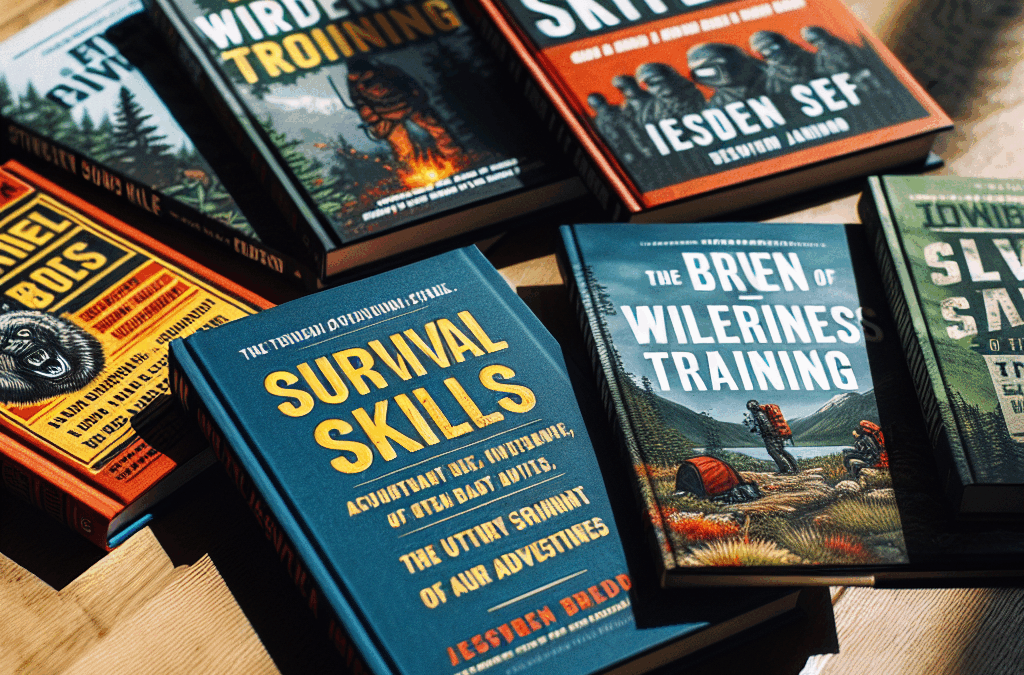
In my early days of adventuring outdoors, one thing stood out: you gotta know where you are. It sounds basic, but understanding your environment is critical for survival. Reading books like “SAS Survival Handbook” provides insights into various terrains—be it forest, desert, or tundra. You learn to recognize edible plants and dangerous wildlife.
Another essential skill is understanding weather patterns. Watching clouds can be your first clue to an incoming storm. The more you know this stuff, it becomes second nature. You’ll be amazed at how the weather isn’t just about checking your phone app anymore.
Lastly, map reading might feel outdated with GPS around, but trust me, it’s a life-saver. Books with practical exercises can really help hone this skill, teaching you how to navigate even when your devices fail you.
Fire Crafting and Management
If there’s one thing that changes the wilderness game, it’s fire. I remember trying to start a fire for the first time—it felt like a rite of passage. Books like “The Ultimate Guide to Wilderness Living” break down various methods, from using flint and steel to modern fire starters.
Learning about different tinder materials and how to gather them can really amp up your fire-starting success rate. Many authors include practical tips that you’ll wish you had when your lighter is nowhere to be found.
Lastly, fire management isn’t just about starting one; it’s about maintaining and using it correctly. You don’t want to be the person causing a forest fire! Understanding the fire triangle—heat, fuel, and oxygen—enables you to control your fire effectively.
Building Shelter
Building a shelter can mean the difference between life and death in survival situations. I love reading survival books that emphasize using natural resources creatively. For instance, “Outdoor Survival Skills” talks about constructing various types of shelter like lean-tos and debris huts.
The critical part here is location. When selecting a spot for your shelter, you’ll want to avoid low-lying areas prone to flooding and consider wind direction. Every survival expert has a favorite tip—mine is always to build near a water source while ensuring it’s safe.
Finally, your materials matter. Finding the right local wood or foliage can significantly improve your shelter’s durability. Books often detail this, guiding you on the best materials based on your environment.
Food Gathering Skills
Hunting and Trapping
When it comes to self-sufficiency, understanding how to hunt and trap is key. I recall my first attempts at tracking animals; it was frustrating yet exhilarating. Books such as “Trapping and Gathering” break down techniques in a way that make it accessible for beginners, including tips on how to set traps effectively.
It’s fascinating to learn about animal behavior, too. Each species has a pattern that you can exploit. Being patient, watching and understanding these habits can help you significantly increase your success while hunting.
Before heading out, you’ll want to get familiar with your local regulations. Remember, ethical hunting and trapping are just as important as technique and skill. Books that cover these topics are invaluable for any aspiring survivalist.
Foraging for Edibles
Foraging has always been an interest of mine, and it’s surprisingly accessible with the right resources. A great book like “Edible Wild Plants” offers illustrations and descriptions of plants you can find in various environments. It’s a game-changer when you need food in the wild.
One thing I learned the hard way is to never eat something unless you’re 100% certain of its identity. There are dangerous look-alikes out there, and being able to identify them can save you from a nasty situation.
Another handy trick? Try to forage seasonally. Different plants will be available at different times of the year. Books often discuss seasonal cycles, which can help you plan your expeditions for maximum bounty.
Fishing Techniques
Fishing is one of the more relaxing yet rewarding survival skills. I remember the first fish I caught; it boosted my confidence like nothing else! Essential reading includes “The Total Fishing Manual,” which provides insights on best practices, gear, and local fish species identification.
Understanding local regulations is just as crucial. Many areas have guidelines on what you can catch and sizes you can keep. This is often emphasized in fishing guides and can prevent legal headaches.
Lastly, mastering different fishing techniques, from fly fishing to netting, broadens your skill set. Each method has its unique benefits depending on your situation, and reading more about them can prepare you mentally when the time comes to get your catch!
First Aid and Emergency Response
Basic First Aid Skills
First aid skills are paramount in survival scenarios. I can’t stress enough how beneficial it is to know basic procedures for cuts, sprains, and burns. Books like “The Survival Medicine Handbook” are excellent for this, combining practical info with medical insights.
One of my go-to techniques is the R.I.C.E method for injuries: Rest, Ice, Compression, Elevation. Simple as it may sound, following this can make a significant difference in recovery.
Learning how to build a basic first aid kit is also covered in many survival manuals. Having the right supplies can be a real lifesaver when you need them the most.
Dealing with Emergency Situations
Sometimes, even with preparation, funk happens! Books that tackle emergency management offer insights on how to keep calm and act swiftly. Developing a plan of action is often emphasized—something I wish I had earlier in my outdoor experiences.
Communication is vital, especially when you have companions in a survival situation. Knowing how to send distress signals or even just a local emergency number can help save lives.
Practice makes perfect. Over time, scenarios can become less daunting through role-playing or simulations, which many books recommend for honing your quick reaction skills.
Mental Resilience Techniques
Survival is as much mental as it is physical. Trust me when I say the headspace you bring to a tough situation can be the difference between giving up and pushing through. Books like “The Gift of Fear” emphasize the importance of trust in your instincts, which is something I’ve learned from experience.
Visualizing success can be a powerful motivator. A solid mindset can see you through major challenges, and survival books often share techniques from sports psychology to enhance this aspect.
Lastly, connecting with nature can be a way to maintain mental balance. Spending time in natural settings has shown to improve overall well-being, which many authors nod towards in their writings.
FAQs
What are the best books on survival skills?
A good starting point includes “SAS Survival Handbook,” “Outdoor Survival Skills,” and “The Survival Medicine Handbook.” These books cover a wide range of survival topics in great detail.
How do I start learning survival skills?
Diving into books is a fantastic start! Consider joining local survivalist groups or taking workshops to get hands-on experience. Practice makes perfect.
Are survival skills difficult to learn?
They can be challenging at first, but with patience and practice, you’ll find them more manageable. The key is to start small and build your knowledge over time.
Can survival skills be learned through online resources?
Yes, there are many online courses and instructional videos! While they can be helpful, I recommend combining that with reading and in-person experiences for full understanding.
Why are mental resilience and attitude important in survival skills?
Your mental state influences your decision-making and ability to cope with stress. The right mindset enables you to stay focused, make sound choices, and increase your chances of survival.
by Preparation | Aug 3, 2025 | Preparedness
*Introduction: The Importance of Being Prepared**
In an unpredictable world, emergencies can strike without warning. Natural disasters, power outages, or sudden evacuations remind us that being prepared isn’t just a good idea—it’s essential. Having an emergency go-bag at the ready can mean the difference between chaos and calm when crisis strikes. This bag is your lifeline in tumultuous times, packed with supplies to help you navigate through unforeseen circumstances.
*What is an Emergency Go-Bag?**
An emergency go-bag, also known as a bug-out bag or 72-hour kit, is a portable collection of essential items designed to sustain you and your loved ones during the critical first few days after an emergency occurs. It should be lightweight yet comprehensive enough to provide for basic needs until you can reach safety or access additional resources.
*Essential Supplies: The Foundation of Your Go-Bag**
While the specifics may vary based on individual requirements and potential risks in your area, there are several core items that form the foundation of any effective go-bag.
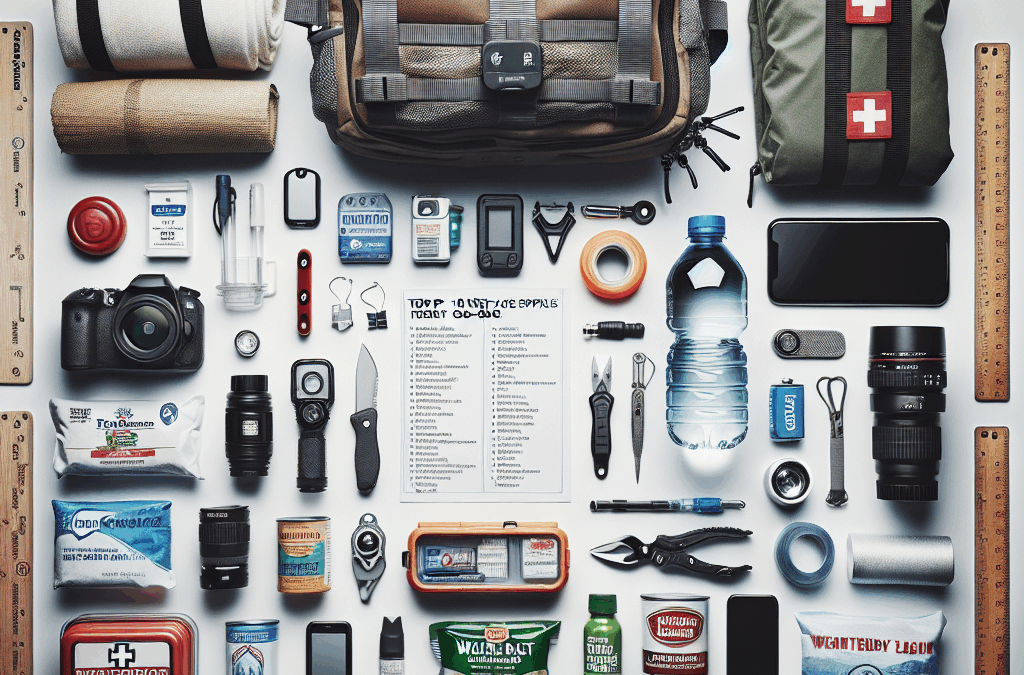
*Top 10 Must-Have Supplies for Your Emergency Go-Bag**
1. **Water:** Aim for at least one gallon per person per day for three days. Hydration is non-negotiable.
2. **Non-Perishable Food:** Pack energy-dense snacks like granola bars, canned goods, or freeze-dried meals that don’t require cooking.
3. **First-Aid Kit:** A well-stocked kit should include bandages, antiseptics, pain relievers, and any personal medications.
4. **Flashlight:** A reliable flashlight with extra batteries will illuminate dark paths during power outages.
5. **Multi-Tool:** A versatile multi-tool can assist in numerous situations—from opening cans to making repairs.
6. **Emergency Blanket:** Lightweight and compact; it retains body heat while taking up minimal space in your bag.
7. **Whistle:** Used to signal for help if you’re separated from your group or lost—its sound carries far!
8. **Maps and Compass:** While technology may fail during emergencies, traditional navigation tools remain invaluable.
9. **Personal Hygiene Items:** Consider including wipes, hand sanitizer, toothbrushes, and tissue to maintain sanitation.
10. **Cash:** In emergencies where card systems might be down, having cash on hand could be crucial.
*Bonus Items: Going Beyond the Basics**
If space allows, consider adding items like a portable phone charger (solar-powered if possible), local contact information for family members or friends outside affected areas, duct tape for quick repairs, and even a small camping stove for cooking food under challenging conditions.
*Customizing Your Go-Bag for Family Needs**
Every family has unique needs; thus customizing your go-bag is vital! For families with children or pets, include child-friendly snacks and toys to keep spirits high or pet food and leashes to ensure their comfort during uncertain times.
*Tips for Organizing Your Go-Bag Efficiently**
Use clear containers or zippered bags within your go-bag to categorize supplies—first-aid kits together, food items consolidated separately—to streamline access during crises when every second counts!
*Maintenance: Keeping Your Go-Bag Ready**
Regularly inspect your go-bag at least twice a year. Check expiration dates on food and medications; refresh water supplies as needed to ensure everything remains fit for use when required most urgently.
*Scenario-Based Packing: Tailoring Your Go-Bag for Specific Emergencies**
Consider potential threats specific to your region—earthquakes might necessitate different gear than hurricanes! Adjust contents accordingly so you’re fully equipped based on probable scenarios affecting you directly.
*Conclusion: Take Action Today for a Safer Tomorrow**
Being prepared isn’t merely about gathering supplies; it’s about cultivating confidence amid uncertainty. Take action today by assembling your emergency go-bag—your future self will thank you later! Remember: preparedness isn’t just a plan; it’s peace of mind wrapped up in practicality!
by Preparation | Aug 3, 2025 | Preparedness
Hey there, fellow adventurers! If you’re anything like me, the great outdoors calls to you like a siren song. But before you set off on your next epic journey, there’s one crucial set of skills you have to have under your belt—navigation. I can’t tell you how many times I’ve been out there trying to find my way back home, and let me tell you, those moments can be a little scary. That’s why I want to share some essential navigation skills that will help keep you safe and oriented. Buckle up, let’s dive in!
Understanding Your Map
The Different Types of Maps
First off, we need to talk about maps. There are plenty out there, but not all of them are created equal. You have topographic maps, which are like the superheroes of the navigation world. They give you a detailed view of the terrain, like elevation and landforms, which is super handy for hiking. Then there are road maps, which are great for driving but won’t help you much when you’re scaling a mountain.
Next, you’ve got digital maps, found on your phone or GPS devices. They’re convenient, but you know what? They can be a bit finicky—like when you’re deep in the woods, and your signal drops. That’s why I always have a paper map as backup. No battery needed, just good old-fashioned paper!
Lastly, let’s not forget about special interest maps, like birding maps or ski trail maps. These can be useful for niche activities, and if you’re really into one particular sport, having the right map can make all the difference. So, choose wisely!
Using a Compass
Getting to Know Your Compass
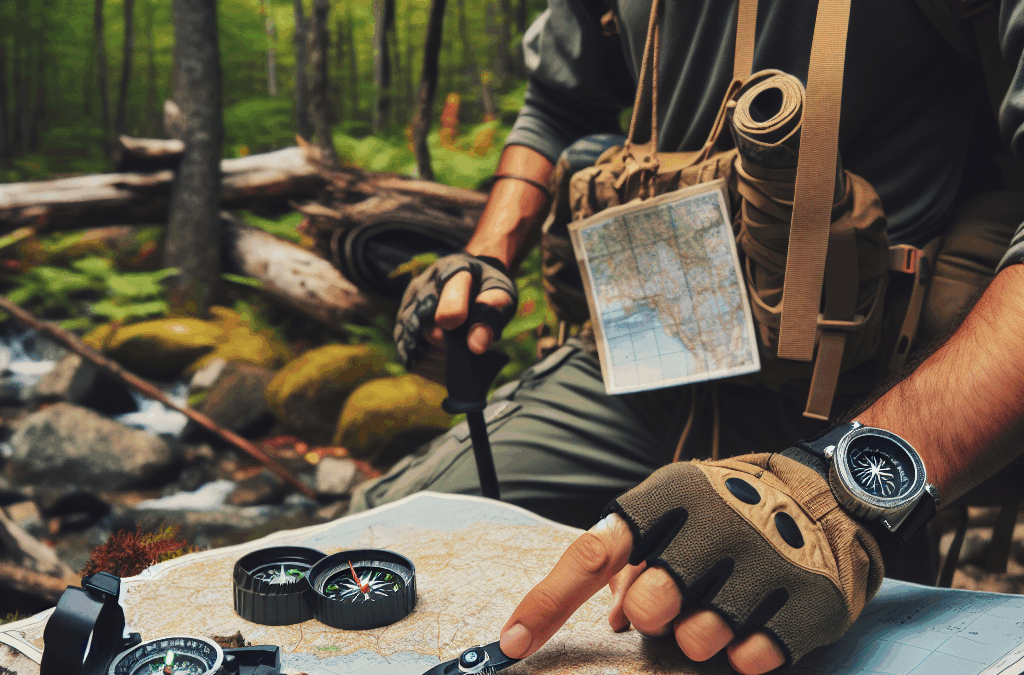
Alright, so now that we’ve got the map down, let’s talk about compasses. This little gadget is a game-changer. First things first, you’ve gotta understand how to read one. Most compasses have a housing, needle, and a baseplate, and they work together to point you towards magnetic north.
But wait, what’s magnetic north? It’s not the same as true north—there’s often a little discrepancy you’ve got to be aware of. This means you’ll want to familiarize yourself with your area’s magnetic declination. You can usually find this info on your map.
And hey, practice makes perfect. I always take my compass out with me, even on short hikes. It’s like a dance; you need to get used to the movement and flow. Trust me, once you get the hang of it, you won’t want to leave home without it!
Reading Terrain
Identifying Land Features
Next up is understanding the land around you. Learning to read the terrain can seriously up your navigation game. Look around! Observing landmarks—like rivers, mountains, or unique rock formations—can help keep you oriented. I often use these as reference points; they’re like the nature version of street signs.
Don’t forget about elevation changes! Climbing up a hill can give you a whole new perspective. I can’t tell you how many times I’ve reached a summit and been able to spot my destination from up there. It’s like seeing a video game map unfold before your eyes.
Lastly, pay attention to the slope of the land. Steep terrain can be tricky and may require different navigation tactics. If you’re planning a tough hike, consult the elevation profile on your map—it’s like a sneak peek at what’s to come. Trust me, it makes a huge difference!
Tracking Your Position
Using Land Navigation Techniques
Now let’s get into tracking your position as you go along. One of my favorite methods is dead reckoning. This means you’re estimating your current position based on your previous position and the direction you’ve traveled. It sounds complex, but it’s really just a simple mental calculation.
Another method I love is terrain association. This is about matching the features around you to your map. If I’m passing by a creek or a specific rock formation, I check if it matches up on my map. This technique can really help keep your bearings straight.
Finally, I can’t stress enough the importance of regularly checking your location. You don’t want to end up too far off-course, especially in unfamiliar territory. A quick glance at your map and compass every now and then can make all the difference in your adventure.
Emergency Navigation Skills
Creating Backup Plans
Alright, let’s get real. Emergencies happen, and it’s always smart to have backup plans. First, I always carry a whistle. If I get lost, a whistle can carry much farther than my voice. Plus, it keeps my hands free for other tasks.
Next, always have a designated meeting point. If you’re hiking with friends and you get separated, knowing where to regroup can save the day. I like to choose a landmark that’s easy to spot and won’t be missed.
Last but not least, practice makes you prepared. Make it a routine to navigate in different conditions—day, night, different weather. The more you expose yourself to various situations, the more confident you’ll become. And trust me, that confidence will serve you well!
Frequently Asked Questions
1. What should I always carry for navigation?
Great question! Always have a map, a compass, and a backup navigation tool—like a GPS or a smartphone app. These three together can cover you in most situations!
2. How do I choose the right map for my trip?
Consider the area you’ll be exploring. Topographic maps are great for hiking, while road maps are better for driving. If you’re heading to a national park, often they provide free maps at the visitor center.
3. What if my compass doesn’t seem to work?
First, check for any metal objects nearby that could distort the needle. If that isn’t the issue, it could be time for a new compass or to recalibrate your current one. Always trust your instincts combined with other navigation tools!
4. How often should I check my surroundings while navigating?
I recommend checking regularly! Every 15 minutes or so is a good rule of thumb. It will help you stay on track and adjust as necessary. Plus, you’ll catch those beautiful views along the way!
5. Can I learn these skills without going into the wilderness?
Absolutely! You can practice in your local park, or even just your backyard. Try using a map and compass to find your way around. The more comfortable you are, the more prepared you’ll be for your next big adventure!
by Preparation | Aug 3, 2025 | Preparedness
Hey there! You know, navigating the world after dark can be a bit daunting, especially when streetlights are few and far between. I’ve had my fair share of nighttime adventures, and over the years, I picked up some cool strategies that can help anyone feel a bit safer. Here are five major tips to keep in mind, based on my own experiences.
Plan Your Route Ahead of Time
Know Your Surroundings
Before stepping out, I like to take a good look at the area I’ll be traversing. Familiarizing myself with the streets, alleys, and shortcuts can make all the difference. If there are areas I consider dodgy or poorly lit, I’ll avoid them like the plague. It’s all about knowing, right?
It might sound excessive, but sometimes I even scout these routes during the day. By doing this, I can spot landmarks or safe havens, like shops or the odd house with lights on. It really helps build my confidence when I’m moving about at night.
If you’re heading out somewhere new, I recommend using apps or maps to help plan your route, highlighting any spots to steer clear from. It’s no fun getting lost in the dark!
Check for Safe Zones
Safe zones can be anywhere that feels welcoming and secure—think well-lit areas like gas stations, convenience stores, or the front steps of busy houses. Knowing where these spots are can provide a quick escape route if you need to change course.
I’ve found that it really helps to mentally note these spots as I walk. It gives me a sense of control and makes those dark moments feel, well, a little less scary. Trust me, having a plan in your back pocket is a game changer!
Also, if the area is new to you, don’t hesitate to ask locals about safe zones. They often have good insights and can steer you towards the best routes. Community is often more important than we realize, especially at night.
Use Technology Wisely
Now, I’m a huge fan of tech, so I can’t stress enough how helpful my phone’s navigation can be when it’s dark. Having a reliable app that gives turn-by-turn directions can keep you from making wrong turns in poorly lit spots.
Another smart move is using your phone’s flashlight. It’s like carrying a miniature streetlight! I keep my phone charged and ready; a small light can help illuminate uneven pavements or even deter a potential threat.
Lastly, sharing your location with a trusted friend can be a tremendous safety net. Let them know when you’re on the move, and they’ll feel more at ease, too. Nothing builds trust like keeping those in your circle informed!
Walk With Purpose
Stay Aware of Your Surroundings
When walking in the dark, I can’t stress enough the importance of being aware of my surroundings. This means not getting glued to my phone or wearing headphones. Sure, I love my tunes, but staying alert is far more important at night.
Each time I’m out, I try to notice small details, like if there are any unusual sounds or people lingering about. It may sound overly cautious, but even a slight change can signal a need to reassess my surroundings.
When I feel the tension in the air or see something odd, I instinctively adjust my body language to appear more confident. It’s funny how often that alone can shift things in my favor. Sometimes, it’s all about projecting strength!
Keep Your Body Language Confident
One of the tricks I’ve learned is the importance of confident body language. Standing tall and walking with purpose can actually deter unwanted attention. I try to keep my chin up and shoulders back, which not only portrays confidence but also makes me feel more secure.
When I encounter others while walking, I’ll make eye contact. Not in a confrontational way, but in a way that shows I’m aware of them. People often pick up on this and tend to be less likely to mess with you when they know you’re alert.
Body language can communicate a lot! I even practice my “power poses” when I’m at home, just to instill that sense of confidence in myself. It’s all about mindset, my friends.
Travel with a Friend
Whenever possible, going out with someone else is one of my favorite tips! There’s something about having an ally that eases the nerves and enhances safety. Plus, it can be a lot more fun to share experiences with someone else.
If my friend and I are heading out, we always chat about our plans and keep each other aware of our surroundings. It’s less about just feeling safe and more about having each other’s backs, you know?
Honestly, there’s a sense of comfort in numbers. We often find ourselves looking out for potential hazards, which makes the journey way more enjoyable and less stressful! Never underestimate the power of companionship.
Dress to Be Prepared
Wear Reflective or Bright Clothing
I can’t tell you how pivotal it is to wear bright or reflective clothing when heading out at night. I’ve made it a habit to sport something noticeable, especially if I’m walking near car traffic. It’s one of those little choices that can make a huge difference!
Last winter, I bought a reflective vest for my evening walks. I felt like a safety superstar turning heads, but honestly, I felt safer knowing drivers could actually see me. It’s worth every penny if it means being visible!
Remember, it’s not about being fashionable; it’s about being smart. Choose clothes that stand out, especially if the area you’re walking through is dimly lit.
Choose Comfortable, Sturdy Shoes
Comfortable shoes are a must! I’ve been in too many situations where I regretted my choices. Whether you’re sprinting away from a situation or just walking a few miles, make sure your footwear won’t let you down.
I’ve opted for shoes with good grips and sturdy soles since they’d not only keep me comfortable but help navigate tricky terrains. I’ve tripped on uneven sidewalks all too often to know that is vital!
It might sound trivial, but taking those extra minutes to choose wisely can save a lot of hassle when you’re feeling the pace after sunset.
Carry Essential Gear
Last but not least, I always carry a small bag with essential gear when I head out at night. A mini first-aid kit, a portable phone charger, and a small flashlight are my go-tos. You never know when you might need them!
I’ve been in situations where a tiny flashlight saved me from tripping or worse. I even consider my pepper spray a part of my nighttime essentials—just a small deterrent that provides peace of mind while walking alone.
Make it easy on yourself by choosing a compact bag that’s light but functional. This will make you feel prepared and safer during those dark ventures.
Trust Your Instincts
Listen to Your Gut
This is a big one! I’ve learned time and again that my gut feelings are usually spot on. If something doesn’t feel right—a person, a sound, or even a street—I trust that inner voice more than anything!
There have been times when I’ve felt uncomfortable and chose to change my course. It’s better to be safe than sorry, right? Listening to your instincts is a fundamental part of staying safe.
Sometimes, this might mean avoiding certain paths altogether or seeking immediate company. Never hesitate to act on those feelings; they’re there for a reason!
De-escalate When Necessary
If I find myself in a tense situation, I’ve learned a few tricks to de-escalate. I focus on staying calm and keeping my voice steady. Often, my calm demeanor can influence the mood around me—people respond to energy!
Also, avoiding direct confrontation is usually a smart approach. Sometimes, simply changing the subject or walking away can diffuse tension. I’m not about proving something; I just want to get home safe.
Having strategies like these has really set my mind at ease. Practicing calm communication helps not just in the moment but builds my confidence for future encounters too.
Know When to Seek Help
There’s absolutely no shame in seeking help if you feel threatened or in danger. If I notice someone is lingering a bit too long near me, I don’t hesitate to approach a nearby shop or even flag down someone for assistance.
I’ve often found that just being loud and drawing attention can sometimes deter unwanted attention as well. People are programmed to notice when someone’s in distress. I’ve had moments when a simple shout has helped to solve potential issues.
Don’t forget: you’re not alone in this! There are so many people around who can lend a hand. Never hesitate to reach out, even if it’s to simply share your fears with someone who looks supportive.
Frequently Asked Questions
1. What should I do if I feel unsafe while walking?
If you feel unsafe, trust your instincts. Change your route, head to a well-lit public area, or seek help from others around you. Always prioritize your safety and don’t hesitate to call for assistance.
2. How can I prepare for walking at night?
Plan your route ahead of time, wear bright or reflective clothing, and ensure you have a charged phone and essential gear like a flashlight. Staying aware and confident is key.
3. Is walking alone at night dangerous?
It can be, particularly in poorly-lit or unfamiliar areas. It’s important to stay aware, trust your gut, and follow the strategies outlined in this article to enhance your safety.
4. What if I notice someone acting suspiciously?
Trust your instincts and avoid engaging. If you feel particularly threatened, seek help immediately and consider contacting authorities if necessary. Always put your safety first.
5. How important is body language when walking at night?
Very important! Confident body language can deter potential threats. Walk with purpose, make eye contact with others, and be aware of your posture to avoid appearing vulnerable.




