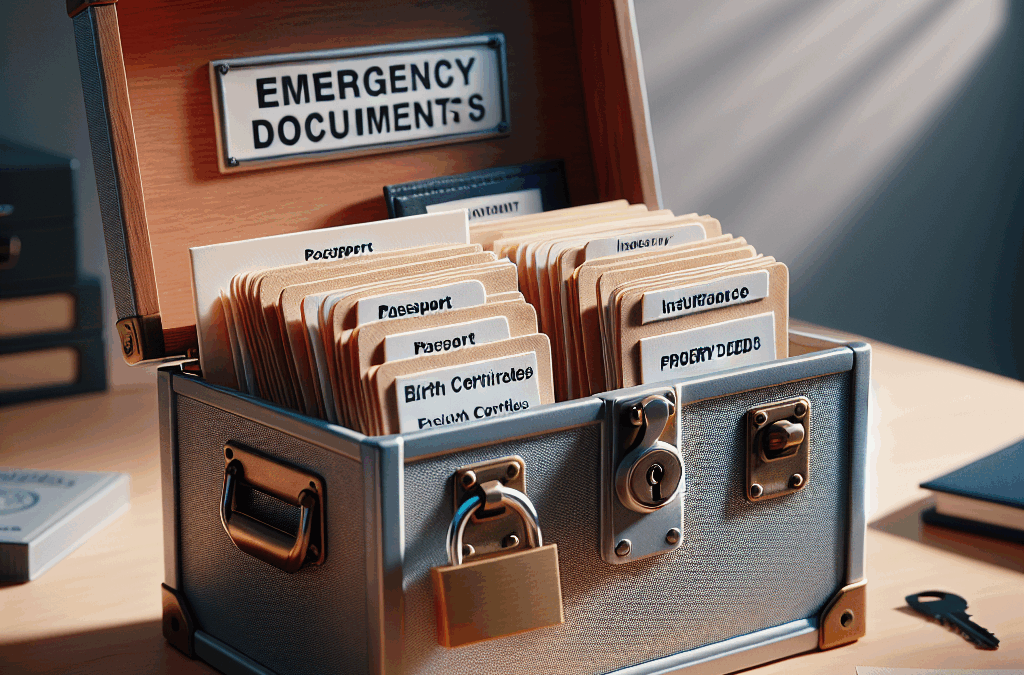
When I first thought about storing emergency documents, I had to figure out what was truly essential. It’s not just about what’s important to me, but what I’ll need in a pinch. Think about your identification, medical records, and financial information. These are the cornerstone of your emergency document collection.
Next, consider any legal documents like wills or property deeds. Each one plays a vital role when you’re in a crisis. It’s easy to overlook these, but getting caught without a will or proof of ownership can complicate matters when the unthinkable happens. So, make a list of everything that’s critical for your immediate safety and future peace of mind.
Don’t forget personal contacts too! I find it incredibly useful to have an emergency contact list. Make sure this includes family, friends, and even important service providers. You never know who might need to step in when you’re caught off guard, and having this info easily accessible can save you a lot of stress.
Choosing the Right Storage Method
Diving into Physical Storage Options
Okay, so you’ve figured out what documents to store. Now, how do you actually keep them safe? The first choice is physical storage. I personally use a fireproof safe at home. This helps keep my important documents safe from theft and potential disasters like fires.
For documents that I don’t need to access daily, I prefer filing them away neatly in labeled folders. Honestly, nothing beats the feeling of knowing everything is in its place. Plus, if someone else needs to find something in an emergency, it’ll be a breeze for them.
Another handy trick I’ve learned is to keep an emergency document kit in my car. You never know when you might be out and need access to your important papers. Having a portable solution has definitely come in handy for me more than once.
Digital Storage Solutions
The Power of Cloud Storage
In today’s tech-savvy world, I can’t recommend digital storage enough. Cloud storage has been a game changer for me. It’s as easy as uploading scans or photos of my important documents. Plus, I love being able to access them from anywhere, which is super reassuring when you’re on the go.
While I enjoy the convenience, I also make sure that I use a reputable and secure cloud service. Trust me, you don’t want to find out the hard way that your documents were compromised! Always look for services that offer encryption and strong password protection.
To be even more secure, I also keep a backup on an external USB drive. This allows me to have a secondary option if everything else goes south. You can never be too careful, right?
Regular Backups and Updates
Keeping Things Fresh
Something I’ve learned through the years is how crucial it is to regularly back up and update my documents. I set a reminder for myself every six months to check in on my document storage. I ask myself if anything’s changed. Have I moved? Did I get a new job? Did someone in my family get married? All these little life changes could absolutely impact the documents I need to have on hand.
It’s also important to replace any documents that may have expired. I can’t tell you how many times I’ve had to scramble to get a new driver’s license or update my health insurance papers. Making this a routine can save you from a boatload of hassle when something unexpected comes up.
Lastly, don’t forget to delete any documents you no longer need. It’s surprising how much clutter can accumulate over the years. Regularly purging unnecessary documents will help keep your collection manageable and relevant.
Sharing Important Information
Telling Trusted Family and Friends
Once I’ve organized everything, the next step I take is to let a few trusted family members know where my documents are stored. This might seem like a no-brainer, but you’ll be amazed at how often people don’t think to share this crucial information with those who may need it in an emergency.
When I share, I usually explain which documents are where, and why they’re important. For example, if something were to happen to me, I want my partner to know where to find my will and insurance info without any hassle.
It can feel awkward at first, but trust me, you’ll feel much more at ease knowing your loved ones are in the loop. Plus, it opens up conversations about emergency planning – it’s a win-win situation!
FAQ
1. Why is it important to store emergency documents properly?
Storing emergency documents properly ensures they are safe from loss, theft, or damage. It allows for quick access during stressful situations, helping to preserve your peace of mind.
2. What types of documents should I prioritize?
Prioritize essential documents like identification, medical records, legal documents (like wills), and emergency contact lists. These are critical in emergencies.
3. How often should I update my stored documents?
I recommend updating your documents at least every six months. This helps ensure that everything remains relevant and accurate based on your life changes.
4. Is it safe to store documents digitally?
Yes, but make sure you use reliable cloud services that provide encryption and strong security measures. A backup on a USB drive is also a wise choice!
5. Who should I share my document storage information with?
Share your storage information with trusted family members or friends who may need access in an emergency. This can make a significant difference in a crisis.
Let me tell you, a multi-tool is like having a toolbox right in your pocket. These little gadgets can open everything from a bottle of wine to more serious repairs around the house. I’ve had moments where I needed to make quick fixes, and my multi-tool came to the rescue. It’s like a secret weapon against minor issues!
With different attachments like pliers, knives, and screwdrivers, a multi-tool can cover so many situations. I’ve used mine not just in emergencies but also during outdoor adventures. Whether I’m camping or doing some DIY at home, this tool is always in my bag. It’s practical and easy to carry, making it a must-have for emergencies.
When you’re in a tight spot, having the right tool can make all the difference. I remember one camping trip where my tent broke, and I could fix it on the spot because I had my trusty multi-tool. Always be prepared, and trust me, you won’t regret carrying one.
Emergency Repairs
Have you ever been in a situation where something broke unexpectedly? It’s stressful, right? With a multi-tool, you can often fix small problems on the fly without needing to call a repairman. I once fixed a leaky faucet just because I had the right bit available—it felt so rewarding!
Not only does it save money, but it also gives you a sense of accomplishment. You’ll learn how to fix simple things, which can be empowering—especially when an emergency hits. Think of all the scenarios where quick thinking and a little tool can save the day!
Plus, it’s a fantastic conversation starter. I’ve impressed a few friends by pulling out my multi-tool and doing some quick repairs at a gathering. It seems trivial but could spark an interest in being self-sufficient!
Safety First!
A multi-tool can also double as a safety device. Some come with features like a glass breaker or seat belt cutter, which may not seem useful in everyday life but become crucial during an emergency. I had one of my friends save another in a car crash using the glass breaker feature. You just never know when these tools come in handy.
Having a multi-tool makes me feel secure. I always keep one near me, so I’m ready for those unexpected accidents. Whether at home, in the car, or out on the trail, knowing that I have a multi-tool just feels right.
So, make it a habit to invest in a good multi-tool. You won’t just own another gadget; you’ll be equipping yourself for unforeseen circumstances without breaking a sweat!
2. Flashlight: Illuminating Your Path
Why Every Home Needs a Flashlight
You’d think a flashlight is just a basic item, right? But let me tell you, it’s one of those essentials that you’ll depend on more than you can imagine. Any time there’s a power outage or if you’re out camping and night falls upon you, having a flashlight is crucial. It’s like a beacon of hope in the dark!
A reliable flashlight can help guide you through unexpected scenarios. I’ve had nights where some storm or an accident led to a blackout, and fumbling around in the dark didn’t help anyone. Grabbing my flashlight made all the difference. You can never underestimate the reassurance that a strong light can provide!
And let’s not forget about all those nifty flashlight designs out there. Some are compact, others are super bright, and there are even those that can charge your phone! Sounds like a good deal, right? Look for one that fits your lifestyle and keep it charged and handy.
Choosing the Right Flashlight
When shopping for a flashlight, consider how you plan to use it. Will it be for home emergencies, camping, or just keeping in the car? I remember I once bought a super small flashlight that I thought was cute, but it was useless in emergencies because it barely lit up the room! Choose one with a good lumen count to give you visibility during tough situations.
If you’re into camping, I recommend a rugged, waterproof version. I’ve had mine for years, and it’s survived rain, dirt, and all kinds of bumps in the road. It’s also essential to keep easy access in mind—having it in a place that’s easy to reach during an emergency can be lifesaving.
Ultimately, a flashlight isn’t just about having a light source; it’s about preparing for the unpredictable things life throws at you. And let’s be real, it’s a relief to feel ready when the lights go out!
Keeping Your Flashlight Ready
It does you no good to have a killer flashlight if the batteries are dead, right? So, make it a habit to regularly check and replace the batteries. I’ve been caught off guard before when I thought I was good to go, only to find my flashlight dead at the worst possible moment! Lesson learned.
Store your flashlight in an easy-to-find location, and keep a stash of extra batteries nearby. Sometimes I even keep a small solar-powered charger for my flashlight—it’s not big and bulky, and keeps that light shining bright!
With a bit of maintenance, your flashlight will serve you well when it counts. It’s one of those simple yet effective home essentials that should never be underestimated. So do your future self a favor and take flashlight upkeep seriously!
3. Duct Tape: The Ultimate Fix-It Tool
Why Duct Tape is a Game-Changer
Ah, duct tape! Seriously, this stuff seems to have magical properties. There’s hardly a problem it can’t fix—from patching up holes in walls to making quick fixes on camping gear. I can’t even count how many times I’ve relied on this miracle tape when things just went south around the house or while out and about.
It’s not just about fixing things but also about being innovative. I’ve met folks who’ve done some pretty creative things with duct tape, like making wallets, raincoats, and even DIY projects for kids! Plus, it’s cheap and available pretty much everywhere.
Every time I go somewhere, I try to throw a roll in my bag. It’s light and compact, making it easy to carry around. You just never know when a bit of tape might save the day. Think of it as your trusty sidekick for life’s little emergencies!
Emergency Repairs
When something breaks, duct tape can be your best friend. I once had a camping trip ruined because my chair broke and I thought I’d be sitting on the ground for the whole time, but nope! A few pieces of duct tape held it together for the rest of the night. Just imagine how grateful I was when I could relax by the fire instead of sitting in the dirt!
You’d be surprised how many household problems duct tape solves. Leaky pipes, broken furniture, and even those pesky electronics that decide to act up. It’s such a go-to fix! Just remember that it’s best for temporary repairs—so don’t think it’ll permanently fix your kitchen sink, okay?
Next time you’re in doubt about a broken item, give duct tape a shot. Worst case? You’re left with some tape residue. Best case? You just bought yourself enough time to find a proper replacement or fix!
Creative Uses for Duct Tape
Not only can you use duct tape for emergencies but also for small everyday tasks. I once fixed a friend’s broken sandal with duct tape, and let me tell you, we were the life of the party after that. It matched the creative spirit of the night!
Beyond repairs, I’ve seen people use duct tape to create all sorts of crafts, which can be a fun activity to do with family or friends. Sometimes I get bored and just explore DIY projects with what I have—it’s handy, and it’s fun!
So go ahead and embrace the versatility of duct tape. It’s surprisingly effective and has that “I can fix anything” vibe. Trust me; every home deserves a roll or two of this stuff!
4. First Aid Kit: Be Prepared for the Unexpected
The Essential Components of a First Aid Kit
A well-stocked first aid kit is like the insurance policy for your home! It’s crucial that you have one easily accessible. We can’t always predict when an accident will happen—trust me, I’ve had my fair share of small mishaps!
Your first aid kit should contain essentials like band-aids, antiseptic wipes, gauze, and pain relievers. I even keep my kit stocked with burn cream and itch relief, just in case of unexpected cooking accidents or bug bites. It’s all about being ready for whatever comes your way!
Don’t be the person who runs around looking for a band-aid when someone else is hurt. Having it all in one kit saves time and, let’s be honest, can be a bit of a lifesaver during small emergencies.
Regular Maintenance of Your Kit
It’s essential to review your first aid kit regularly. You don’t want to be in the middle of an emergency only to realize your supplies are expired or depleted. Every few months, I take mine out to make sure everything’s up to date. It takes just a few minutes and could save a lot of trouble later.
Add personal medications as needed, especially if someone in your household has specific needs. Make sure to include anything that caters to allergies or particular health conditions. It’s about being comprehensive and thoughtful for whatever might come up.
Keeping your first aid kit stocked is like a way of saying, “I care.” It shows that you are responsible and ready to handle minor crises, and there’s no greater comfort than knowing you are prepared.
Educate Yourself and Others
Knowing how to use the items in your first aid kit is just as vital as having them. There’s no point in having a bandage if you don’t know how to apply it correctly! I suggest taking a basic first aid course if you haven’t already. It can be a fun group activity or an important lesson in personal safety.
Involve your family too! Teach your kids where the kit is and basic first aid techniques like cleaning and bandaging a wound or recognizing the signs of something more serious. It not only empowers them but also builds confidence.
The more you know about first aid, the better your response will be in emergencies. It’s about building a safety net for yourself and those you care about. Be that person who’s ready to take action when others freeze in panic!
5. Water Storage: Essential for Survival
Why Water Supplies Are Critical
Water is essential to life! I always keep a stash ready at home, not only for drinks but also for emergencies. When natural disasters hit, you might be cut off from your regular supply. Having water stored means you’re prepared for anything!.
Ideally, you should have a minimum of one gallon per person, per day, for at least three days. It’s easy to underestimate, but trust me, once you realize how much you need, you’ll wonder why you didn’t stock up sooner. Plus, you never know when guests might come over!
I personally use large containers or even specialized water storage kits. They’re easy to fill, store, and last quite a while if done properly. Staying hydrated is key in emergencies, and you don’t want to take any chances.
Prep Your Storage Space
Before you start filling up your containers, find an appropriate storage spot. It should be cool, dark, and free from any contaminating factors. I keep mine in a closet where they aren’t in the way yet are easily accessible when needed.
Keep in mind to rotate your water supply every few months to ensure it remains fresh. I like to label my containers with dates so I know when they need to be changed out. It’s a small effort but goes a long way on that refreshing drink!
Store your water in food-grade containers specially made for water storage. Using other containers can sometimes lead to unwanted debris or contamination. Safety first, right?
Making Water Storage Part of Your Routine
Incorporating water storage into your routine should feel natural. I mean, it should become a no-brainer for you over time! Schedule water checks on your calendar, ensuring you’re always prepared for a rainy day (or rather, a dry one).
Also, consider investing in purification tablets or systems, so in cases that you need to drink from untrusted sources, you’re covered. Being self-sufficient gives you peace of mind. Let’s face it; it’s a great feeling to know you can get through a tough situation without relying on others.
Make hydration a priority. It’s a survival basic, and knowing you have a foolproof backup plan takes some pressure off during emergencies. So prep that water stash—you’re going to thank yourself later!
FAQs
1. What should I include in my multi-tool?
A well-rounded multi-tool should have pliers, various screwdriver heads, a knife, and scissors. Some models even come with bottle openers or can openers!
2. How often should I check my flashlight batteries?
I recommend checking your flashlight batteries every three months and replacing them if they’re weak or expired. You don’t want to get stuck in the dark!
3. Can duct tape be used for emergency repairs?
Absolutely! Duct tape is perfect for quick fixes, but remember it’s best for temporary solutions until you can make proper repairs.
4. How often should I restock my first aid kit?
Make it a habit to restock your first aid kit every six months. Check for expired items regularly and ensure you have enough supplies for unexpected situations.
5. What’s the best way to store water for emergencies?
Store water in food-grade containers in a cool, dark place. It’s also a good idea to label them with dates to ensure freshness!
This article is designed to provide practical knowledge and enhance your understanding of home essentials that can double as emergency gear, written in a friendly and engaging tone. Each section covers key elements with a personal touch, sharing relatable insights while teaching essential preparedness strategies.
One of the first steps I always take during a crisis is to acknowledge what’s happening. Ignoring or downplaying a situation doesn’t help anyone. It’s crucial to face the reality, even when it feels overwhelming. I’ve found that by genuinely recognizing the crisis for what it is, I can better prepare myself mentally and emotionally.
Every crisis is unique, so it helps to analyze the specifics. Is this an economic downturn, a personal setback, a global pandemic? Each scenario demands different responses and strategies. Writing down what’s going on has helped me put my thoughts in order and see the bigger picture. It’s not just about the immediate chaos; it’s about understanding how it affects my life.
I also recommend talking it out with someone. Sometimes, just voicing my concerns or fears can clarify my thoughts and help me stay grounded. Having a friend or mentor to bounce ideas off can provide perspective and reassurance, reminding you that you are not alone in this struggle.
Prioritize Your Tasks
Creating a Simple To-Do List
When a crisis hits, everything can feel like it demands immediate attention. To combat that chaotic feeling, I turn to my trusty to-do list. I jot down tasks not just for today but for the week ahead. This gives me a roadmap to navigate through the storm. I like to categorize my tasks based on urgency and importance—helps me make sense of what really needs my focus.
Once I have my list, I tackle the high-priority items first. This approach ensures that I’m addressing the most critical issues while avoiding the trap of getting lost in the minutia. Keeping it simple allows me to feel accomplished while still making progress, something that’s crucial in times of uncertainty.
And let’s be real—don’t forget to reward yourself for completing tasks! Whether it’s taking a break to enjoy a cup of your favorite coffee or indulging in a binge-worthy show for a bit, celebrating small wins keeps my spirits up during tough times.
Stay Informed but Not Overwhelmed
Finding Reliable Sources
During a crisis, information is king. However, too much information can be overwhelming and paralyzing. I’ve learned that it’s essential to seek out reliable sources and stick with them. This way, I can stay updated without getting lost in a sea of conflicting reports that only add to my anxiety.
It’s also a good practice to set boundaries on my news consumption. Personally, I limit my news updates to once or twice a day. I find that scrolling through endless updates on social media does more harm than good, so I try to tune into specific news outlets instead. This helps me gather the facts I need without spiraling into stress.
Lastly, I make sure to balance staying informed with taking breaks from the news. Those moments away from the chaos are incredibly important to recharge and gather my thoughts. Sometimes, stepping away is the best way to maintain clarity and perspective.
Practice Self-Care
Mindfulness Techniques
In the midst of a crisis, it’s easy to forget about yourself. That’s why I prioritize self-care now more than ever. I’ve found that practicing mindfulness through meditation or deep breathing exercises brings a sense of calm that is absolutely necessary during tumultuous times. Even just a few minutes can clear my mind and help me regain focus.
I’ve also started incorporating some light exercise into my routine. Whether it’s a brisk walk around the neighborhood or a quick yoga session, moving my body releases endorphins and elevates my mood. It’s amazing how physical activity can shift my perspective, making challenges seem a bit more manageable.
And let’s not forget about the importance of sleep! During crises, I often find my sleep patterns disturbed, which only adds to my stress. So, I dedicate some time to create a relaxing bedtime routine, like reading or gentle stretching, to ensure I get quality rest.
Connect with Others
Building a Support Network
Lastly, I can’t stress enough the value of connection. Isolation can really weigh on me during tough times. That’s why I make an effort to reach out to friends, family, or my community. Sharing my thoughts and experiences can lead to unexpected support and encouragement. Plus, I’ve found that helping others often brings a sense of purpose that lifts me up too.
Joining online forums or local support groups has opened avenues for me to connect with others facing similar experiences. The shared stories foster understanding and empathy, helping combat feelings of loneliness. Sometimes, lending an ear to someone else’s struggles is the most therapeutic part!
So, don’t underestimate the power of simple conversations. A quick chat or coffee with a friend can go a long way in brightening up your day and shifting focus back to a more positive outlook.
Frequently Asked Questions
What should I do first when a crisis occurs?
It’s essential to recognize and acknowledge the crisis instead of brushing it aside. Understand what’s happening and how it affects you before proceeding with any action.
How can I manage overwhelming feelings during a crisis?
Creating a to-do list can help prioritize tasks so you can deal with one issue at a time. Also, don’t hesitate to reach out to someone for support or simply to talk things through.
Is it okay to take breaks from the news during a crisis?
Absolutely! Limiting your news consumption can prevent overwhelm. It’s crucial to stay informed, but taking breaks can help you maintain a clearer state of mind.
What self-care practices do you recommend in times of crisis?
Practicing mindfulness, engaging in physical activity, and ensuring you get enough sleep are key. These elements can significantly bolster your well-being during challenging times.
How can I support others while managing my own crisis?
Fostering connections and being there for others can provide both of you with support. Sharing experiences can help ease the burden and strengthen relationships, which is crucial during tough times.
In an unpredictable world, preparing for emergencies is not just a good idea; it’s a necessity. From natural disasters like hurricanes and earthquakes to man-made crises such as power outages or civil unrest, understanding what could affect your household can save lives. Let’s delve into the essential steps every household should take to ensure safety and readiness.
*Understanding Risks: Identify Potential Emergencies in Your Area**
The first step in emergency preparedness is recognizing the unique risks that lurk in your region. Are you living in an area prone to flooding? Perhaps wildfires are common in your vicinity? Take time to research local hazards—consult your local government website or community resources to compile a list of potential emergencies. Understanding these risks helps you tailor your emergency plan effectively. For example, if tornadoes are frequent, knowing the safest places within your home during such an event becomes critical.
*Building Your Emergency Kit: Must-Have Supplies for Every Household**
Once you’ve identified potential risks, it’s time to assemble an emergency kit. This kit should be easily accessible and contain all necessary supplies to sustain your family for at least 72 hours without external assistance. Key items include:
1. **Water:** One gallon per person per day.
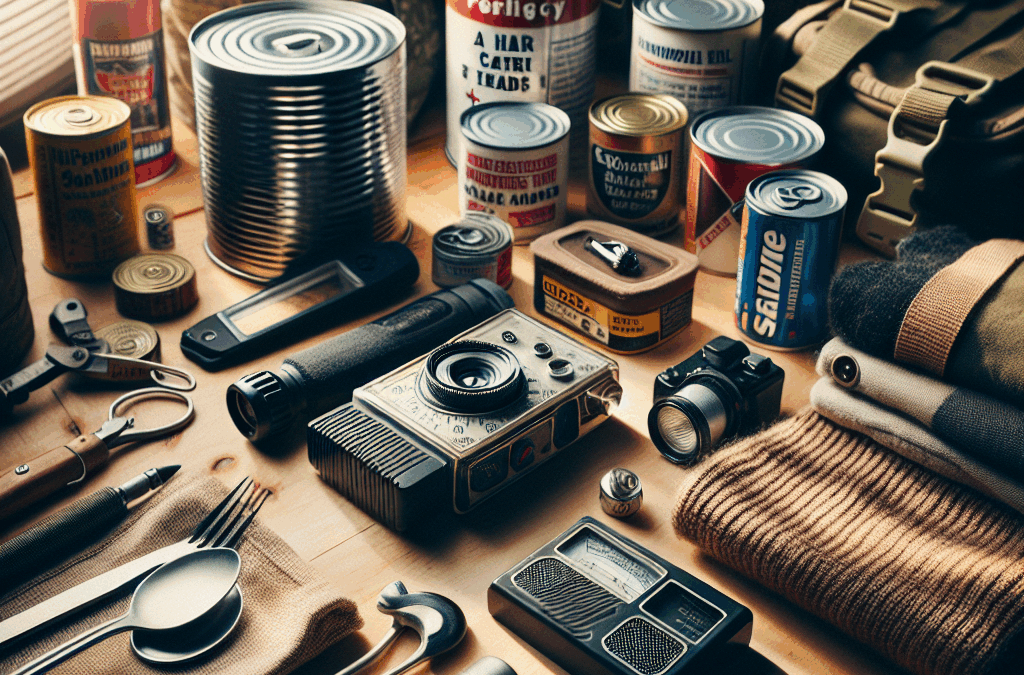
2. **Non-perishable Food:** Think canned goods, energy bars, and dried fruits.
3. **First-Aid Supplies:** Bandages, antiseptics, pain relievers—anything that addresses minor injuries.
4. **Flashlight and Batteries:** Power outages can happen unexpectedly.
5. **Multi-tool or Swiss Army Knife:** Versatile tools can prove invaluable.
7. **Important Documents:** Copies of ID cards, medical prescriptions, and insurance papers stored in waterproof bags.
Beyond these essentials, consider adding items specific to your family’s needs—like baby formula or pet supplies—to ensure everyone is cared for during emergencies.
*Creating a Family Emergency Plan: Communication and Evacuation Strategies**
Having a well-thought-out emergency plan is crucial for keeping families safe during crises. Start by designating a meeting place where everyone can gather if separated; this could be outside your home or at a neighbor’s house nearby. Next up is communication: establish how family members will contact each other if cell service fails—think about using walkie-talkies or setting up a group text on messaging apps when service resumes.
Equally important is determining evacuation routes from your home and neighborhood; familiarize yourself with several alternatives in case one road becomes impassable due to disaster conditions. Walk through these routes with your family so everyone knows exactly where to go when the time comes.
*Staying Informed: Utilizing Resources and Staying Updated on Emergencies**
Finally, staying informed about ongoing disasters or potential threats cannot be overstated! Utilize local news outlets, weather apps, and social media platforms dedicated to emergency updates for real-time information relevant to your area.
Moreover, consider signing up for community alert systems that send texts or emails about imminent dangers near you—these notifications can provide life-saving information at critical moments.
By taking proactive steps today through understanding risks, building an emergency kit tailored to those risks, developing a comprehensive family plan along with effective communication strategies—all while actively seeking information—you’ll empower yourself and loved ones against whatever challenges lie ahead. Prepare now; peace of mind awaits those who act decisively!
One of the first things I’ve learned when a crisis hits is that you’ve gotta know who’s in your corner. Instead of just assuming who your community is, take a little time to identify them. This means understanding their backgrounds, interests, and how they usually interact with one another. It can be a real game-changer, trust me!
Try to make a rough list of people you know will be impacted by whatever’s happening. Are they neighbors, friends from work, or even folks from local interest groups? Once you have this list, it’ll give you a starting point to reach out and build that crucial connection.
And don’t forget, social media is a fantastic tool for this! Check your Facebook groups, or even Instagram – these platforms can help you gauge who’s active and who might be feeling isolated.
Create a Safe Space for Communication
Once you’ve identified your community, the next step is to foster a safe space where everyone feels comfortable speaking up. This goes beyond just a physical space—it’s about creating an emotional environment where people can express their feelings and thoughts without judgment.
Consider hosting virtual meetings or casual chats. Apps like Zoom or even audio platforms like Clubhouse allow folks to join in from the comfort of their homes. The point is to create an inviting atmosphere where everyone can come together and share their experiences during a tough time.
Encourage open dialogues. I can’t stress enough how powerful vulnerability can be when it’s met with empathy. Sharing our stories fosters deeper connections and reminds us that we’re all in this together.
Provide Support and Resources
It’s essential to also think beyond just emotional support. During crises, practical help is a must. This can range from sharing resources about mental health services to organizing food drives or financial support for those in need.
As a community builder, I’ve found that pooling resources can make a huge difference. Perhaps you can start a community fund or find local organizations that are already doing great work. Sharing these resources within your network can empower those in crisis to reach out for help.
Remember, sometimes just knowing that help is available is comforting. Create a directory that folks can easily access, filled with local assistance options. Trust me, that simple act goes a long way.
Develop Inclusive Activities
Transform Traditional Events
When things get tough, adapting your usual gatherings can help maintain community bonds. Whether it’s moving book club meetings online or organizing virtual game nights, find new ways to keep people connected through shared interests.
Utilizing technology is your best friend here! You’ll be surprised at how many formats can be converted to online events while still retaining the fun. Bingo nights, trivia, or even cooking classes can be amazing at bringing people together.
And don’t shy away from asking the community what they’d love to do! Their feedback is invaluable and can provide fresh ideas that keep everyone engaged.
Engage in Collaborative Projects
What’s better than teaming up to work on something meaningful? Collaborative projects are an incredible way to build community spirit. Whether it’s a neighborhood garden or a community art project, working side by side can create strong bonds.
These projects not only provide a sense of accomplishment but also allow members to play to each other’s strengths. Think about each person’s skills and interests, and let that guide your projects. This aspect can turn even mundane tasks into something fun and fulfilling!
Plus, if people feel included in the process, they’re more likely to stick around, which in tough times can be crucial for maintaining community connections.
Celebrate Small Wins Together
Amid the chaos, it’s crucial to recognize and celebrate the small victories. No win is too tiny to celebrate when times are tough! This could be someone completing an online course, a neighbor helping another, or even the community coming together for a successful fundraiser.
Creating a ‘win board’ on your community’s social media page or in your newsletters can be a great way to share these successes. It reminds everyone that even small acts can have significant impacts.
These moments of joy help lift spirits and create an atmosphere where hope can thrive. Trust me, sometimes all it takes is a little light to push through the darkness!
Strengthen Online and Offline Networks
Utilize Social Media Wisely
Harnessing social media has never been more critical. Create events on Facebook, share uplifting stories on Instagram, or even create a dedicated hashtag for your community. This enhances connections, especially when physical gatherings aren’t possible.
Also, check in on your community members regularly via these platforms. A simple post asking how everyone is doing can make someone feel seen and valued. These little gestures count!
Remember to balance the digital engagement with real-life connections wherever it’s safe and feasible. Nothing beats the warmth of a genuine face-to-face interaction!
Stay Active in Local Initiatives
Being actively involved in local initiatives helps strengthen bonds too. Whether you’re participating in neighborhood clean-ups or joining a local charity, showing up for your community cultivates a sense of belonging.
Invite your network to join these initiatives. You’ll be surprised how many people want to be involved but just need a little nudge. Plus, creating memories through shared experiences creates lasting connections.
Also, it’s a win-win: helping others while deepening your ties within the community. Can’t go wrong there!
Foster Leadership Among Community Members
Encouraging leadership within your community can yield amazing results. Identify individuals who have a passion for community-building and empower them to take charge of initiatives. This not only distributes responsibilities but enriches the community with diverse perspectives.
Arrange workshops or discussion groups to devise strategies that will encourage others to step up. More voices lead to richer conversations and innovative solutions to collective challenges.
Ultimately, when individuals feel their value, they’re more inclined to invest time and effort into community activities, feeding back into the cycle of support and connection.
Be Transparent and Authentic
Clear Communication is Key
During times of uncertainty, transparent communication becomes non-negotiable. Keeping everyone informed about the evolving situation helps mitigate anxiety. Regular updates, even if they’re not positive, make your community feel involved and secure.
It doesn’t have to be formal; casual video updates or community newsletters can go a long way. Just let everyone know you’re there, navigating this together!
Besides, authenticity builds trust. When people see you being real about challenges, they’re more likely to reciprocate that openness. This is super important during crises!
Encourage Honest Feedback
Feedback loops are essential in any community-building effort, especially in a crisis. Create avenues where members can share their thoughts and feelings honestly. This could be through anonymous surveys, open forums, or even dedicated time during gatherings.
Being open to feedback shows that you value your community’s input. It also provides insight into what could be improved or what’s working well. Don’t shy away from constructive criticism—it can lead to growth!
As you gather feedback, remember to act on it. It demonstrates to your members that their voices matter and that you’re committed to fostering a strong community.
Be a Source of Inspiration
Your personal attitude and energy can be contagious. Being a source of inspiration through your actions and words can motivate others to stay positive and engaged. Share success stories, highlight member achievements, and tackle challenges head-on.
Encourage others to share their stories of perseverance. There’s something deeply unifying about hearing how others are finding ways to cope or thrive. Using platforms where these narratives can be shared can offer hope to those who might be struggling.
Remember, your community looks up to you. When you set an example, it invites others to follow suit. Lead with kindness, authenticity, and determination, and you’ll build a community that stands strong through crises.
FAQ
What is the first step in building a community during a crisis?
The first step is to reach out and connect with your community members. Identifying who they are and understanding their needs is crucial.
How can I create a safe space for communication?
You can create a safe space by hosting virtual meetings and encouraging open dialogues. Make sure everyone feels valued and able to share their thoughts without fear of judgment.
Why is celebrating small wins essential?
Celebrating small wins helps to lift spirits and fosters a positive environment. It reminds us that even during tough times, there are good things happening within the community.
How can social media be used effectively during a crisis?
Social media can be utilized by sharing updates, uplifting stories, and creating events. It helps to foster connections, even when we can’t be physically together.
What role does transparency play in community-building?
Transparency builds trust in a community. Keeping everyone informed and encouraging honest feedback creates a strong, united front during crises.
When I first thought about making a personal emergency plan, I realized how important it is to identify potential risks. I started by considering my environment – what natural disasters could occur? Earthquakes, floods, and even cybersecurity risks were on my mind. It gets a bit overwhelming, but breaking it down into manageable parts makes it easier.
I also reached out to local resources for more information. Sometimes, your community or city has specific resources or emergency services that can provide insights on what threats are more prevalent in your area. You’d be surprised at how many people are willing to share their knowledge!
Finally, don’t forget to look inward at your personal circumstances. If I have a medical condition or kids or pets, how does that factor in? Adjusting my plan to accommodate these elements is crucial. It’s all about finding what affects me and planning accordingly.
Establish Communication Protocols
Establishing communication protocols was another step I took while creating my plan. Texting might work when the power’s up, but in a disaster scenario, I realized sometimes traditional methods become unreliable. So I set up a system where my family and close friends knew how to reach each other and where to meet up if things go south.
We created a group chat, but I also made sure that everyone knew how to call, and what to do if cell networks were jammed. Writing it all down and making sure everyone had a copy was important! I also made a list of alternative contacts, in case I couldn’t reach anyone in the immediate circle.
I can’t stress enough how calming it is to have a plan! Knowing we can rely on our communication channels helps eliminate some fear and builds confidence when facing the unknown.
Regularly Update Your Plan
After drafting my emergency plan, I quickly learned that it’s not a “set it and forget it” situation. Regular updates became a priority for me! I set personal reminders in my calendar every six months to review the plan, updating any resources, contacts, or logistical details that needed a tweak.
Sometimes I find things change—new family members, new locations, new risks! I also make sure to involve my family in this process, making it a team activity. We often discuss how our lives have shifted and what changes we can implement into our plan.
By keeping my plan fresh and relevant, I ensure it remains effective. Plus, revisiting the plan reminds me why I invested time in it, boosting my confidence in times of uncertainty.
Build an Emergency Supply Kit
Decide What to Include
When I first started putting together my emergency supply kit, it was like a scavenger hunt. I thought about what I would genuinely need. Water, non-perishable food, and first aid supplies were no-brainers. I researched and even asked friends what they thought were essential items. Sometimes, you get great tips from other people’s experiences!
I also added some personal touches—like comfort items. For instance, I included my favorite book and games to keep spirits up during tough times. It’s important to think through what would make a stressful situation a bit easier, don’t you think?
Last but not least, I checked the shelf lives of everything I included and made a point to rotate items out every few months. This ensures nothing expires before I can use it. It’s a simple habit that keeps my kit ready for any scenario!
Pack Your Kit Efficiently
Packing my emergency supply kit became an exercise in organization! I started with durable bins that I could easily carry. I soon realized putting everything in zip-lock bags keeps them neat and dry, especially important if I’m facing potential flooding! And who wants soggy supplies anyways?
Labels became my best friend. I made sure everything was marked clearly. When disaster strikes, the last thing you want is to spend precious time rummaging through the kit hoping to remember where the matches are. Keeping it organized is crucial.
I also made it easy to grab and go! I considered putting some supplies in my car for added security. If I’m on the move, I want essentials at hand without having to return home. Having some items stored away brings that extra comfort.
Review and Refresh Your Supplies
Once my kit was packed, I made a commitment to review my supplies regularly. As seasons change, so do my needs! It’s good practice to check my food’s expiration dates and replace anything I’ve used in between. It’s like a mini inventory check every few months!
I also ask myself questions: have I added new family members? Are the kids old enough to need new items? Life happens, and I want to make sure my kit is prepared for it. This little bit of upkeep can make a big difference when the unexpected strikes.
Plus, keeping my supplies fresh gets me engaged in the practice. It becomes less of a chore and more of a habit when continually engaging with it. Who knew preparation could be so dynamic?
Stay Informed About Emergencies
Sign Up for Alerts
Staying informed about emergency alerts has been a real game changer for me! I signed up for local alerts to keep tabs on severe weather or emergency situations in my area. It’s great to receive timely updates that help me plan and react appropriately. Most cities these days have alert systems, so it’s a no-brainer to get involved!
I even downloaded relevant apps on my phone. They provide a ton of information like tips for emergency preparedness and alerts straight from local authorities. It’s comforting to have vital information literally at my fingertips.
Keeping an eye on these updates not only prepares me for potential emergencies but gives me peace of mind, knowing that I’m watching out for myself and my loved ones!
Follow Reliable News Sources
Honestly, I can’t stress enough the importance of following reliable news sources. I carved out some time to follow local news channels on social media to stay updated. I’ve found it’s the quickest way to get a snapshot of what’s happening in real-time!
In addition to local updates, I also keep my eye on larger outlets with more comprehensive coverage. Sometimes it’s about seeing how national incidents could ripple down to my community, and I like to stay ahead of the curve.
I remember coming across an emergency preparedness workshop—something I wouldn’t have known about without following the right channels. Staying informed has made all the difference in knowing I can be proactive rather than reactive.
Participate in Community Training
Participating in community training is honestly one of the most fulfilling parts of my preparedness journey. It’s a great way to engage with others while learning life-saving skills like CPR or first aid. Plus, there’s nothing like a little camaraderie when getting prepared together!
These workshops often share knowledge about emergency response best practices. By undergoing training, we share experiences and strengthen our community bonds. I’ve met some great people who share the same interests and ideals about preparedness. It’s like a small family!
A better-prepared community means everyone benefits from a collective sense of security. I love knowing that I’m part of something bigger while actively improving my skills!
Practice Preparedness Drills
Conduct Home Drills
When it comes to emergency preparedness, practicing drills at home is something I never skip. We started small by simulating a fire drill. Everyone knew the exit routes, and it was comforting to see my family handle it without panic. Running through the process made it feel less abstract!
As our confidence level increased, we added different scenarios. Each drill acted as a reminder of what we’ve learned while adjusting the plan when necessary. Feedback in family discussions usually sparks new ideas for improvement!
Not only does this keep everyone sharp, but it creates an open environment for discussions. My kids feel empowered to ask questions, express concerns, and understand the importance of being prepared, which is so important for their growth!
Engage in Community Simulations
Involving myself in community simulations added a whole new layer to our practice drills. Many local emergency services offer open houses or disaster response year drills. When I participated, I learned to work as a team with others in real scenarios, which is invaluable.
Synchronizing our community efforts empowers everyone to be on the same page during actual emergencies. It’s all about teamwork. Experiencing the dynamics of a community simulation filled me with gratitude for the partnerships that form during tough times.
Getting out there also fosters relationships with local responders, which could come in handy during a crisis. They’re our neighbors who we might need help from one day! Building that connection has been a crucial part of my preparation strategy.
Review and Reflect on Drills
After conducting our drills and participating in community simulations, I always make it a point to review and reflect. What went well? What could we improve? I like to take notes during our practice sessions and get input from my family. It’s all about building on past successes!
Often, we follow up with a discussion where everyone can share their feelings about the experience. This helps fortify the lesson learned while creating a space to talk about fears and concerns—what a powerful tool for growth!
Consistency is vital! By regularly practicing and reviewing drills, it turns preparedness into a habit. The more we do it, the more confident we’ll feel when it counts!
Embrace a Positive Mindset
Develop Self-Confidence
Okay, let’s talk about mindset! Developing self-confidence around preparedness takes time, and it’s a journey. I started tackling small tasks—like understanding my emergency kit! Each new skill I added chipped away at the fear I initially felt.
Voicing my concerns to supportive friends or family also helps. They remind me of the progress I’ve made since day one. Those little wins add up over time and help me cultivate a stronger sense of self-assurance.
It’s a great feeling to know that I can take action when necessary. That self-reliance empowers me in so many aspects of life! I’ve found that keeping a positive perspective attracts similar attitudes. It really creates that circle of support.
Focus on What You Can Control
Focusing on what I can control helps cultivate a positive mindset. I learned early on that worrying about everything is counterproductive, so I shifted my focus to the things within my grasp. For example, I can control my plans and supplies but can’t anticipate every natural disaster.
This approach actually lightens the mental load. By narrowing my focus, I can take actionable steps without getting bogged down in anxiety. It made discussions with my family more productive, too, as I’m no longer fretting about uncontrollable factors.
When I catch myself spiraling into worry, I take a step back, refocus, and remind myself of the steps I can take. This positive self-talk is a game changer and has proven helpful during challenging times.
Practice Mindfulness Techniques
Mindfulness has played a significant role in my preparedness journey. The ability to stay present helps me manage my stress levels and think clearly. I’ve incorporated mindfulness techniques into my daily routine, like meditation or just taking deep breaths when I start feeling anxious about things beyond my control.
Even something as simple as going for a walk helps me clear my mind and reflect on what’s necessary for my preparedness journey. Nature soothes me, giving me a fresh perspective and reminding me of my priorities.
When faced with challenges, this mindful state enables me to respond thoughtfully rather than react impulsively. It’s like maintaining that balance in my life allows me to tackle preparedness with a calm and collected approach.
Conclusion
Practicing positive preparedness daily has transformed how I approach emergencies. By creating plans, building kits, staying informed, practicing drills, and embracing a can-do attitude, I’ve cultivated resilience—an essential quality in facing life’s uncertainties. Remember, it’s all about progress. Take your time, and each step brings comfort, security, and readiness into your life!
FAQ
1. Why is creating a personal emergency plan important?
A personal emergency plan helps you prepare for potential crises by providing a structured response strategy. It reduces stress and enhances your confidence to react appropriately when needed.
2. What should I include in my emergency kit?
Your kit should include essentials like water, non-perishable food, first aid supplies, flashlights, batteries, and personal items. Also consider comfort items that can provide a morale boost during tough times.
3. How often should I update my emergency plan and kit?
It’s a good practice to review and update your emergency kit and plan every six months, or sooner if your circumstances change (like new family members or changing locations).
4. How can I improve my preparedness mindset?
Develop self-confidence by practicing skills and staying focused on what you can control. Incorporate mindfulness techniques to manage stress, allowing you to maintain a positive outlook amid uncertainties.
5. Why should I engage in community preparedness activities?
Engaging in community activities strengthens bonds and ensures that everyone is on the same page. Plus, it helps you learn from others, and you may find valuable resources and forms of support!