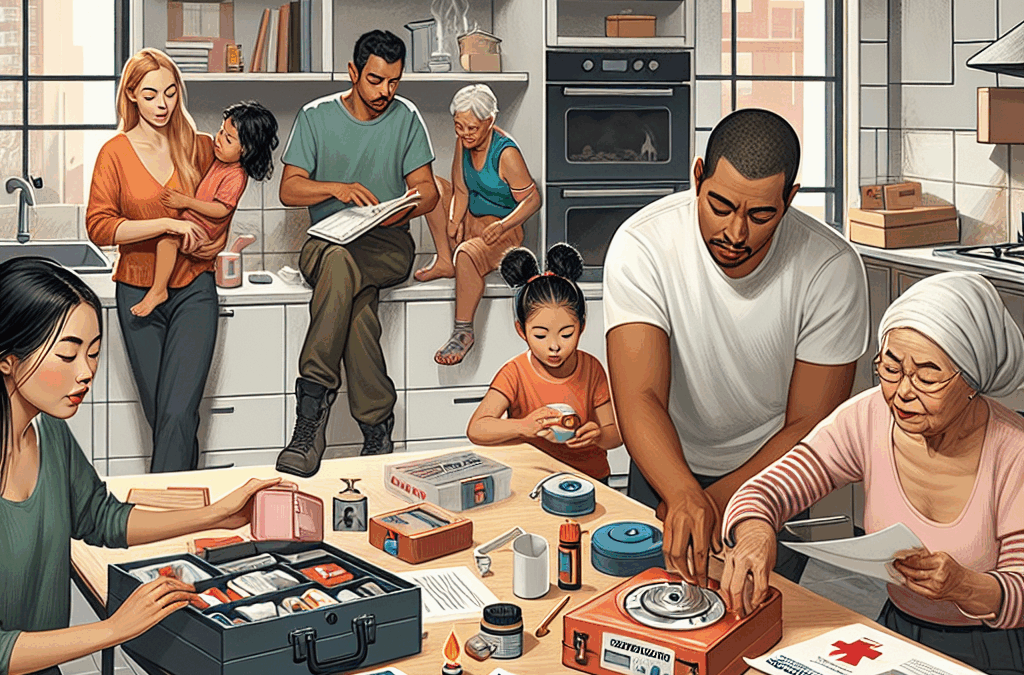
One of the most critical steps in disaster preparedness for seniors is creating a personal emergency plan tailored to individual needs. This plan should include details like escape routes, designated contacts, and medical considerations. For example, if mobility is limited, the plan must address accessible evacuation options and transportation arrangements.
Start by discussing and documenting your emergency procedures. Involving family members or caregivers ensures everyone understands the plan. Remember, a well-structured plan can make a big difference during high-stress situations. Itâs advisable to review and update the plan annually to reflect any changing health or living circumstances.
In 2025, leveraging digital tools such as emergency preparedness apps or shared online documents can enhance communication and accessibility. This approach helps seniors and their families stay synchronized, reducing confusion during disasters.
Incorporating Medical and Special Needs Considerations
Many seniors have specific medical needs, such as medications, oxygen tanks, or assistive devices. Your emergency plan should include lists of medications with dosages, medical devices, and contact information for healthcare providers. Knowing where to find supplies quickly can be lifesaving.
Additionally, planning for mobility aids and hearing or vision impairments ensures no detail is overlooked. Labeling emergency kit contents and documents can streamline response efforts. This proactive preparation can mitigate risks and improve safety during unexpected events.
By mapping out and practicing the plan regularly, seniors and their caregivers build confidence and resilience, vital components of disaster preparedness for seniors in 2025.
2. Assemble a Comprehensive Emergency Kit
Essential Items Every Senior Should Have
In disaster preparedness for seniors, having a well-stocked emergency kit is essential. Key items include non-perishable food, bottled water (at least a three-day supply), medications, first aid supplies, and personal hygiene products. Consider adding comfort items like blankets or familiar objects, which can help reduce stress.
Ensure the kit contains important documents such as identification, medical records, and insurance information. Waterproof and portable containers are ideal for safeguarding these essentials and ensuring quick access during emergencies. In 2025, smart technology gadgets like battery-powered chargers and medical alert systems are becoming indispensable components of senior emergency kits.
Creating multiple kits for different locationsâhome, car, and workplaceâcan further improve preparedness. Regularly checking and updating contents ensures everything remains functional and relevant.
Special Considerations for Climate and Seasonal Disasters
Disaster preparedness for seniors must also account for local risks such as hurricanes, floods, or snowstorms. For instance, seniors living in hurricane-prone areas should stock additional supplies like sandbags or sump pumps. During winter, including warm clothing and portable heating devices can prevent hypothermia.
It’s beneficial to label and organize kit contents for quick identification. Planning for seasonal necessities ensures that the emergency kit adapts to changing risks and conditions. Knowledge of the local weather forecast enables timely substitutions or additions to your kit.
Having a comprehensive emergency kit ready and accessible provides peace of mind and raises the level of disaster preparedness for seniors in 2025.
3. Ensure Digital Preparedness and Communication
Utilizing Technology for Emergency Alerts
In 2025, digital preparedness plays a crucial role in disaster response for seniors. Signing up for local alerts and notifications on smartphones or via email ensures timely updates about weather emergencies or immediate threats. Many communities now offer text alert services that can be customized according to individual preferences.
Moreover, having a reliable cellphone with a portable charger or a solar-powered backup ensures connectivity even during power outages. Some seniors opt for wearable devices equipped with GPS tracking and emergency buttonsâthese devices can alert loved ones and emergency services instantly.
Staying connected with family, neighbors, and local authorities enables prompt action and support during disasters. Technology helps bridge communication gaps, making disaster preparedness for seniors more effective in 2025.
Teaching Digital Skills and Safety Measures
Many seniors may feel overwhelmed by rapid technological advances. Providing education on using emergency apps or setting up quick-dial contacts enhances their ability to respond effectively. It’s also essential to teach them about scams or misinformation, which often surge during crises.
Encouraging seniors to keep devices up-to-date with the latest security and safety features reduces vulnerabilities. Regularly practicing digital communication protocols ensures that when a disaster strikes, seniors can easily access critical information and stay in touch.
Empowering seniors with digital literacy forms an integral part of disaster preparedness for seniors in 2025, ensuring they harness the full potential of available technology for safety.
4. Regularly Conduct Disaster Drills and Practice
The Importance of Routine Practice
Practicing disaster response protocols can significantly reduce panic and confusion during actual emergencies. At least once a year, seniors and caregivers should run through simulated disaster drills, such as fire evacuations or power outages. These rehearsals help clarify roles and identify gaps.
Role-playing scenarios involving different disaster types enhances preparedness and confidence. For example, practicing how to exit the home safely or operate emergency communication devices ensures familiarity during tense moments.
In 2025, integrating virtual reality or interactive apps can make drills more engaging and realistic. Regular exercises foster muscle memory, enabling seniors to act swiftly and appropriately when it matters most.
Involving the Community
Community-based drills involving neighbors, local emergency services, and senior centers promote shared preparedness. Such collaboration ensures rapid assistance and resource support. Organize neighborhood safety meetings to exchange tips and distribute informational materials.
Shared drills create a sense of community resilience, which is vital for disaster preparedness for seniors. When everyone is trained and aware, the overall safety net becomes stronger, helping vulnerable seniors respond efficiently during crises.
Strategies like these build a culture of preparedness that lasts beyond the drills, greatly benefiting seniors in 2025.
5. Coordinate with Local Emergency Services and Community Resources
Building Relationships with Authorities
Establishing connections with local emergency services ensures seniors receive priority assistance when needed. Contact your local fire department, police station, or emergency management office to understand available services tailored for seniors.
Many communities offer programs like home visits, wellness checks, or specialized transportation during disasters. Registering for these programs keeps seniors informed and connected, reducing vulnerability during crises.
In 2025, many municipalities are enhancing their outreach through social media, phone calls, and mobile alert systems. Being proactive in engaging with these networks is a smart element of disaster preparedness for seniors.
Utilizing Community Help and Volunteer Programs
Volunteer programs can provide invaluable support in disaster situationsâhelping with evacuation, supplies, or medical needs. Connecting with local organizations, religious groups, or neighborhood associations creates a helpful safety net.
Encouraging seniors to participate in or familiarize themselves with community preparedness initiatives boosts resilience. These programs often include training or resource sharing that enhances overall disaster readiness.
By fostering strong relationships in the community, seniors gain additional layers of protection and support during emergencies in 2025.
6. Maintain Home Safety Measures
Assessing and Improving Household Safety
An often-overlooked aspect of disaster preparedness for seniors is ensuring the home environment is safe and hazard-free. Conduct regular safety assessments to identify risks like loose rugs, inadequate lighting, or blocked exits. Install grab bars, non-slip mats, and stairlifts where necessary.
Keep fire extinguishers, smoke detectors, and carbon monoxide alarms functional, testing them monthly. These safety measures can prevent accidents and facilitate quicker emergency responses.
Involving family or caregivers during assessments helps identify potential issues and implements improvements effectively, creating a safer space for seniors in 2025.
Preventive Maintenance and Reducing Hazards
Simple maintenance, such as trimming trees near the house, securing unstable furniture, and inspecting electrical wiring, reduces the risk of property damage during storms or earthquakes. Securing outdoor furniture or loose objects prevents them from becoming projectiles.
Preparing home generators, ensuring proper ventilation, and testing backup power supplies keeps emergency systems operational. Proactive home safety measures are foundational elements of disaster preparedness for seniors, helping minimize injury and property loss.
Consistent upkeep and safety checks empower seniors to live confidently, knowing their environment is as safe as possible during crises in 2025.
7. Stay Informed with Up-to-Date Alerts and Information
Monitoring Reliable Sources
In the age of rapid information, staying informed with accurate, timely updates is vital. Subscribe to trusted weather apps, government alerts, and local news sources. In 2025, smart home devices can also provide visual and audio alerts directly to seniors during an emergency.
Developing a habit of checking updates dailyâespecially during severe weather seasonsâensures that seniors are prepared to take immediate action when necessary. Having a dedicated communication plan for emergencies complements this awareness.
Knowledge is power, and in disaster preparedness for seniors, being well-informed can prevent panic and assist in quick decision-making during crises.
Creating a Personal Information and Alert System
Having a family contact list, emergency contacts, and medical information readily accessible, both physically and digitally, streamlines assistance. Consider creating a laminated card with essential details or utilizing emergency apps that store vital info securely.
Encouraging seniors to share their emergency plans with trusted contacts keeps everyone in the loop. Regularly reviewing and updating contact and medical details ensures accuracy and effectiveness in emergencies.
Staying informed and prepared helps safeguard seniors and provides peace of mind for families, caregivers, and the seniors themselves in 2025.
Conclusion
In 2025, effective disaster preparedness for seniors is more vital than ever. Implementing these seven strategic measuresâfrom creating personalized emergency plans to staying informedâcan significantly reduce risks and improve safety. As caregivers and loved ones, our goal should be to foster resilience, confidence, and security for our seniors during any emergency.
Remember, proactive preparation not only saves lives but also ensures peace of mind for everyone involved. By embracing these strategies, we can build a safer environment and help our seniors face the future with confidence and resilience.
Frequently Asked Questions
What are the key components of disaster preparedness for seniors?
Key components include creating a personal emergency plan, assembling an emergency kit, ensuring home safety, maintaining communication with authorities, and staying informed about local alerts.
Why is disaster preparedness for seniors particularly important in 2025?
With increasing climate-related events and growing senior populations, preparedness strategies need to adapt to evolving risks, making staying informed and ready more crucial than ever in 2025.
How can technology enhance disaster preparedness for seniors?
Technology provides instant alerts, communication tools, and medical devices that improve response times, safety monitoring, and connectivity during emergencies.
What are common mistakes to avoid in disaster preparedness for seniors?
Common mistakes include neglecting regular updates to emergency plans, ignoring home safety hazards, and not practicing drills. Staying proactive helps prevent these issues.
How often should seniors review their disaster preparedness plans?
Itâs recommended to review and update disaster preparedness plans at least once a year or after any significant change in health status or living arrangements.
In an increasingly unpredictable world, having reliable emergency preparedness resources is vital for ensuring safety and survival during crises in 2025. Whether facing natural disasters, power outages, or other emergencies, these resources can mean the difference between life and death. As an expert in emergency planning, Iâve compiled this comprehensive guide to the most essential and innovative emergency preparedness resources to help you and your loved ones stay safe.
1. Emergency Food Supplies
Durable Long-Term Food Storage Options
Having a stockpile of emergency food supplies is fundamental. In 2025, the focus has shifted to biodegradable, nutrient-dense foods that last decades without refrigeration. MREs (Meals Ready to Eat) and freeze-dried meals have seen significant improvements, making them more palatable and easier to prepare.
Studies show that a well-maintained emergency food storage can sustain a person for up to 6 months, which is crucial during prolonged crises. Planning for different dietary needs, including gluten-free or vegan options, ensures nobody is left vulnerable.
Regularly rotating your stockpiles and keeping track of expiration dates helps maintain freshness. I recommend creating a food inventory app or chart to stay organizedâthis is a simple but effective emergency preparedness resource.
Practical Tips for Stockpiling
Start small by adding a few extra meals each shopping trip. Focus on lightweight, calorie-dense items like trail mixes, energy bars, and powdered milk. Look for bulk deals and sales to maximize your budget.
Consider local options like community-supported agriculture (CSA) programs or emergency food cooperatives. They often offer bulk purchasing discounts, making it easier to enhance your emergency food supplies.
Remember, the key is consistencyâregularly check supplies and replenish as needed to ensure availability when disaster strikes.
2. Water Storage Solutions
Innovative Water Storage Technologies
Water is arguably the most critical emergency preparedness resource. In 2025, new storage containers with UV protection and advanced filtration systems are making it easier to store and purify water safely. Portable water bladders and collapsible bottles are lightweight and space-efficient for both home storage and mobile preparedness.
Research indicates that storing at least one gallon of water per person per day is necessary for hydration and basic hygiene. Efficient water purification devicesâsuch as reverse osmosis filters and UV sterilizersâcan turn contaminated water into safe drinking water quickly.
My advice is to invest in versatile water storage solutions that can be used both at home and in the field, depending on your needs.
How to Properly Store and Maintain Water Supplies
Store water in a cool, dark place away from chemicals or direct sunlight. Label all containers with purchase dates so you know when to rotate supplies. Regularly flushing and cleaning containers prevents bacterial growth.
Added tip: consider installing a backup water filter system in your home plumbing. This ensures an ongoing supply of safe water, especially during extended outages.
A well-stocked first aid kit is a cornerstone of any emergency preparedness plan. In 2025, kits now include advanced trauma supplies like tourniquets, hemostatic agents, and burn dressings, alongside traditional bandages and antiseptics. These enhance your ability to respond effectively to injuries on the spot.
Thereâs also increasing emphasis on portable, modular kits tailored for different environmentsâhome, car, or outdoor expeditions. Customizing your kit based on risks in your area ensures readiness for specific emergencies.
Practice and training are equally important. Regularly reviewing emergency protocols with your family and practicing basic first aid skills can vastly improve your reaction time during an incident.
Storing and Maintaining Medical Supplies
Keep your medical supplies accessible, organized, and within reach. Use clear labels and dedicate a specific container or bag for rapid deployment. Check expiration dates annually and replace expired items promptly.
Investing in CPR and first aid training can dramatically improve outcomes during emergencies. Local community centers and online courses are excellent resources for certified instruction at minimal cost.
Never underestimate the power of a prepared first aid kitâthe smallest wound can become life-threatening without proper care, highlighting the importance of this emergency preparedness resource.
Frequently Asked Questions
1. Why are emergency preparedness resources important in 2025?
Because increasing global uncertaintiesâfrom natural disasters to pandemicsâmake it essential to prepare. Having reliable emergency preparedness resources can save lives and reduce chaos during crises.
2. How do I choose the right emergency food supplies?
Select nutrient-dense, long-lasting foods that meet your dietary needs. Consider shelf life, ease of preparation, and storage space when building your emergency food stockpile.
3. What are the best ways to store water safely for emergencies?
Use high-quality, food-grade containers stored in cool, dark places. Incorporate purification devices like filters and UV sterilizers to ensure safety during extended outages.
4. How often should I review my emergency kits?
At least once a year, checking for expired items and updating supplies. Regular drills help ensure everyone knows how to access and use the resources effectively.
5. Are digital resources part of emergency preparedness resources?
Yes, digital apps, online guides, and communication tools are vital components, providing real-time updates and coordination during emergencies.
At its core, basic emergency preparedness involves understanding how to respond effectively when disaster strikes. It means having essential knowledge, supplies, and procedures in place to protect yourself and loved ones during unforeseen events, from natural calamities to accidents. In 2025, being prepared is more crucial than ever as climate change and urbanization increase the frequency and impact of emergencies.
For many, basic emergency preparedness may seem overwhelming, but breaking it down into manageable steps makes a significant difference. Knowing what to do before, during, and after an emergency ensures you can act swiftly and confidently. This foundational knowledge can literally save livesâyour own and others.
Research indicates that individuals who have a clear understanding of emergency procedures are 50% more likely to survive and recover quickly from disasters. As we venture further into 2025, emphasis on this basic knowledge remains vital for community resilience. In the following sections, we’ll explore essential strategies to build your preparedness skills.
The Importance of a Prepared Mindset
Being mentally prepared is just as important as having supplies ready. A calm and focused mindset enables quicker decision-making and effective action during high-stress situations. In real-world emergencies, panic can impair judgment, so practicing responses regularly helps foster confidence.
Practicing mental preparedness includes visualizing potential scenarios and reviewing your response plans. This mental rehearsal ensures that when disaster hits, your reactions are instinctive and effective.
Studies from emergency management agencies show that individuals with a prepared mindset are less likely to suffer injuries and are better equipped to handle unpredictable situations. Keep this principle at the forefront of your emergency preparedness journey in 2025.
2. Building an Emergency Kit
Essential Items for Your Emergency Kit
An emergency kit is the backbone of basic emergency preparedness. In 2025, experts recommend having at least a 72-hour supply of essentials for each family member. This includes water, non-perishable food, first aid supplies, and hygiene items. A well-packed kit can make all the difference during the first critical days of a disaster.
Some must-have items include:
Water (one gallon per person per day)
Non-perishable food (energy bars, canned goods)
First aid kit with medications
Flashlights and extra batteries
Personal hygiene supplies
Multi-tool or Swiss Army knife
Remember to update your kit regularly, replace expired items, and tailor it to specific needs, such as baby supplies or pet provisions. Building a comprehensive emergency kit is one of the most proactive steps you can take in basic emergency preparedness.
3. Creating a Family Emergency Plan
Steps to Develop a Simple and Effective Plan
Having a family emergency plan is essential as part of basic emergency preparedness. In 2025, itâs advised that every household develops a clear, simple plan that covers communication, evacuation routes, and designated meeting points. A good plan reduces chaos during an actual emergency and ensures everyone knows their role.
Start by discussing different scenarios with your family, including fires, earthquakes, or severe storms. Decide on how to communicate if phones are down, and where to meet if youâre separated. Keep a physical copy of the plan and ensure all members understand it thoroughly.
Practice the plan regularly through drills. This reinforces their importance and helps identify any gaps that need fixing. A well-practiced family emergency plan can significantly impact survival and recovery times during crises in 2025 and beyond.
4. Staying Informed During Disasters
Reliable Sources of Emergency Information
Staying informed during an emergency is a cornerstone of basic emergency preparedness. In 2025, technological advances mean you can receive alerts via your smartphone, NOAA Weather Radio, or dedicated emergency apps. However, it’s essential to verify the credibility of your sources.
Many communities have notification systems that give real-time updates on disasters. Signing up for local alerts ensures you’re among the first to know about evacuations, weather warnings, and safety instructions. Make sure your devices are charged and that you have backup power sources.
In addition to technology, listening to local radio and following official social media channels provides critical information. Being informed allows you to make timely decisions, protect vulnerable relatives, and help others if possible.
Conclusion
As we look ahead to 2025, embracing the principles of basic emergency preparedness can truly save lives. From building a robust emergency kit and creating a family plan to staying informed and practicing response strategies, each step enhances your resilience. Remember, preparedness is not just about reacting to disasters but proactively reducing risks and ensuring safety for yourself and those around you. No matter where you live or what emergencies may come, practicing these essential strategies is the best way to be ready. Commit to your safety today, and you’ll be better prepared for whatever 2025 has in store.
Frequently Asked Questions
1. What is the most important aspect of basic emergency preparedness?
The most important aspect is having the knowledge, supplies, and plans in place so you can respond quickly and effectively during an emergency. Preparation helps reduce panic and improves safety outcomes.
2. How often should I update my emergency kit?
Itâs recommended to review and update your emergency kit at least once a year. Check for expired items, replace consumables, and adjust supplies to meet changing family needs.
3. Why is creating a family emergency plan crucial?
A family emergency plan ensures everyone knows what to do, where to go, and how to communicate during a disaster. Regular practice of the plan improves response and survival chances.
4. How can I stay informed during an emergency in 2025?
Use reliable sources such as local alert systems, NOAA Weather Radio, official social media channels, and emergency apps. Keeping devices charged and having backup options is essential.
5. What are some common mistakes in basic emergency preparedness?
Common mistakes include procrastinating on planning, not reviewing supplies regularly, ignoring local alerts, and failing to involve the whole family in preparedness activities. Consistent effort mitigates these issues.
In a world where unforeseen emergencies can strike at any moment, having a comprehensive survival gear checklist is essential. Whether you’re prepping for natural disasters, outdoor adventures, or unexpected crises, being prepared in 2025 requires staying updated on the latest gear and strategies. This article will guide you through an extensive survival gear checklist supported by expert insights, practical tips, and the newest innovations for 2025. Keep reading to discover the top 10 essential gear items and how to prepare yourself effectively.
Table of Contents
Introduction
1. Durable Backpack
2. Multitool and Knife
3. Water Purification Systems
4. Emergency Shelter Supplies
5. First Aid Kit
6. Lighting Equipment
7. Food and Cooking Supplies
8. Communication Devices
9. Power Storage Solutions
10. Personal Safety and Defense Items
Frequently Asked Questions (FAQ)
Conclusion
1. Durable Backpack
Choosing the Right Backpack for Survival
In your survival gear checklist, a durable backpack is the foundation of all your gear. For 2025, look for backpacks made from lightweight yet heavy-duty materials like ripstop nylon or carbon fiber blends. These materials provide strength without adding unnecessary weight, which is crucial when you’re carrying essential gear over long distances.
Features such as multiple compartments, hydration reservoir sleeves, and reinforced straps enhance functionality and comfort. A good backpack should distribute weight evenly, prevent chafing, and be resistant to weather elements like rain and snow.
Remember, your survival backpack should be tailored to your environment and needs. Consider the terrain and expected weather conditions when selecting the size and features. Top brands in 2025 are integrating smart technology, including GPS and solar charging panels directly into the backpack design.
Practical Tips for Backpack Maintenance
Regularly inspect your backpack for tears, worn straps, or broken zippers. Cleaning it with mild soap after outdoor use ensures longevity. During packing, prioritize lightweight gear to maximize space and reduce overall weight.
Label compartments for quick access during emergencies. A well-maintained, organized backpack can be a lifesaver when you need to grab your gear swiftly.
Investing in a high-quality, weather-resistant backpack remains a top priority on your survival gear checklist in 2025.
2. Multitool and Knife
Essential Tools for Every Survival Scenario
A reliable multitool and a sturdy survival knife are indispensable components of your survival gear checklist. In 2025, the focus is on versatility and durability. Modern multitools integrate pliers, screwdrivers, can openers, and even small saw blades, all in a compact package.
Survival knives, especially those made from high-grade stainless steel or titanium, offer excellent edge retention and corrosion resistance. Look for features like ergonomic handles and full tang construction for maximum strength.
The combination of a multitool and a knife can help you with shelter building, food preparation, gear repairs, and self-defense. Upgrade options in 2025 include smart multitools that connect via Bluetooth to your phone for maintenance alerts and usage tips.
Proper Usage and Care
Regularly clean and sharpen your knives to keep them in peak condition. Store multitools safely to prevent accidental injuries. Practice basic techniques such as cutting, prying, and opening bottles. These skills can be crucial in survival situations and should be honed regularly.
Having both tools accessible in your backpack, clipped to your belt, or stored in an emergency kit ensures you’re always prepared when needed.
Incorporate these items into your survival gear checklist for 2025 to maximize your versatility and readiness.
3. Water Purification Systems
The Importance of Clean Water in Survival
Access to safe drinking water is a top priority on any survival gear checklist. In 2025, water purification technology has advanced significantly to include compact, portable systems suitable for any scenario. Devices such as UV purifiers, chemical tablets, and gravity filters are popular options.
Consider the capacity, weight, ease of use, and speed of purification. For instance, UV purifiers like the SteriPEN are lightweight and eliminate bacteria and viruses with a simple scan, making them perfect for backpacking or emergency kits.
In addition, integrating solid filters like ceramic or activated carbon enhances removal of sediments, heavy metals, and chemicals, which might be present in contaminated water supplies.
Best Practices for Water Purification in 2025
Always filter water first to remove particulates, then purify using UV or chemical methods. Remember to carry spare batteries or solar chargers to power electronic devices. Boiling water remains a fallback method but requires fuel and time.
Checking local water sources beforehand can save critical time during an emergency. Being prepared with the right water purification system is essential as part of your comprehensive survival gear checklist in 2025.
4. Emergency Shelter Supplies
Shelter Options for Various Environments
Your survival gear checklist must include reliable shelter supplies to ensure protection from the elements. In 2025, lightweight tents, tarp setups, and bivy sacks are designed with high-performance materials that resist wind, rain, and UV rays.
Consider modular shelter systems that can be assembled quickly without special tools. For harsh environments, insulated sleeping bags or emergency bivy sacks can provide vital warmth.
Choosing a shelter that is compact yet versatile ensures you can adapt to different terrains and weather conditions, providing safety and peace of mind.
Strategies for Effective Emergency Shelter Setup
Practice setting up your shelter before an emergency occurs. Use natural features such as trees, rocks, and terrain contours to stabilize your shelter efficiently. Always carry repair kits, extra ropes, and stakes for unforeseen circumstances.
Incorporating durable, all-weather shelter items into your survival gear checklist in 2025 is crucial to protect yourself from environmental threats.
5. First Aid Kit
Comprehensive Medical Supplies for Emergencies
A well-stocked first aid kit is non-negotiable on any survival gear checklist. In 2025, first aid kits have expanded to include more advanced supplies such as hemostatic agents, burns dressings, and portable wound cleaners.
Customizable kits tailored for different environmentsâurban, wilderness, or remoteâare increasingly popular. Consider including telemedicine tools or smartphones with preloaded medical apps for guidance in critical moments.
Regularly review and update your first aid kit to ensure all items are within expiration dates and in working order. Knowledge of basic first aid techniques is equally important to maximize the effectiveness of your supplies.
Training and Preparation
Attend certification courses to become proficient in CPR, wound management, and fracture stabilization. Practice using your first aid supplies in simulated scenarios to build confidence.
Having a comprehensive first aid kit and basic skills will significantly improve your chances of survival in emergencies.
Ensure that this crucial component remains part of your survival gear checklist in 2025 for overall preparedness.
Frequently Asked Questions (FAQ)
1. What should be included in the most essential survival gear checklist for 2025?
The most essential items include a durable backpack, multitool, water purification system, shelter supplies, first aid kit, lighting devices, food and cooking gear, communication devices, power sources, and personal safety tools. Prioritize lightweight, multi-use items and stay prepared for various scenarios.
2. How often should I update my survival gear checklist?
Itâs recommended to review and update your survival gear at least annually. Replace expired medications, check gear for wear and tear, and stay informed about new technology or gear innovations that could enhance your preparedness in 2025.
3. Why is a water purification system a critical part of the survival gear checklist?
Clean drinking water is vital for survival. Contaminated water sources are common in emergencies, and having a reliable water purification system ensures you can hydrate safely. Advances in 2025 make these devices more efficient, lightweight, and eco-friendly.
4. Can I prepare my shelter gear for different climates?
Yes, choosing modular and versatile shelter equipment allows adaptation to various environments. Insulated tents for cold weather and lightweight tarps for hot climates are part of a comprehensive survival gear checklist.
Conclusion
Having a well-curated survival gear checklist for 2025 is essential to face any emergency confidently. From durable backpacks and versatile tools to advanced water purification systems and shelter solutions, each item plays a crucial role in your readiness. Remember, preparedness is about planning, practice, and staying informed. Use this guide to update and refine your gear, ensuring youâre equipped for whatever challenges 2025 may bring.
In any emergency scenario, having a well-stocked first aid kit is essential. It can mean the difference between managing minor injuries effectively or risking infection and complication. In 2025, with increased focus on preparedness, ensuring your emergency kit supplies include a variety of first aid items is more important than ever.
A good first aid kit should contain bandages, antiseptics, tweezers, scissors, and pain relievers. These supplies help you respond quickly to cuts, bruises, or burns caused by natural disasters, accidents, or other emergencies. Remember, the goal is to control bleeding, prevent infection, and stabilize injuries until professional help arrives.
Updating Your First Aid Supplies for 2025
As medical standards evolve, so should your emergency kit. Incorporate current best practices by including items like sterile gauze, antibiotic ointments, and personal medications. Additionally, consider including supplies for specific needs, such as allergy medications or diabetic supplies, to address individual health concerns.
Research shows that having immediate access to proper first aid supplies can reduce recovery time and prevent minor injuries from worsening. Regularly review and replenish your first aid section, ideally every 6 to 12 months, especially in 2025 when new products frequently hit the market.
2. Food and Water Provisions
Stocking Up on Emergency Food Supplies
One of the most important components of your emergency kit supplies in 2025 is a sufficient supply of non-perishable food. Opt for items with a long shelf life, such as energy bars, canned foods, dehydrated meals, and powdered drink mixes. Experts recommend storing at least a 72-hour supply per person, but a 7-day supply is even better for extended emergencies.
Innovations in food preservation and packaging mean you can access lightweight, easy-to-prepare options that retain nutritional value for years. Remember to include special dietary items if needed, and rotate your stock regularly to prevent expiration.
Ensuring Access to Clean Water
Water is critical â without it, survival is impossible beyond a few days. In 2025, storing at least 1 gallon per person per day is recommended by most emergency preparedness agencies. Additionally, including water purification tablets, portable filters, or boiling equipment in your emergency kit supplies ensures you can make unsafe water safe to drink.
Proper hydration supports your immune function, helps regulate body temperature, and improves overall resilience during emergencies. Keep backup water sources in your kit and test purification methods periodically to ensure effectiveness.
3. Power Sources and Charging Devices
Portable Power Banks and Solar Chargers
In 2025, staying connected during an emergency is more vital than ever. Power sources such as portable power banks, solar chargers, and backup batteries can keep your devices functioning when grid power is down. Invest in high-capacity, weather-resistant models to ensure durability and performance.
Power banks can charge smartphones, GPS units, flashlights, and other essential devices. Solar chargers harness renewable energy, providing an environmentally friendly way to recharge electronics without electricity. Including multiple charging options in your emergency kit supplies guarantees connectivity in various scenarios.
Strategies for Long-Term Power Solutions
For extended emergencies, consider integrating larger backup power supplies like solar generators or hand-crank chargers. These can provide electricity for critical devices and even small appliances. Properly storing these power sources, ensuring they are fully charged, and maintaining them regularly is key to readiness.
Monitoring technological advancements in portable power in 2025 will help you select the most reliable and efficient devices. Always include charging cables and adapters suited for your devices in your emergency kit supplies.
4. Personal Hygiene Items
Maintaining Hygiene to Prevent Illness
Good hygiene is often overlooked in emergency preparedness, but it is crucial in preventing infections and disease spread. Your emergency kit supplies should include hand sanitizers, moist towelettes, soap, toothbrushes, and feminine hygiene products.
In 2025, focus on eco-friendly and compact options. Reduce bulk while ensuring enough supplies for your household. Regular handwashing and hygiene practices are fundamental in disaster scenarios, where sanitation facilities may be compromised.
Innovative Hygiene Solutions for 2025
New products like portable bidets, biodegradable wipes, and refillable soap dispensers enhance hygiene even in challenging environments. Incorporating these into your emergency kit supplies helps you stay clean and healthy longer during crises.
Additionally, personal hygiene supports psychological well-being, making it easier to cope with stressful situations. Remember to update your supplies periodically and include personal medications and skincare items as needed.
5. Weather-Appropriate Clothing
Preparing for All Weather Conditions
Having suitable clothing in your emergency kit supplies is essential to adapt to changing weather conditions. In 2025, anticipate more unpredictable weather patterns, making layered clothing, waterproof gear, and thermal wear indispensable.
Consider including essentials like waterproof jackets, warm blankets, hats, gloves, and moisture-wicking base layers. Proper clothing helps prevent hypothermia or heat exhaustion during natural disasters like storms, floods, or snowstorms.
Choosing Versatile and Compact Clothing
Opt for lightweight, quick-drying, and multifunctional clothing that can be rolled or folded compactly. This allows you to maximize space in your emergency kit. Also, consider climate-specific gear based on your geographic location.
Label your clothing supplies clearly and check for wear and tear periodically. Having the right clothing in your emergency kit supplies can significantly improve safety and comfort during extended crises.
6. Communication Devices
Staying Connected During Emergencies
Effective communication is vital to coordinate rescue efforts and stay informed. Your emergency kit supplies should include batteries, multi-purpose radios, walkie-talkies, or satellite phones, especially for 2025 scenarios where network disruptions are common.
Incorporate a NOAA weather radio to receive updates and alerts in real-time. Also, consider including a portable charger for your devices and printed emergency contact lists as backup communication methods.
Innovative Communication Tools for 2025
Emerging tech in 2025 offers mesh networks and apps that facilitate local communication without cellular service. These tools can be lifesaving in densely populated or remote areas. Make sure to download relevant apps and have physical backup methods available.
Properly testing and maintaining your communication devices ensures they work when needed. Training family members on their use can also prevent confusion during a crisis.
7. Security and Safety Items
Protecting Yourself and Your Loved Ones
Safety should be a top priority when assembling your emergency kit supplies. Items like pepper spray, whistles, flashlights, and sturdy locks can help secure your environment in a crisis situation.
In 2025, threats may include both natural disasters and civil unrest. Preparing with safety gadgets can help deter intruders, signal for help, or light your way in dark conditions. Remember, personal protection gear should be accessible but stored securely.
Additional Safety Strategies for 2025
Including durable flashlights with extra batteries, small defensive tools, and cell phone signal boosters can enhance safety during emergencies. Educate your household on situational awareness and safe practices.
Your emergency kit should be versatile enough to address various security concerns while remaining convenient to carry or store. Staying vigilant and prepared is key to overall safety.
8. Important Documents
Keeping Vital Records Secure and Accessible
Digital and physical copies of critical documents should be part of your emergency kit supplies. This includes identification papers, insurance policies, medical records, and bank information. Store these securely yet accessibly to facilitate quick recovery after an event.
In 2025, consider using encrypted digital backups on secure cloud storage, along with waterproof, fireproof containers for hard copies. Label and organize these documents for effortless retrieval during stressful moments.
Best Practices for Document Management in 2025
Regularly review and update your files, especially after life changes or annually. Have a dedicated folder or digital app that allows you to access your documents remotely if needed. Remember, a well-prepared emergency kit includes your essential paperwork.
Ensuring your documents are protected and easy to find helps speed up insurance claims, medical treatment, and identity verification when disaster strikes.
9. Emergency Tools and Equipment
Must-Have Tools for Crisis Situations
From multi-tools and utility knives to fire starters and duct tape, your emergency kit supplies should contain a variety of reliable tools. These are indispensable for repairs, constructing shelter, or self-defense during unpredictable situations.
Assessing your needs based on the most likely emergencies in 2025 is important. Consider tools that are lightweight yet durable, with multi-function designs to maximize space and utility.
Investment in Quality and Durability
Quality tools last longer and perform better when you need them most. Brands with proven track records are recommended. Keep tools clean, sharp, and properly stored to ensure functionality at all times.
Additionally, include some basic repair kits, flashlights, and emergency blankets to be fully prepared in all circumstances.
10. Additional Useful Supplies
Extras to Consider for a Well-Rounded Emergency Kit
Finally, consider including extra items like cash (small bills), maps, masks, gloves, and entertainment materials such as books or cards. In 2025, these little extras can significantly improve your mental health and adaptability during long-term crises.
Planning for specific needs such as pet supplies, children’s items, or senior care products ensures your entire household is covered. Customizing your emergency kit supplies to your personal circumstances is a smart move.
Tips for Maintaining Your Additional Supplies
Establish a routine to check and replenish these extra supplies annually. Keep everything in a designated, easily accessible container. Also, label items clearly to prevent confusion during stressful times.
Having a comprehensive array of additional supplies ensures you’re prepared for anything, giving you peace of mind in 2025 and beyond.
Conclusion
In the ever-changing landscape of emergency preparedness, assembling the right emergency kit supplies is crucial. From first aid essentials and food provisions to power sources and personal safety gear, each item plays a vital role in ensuring your safety and well-being. As we move into 2025, staying updated on the latest recommendations and continuously refining your emergency kit supplies will help you face any crisis with confidence. Remember, being prepared with the right emergency kit supplies is not just about stockpilingâit’s about peace of mind and resilience when it matters most.
Frequently Asked Questions
What are the most essential emergency kit supplies for 2025? The most essential supplies include first aid kits, food and water, power sources, communication devices, and safety gear. Prioritize items that meet your specific needs and are easy to access in emergencies.
How often should I review and update my emergency kit supplies? It’s recommended to review your emergency kit supplies every 6 to 12 months. Replace expired foods, worn-out supplies, and update documents to stay current.
Can I customize my emergency kit supplies for different emergencies? Absolutely. Tailoring your supplies for scenarios like floods, earthquakes, or winter storms ensures better preparedness for specific risks in your area.
Why are emergency kit supplies important in 2025? Due to increasing climate unpredictability and technological dependence, having well-prepared emergency kit supplies in 2025 helps you respond effectively to various crises, enhancing safety and peace of mind.
Where can I find reliable emergency kit supplies for 2025? Look for reputable brands and retailers specializing in disaster preparedness items. Consult official guidelines from agencies like FEMA or the Red Cross for trusted product recommendations.
In a world where natural disasters, health emergencies, and unforeseen events can strike at any moment, being prepared could mean the difference between chaos and calm. Emergency preparedness is not merely a luxury; it’s a necessity that ensures your safety and that of your loved ones. It provides peace of mind, allowing you to navigate crises with confidence. Let’s delve into the essential commandments that will guide you toward resilience in the face of adversity.
*Commandment #1: Know Your Risks**
Understanding potential hazards is the first step in safeguarding yourself and your family. Depending on where you live, risks may include floods, earthquakes, wildfires, or even public health issues like pandemics. Conduct research specific to your area—local government websites often provide valuable insights into prevalent risks. Once you’re aware, you can proactively address these dangers.
*Commandment #2: Create a Family Emergency Plan**
Every household should have an emergency plan that outlines how to respond during various situations. Discuss with family members what steps to take in case of fire, severe weather, or other emergencies. Designate meeting spots both near home and further away if evacuation becomes necessary. Ensure everyone understands their roles—this clarity fosters quick action when time is of the essence.
*Commandment #3: Build an Emergency Kit**
An effective emergency kit is a cornerstone of preparedness. Aim for at least three days’ worth of supplies tailored to your family’s needs. Essentials include non-perishable food, water (one gallon per person per day), first aid supplies, flashlights with extra batteries, and important documents stored securely. Don’t forget items like medications and pet supplies; they are crucial too!
*Commandment #4: Stay Informed and Educated**
Knowledge is power! Staying informed about local emergencies can make all the difference in response time and effectiveness. Subscribe to alerts from local authorities or download apps designed for emergency notifications. Furthermore, educate yourself through workshops or online courses on topics such as first aid or disaster response strategies.
*Commandment #5: Practice Makes Perfect**
Having a plan is great—but practicing it? That’s key! Regular drills help ensure everyone knows what to do under pressure. Schedule practice sessions for fire evacuations or severe weather responses so that actions become second nature when real situations arise.
*Commandment #6: Communicate with Your Neighbors**
Building relationships within your community enhances overall preparedness. Neighbors can offer support during crises; they might have resources or skills beneficial in emergencies. Establishing communication channels allows for sharing information quickly—consider creating a neighborhood group on social media where updates can be posted easily.
*Commandment #7: Develop a Financial Safety Net**
Financial stability plays an often-overlooked role in emergency preparedness. Consider setting aside savings specifically for unexpected events—whether it’s medical bills after an accident or costs incurred from property damage due to disasters. Look into insurance options that cover various risks pertinent to your location as well.
*Commandment #8: Review and Update Regularly**
Preparedness isn’t static; it evolves as circumstances change over time—family dynamics shift, new threats emerge, and supplies expire! Commit to reviewing your plans regularly (at least once a year). Update emergency kits accordingly and discuss changes within your family unit so everyone remains aligned.
## Conclusion: Your Responsibility to Be Prepared
Ultimately, being prepared isn’t just about protecting yourself; it’s about safeguarding those around you too—the responsibility extends beyond personal boundaries! Embrace these commandments as guiding principles towards enhancing resilience against life’s uncertainties.
## Additional Resources: Where to Learn More
For further exploration into emergency preparedness strategies:
**Ready.gov:** A comprehensive resource from FEMA.
**American Red Cross:** Offers training programs on disaster preparedness.
**Local Community Organizations:** Often host workshops focused on regional risks.
Take charge today because preparation today leads to peace tomorrow!