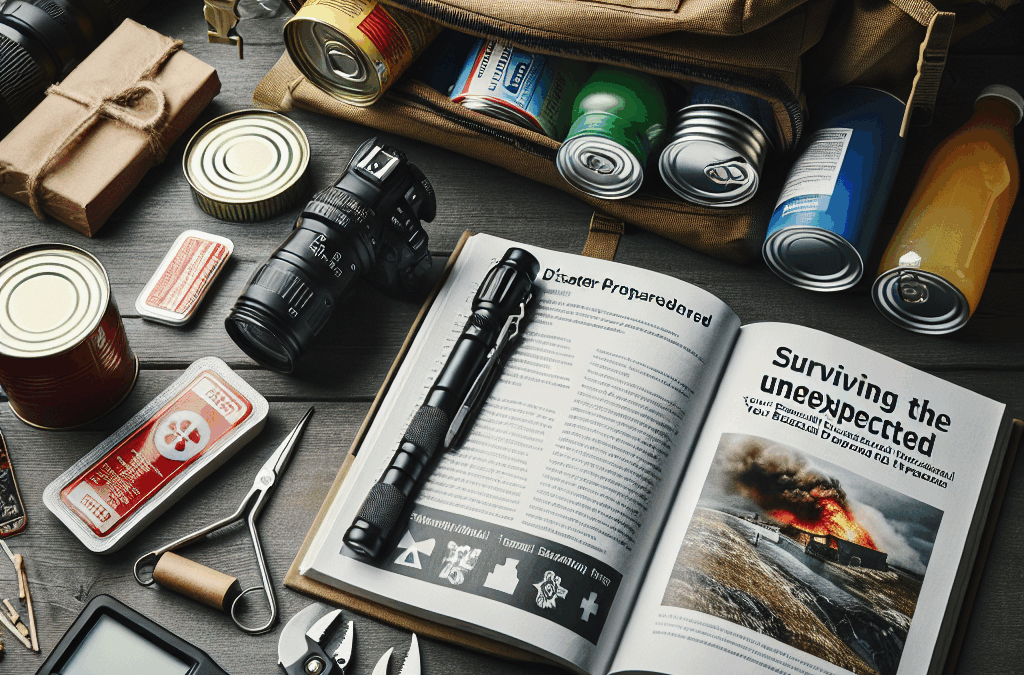
In a world punctuated by unpredictable events, from natural disasters to unforeseen emergencies, the importance of being prepared cannot be overstated. The time to act is now—before disaster strikes. Building an emergency preparedness plan not only safeguards your well-being but also empowers you and your loved ones to respond effectively in times of crisis.
*Understanding the Risks: Identify Potential Disasters in Your Area**
The first step in crafting a robust emergency preparedness plan is understanding the unique risks that loom over your community. Different regions face distinct threats; hurricanes may batter coastal towns, while wildfires can engulf dry landscapes. Take stock of the potential disasters in your area—earthquakes, floods, tornadoes, or even man-made emergencies such as chemical spills or active shooter situations.
Research local history and meteorological data to pinpoint these threats. Engage with your community’s emergency management resources or visit their websites for comprehensive insights. By identifying specific risks, you can tailor your preparedness efforts more effectively and bolster your resilience when it matters most.
*Creating Your Emergency Kit: Essential Supplies for Every Situation**
Once you have a grasp on potential dangers, it’s time to assemble your emergency kit—a crucial lifeline during any crisis. Think of it as a survival toolbox that should cater to various scenarios. A basic kit should include non-perishable food items (think canned goods or energy bars), potable water (one gallon per person per day), first aid supplies, flashlights with extra batteries, and a multi-tool.
Don’t forget essential medications and personal hygiene items! Customize this list further based on individual needs—infants may require formula and diapers; pets will need food and care supplies too. It’s wise to check expiration dates regularly and refresh items as necessary.
*Developing a Family Communication Plan: Stay Connected When It Matters Most**
Disasters often disrupt communication channels, making it vital for families to create a solid communication plan ahead of time. Start by establishing designated meeting points where family members can regroup if separated during an emergency—a familiar location close enough yet safe from danger.
Next, ensure every family member has access to important contact information written down somewhere accessible—this includes phone numbers for relatives and friends outside the immediate area who can help relay messages if cell services are down. Practice using alternative communication methods such as walkie-talkies or social media check-ins; these can serve as lifelines when standard communication methods fail.
*Training and Drills: Strengthening Your Skills for Real-Life Scenarios**
Preparation isn’t solely about gathering supplies—it involves sharpening skills too! Conduct regular drills at home so everyone knows what actions to take during emergencies like fires or severe weather alerts. Simulating real-life scenarios helps reinforce knowledge while easing anxiety when disaster strikes.
Consider enrolling in local courses on CPR or first aid; these skills could prove invaluable in critical moments when professional help may be delayed. Encourage open discussions within your family about fears and concerns surrounding emergencies; fostering such dialogue strengthens bonds while cultivating a collective sense of readiness.
Ultimately, don’t wait until it’s too late—start building your emergency preparedness plan today! By understanding risks, assembling an essential kit, refining communication strategies, and practicing necessary skills regularly, you’ll be equipping yourself to navigate any unexpected challenge life throws your way with confidence and poise.
Knowing the flood risk in your area is the first step toward effective preparedness for floods. Current data from FEMA and local agencies can reveal whether your home is in a floodplain or high-risk zone. In 2025, more refined maps and predictive models make it easier to assess potential flood hazards accurately.
Review historical flood data to identify patterns. If your community has experienced frequent flooding, itâs crucial to take additional precautions. This knowledge empowers you to make informed decisions about home modifications and safety measures.
Using tools like flood risk maps and mobile alerts helps you stay updated on changing conditions. Involving community resources, such as local government programs, can provide insights and assistance tailored to your specific location.
Understanding Climate Change and Future Flood Trends
Climate change continues to influence flood risks, with predictions indicating increased frequency and severity of floods in many regions by 2025. Rising sea levels and intense storm patterns are contributing factors.
Experts stress the importance of adapting your preparedness for floods accordingly. Incorporate the latest research and projections into your planning. For example, elevating your property’s foundation or installing flood barriers can mitigate future risks.
Stay connected with scientific updates and local climate action plans to adjust your flood preparedness strategies proactively.
2. Develop a Personalized Emergency Plan
Creating Communication and Evacuation Protocols
Having a clear and personalized emergency plan is essential for effective preparedness for floods. Sit down with your family to discuss evacuation routes, designated meeting points, and communication methods. In 2025, technology makes it easier to stay connected through apps or messaging systems.
Make sure everyone understands the plan, including children and elderly family members. Practice regular drills so that responses become second nature. This preparation can significantly reduce panic and confusion during an actual flood event.
Update your plan periodically, especially if you move or family circumstances change. Remember to include alternative routes and backup communication options.
Preparing Your Emergency Contact List and Important Documents
Keep a list of emergency contacts, including local authorities, family members, and neighbors. Store physical copies in your emergency kit and digital copies in a secure cloud location. Having quick access to essential contacts can be lifesaving during a flood.
Gather important documents such as ID, insurance papers, medical records, and bank information. Use waterproof containers to protect these items from water damage. Being prepared with critical documentation facilitates faster recovery after a flood.
In 2025, consider using secure digital storage solutions that can be accessed via smartphones or tablets, ensuring your documents are always within reach during a disaster.
3. Build a Flood Emergency Kit
Essential Items to Include in Your Kit
A well-stocked emergency kit can make a difference during floods. Include items such as bottled water, non-perishable food, first aid supplies, flashlight, batteries, and essential medications. In 2025, advanced survival kits incorporate solar-powered devices and portable chargers.
Personal items like hygiene products, masks, and blankets are also vital. Consider specialized supplies for infants, seniors, or pets, depending on your household needs. Regularly check and replenish your kit to ensure all items are functional and up-to-date.
Storing your kit in an accessible yet secure location ensures quick retrieval when floods threaten. Practice retrieving your kit to ensure everyone knows where it is.
Creating a Communication Device Plan
Include multiple means of communication in your emergency kit â radios, cell phones, and power banks. In 2025, emergency communication devices often have GPS capabilities, making it easier to locate loved ones or rescue teams.
Ensure batteries are fresh or choose rechargeable options. Teach your family how to operate these devices effectively. Establishing a primary and secondary communication method helps maintain contact during power outages or infrastructure failures.
Regular testing of devices and updating contact lists ensure readiness at all times.
4. Elevate Critical Utilities and Valuables
Protect Utility Infrastructure from Flood Damage
Elevating electrical panels, water heaters, and generators can prevent costly flood damage. In 2025, innovative building standards recommend elevating key utilities above known flood levels to increase resilience.
Consult with professionals to assess your property and implement elevation strategies. These modifications can reduce repair costs and interruption of essential services after a flood.
Installing sump pumps and backflow valves further protects your plumbing system from floodwaters.
Safeguarding Important Personal Valuables
Your valuablesâsuch as family heirlooms, important documents, and electronicsâshould be stored in waterproof containers or high shelves. Creating a designated, secure storage area helps in rapid evacuation scenarios.
In 2025, digital backups of important documents and photos are recommended. Cloud storage services offer secure, remote access, ensuring your memories and vital records are safe even if your physical items are affected.
Plan ahead by regularly reviewing and updating your valuables to adapt to changing situations and recent home modifications.
5. Protect Your Property from Flood Damage
Applying Flood-Resistant Materials and Barriers
Using flood-resistant building materials and installing barriers like sandbags or flood walls can significantly decrease property damage. In 2025, new construction codes encourage the integration of floodproofing in vulnerable areas.
For existing homes, temporary flood barriers can be deployed quickly when flood warnings are issued. Consider landscaping that diverts water away from your foundation.
Engage with local contractors who specialize in flood mitigation to assess and implement these protective measures effectively.
Flood-proofing Landscaping and Drainage Systems
Proper grading around your property ensures water flows away from your home. Installing French drains and sump pumps can reduce water accumulation in basements and crawl spaces.
Regular maintenance of gutters and storm drains prevents backups that can lead to flooding. In 2025, smart drainage systems linked to weather alerts can optimize water flow management automatically.
Community-wide efforts in flood-prone neighborhoods, such as rain gardens and retention ponds, support overall resilience against flooding.
6. Stay Informed with Real-Time Alerts
Utilize Technology for Emergency Notifications
In 2025, technological advances offer reliable flood alerts via smartphone apps, weather radios, and social media platforms. Setting up alerts from local agencies ensures you receive timely warnings.
Subscribe to services like FEMA alerts, NOAA weather alerts, or regional warning systems. These notify you of imminent floods or rising water levels that require immediate action.
Test your alert systems regularly to confirm they are functioning. Encourage neighbors and community members to do the same, fostering a well-informed neighborhood.
Monitoring Weather and River Data
Regularly check weather forecasts and river levels, especially during heavy rains or storms. In 2025, smart home systems can integrate with weather data to automate flood preparedness actions.
Use mobile apps that provide real-time updates on local flood conditions. Keeping informed allows you to act swiftly and avoid dangerous situations.
Develop a habit of daily or hourly checks during flood-prone seasons to ensure maximum preparedness.
7. Understand Flood Insurance Options
How Flood Insurance Protects Your Assets
Unlike homeowner’s insurance, flood insurance specifically covers flood-related damages. In 2025, federal policies through the National Flood Insurance Program (NFIP) are more accessible and comprehensive.
Evaluate your policy to understand coverage limits and exclusions. While flood insurance involves additional costs, itâs a vital investment to protect your property and belongings.
Consult with insurance professionals to customize coverage based on your flood risk assessment, ensuring youâre adequately protected.
Navigating the Purchase and Claim Process
Buy flood insurance well before flood season begins. Waiting until a flood warning is issued often complicates claims process and delays payouts.
Document your property with photos and detailed inventories as proof of condition before potential floods. This documentation simplifies claims and expedites recovery efforts.
In 2025, online portals and digital claim submissions make the process more efficient and transparent.
8. Practice Safety Drills Regularly
Simulating Flood Scenarios with Family
Regular safety drills ensure that everyone knows what to do during a flood. Practice evacuation routes, shut-off procedures, and communication protocols. Real-world exercises build confidence and reduce panic when floods occur.
Involve children and seniors to highlight specific safety needs. Use visual aids and simple instructions to enhance understanding.
Update drills annually or after significant home modifications, ensuring preparedness for different flood scenarios.
Training for Emergency Responders and Community Members
Coordinate with local emergency services for community-wide drills. These exercises improve coordination and response times.
Volunteer for or organize neighborhood flood preparedness events. Collective action helps communities become more resilient.
Promoting widespread awareness enhances overall safety, making preparedness for floods a community effort.
9. Educate Your Family and Community
Disseminating Flood Preparedness Information
Share knowledge about flood risks, safety tips, and preparedness strategies with family, friends, and neighbors. Use social media, community boards, and local meetings to spread awareness.
In 2025, digital platforms and mobile apps facilitate rapid dissemination of information, reaching broader audiences efficiently.
Encouraging an informed community strengthens collective safety and response capacity in flood-prone regions.
Partnering with Local Agencies and Organizations
Collaborate with organizations such as the Red Cross, local emergency management agencies, and schools to promote flood preparedness education.
Participate in or host workshops and seminars that focus on practical flood safety measures.
Supporting community education fosters resilience and ensures that everyone is prepared for floods in 2025 and beyond.
10. Review and Update Your Preparedness Strategy Annually
Conducting Regular Home Assessments and Upgrades
Every year, revisit your flood preparedness for floods plan. Assess the effectiveness of your current measures and update them according to new science, technology, and personal circumstances.
Physical home upgrades, like waterproofing or structural improvements, should be reviewed periodically to ensure they meet current standards.
Stay proactive by integrating the latest flood-resistant innovations that emerge in 2025.
Tracking Lessons Learned and Improving Plans
After any flood event or drill, debrief with your family to identify what worked and what could be improved. Document these lessons for future reference.
Adjust your plan accordinglyâadding new routes, updating contacts, or replenishing supplies as needed. Continuous improvement enhances your overall preparedness for floods in 2025.
Participate in community forums or local government reviews to stay current on best practices and regional developments.
Frequently Asked Questions
What is the importance of preparedness for floods in 2025?
Preparedness for floods in 2025 is crucial because climate change continues to increase flood risks. Being prepared helps protect lives, property, and communities from devastating damages.
How can I improve my homeâs flood resilience?
You can improve flood resilience by elevating utilities, installing flood barriers, and using flood-resistant materials. Regular maintenance and updates based on current best practices are also key.
What should be included in a flood emergency kit?
An effective kit includes water, non-perishable food, first aid supplies, flashlights, batteries, important documents, and personal items. Replenish it regularly to ensure readiness.
How do I stay informed during flood season?
Use weather apps, official alerts, community notice systems, and social media to stay updated on flood risks and warnings. Regularly check weather and river data especially during storms.
Why is it essential to review and update your flood preparedness plan annually?
Annually updating your plan ensures it remains effective against changing conditions, new threats, and personal circumstances, thereby increasing your safety and resilience over time.
Conclusion
Effective preparedness for floods in 2025 is more important than ever as climate realities evolve. By understanding your risks, developing comprehensive plans, building emergency kits, and staying informed, you can significantly enhance your safety and that of your loved ones. Making flood preparedness a priority ensures that you face each flood season ready and resilient, minimizing damage and maximizing safety. Remember, being proactive today lays the foundation for a safer tomorrow.
In 2025, the importance of preparedness and self reliance has never been greater. As we face unpredictable global eventsâfrom climate change impacts to geopolitical shiftsâbeing prepared means having the skills, knowledge, and resources to sustain oneself independently. Self reliance involves developing the confidence and capability to meet your own needs, whether it’s food, energy, or safety.
Many people today are realizing that relying solely on external systems can be risky. The rise of climate disasters, supply chain disruptions, and economic fluctuations makes preparedness and self reliance critical components of a resilient lifestyle.
By embracing these principles, you empower yourself to handle emergencies effectively while reducing dependency on uncertain external sources.
2. Building a robust emergency supply kit for 2025
Essential items to include
Creating an emergency supply kit tailored to 2025âs challenges involves more than just bottled water and canned food. Consider adding PPE, portable renewable energy sources, and health essentials. Remember, your kit should cover at least 72 hours of basic needs for all family members.
Invest in high-quality supplies and regularly review them to replace expired items. Digital tools like apps can help track inventory and expiration dates, ensuring readiness at all times.
Incorporate items based on your specific circumstances, such as medical supplies, pet needs, or specialized equipment, to truly support your preparedness and self reliance strategy.
3. Mastering food self-sufficiency in 2025
Growing your own food
Food self-sufficiency is a cornerstone of preparedness and self reliance. In 2025, more individuals are turning to urban gardening, hydroponics, and permaculture to produce fresh vegetables year-round. Not only does this reduce dependence on grocery stores, but it also enhances food security.
Start small with container gardening if youâre limited on space. Invest in heirloom seeds for better resilience and flavor. Use sustainable practices to maximize yields without exhausting your soil or resources.
Additionally, preserving food through canning, drying, and freezing ensures you can rely on your harvest even during off-seasons or supply disruptions.
4. Developing emergency skills for 2025 preparedness
First aid and safety training
Having emergency skills in 2025 is a game changer. Taking first aid and CPR courses equips you to handle injuries effectively during crises. Itâs essential to refresh your knowledge regularly as protocols evolve with new technologies and standards.
Additionally, training in firearm safety, self-defense, and basic survival skills like fire-starting and shelter-building can significantly improve your ability to remain self reliant. Many community centers and online platforms now offer comprehensive courses tailored to disaster preparedness.
Sharpening these skills provides peace of mind and expands your capacity for self reliance in unpredictable situations.
Conclusion
In 2025, emphasizing preparedness and self reliance remains a vital strategy for weathering uncertainties and building resilience. By proactively developing skills, stockpiling essential supplies, and embracing sustainable living practices, you can confidently face future challenges. Whether itâs creating emergency kits, growing your own food, or honing survival skills, every step you take in this direction enhances your independence and peace of mind. Prioritize preparedness and self reliance today to secure a safer, more resilient tomorrow.
Frequently Asked Questions
1. What exactly is preparedness and self reliance?
Preparedness and self reliance involve developing the skills, resources, and mindset to handle emergencies independently. It means being ready for disruptions in food, energy, and safety systems, and reducing dependence on external sources.
2. Why is preparedness and self reliance especially important in 2025?
2025 presents unique challenges such as climate-related disasters, geopolitical uncertainties, and supply chain issues. Being prepared and self reliant ensures you can withstand these disruptions with confidence and resilience.
3. How can I start building my self reliance in 2025?
Begin with small steps like creating an emergency kit, growing a vegetable garden, and learning basic survival skills. Consistent effort and planning will gradually enhance your independence.
4. Are there resources to help me improve my preparedness and self reliance?
Yes, numerous online courses, local workshops, and community groups focus on sustainable living, emergency preparedness, and survival skills. Building a network of knowledgeable individuals can also boost your efforts.
Remember, prioritizing preparedness and self reliance in 2025 is a proactive choice that can significantly improve your quality of life and safety. Stay informed, stay prepared, and take meaningful action today.
In 2025, one of the foundational steps in preparation for emergencies is developing a thorough emergency plan. Whether it’s for natural disasters like hurricanes or man-made incidents such as power outages, knowing what actions to take can save lives. A well-designed plan ensures that everyone in your household knows their roles, contact information, and safe evacuation routes.
Research shows that households with a written emergency plan are 60% more likely to respond effectively during crises. Start by identifying danger zones in your area and know the nearest shelters or safe spots. Include details like meeting points, emergency contacts, and specific procedures tailored for family members with special needs.
For example, if you live in a flood-prone zone, your plan should include steps for quick evacuation and safe storage of valuables. Customizing your plan to your local risks makes your preparation for emergencies more effective and reassuring.
How to Create an Effective Emergency Plan
Begin with an assessment of potential emergencies relevant to your location. Use local government resources or apps to understand regional risks. Create a step-by-step guide and share it with everyone involved. Practice and update this plan regularly, especially when circumstances change.
Itâs also wise to include a backup plan if primary routes are inaccessible. Practice drills ensure everyone knows what to do under stress. Remember, the key is clarity and simplicityâcomplex plans are less likely to be remembered during an actual emergency.
2. Starting an Emergency Kit
Essential Supplies for Your Emergency Kit
Having an emergency kit ready is one of the most effective preparation for emergencies. For 2025, experts recommend assembling supplies that cover at least 72 hours for each family member. Basic items include water, non-perishable food, first aid supplies, flashlight, batteries, and essential medications.
According to recent surveys, approximately 80% of Americans arenât fully prepared for a disaster. Start by collecting enough clean drinking waterâan average of one gallon per person per day. Non-perishable foods like canned goods, energy bars, and dried fruits are practical choices â store enough for each person and rotate supplies regularly.
Invest in durable, portable containers for your kit, and consider adding items like multi-tools, hygiene products, and copies of vital documents. Properly assembling your emergency kit in 2025 ensures you’re ready to face unexpected disruptions confidently.
Storage and Maintenance of Your Emergency Supplies
Keep your emergency kit in a designated, accessible location where everyone can find it quickly. Check and update your supplies at least twice a year, replacing expired items and refreshing food stocks. Label your kit clearly with the date of last update.
Consider adding specialized gear like masks for air quality issues or solar-powered chargers for electronics. A well-maintained kit minimizes panic and guarantees essential resources during critical moments.
3. Knowledge of Local Emergency Procedures
Understanding Your Community’s Response Plans
Every region has specific emergency proceduresâknowing these can dramatically improve your preparedness for emergencies. Local authorities often provide detailed plans for different scenarios, such as evacuations, shelter-in-place orders, and communication protocols.
In 2025, staying informed through community alerts or local government websites is more accessible than ever. Attend community meetings or workshops to familiarize yourself with official instructionsâthis knowledge can make all the difference when disaster strikes.
For instance, if a hurricane warning is issued, understanding evacuation zones and routes ensures your family can leave safely without last-minute confusion. Regularly reviewing and practicing local procedures keeps your response swift and organized.
Accessing and Using Emergency Resources
Make a habit of saving local emergency contacts, including nearest shelters and medical facilities. Download relevant apps that send instant alerts and updates. Many communities also have mobile alert systemsâsigning up for these services enhances your preparation for emergencies.
By understanding your local response strategies, you can coordinate better with authorities and neighboring households. This proactive approach guarantees your safety and stabilizes community resilience in 2025 and beyond.
4. Establishing Communication Channels
Creating a Family Communication Plan
During an emergency, staying in contact with loved ones is crucial. Establishing reliable communication channels can prevent confusion and ensure everyoneâs safety. In 2025, technology offers diverse options like smartphone apps, walkie-talkies, and social media updates.
Set up a family communication plan that includes designated contacts outside your immediate vicinity, so if local lines are down, messages can still be relayed through others. Use Group chats or shared cloud documents to keep everyone updated on your whereabouts and safety status.
Practicing how to communicate effectively under stress reduces panic. For example, designating a specific person to confirm everyoneâs safety simplifies coordination.
Utilizing Technology for Emergency Communications
Leverage new apps that provide real-time emergency alerts and location sharing. Many of these tools are updated regularly to ensure reliability. In 2025, integrating smart devices, like Alexa or Google Home, can also support your preparation for emergencies by setting reminders for emergency drills or updating your contact list automatically.
Remember, always have backup communication options, such as battery-powered radios or satellite phones, especially if you live in remote areas. Good communication strategies are vital for effective disaster response and recovery.
5. Learning First Aid Skills
Training and Certification Opportunities
Knowing basic first aid can make a life-or-death difference in emergencies. In 2025, numerous online courses and local workshops are available to teach essential skills such as CPR, wound care, and choking response. These skills are invaluable when medical help is delayed or unavailable.
The American Red Cross reports that by completing a first aid certification, individuals are 50% more confident in handling emergencies. Schedule training sessions for your family and friendsâit’s a simple yet effective way to boost overall preparedness for emergencies.
Invest in a personal first aid kit and keep it accessible at home, in your vehicle, and at work. Practical knowledge combined with proper supplies can help stabilize injuries until professional help arrives.
Continuing Education and Practice
Attend refresher courses regularlyâskills can diminish over time. Simulate emergency scenarios with your family so everyone can practice. Awareness of procedures raises confidence and improves response times.
Additionally, keep updated on new techniques or guidelines issued by health authorities. Staying informed ensures your skills are current, which is essential for effective preparation for emergencies in 2025 and beyond.
6. Protecting Your Finances
Financial Preparedness Strategies
Unexpected emergencies can have significant financial impacts. In 2025, building an emergency fund covering 3-6 months of living expenses is a top recommended step in preparation for emergencies. This safety net helps you stay afloat during job loss, repair costs, or sudden relocations.
Additionally, review your insurance policies for adequacyâhealth, home, and auto insurance should be comprehensive. Keep digital copies of important documents, such as IDs, insurance policies, and bank info, securely stored online or on a USB drive.
Having quick access to financial resources reduces stress during crises. Itâs advisable to set aside some cash at home, as ATMs and electronic payment systems might not work during emergencies.
Smart Investment of Emergency Funds
Focus on safe, liquid assetsâhigh-yield savings accounts and certificates of deposit are reliable options. In 2025, consider investing a portion of your emergency fund in inflation-protected securities to preserve purchasing power.
Regularly review your financial plan, especially in light of new risks or changing circumstances. Effective financial preparation for emergencies can cushion the blow and ensure stability during turbulent times.
7. Keeping Digital Backups and Important Documents
Creating Secure Digital Storage
In 2025, digital security is more critical than ever. Store copies of essential documentsâbirth certificates, passports, insurance policies, and medical recordsâonline using encrypted cloud services. This accessibility ensures you can retrieve them quickly when needed.
Create backups for all digital devices, including your phone, computer, and external drives. Use strong, unique passwords and enable two-factor authentication to prevent unauthorized access.
Regularly update and verify backups to avoid data loss. In disasters, digital records can facilitate insurance claims, identity verification, and emergency communications, making your preparation for emergencies more comprehensive.
Safeguarding Privacy and Data Security
It’s vital to consider cybersecurity in your preparedness routine. Avoid storing sensitive info on unsecured or public networks. Invest in reputable antivirus and malware protection software.
Periodically review your digital security practices to stay ahead of evolving threats. Implementing robust security measures ensures your vital information remains protected during emergencies.
8. Staying Informed and Monitoring Emergency Alerts
Utilizing Technology for Real-Time Information
In 2025, technology plays a pivotal role in your preparation for emergencies. Sign up for local and national alert systems to receive real-time updates on disasters, weather threats, and safety instructions. Apps like FEMA or the Weather Channel deal with weather warnings and safety tips efficiently.
Set alerts on your mobile devices and subscribe to trusted news sources. Regularly check these channels to keep abreast of any developing threats in your area.
Some smart home devices can also notify you during emergencies, providing visuals and voice alerts. Utilizing these technologies ensures youâre always informed and can respond promptly.
Confirming Your Emergency Readiness
Perform routine checks of your communication systems and alert subscriptions. Make sure all family members know how to receive and interpret emergency notifications.
Develop a habit of reviewing your preparedness plan after major updates or drills, adapting it with new information or lessons learned. Staying informed is a cornerstone of effective preparation for emergencies in 2025.
9. Practicing Emergency Drills Regularly
Developing Muscle Memory for Crisis Situations
Practicing emergency drills is perhaps the most effective way to reinforce your preparation for emergencies. In 2025, set a schedule to perform drills for different scenarios, such as fire evacuation, earthquake response, or power outages.
Simulating real-life situations helps identify gaps in your plan, equipment, or response times. It also reduces panic, as everyone becomes familiar with their roles and routines.
Document your drills to track progress and improvements. Over time, these exercises foster confidence and resilience, making your household better prepared for whatever 2025 may bring.
Involving the Whole Family
Make drills engaging and educational for children to ensure they understand safety procedures. Encourage questions and feedback to improve response strategies.
Coordinate with neighbors or community groups for larger-scale drills that mimic real emergencies. This collective effort enhances community resilience and your individual preparedness for emergencies.
10. Maintaining Your Preparation for Emergencies Routine
Routine Checks and Updates
Preparation for emergencies isnât a one-time event; itâs a ongoing process. In 2025, regularly evaluate your emergency plan, kit, and skills. Life circumstances or local risks may change, requiring updates to your approach.
Set reminders twice a year to review your preparedness strategies, refresh supplies, and practice drills. Stay informed about new hazards or technological advancements that could enhance your safety.
Maintaining a proactive mindset ensures that your preparation for emergencies remains effective, practical, and ready to deploy whenever needed.
Building a Culture of Preparedness
Encourage family, friends, and your community to take preparedness seriously. Share tips, resources, and experiences to promote resilience collectively. A community that prioritizes preparedness can act swiftly and efficiently during crises.
Document your routines and lessons learned to facilitate ongoing improvements. The consistent effort in maintaining your emergency readiness will give you confidence and peace of mind in 2025 and future years.
Conclusion
Effective preparation for emergencies is crucial to safeguard yourself and your loved ones in 2025. By implementing these 10 tipsâfrom creating comprehensive plans and building emergency kits to practicing drills regularlyâyou set a strong foundation for resilience. Remember, staying informed, maintaining your routines, and continuously adapting your strategies are vital components of preparedness. As we’ve explored, proactive action today can make all the difference during unforeseen events tomorrow. Prioritize your preparation for emergencies now and face 2025 with confidence and peace of mind.
Frequently Asked Questions
Why is preparation for emergencies so important in 2025?
In 2025, climate change and geopolitical tensions have increased the frequency of natural and man-made disasters. Effective preparation helps reduce risks, saves lives, and ensures quicker recovery.
What should be included in an emergency kit for 2025?
Basics include water, non-perishable food, first aid supplies, flashlights, batteries, necessary medications, hygiene items, and digital backups of important documents.
How often should I review my emergency preparedness routine?
It’s recommended to review and update your plan and supplies at least twice a year to ensure everything remains current and effective.
Are digital backups essential for preparation for emergencies?
Yes. Digital backups of critical documents and data ensure quick access and help prevent identity theft or data loss during disasters.
How can I improve my familyâs response during an emergency?
Conduct regular drills, educate everyone about the plan, and practice safety procedures to build confidence and a quick, effective response.
For effective emergency food supply ideas, stockpiling non-perishable foods is fundamental. These items have a long shelf life and are easy to store, making them ideal for any emergency situation. Examples include canned vegetables, rice, pasta, and dried beans. Such foods can last for years, providing a reliable food source during power outages or supply chain disruptions.
In 2025, with increasing global uncertainties, having a well-stocked pantry can prevent panic and ensure your family’s safety. Many families report that a minimum of 72 hours’ worth of food can significantly reduce stress during emergencies. It’s wise to rotate stock and check expiration dates regularly to keep supplies fresh and usable.
Moreover, non-perishable foods are versatileâyou can combine different items to prepare balanced meals even in tough circumstances. Keep a variety of foods to satisfy nutritional needs and prevent dietary fatigue.
Practical Tips for Stockpiling
Start with a manageable list of essentials, and gradually increase your stock as budget allows. Store foods in a cool, dry, and dark location to maximize shelf life. Use airtight containers for items like grains or cereals to prevent pests. Label everything clearly with purchase and expiration dates to stay organized.
Consider bulk buying during sales to save money, and remember to include foods your family enjoys to encourage consumption. Quick-access storage containers can make retrieval easier during stressful times.
2. Invest in Freeze-dried and Dehydrated Meals
The Benefits of Freeze-dried and Dehydrated Foods
One of the standout emergency food supply ideas for 2025 is investing in freeze-dried and dehydrated meals. These foods retain most of their nutrients, are lightweight, and have an extended shelf lifeâoften 25 years or more. They are perfect for people who want convenience during crises.
Many companies now offer pre-packaged meals that only require water and a few minutes of preparation. This simplicity can be a lifesaver during power outages, natural disasters, or other emergencies. Additionally, these foods take up less space and are easy to store in backpacks or emergency kits.
Research shows that incorporating these meals into your emergency plan can reduce cooking time significantly, especially when resources are limited. For families on the go, ready-to-eat options make panic situations more manageable.
Choosing the Right Freeze-dried Foods
Select products with balanced nutrition, including proteins, carbs, and fats. Look for brands with reputable quality and clear labeling. Consider vegetarian options or allergy-friendly choices to meet all dietary needs. Always check the calorie content per serving to ensure adequate energy intake during emergencies.
Rotate your stock periodicallyâuse the older packages first and replace them with new stock. Keep the meals stored in a cool, dry environment to preserve their quality for years to come.
3. Grow Your Own Emergency Garden
Why Gardening Is Part of Emergency Food Ideas
Incorporating a home garden into your emergency food supply ideas can provide fresh, nutritious food even during grid failures or supply shortages. Growing staples such as tomatoes, beans, and leafy greens can supplement packaged foods and improve overall diet quality.
In 2025, climate variability and supply chain disruptions have led many to prioritize self-sufficiency. An emergency garden requires minimal resources and can be scaled to fit your spaceâbe it a backyard, balcony, or windowsill.
Additionally, gardening fosters resilience and mental health, helping families stay calm and focused during stressful times. Itâs an empowering strategy that brings sustainability into your emergency preparedness plan.
Tips for Developing your Emergency Garden
Start small with easy-to-grow plants, and use organic practices to avoid chemical dependence. Prioritize drought-resistant crops if water access might be limited. Use raised beds or containers for flexibility and to combat poor soil quality.
Preserve excess harvests through canning, drying, or freezing to extend your food supply. Teach family members about gardeningâitâs a valuable skill that enhances your overall emergency preparedness.
4. Prepare Meal Kits for Quick Use
How Meal Kits Enhance Emergency Food Strategies
As part of effective emergency food supply ideas, pre-assembling meal kits can significantly reduce preparation time during crises. Packaged in durable containers or resealable bags, these kits include all necessary ingredients, spices, and instructions.
In 2025, with many families busy and stressed, having ready-to-eat meal kits provides peace of mind. These kits are ideal for situations where cooking appliances or water may be limited. You can customize kits based on dietary preferences and family size.
Beyond emergencies, meal kits are convenient for camping trips or vacations, making them a versatile investment in your preparedness arsenal.
How to Assemble Effective Meal Kits
Choose non-perishable ingredients with a long shelf life and assemble meals that can be cooked quickly or eaten cold. Include a variety of proteins, grains, and vegetables, along with condiments and seasoning packets. Label each kit with contents and suggested preparation instructions.
Store kits in a cool, accessible location, and revisit them periodically to replace expired items. Consider including utensils, small portable stoves, or cooking devices in your kit for added versatility.
5. Store Water and Hydration Solutions
The Critical Role of Water in Emergency Preparedness
No emergency food supply ideas list is complete without emphasizing water storage. Adequate hydration is vital for health, especially when access to clean water is compromised. Experts recommend storing at least one gallon of water per person per day for a minimum of three days, but ideally for two weeks.
In 2025, innovative water purification and storage solutions have become more accessible. Including water purification tablets, portable filters, and large water storage containers in your plan ensures you have a reliable water source during emergencies.
Consider backup options like solar-powered water purifiers or UV sterilizers to enhance safety. Proper storage in food-grade containers prevents contamination and prolongs shelf life.
Practical Water Storage Tips
Use opaque, airtight containers to prevent algae growth.
Label stored water with purchase or fill date and replace every 6-12 months.
Plan for water sources in your community and learn how to purify natural water if needed.
With the right water storage and purification methods, you can confidently follow your emergency food supply ideas and stay hydrated in 2025 and beyond.
6. Include Nutrition-rich Snacks
Snacks as Part of Emergency Food Planning
Snacks often get overlooked, but they are essential in emergency food supply ideas, providing quick energy boosts and improving morale. Stocking high-protein, high-calorie snacks ensures your family remains energized and satisfied during stressful times.
Examples include nuts, trail mixes, energy bars, and dried fruits. These foods have long shelf lives and are easy to carryâideal for emergencies or outdoor adventures.
In 2025, the focus on nutrition is more prominentâselect snacks that provide essential vitamins and minerals to prevent deficiency during extended crises.
Smart Snack Storage and Rotation
Store snacks in sealed, portable containers in accessible locations. Rotate stock annually, replacing expired items and updating varieties to maintain freshness. Consider making your own trail mixes or energy bites at home for cost savings and customization.
Remember, snacks can also serve as teachable moments for children about good nutrition and emergency preparedness.
7. Prioritize Food Storage Safety
Ensuring the Longevity and Safety of Stored Food
Safe storage is crucial for maintaining the quality and safety of your emergency food supply ideas. Use airtight, food-grade containers to prevent pests and moisture infiltration. Regularly inspect your supplies for signs of spoilage, pests, or damage.
In 2025, advancements in food packaging technology such as vacuum sealing and oxygen absorbers make it easier to extend shelf life. Store food in a cool, dry, dark placeâtemperature fluctuations can degrade quality and promote spoilage.
Educate yourself on proper rotation practicesâusing older stock first ensures nothing expires unnoticed, reducing waste and safeguarding your family’s health.
Handling and Emergency Food Safety Tips
Always wash your hands and utensils before handling stored foods. Keep cleaning supplies nearby to maintain hygiene. When in doubt about food safety, dispose of questionable items to prevent illness.
Proper safety precautions protect your investment and ensure your emergency food supply ideas remain effective when needed most.
8. Use Food Preservation Methods
Extending Shelf Life with Preservation Techniques
Preserving foods through canning, drying, or fermenting can greatly expand your emergency food options. Modern preservation methods in 2025 have become more efficient and safer, allowing for nutrient retention and extended shelf life.
For example, water bath canning preserves fruits, jams, and pickles effectively, while vacuum sealing removes oxygen from storage. Drying meats and herbs in dehydrators can provide flavorful additions to meals.
Incorporating these methods allows you to utilize seasonal harvests and reduce reliance on pre-packaged foods, adding variety and sustainability to your emergency plans.
Getting Started with Food Preservation at Home
Begin with simple recipes and equipmentâinvest in a good quality dehydrator and home canning supplies. Follow safety guidelines from reputable sources like the USDA or your local cooperative extension service.
Label preserved foods with date and contents, and store them in a cool, dark place. Preservation not only supports emergency preparedness but also reduces food waste and saves money.
9. Coordinate Food Supplies with a Family Plan
Ensuring Everyone Is Prepared
Developing a family-centered emergency food plan is one of the most important emergency food supply ideas. Include all members in planning, shopping, and storage to ensure collective preparedness and understanding.
Assign responsibilities such as inventory management, meal planning, and safety drills. Regular family meetings to review supplies and update your plan can make preparedness a shared responsibility.
In 2025, community coordination and shared resources have become more common, enhancing resilience during widespread emergencies.
Effective Communication and Practice
Practice evacuation and meal preparation using your stored supplies at least twice a year to identify gaps. Use checklists and labels for clarity. Establish communication plans with neighbors for mutual aid if necessary.
Coordination empowers your family to act confidently when disaster strikes, making your emergency food supply ideas more effective.
10. Stay Informed on Food Security Trends in 2025
Keeping Up with the Latest Developments
Staying informed about food security trends helps you adapt your emergency food supply ideas for maximum effectiveness. Follow reputable sources such as government agencies, nonprofit organizations, and expert blogs.
In 2025, climate change, geopolitical conflicts, and technological innovations significantly influence food availability. Being proactive allows you to adjust your supplies accordingly and avoid shortages.
Attend preparedness workshops or online courses to learn about new preservation techniques, food sources, and safety guidelines, ensuring your strategies remain current.
Leveraging Technology and Community Resources
Use apps and online platforms to track expiration dates, inventory, and local food resources. Joining local preparedness groups can also provide valuable tips, share surplus supplies, and foster a sense of community resilience.
Remaining informed ensures your emergency food supply ideas are comprehensive, up-to-date, and tailored to the challenges of 2025.
Frequently Asked Questions
What are the best emergency food supply ideas for 2025?
Some of the best ideas include stockpiling non-perishable foods, investing in freeze-dried meals, growing your own emergency garden, and storing adequate water. Diversifying supplies ensures preparedness for various scenarios.
How long can emergency foods last?
Most emergency foods, such as freeze-dried and dehydrated meals, can last 20-30 years if stored properly. Canned goods typically last 2-5 years, depending on the product.
How much water should I store for emergencies?
At least one gallon per person per day for a minimum of 3 days, but ideally for 2 weeks. Remember to include purification options in your plan.
Why should I include snacks in my emergency food ideas?
Snacks provide quick energy, improve morale, and add nutritional variety during stressful times. Choose nutrient-dense options like nuts, dried fruits, or energy bars.
What safety tips should I follow when storing emergency foods?
Use airtight, food-grade containers, store in cool, dark environments, rotate stock regularly, and check for signs of spoilage to ensure safety and longevity.
Final Thoughts
In 2025, strategic planning around emergency food supply ideas is more important than ever. By implementing these 10 effective ideasâranging from storing non-perishable foods and water to growing your own gardenâyou can secure your family’s safety and well-being during unforeseen events. Staying informed, practicing your plans, and diversifying your supplies make your preparedness comprehensive and resilient. Remember, the key to peace of mind is a well-thought-out and regularly updated emergency food supply in 2025.
Integrating Risk Management into Readiness Planning
Implementing Readiness Initiatives
Monitoring and Evaluating Readiness Strategies
Case Studies of Successful Readiness Planning in 2025
Welcome to the ultimate guide on readiness planning for 2025! As organizations face an increasingly volatile and interconnected world, having a solid readiness planning strategy is critical. Whether you’re preparing for technological disruptions, market shifts, or unforeseen crises, understanding how to craft an adaptive and resilient readiness plan will set you apart. In this guide, we’ll explore everything you need to know about readiness planning, with practical tips, real-world examples, and the latest trends for 2025.
1. Introduction to Readiness Planning
What is Readiness Planning?
Readiness planning is the strategic process of preparing your organization to effectively respond to potential challenges and opportunities. It involves identifying risks, resources, and procedures to ensure swift action when needed. By establishing clear readiness planning processes, organizations can minimize disruption and maintain continuity.
In 2025, the complexity of readiness planning has increased due to rapid technological advancements and global interconnectedness. Companies that proactively develop comprehensive readiness plans stand to gain competitive advantages. From disaster recovery to operational agility, readiness planning covers various areas essential for sustained success.
An effective readiness plan isn’t static; it evolves to reflect changing circumstances. Organizations should review and update their readiness strategies regularly, especially as new threats emerge or business priorities shift.
2. Understanding the Importance of Readiness Planning in 2025
The Evolving Business Landscape
In 2025, business environments are more dynamic than ever. Technological innovations like artificial intelligence, blockchain, and Internet of Things (IoT) devices are transforming industries. This transformation demands that companies embed readiness planning into their core strategies.
According to recent studies, nearly 70% of organizations in 2025 experience at least one major disruptive event annually. Effective readiness planning helps these organizations respond quickly, ensuring resilience and continued growth.
For example, supply chain disruptions caused by geopolitical shifts or pandemics require organizations to have contingency plans in place. This readiness allows them to adapt swiftly without significant loss.
Why Readiness Planning is Critical for Future Success
Think of readiness planning as a safety net; it ensures organizational stability amid uncertainties. Companies that neglect readiness often face higher downtime, financial loss, and reputational damage.
In 2025, leaders recognize that proactive readiness planning directly correlates with customer trust and market positioning. Being prepared for potential crises fosters confidence among stakeholders and employees alike.
To maximize benefits, organizations should integrate readiness planning into broader strategic initiatives. This ensures consistent messaging and resource allocation aligned with long-term goals.
3. Key Components of Effective Readiness Planning
Risk Assessment and Gap Analysis
At the core of readiness planning lies a comprehensive risk assessment. This process involves identifying vulnerabilities within your operations, technology, supply chain, and workforce. Once recognized, gaps can be prioritized for action.
For example, cybersecurity threats pose a significant risk in 2025. Companies must evaluate their cybersecurity measures and address vulnerabilities before an attack occurs.
Effective risk assessment also involves scenario planningâimagining various disruptive events and evaluating organizational responses. This prepares teams for a broad range of challenges.
Resource Allocation and Capacity Building
Equally important is ensuring that the right resourcesâpersonnel, technology, and financesâare in place. Building capacity through training and infrastructure upgrades aligns your organization for readiness.
Organizations should establish clear budgets for readiness initiatives and continuously monitor resource utilization to optimize effectiveness. For example, investing in cloud infrastructure enhances flexibility and scalability during crises.
Capacity building isn’t a one-time effort; it requires ongoing development programs, simulated exercises, and feedback loops to adapt strategies effectively.
4. Technology Trends Impacting Readiness Planning
Artificial Intelligence and Automation
AI-driven tools are transforming how organizations approach readiness planning. Automated threat detection, predictive analytics, and real-time monitoring enable faster decision-making and response times.
In 2025, 65% of companies rely heavily on AI algorithms to anticipate risks and allocate resources efficiently. These tools can analyze large datasets to uncover patterns, helping organizations stay ahead of potential issues.
Implementing AI solutions requires strategic planning and skilled personnel but can significantly enhance your readiness capabilities. For instance, predictive maintenance minimizes equipment downtime, ensuring operational continuity.
Blockchain for Enhanced Security
Blockchain technology offers decentralized security measures that protect critical data and processes. It can be particularly useful in supply chain management, ensuring transparency and traceability.
Organizations leveraging blockchain in readiness planning can reduce fraud, improve compliance, and streamline crisis response workflows.
As blockchain adoption grows in 2025, integrating it into your readiness plans can give you a competitive edge and enhance security resilience across operations.
5. Assessing Organizational Readiness
Conducting Readiness Audits
Assessing your current readiness involves thorough audits of policies, procedures, and infrastructure. Regular audits ensure your organization stays prepared for evolving threats.
For example, an audit might reveal outdated disaster recovery plans or insufficient cybersecurity measures. Addressing these gaps proactively reduces risk exposure.
In 2025, automating audit processes with software tools can provide real-time insights and facilitate continuous improvement efforts.
Engaging Stakeholders in Readiness Evaluation
Success depends on buy-in from leadership and all levels of staff. Engaged stakeholders provide valuable insights and foster a culture of readiness.
Workshops, simulations, and training sessions help embed readiness thinking into daily operations. When everyone understands their role, response times improve during crises.
Involving diverse teams in assessment exercises ensures comprehensive coverage, leading to more resilient preparedness strategies.
6. Developing a Readiness Planning Framework
Creating Structured Processes
A clear framework outlines the steps, roles, and responsibilities involved in readiness planning. It serves as a roadmap for preparedness activities.
Include stages such as risk identification, response planning, resource allocation, execution, and review. Structured processes enhance clarity and accountability.
In 2025, adopting agile practices within your framework allows for quicker adaptations to emerging threats or opportunities.
Embedding Flexibility and Scalability
Given the unpredictable nature of modern challenges, your readiness plan must be flexible. Scalability ensures plans remain effective as your organization grows.
Integrating modular components allows for quick customization or expansion based on specific scenarios.
This proactive approach ensures your organization maintains resilience no matter the size or complexity of the challenge encountered.
7. Integrating Risk Management into Readiness Planning
Risk Identification and Prioritization
Effective readiness planning hinges on accurate risk identification. Prioritizing risks based on impact and likelihood helps allocate resources efficiently.
Tools like risk matrices or SWOT analysis facilitate this process, guiding decision-makers in focusing on critical threats.
In 2025, incorporating real-time data analytics enhances risk prioritization accuracy, leading to more dynamic response capabilities.
Mitigation and Contingency Strategies
Developing mitigation strategies reduces the probability or impact of risks. Contingency plans prepare your organization to act swiftly if risks materialize.
Examples include backup data centers, alternative suppliers, or crisis communication protocols.
Ensuring these strategies are clear, practical, and regularly drilled is vital for their success in 2025.
8. Implementing Readiness Initiatives
Training and Capacity Building
One of the most effective readiness planning strategies is comprehensive training. Skilled employees are your first line of defense during crises.
Regular simulations, tabletop exercises, and cybersecurity drills keep teams prepared and identify gaps before actual events occur.
In 2025, virtual and augmented reality training tools are enhancing engagement and realism, helping teams respond more effectively.
Communication Plans and Stakeholder Engagement
Clear communication channels are crucial during emergencies. Stakeholder engagement ensures everyone is aligned on roles and expectations.
Developing communication protocols, emergency contact lists, and media guidelines fosters transparency and trust.
Regular updates and training on communication plans prepare your organization for effective dialogue during crises.
9. Monitoring and Evaluating Readiness Strategies
Continuous Monitoring Tools
Utilize monitoring tools that provide real-time data on organizational readiness metrics. Automated dashboards can flag potential issues early.
Setting key performance indicators (KPIs) related to response times, system uptime, and staff participation helps measure ongoing readiness efforts.
In 2025, integration with AI allows predictive insights, enabling preemptive actions to key risks or weaknesses.
Regular Reviews and Improvement Cycles
Periodic reviews of your readiness plan ensure it remains relevant. Learning from drills and actual incidents drives continuous improvement.
Adopting a Kaizen approachâsmall, incremental changesâhelps refine strategies over time.
This ongoing process fosters a culture of resilience and adaptability essential for 2025 and beyond.
10. Case Studies of Successful Readiness Planning in 2025
Example 1: Tech Industry Resilience
A leading tech company in 2025 implemented a proactive readiness planning strategy focused on cybersecurity and rapid incident response. Their investments in AI-driven monitoring systems resulted in a 40% faster threat detection rate and minimized downtime during cyberattacks.
Example 2: Supply Chain Continuity
A global retailer diversified suppliers and established contingency inventory buffers as part of their readiness planning. This approach enabled them to maintain sales and customer satisfaction amidst geopolitical disruptions in 2025.
Lessons Learned
Both examples highlight the importance of integrating technology, stakeholder engagement, and continuous improvement into your readiness planning efforts. They demonstrate that being prepared is a strategic advantage in 2025.
Conclusion
As weâve explored in this comprehensive guide, readiness planning is an indispensable part of thriving in 2025. From understanding its core components to integrating cutting-edge technologies, organizations must prioritize preparedness to navigate an ever-changing landscape. Remember, the key to success lies in proactive assessment, strategic resource allocation, and continuous evaluation. Implementing robust readiness planning strategies not only mitigates risks but also empowers your organization to seize emerging opportunities confidently. Stay focused, stay prepared, and make readiness planning a central element of your 2025 strategic initiatives.
Frequently Asked Questions
1. What is readiness planning?
Readiness planning is the process of preparing an organization to effectively respond to potential challenges and disruptions. It involves risk assessment, resource planning, and developing response strategies to ensure operational continuity.
2. Why is readiness planning important in 2025?
With rapid technological changes and increased global risks, 2025 demands that organizations have robust readiness plans to stay resilient. Preparedness minimizes downtime, financial loss, and reputational damage during crises.
3. How can I improve my organization’s readiness planning?
Focus on regular risk assessments, staff training, leveraging technology like AI and blockchain, and cultivating a culture of continuous improvement. Conduct simulations and review your plans periodically.
4. What are the main components of readiness planning?
Main components include risk assessment, resource allocation, developing response procedures, stakeholder engagement, and ongoing monitoring and evaluation.
5. How does technology influence readiness planning in 2025?
Technologies such as AI, automation, and blockchain are enhancing real-time threat detection, data security, and decision-making, making readiness planning more effective and adaptive.