
by Preparation | Aug 24, 2025 | Preparedness
- 1. Assessing Your Risks and Hazards
- 2. Creating a Family Emergency Plan
- 3. Building an Emergency Supply Kit
- 4. Establishing Communication Strategies
- 5. Training and Drills for Preparedness
1. Assessing Your Risks and Hazards
Understanding Local Perils
When developing an effective emergency preparedness plan, the first step is understanding the specific risks in your area. Whether you live in a coastal region prone to hurricanes or an earthquake zone, your preparedness strategies must be tailored accordingly. In 2025, climate change has increased the frequency of some disasters, making risk assessment more critical than ever.
Researching local hazards allows you to prioritize your resources and responses. You can consult sources like local government websites or hazard maps to identify the most significant threats. For instance, if flooding is common in your area, your emergency preparedness plan should incorporate flood-specific protocols.
Knowledge is power. By understanding your environmentâs vulnerabilities, you can reduce the impact of potential disasters, ensuring your family stays safe with a well-crafted plan.
Assessing Personal and Family Risks
In addition to environmental hazards, consider personal risks such as medical conditions, mobility limitations, and the presence of pets. A comprehensive emergency preparedness plan reflects not only the general dangers but also your unique household needs.
For example, if someone in your family has special medical needs, your plan must include quick access to medications and communication with emergency responders. Prepare specialized supplies tailored to these individual requirements.
Regularly reviewing and updating these assessments ensures your emergency preparedness plan remains current, especially as family dynamics or health conditions change over time.
2. Creating a Family Emergency Plan
Designing Clear Communication Strategies
Effective communication is the backbone of a strong emergency preparedness plan. Your plan should specify how family members will contact each other during an emergency, especially if local infrastructure is compromised.
Using multiple methods like cell phones, walkie-talkies, and social media ensures redundancy. Also, establish a dedicated emergency contact person outside your immediate area who can relay messages if local networks go down.
Practice these communication strategies regularly so everyone knows what to do and how to stay connected during a crisis, making your emergency preparedness plan more resilient.
Designating Meeting Points and Evacuation Routes
Pre-planning your evacuation routes and safe meeting points is vital. For example, designate a nearby park or community center as a reunion spot if your home becomes unsafe.
Ensure everyone in your household understands these routes, and consider multiple options in case roads are blocked. Keep maps and written instructions accessible at home and in your emergency kit.
Having clear, practiced evacuation procedures reduces confusion and delays, greatly enhancing your emergency preparedness plan effectiveness.
3. Building an Emergency Supply Kit
Essentials to Include
A well-stocked emergency preparedness plan includes an emergency supply kit with essentials such as non-perishable food, water, medications, and hygiene items. In 2025, experts recommend having at least a 72-hour supply per person, with enough for everyone in your household.
Consider including a flashlight, batteries, a basic first-aid kit, and protective gear such as masks. For added safety, include pet food and supplies if you have animals.
Regularly check and rotate supplies to ensure everything remains usable, and keep items in a backpack or portable container to facilitate quick evacuation.
Tech and Communication Devices
In 2025, communication devices are more advancedâconsider investing in portable power banks, solar chargers, and emergency radios. These tools help maintain contact and gather vital information during a disaster.
Storing important documents digitally and physically ensures quick access in case of emergencies. These might include IDs, insurance policies, and medical records.
By integrating reliable tech into your emergency preparedness plan, you can enhance safety and communication, even during prolonged outages.

4. Establishing Communication Strategies
Using Digital and Traditional Channels
In todayâs connected world, leveraging both digital and traditional communication channels is crucial. Your emergency preparedness plan should include options like text alerts, social media updates, and emergency broadcasts, alongside traditional phone calls.
In 2025, many cities utilize mass notification systems that can proactively alert residents about imminent dangers. Signing up for these alerts can save lives.
Practicing these communication methods regularly ensures everyone in your household knows how to receive and interpret emergency information, making your plan more effective.
Training on Emergency Communication
Conduct regular drills to practice your communication system, ensuring that all family members understand their roles. This hands-on approach solidifies the plan and identifies areas for improvement.
Teach children how to use emergency apps and devices properly. Similarly, ensure older family members or those with disabilities are comfortable with communication methods.
A well-executed communication strategy is a critical part of a comprehensive emergency preparedness plan.
5. Training and Drills for Preparedness
Practicing Your Plan Regularly
One of the best ways to ensure your emergency preparedness plan works effectively is through regular drills. Simulate different scenarios, such as fires or earthquakes, to test your readiness and improve responses.
In 2025, using virtual reality and app-based simulations has become popular for training families and communities. These tools create realistic scenarios that prepare everyone mentally and physically.
After each drill, review what went well and what needs improvement. Continuous practice keeps your plan sharp and reduces panic during actual emergencies.
Updating and Improving Your Plan
An emergency preparedness plan isnât a one-time effort. As your family grows or as new hazards emerge in 2025, update your plan accordingly. Keep informed about new technology, recommendations, and community resources.
Incorporate lessons learned from drills into your plan, and ensure everyone understands any changes. Staying proactive is key to remaining prepared for unexpected events.
Remember, the goal of your emergency preparedness plan is to safeguard your loved ones effectively when disaster strikes.
Frequently Asked Questions About Emergency Preparedness Plans in 2025
1. Why is having an emergency preparedness plan important?
An emergency preparedness plan helps you and your family respond quickly and effectively during disasters, reducing injury, confusion, and property loss. Being prepared ensures safety and peace of mind.
2. How often should I update my emergency preparedness plan?
Itâs advisable to review and update your emergency preparedness plan at least once a year or whenever significant life changes occur, such as moving or new family members.
3. What are the essential components of an emergency preparedness plan?
The core elements include risk assessment, communication strategies, evacuation procedures, supply kits, and training drills. Covering these areas ensures a comprehensive approach to safety.
4. How can I ensure my emergency preparedness plan is effective in 2025?
Stay informed about new hazards, technologies, and community resources. Practice your plan regularly with family members to identify gaps and improve responses.
5. What are common mistakes to avoid in creating an emergency preparedness plan?
Avoid neglecting personal needs, failing to practice drills, or ignoring updates. Ensuring your plan is realistic, comprehensive, and practiced regularly maximizes its effectiveness.
Conclusion
Creating a robust emergency preparedness plan in 2025 is essential for safeguarding your loved ones against unpredictable disasters. By assessing risks, establishing clear strategies, building supplies, and practicing regularly, you can vastly improve your familyâs resilience. Remember, preparedness isnât a one-time effortâit’s an ongoing process that evolves with your circumstances and emerging threats. Invest time now to develop and refine your emergency preparedness plan, and you’ll gain peace of mind knowing you’re ready for whatever 2025 brings.

by Preparation | Aug 24, 2025 | Preparedness
Table of Contents
- 1. Advance Planning for Power Outages
- 2. Essential Emergency Kits
- 3. Communication Strategies During Outages
- 4. Backup Power Solutions
- 5. Ensuring Home Safety and Security
- 6. Community Cooperation and Resources
- 7. Integrating Smart Technology
- 8. Monitoring Weather and Power Grid Updates
- 9. Sustainable and Eco-Friendly Preparedness
- 10. Mental Health and Resilience Building
1. Advance Planning for Power Outages
Understanding the Importance of Proactive Preparation
Preparation for power outages is essential to ensure safety and comfort during unexpected disruptions. In 2025, with increasing climate variability and aging infrastructure, outages are more common. Advanced planning helps you mitigate risks, save time, and reduce anxiety when the lights go out. By having a clear plan, you can respond quickly and efficiently, minimizing damage and discomfort.
Knowing what to prepare before an outage occurs can make all the difference. This involves assessing your household’s unique needs, such as medication requirements, communication needs, and special equipment. The goal is to develop a tailored, practical plan that covers all critical areas of your life.
Start by creating an emergency contact list, outlining procedures for different scenarios, and establishing roles for each family member. The key is to think ahead and stay organized â this is the foundation of effective preparation for power outages in 2025.
Developing an Emergency Plan
An effective emergency plan should include contact points, designated safe zones, and clear steps to follow. For example, plan how to evacuate if necessary, or where to find shelter in your community. Practice this plan regularly so everyone knows their roles.
Ensure your plan accounts for different types of outages, whether short-lived blips or prolonged disruptions. Incorporate routines like charging devices beforehand or securing alternative heating methods. Reviewing and updating your plan annually ensures it remains effective as your circumstances change.
One practical tip is to organize a family meeting to discuss the plan and answer questions. This proactive approach can greatly improve your resilience during power outages in 2025.
2. Essential Emergency Kits
Creating a Well-Stocked Emergency Kit
A key part of preparation for power outages involves assembling an emergency kit that can sustain your household for at least 72 hours. Essentials include non-perishable food, bottled water, sanitation supplies, and first aid items. In 2025, prioritize kits that are easy to carry and organized for quick access.
Invest in LED flashlights, portable chargers, and backup batteries to keep your devices powered. You might also consider solar-powered chargers or hand-crank radios that work without electricity.
Remember to customize your kit based on family members’ needs, such as baby supplies, pet food, or medications. Regularly check expiration dates and replenish supplies as needed to ensure readiness in the event of a power outage.
Incorporating Technology into Your Kit
With technological advances, having a portable solar generator or power bank can be a game changer during outages. These devices can keep important electronics running, from medical devices to communication tools.
Educational resources suggest storing a small backup of digital copies of important documents like IDs, insurance papers, and medical records in secure, cloud-based storage. This way, you’ll have access even if physical copies are lost or inaccessible.
Practicing quick deployment of your emergency kit can help your family become more resilient to unforeseen power interruptions in 2025.
3. Communication Strategies During Outages
Keeping Connected When Power is Out
During power outages, staying connected can be challenging but is crucial for safety and coordination. In 2025, embracing multiple communication methods is essential â from cell phones and two-way radios to community notice boards and social media updates.
Power banks and solar chargers can extend your device’s battery life. Encourage family members to conserve battery and prioritize vital contacts, including emergency services and loved ones.
Sharing your outage plans with neighbors and community members facilitates better coordination, especially if you rely on community resources or need assistance.
Utilizing Community Resources
Many neighborhoods have emergency alert systems or local groups that share information during outages. Staying informed through official channels like local government alerts ensures you receive timely updates.
Consider registering with community alert programs or apps that deliver real-time updates. These tools can provide critical information on outage causes, estimated restoration times, and safety advisories.
Being proactive about communication helps you manage your householdâs needs efficiently while maintaining safety during power outages in 2025.
Frequently Asked Questions
Q1: What is the most important part of preparation for power outages?
The most important part is advance planning, which includes assembling essential supplies, developing a communication strategy, and knowing your community resources to ensure safety and comfort.
Q2: How can I ensure my family remains safe during a prolonged power outage?
Ensure you have backup power sources, keep a stocked emergency kit, stay informed, and maintain open communication. Practice safety measures such as avoiding open flames and handling food securely.
Q3: What are the best backup power solutions for 2025?
Portable solar generators, uninterruptible power supplies (UPS), and large capacity power banks are increasingly reliable options. They are eco-friendly and suitable for prolonged outages.
Q4: How can I prepare for power outages caused by severe weather?
Stay informed about weather forecasts, strengthen your homeâs resilience, and have a comprehensive plan that includes safety procedures and supplies tailored to weather-related threats.
Q5: Why is preparation for power outages in 2025 more important than ever?
With climate change leading to more frequent and severe outages, proactive preparation becomes crucial. Being ready minimizes risks, reduces downtime, and helps ensure your householdâs safety during unexpected disruptions.
Conclusion
Effective preparation for power outages is vital in 2025 to safeguard your loved ones and maintain daily routines. By following these 10 strategies and staying proactive, you can navigate unexpected outages with confidence and resilience. Remember, the key is consistent planning, practical supplies, and staying informed. Donât wait until the lights go out â start preparing today to face tomorrowâs challenges head-on!

by Preparation | Aug 24, 2025 | Preparedness
Table of Contents
- 1. Create a Family Emergency Plan
- 2. Stock Essential Emergency Supplies
- 3. Keep Important Documents Safe
- 4. Develop Communication Strategies
- 5. Prepare an Emergency Kit with Power Sources
- 6. Identify Local Shelters and Evacuation Routes
- 7. Learn Basic First Aid Skills
- 8. Stay Informed with Reliable Emergency Alerts
- 9. Plan for Special Needs and Pets
- 10. Regularly Review and Update Your Emergency Preparedness List
Staying safe during unforeseen disasters requires a well-thought-out emergency preparedness list. As we head into 2025, understanding the essential steps to prepare can make all the difference in protecting your loved ones, home, and community. This comprehensive guide will provide you with 10 effective tipsâeach backed by practical advice and current best practicesâto ensure you’re ready for anything. Whether you’re new to emergency planning or looking to update your existing strategies, these tips will help you build confidence and resilience for the year ahead.
1. Create a Family Emergency Plan
Develop Clear Communication Strategies
One of the most critical elements of your emergency preparedness list is having a clear family communication plan. In a disaster, phone lines may be overwhelmed, so establishing alternative methodsâsuch as emergency contact persons or designated meeting spotsâis vital. Practice these plans regularly to ensure everyone understands their roles.
For example, setting up a designated out-of-town contact can help family members confirm safety after an event. In 2025, emerging technologies like instant messaging apps enhanced with offline features offer new ways to stay connected, even without internet access.
Remember to update your plan periodicallyâlife changes, new addresses, or different work schedules mean your plan should adapt. Keeping everyone informed minimizes confusion and ensures swift action when needed.
Map Out Evacuation Routes and Safe Locations
Knowing your neighborhood’s evacuation routes is fundamental. Use online maps and official local government resources to identify multiple routes out of your area. Make sure all family members are familiar with these routes and have practiced using them.
Identifying safe locations such as community shelters, hospitals, or designated safe rooms in your home is also essential. In 2025, some communities are investing in smart alerts that direct residents based on real-time hazards, enhancing safety and response times.
Having a physical map as a backup is smart, especially if power or internet services are disrupted during an emergency. Practice evacuation plans regularly to ensure everyone knows what to do, where to go, and how to stay safe.
2. Stock Essential Emergency Supplies
Compile a Comprehensive Emergency Supply Kit
Your emergency preparedness list must include a well-stocked emergency kit. It should contain essentials like water, non-perishable food, first aid supplies, flashlights, batteries, and hygiene items.
In 2025, itâs recommended to have at least a 7-day supply per person, considering recent supply chain disruptions. Including personal medications, pet supplies, and specialized items increases your resilience during extended emergencies.
Keep your supplies in easily accessible containers and rotate them regularly to ensure freshness. Remember, your kit should be tailored to your family’s specific needs, including infants, elderly members, or individuals with disabilities.
Power Sources and Battery Backups
Power outages are common during disasters, making backup power sources crucial. Invest in portable solar chargers, power banks, and uninterruptible power supplies (UPS) for essential electronics.
Having battery-powered or hand-crank radios helps you stay informed when communication grids fail. These devices are cost-effective and reliable, providing access to vital alerts and updates.
In 2025, new portable solar technology offers faster charging and higher capacity, making it easier to keep devices powered over extended periods. Include a comprehensive power backup plan as part of your emergency preparedness list.
3. Keep Important Documents Safe
Digitize and Secure Critical Documents
Having digital copies of essential documents enhances your readiness. Scan or photograph items like passports, insurance policies, medical records, and birth certificates. Store these securely in an encrypted cloud service or a password-protected external drive.
Physical copies should be kept in a waterproof, fireproof container thatâs easy to access during emergencies. Labeling these clearly ensures you can locate them quickly when needed.
In 2025, biometric identification and secure digital vaults are gaining popularity, offering additional layers of protection and instant access during crises.
Paper Copies and Hard Copies
While digital copies are vital, physically printed copies serve as crucial backups if digital access is compromised. Keep them in a safe, locked location such as a home safe or safety deposit box.
Regularly review and update these documents to reflect current information. This habit ensures that you wonât face delays or confusion when you need to access critical data during an emergency.
Having a well-organized set of documents increases your confidence and speed in responding to challenging situations.
Frequently Asked Questions about the Emergency Preparedness List
What should be included in a 2025 emergency preparedness list?
A comprehensive 2025 emergency preparedness list should include supplies, communication tools, important documents, power backups, safety plans, and more. Tailor the list to your specific environment and family needs for maximum effectiveness.
How often should I update my emergency preparedness list?
It’s recommended to review and update your emergency preparedness list at least once a year or whenever significant changes occur in your household, such as a new family member, move, or health condition.
What are the top safety tips for disaster preparedness in 2025?
Key safety tips include having an emergency plan, maintaining a stocked kit, staying informed, and practicing evacuation drills regularly. Staying proactive with these tips helps ensure safety during unexpected events.
Why is it important to include pets in my emergency preparedness list?
Pets are family members, and ensuring they are included in your planning can prevent chaos during emergencies. Prepare pet supplies, food, and identification to keep them safe and with you during evacuations.
How does technology improve emergency preparedness in 2025?
Advancements like real-time alerts, smart home devices, and portable solar tech enhance our ability to respond swiftly and effectively. Staying updated with the latest tools is essential in today’s preparedness strategies.
Final Thoughts
Creating and maintaining a thorough emergency preparedness list is essential to safeguard yourself and your loved ones in 2025. With the right planning, supplies, and knowledge, you can face unforeseen disasters with confidence and resilience. Remember, preparedness is an ongoing processâregularly review, update, and practice your plans to stay ahead of any emergency. Being proactive now ensures that, when the unexpected occurs, you’re ready to act swiftly and safely.
by Preparation | Aug 24, 2025 | Preparedness
Table of Contents
- 1. Prioritize Basic Survival Supplies
- 2. Choose a Lightweight and Durable Bag
- 3. Personalize Your Emergency Preparedness Bag
- 4. Regularly Check and Update Your Emergency Preparedness Bag
- 5. Store Critical Documents Securely
- 6. Assemble a Comprehensive First Aid Kit
- 7. Equip Yourself with Reliable Communication Tools
- 8. Include Portable Power Supplies
- 9. Tailor Your Bag for Different Disaster Scenarios
- 10. Practice Using Your Emergency Preparedness Bag
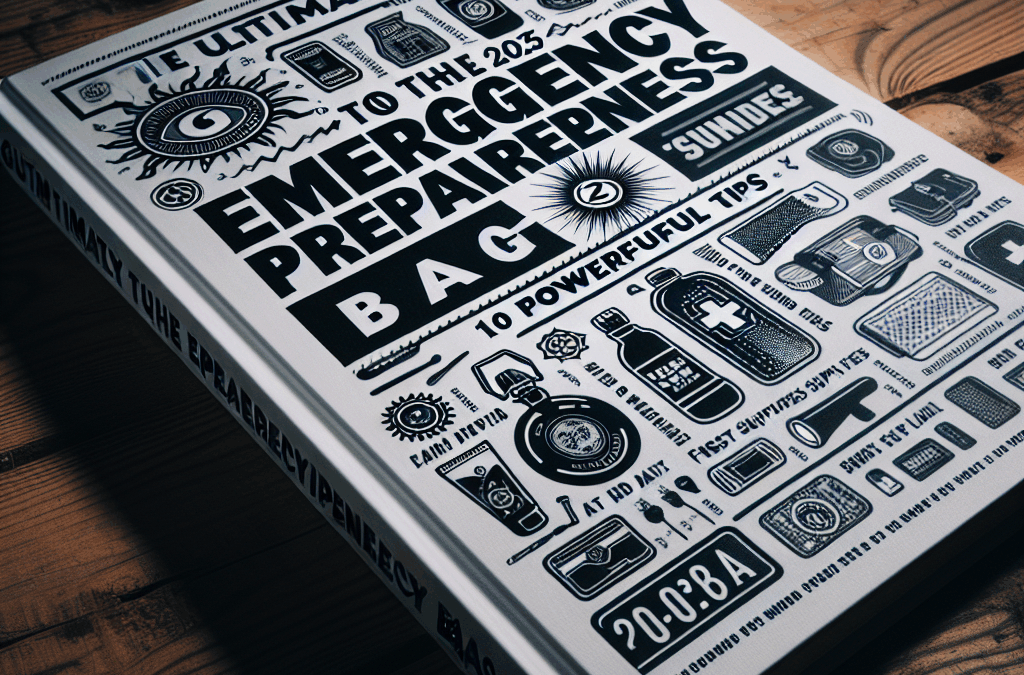
1. Prioritize Basic Survival Supplies
Understanding Fundamental Needs
When assembling your emergency preparedness bag in 2025, the first step is to focus on basic survival essentials. These include clean water, non-perishable food, shelter, and warmth. Ensuring access to these essentials greatly increases your chances of survival during unforeseen events like natural disasters or evacuation scenarios.
Statistics show that dehydration and starvation are leading causes of injury and death during emergencies. A rule of thumb is to pack at least a three-day supply of water and food per person, but aiming for a week or more provides extra security. Take into account individual dietary needs and consider adding dietary supplements or high-calorie bars.
Investing in lightweight, space-efficient supplies can optimize your emergency preparedness bag. Collapsible water bottles, compact food rations, and versatile shelter tools like tarp or emergency blankets make your kit both functional and manageable.
Choosing the Right Water and Food Supplies
For water, consider portable filtration devices or purification tablets, especially if your emergency takes you outdoors or into unpredictable environments. For food, opt for canned goods, freeze-dried meals, or energy bars with long shelf lives and minimal prep requirements.
Always check expiration dates annually to ensure your supplies remain fresh. Rotate stock by consuming and replacing items regularly, which is a crucial practice in maintaining an effective emergency preparedness bag.
Remember, the quality of your supplies directly affects your ability to survive and recover after an emergency, making this step essential for 2025 preparedness plans.
2. Choose a Lightweight and Durable Bag
Material Matters
The container for your emergency supplies must be sturdy enough to withstand rough handling but lightweight enough to carry comfortably. Look for bags made from high-quality nylon, polyester, or waterproof materials that resist tearing and water damage.
In 2025, many options include antimicrobial fabrics and reinforced stitching, which prolongs the lifespan of your emergency preparedness bag. Consider options with multiple compartments for organized storage and quick access.
Backpacks with ergonomic straps and padded backs can further ease the burden during transport, whether you’re walking, driving, or using public transit.
Size and Capacity
Select a bag that is large enough to hold all essential items without becoming cumbersome. A 20-30 liter capacity is typically suitable for most personal kits, balancing space and portability.
For family or group kits, consider larger duffels or multiple smaller bags to distribute weight evenly. Remember, comfort is key to ensuring youâll be able to carry your emergency preparedness bag over long distances if needed.
Ultimately, choosing the right bag in 2025 aligns with your specific needs, climate, and potential scenarios you might face, making preparedness more practical and manageable.
3. Personalize Your Emergency Preparedness Bag
Assessing Your Specific Risks
Your emergency preparedness bag in 2025 should be tailored to your environment, occupation, and personal health needs. For example, someone living in wildfire-prone areas might prioritize respiratory masks and goggles, while residents in colder regions might focus on thermal clothing and heating devices.
Identity your unique requirements and include items that address potential risks. This personalized approach ensures youâre properly equipped for your circumstances, making your emergency plan more effective.
Taking time to evaluate local hazards and your personal vulnerabilities allows you to create a customized emergency preparedness bag that truly meets your needs, maximizing safety and peace of mind.
Incorporate Special Items
Beyond standard supplies, consider adding specialized gear such as hearing aids, medications, or equipment for infants or elderly family members. These items are often overlooked but crucial for specific situations.
Don’t forget comfort and morale-boosting itemsâlike books, photos, or favorite snacksâto help maintain mental health during stressful times.
Personalization makes your emergency preparedness bag more relevant and ensures that every member of your household feels confident and cared for in an emergency.
4. Regularly Check and Update Your Emergency Preparedness Bag
Why Routine Checks Are Essential
In 2025, technology and product availability evolve quickly. What was suitable a year ago might not be now. Regular inspections of your emergency preparedness bag ensure all items are functional, unexpired, and relevant to current needs.
Set a scheduleâsuch as every six months or before peak disaster seasonsâto review your kit thoroughly. Check batteries, expiration dates, and the condition of items like clothing and shelter materials.
Updating your bag also involves removing outdated supplies and replacing them with newer, more effective alternatives. This ongoing maintenance keeps your kit ready to deploy at any moment.
Adapting to Life Changes
Life circumstances changeânew family members, health issues, or moves to different areasâso your emergency preparedness bag should reflect these changes. Adding or removing items as needed ensures everyone stays protected.
Stay informed about new products and advances in emergency preparedness to incorporate the latest and most effective tools into your kit.
Consistent upkeep of your emergency preparedness bag is a simple yet powerful step towards achieving comprehensive preparedness for 2025.
5. Store Critical Documents Securely
Essential Documents to Include
In an emergency, having quick access to vital documents can save you time and facilitate recovery. These include identification cards, passports, medical records, insurance policies, and bank information.
Compress these papers into a waterproof, fireproof pouch or digital copies stored securely on encrypted devices or cloud storage. Physical copies should be minimal but protected from damage.
Label everything clearly, and keep the documents in a dedicated pocket within your emergency preparedness bag for speedy retrieval.
Safety and Privacy
While convenience is critical, safeguard sensitive information by encrypting digital files and using password-protected devices. Avoid carrying unnecessary personal data to reduce privacy risks.
Extra caution should be exercised in communal or public areas to prevent theft or loss of critical documents. A secure, easily accessible spot in your bag ensures you’re ready for any situation.
This organized approach to document storage ensures you’re never caught unprepared due to paperwork mishaps during emergencies.
6. Assemble a Comprehensive First Aid Kit
Essential First Aid Items
Medical emergencies are common during disasters, making a well-stocked first aid kit a must-have in your emergency preparedness bag. Include bandages, antiseptics, pain relievers, scissors, tweezers, and personal medications.
In 2025, many ready-made kits come with modular compartments for organization and ease of use. Add items such as CPR masks, thermal blankets, and antiseptic wipes to enhance your kitâs versatility.
Review and replenish supplies regularly, especially after use or expiration, to ensure your first aid kit remains effective and reliable in critical moments.
Specialized Medical Supplies
Consider including items for specific medical needsâglucose, insulin, or allergy medicationsâespecially if members of your household have health conditions. Having these on hand can be lifesaving during prolonged emergencies.
Training or refreshers in basic first aid and CPR is also advisable, ensuring you can act swiftly and correctly when needed.
Preparedness extends beyond suppliesâknowing how to use them effectively is equally vital. A comprehensive first aid kit is fundamental for any upgraded emergency preparedness bag in 2025.
Essential Devices
Staying connected during a disaster is critical. In 2025, consider including a hand-crank or solar-powered emergency radio, a fully charged portable power bank, and a satellite phone if youâre in remote areas. These tools help you receive updates and call for help.
Regularly test all communication devices, ensure batteries are fresh, and backup chargers are included. Remember, standard cell service may be disrupted, so alternative communication modes are essential.
Having multiple options for communication ensures you’re able to coordinate, call emergency services, or inform loved ones about your safety, no matter the situation.
Emergency Contact List
Create a printed and digital list of emergency contacts, including family, friends, local authorities, and medical facilities. Keep copies in your emergency preparedness bag for easy access.
Make sure everyone in your household knows how to use these devices and understands the importance of maintaining communication during a crisis.
Effective communication tools are a cornerstone of modern emergency preparedness strategies for 2025.
8. Consider Power Sources
Power Banks and Solar Chargers
In 2025, reliable power sources are essential components of an emergency preparedness bag. Portable power banks, especially solar-powered models, keep your devices charged when outlets are unavailable.
Choose high-capacity power banks that can charge smartphones, radios, and flashlights multiple times. Solar chargers are great for long-term preparedness, providing renewable energy during extended outages.
Store power banks in a cool, dry place, and ensure they are fully charged before emergencies occur. Regularly check their capacity and functionality as part of your maintenance routine.
Battery and Light Sources
Include LED flashlights, headlamps, and extra batteries. LED lights are energy-efficient and provide bright illumination for navigating in the dark or performing tasks at night.
Opt for rechargeable options to reduce waste and expense over time. Keep spare batteries in a sealed container to prevent corrosion and ensure freshness.
A dependable power setup in your emergency preparedness bag enhances safety, communication, and operational efficiency during crises.
9. Prepare for Specific Disaster Scenarios
Identify Common Local Threats
Research the most frequent hazards in your areaâfloods, earthquakes, hurricanes, wildfires, or winter stormsâand customize your emergency preparedness bag accordingly. Each scenario requires tailored supplies and strategies.
For floods, waterproof gear and high-visibility clothing are critical. For earthquakes, sturdy shoes and helmets can prevent injuries. For winter storms, thermal clothing and heating options are priorities.
Staying informed about local alert systems and disaster forecasts allows you to update your kit with relevant tools and supplies proactively.
Adapting Your Kit for Multiple Threats
In 2025, a versatile emergency bag should address multiple hazards without becoming overly bulky. Use modular components that can be added or removed based on the predicted threat level.
For instance, during wildfire season, add N95 masks and eye protection; during winter, include thermal blankets and insulated gloves. This adaptable approach enhances preparedness for diverse challenges.
Ultimately, individualizing your emergency preparedness bag for specific scenarios ensures youâre more resilient and ready for the unpredictable nature of emergencies.
10. Practice Using Your Emergency Preparedness Bag
Conduct Drills Regularly
Practicing how to efficiently use your emergency preparedness bag is crucial. Schedule regular drills with your household to simulate various scenarios. This helps everyone understand what to do and how to access supplies quickly.
Record each drill, noting areas for improvement and updating your kit accordingly. Repetition builds familiarity and reduces panic during real events.
In 2025, technologically enhanced training tools and virtual reality simulations can provide immersive practice experiences, making preparedness more engaging.
Education and Community Involvement
Share knowledge about emergency preparedness with neighbors, friends, and community organizations. Building a culture of readiness enhances collective safety and resource sharing during crises.
Attend local emergency preparedness workshops or create community plans to reinforce learned skills and facilitate coordinated responses.
Proper training and community support are vital components, ensuring everyone knows the importance of a well-prepared emergency preparedness bag and how to use it effectively.
Conclusion
Creating an effective emergency preparedness bag in 2025 involves careful planning, regular updates, and personalized adjustments. By following these 10 powerful tips, you ensure that you and your loved ones are protected, resilient, and ready for any disaster. Remember, preparedness is not a one-time task but a continuous processâstay vigilant, stay prepared, and keep your emergency preparedness bag ready for action at all times.
Frequently Asked Questions
1. What is an emergency preparedness bag?
An emergency preparedness bag is a kit containing essential supplies, tools, and documents prepared in advance to help you survive and respond effectively during disasters or crises.
2. How often should I update my emergency preparedness bag?
Itâs recommended to review and update your emergency preparedness bag at least every six months to ensure all supplies are functional and current. Always replace expired items and consider changing contents based on new needs or risks.
3. What should I include in my emergency preparedness bag for 2025?
In 2025, your kit should include basic survival supplies, communication devices, power sources, personal documents, first aid supplies, and items tailored for specific disasters relevant to your area.
4. How can I practice using my emergency preparedness bag?
You should conduct regular drills with your household to simulate emergencies, review responses, and update your kit. Practice helps reduce panic and improves response efficiency during real crises.

by Preparation | Aug 24, 2025 | Preparedness
In an increasingly unpredictable world, having a reliable supply of clean water during emergencies is crucial. Whether facing natural disasters, grid failures, or other unforeseen events, effective emergency water storage is vital for safety and survival. This comprehensive guide will walk you through 2025’s best practices, innovative solutions, and practical tips to optimize your emergency water storage plans. If you’re wondering how to prepare for unexpected water shortages, keep reading to learn everything you need to know to stay safe and hydrated.
Table of Contents
- 1. Understanding the Importance of Emergency Water Storage
- 2. Assessing Your Water Needs for Emergencies
- 3. Choosing the Right Containers for Water Storage
- 4. Best Locations for Emergency Water Storage
- 5. Water Purification and Filtering Options
The Role of Water in Survival
Water is fundamental to human survival; it constitutes about 60% of our body weight and is essential for virtually all bodily functions. During emergencies, access to clean water can be the difference between life and death. Proper emergency water storage ensures that you have a buffer supply to sustain you and your loved ones through disruptions.
In 2025, new studies indicate that households with prepared water reserves are 50% more likely to weather crises without health complications. Understanding this importance motivates many to prioritize emergency water storage as part of a comprehensive preparedness plan.
Risks of Insufficient Water Reserve
Without adequate emergency water storage, individuals risk dehydration, illness, and compromised hygiene. Waterborne diseases can proliferate when safe drinking water isn’t available. Additionally, in many modern urban settings, municipal supplies can be interrupted during disasters or cyber-attacks, making stored water your safest backup.
For instance, recent events like natural floods and cyberattacks on infrastructure highlight the critical need for well-planned water reserves. Therefore, understanding these risks prompts us to implement smarter water storage strategies today.
2. Assessing Your Water Needs for Emergencies
Calculating Daily Water Requirements
Knowing how much water your household needs daily is the first step in effective emergency water storage. Standard recommendations suggest at least 1 gallon per person per day for drinking and sanitation. For a family of four, this amounts to a minimum of 4 gallons daily.
However, itâs wise to plan for at least two weeks of storage, especially in areas prone to longer crises. This translates to 14 gallons per person, or 56 gallons for four individuals, which should be stored safely.
Adapting for Special Needs and Climate
Children, elderly family members, or those with health issues may need more water daily. Hot climates or strenuous activities also increase water needs. Adjust your emergency water storage plan accordingly, adding 10-20% buffer for these variables.
In practice, creating an emergency water plan involves assessing these factors and ensuring your storage capacity accommodates the worst-case scenario. Practical tips include inventorying your household’s water needs and adjusting your storage goals over time.
3. Choosing the Right Containers for Water Storage
Types of Water Storage Containers
Choosing durable, food-grade containers is essential for safe emergency water storage. Common options include plastic jerry cans, stainless steel tanks, and BPA-free bottles. Each has advantages; for instance, stainless steel resists corrosion and is easy to clean, while BPA-free plastics are lightweight and affordable.
In 2025, innovative materials like collapsible water bottles and modular tanks are gaining popularity because they save space and are scalable to your needs. Always ensure containers are labeled food-grade and free of harmful chemicals.
Proper Maintenance and Refilling
To prevent bacterial growth, containers should be cleaned regularly with clean water and a mild detergent. Chlorine or specialized water preservatives can extend shelf life, which is recommended every 6-12 months.
Remember to store water in a cool, dark place to slow bacteria growth and prevent algae. Proper maintenance ensures your emergency water storage remains safe and ready for use when needed most.
4. Best Locations for Emergency Water Storage
Indoor vs. Outdoor Storage
Deciding where to store your emergency water depends on space, climate, and safety considerations. Indoor storage, like in a basement or pantry, offers protection from temperature fluctuations and contamination, making it ideal for most households.
Outdoor storage requires more careful selection of sealed, weatherproof containers. In 2025, smart water tanks with temperature regulation and pest-proof features are emerging, allowing safe outdoor storage in various environments.
Accessibility and Safety Tips
Store water in easily accessible locations, away from direct sunlight and chemicals. Mark containers with date labels and ensure the storage area is secure from pets and children. Regularly rotating your water supply ensures freshness and safety.
Good storage practices increase your preparedness efficiency, keeping water safe from environmental elements and accidental spillage.
5. Water Purification and Filtering Options
Portable Purification Devices
Having reliable water purification tools is vital for emergency scenarios. In 2025, portable filters such as countertop systems, pump filters, and UV purifiers are more advanced, offering quick and effective purification solutions.
For instance, portable UV purifiers can treat large quantities of water in minutes, making them a popular choice for families on the go. These devices often remove viruses, bacteria, and protozoa, ensuring water safety.
DIY Water Treatment Techniques
If advanced devices arenât available, simple DIY methods like boiling water for at least one minute can kill most pathogens. Using household chlorine bleach (unscented, 5-6% sodium hypochlorite) at 8 drops per gallon can disinfect stored water effectively.
Combining storage of purified water with regular treatment practices enhances your overall safety during extended emergencies.
Frequently Asked Questions about Emergency Water Storage
1. How much emergency water should I store for my household in 2025?
It’s recommended to store at least 14 gallons per person for a two-week supply, based on the standard of 1 gallon per day. Adjust this amount based on individual needs, climate, and potential disruptions.
2. What is the best way to ensure stored water remains safe for long-term use?
Proper cleaning of containers, using food-grade materials, storing in cool dark places, and regular rotation or treatment of water are key strategies to maintain water safety over time.
3. What are some innovative emergency water storage solutions in 2025?
Modern options include collapsible tanks, modular water storage systems, and smart, temperature-controlled containers designed for durability and ease of access in emergencies.
4. Why is emergency water storage crucial?
Having an emergency water reserve ensures your household stays hydrated, healthy, and self-sufficient during disasters, making it a fundamental part of preparedness in 2025.
Conclusion
Emergency water storage is the cornerstone of disaster preparedness in 2025. By understanding your household’s needs, choosing appropriate containers, and implementing effective storage and purification practices, you can safeguard your health and comfort during crises. Remember, planning ahead and staying informed will make all the difference when emergency situations arise. Stay prepared, stay safe, and ensure your water supply is reliable through smart strategies that will serve you well now and into the future.
by Preparation | Aug 24, 2025 | Preparedness
In our unpredictable world, emergencies can strike at any moment. Whether it’s a natural disaster like a hurricane or an unexpected event such as a power outage, being prepared can make all the difference. In this blog post, we will explore ten essential steps to ensure you and your loved ones are ready to face any situation that may arise.
### Assessing Your Risks: Know Your Threats
The first step in emergency preparedness is understanding the specific risks associated with your location. Are you in a flood zone? Is wildfires a concern? Take time to research potential threats in your area. Knowing what you’re up against enables you to tailor your emergency plans effectively.
### Building Your Emergency Kit: What to Include
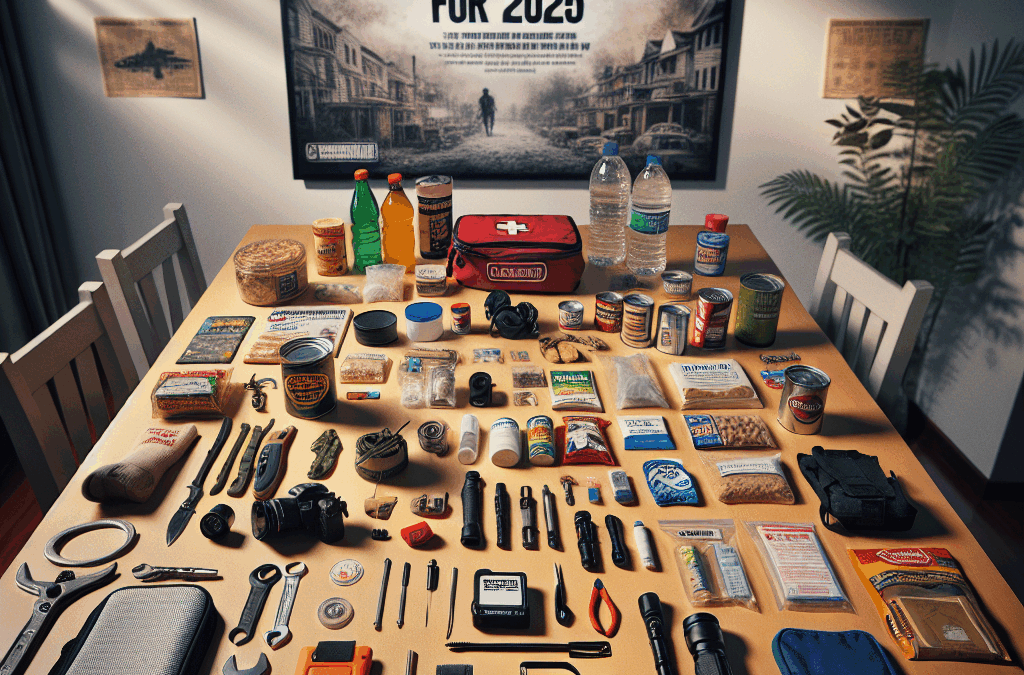
An emergency kit is your lifeline during a crisis. Start by gathering supplies that can sustain you and your family for at least three days. Essentials include non-perishable food, water (one gallon per person per day), first aid supplies, flashlights, batteries, and important documents. Don’t forget personal items like medications and baby necessities if applicable—these small additions can significantly ease stress during chaotic times.
### Creating a Family Emergency Plan: Communication and Evacuation
Once you’ve assessed risks and assembled your kit, it’s time to create a comprehensive family emergency plan. Discuss communication protocols so everyone knows how to reach one another if separated. Designate safe meeting points and map out evacuation routes from your home and neighborhood. Practice these scenarios regularly; familiarity breeds confidence.
### Staying Informed: Essential Resources and Alerts
Knowledge is power when it comes to emergencies. Sign up for local alerts regarding severe weather or other emergencies through apps or governmental websites. Keep a battery-operated radio on hand for updates when the power goes out; staying informed will help you make critical decisions quickly.
### Preparing Your Home: Safety Measures and Supplies
Take proactive steps to fortify your home against disasters. Install smoke detectors on every level of the house, check fire extinguishers regularly, and secure heavy furniture to walls to prevent tipping during earthquakes or storms. Stockpile additional supplies like blankets, duct tape, tarps, and extra batteries—these items can prove invaluable in various situations.
### Emergency Contact List: Who to Reach Out To
Compile an emergency contact list that includes family members, friends living nearby, neighbors, and relevant authorities (like local police or fire departments). Ensure each household member has access to this list—consider keeping digital copies on mobile devices as well as printed versions stored within easy reach.
### Training and Drills: Practice Makes Perfect
Preparation doesn’t stop at planning; practice makes perfect! Schedule regular drills with your family so that everyone knows what actions to take in case of different emergencies—whether it’s evacuating due to fire or sheltering in place during extreme weather conditions. The more familiar everyone becomes with the procedures, the smoother responses will be when real crises occur.
### Special Considerations: Preparing for Pets and Seniors
Don’t overlook vulnerable members of your household! If you have pets or elderly relatives living with you, develop specific plans tailored for them too—think about their needs regarding evacuation routes or necessary medical care during an emergency situation.
## Conclusion: Staying Proactive and Resourceful in Crisis Situations
Being prepared is not just about having supplies; it’s about cultivating awareness and resilience within yourself and those around you. By taking these ten essential steps toward emergency preparedness today, you’re investing in peace of mind for tomorrow. Remember—the best defense against uncertainty lies in thorough preparation!




