by Preparation | Aug 24, 2025 | Preparedness
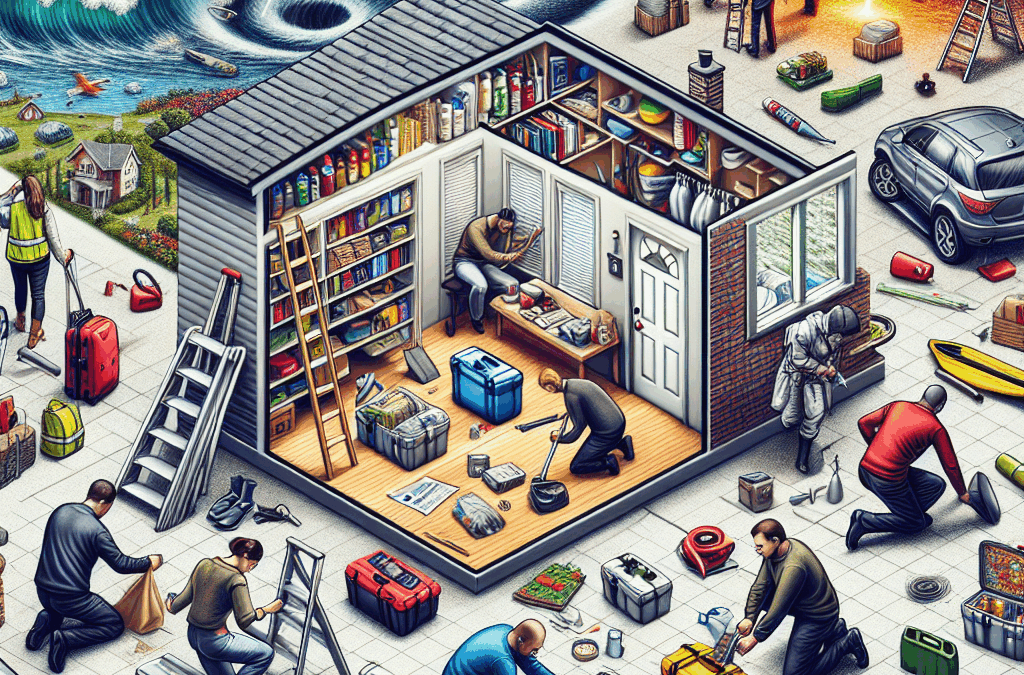
Preparing for emergencies in 2025 requires a well-thought-out disaster preparedness kit. This kit is your lifeline during unexpected events like natural disasters, power outages, or other crises. Iâve spent years helping families and communities build resilient emergency supplies, and I can tell you, the right disaster preparedness kit can make all the difference in staying safe. In this comprehensive guide, Iâll share 10 effective tips to ensure your kit is ready for anything in 2025.
Table of Contents
- Understanding the Importance of a Disaster Preparedness Kit
- Assessing Your Specific Needs
- Choosing the Right Container for Your Kit
- Gathering Essential Food and Water Supplies
- Including First Aid and Medical Supplies
- Adding Communication Devices
- Ensuring Proper Clothing and Shelter Items
- Incorporating Power and Lighting Resources
- Maintaining Your Disaster Preparedness Kit
- Practical Tips for Regularly Updating and Testing Your Kit
1. Understanding the Importance of a Disaster Preparedness Kit
Why Every Family Needs a Kit
In 2025, disasters can strike unexpectedlyâfrom hurricanes and earthquakes to wildfires and cyber-attacks. Having a well-prepared disaster preparedness kit ensures that you and your loved ones are ready to face these emergencies confidently. This kit acts as your safety net, providing essentials during critical moments.
Research indicates that over 70% of disaster-related injuries are due to lack of immediate access to supplies. By maintaining a comprehensive kit, you can significantly reduce injury risks and improve recovery time. Whether youâre at home or on the go, your kit should be easily accessible and complete.
Creating an effective disaster preparedness kit is not just about collecting supplies; itâs about strategic planning. Consider the types of emergencies likely in your area and tailor your kit accordingly. This proactive approach can make a real difference in crisis situations.
2. Assessing Your Specific Needs
Personal and Family Considerations
Every household has unique needs, especially in 2025, with diverse populations, ages, and health conditions. Think about infants, elderly family members, or pets when assembling your disaster preparedness kit. Special dietary or medical needs should influence your supplies.
For example, if you have elderly family members, include necessary medications, mobility aids, and extra comfort items. For families with infants, ensure your kit contains baby formula, diapers, and baby-safe medicines. Personalization ensures everyoneâs needs are met during an emergency.
Involving everyone in the assessment process not only helps identify specific items needed but also encourages preparedness awareness. Conducting a family emergency plan review every few months keeps your kit relevant and comprehensive.
3. Choosing the Right Container for Your Kit
Durability and Portability
The container you select must be durable enough to withstand rough conditions in 2025 disasters. Rigid plastic bins with waterproof seals are popular for their robustness and affordability. For portability, consider backpacks or rolling carts for easy transport.
Think about size and weightâyour disaster preparedness kit should be comprehensive but manageable. A kit for home might stay in a secure, accessible location, while a smaller version should be kept in your vehicle or at work.
Labeling your container clearly and organizing items systematically can help you quickly access essentials during an emergency. Invest in modular storage within the container to separate food, water, medical supplies, and tools.
4. Gathering Essential Food and Water Supplies
Long-lasting, Nutritious Food Options
In 2025, the importance of having enough food and water cannot be overstated. Experts recommend storing at least a 3-day supply per person, but aiming for a 2-week reserve is ideal. Freeze-dried meals, energy bars, and canned goods are excellent choices because of their shelf life and nutritional value.
Water is the most critical resourceâaim for one gallon per person per day. Consider water purification tools like filters or tablets to supplement stored water. Remember, stored water should be rotated regularly to prevent spoilage.
Some families find it helpful to include comfort foods to boost morale. Commercially packaged emergency food supplies now come with clear expiration dates and easy preparation instructions, making safe planning easier.
5. Including First Aid and Medical Supplies
Essential Medical Items for Emergencies
Medical emergencies often accompany disasters, so your disaster preparedness kit must include comprehensive first aid supplies. Bandages, antiseptics, pain relievers, and specialized medications are all essentials.
In 2025, consider including personal medical devices such as glucose meters, inhalers, or EpiPens, especially if family members have ongoing health conditions. A well-stocked first aid kit can manage minor injuries and stabilize severe ones until help arrives.
Training on basic first aid and CPR is also invaluable. Many organizations now offer virtual courses tailored for disaster scenarios, so your family can respond confidently during crises.
6. Adding Communication Devices
Staying Connected During Disasters
Communication is often disrupted during disasters, making reliable devices vital. Battery-powered radios, walkie-talkies, and portable chargers ensure you stay informed and connected. In 2025, solar-powered devices are increasingly popular for sustainable power sources.
Smartphones with preloaded emergency apps can provide real-time alerts and location services. But always have backup options like traditional radios and printed maps, especially when electronic devices fail.
Practice using these devices regularly so everyone in the family knows how to operate them swiftly in an emergency. Clear communication channels can save lives by providing timely updates and coordination.

7. Ensuring Proper Clothing and Shelter Items
Protection Against Weather Extremes
Weather can be unpredictable in 2025, so your disaster preparedness kit should include clothing suitable for various conditions. Waterproof jackets, sturdy boots, hats, and gloves protect against rain, snow, or heat waves.
Furthermore, consider shelter options such as compact tents, thermal blankets, or sleeping bags designed for different climates. These items offer a safe refuge if your primary shelter becomes compromised.
Comfort and safety are paramount. Adequate clothing and shelter gear can prevent hypothermia, heat exhaustion, or other weather-related health issues during emergencies.
8. Incorporating Power and Lighting Resources
Ensuring Light When Power Fails
Power outages are common in 2025 disasters, so your kit needs reliable lighting and backup power sources. LED flashlights, headlamps, and extra batteries should be staples.
Solar chargers and portable power banks help keep devices operational without grid power. Investing in a small generator or fuel-powered backup can be worthwhile for extended outages.
Synchronize your power and lighting supplies with your communication devices and medical equipment to maintain functionality during crises. Regular checks and battery replacements keep your gear ready to use.
9. Maintaining Your Disaster Preparedness Kit
Regular Checks and Upgrades
A disaster preparedness kit isnât a ‘set it and forget it’ situation. In 2025, the best practice is to review your kit every three to six months to check expiration dates, replace used supplies, and update items based on changing needs.
Create a schedule for inspections and include your family members in this process. Keeping your kit current ensures readiness and peace of mind during emergencies.
Labeling shelves and containers with expiration dates, and keeping a log of when supplies were last checked, helps streamline maintenance efforts. Remember, a well-maintained kit can be a life-saving resource.
10. Practical Tips for Regularly Updating and Testing Your Kit
Simulated Emergency Drills
In 2025, testing your disaster preparedness kit through drills can reveal weaknesses and improve response times. Conducting family simulations helps everyone understand their roles and the location of supplies.
Update your kit after drills, noting items that need replenishing or replacing. Keep a dedicated folder with instructions, maps, and emergency contacts for quick reference.
Practice assembling and using equipment under time constraints to build confidence. The goal is to turn preparedness from a routine task into a muscle memory in emergency situations.
Frequently Asked Questions about Disaster Preparedness Kits in 2025
1. What should I include in my 2025 disaster preparedness kit?
Your kit should contain food, water, medical supplies, communication devices, clothing, shelter items, power sources, and personal essentials. Tailor these to your familyâs specific needs for maximum effectiveness.
2. How often should I update my disaster preparedness kit?
Itâs recommended to review your kit every three to six months. Check expiration dates, replace used items, and update supplies based on new needs or emerging threats.
3. Can I prepare a disaster preparedness kit for pets?
Absolutely! Include pet food, water, medications, and comfort items. Remember, pets are part of the family, and their safety is equally important during emergencies.
4. Why is a disaster preparedness kit essential in 2025?
With the increasing frequency of natural and man-made disasters, having a disaster preparedness kit in 2025 can greatly reduce risks, ensure survival, and facilitate faster recovery during crises.
5. How do I ensure my disaster preparedness kit remains effective?
Regular inspections, practicing emergency drills, and updating supplies help maintain the kitâs effectiveness. Keep items organized and accessible, and educate your family on how to use everything confidently.
Conclusion
In summary, building and maintaining a comprehensive disaster preparedness kit in 2025 is vital for ensuring safety and resilience during unforeseen events. By following these 10 effective tips, you can create a reliable resource that protects your loved ones and gives you peace of mind. Remember, preparation today can save lives tomorrowâso donât wait to start assembling your perfect disaster preparedness kit.
by Preparation | Aug 24, 2025 | Preparedness
Table of Contents
- Introduction to Preparedness for Hurricanes
The Rising Threat in 2025
Hurricanes have become more intense and frequent in recent years. In 2025, climate scientists warn that hurricane activity is expected to increase due to ongoing climate change. Understanding the importance of preparedness for hurricanes is essential for safeguarding lives and property.
Many communities have experienced devastating storms, emphasizing the need for proactive action. Being prepared can significantly reduce the risk of injury and damage during hurricane events.
For example, after Hurricane Laura in 2020, communities that had comprehensive emergency plans fared much better than those that were unprepared. Recognizing the importance of preparedness for hurricanes helps motivate residents to take necessary precautions well in advance.
Impacts of Inadequate Preparation
Failure to prepare for hurricanes in 2025 can lead to chaos, injuries, and financial loss. Unprepared households often find themselves overwhelmed and vulnerable when a storm arrives unexpectedly.
Statistics show that nearly 40% of hurricane-related injuries occur due to preventable hazards during storms. Proper preparedness minimizes these risks by mitigating hazards in advance.
Community-wide preparedness also enhances resilience, enabling quicker recovery and less strain on emergency services after the storm passes.
2. Building Your Emergency Kit for Hurricane Season 2025
Essential Items to Include
An effective emergency kit provides crucial supplies that ensure survival and safety during hurricanes. Essential items include non-perishable food, clean water, medications, flashlights, batteries, and cash.
In 2025, consider adding solar-powered chargers and portable power banks to keep electronics functioning. These tools are invaluable during power outages.
Remember, your kit should also contain important documents, personal hygiene items, and pet supplies if needed. Preparing a comprehensive kit ensures you’re ready for any situation.
Where to Store Your Emergency Supplies
Store your emergency kit in a cool, dry, and easily accessible location known to all family members. Consider waterproof containers to protect supplies from water damage during floods.
Regularly check and update your kit, replacing expired items and adding new supplies as needed. This ongoing maintenance is key to effective preparedness for hurricanes.
Practical tip: Keep a smaller, portable kit in your car or at work for quick access during evacuations.
3. Developing a Family Evacuation Plan
Creating Clear Evacuation Routes
Having a well-thought-out evacuation plan is critical for safeguarding your loved ones during a hurricane in 2025. Map out multiple routes to local shelters and practice them regularly.
Consider factors like traffic patterns, road conditions, and potential flood zones. Knowing your routes in advance minimizes confusion during emergencies.
Involving every family member in the planning process ensures everyone understands their role and responsibilities.
Designating a Safe Meeting Spot
Choose a safe, accessible location outside your home where family members can reunite after evacuating. This spot should be familiar and easy to reach.
Notify friends or relatives outside your immediate area about your plan, so they can assist or provide support if needed.
Having a clear evacuation plan and designated meeting point increases your preparedness for hurricanes in 2025, reducing panic and chaos during storm events.
Understanding Weather Warnings
Stay ahead of hurricane developments by monitoring official alerts from the National Hurricane Center and local authorities. Sign up for emergency notification systems in your area.
In 2025, leveraging technology like weather apps, social media, and NOAA broadcasts provides real-time updates that are vital for preparedness for hurricanes.
Knowing the difference between watches and warnings helps you respond appropriatelyâbeing ready when a warning is issued is crucial.
Creating a Communication Strategy
Develop a plan to stay connected with family members and neighbors during a storm. Share contact information and agree on communication methods if phones or internet go down.
Designate an out-of-area contact who can coordinate information if local communication lines fail. Regular check-ins can save lives.
In 2025, advanced communication tools and apps can aid in maintaining contact and ensuring everyoneâs safety is prioritized.
5. Reinforcing Your Home Against Hurricanes
Home Renovation and Strengthening Tips
Strengthening your home to withstand hurricane-force winds is a critical part of preparedness for hurricanes in 2025. Installing storm shutters, reinforcing garage doors, and securing roof shingles can significantly improve your home’s resilience.
Window and door protection reduces the risk of shattered glass and wind intrusion. These measures are especially important in coastal regions prone to high winds.
Consulting professional contractors who specialize in hurricane-resistant construction ensures that your house is prepared for extreme weather events.
Insurance and Property Protection
Review and update your homeownerâs insurance policy to ensure adequate coverage for hurricane-related damages. In 2025, insurers are offering new policies that include coverage for flood and wind damages.
Document your property with photographs and inventory to streamline claims process after a storm.
Proper insurance and home reinforcement lessen financial burdens and improve recovery times after hurricanes.
6. Preparing Financially for a Hurricane in 2025
Emergency Funds and Financial Readiness
Having a dedicated emergency fund is essential for covering unexpected expenses during and after hurricanes. Aim to save at least three to six monthsâ worth of living expenses.
In 2025, consider setting aside cash or digital equivalents that are accessible even if power and banking systems fail.
Financial preparedness ensures that you can handle emergencies without panic or delay, allowing you to focus on safety.
Managing Insurance Claims and Documentation
Keep copies of important documents like insurance policies, identification, and property records in a secure, accessible location.
Start gathering receipts and photos of possessions before hurricane season begins. This practice helps streamline your claim process.
Being organized financially reduces stress and speeds recovery efforts after hurricanes in 2025.
7. Post-Hurricane Recovery and Resilience Building
Steps to Safely Reenter Your Home
After a hurricane passes, wait for official clearance before reentering your home. Check for structural damage, electrical hazards, and gas leaks.
Use protective gear such as gloves and masks when assessing your property. Document damages for insurance claims.
Gradually restore utilities and personal belongings, prioritizing safety at all times during cleanup efforts.
Community Support and Damage Assessment
Joining local community groups can facilitate faster recovery and resource sharing. Communities that work together bounce back more quickly after hurricanes.
Coordinate with authorities for damage assessments and aid programs. Reporting damages promptly assists in faster aid distribution.
Building community resilience enhances preparedness for future hurricanes in 2025 and beyond.
8. Incorporating Technology into Your Hurricane Preparedness Plan
Smart Home Devices and Alerts
Smart home technology, such as connected cameras, weather stations, and automated alerts, can enhance your ability to monitor and respond to hurricane threats.
These tools provide real-time updates and remote control over security and safety devices, giving you peace of mind during storms.
In 2025, brands are integrating AI-driven alerts that can predict weather patterns more accurately, improving preparedness for hurricanes.
Apps and Online Resources for 2025
Utilize disaster preparedness apps that provide checklists, emergency contacts, and evacuation routes. State-sponsored websites often have updated maps and storm tracking features.
Bookmark reliable sources to stay updated on weather warnings, shelter locations, and recovery resources.
Incorporating these digital tools into your preparation routine ensures that youâre well-informed and ready for hurricanes in 2025.
9. Cultivating a Hurricane Preparedness Mindset
Education and Community Outreach
Education is key to fostering a preparedness mindset. Attend local emergency preparedness workshops and community drills.
Sharing knowledge with neighbors and friends helps build a culture of readiness, which is vital during hurricanes.
In 2025, more communities are using social media campaigns to raise awareness and promote preparedness for hurricanes.
Personal Responsibility and Mindfulness
Adopt proactive habits like regularly checking your emergency supplies and reviewing safety procedures.
Practicing mindfulness in planning reduces stress and improves decision-making during emergencies.
Developing a persistent preparedness mindset ensures safety remains a priority year-round, especially during hurricane season.
10. Conclusion: Why Preparedness for Hurricanes is Vital in 2025
As we navigate the growing threats posed by hurricanes in 2025, understanding and implementing effective preparedness for hurricanes becomes more critical than ever. Being proactive saves lives, reduces property damage, and speeds up recovery.
This comprehensive guide provided you with practical tips and actionable steps to strengthen your hurricane readiness. Every effort counts in building resilience against storms.
Remember, preparedness for hurricanes isnât a one-time activityâit’s a continuous process that ensures you and your loved ones stay safe, no matter what 2025 brings.
FAQ: Frequently Asked Questions About Preparedness for Hurricanes
1. What are the most important items to include in an emergency kit for hurricanes in 2025?
Key items include non-perishable food, water, medications, flashlight, batteries, cash, important documents, and personal hygiene supplies. Adding solar chargers and portable batteries can be beneficial for 2025.
2. How can I improve my home’s resilience against hurricanes in 2025?
Reinforce windows with storm shutters, secure your roof, and strengthen doorways. Regularly review your insurance policy to ensure comprehensive coverage. Consulting professionals can help optimize your home’s defenses.
3. How do I develop an effective hurricane evacuation plan?
Plan multiple evacuation routes, identify safe shelters, and designate a family meeting point. Practice your plan regularly and ensure everyone understands their roles. Stay informed about weather alerts to act quickly.
4. Why is community involvement important in hurricane preparedness?
Community support enhances resilience, facilitates resource sharing, and speeds recovery. Participating in local drills and outreach programs builds collective awareness and readiness.
5. Where can I find the latest updates on hurricanes in 2025?
Use official sources such as the National Hurricane Center, NOAA, and trusted weather apps. Sign up for local emergency alerts and follow verified social media accounts for real-time information.

by Preparation | Aug 24, 2025 | Preparedness
- Developing a Robust Evacuation Plan
- Enhancing Your Homeâs Defenses Against Wildfires
- Creating Fire-Resistant Landscaping
- Assembling an Emergency Supplies Kit
- Utilizing Early Warning Systems
- Building Community Preparedness Networks
- Reviewing and Updating Insurance Policies
- Educating Your Family on Fire Safety
- Knowing Local Emergency Resources
- Addressing Mental Health During Wildfire Threats
Creating a Fire-Resistant Home Exterior
In 2025, building or retrofitting homes to withstand wildfire threats has become a top priority. Using fire-resistant building materials such as tempered glass, brick, or stucco can significantly reduce the risk of ignition. Trim overhanging branches and keep gutters clear of dead leaves or debris that may catch fire during a wildfire.
Designing defensible space around your property is essential. Maintain a defensible zone of at least 30 feet, free of combustible materials like dried leaves, stacks of firewood, or dry grass. This buffer zone can slow or prevent fire spread to your home and give firefighters a better chance to protect your property.
Invest in ember-resistant vents, spark screens, and fire-resistant roofing materials. These upgrades are proven to reduce the risk of ignition from flying embers, which are often responsible for home fires during wildfires.
Implementing Fire-Resistant Landscaping
Besides structural defenses, landscape choices play a key role in fire preparedness for wildfires. Planting fire-resistant native plants reduces potential fuel around your home. Examples include succulents, junipers, and certain types of grasses that resist burning or slow fire spread.
Maintain well-irrigated lawns and keep mulch and decorative bark away from the foundation. Regularly watering and pruning plants can further minimize fire risk, especially during the dry months of 2025.
Consider creating a ‘break’ zone with non-flammable barriers like stone or metal around your home to prevent flames from jumping to the structure. Practical landscaping strategies can enhance your homeâs resilience against wildfires significantly.
Essential Items for Your Kit
Creating a comprehensive emergency supplies kit is vital for preparedness for wildfires. Stock it with enough water (at least one gallon per person per day for three days), non-perishable food, first aid supplies, personal hygiene items, and necessary medications. Include flashlights, batteries, a whistle, and a multi-tool for emergencies.
In 2025, consider adding items like N95 masks to protect against smoke inhalation, portable chargers for electronics, and copies of essential documents stored in waterproof containers. Fire seasons are becoming longer and more intense, making preparedness more critical than ever.
Review and update your kit at least twice a year, replacing expired items or adding new essentials based on changing circumstances or advancements in emergency gear technology.
Special Considerations for Pets and Vulnerable Family Members
Donât forget your pets! Pack food, water, medications, and comfort items for your furry friends. For vulnerable family members like seniors or disabled individuals, prepare individualized kits with necessary equipment and medical supplies.
Ensure that everyone in your household knows where the supplies are stored and how to access them quickly. Being prepared for wildfires means thinking about the needs of all family members, including pets.
Understanding Coverage for Wildfire Damage
Increased wildfire activity in 2025 makes it crucial to review your insurance policies regularly. Ensure your homeownerâs policy covers wildfire damage, rebuilding costs, and temporary relocation expenses. Some policies exclude coverage for certain events; understanding these details can prevent surprises during an emergency.
Consult with your insurance agent to understand policy limits and add endorsements or riders specific to wildfire protection if needed. Considering supplementary coverage might be wise if your area is at high risk.
Updating your insurance ensures that you have financial protection should a wildfire impact your property, providing peace of mind during an increasingly uncertain wildfire season.
Documenting Property and Valuables
Maintain detailed inventories of valuables, including photos, receipts, and appraisals. In case of loss, having thorough documentation expedites claims processing. Store copies of your inventories digitally and in secure off-site locations or cloud storage.
Regularly update these records, especially after improvements or acquisitions. An accurate inventory supports claims and can help you rebuild faster after wildfire damage.
Understanding Your Local Fire Department’s Protocols
In 2025, staying informed about your local fire departmentâs plans and resources is critical. Know their contact information, response times, and available services such as temporary shelters or community alerts. Establish communication with local authorities before wildfire season peaks.
Attend community safety meetings to learn about evacuation routes, designated shelters, and volunteer opportunities. Building a good rapport with local responders can make a difference when fire strikes.
Having reliable information about local emergency resources ensures you can respond quickly and effectively during wildfires.
Finding Nearby Emergency Shelters and Resources
Identify and mark locations of emergency shelters suitable for your family and pets. Many communities have designated wildfire shelters that are equipped to handle displaced residents. Know their addresses and transportation options for quick access.
Keep a printed list or digital map of these resources, and include nearby hospitals, veterinary clinics, and supply centers. Regularly check for updates, especially if your living area is at high risk for wildfires in 2025.
by Preparation | Aug 24, 2025 | Preparedness
- 1. Emergency Supply Kits
- 2. Community Alert Systems
- 3. Mobile Emergency Apps
- 4. Disaster Preparedness Checklists
- 5. Government Guidance and Resources
- 6. Online Training and Drills
- 7. Local Preparedness Workshops
- 8. Social Media for Real-Time Updates
- 9. Family Emergency Plans
- 10. Non-Profit and NGO Support Programs
If there’s one thing we’ve learned, especially as we head into 2025, it’s the importance of being proactive about disaster preparedness. The key to staying safe during emergencies is having reliable disaster preparedness resources at your fingertips. These resources can help you build resilient plans, respond effectively, and protect loved ones when it matters most. In this article, I will share ten of the most effective disaster preparedness resources that you should consider this year to stay safe and well-prepared.
1. Emergency Supply Kits
What to Include in Your Kit
An emergency supply kit is foundational for disaster preparedness. To be effective in 2025, your kit should include essential items like non-perishable food, water for at least three days per person, first aid supplies, medications, and hygiene products. Consider adding rechargeable flashlights, batteries, and portable chargers to keep your devices powered. Remember to tailor your kit to your specific needs, including supplies for pets or infants.
In recent studies, households with comprehensive emergency kits are 30% less likely to experience panic during a disaster. Stockpiling ahead of time ensures you wonât have to scramble for supplies when thereâs urgency. Make sure your supply kit is easily accessible and stored in a known location.
Regularly review and update your emergency supply kits, rotating out old supplies and adding new items. Practical tips include labeling your kits and involving family members in assembling them. This way, everyone understands what items are available and how to use them.
Practical Tips for Preparedness
Set a reminder every six months to check your kitsâ expiration dates and replace items as needed. If you’re traveling or moving, update your emergency supplies accordingly. Large retailers and outdoor stores now offer comprehensive kits that meet national standards, making preparedness more affordable and accessible.
How Alert Systems Work
Community alert systems are vital disaster preparedness resources that ensure you receive timely warnings about emergencies such as wildfires, floods, or severe weather. These systems use sirens, text messages, emails, and app notifications to keep residents informed. In 2025, many cities are upgrading these systems to include multilingual alerts and faster response times.
Examples include Wireless Emergency Alerts (WEA) and regional notification apps. These tools are integrated into mobile networks, meaning you can get alerts even if your phone is on silent or Do Not Disturb mode. This direct communication can make the difference between safety and danger.
Having a reliable alert system subscribes you to up-to-date information and empowers you to act quickly. It’s crucial to register your contact details, especially if you live in high-risk areas.
How to Maximize Its Effectiveness
Stay familiar with your local alert systems by subscribing to alerts before disasters occur. Share this information with neighbors and community groups. During drills or community meetings, ask questions about how notifications work and what actions to take once you receive a warning.
Proactively testing your alert subscriptions ensures you donât miss critical information during real emergencies. Many local agencies offer mobile apps that integrate these alerts with other disaster preparedness resources. Make using these apps part of your weekly routine.
3. Mobile Emergency Apps
Top Apps for Disaster Preparedness in 2025
Mobile emergency apps are must-have disaster preparedness resources that provide real-time information, safety tips, and communication tools. Apps like FEMA, Red Cross, and local government apps offer features such as weather alerts, shelter locations, emergency checklists, and family connection options. These tools are constantly updated to incorporate the latest data and safety protocols.
In 2025, AI-driven alerts can predict and warn about emerging disasters based on your location and recent data trends. These apps often include step-by-step guidance for evacuation, first aid, and disaster recovery. Having multiple trusted apps downloaded and configured ensures youâre prepared across various scenarios.
Practical advice includes customizing notifications and permissions, testing app functions regularly, and sharing your emergency plan with family members through these platforms.
Filtering and Customizing Alerts
Most disaster apps allow you to customize what types of alerts you receive, such as severe weather, earthquakes, or chemical spills. Setting preferences ensures youâre only notified about relevant threats in your area, reducing unnecessary alarm.
Explore features like offline access and emergency contacts within the app. In a disaster scenario, internet or power outages may occur, so having downloadable resources saves lives.
4. Disaster Preparedness Checklists
Why Use Checklists
Checklists are invaluable disaster preparedness resources because they help you systematically prepare without overlooking critical steps. In 2025, checklists are more sophisticated, often integrated into apps or printable templates aligned with local hazards.
Creating a personalized checklist ensures you gather the right supplies, confirm evacuation routes, and assign roles within your family. This reduces confusion during high-stress situations and increases response efficiency.
Organizations like FEMA and the Red Cross provide state-of-the-art checklists that you can adapt. Using a checklist regularly helps you maintain readiness, keeping your supplies and plans current.
How to Create and Use Effective Checklists
Begin by listing essential itemsâfood, water, medications, important documents. Break down tasks into daily, weekly, and monthly actions to stay on top of your preparedness efforts.
Involving all family members in the planning process fosters collective responsibility and familiarity. Digital checklists can sync across devices, sending reminders for updates or replenishments.
Remember, a well-maintained checklist can be the difference between chaos and control during a disaster.
5. Government Guidance and Resources
Official Sources for Disaster Preparedness
Government agencies are major disaster preparedness resources that offer authoritative information, assistance programs, and alerts. Agencies such as FEMA, the CDC, and your local emergency management offices provide planning guides, training, and up-to-date disaster alerts for 2025.
Using government resources ensures your plans align with current best practices and legal requirements. Many offices offer free workshops, webinars, and printable materials tailored for families and communities.
Additionally, registering for local emergency registries ensures you receive targeted alerts, especially during natural disasters or hazards specific to your region.
Accessing and Implementing Government Resources
Visit official websites regularly for updates, especially during disaster seasons. Enroll in community programs and disaster preparedness initiatives. These efforts are crucial for vulnerable populations who may need additional support.
Many governments now integrate emergency planning into schools, workplaces, and community centers, making preparedness a collective effort. Staying connected with these resources makes your preparedness more comprehensive.
6. Online Training and Drills
The Benefits of Virtual Preparedness Training
Online training programs and virtual drills are evolving disaster preparedness resources that significantly boost personal and community readiness. They simulate real-life scenarios, helping participants learn how to react effectively during emergencies.
In 2025, immersive technologies like virtual reality (VR) are making these exercises more engaging and realistic. These tools simulate earthquakes, floods, or fires, enabling users to practice evacuation routes and first aid skills from their homes.
Accessing these online tools is often free or low-cost, and they are flexible to fit into busy schedules, making preparedness an ongoing part of everyday life.
Engaging with Virtual Drills
Participate in scheduled community or workplace drills, and encourage family members to do the same. Use digital checklists during exercises to identify areas for improvement. Involving everyone increases overall safety preparedness.
Review and discuss the results of drills to reinforce knowledge and update plans accordingly. These online resources keep you proactive, even if you cannot join live events.
7. Local Preparedness Workshops
Community-Based Learning
Local preparedness workshops are valuable disaster preparedness resources that empower residents through hands-on training and education. Many municipalities and nonprofits organize workshops on topics like first aid, fire safety, and evacuation planning.
Participating in these events builds confidence and familiarity with your local hazards. They also foster community ties, encouraging neighbors to coordinate and support each other during crises.
In 2025, these workshops often incorporate new technologies and strategies, ensuring participants stay current with evolving best practices.
Maximizing Workshop Benefits
Bring your family, friends, and neighbors to these workshops. Take detailed notes, ask questions, and practice skills actively. Follow up by reviewing materials and implementing learned strategies at home.
Many workshops also provide resources, such as printed maps, checklists, and contact lists, that become invaluable during actual disasters.
Leveraging Social Platforms
Social media has become a critical disaster preparedness resource in 2025. Platforms like Twitter, Facebook, and Instagram are used daily by emergency agencies and community organizations to share real-time updates and safety tips.
Following official accounts and hashtags related to your region ensures you get accurate and timely information during crises. Many agencies now use platforms to coordinate rescue efforts, share evacuation routes, and dispel rumors.
Be cautious about misinformation; always verify data from trusted sources before acting on social media information.
Tips for Effective Use
Set up alerts for relevant hashtags, and follow local authorities, hospitals, and community groups. Use social media to connect with neighbors and share resources during emergencies. Remember, social media complements other disaster preparedness resources and should be part of your overall strategy.
9. Family Emergency Plans
Creating and Practicing Your Plan
Having a well-crafted family emergency plan is a cornerstone disaster preparedness resource. Your plan should include communication methods, evacuation routes, designated meeting points, and important documents. Practice drills at least twice a year to ensure everyone knows their roles.
Tech-savvy families might use shared digital documents or emergency apps to stay connected. Children should understand basic safety procedures, and plans should be reviewed after each drill or when circumstances change.
Effective planning minimizes chaos and confusion during an actual emergency, significantly increasing your safety and response effectiveness in 2025.
Key Components of a Family Emergency Plan
Contact info for family members and emergency contacts, location of supplies, and knowledge of local hazards are essential elements. Consider mobility and health needs of all family members when designing your plan.
Distribute printed copies of your plan and keep digital backups. Ensure everyone knows how to access the information quickly.
10. Non-Profit and NGO Support Programs
Community Support from NGOs and Non-Profits
Many non-profit organizations and NGOs offer disaster preparedness resources, training, and support programs in 2025. Groups like the Red Cross, Mercy Corps, and local charities provide free supplies, educational workshops, and volunteer opportunities.
Leveraging these resources can bridge gaps in household preparedness, especially for vulnerable or underserved populations. Participating in community campaigns also promotes a culture of resilience and mutual aid.
Research local programs to find opportunities for training sessions or material donations that enhance your disaster readiness.
Contributing and Getting Involved
Volunteering with these groups not only benefits your community but also deepens your understanding of disaster response. Donations, whether monetary or supplies, help sustain these vital resources.
Stay informed about upcoming events and initiatives by subscribing to newsletters or following social media accounts of these organizations. Together, we can build stronger, safer communities in 2025.
Conclusion
In summary, leveraging the right disaster preparedness resources in 2025 is key to safeguarding your family, home, and community. From creating comprehensive emergency kits and utilizing modern apps to participating in local workshops and following social media updates, each resource plays a vital role in a resilient disaster strategy. Staying proactive with these tools ensures you wonât just survive but thrive in the face of adversity. Remember, preparedness isnât a one-time effortâitâs an ongoing commitment that can save lives. Start today and keep your disaster preparedness resources up-to-date for a safer 2025.
Frequently Asked Questions
- What are the most essential disaster preparedness resources for 2025? The most essential resources include emergency supply kits, community alert systems, mobile emergency apps, and family emergency plans, among others outlined above.
- How often should I review my disaster preparedness resources? Regularlyâat least biannuallyâto ensure everything is current and functional.
- Are government resources reliable for disaster preparedness? Yes, federal and local government agencies provide authoritative, up-to-date guidance and tools essential for effective preparedness.
- How can I involve my family in disaster preparedness? Create and practice family emergency plans, use checklists, attend workshops, and involve everyone in assembling supplies and learning safety protocols.
- Why are disaster preparedness resources crucial in 2025? They are essential because they enable prompt response, reduce risks, and enhance resilience amid increasing natural and technological hazards.

by Preparation | Aug 24, 2025 | Preparedness
- Choose the Right Non-Perishable Foods
- Properly Store Dry Goods
- Invest in High-Quality Food Containers
- Implement Rotation Systems for Freshness
- Maintain Optimal Storage Conditions
- Consider Emergency Food Supply Kits
- Use Food Preservation Techniques
- Plan for Special Dietary Needs
- Stock Up on Water and Hydration Supplies
- Regularly Review and Update Your Food Storage
1. Choose the Right Non-Perishable Foods
Understanding Non-Perishable Foods
When it comes to food storage for emergencies, selecting the right non-perishable foods is crucial. These are foods that can last for years without refrigeration, such as canned goods, dried grains, and freeze-dried items. In 2025, the focus is on nutrient-dense options that provide maximum nutrition with minimal storage space.
Popular choices include canned vegetables, beans, tuna, and shelf-stable milk. Ensuring a variety of food groups helps maintain balanced nutrition during emergencies. For example, ready-to-eat cereals, jerky, and nut butters are excellent sources of energy and protein.
Research shows that having a diverse assortment can improve mental well-being during stressful situations. Plan your emergency food storage for emergencies around foods that your family enjoys and can prepare easily under limited resources.
Smart Shopping Strategies
Buy in bulk when possible to save money and ensure you have enough supplies for at least three days to two weeks. Focus on foods with long shelf livesâthink 5-10 yearsâsuch as dried pasta, rice, and canned fruits. Store discounts and sales alerts to build your stock gradually.
Investing in bulk packages and multi-family sizes can be more economical and practical in the long run. Additionally, choose brands known for durability and quality, especially for items like canned goods, which are most vulnerable to damage or spoilage if damaged.
Remember, regularly checking expiration dates and rotating stock is essential to keep your emergency food storage fresh and ready for use. This proactive approach ensures your supplies will be reliable when needed most.
2. Properly Store Dry Goods
Container Choices for Dry Storage
Dry goods like rice, oats, and flour are staples in any food storage for emergencies plan. It’s essential to store these in airtight, moisture-proof containers to prevent pests, mold, and spoilage. Clear plastic bins with lockable lids are popular because they are durable and allow easy inventory management.
For added protection, consider vacuum-sealed bags or Mylar pouches with oxygen absorbers, especially for long-term storage. These methods significantly extend shelf life by reducing oxygen and moisture exposure.
Label every container with the contents and the date of storage. This simple step will make rotation and management easier, ensuring you use the oldest supplies first.
Preventing Pest Infestations
Dry goods are often targeted by pests like pantry beetles and mice. To mitigate this risk, store all dry items in sealed containers and keep storage areas clean and dry. Regularly inspect your stock for signs of pests or spoilageâearly detection is key.
Consider natural deterrents such as bay leaves or homemade traps if pests become an issue. Many experienced preppers recommend rotating your dry goods every 6-12 months to stay ahead of potential contamination.
Creating an environment thatâs inhospitable to pests will help maintain your food storage for emergencies more effectively and prolong the usability of your supplies.
3. Invest in High-Quality Food Containers
Material and Design Considerations
Choosing the right containers is vital for effective food storage for emergencies. Food-grade plastic, glass, and Mylar bags are popular options. Look for containers that are BPA-free, airtight, and durable enough to withstand handling over years of storage.
Mylar bags with oxygen absorbers are especially designed for long-term storage and offer excellent protection from light, oxygen, and moisture. These are perfect for grains, powders, and even herbs.
For everyday convenience, stackable plastic bins with secure lids are great, but always prioritize durability and the ability to keep pests out. Investing in sealed containers will significantly extend the freshness and safety of your stored food.
Cost-Effective Container Solutions
You donât need to buy the most expensive options right away. Start with sturdy, reusable containers that can be easily labeled and stacked neatly in your pantry or basement. Over time, expand to specialized storage solutions for long-term stockpiling.
Repurposing containers like glass jars or reusing food-grade buckets can save money and reduce waste. Just ensure they are properly cleaned and sealed before storing food inside.
Remember, the key is sealing your foods tightly to prevent moisture and pest intrusion, thus making your food storage for emergencies more resilient and cost-effective.
4. Implement Rotation Systems for Freshness
First-In, First-Out (FIFO) Method
To maintain an effective emergency food storage for emergencies, a well-organized rotation system is essential. The FIFO method ensures that older supplies are used before newer ones, preventing spoilage and waste. When you add new stock, place it behind existing items, so older products are reached first.
This approach helps keep your inventory fresh and ready to use at a momentâs notice. For example, if you have canned vegetables from 2023 and 2024, use the 2023 stock first.
Regularly reviewing your inventory, perhaps every 3-6 months, will help you identify expired or close-to-expire items, so you can replace or replenish them accordingly.
Practical Tips for Inventory Management
Label all items with the purchase date and expiration date. Use a spreadsheet or an app dedicated to inventory tracking for added efficiency. Keep a checklist in your storage area to quickly note what needs to be used or replaced.
Involving the whole family in rotation routines ensures everyone knows what supplies to use and when, making your preparedness more effective.
Consistent rotation not only prolongs the usability of your food storage for emergencies but also ensures youâre never caught unprepared due to expired items.
5. Maintain Optimal Storage Conditions
Temperature and Humidity Control
Proper storage conditions significantly influence the longevity of your emergency foods. Aim to keep storage areas cool, dry, and dark. The ideal temperature range is between 50-70°F (10-21°C). Excessive heat can accelerate spoilage and degrade nutrients.
Monitoring humidity levels is equally important. Higher humidity encourages mold and pests. Use dehumidifiers or silica gel packs to maintain low moisture levels in storage areas.
Darkness is vital because light exposure can cause food to degrade faster. Store foods in opaque containers or in areas away from windows to protect them from light damage.
Location Tips for Food Storage
Choose locations like basements or cellars that naturally stay cool and dry. Avoid storing food in garages or attics where temperature fluctuations are common. Proper environment control is integral to extending the shelf life of your food storage for emergencies in 2025.
Ensure easy access for regular inspections and rotations. Keep your storage area organized to easily monitor the condition of your supplies and address any issues promptly.
Maintaining the right storage environment is key to building a reliable emergency stockpile that will last for years.
6. Consider Emergency Food Supply Kits
Pre-Packaged vs. Custom Kits
Emergency food supply kits are a convenient way to ensure you have essential nutrients during crises. These kits often come with a variety of freeze-dried and dehydrated foods designed for long shelf livesâsome up to 25 years!
You can opt for pre-packaged kits from trusted brands or assemble your own custom kit tailored to your family’s dietary needs. Custom kits allow for more control over food preferences and portion sizes.
In 2025, advancements in emergency food technology include lightweight meals with enhanced flavor and nutritional content, making them more appealing and practical for extended use.
How to Choose the Right Emergency Kits
Look for kits with a wide variety of foods, including grains, proteins, vegetables, and fruits. Check the storage instructions and expiration dates, ensuring they align with your preparedness timeline.
Opt for kits that offer easy preparationâpreferably no-cook optionsâand require minimal water. Consider adding supplementary items like energy bars, vitamins, and hydration tablets to boost your emergency food storage for emergencies.
Remember, the key is to regularly review and rotate your stock of emergency kits to keep your supplies fresh and ready for 2025 scenarios.
7. Use Food Preservation Techniques
Methods for Extending Shelf Life
Moisture, oxygen, and light are the main enemies of stored food. Techniques like canning, drying, vacuum sealing, and freezing can substantially extend the shelf life of your supplies. For example, blanching and dehydrating vegetables can preserve flavor and nutrients for years.
Vacuum sealing removes oxygen, which is essential for slowing down spoilage and preventing pest infestations. Combine with oxygen absorbers for even longer storage times.
Explore solar drying or pressure canning for preservation methods that suit your climate and resources. Continuous learning about food preservation in 2025 can significantly enhance your food storage for emergencies strategy.
Benefits of Preservation Techniques
By preserving foods at home, you reduce dependency on commercial canned or packaged foods, often at a lower cost. Plus, you can tailor flavors and ingredients to suit your preferences.
Adopting preservation techniques adds valuable redundancy to your emergency preparedness plan. Plus, itâs satisfying to know that youâre proactively extending your foodâs lifespan.
Utilize online tutorials, workshops, and community groups to improve your skills in food preservationâknowledge that is especially useful for building a resilient food storage strategy for 2025.
8. Plan for Special Dietary Needs
Accommodating Allergies and Health Conditions
Food storage for emergencies isnât one-size-fits-all. Consider allergies, intolerances, and specific health conditions of your family members. Stock gluten-free, low-sodium, or diabetic-friendly options as needed.
Special dietary needs can be overlooked during emergencies; planning ahead ensures continued access to suitable nutrition. For example, having allergy-friendly canned foods and gluten-free grains can prevent health emergencies caused by dietary oversights.
Research reliable brands that cater to these requirements and regularly review your supplies to ensure they meet your family’s evolving needs in 2025.
Incorporating Dietary Flexibility
Stock versatile ingredients that can be prepared in multiple ways and suit various dietary restrictions. Examples include quinoa, lentils, and nut butters, which are nutrient-dense and adaptable.
Maintain a balanced stock of protein, carbs, fats, and vitamins to keep morale high and health stable during crises. Engaging in planning with a nutritionist or healthcare professional can enhance your emergency food storage for emergencies plan.
Flexible and considerate, your emergency food approach in 2025 should prioritize health, accessibility, and adaptability.
9. Stock Up on Water and Hydration Supplies
Water Storage Best Practices
Water is vital, especially when food is scarce. Itâs recommended to store at least one gallon of water per person per day. Utilize food-grade water storage containers and rotate supplies regularly.
Consider adding purification methods such as water filters, purification tablets, or boiling techniques. These enhance safety and provide backup options if stored water becomes contaminated.
In 2025, new technologies like compact filtration bottles and solar-powered purifiers make it easier than ever to maintain hydration in emergency situations.
Additional Hydration Tips
Plan for hydration, not just for drinking but also for cooking and sanitation. Proper hydration supports immune function and overall resilience during emergencies.
Keep a stock of electrolyte solutions and hydration tablets for added health benefits during physically taxing situations. Donât forget to include your pets in your hydration planning.
Remember, the best preparation involves not only storing plenty of water but also ensuring its safety and accessibility when needed.
10. Regularly Review and Update Your Food Storage
Scheduled Checks and Maintenance
Maintaining an up-to-date food storage for emergencies is crucial. Schedule regular inspectionsâmonthly or quarterlyâand check for pests, spoilage, and expiration dates. This habit ensures your supplies remain reliable.
Document your inventory with dates and quantities. When you find items nearing expiration, replace or consume them to keep your stock fresh and relevant for 2025 scenarios.
Adjust your storage based on changing needs, family size, or new emergency insights, ensuring your preparedness plans evolve with new information or circumstances.
Adapting to New Trends and Technologies
Stay informed about the latest advances in food preservation, storage materials, and emergency preparedness. Innovations in packaging and preservation can make your food storage for emergencies more efficient and durable.
Participate in community preparedness programs or online forums to share insights and learn from othersâ experiences. Connecting with broader networks can enhance your strategy for 2025 and beyond.
Refining your approach ensures you remain well-prepared, resilient, and confident in your emergency readiness.
Frequently Asked Questions
1. What is the most important aspect of food storage for emergencies?
The most important aspect is durability and shelf life. Using high-quality, long-lasting foods stored in proper conditions ensures your supplies are ready when needed.
2. How long can food typically be stored safely for emergencies?
Many foods stored properly can last from 2 to 10+ years, depending on the type and storage conditions. For example, freeze-dried meals in 2025 can last up to 25 years.
3. What are some space-saving food storage tips for small areas?
Utilize vertical storage, stack containers, and choose compact, long-lasting foods like vacuum-sealed grains and freeze-dried meals. Organize to maximize space efficiency.
4. How often should I review my food storage for emergencies?
Itâs recommended to check your supplies every 3 to 6 months to ensure freshness, rotate stock, and adjust for any changing family needs or new products.
5. Why is food storage for emergencies important in 2025?
With increasing climate uncertainties and global disruptions, having a reliable and well-maintained emergency food storage plan is essential for peace of mind and safety in 2025 and beyond.
Conclusion
Proper food storage for emergencies is a cornerstone of preparedness. In 2025, building a resilient, well-organized, and adaptable stockpile can make the difference between comfort and crisis during unexpected events. From choosing the right non-perishable foods to maintaining optimal storage conditions, every step counts. Prioritize smart storage techniques, regular review, and ongoing learning to stay ahead. Remember, a thoughtful approach to food storage for emergencies not only keeps your family safe but also empowers you to face the future with confidence.

by Preparation | Aug 24, 2025 | Preparedness
- 1. Know Your Risks and Prepare Accordingly
- 2. Build a Solid Emergency Kit
- 3. Create a Reliable Communication Plan
- 4. Strengthen Your Homeâs Resilience
- 5. Stay Informed with Real-Time Updates
- 6. Educate Yourself and Family Through Drills
- 7. Invest in Adequate Insurance Coverage
1. Know Your Risks and Prepare Accordingly
Understanding Local Disaster Trends
One of the most important steps in how to get ready for disaster is understanding the specific hazards that are most likely to affect your area in 2025. Whether you’re in a flood-prone region, an earthquake zone, or an area susceptible to wildfires, knowing your risks helps tailor your preparedness efforts. Recent climate data indicates that extreme weather events are increasing worldwide, making it vital to assess both natural and man-made hazards.
For example, coastal communities are preparing for more intense hurricanes, while inland areas might focus on tornado safety. Local government agencies often provide hazard maps and risk assessmentsâuse these resources to identify your specific vulnerabilities. Being aware of your risks enables you to allocate resources and plan effectively.
Monitoring forecasts and updates from reliable sources like the National Weather Service or local emergency agencies is crucial. They provide real-time alerts that can help you act swiftly. By understanding the evolving disaster landscape for 2025, youâre one step closer to properly get ready for disaster and safeguard yourself and your loved ones.
2. Build a Solid Emergency Kit
What Essentials Should You Include?
Creating a comprehensive emergency kit is fundamental to how to get ready for disaster. Your kit should include enough supplies to sustain your family for at least 72 hours. Think water, non-perishable food, first-aid supplies, medications, flashlight, batteries, and hygiene products. Make sure to tailor your kit to meet specific needs, such as baby supplies or pet food.
In 2025, technology can enhance your emergency preparedness. Consider including portable chargers, solar-powered devices, or emergency radios with GPS. These tools ensure you stay connected and informed even if the power grid goes down. A well-stocked kit with strategic extras can make all the difference during an actual disaster.
Label your kit clearly and store it in an accessible location. Review and update your supplies regularly to reflect changing needs and expiration dates. Remember, building a solid emergency kit is a proactive way to get ready for disaster, providing peace of mind in uncertain times.
3. Create a Reliable Communication Plan
Ensuring Everyone Knows What to Do
Effective communication can be the difference between chaos and coordinated action during a disaster. Develop a clear communication plan with your family or team, including primary and secondary contacts, meeting points, and communication methods. In 2025, integrating technology like messaging apps, emergency alert systems, and social media can enhance your planâs effectiveness.
Practice your plan regularly by conducting family drills. Make sure everyone understands how to reach each other and what steps to follow if separated. Consider establishing a network with neighbors or nearby families who can support each other in a pinch.
Having a reliable communication plan ensures that everyone gets the necessary information quickly, reduces panic, and helps coordinate rescue or support efforts. This is a key component of how to get ready for disaster and handle challenges efficiently.
4. Strengthen Your Homeâs Resilience
Retrofitting and Safety Measures
Fortifying your home can significantly reduce risks and damage during a disaster. In 2025, structural improvements like upgrading roofing, reinforcing walls, or installing impact-resistant windows are recommended. These modifications help your home withstand hurricanes, earthquakes, or severe storms.
Consult with local experts to identify vulnerabilities and implement cost-effective retrofits. Simple measures such as securing heavy furniture, sealing gaps, and installing storm shutters improve your safety and help you get ready for disaster.
Investing in resilience now can save lives and reduce financial loss later. Strengthening your home is a vital, proactive step as part of your comprehensive disaster preparedness plan for 2025.
Utilizing Technology and Alerts
Staying informed is essential for effective disaster preparedness. In 2025, new technologies like AI-driven alert systems and personalized notifications ensure you get accurate, timely information. Subscribe to official alerts from government agencies, weather apps, and community networks.
Social media platforms can be valuable for real-time updates and community support, but always verify information through trusted sources. Set up multiple channels to receive alertsâso if one fails, others will keep you informed.
Being consistently informed enables you to get ready for disaster with confidence, ensuring you react promptly and appropriately in an emergency.
6. Educate Yourself and Family Through Drills
Practice Makes Prepared
Knowledge is power, especially when facing unpredictable disasters. Conduct regular drills with your family to simulate different scenarios, such as fires, earthquakes, or floods. These exercises help everyone understand their roles and reduce panic during actual events.
For 2025, many communities now use virtual training modules and interactive apps to enhance disaster education. Participate in local workshops and review emergency plans periodically. Knowledge of evacuation routes, first aid, and safety protocols can be lifesaving.
Continued education and practice empower your family to get ready for disaster and respond calmly and effectively when it counts most.
7. Invest in Adequate Insurance Coverage
Financial Preparedness for When Disaster Strikes
Insurance is a critical part of your overall disaster readiness strategy. In 2025, new policies and coverage options cater to the evolving risks caused by climate change and urban development. Ensuring your home, health, and property are adequately insured can mitigate financial hardship after a disaster.
Review your policies regularly, and consider additional coverage like flood insurance or business interruption policies if relevant. Keep digital copies of all documents in a secure cloud storage or off-site location for quick access.
Investing in insurance is a practical step to get ready for disasterâpersonalizing your plans for Peace of mind and economic resilience in challenging times.
Frequently Asked Questions
Q1: How soon should I start getting ready for disaster in 2025?
It’s never too earlyâideally, you should begin immediately, regularly updating your plan as new information becomes available. The earlier you start, the better prepared you’ll be.
Q2: What are the most important items in an emergency kit for 2025?
Key items include water, non-perishable food, first-aid supplies, batteries, portable chargers, masks, and essential medications. Tailor your kit to your familyâs specific needs.
Q3: How can I stay informed during a disaster?
Use reliable sources such as official alert apps, social media accounts of emergency agencies, and community networks. Set up multiple alert channels for redundancy.
Q4: What are some effective ways to get ready for disaster as a family?
Practice evacuation drills, create reliable communication plans, and educate everyone about safety procedures. Regularly review and update your preparedness plans.
Conclusion
Getting ready for disaster is a continuous process that involves understanding your risks, building resilience, and staying informed. With 2025’s evolving climate and technological advancements, it’s more important than ever to implement these effective strategies. By following these seven steps, you can significantly improve your safety and preparedness. Remember, the key to thriving in challenging times is to get ready for disaster todayâbecause preparedness saves lives.




