
by Preparation | Aug 24, 2025 | Preparedness
- 1. Conduct a Comprehensive Risk Assessment
- 2. Develop Clear Emergency Procedures
- 3. Build an Emergency Kit Checklist
- 4. Establish Communication Plans
- 5. Regular Training and Drills
- 6. Leverage Technology for Preparedness
- 7. Review and Update Your Disaster Readiness Plan
1. Conduct a Comprehensive Risk Assessment
Understanding Local and Global Hazards
A key first step in creating an effective disaster readiness plan is conducting a thorough risk assessment. This involves identifying the specific hazards your community or organization faces, whether it’s hurricanes, earthquakes, floods, or cyber-attacks. In 2025, climate change has intensified many natural disasters, making this step more critical than ever.
By analyzing historical data and current climate projections, you can determine the most probable threats. For example, coastal areas should prioritize hurricane preparedness, while inland regions might focus on tornadoes or floods. Understanding these risks allows you to allocate resources efficiently and tailor your disaster readiness plan accordingly.
Real-world example: After observing increased flooding in their region, a school district revised its emergency plan to include flood-specific evacuation routes. This proactive approach significantly reduces chaos during a crisis.
Assessing Vulnerabilities Within Your Organization
Once hazards are identified, the next step is evaluating vulnerabilitiesâwhat can be most affected or disrupted by a disaster? This includes critical infrastructure, communication systems, and personnel safety. In 2025, integration of data analytics and IoT devices makes vulnerability assessments more precise and real-time.
For businesses, this might mean analyzing supply chain dependencies orIT systems that could fail during an emergency. For households, it involves understanding if family members have special medical needs or if an elderly parent requires additional assistance.
To enhance your disaster readiness plan, map out these vulnerabilities clearly. Regular reviews ensure you stay ahead of evolving risks, especially as new threats emerge with technological and environmental changes.
2. Develop Clear Emergency Procedures
Creating Actionable Protocols
Effective disaster readiness plan hinges on well-defined procedures for various scenarios. Each plan should include step-by-step actions that personnel or family members can follow during an emergency. In 2025, quick decision-making is critical, so clarity is key.
For example, during a fire, your plan should specify evacuation routes, assembly points, and roles such as who calls emergency services or manages first aid. Making these procedures simple and accessible helps avoid confusion and panic.
Regularly update and communicate these protocols to ensure everyone knows what to do. Conduct mock drills to reinforce these proceduresâlearning by doing is the most effective way to prepare.
Assigning Roles and Responsibilities
In a disaster readiness plan, each person should have assigned roles to streamline response efforts. Whether itâs a designated safety officer, a communication lead, or a first aid responder, role clarity enhances coordination.
For organizations, this means conducting training sessions so that everyone understands their responsibilities. Families benefit from assigning roles like who takes charge if parents are unavailable.
In 2025, technology can help track these responsibilities through apps or shared documents, ensuring accountability during stress-filled moments.
3. Build an Emergency Kit Checklist
Essential Items for Disaster Preparedness
An emergency kit is vital for sustaining yourself and your loved ones during a disaster. In 2025, having a well-stocked kit can mean the difference between safety and hardship. Essentials include water, non-perishable food, first aid supplies, medications, flashlight, batteries, and sanitation items.
Tailor your kit to your specific needs, considering age, medical conditions, and local risks. For example, add extra supplies for pets or infants, or include waterproof gear for flood-prone areas.
Keep your kit accessible, and review its contents annually. Practice replacing expired items to ensure readiness in a real emergency.
Creating a Family Emergency Plan with Your Kit
Your emergency kit is most effective when paired with a family communication plan. Decide on a meeting point, emergency contacts, and how to notify each other if separated. Practice these plans regularly to ensure everyone understands and remembers.
Establishing a designated emergency supply location, such as in your garage or a secure closet, simplifies access during chaos. Also, consider expanding your kit for longer-term needs, especially as supply chain disruptions become more common in 2025.
This proactive approach helps minimize chaos and maximize safety when disaster strikes.
4. Establish Communication Plans
Ensuring Reliable Communication Channels
One of the most critical aspects of a disaster readiness plan is establishing reliable communication methods. In 2025, with advances in mobile technology and satellite communication, maintaining contact during crises is easier but still requires planning.
Designate primary and backup contacts, and ensure all family members or team members have updated contact info. Use multiple channels such as text messaging, social media, emergency apps, and traditional landlines.
Itâs also wise to register with local emergency alert systems and consider physical alternatives like walkie-talkies in case of network failure.
Implementing Signaling and Notification Strategies
Develop pre-arranged signaling systemsâflags, alarms, or coded messagesâthat can quickly convey critical information. This is especially useful in outdoor settings or remote locations where digital communication might fail.

In 2025, many organizations leverage emerging technologies like smart devices and AI-driven alerts to notify personnel instantly about dangers. Incorporate these into your disaster readiness plan.
Practicing these communication strategies regularly ensures preparedness and reduces confusion during real emergencies.
5. Regular Training and Drills
why ongoing training matters
Developing a disaster readiness plan isnât a one-and-done task. Regular training and drills reinforce awareness and preparedness. In 2025, data shows that organizations with consistent training experience 40% less property damage during disasters.
Training sessions should cover all aspects of your plan, from evacuation procedures to first aid. Incorporate realistic scenarios to test response time and decision-making skills.
Revising training plans based on lessons learned during drills helps improve overall resilience. Always update training content to reflect emerging threats and new technologies.
Organizing Community and Family Simulations
Community-wide drills foster collaboration and shared understanding. For families, practice can involve fire drills, outdoor evacuation walks, or disaster simulations. Make it engaging and age-appropriate to ensure participation and retention.
Use feedback from these exercises to identify gaps or ambiguities in your disaster readiness plan. In 2025, virtual reality and augmented reality tools are increasingly used for immersive training experiences, enhancing engagement.
Consistent practice boosts confidence, ensuring that everyone can respond calmly and effectively during an actual disaster.
6. Leverage Technology for Preparedness
Smart Devices and App Integration
Technology is transforming disaster preparedness in 2025. Smart devicesâlike IoT sensors for flood detection or earthquake early warning systemsâprovide real-time alerts that can save lives.
Mobile apps offer tailored checklists, emergency guides, and direct links to local authorities. These tools can streamline your disaster readiness plan and ensure quick access to vital information.
Example: During recent floods, smart flood sensors sent instant alerts to homeowners, allowing prompt action and evacuation, significantly reducing damage.
Utilizing Social Media and Online Resources
Social media platforms are crucial for spreading alerts and gathering real-time information. Following official channels and local authorities helps you stay informed about emerging threats.
Online communities and preparedness networks foster collective resilience. Sharing experiences and best practices can help improve your disaster readiness plan for 2025.
Ensure your digital tools are always up-to-date and consider offline backup options in case of network outages.
7. Review and Update Your Disaster Readiness Plan
Periodic Assessments and Revisions
An effective disaster readiness plan is a living document. Schedule regular reviewsâat least annuallyâto evaluate the planâs effectiveness and adapt to new risks or technological advancements. In 2025, changing climate patterns and technological innovations make this step vital.
Use feedback from drills and real incidents to identify weaknesses. Incorporate new data, update contact information, and revise procedures as needed.
Engage all stakeholdersâfamily members, employees, or community membersâin the review process to ensure buy-in and thorough understanding.
Staying Informed About Emerging Threats
Stay ahead of the curve by monitoring new threats, including cyber-risks, pandemics, or environmental shifts. Subscribe to credible sources like government agencies and disaster preparedness organizations.
In 2025, predictive analytics and AI are providing forecasts that can inform your disaster readiness plan. Leverage these insights to strengthen your defenses.
Continual learning and adaptation are key to maintaining resilienceâyour disaster readiness plan should evolve alongside the risks it aims to mitigate.
Frequently Asked Questions
- What is a disaster readiness plan?
- A disaster readiness plan is a comprehensive strategy designed to prepare individuals, families, or organizations to effectively respond to emergencies and disasters, minimizing impact and ensuring safety.
- How often should I review my disaster readiness plan in 2025?
- It’s recommended to review and update your disaster readiness plan at least once a year, incorporating new information, lessons learned from drills, and emerging risks.
- What are the key components of an effective disaster readiness plan?
- Key components include risk assessment, emergency procedures, communication strategies, preparedness kits, training programs, technology integration, and plan review processes.
- How can technology improve disaster preparedness in 2025?
- Technology enhances preparedness through real-time alerts, smart sensors, mobile apps, virtual training, and data analytics, enabling faster response and better resource management.
- Why is regular training important?
- Regular training ensures everyone knows their roles, reinforces procedures, and builds confidence, making response more effective during an actual disaster.
Conclusion
Creating and maintaining a robust disaster readiness plan is essential for resilience in 2025. By implementing these seven effective strategiesâ from conducting thorough risk assessments to leveraging cutting-edge technologyâyou can significantly enhance your preparedness. Remember, the key to safety lies in proactive planning, regular updates, and continuous training. Donât wait for a disaster to strike; start developing your disaster readiness plan today to protect what matters most for you and your community.

by Preparation | Aug 24, 2025 | Preparedness
- 1. Build a Comprehensive Emergency Kit
- 2. Create a Personalized Emergency Plan
- 3. Stay Informed with Reliable Alerts
- 4. Strengthen Your Homeâs Safety Measures
- 5. Practice Emergency Drills Regularly
- 6. Get Certified in First Aid and CPR
- 7. Establish Community Emergency Networks
- 8. Prepare for Natural Disasters Relevant to Your Area
- 9. Plan for Special Needs and Pets
- 10. Keep Important Documents Secure and Accessible
1. Build a Comprehensive Emergency Kit
Identify Essential Supplies
One of the most critical emergency preparation tips is assembling an emergency kit filled with essential supplies. Start with basics like non-perishable food, bottled water, a flashlight, batteries, and a first aid kit. In 2025, experts recommend having a minimum of a 72-hour supply for each family member, considering potential disruptions to supply chains and utility services. Keep in mind that supplies should be easily accessible and stored in a durable, portable container.
If you have family members with specific health needs, include necessary medications, batteries for hearing aids, or mobility aids. Donât forget comfort items like blankets, hygiene supplies, and prescription glasses. Regularly check and refresh your supplies to ensure everything remains in good condition. Stockpiling these essentials can significantly boost your resilience during emergencies.
Customize Your Kit for Different Scenarios
Different emergencies require different preparedness strategies. For example, if you live in a flood-prone area, include waterproof clothing and a portable pump or sandbags. In earthquake zones, consider additional gear like sturdy shoes and gloves to navigate debris safely. Customizing your emergency kit based on your regionâs risks is an effective emergency preparation tip that can save lives.
Having multiple smaller kitsâfor your car, workplace, and homeâensures you’re prepared no matter where you are. Consider including a power bank to keep electronics charged if power goes out. Preparation is not just about collecting items but tailoring your kit to your unique needs to maximize safety.
2. Create a Personalized Emergency Plan
Develop Family Communication Strategies
Emergency preparation tips must extend beyond supplies; creating a clear communication plan is vital. In 2025, most emergencies disrupt cell networks; hence, establishing a family check-in protocol ensures everyoneâs safety. Decide on a primary safe meeting place and alternative spots nearby. Also, assign roles so each family member knows what to do during different scenarios.
Share contact information of a trusted out-of-area relative who can assist in reuniting everyone if local communication fails. Practice your plan regularly, ensuring all members understand their responsibilities. Clear communication reduces panic and ensures coordinated action during crises.
Map and Practice evacuation routes
Knowing your evacuation routes and safe zones is another crucial emergency preparation tip. Walk through your neighborhood and identify multiple routes to safer locations. Keep physical maps or download offline maps to your devices, especially in case of internet outages.
Practicing these routes with your family can help you react quickly when needed. Make sure to update your plan if there are changes in local conditions or infrastructure, such as road closures or new hazards. Having a well-practiced plan can dramatically improve your safety in an emergency.
Use Multiple Alert Systems
Staying informed is one of the most vital emergency preparation tips. In 2025, technology allows us to receive alerts via multiple channelsâcell phone alerts, weather radios, and social media. Subscribe to local government notifications and download emergency apps that send real-time updates.
If power or internet outages occur, having a battery-powered or hand-crank radio can keep you informed about severe weather alerts, evacuations, or other urgent notices. Combining various alert sources ensures you won’t miss critical information, helping you respond promptly and effectively.
Verify Your Sources regularly
In an age of misinformation, verifying the credibility of your sources is essential. Stick to official government agencies, reputable news outlets, and trusted community organizations for updates. These sources are more likely to provide accurate and timely information.
Develop a habit of checking these sources regularly, especially during heightened alert periods like storms or health crises. Being well-informed allows you to make better decisions during emergencies, aligning with the key emergency preparation tips for 2025.
4. Strengthen Your Homeâs Safety Measures
Update Structural Elements
In 2025, making your home more resilient against natural hazards is a top emergency preparation tip. Reinforce your roof, secure heavy furniture and appliances, and install storm shutters or impact-resistant windows if you live in hurricane regions. These steps can prevent injuries and property damage during extreme weather events.
Consult local building codes and consider retrofitting older structures to meet new standards. Taking proactive measures reduces the risk of structural failure, making your home a safer shelter during emergencies.
Install Safety Devices
Invest in smoke detectors, carbon monoxide alarms, and fire extinguishers. Test and maintain these devices regularly to ensure they function correctly. In 2025, incorporating smart home safety devices, such as automated alerts for gas leaks or fires, enhances your preparedness level.
Emergency preparation tips also include securing gas lines and wiring to prevent accidents during earthquakes or storms. A safe home environment is your first line of defense during unpredictable events.
5. Practice Emergency Drills Regularly
Schedule and Conduct Drills
Practicing evacuation and response drills is a key emergency preparation tip that often gets overlooked. Schedule quarterly drills with your family, workplace, or community to rehearse your plans. These practice sessions reveal weaknesses and help everyone react calmly during real emergencies.
Simulate different scenarios like fires, earthquakes, or power outages. Adjust your plans based on these exercises to improve response times and safety measures, ensuring you’re prepared for whatever 2025 throws your way.
Debrief and Improve
After each drill, hold a debrief session to discuss what went well and what needs improvement. Record lessons learned and update your emergency plan accordingly. Continuous improvement helps in adapting to changing circumstances and enhances everyone’s confidence and readiness.
Remember, preparation is an ongoing process. Regular drills keep emergency readiness at the forefront of your mind and are an essential part of the best emergency preparation tips.
6. Get Certified in First Aid and CPR
Learn Life-Saving Skills
First aid and CPR certifications are powerful tools in your emergency preparedness toolkit. Knowing how to stop bleeding, assist someone who is choking, or perform CPR can save lives during critical moments. In 2025, expanding these skills with new technologies like automated external defibrillators (AEDs) is increasingly important.
Local hospitals, community centers, and online platforms offer certification courses. These sessions often include practical demonstrations, ensuring you gain the confidence needed to act swiftly when emergencies happen.
Encourage Community Participation
Promote first aid training within your community to bolster collective safety. Having multiple people trained increases the chances of providing timely help before emergency services arrive. Schools, workplaces, and neighborhood groups are excellent venues to organize training sessions.
Remember, the more people equipped with lifesaving skills, the safer your community becomes. This proactive approach aligns perfectly with the overarching goal of top emergency preparation tips.
Build Local Support Systems
Community networks are vital for sharing resources, information, and assistance. Organize neighborhood groups, online forums, or local preparedness committees to foster cooperation during crises. Sometimes, collective effort can make a significant difference in survival and recovery.
In 2025, technology-enabled platforms facilitate coordinate efforts, share alerts, and arrange aid. Building a strong community network helps fill gaps when official response times are delayed.
Engage Local Authorities and Organizations
Coordinate with local emergency services, schools, and nonprofits to develop localized response plans. Attend community meetings and participate in local drills. These collaborations improve resource allocation and communication during emergencies.
Community preparedness is one of the most effective emergency preparation tips because strength in numbers and shared knowledge significantly enhance safety and resilience.
8. Prepare for Natural Disasters Relevant to Your Area
Research Regional Risks
Understanding the common natural disasters in your regionâbe it earthquakes, tornadoes, floods, or wildfiresâis essential. In 2025, data-driven approaches help residents prioritize specific emergency preparation tips tailored to their geography.
Use official maps and resources to identify hazard zones. Preparing for these specific events can involve specialized gear, structural modifications, or specific evacuation routes.
Develop Area-Specific Strategies
For example, if floods are prevalent, elevate utilities and consider waterproof barriers. In tornado-prone regions, create a safe room with reinforced walls. Tailoring your preparedness efforts to regional risks ensures more effective response and survival chances during an emergency.
9. Plan for Special Needs and Pets
Address Unique Needs
People with disabilities or medical conditions require additional planning. Ensure your emergency kit includes specialized supplies like hearing aids, mobility aids, or medical devices. Also, establish a plan that accounts for these needs during evacuations or sheltering.
Educate family members on assisting those with special needs during emergencies to prevent confusion and delays. In 2025, inclusive planning is a key element of comprehensive emergency preparation tips.
Prepare for Pets
Pets are family, and their safety is often overlooked. Have pet supplies such as food, water, carriers, and medications ready. Identify pet-friendly shelters or alternative safe locations in advance.
Incorporating pet preparedness into your overall plan reduces chaos and ensures all members of your household are protected.
10. Keep Important Documents Secure and Accessible
Organize Essential Paperwork
Emergency preparation tips include preparing digital and physical copies of vital documentsâsuch as IDs, insurance policies, medical records, and property deeds. Use a waterproof, fireproof safe or cloud storage to protect these items.
Having quick access to these documents can streamline insurance claims, legal processes, or ID verification after an emergency. Regularly update the files to include any recent changes.
Inform Trusted Contacts of Your Plans
Share the location of your emergency documents and plans with trusted contacts outside your household. This ensures that someone can assist or access your information if you are unable to do so yourself during a crisis.
Secure and accessible documentation is a cornerstone of good emergency preparation tips that can ease recovery efforts post-disaster.
Conclusion
In 2025, prioritizing well-rounded emergency preparation tips is essential to safeguarding yourself, your loved ones, and your property. From building a comprehensive emergency kit to establishing community networks, each step contributes to a resilient response in times of crisis. Remember, these strategies are most effective when practiced regularly and tailored to your specific risks. Staying proactive now ensures youâre better equipped to handle unforeseen emergencies and emerge stronger. Donât waitâstart implementing these emergency preparation tips today and stay safe in 2025!
Frequently Asked Questions
1. What are the most important emergency preparation tips for 2025?
The most important tips include building a well-stocked emergency kit, creating a personalized emergency plan, staying informed with reliable alerts, and practicing drills regularly.
2. How can I ensure my family is prepared for different emergencies?
Develop clear communication strategies, conduct regular drills, and tailor your emergency kit and plans to regional risks and family membersâ needs.
3. Why is community involvement crucial in emergency preparedness?
Community networks improve resource sharing, coordination, and response effectiveness, making everyone safer during crises.
4. How do I prepare for natural disasters specific to my area?
Research regional hazards, develop tailored strategies, and keep up-to-date maps and information to respond effectively to local threats.
5. What are some key emergency preparation tips for pet owners?
Include pet supplies in your kit, identify pet-friendly shelters, and have a plan for evacuating pets safely during emergencies.
by Preparation | Aug 24, 2025 | Preparedness
- 1. Conduct Comprehensive Community Hazard Assessments
- 2. Develop and Regularly Update Emergency Plans
Understanding Local Risks and Vulnerabilities
Effective community emergency preparedness begins with understanding your area’s unique hazards. In 2025, communities need to evaluate risks such as floods, earthquakes, severe storms, or industrial accidents based on recent data and climate trends. Conducting thorough hazard assessments helps prepare residents and local agencies to respond efficiently when disaster strikes. For example, coastal communities facing rising sea levels must prioritize flood risk assessments, while inland areas might focus more on tornado preparedness.
These assessments should involve local government officials, emergency services, and community members to gather diverse insights. Utilizing GIS mapping tools and recent meteorological data can reveal high-risk zones needing targeted planning. Moreover, reviewing past incident reports helps identify recurring issues, making future responses more effective and tailored.
Involving the community in hazard assessment enhances community emergency preparedness by fostering awareness and collaborative planning. Sharing findings via public meetings or online dashboards ensures everyone is informed and engaged, which is crucial for effective disaster recovery. Accurate risk profiling also helps allocate resources efficiently, ensuring the most vulnerable populations receive appropriate support.
2. Develop and Regularly Update Emergency Plans
Creating Clear and Actionable Plans
An essential strategy in community emergency preparedness is having comprehensive, clear, and actionable emergency plans. In 2025, successful planning involves multi-agency coordination, community involvement, and flexibility. These plans should specify roles, communication channels, evacuation routes, and shelter locations. Examples from recent disasters show that communities with well-practiced plans are better able to save lives and reduce chaos during crises.
Regular updates to these plans are vital, especially as community demographics, infrastructure, and climate conditions evolve. Conducting annual drills and tabletop exercises helps identify gaps and allows for plan refinements. Incorporating feedback from residents ensures that plans are practical and inclusive, covering language barriers and special needs populations.
A well-developed emergency plan must also include resource inventories, such as backup power sources, medical supplies, and food storage. Digital tools and apps are increasingly used in 2025 to disseminate alerts and coordinate responses in real-time. Practicing these plans repeatedly ensures that everyone from first responders to ordinary citizens knows their roles, ultimately strengthening overall community emergency preparedness.
Ensuring Reliable and Accessible Alerts
4. Establish Neighborhood Support Networks
Building Local Resilience
5. Train and Educate Community Members Regularly
Empowering Residents with Skills
6. Invest in Critical Infrastructure Resilience
Protecting Key Facilities and Utilities
7. Foster Strong Partnerships with Local Agencies and External Partners
Enhancing Collaborative Emergency Response
Conclusion
In 2025, community emergency preparedness remains a cornerstone of resilient and vibrant communities. By implementing strategies such as hazard assessments, comprehensive planning, and community engagement, neighborhoods can significantly reduce the impact of disasters and save lives. Every community member has a role to play, and continuous improvement is key. Staying informed, prepared, and proactive ensures that when emergencies strike, your community is ready to respond effectively and swiftly. Remember, preparedness is not a one-time effort but a vital ongoing process.
Frequently Asked Questions
1. Why is community emergency preparedness important?
Community emergency preparedness is essential because it ensures that all members can respond quickly and effectively during disasters, minimizing injuries, loss of life, and property damage. Prepared communities can recover faster and maintain social stability.
2. How can I contribute to my community’s emergency preparedness efforts?
You can participate in local planning meetings, volunteer for emergency response teams, learn basic first aid, and help spread awareness about safety measures. Staying informed and practicing emergency drills also enhances community readiness.
3. What are common elements of an effective community emergency plan?
An effective plan includes communication protocols, evacuation routes, shelter locations, resource inventories, and roles for responders and residents. Regular drills and updates are crucial components.
4. How does community emergency preparedness adapt to 2025 trends?
In 2025, plans incorporate advanced technology like AI-driven prediction models, real-time alerts via mobile apps, and infrastructure resilience measures to keep pace with changing risks and climate challenges.
Remember, strengthening community emergency preparedness is a collective effort that can make all the difference when facing unforeseen disasters. Stay vigilant, stay prepared!
by Preparation | Aug 24, 2025 | Preparedness
- 1. Build a Comprehensive Survival Kit
- 2. Stockpile Food and Water Supplies
- 3. Develop a Reliable Communication Plan
- 4. Maintain Access to Critical Information
- 5. Equip Yourself with Safety Gear
- 6. Prepare Health and Medication Supplies
- 7. Secure Your Financial Assets
- 8. Practice Regular Emergency Drills
- 9. Build Community Support Networks
- 10. Stay Informed and Keep Education Current
1. Build a Comprehensive Survival Kit
Understanding the Essentials
One of the most critical steps to being prepared emergency essentials in 2025 is assembling a well-rounded survival kit. This kit should include basic supplies such as water, non-perishable food, first aid items, flashlight, batteries, and multi-tools. Remember, the goal is to ensure your safety and comfort during the first 72 hours after an emergency.
Studies show that having a ready-to-go survival kit can dramatically increase your chances of safety in unpredictable situations. In 2025, more people are customizing their kits based on regional risksâwhether it’s hurricanes, earthquakes, or other natural disastersâso tailor your kit accordingly.
ProTip: Keep your survival kit in an easily accessible location and periodically check and update it. Replace expired items, and add any new essentials as needed. Use clear containers and label everything for quick identification during stressful moments.
Essential Components to Include
Some of the must-have items for your emergency kit include bottled water (one gallon per person per day), high-energy snacks, a first aid manual, disinfectants, and personal hygiene items. Additionally, consider including a portable charger for your devices and a whistle to signal for help.
Donât forget specialized items such as enough prescription medications, baby supplies if needed, and pet provisions. In 2025, incorporating tech solutions like solar-powered chargers or emergency radios with NOAA alerts is increasingly important for staying informed.
Remember, your survival kit is a personal investment, and adding comfort items like blankets or multi-purpose tools can make a significant difference during crises.
2. Stockpile Food and Water Supplies
Long-Term Food Storage
In 2025, over 60% of households prioritize stockpiling emergency food supplies. This is driven by increased awareness of supply chain disruptions and climate-related disasters. Stocking non-perishable foods such as canned goods, dried fruits, and freeze-dried meals ensures you can sustain your family for at least two weeks.
When planning your emergency food storage, consider dietary needs, caloric intake, and storage space. Rotation is keyâconsume older supplies periodically and replace them to keep your stock fresh and viable. Investing in oxygen absorbers and proper containers can extend shelf life significantly.
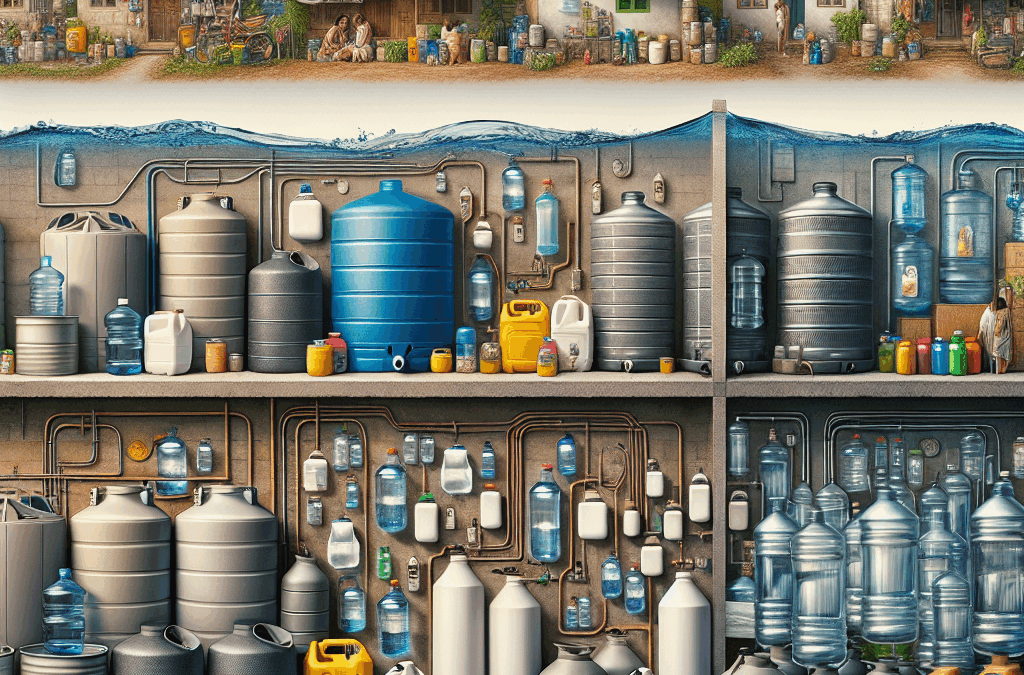
Besides food, water is just as important. Access to clean drinking water is vitalâaim for at least one gallon per person per day for drinking and sanitation. Use water storage containers and consider portable filtration systems for added safety in 2025.
Innovations in Water Purification
Emerging technologies in water purificationâlike portable UV purifiers and advanced filtration bottlesâare increasingly popular in 2025. These tools allow you to make contaminated water safe in emergency situations, maintaining your health and hydration.
Statistics show that rural and urban households prepared with proper water filtration are less likely to suffer water-borne illnesses during crises. Ensure your supplies include purification tablets or filters, especially if you rely on natural water sources.
Remember, proper storage and access to clean water are fundamental aspects of being prepared emergency essentials in 2025, especially during extended emergencies.
3. Develop a Reliable Communication Plan
Creating Family Emergency Communication Plans
Developing a clear, easy-to-follow communication plan is vital for staying connected during disasters. In 2025, with the proliferation of smartphones and mobile networks, it’s crucial to establish primary and secondary contact methods, including social media, text messages, and backup phone numbers.
Practice your plan regularly with family members, ensuring everyone understands how to reach each other, especially if traditional lines are down. Designate meeting points and share these plans with trusted neighbors or friends.
Pro Tip: Use apps or services that allow for location sharing, so even if networks are congested, loved ones can verify safety. Also, keep physical copies of important contact information in your emergency kit.
Emergency Communication Devices
In 2025, innovative devices like satellite phones, emergency beacons, and two-way radios are becoming more accessible for everyday preparedness. These tools can be lifesavers when cellular networks are compromised.
Investing in a personal or family emergency communication device ensures constant connectivity, especially in remote or disaster-prone areas. Choose devices with GPS tracking and long battery life for maximum reliability.
Having multiple communication channels is a key factor in be prepared emergency essentials, making sure help and information are always within reach.
4. Maintain Access to Critical Information
Important Documents and Digital Storage
To be prepared emergency essentials also means securing critical documents such as identification, insurance policies, and medical records. In 2025, digital storage solutionsâcloud services and encrypted drivesâare invaluable for quick access during an emergency.
Additionally, backing up copies of your documents physically in a waterproof, fireproof case ensures safety even if digital access is compromised. Make sure all family members know where to find these documents, and practice retrieving them swiftly.
In the chaos of an emergency, having quick access to vital information can expedite insurance claims, medical care, or evacuation procedures, making this a must-have for your preparedness plan.
Staying Informed During Crises
Regularly monitor official sources such as government alerts, weather services, and community notices. Subscribing to local emergency alerts can make a difference in staying ahead of disaster developments.
In 2025, many cities are integrating AI-driven alerts that tailor warnings based on your location. Utilize apps and subscribe to SMS services to stay continually informed and adapt your plan accordingly.
Being well-informed is an essential aspect of being prepared emergency essentials, helping you react quickly and effectively to evolving situations.
5. Equip Yourself with Safety Gear
Personal and Home Safety Equipment
Safety gear should be a fundamental part of your plan to be prepared emergency essentials. Include items like helmets, gloves, masks, and eye protection, especially if you’re preparing for natural disasters, chemical leaks, or civil unrest.
For home safety, invest in fire extinguishers, smoke detectors, carbon monoxide alarms, and secure locks or barriers. Regularly inspect and replace outdated equipment to ensure optimal performance.
Pro Tip: Keep safety gear accessible and familiarize family members with proper usage techniques through drills. This practice boosts confidence and response times during actual emergencies.
Specialized Equipment for Specific Risks
Depending on your geographic location, other equipment might be necessaryâsuch as flood barriers, earthquake straps, or radiation detectors. Staying informed about regional threats enables you to customize your safety gear kit.
In 2025, advancements continue in lightweight, durable safety gear options, making it easier for families to carry and store essential items. Prioritize quality over quantity to ensure reliability.
Remember, being prepared emergency essentials involves having the right safety gear to protect yourself and your loved ones at a momentâs notice.
6. Prepare Health and Medication Supplies
Managing Chronic Conditions
In 2025, approximately 50% of households include members with chronic health issues. Ensuring access to medications, medical supplies, and information on managing health is vital for emergency preparedness.
Stock enough prescription medications for at least two weeks, and include a copy of prescriptions and doctorsâ contact info in your emergency documents. Consider backup supplies of essential over-the-counter medicines like pain relievers, allergy meds, and first aid items.
Pro Tip: Consult with your healthcare provider about extra supplies or portable treatment plans tailored for emergencies, especially if transportation or pharmacy access could be compromised.
First Aid and Emergency Medical Skills
Basic first aid skills are invaluable. Enroll in a certified course to learn CPR, wound care, and how to handle common medical emergencies. This knowledge can be lifesaving in situations where professional help is delayed.
Creating a first aid kit customized to your family’s needsâincluding supplies for burns, cuts, or allergic reactionsâfurther enhances your preparedness.
Staying current with medical protocols and regularly practicing emergency procedures helps you be prepared emergency essentials, ensuring effective responses during crises.
7. Secure Your Financial Assets
Cash, Savings, and Important Records
During emergencies, digital banking might be temporarily unavailable. Having physical cash on hand, preferably in small denominations, is a crucial component of being prepared emergency essentials in 2025.
Also, keep copies of important financial documentsâbank account info, insurance policies, and recent statementsâin your emergency kit. Digital copies stored securely in the cloud ensure access from any location.
Strengthening your financial preparedness helps you avoid panic and delays, facilitating quick responses like paying for emergency repairs or transportation.
Planning and Budgeting for Emergencies
Create a budget specifically for emergency expensesâthis proactive approach ensures you are ready to cover unforeseen costs such as repairs or medical bills. Regularly review and adjust your financial plan to meet current risks in 2025.
In summary, securing your financial health is a critical part of your overall strategy to be prepared emergency essentials. It provides peace of mind and financial resilience during tough times.
8. Practice Regular Emergency Drills
Creating Practice Scenarios
Practicing your emergency plan ensures everyone in your household knows what to do. Set up realistic drills simulating different scenariosâfire, earthquake, or power outageâand evaluate responsiveness.
In 2025, many communities and workplaces are organizing annual emergency drills. Participation helps identify gaps in your plan and increases preparedness for real events.
Make these drills routine, at least twice a year, adjusting your plan based on lessons learned to improve response times and coordination.
Evaluating and Updating Your Plan
Post-drill evaluations are crucial. Discuss what worked well and what didnât. Update your emergency kit, communication plan, and procedures accordingly to adapt to changing circumstances or new threats.
Training children and elderly relatives specifically enhances overall family resilience. Remember, repetition and review are key to making preparedness a habit.
Effective practice of your emergency plan makes being prepared emergency essentials second nature, reducing panic and confusion during actual crises.
Networking for Mutual Aid
Many disasters overwhelm individual resources. Building strong community networks in 2025 can provide mutual aidâsharing resources, information, and support during emergencies.
Join local neighborhood associations or online groups focused on disaster preparedness. Sharing your emergency plan and kits with trusted neighbors enhances collective resilience.
Community preparedness efforts often lead to coordinated responses, quicker recovery, and improved safety for everyone involved.
Volunteer and Training Opportunities
Volunteer programs like CERT (Community Emergency Response Teams) allow you to learn practical skills while helping your community. In 2025, increased investment in community training programs has improved overall disaster readiness.
Participating in these initiatives not only boosts your skills but also fosters strong social bonds, critical during extended emergencies.
Remember, being part of a support network is an integral element of being prepared emergency essentials â strength lies in unity.
Continuous Learning and Resources
In 2025, technological advancements and climate change mean new risks and solutions emerge constantly. Staying updated through courses, webinars, and authoritative websites ensures your knowledge remains current.
Subscribe to newsletters from agencies like FEMA and the Red Cross, and attend local preparedness workshops. Regular education empowers you to adapt your plans and supplies proactively.
Investing in ongoing education is an essential element of being prepared emergency essentials. Knowledge is your best tool in safeguarding yourself and loved ones.
Leveraging Technology for Preparedness
Utilize apps and platforms that provide real-time alerts, weather updates, and emergency protocol guides. In 2025, AI-driven tools further personalize and optimize your preparedness efforts.
Stay connected to your community through social media and neighborhood networks, which can be invaluable during widespread crises.
Consistent learning and adaptation turn preparedness from a one-time task into a vital ongoing practice â the core of being truly ready in 2025.
Conclusion
Achieving true readiness in 2025 involves a comprehensive approach to be prepared emergency essentials. From building survival kits to fostering community support, every step enhances your resilience against unforeseen disasters. Remember, staying informed, practicing regularly, and adapting your plans ensures youâre always ready to face challenges head-on. Prioritize these ten tips to protect yourself and loved ones â because preparedness is not just about supplies, but about peace of mind and confidence in emergencies.
Frequently Asked Questions
- 1. Why is it important to be prepared emergency essentials in 2025?
- Being prepared ensures you can protect yourself and your family during unexpected disasters, minimizing risks and confusion when seconds count. As risks evolve, staying prepared becomes even more crucial.
- 2. How often should I update my emergency kit?
- Review and update your kit at least every six months, checking expiration dates, replacing used items, and adding new essentials based on current risks and needs.
- 3. What are the top items to include in an emergency survival kit?
- Water, non-perishable food, first aid supplies, flashlight, batteries, multi-tools, and a communication device are essential components of a well-rounded survival kit.
- 4. How can I improve my familyâs emergency communication plan?
- Create clear procedures, practice regularly, use multiple contact methods, and include trusted neighbors or friends. Utilize technology like GPS and emergency alert apps for enhanced safety.
- 5. What are some recent innovations in emergency preparedness for 2025?
- Technologies like solar-powered chargers, satellite communication devices, AI-driven alert systems, and advanced water purification tools are improving how we prepare and respond to emergencies.

by Preparation | Aug 24, 2025 | Preparedness
In an unpredictable world, emergency preparedness is not just a buzzword; it’s a fundamental aspect of ensuring the safety and well-being of your family. From natural disasters to personal crises, understanding why preparedness matters can mean the difference between chaos and control when disaster strikes.
*Understanding Emergency Preparedness: Why It Matters**
Emergencies can happen at any moment—fires, floods, earthquakes, or even medical crises. Being prepared reduces anxiety and empowers families to respond effectively. When you have a plan in place, you are not only safeguarding your loved ones but also enhancing your ability to assist others in your community.
*Assessing Risks: Identifying Potential Hazards**
Start by assessing the specific risks that may affect your area. Are you prone to hurricanes or tornadoes? Perhaps wildfires or flooding are more common where you live? Understanding these hazards allows you to tailor your preparations accordingly. Conducting a risk assessment involves evaluating both environmental threats and personal vulnerabilities—think about factors such as health issues or mobility challenges within your family.
*Creating a Family Emergency Plan**
A solid emergency plan is the backbone of preparedness. Gather your family and outline essential steps: where to meet if separated, how to contact one another, and escape routes from home. Consider designating an out-of-town contact person who can help relay information if local communication fails. Make sure that everyone understands their role in the plan—practice makes perfect!
*Building Your Emergency Supplies Kit**
An emergency supplies kit is crucial for surviving various situations. Start with basics like water (one gallon per person per day), non-perishable food items, first aid supplies, flashlights, batteries, and blankets. Don’t forget necessary medications and hygiene products! Customize kits for different scenarios—having a car kit is also wise for travel emergencies.
*Communication Strategies: Staying Connected During a Crisis**
During emergencies, reliable communication is vital. Establish methods for staying connected—even when usual channels fail. Text messages often work better than calls during high-traffic times due to network overloads. Additionally, consider using apps designed for emergency situations that allow families to stay informed about each other’s status.
*Training for Emergencies: Drills and Resources**
Knowledge is power! Regularly conduct drills so everyone knows what to do when disaster strikes—you might even create fun family activities around them! Explore resources like FEMA’s Ready Campaign or local Red Cross offerings that provide training on CPR or basic first aid.
*Special Considerations: Preparing for Pets and Vulnerable Family Members**
Don’t forget about furry friends—they’re part of the family too! Create an evacuation plan that includes pets; have carriers ready along with food and water supplies specifically designated for them. If you care for elderly relatives or individuals with disabilities, ensure they have accessible plans tailored to their needs as well.
*Staying Informed: Reliable Sources for Emergency Updates**
When disaster looms on the horizon, being informed can save lives. Rely on credible sources like NOAA Weather Radio or local news outlets for real-time updates rather than social media rumors which may spread misinformation.
*Community Resources: The Importance of Local Networks**
Your community plays an invaluable role in emergency preparedness. Connect with local organizations such as neighborhood watch groups or community centers offering resources during crises; these networks often share essential information about shelters or recovery assistance after events occur.
*Reviewing and Updating Your Plan Regularly**
Preparedness isn’t a one-time task—it requires regular review! Revisit plans at least annually—or whenever significant changes occur in your life (like moving homes). Keeping updated ensures everyone remains familiar with protocols as circumstances evolve over time.
## Conclusion: Taking Action Today for a Safer Tomorrow
Emergency preparedness begins today—it’s not just about having supplies but fostering resilience within families and communities alike. By taking proactive steps now toward readiness, we pave the way toward safer tomorrows—because when we prepare together, we thrive together!

by Preparation | Aug 24, 2025 | Preparedness
- 1. Arsenal of Non-Perishable Foods
- 2. Long-Term Food Storage Solutions
- 3. Nutrition and Calorie-Dense Foods
- 2025. Innovative Survival Food Technology
1. Arsenal of Non-Perishable Foods
Choosing the Right Staple Items
In 2025, building a robust survival food supply begins with selecting the right non-perishable foods. Items like canned vegetables, dried grains, and powdered proteins are essential. These foods have long shelf lives and maintain nutritional value over time, making them ideal for emergency preparedness. For instance, foods like rice, oats, and canned beans can last years while providing vital calories and nutrients.
When shopping for non-perishable items, pay attention to expiration dates and packaging integrity. Vacuum-sealed and retort pouches often last longer and resist pests better. Consider diversifying your arsenal with freeze-dried meals, which retain flavor and nutrients for decades if stored correctly.
Practical tips include rotating your supply periodically, so nothing goes to waste, and always having an accessible inventory. Remember, your survival food supply isnât just about quantity but also about quality and variety to prevent nutritional deficiencies and enhance morale during emergencies.
Storage Tips for Non-Perishables
Proper storage is critical to maintaining your survival food supply‘s longevity. Use airtight containers and store in cool, dark, and dry areas. Consider investing in food-grade buckets with gamma lids for bulk storage. These prevent moisture and pests from contaminating your supplies.
Labeling each container with purchase and expiration dates helps in rotation and prevents spoilage. Organizing your storage space with shelving units also makes it easy to access essentials quickly. For added security, store some bulk foods in a separate, waterproof location to protect against natural disasters or contamination.
Regular inspections and maintenance of your storage systems will ensure your survival food supply remains reliable for years to come. Staying proactive with storage practices in 2025 guarantees readiness in uncertain times.
2. Long-Term Food Storage Solutions
Vacuum Sealing and Oxygen Absorbers
In 2025, one of the best methods to extend the shelf life of your survival food supply is vacuum sealing combined with oxygen absorbers. These techniques remove air from packaging, slowing down oxidation and spoilage.
Vacuum-sealed foods like dried meats, fruits, and grains can remain edible for 10-25 years if stored under optimal conditions. Oxygen absorbers further reduce the risk of mold and insect infestation, ensuring your stock remains fresh even in prolonged emergencies.
Tip: Use high-quality vacuum sealers and stock up on various sizes of oxygen absorber packets to customize your packaging. Have a system for resealing and inspecting sealed packages regularly to catch potential issues early.
Mylar Bags and Food Dehydration
Another effective long-term storage strategy involves sealing dehydrated foods in Mylar bags with oxygen absorbers. These bags are excellent for stacking and compact storage, making them ideal for limited spaces.
Dehydration removes the moisture essential for microbial growth, significantly extending shelf life. When stored correctlyâaway from light, moisture, and temperature fluctuationsâdehydrated fruits, vegetables, and herbs can last over a decade.
Practical advice includes properly labeling each package with contents and date of dehydration, as well as performing periodic checks for signs of spoilage or damage. Combining dehydration with Mylar packaging offers a reliable survival food supply for 2025 and beyond.
3. Nutrition and Calorie-Dense Foods for Survival
High-Calorie Survival Foods
In emergency scenarios, maintaining energy levels is crucial. Calorie-dense foods like nuts, peanut butter, dried meats, and energy bars provide concentrated nutrition, saving space and weight in your survival food supply.
Research from 2024 indicates that having at least 2,000 to 3,000 calories per person per day is essential during prolonged emergencies. Incorporating these foods ensures you meet that requirement without burdening your storage with bulky items.
Tip: Combine calorie-dense foods with a variety of other nutrients to avoid deficiencies. For example, pairing nuts with dried fruits offers both fats and sugars for sustained energy.
Balanced Nutritional Planning
While calories are vital, balanced nutrition supports overall health during stressful times. Incorporate freeze-dried vegetables, fortified cereals, and vitamin supplements into your survival food supply to close nutritional gaps.
Strategic planning involves ensuring adequate protein, carbohydrates, fats, vitamins, and minerals. Diversify your supplies to include both plant-based and animal-based proteins, along with supplements if needed. This comprehensive approach boosts resilience and morale in challenging situations.
In 2025, advancements in food science are making nutrient-enhanced survival meals more accessible, further improving the quality of your survival food supply.
2025. Innovative Survival Food Technology
Emerging Food Preservation Methods
Technological innovations in 2025 include new preservation methods like bio-preservation and advanced vacuum technologies that extend shelf life while maintaining flavor and nutritional value. These innovations make it easier for individuals and organizations to stockpile with confidence.
For instance, smart packaging with time-temperature monitoring can alert you to spoilage risks long before they happen, ensuring your survival food supply remains safe and usable.
Stay updated on these trends to optimize your preparedness strategy and leverage cutting-edge solutions for maximum efficiency and safety.
3D-Printed Food Supplies
One of the most exciting developments for 2025 is the potential for 3D-printed foods, allowing you to create meals on demand from stored ingredients or nutrient cartridges. This innovation could revolutionize survival food supply systems, making them more flexible and customizable.
Imagine having the ability to produce fresh, customized meals even in remote locations or disaster zones. While full-scale commercial availability is still developing, pilot programs and prototypes show promising future applications.
Integrating such technology into your survival planning can provide peace of mind and unprecedented flexibility in your emergency food preparations.
Conclusion
Successfully preparing a comprehensive survival food supply for 2025 involves understanding current best practices, leveraging innovative food preservation techniques, and strategically diversifying your stockpile. By focusing on high-quality, long-lasting, and nutritionally balanced foods, you can ensure your readiness for any emergency. Remember, your survival food supply is not just a backupâitâs an essential component of your resilience and peace of mind in uncertain times. Stay informed, plan ahead, and keep your supplies upgraded to face the challenges of 2025 confidently.
Frequently Asked Questions
1. What is the best way to store my survival food supply for 2025?
The best way to store your survival food supply is in airtight, moisture-proof containers placed in a cool, dark, and dry location. Use vacuum sealing and oxygen absorbers for long-term storage, and rotate your stock regularly to maintain freshness.
2. How long can survival foods last in 2025?
With current technology, many survival foods like freeze-dried and dehydrated items can last 10-25 years when stored properly. Advances in preservation techniques are enhancing shelf life further, ensuring a reliable survival food supply for decades.
3. What nutrients are essential in a survival food supply?
An effective survival food supply should include a balance of carbohydrates, proteins, fats, vitamins, and minerals. Incorporate calorie-dense foods, dried fruits, vegetables, nuts, and fortified meals to promote overall health and energy during emergencies.
4. Are there any new innovations in survival food technology for 2025?
Yes. In 2025, emerging technologies like advanced bio-preservation, smart packaging, and 3D-printed foods are transforming how we stockpile and prepare survival foods, offering greater shelf life, customization, and convenience.




