by Preparation | Aug 24, 2025 | Preparedness
Table of Contents
- 1. Build a Comprehensive Emergency Kit
- 2. Develop a Personalized Emergency Plan
- 3. Stay Informed with Reliable Alerts
- 4. Strengthen Your Home Against Disasters
- 5. Build Community and Network Support
- 6. Invest in Insurance and Financial Preparedness
- 7. Continuous Education and Drills
1. Build a Comprehensive Emergency Kit
What to Include in Your Emergency Kit
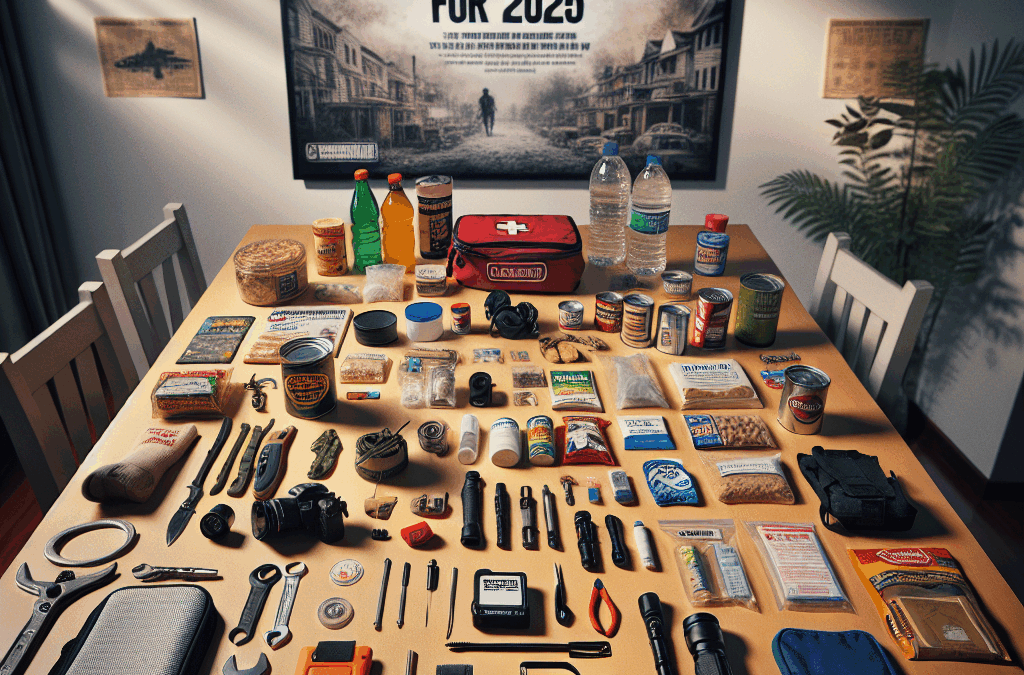
Having a well-stocked emergency kit is fundamental for effective disaster preparation. In 2025, the focus is on creating kits that are tailored to the specific types of disasters common in your area, whether hurricanes, earthquakes, floods, or wildfires. A basic kit should include water (one gallon per person per day for at least three days), non-perishable food, a flashlight, batteries, a first aid kit, and personal hygiene items.
Moreover, consider adding items like handheld radios, portable chargers, essential medications, and copies of important documents. Personalizing your kit ensures you’re prepared for unique needsâthink baby supplies, pet food, or specialized medicines. Remember, the goal is to have quick access to essentials that will sustain you for at least 72 hours or until help arrives.
Research indicates that over 60% of disaster-related deaths occur within the first few hours, emphasizing the importance of immediate readiness. By investing in a comprehensive emergency kit, you’re taking concrete steps toward disaster preparation that can save lives and reduce chaos during emergencies.
Storage and Maintenance Tips
Proper storage is key to ensuring your emergency kit remains functional. Use sturdy, waterproof containers and store them in easily accessible locations like your garage or closet. Regularly check expiration dates on food, medications, and batteries, updating items at least once a year. Label your kit clearly so all family members know where to find it in an emergency.
In 2025, consider modular kits designed for different scenariosâsuch as home, car, or workplace. This approach ensures preparedness wherever you are when disaster strikes. Practicing the retrieval process can also help ensure everyone knows where the kits are and how to access their contents efficiently.
2. Develop a Personalized Emergency Plan
Creating a Family Emergency Response Strategy
Having an emergency plan tailored to your household is one of the most effective disaster preparation strategies. In 2025, experts emphasize the importance of customizing plans based on your unique circumstances, including your location, family size, and health needs. Start by designating a safe meeting spot both inside and outside your home, and establish communication methods if phone lines or internet are down.
Make sure every family member understands the plan, including how to turn off utilities, where to gather supplies, and whom to contact in case of separation. Practicing drills at least twice a year helps reinforce responses and reduces panic during actual events.
Research shows that families who actively practice their emergency plan are more likely to stay safe and organized under stress. Incorporate technological tools like emergency apps and mass notification systems to stay connected and informed in real time.
Special Considerations for Vulnerable Individuals
Disaster preparation must account for vulnerable members such as seniors, persons with disabilities, and children. Develop specific plans to cater to their needs, such as accessibility features and extra medical supplies. Keep a list of medical conditions, prescriptions, and emergency contacts handy.
In 2025, integrating assistive technology and communication devices can substantially improve safety for vulnerable populations. Ensure that carers and support networks are aware of the preparedness plan and are trained to handle emergency scenarios effectively.
Creating an inclusive, comprehensive emergency plan ensures everyone in your community is protected, thereby enhancing overall resilience and disaster readiness.
Choosing the Right Sources of Information
Up-to-the-minute information is crucial for effective disaster preparation. In 2025, integrating official alerts from local emergency management agencies, weather services, and community apps helps you stay ahead of potential threats. Sign up for multiple notification channelsâSMS alerts, social media updates, and NOAA weather radiosâto ensure redundancy.
Monitoring trusted sources regularly allows you to recognize early warning signs and prepare accordingly. Many communities now offer digital dashboards that compile real-time data on impending storms or seismic activityâuse these tools to stay well-informed.
Furthermore, sharing alert information with neighbors and community groups helps foster collective preparedness. Building awareness not only enhances individual safety but also strengthens community resilience against disasters.
How to Interpret and Act on Alerts
Understanding the severity and recommended actions from alerts is vital. Always read alert messages carefully, noting the type of disaster, expected impact, and recommended safety measures. In some cases, evacuations may be necessaryâknow your local evacuation routes and shelter locations in advance.
Practice swift decision-making by pre-assigning responsibilities during emergencies. For example, who will secure pets, turn off utilities, or assist vulnerable family members? Clear communication ensures coordinated action amid chaos.
Disaster preparation in 2025 emphasizes the importance of timely response. Staying informed enables you to act quicklyâsaving lives, reducing injuries, and minimizing damage.
4. Strengthen Your Home Against Disasters
Mitigation Measures for Structural Safety
Making your home disaster-resistant is a proactive step in disaster preparation. Reinforcing windows with shatterproof films, securing heavy furniture, and installing storm shutters can significantly reduce damage from hurricanes or high winds. For earthquake zones, retrofitting techniques like bolting heavy furniture and reinforcing walls are highly recommended.
In 2025, smart home technology offers additional resilienceâbackup generators, automated shut-off systems for gas lines, and sensors that detect leaks or fire hazards. These measures not only protect your property but also keep your family safe during a disaster.
Investing in necessary home repairs and upgrades should be part of your annual disaster preparedness check. Many governments and organizations provide grants or tax incentives for implementing these improvements.
Creating Safe Spaces Inside Your Home
Establish designated safe zones within your home where everyone can take shelter during an event. These zones should be away from windows, heavy furniture, and exterior walls. Keep emergency supplies and communication devices nearby.
In 2025, implementing flood barriers or sump pumps can prevent water intrusion. For wildfire-prone areas, creating defensible spaces by clearing brush and trees enhances safety. Regularly review and update your disaster mitigation strategies to adapt to evolving risks.
Proper home strengthening not only saves lives but also minimizes property loss, making disaster preparation a comprehensive, ongoing process.
5. Build Community and Network Support
Engaging with Local Emergency Groups
A strong community network enhances disaster readiness. Connecting with local groups such as neighborhood watch, volunteer organizations, or CERT (Community Emergency Response Teams) enables coordinated efforts. In 2025, many communities use digital platforms to organize and share preparedness resources.
Joining or creating community drills and workshops improves collective knowledge and readiness. These initiatives foster trust among residents, making it easier to respond effectively during actual disasters.
Additionally, establishing communication protocols such as designated meeting points and shared resource pools can be game-changers in a crisis. Remember, disasters often impact neighborhoods as a wholeâitâs vital to work together.
Supporting Vulnerable Populations
Community support also involves helping vulnerable members prepare and recover. Volunteering to assist seniors or persons with disabilities can build a resilient neighborhood. Providing tailored resources and information ensures no one is left behind.
By fostering connectedness, you create a safety net that enhances disaster preparation for everyone involved. Building a strong community network ultimately leads to faster recovery and reduced trauma after an event.
In 2025, community-driven disaster preparedness is recognized as one of the most effective strategies for resilience.
6. Invest in Insurance and Financial Preparedness
Choosing the Right Insurance Policies
Financial stability plays a critical role in disaster preparedness. In 2025, many experts advise reviewing your insurance coverageâhome, renters, flood, and earthquake policiesâto ensure sufficient protection. Standard policies often exclude certain types of natural disasters, so tailoring coverage is essential.
Investing in comprehensive disaster insurance can save thousands of dollars in recovery costs. Document your possessions with photographs and maintain records to expedite claims. Knowing your policy details beforehand prevents surprises during stressful times.
Proactive insurance planning is a vital part of disaster preparation, providing peace of mind and financial security when faced with unexpected events.
Preparing Your Finances for Post-Disaster Recovery
Maintaining an emergency fund that covers at least three to six months of living expenses is a best practice in 2025. This reserve helps you manage immediate needs such as temporary housing, repairs, and medical expenses after a disaster.
Create a financial recovery plan that includes saving strategies, debt management, and access to banking services during outages. Digital banking tools and mobile payment options can facilitate transactions even when traditional channels are disrupted.
By combining insurance coverage with financial preparedness, you enhance your overall disaster readiness and resilience for 2025 and beyond.
7. Continuous Education and Drills
Ongoing Learning to Stay Prepared
Disaster preparation isn’t a one-time effort; it requires ongoing education. In 2025, stay informed through webinars, official updates, and training programs offered by local authorities and organizations. Regularly updating your knowledge ensures youâre aware of new risks and best practices.
Encourage family and community participation in preparedness seminars and practice drills. These activities reinforce policies, improve response times, and boost confidence during real emergencies.
Keeping current with disaster trends, technological advances, and new safety protocols is essential to maintaining an effective disaster preparation routine.
Conducting Regular Drills and Simulations
Practicing your emergency response plan through regular drills helps identify gaps and areas for improvement. Simulate different scenariosâfire, earthquake, floodâto test readiness levels.
Involving all household members and neighbors ensures everyone understands their roles. After each drill, review the outcomes and update your plan accordingly.
Emphasizing continuous education and routine practice makes disaster preparation a natural part of life, significantly increasing your safety in 2025.
Frequently Asked Questions
- What are the most important aspects of disaster preparation for 2025?
- Key aspects include building an emergency kit, creating a personalized plan, staying informed, strengthening your home, engaging with your community, securing appropriate insurance, and practicing regularly.
- How often should I review my disaster preparedness plan?
- Itâs recommended to review and update your plan at least twice a year and after any major life changes or weather events.
- Why is disaster preparation important in 2025?
- With increasing natural disasters and climate-related events, effective disaster preparation minimizes risks, saves lives, and supports swift recovery.
- What role does community support play in disaster preparedness?
- Community support fosters collective resilience, enhances resource sharing, and ensures vulnerable populations are protected during emergencies.
Conclusion
Disaster preparation remains an essential part of safeguarding your family, home, and community in 2025. By implementing these seven effective strategiesâranging from building a comprehensive emergency kit to continuous educationâyou significantly improve your resilience against unforeseen events. Remember, the key to successful disaster preparation is proactive planning, ongoing learning, and community engagement. Stay informed, stay prepared, and take action today to ensure a safer tomorrow.
by Preparation | Aug 24, 2025 | Preparedness
Table of Contents
- 1. First Aid Supplies
- 2. Non-Perishable Food
- 3. Water Filtration and Storage
- 4. Emergency Shelter and Blankets
- 5. Portable Power Sources
- 6. Personal Protective Equipment
- 7. Communication Devices
- 8. Knowledge and Survival Guides
- 9. Transportation and Mobility Supplies
- 10. Security and Self-Defense Items
1. First Aid Supplies
Essential First Aid Kit Components
A well-stocked preparedness kit begins with comprehensive first aid supplies. In 2025, innovative medical supplies have become compact and lightweight, making it easier to carry a wider variety of items. Bandages, antiseptic wipes, and antiseptic creams are staples, but consider adding multi-use tools like trauma shears and emergency blankets.
Research shows that having immediate access to first aid supplies can significantly improve health outcomes during emergencies. Be sure your kit includes gloves, scissors, tweezers, and a thermometer. Additionally, specialized medications such as antihistamines or epinephrine auto-injectors could be lifesaving, especially if you have allergies.
Remember to replace expired items annually and customize your kit based on individual needs. For example, include children’s supplies or medications for chronic conditions. A detailed inventory checklist can help you maintain readiness at all times.
Storing and Maintaining Your Supplies
Proper storage is crucial. Use waterproof, airtight containers to keep supplies clean and dry. Label everything clearly for quick access in high-stress situations. Regularly checking and rotating your first aid kit ensures all items are in working order, especially as inventory items approach expiration dates.
In 2025, smart technology integration allows for digital inventory management through mobile apps, reminding you when supplies need replacing. This tech helps prevent forgetfulness and ensures your preparedness kit remains ready for use whenever needed.
Practical Tips for First Aid Readiness
Enroll in basic first aid and CPR courses annually to stay updated. Simulate emergency scenarios at home to familiarize yourself with your supplies and procedures. Being confident in your ability to use your first aid kit can make all the difference in an emergency.
2. Non-Perishable Food
Choosing the Right Food Items
For a robust preparedness kit in 2025, non-perishable food options are vital. Stock up on canned goods, dried fruits, nuts, and energy bars. Opt for products with long shelf livesâmany now last 10+ yearsâbecause they ensure your sustenance during extended emergencies.
Focus on balanced nutrition: include protein sources, carbohydrates, and essential vitamins. Freeze-dried meals and vacuum-sealed items are excellent options due to their portability and durability. Consider adding special dietary items for children or individuals with allergies.
Planning meal portions in your preparedness kit helps minimize waste and ensures you have enough supplies for at least two weeks. Constantly rotate stock and discard expired items to maintain freshness and safety.
Proper Storage and Organization
Store non-perishable food in a cool, dry place away from direct sunlight. Use stackable containers or vacuum-sealed bags to maximize space and keep pests out. Label each container with purchase and expiration dates for easy management.
Organize your food supplies in compartments based on type or family member, aiding quick access during stressful situations. Consider keeping a manual can opener and eating utensils within the kit for convenience.
Technology has improved shelf-life management; smart storage containers now track expiration dates digitally, alerting you when to replace items. This innovation greatly simplifies maintaining a ready-to-eat food supply in 2025.
3. Water Filtration and Storage
Water Purification Technologies
Access to clean water is paramount in any preparedness kit. In 2025, advanced water filtration devices such as portable UV purifiers and multi-stage filters have become more compact and efficient. These innovations enable you to purify unknown water sources quickly and reliably.
Having backup options like chemical water treatment tablets or portable distillers ensures redundancy. Be mindful of the capacity and filtration speedâchoose a unit suited for your family size and typical emergency scenarios.
Always carry extra batteries or solar-powered chargers to keep filtration devices operational. Regularly test and maintain your filtration systems to ensure longevity and effectiveness.
Water Storage Solutions
Storing adequate water reserves is critical. The general recommendation is at least one gallon per person per day, for at least three days. In 2025, sleek, collapsible water containers and modular storage tanks allow easy storage and transport.
Label stored water with purchase or sterilization dates, and rotate stocks to prevent stagnation. Purify stored water periodically using your filtration system as a safeguard against contamination.
Incorporate a plan for replenishing water supplies, especially during long-term crises, using local sources or community systems for sustained access.
Frequently Asked Questions
1. What should be included in a preparedness kit for 2025?
A comprehensive preparedness kit for 2025 should include first aid supplies, non-perishable food, water filtration and storage devices, emergency shelter, portable power sources, personal protective equipment, communication devices, survival guides, transportation tools, and security items. Tailor the kit to your specific needs and local risks.
2. How often should I update my preparedness kit?
It’s recommended to review your preparedness kit at least every six months. Check for expired items, replace used supplies, and update based on new technology or changing family needs. Staying current ensures your kit remains reliable in an emergency.
3. Why is a preparedness kit important for 2025?
Global climate shifts, economic uncertainties, and evolving disaster patterns in 2025 make having a fully stocked preparedness kit essential. It helps ensure safety, comfort, and survival during unexpected events, giving you peace of mind.
4. How do I choose the best water filtration device for my kit?
Consider capacity, weight, speed, and ease of use. UV purifiers are great for quick sterilization, while multi-stage filters handle various contaminants. Read reviews and select a device compatible with your typical water sources.
Conclusion
Building the ultimate preparedness kit for 2025 is a vital step toward ensuring safety and resilience in the face of uncertainties. By carefully choosing, maintaining, and updating your suppliesâranging from first aid gear to water purificationâyou can confidently face any emergency. Remember, preparedness isn’t just about stockpilingâit’s about readiness, knowledge, and peace of mind. Start assembling your kit today and stay prepared for whatever 2025 has in store!
by Preparation | Aug 24, 2025 | Preparedness
Table of Contents
- 1. Early Warning Systems
- 2. Essential Preparedness Supplies
- 3. Communication Devices
- 4. Emergency Food and Water
- 5. Medical Supply Kit
1. Early Warning Systems
Understanding Modern Storm Alerts
In 2025, early warning systems have become more sophisticated than ever, utilizing satellite data, weather radar, and AI algorithms to predict severe storms days in advance. Knowing how to interpret these alerts can make all the difference in your emergency preparedness. An effective emergency storm kit isn’t complete without staying informed about upcoming threats.
Many communities now offer real-time notifications via text or app alerts. I recommend signing up for alerts from local weather agencies and official government sources. This way, you’ll receive timely information, giving you ample time to prepare or evacuate if necessary. Staying informed is the first critical step in protecting yourself and your loved ones.
For those living in high-risk areas, consider investing in a portable weather radio that can receive NOAA alerts even without internet. These devices are reliable backups for staying aware of changing storm conditions, especially during power outages.
Advantages of Predictive Technologies
Predictive analytics and AI-driven weather models have improved significantly by 2025, reducing false alarms and improving the accuracy of storm forecasts. This allows individuals and communities to respond more effectively, minimizing damage and ensuring safety.
By incorporating the latest technology into your preparedness, you can better time your actionsâwhether it’s securing a sturdy emergency storm kit or evacuating to a safe location. Technology-driven alerts are essential for comprehensive emergency planning.
It’s worth noting that investing in these systems can be cost-effective when compared to the potential costs of storm damage or injury. Staying ahead with early warning systems is a powerful component of your overall emergency storm kit strategy.
2. Essential Preparedness Supplies
Must-Have Items in Your Emergency Storm Kit
When assembling an emergency storm kit in 2025, certain supplies are non-negotiable. These include water, non-perishable food, flashlight, batteries, first-aid kit, and personal hygiene items. Remember, your kit should be tailored to your householdâs specific needs and potential storm impacts.
A practical tip is to have at least a three-day supply of essentials for each family member. This ensures you can sustain yourselves if access to stores or services is disrupted. Additionally, consider including multifunctional tools and emergency blankets that conserve space and provide versatility in different scenarios.
Regularly updating your suppliesâchecking expiration dates and rotating stockâis crucial. Storm seasons are unpredictable, and a well-maintained kit ensures readiness at all times.
Innovative Supplies for 2025
New advancements in emergency supplies for 2025 include solar-powered chargers, portable water filtration systems, and compact survival tools. Solar chargers can power your devices without needing electricity, which is especially vital during extended outages.
Portable water filtration bottles and emergency water pouches ensure safe drinking water even when the infrastructure is compromised. These innovations can significantly boost the effectiveness of your emergency storm kit, offering peace of mind during unpredictable weather events.
Investing in these modern supplies ensures you’re prepared for the increasing intensity and frequency of storms predicted in 2025’s climate outlook. Remember, a versatile emergency storm kit adapts to evolving threats.
3. Communication Devices
Staying Connected During a Storm
In 2025, reliable communication is more critical than ever. Smartphone apps, satellite phones, and walkie-talkies provide essential connectivity, especially when traditional networks fail during storms. Ensuring your emergency storm kit includes these devices can make a vital difference.
I recommend having a spare battery pack or solar-powered charger to keep your devices operational. Clear communication with family, neighbors, and emergency services keeps everyone safer and more coordinated.
Training family members on how to use these devices before a storm strikes can save valuable time. Practice makes perfect, and familiarity can turn an emergency into a manageable situation.
Emergency Communication Strategies
Establishing a communication plan before a storm hits is crucial. Designate a meeting point, create a family contact tree, and agree on message codes or signals to indicate safety or need for assistance. These steps can prevent confusion in chaotic situations.
Modern emergency storm kits often include digital tools like emergency apps that track storm paths or provide step-by-step safety instructions. Utilizing these tools enhances your preparedness and response actions.
Remember, having multiple ways to communicate ensures that if one fails, others can take over, keeping you connected with your loved ones and help sources.
Conclusion
Having a comprehensive and well-stocked emergency storm kit is essential for safeguarding yourself and your loved ones in 2025. The evolving storm patterns and climate changes make preparedness more important than ever. From early warning systems and modern supplies to reliable communication devices, every component of your emergency storm kit plays a vital role in ensuring safety during severe weather events.
Remember, the key to effective storm preparedness lies in planning ahead, staying informed, and continuously updating your kit according to the latest technology and recommendations. By following these tips and assembling an effective emergency storm kit, you’ll be better equipped to face whatever storms 2025 has in store.
Stay safe, stay prepared, and make 2025 your most resilient year yet with a top-quality emergency storm kit!
Frequently Asked Questions
- What is an emergency storm kit? An emergency storm kit is a collection of essential supplies designed to sustain you and your family during severe weather events, ensuring safety and comfort when resources are limited.
- How often should I update my emergency storm kit? Itâs recommended to review and update your kit every 6 to 12 months, checking expiration dates and replacing used or outdated items.
- What are the most important items in a 2025 emergency storm kit? Key items include water, food, first-aid supplies, communication devices, lighting, and weather-resistant clothing, with modern additions like solar chargers and portable water filtration systems.
- How can I ensure my family is prepared for storms in 2025? Conduct regular emergency drills, educate everyone on the kit’s contents, and establish clear communication and evacuation plans. Stay updated with the latest weather alerts and technology.
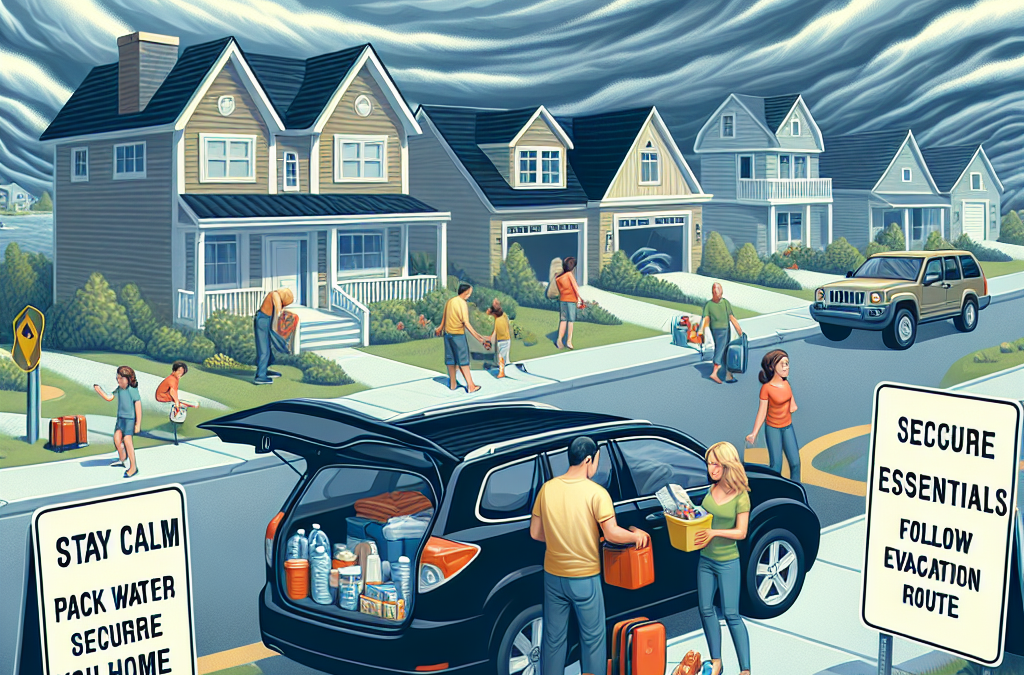
by Preparation | Aug 24, 2025 | Preparedness
- 1. Choose the Right Food Items
- 2. Proper Packaging Methods
- 3. Optimal Storage Environment
- 4. Regular Rotation and Inventory Management
- 5. Dehydration and Freeze-Drying
- 6. Use of Oxygen Absorbers and Mylar Bags
- 7. Proper Labeling and Record Keeping
- 8. Utilizing Root Cellars and Cold Storage
- 9. Incorporating Food Preserves and Fermentation
- 10. Emergency Preparedness Planning
1. Choose the Right Food Items
Focusing on Nutrient-Dense Staples
When planning for long term food storage, selecting nutrient-dense staples is crucial. Foods like rice, beans, oats, and dehydrated vegetables provide essential nutrients and energy for extended periods. In 2025, research shows that high-quality, nutrient-rich foods can last up to 30 years with proper storage, making them indispensable for emergency preparedness.
It’s important to diversify your food storage to include various grains, legumes, and dried fruits. This variety helps prevent nutritional deficiencies and keeps meals interesting during long-term storage scenarios. For instance, including quinoa or lentils can add essential amino acids missing from some grains.
Real-world example: Many survivalists recommend storing rice and beans as a baseline, but expanding your inventory to specialty items like powdered milk, freeze-dried meats, and vitamin-enriched foods can elevate your readiness for 2025 crises and beyond.
Considering Storage Longevity and Compatibility
Not all foods are created equal in terms of shelf life. Modern dehydrated and vacuum-sealed foods have significantly improved longevity, with some preserving quality up to 25-30 years. When selecting foods, check expiration dates and look for products specifically labeled for long term storage.
Compatibility matters too; avoid storing incompatible foods (like potatoes and onions together) that can promote mold or spoilage. Rotate your stock periodically to ensure freshness and prevent waste. With the advances in food preservation technology, selecting the right items in 2025 gives you a reliable long-term food storage foundation.
Tip: Always buy from reputable suppliers who provide testing data on shelf life and storage conditions. This investment ensures your food remains safe and nutritious for years.
2. Proper Packaging Methods
Vacuum Sealing for Maximum Freshness
Vacuum sealing is one of the most effective ways to extend the shelf life of your long term food storage. Removing air around food prevents oxidation and slows spoilage. In 2025, high-quality vacuum sealers are affordable and easy to use, making them ideal for home and small-scale storage.
Proper vacuum sealing also reduces space needed for storage, allowing you to pack more food efficiently. Itâs especially beneficial for bulk items like grains and dried fruits. Ensure seals are airtight to prevent moisture and air infiltration, which are primary causes of food deterioration.
Practical tip: Store vacuum-sealed packages in cool, dark environments to maximize their durability. Keep a few spare bags and replacement vacuum seals on hand for future batches.
Using Mylar Bags and Oxygen Absorbers
Mylar bags combined with oxygen absorbers create an almost hermetic seal, keeping food fresh for decades. This packaging method is favored by preparedness experts for its durability and proven longevity. In 2025, most quality storage facilities recommend using 5-6 mil thickness Mylar with oxygen absorbers for grains, nuts, and powdered foods.
The key is to remove as much oxygen as possible before sealing. Oxygen absorbers are inexpensive but potent tools that eliminate residual oxygen, suppressing mold and bacterial growth. Proper sealing and storage in a cool, dark place extend shelf life significantly.
Remember: Always measure the oxygen absorber size to match the package volume, and ensure that packages are stored flat or upright in a secure container. This combination of packaging techniques significantly enhances your long term food storage reliability.
3. Optimal Storage Environment
Controlling Temperature and Humidity
The environment plays a vital role in the longevity of your stored food. Maintaining a consistent, cool temperatureâpreferably between 55°F and 70°Fâis essential for maximizing shelf life. In 2025, advances in climate-controlled storage solutions have made it easier for preppers to create ideal environments at home or in dedicated food storage rooms.
Humidity control is equally important. Excess moisture promotes mold and spoilage, so using dehumidifiers and silica gel packs helps maintain dryness. Ideally, keep relative humidity below 60%. Proper environmental controls prevent insect infestation and preserve food quality over decades.
Tip: Regularly monitor your storage conditions with digital hygrometers and thermometers to ensure optimal settings. Consider locations like basement storage rooms, root cellars, or climate-controlled warehouses for optimal safety.
Minimizing Light Exposure
Light accelerates food degradation through a process called photo-oxidation. Storing food in opaque, airtight containers minimizes light exposure, which makes a real difference over many years. Dark storage is especially crucial for fats, oils, and sensitive items like vitamin supplements.
This is why many long term food storage setups include UV-proof and opaque containers, or place storage in areas away from windows. Consistently dark storage environments significantly extend product longevity.
Pro tip: Incorporate storage solutions that block out light, and consider installing window covers or curtains in your storage room for added protection against light degradation, ensuring your long term food storage remains fresh and nutritious for 2025 and beyond.
4. Regular Rotation and Inventory Management
Create a Rotation Schedule
Even with the best storage methods, foods will eventually reach their expiration. Creating a systematic rotation schedule ensures you consume older items first, replacing them with fresh supplies. For long term food storage, this practice prevents waste and guarantees access to nutritious food during emergencies.
Basic tip: Label items with purchase and best-by dates, and set reminders to rotate stock every 1-2 years. In 2025, digital inventory apps can help automate this process, making tracking easier and more efficient.
Example: Designate a specific shelf or container for older food items and plan monthly or quarterly check-ins to maintain your stockâs freshness. Staying organized ensures your preparedness is always up-to-date.
Keep Accurate Inventory Records
Managing your inventory with detailed records helps optimize your long term food storage. Record quantities, expiration dates, and storage locations. This method streamlines refilling and prevents over-purchasing or missing crucial supplies.
Using spreadsheets or specialized inventory software makes it simple to track your supplies. In 2025, some apps offer barcode scanning and expiration alerts, which further streamline long-term planning.
Actionable tip: Regularly review your inventory and adjust your storage plan as needed. Staying organized ensures your food supply remains reliable during unexpected events.
5. Dehydration and Freeze-Drying
Benefits of Dehydrated Foods
Dehydration reduces moisture content dramatically, making foods like fruits, vegetables, and meats shelf-stable for decades. In 2025, modern home dehydrators and commercial freeze-drying technologies provide access to high-quality dried foods that retain nutritional value and flavor.
Dehydrated foods are lightweight and require minimal storage spaceâideal for long term food storage. Plus, they can be rehydrated easily when needed or eaten as-is in snacking applications.
Tip: Invest in food-grade dehydrators or freeze-drying machines to prepare your own long-term storage foods, reducing reliance on commercial products and saving costs over time.
Best Practices for Freeze-Dried Food Storage
Freeze-dried foods preserve up to 98% of their nutritional content and last for 25-30 years when stored properly. Use airtight containers with oxygen absorbers, and keep them in a cool, dark location to maximize shelf life.
Consider incorporating freeze-dried meals into your emergency plan, especially for seniors or individuals with special dietary needs, as they are quick to prepare and lightweight.
Remember: Proper handling and storage are key to maintaining qualityâalways label packages clearly and rotate stock regularly to ensure youâre always prepared for 2025.
6. Use of Oxygen Absorbers and Mylar Bags
Maximizing Shelf Life with Oxygen Absorbers
Oxygen absorbers are small packets filled with iron powder that effectively remove oxygen from sealed packages, vital for long term food storage. In 2025, they are commonly used alongside Mylar bags to preserve food quality for decades.
This method prevents oxidation, bacterial growth, and insect infestation. Oxygen absorbers work best with dry foods like grains, powders, and dehydrated items. Size and quantity are important; use the recommended amount per volume to ensure efficacy.
Practical tip: Always include the correct size of oxygen absorber in your packages and label each with date and contents. Proper sealing and storage conditions further enhance shelf life longevity.
Sealing with Mylar Bags
Mylar is a reflective, metallic-looking film that blocks light, gases, and moistureâmaking it perfect for durable long term storage. Using heat-sealers, you can create airtight packages that preserve your food for 20+ years.
Combine Mylar bags with oxygen absorbers for optimal results. Store these in a cool, dark closet or basement for best performance. This combination is a proven method of preserving bulk foods securely over decades.
Expert tip: Avoid overfilling bags to ensure a proper seal, and double-check for leaks with a vacuum or by gently pressing the bag after sealing. This ensures your long term food storage remains intact well into 2025 and beyond.
7. Proper Labeling and Record Keeping
Importance of Accurate Labeling
Labeling your stored foods with purchase and expiry dates is vital for effective long term food storage management. Clear labels help you know when to rotate stock and prevent food from reaching its expiration date unnoticed.
Use waterproof markers or printing labels with permanent ink to withstand storage conditions. Include details like contents, date of storage, and batch number for easy tracking.
Pro tip: Organize items alphabetically or by expiry date and keep a master inventory list, either digitally or physically. This practice simplifies maintenance and improves preparedness for 2025 scenarios.
Maintaining Digital Records
In 2025, technology offers powerful tools for inventory management. Using dedicated apps or spreadsheets, you can track expiration dates, quantities, and storage locations in real time. Automated reminders help ensure timely rotation.
This approach minimizes waste and ensures that your long term food storage is always ready and sufficient for emergencies. Digital record-keeping is especially beneficial if you have a large stock or multiple storage locations.
Actionable tip: Regularly back up your records and review them quarterly. Staying organized maintains food safety and maximizes the lifespan of your stored items.
8. Utilizing Root Cellars and Cold Storage
Building and Maintaining a Root Cellar
Traditional root cellars or modern cold storage rooms naturally extend the life of fruits, vegetables, and certain grains. Maintaining a cool, humid environment slows spoilage and keeps produce fresh for months or even years.
For 2025, innovative design options include underground cellars with natural insulation and energy-efficient cooling systems. Ensuring proper sealing and humidity control is key to preventing spoilage and pest intrusions.
Example: Many homesteaders convert basements or build dedicated underground chambers for long term storage, allowing for a cost-effective and sustainable way to preserve food without electricity.
Cold Storage Solutions
For those without access to a traditional root cellar, modern refrigeration units or climate-controlled warehouses are viable options. Innovations in energy-efficient cooling technology make this feasible even for small-scale setups.
Optimal cold storage preserves not only perishables but also dry goods stored in moisture-proof packages. Proper temperature and humidity control are crucial for extending shelf lifeâusually up to 10 years or more, depending on the item.
Takeaway: Whether natural or artificial, cold storage increases your long term food storage options, making your food reserves resilient for 2025 and beyond.
9. Incorporating Food Preserves and Fermentation
Benefits of Home Canning and Preserving
Home preserving techniques like canning, jarring, and pickling add variety to your long term food storage. These methods extend shelf life while maintaining flavor and nutrition. In 2025, modern preserved foods can last from 2 to 10 years, depending on the type and storage conditions.
Use reputable canning methods and sterilize jars properly to prevent spoilage. Proper sealing and storage in a cool, dark place help maximize longevity. Canned goods are invaluable during emergencies when fresh produce isn’t available.
Practical tip: Keep an inventory of your canned and preserved foods, noting their expiration or best-by dates to plan meals effectively during long-term scenarios.
Fermented Foods as a Long Term Option
Fermentation not only enhances flavor but also naturally preserves vegetables and dairy. Foods like sauerkraut and yogurt develop beneficial probiotics that support health, and these can be stored in cool environments for months.
In 2025, incorporating fermented food storage into your plan offers nutritional insurance and variety. Properly fermented foods can last 6-12 months, especially if kept refrigerated or in cellar-like conditions.
Tip: Experiment with fermenting large batches and storing them properly to build a resilient, diverse long term food supply that includes probiotics essential for health during extended crises.
10. Emergency Preparedness Planning
Creating a Comprehensive Food Storage Plan
A well-rounded long term food storage plan considers not just the quantity of food but also accessibility, variety, and contingency strategies. In 2025, integrating backup power, water sources, and backup plans ensures your food remains usable under various circumstances.
Evaluate your family’s dietary needs, storage space, and budget. Regularly review and update your plan to incorporate new foods, storage techniques, and technology advances.
Tip: Practice your emergency plan by doing drills, including access to stored food, so everyone knows how to retrieve and prepare supplies quickly.
Educating Yourself and Your Family
Knowledge is keyâthat’s why ongoing education about food preservation, storage techniques, and emergency readiness is vital. Stay updated with latest trends and best practices in long term food storage for 2025 through courses, forums, and authoritative resources.
By training family members and practicing preparedness routines, you ensure everyone is ready to implement your long term food storage strategy during an emergency or crisis scenario.
Remember: A solid plan and continuous learning make the difference between preparedness and panic in real-world situations.
Frequently Asked Questions
- How long can food be stored in long term food storage?
- With proper techniques and storage conditions, many foods can last from 5 to 30 years, especially freeze-dried, dehydrated, and sealed products as of 2025.
- What is the best way to store long term food?
- Using airtight packaging such as Mylar bags with oxygen absorbers, controlling temperature and humidity, and keeping food in dark, cool environments provide optimal results.
- How often should I rotate my stored food?
- Itâs recommended to rotate your stock every 1-2 years to avoid spoilage and ensure freshness, especially with perishable items or foods nearing expiration.
- Can I use regular pantry containers for long term food storage?
- For best results, store long term food in specialized containers like Mylar bags, vacuum-sealed bags, or food-grade buckets designed for prolonged storage, not standard pantry containers.
- Why is long term food storage important for 2025?
- With increasing global uncertainties and climate challenges, having reliable long term food storage ensures you and your family have access to nutritious food during emergencies, making preparedness essential for 2025 and

by Preparation | Aug 24, 2025 | Preparedness
- 1. Develop a Comprehensive Emergency Plan
- 2. Build a Well-Stocked Emergency Kit
- 3. Establish Communication Strategies
- 4. Secure Important Documents
- 5. Conduct Regular Drills and Training
- 6. Know Your Local Disaster Risks
- 7. Strengthen Your Homeâs Resilience
- 8. Stay Informed with Reliable Alerts
- 9. Build Community Connections
- 10. Review and Update Your Disaster Readiness Checklist
1. Develop a Comprehensive Emergency Plan
Understanding Your Risks
Before you can prepare effectively, itâs vital to understand the specific disasters most likely to impact your area in 2025. Whether youâre prone to hurricanes, earthquakes, floods, or fires, tailoring your disaster readiness checklist to these risks makes your preparedness more effective.
Research local hazard maps, government advisories, and historical data to identify your communityâs vulnerabilities. Knowing your risks helps prioritize your actions, like securing heavy furniture for earthquakes or flooding-proofing your basement.
Having a clear understanding of your risks also allows you to communicate effectively with family members and neighbors about potential dangers and response strategies.
Creating a Family Emergency Plan
An emergency plan should outline how your family will respond during a disaster. Include routes for evacuation, designated meeting points, and emergency contacts. Practice these plans regularly to ensure everyone understands their roles.
Consider scenarios such as power outages, road closures, and communication breakdowns. Use visual aids like maps and checklists for clarity, especially with children or elderly family members.
Remember, a well-designed disaster readiness checklist includes specific steps for different situations, helping everyone stay calm and coordinated when disaster strikes.
2. Build a Well-Stocked Emergency Kit
Essential Supplies for 2025
Having an emergency kit ready is a cornerstone of any disaster readiness checklist. For 2025, focus on including at least three daysâ worth of supplies for each family member. This means food, water, medications, and personal hygiene items.
With recent supply chain disruptions, stockpiling non-perishable food items like canned goods, energy bars, and bottled water is more important than ever. Aim for at least one gallon of water per person per day, as recommended by FEMA.
Donât forget to include items like flashlights, batteries, a first aid kit, masks, and a portable phone charger. Innovative 2025 gadgetsâlike solar-powered chargersâare excellent additions to ensure connectivity during outages.
Storage and Maintenance
Store your emergency kit in an easily accessible location, such as a basement closet or garage. Regularly check expiry dates on food and medications, and rotate supplies annually.
Label your kit clearly and consider investing in a waterproof container to keep items safe from weather damage. Maddenâs research indicates that families who routinely review and update their kits are far better prepared for unexpected events.
Sharing your kit checklist with neighbors or community groups can also foster collective safety and preparedness in your neighborhood.
3. Establish Communication Strategies
Reliable Communication Tools
Effective communication can mitigate panic during disasters. In 2025, consider multiple communication channels like cell phones, satellite phones, and community alert systems. Ensure everyone in your family knows how to use these tools.
Set up a family communication plan that includes predetermined messaging formats or codes for quick updates. Use apps designed for disaster alerts, which can send real-time notifications during emergencies. These apps often provide localized warnings based on your GPS.
Having a backup plan is essentialâconsider walkie-talkies or CB radios if cell service becomes unavailable.
Staying Connected During a Crisis
Establish a local emergency contact outside your immediate area, such as a family member or friend in a different city, who can coordinate information. Regularly test your communication plan with simulated drills.
Remember, in 2025, the importance of digital literacy extends to understanding how to subscribe to and interpret emergency alerts on your devices. This proactive approach can save precious time during a disaster.
Be sure to educate all family members, especially children and seniors, about your communication strategies to ensure everyone knows what to do.
4. Secure Important Documents
Which Documents to Protect
In any disaster preparedness plan, safeguarding vital documents like birth certificates, wills, insurance policies, and medical records is crucial. For 2025, consider digital backups stored securely online or on encrypted USB drives.
Scan paper documents and store them in a cloud service with strong security measures. Keep physical copies in a waterproof, fireproof safe within your home.
This proactive step ensures access to critical information even when traditional access is impossible after a disaster.
Easy Access and Organization
Organize documents in clearly labeled foldersâboth physical and digitalâto facilitate quick retrieval. Share access details with trusted family members or emergency contacts.
Regularly review and update these documents to reflect any changes in coverage, medical info, or legal documents.
An organized disaster readiness checklist should include a section focused on document security, giving peace of mind when it matters most.
5. Conduct Regular Drills and Training
The Importance of Practice
Practicing your disaster plan is essential for preparedness. In 2025, aim for at least quarterly drills that include evacuation routes, communication protocols, and shelter-in-place procedures.
Realistic simulations help identify gaps in your disaster readiness checklist, making adjustments easier before an actual emergency occurs.
Engaging children and elderly family members in drills promotes confidence and ensures everyone understands their roles during a crisis.
Training for Emergency Skills
Consider enrolling in basic first aid, CPR, and fire safety courses. Local community centers often offer free or low-cost training sessions.
Having capable individuals on hand can make a significant difference in the aftermath of a disaster. Plus, these skills stay relevant beyond emergencies, contributing to overall safety.
Regularly updating your skills and practicing scenarios ensures your familyâs disaster readiness checklist remains effective and actionable in 2025.
6. Know Your Local Disaster Risks
Understanding Community Hazards
As we move into 2025, understanding your communityâs most probable disaster risks is fundamental. Local government websites and FEMA resources provide hazard maps and risk assessments.
Knowing whether you live in a flood zone, earthquake-prone area, or wildfire corridor helps tailor your disaster readiness checklist accordingly.
Getting involved in local emergency preparedness groups can provide up-to-date information and resources specific to your area.
Personalizing Your Preparedness
Identify local evacuation routes, shelters, and resource centers. Incorporate these details into your emergency plan to ensure swift response times.
Stay informed about upcoming community drills or safety seminars on your area’s risks. Being proactive means youâre better prepared to face 2025âs challenges.
Understanding your local hazards ensures your disaster readiness checklist is truly comprehensive and effective.
7. Strengthen Your Homeâs Resilience
Building Codes and Retrofitting
In 2025, assess your homeâs structural integrity. Upgrading to meet or exceed local building codes for disaster resistance can dramatically reduce damage.
Retrofitting features like storm shutters, reinforced roofs, and seismic bracing enhances your homeâs resilience. Consult professionals for customized improvements.
Investing in resilient infrastructure not only protects your property but also reduces long-term recovery costs.
Emergency Preparedness Inside Your Home
Secure heavy furniture, install safety latches, and reinforce windows. Keep emergency supplies easily accessible in strategic locations.
Creating a safe space within your home, such as a reinforced basement or a designated shelter area, adds an extra layer of safety.
A disaster readiness checklist for home resilience should include these physical improvements and safety measures for 2025.
Utilizing Technology
Modern technology offers numerous ways to stay informed. In 2025, subscribe to government alerts, weather warnings, and community notifications via multiple platformsâtext, email, and app alerts.
Configure alerts on your devices to receive immediate updates about local hazards. Use apps that aggregate disaster information from trusted sources.
Real-time updates can provide critical seconds that might save lives, so staying connected is an integral part of your disaster readiness checklist.
Understanding and Interpreting Alerts
Learn how to interpret different warning signals. Do you know what a tornado siren or a flood alert means? Practice quick decision-making based on these signals.
Share this knowledge with your family, especially those unfamiliar with emergency systems. Clear understanding ensures prompt responses during crises.
Remember, staying informed in 2025 relies on proactive engagement with multiple trusted sourcesâintegral to your overall disaster preparedness.
Collaborative Preparedness
Community preparedness can greatly enhance individual safety. Join local neighborhood groups, emergency response teams, or safety committees. Collective efforts often yield better resource sharing and coordinated response plans.
Participating in community drills and knowledge exchanges helps everyone understand vulnerabilities and strengths within your area.
In 2025, a connected community can provide mutual support and faster aid, making your disaster readiness checklist more robust.
Sharing Resources and Information
Coordinate with neighbors to share supplies such as generators, tools, and medical equipment. Establish communication liaisons to relay critical information during emergencies.
Community gardens, skill-sharing workshops, and local safety presentations can foster resilience and mutual trust.
A well-knit community acts as an extended safety net, complementing your individual disaster readiness checklist.
10. Review and Update Your Disaster Readiness Checklist
Regular Assessments and Improvements
Your disaster readiness checklist isnât a one-and-done document. In 2025, set reminders to review and update your plan at least twice a year, especially after home renovations or major life changes.
Incorporate new technology, updated contact info, and lessons learned from recent drills or community alerts. Stay current with evolving risks and best practices.
This proactive approach ensures that your preparedness remains relevant and effective in the face of changing circumstances in 2025.
Tracking Progress and Staying Accountable
Create checklists and logs to measure your preparedness levels over time. Celebrate small milestones, like completing a drill or updating supplies.
Sharing your updates with family or community groups can foster accountability and motivation to continually improve your disaster readiness.
Remember, a comprehensive and adaptable disaster readiness checklist is a vital tool for resilience. Constant review guarantees that youâre always ready for whatever 2025 may bring.
FAQs
1. What should be included in a disaster readiness checklist for 2025?
Your disaster readiness checklist should include essentials like an emergency kit, communication plans, important documents, and home resilience measures, tailored to your area’s risks.
2. How often should I review my disaster readiness checklist?
Itâs recommended to review and update your disaster preparedness plan at least twice a year and after any significant changes or events in 2025.
3. Why is community involvement important in disaster preparedness?
Community involvement fosters resource sharing, coordinated responses, and mutual support, significantly enhancing overall resilience during emergencies.
4. How can I ensure my family is fully prepared for unexpected events in 2025?
Develop a comprehensive emergency plan, conduct regular drills, stock an emergency kit, stay informed, and keep communication open among family members.
5. Where can I find reliable resources to build my disaster readiness checklist?
Consult government agencies like FEMA, local emergency management offices, and reputable safety organizations for up-to-date guidelines and resources.
Conclusion
In 2025, being truly prepared for potential disasters requires a thorough and constantly updated disaster readiness checklist. By following these ten tipsâfrom developing a solid emergency plan to building community resilienceâyouâre taking proactive steps to safeguard yourself and loved ones. Remember, preparedness is an ongoing process, and staying informed, organized, and adaptable is key. Donât wait for disaster to strikeâstart today and ensure your safety in 2025 and beyond.

by Preparation | Aug 24, 2025 | Preparedness
Table of Contents
- Introduction to Pandemic Preparedness in 2025
1. Understanding the Current Landscape of Global Pandemics in 2025
The Evolution of Global Health Threats
In 2025, understanding the landscape of pandemics is crucial for effective preparedness. Over the past decade, we’ve seen a surge in emerging infectious diseases, from SARS-CoV-3 to new strains of influenza. Recognizing these threats enables individuals and organizations to stay ahead of potential crises.
Data shows that rapid urbanization and international travel contribute significantly to the spread of diseases. In 2025, health agencies focus on predictive modeling to anticipate outbreak hotspots. Staying informed about these trends enhances your ability to plan and respond proactively.
Global Responses and Success Stories
Many countries have adopted integrated health strategies to contain outbreaks early. For instance, South Korea’s swift testing and contact tracing in 2025 have been exemplary. Such success stories highlight the importance of well-coordinated public health responses, which are central to preparedness for pandemics.
Implementing lessons learned from recent emergencies, communities now emphasize resilience and cooperation. As an individual, understanding these efforts helps you participate in localized preparedness initiatives and support public health measures.
2. Developing a Personal Pandemic Preparedness Plan
Assessing Your Personal Risk Level
Start by evaluating your health status, age, and occupation to determine your risk of severe illness. People with underlying health conditions or frontline workers should prioritize specific strategies. Knowing your risk helps tailor your preparedness effectively.
Tracking your potential exposure sources, such as frequent travel or large gatherings, allows you to adapt your plans accordingly. Consider your household’s needs and vulnerabilities for a comprehensive approach.
Creating Actionable Response Steps
Outline clear steps, including when to seek medical care, how to isolate if symptomatic, and whom to contact. Keep digital and physical copies of your plan accessible. Regularly review and update it to reflect changing circumstances and new information.
Practice drills periodically with family or roommates to ensure everyone understands their roles. An action plan enhances confidence and reduces panic during an actual health emergency.
3. Stockpiling Essential Supplies for 2025
Food and Water Resources
Stockpiling non-perishable food items and water supplies is foundational to pandemic preparedness. Aim to gather at least a two-week supply, considering potential disruptions in supply chains. Items like canned foods, dried grains, and bottled water are practical choices.
In 2025, innovations in packaging aim to extend shelf life and reduce waste, making stockpiling more efficient. Store supplies in a cool, dry, and accessible location for emergencies.
Protective Equipment and Medical Supplies
Ensure you have adequate masks, gloves, disinfectants, and basic medical supplies like thermometers and first-aid kits. Consider the increased importance of PPE following recent pandemic experiences. Maintain a rotation system to keep supplies current and usable.
Many organizations now offer bulk purchasing options to facilitate stockpiling at home. Properly storing these supplies ensures readiness without waste or spoilage.
4. Enhancing Home and Community Hygiene Practices
Implementing Routine Cleaning Protocols
Regular cleaning of high-touch surfaces reduces the risk of contagion. Use EPA-approved disinfectants and establish daily cleaning routines for doorknobs, light switches, and electronic devices.
In 2025, new cleaning technologies such as UV sterilizers are gaining popularity. Adopting these methods can further enhance sanitation efforts at home and in community spaces.
Promoting Hand Hygiene and Respiratory Etiquette
Consistent handwashing with soap and water remains a key preventative measure. Teach family members proper techniques and encourage their frequent use, especially before eating or touching faces.
Covering coughs and sneezes and wearing masks in crowded areas significantly reduce transmission. These habits, established in 2025, contribute to a healthier community overall.
5. Leveraging Technology for Pandemic Detection and Monitoring
Using Apps and Digital Tools
Many apps now provide real-time updates on outbreaks, vaccination clinics, and health guidelines. Download and utilize trusted sources from health authorities to stay informed.
Some platforms leverage AI to predict potential hotspots, allowing you to adjust travel plans or activities accordingly. Technology is instrumental in proactive preparedness for pandemics in 2025.
Remote Healthcare and Telemedicine
Telemedicine services have expanded significantly, offering remote consultations to minimize exposure. Investing in reliable internet and devices ensures you can access healthcare when needed.
Emergencies can be managed effectively with the proper use of digital health tools, reducing the strain on hospitals and clinics during outbreaks.
25. Establishing Effective Communication Channels During a Pandemic
Ensuring Accurate Information Dissemination
Clear and truthful communication is vital during a health crisis. Governments, health organizations, and local communities should use multiple platforms like social media, SMS alerts, and traditional media to reach diverse populations.
In 2025, misinformation remains a threat, making it crucial to rely on verified sources. Educating your circle about checking facts prevents the spread of false information and panic.
Building Trust and Community Resilience
Open dialogue fosters trust between public health officials and communities. This trust encourages compliance with recommended guidelines and vaccination drives.
Participate in local forums or neighborhood groups to stay updated and support collective efforts toward pandemic preparedness.
Conclusion
As we navigate 2025, the importance of comprehensive preparedness for pandemics cannot be overstated. From understanding the latest trends to stockpiling supplies and leveraging technology, each of these 10 strategies contributes to resilience. Remember, effective preparedness for pandemics empowers you and your community to face health emergencies confidently and calmly.
Stay informed, stay safe, and review your preparedness plan regularly to adapt to evolving circumstances. In 2025, being proactive is your best defense against the unpredictable world of pandemics.
Frequently Asked Questions
1. Why is preparedness for pandemics important in 2025?
With the increasing frequency of infectious outbreaks, being prepared helps reduce health risks, minimize disruptions, and protect loved ones. 2025’s advanced response strategies make preparedness even more effective.
2. How can I create an effective pandemic preparedness plan?
Assess your risks, outline response steps, stockpile essentials, and practice your plan regularly. Staying informed about current health guidelines is key to tailoring your preparedness for pandemics.
3. What supplies are most critical to stockpile in 2025?
Basic medical supplies, PPE, non-perishable food, water, and hygiene products are essential. Consider updates like new disinfectants or tech-enabled health tools available in 2025.
4. How does technology support preparedness for pandemics?
Technology helps monitor outbreaks, provides telehealth options, and disseminates real-time information. Using apps and digital platforms enhances your ability to respond swiftly and effectively.
5. What role does community communication play in pandemic preparedness?
Effective communication builds trust, dispels misinformation, and encourages adherence to health guidelines. Open, transparent channels are crucial in managing health crises successfully.




