by Preparation | Jul 30, 2025 | Preparedness
Identification Documents
Why They Matter
Alright, let’s chat about identification documents. Honestly, when stuff hits the fan, having these ready can be a game changer. They basically prove who you are, and without them, things can get really tricky. Imagine trying to prove your identity without an ID during an evacuation or a natural disaster, it’s a nightmare!
From government-issued IDs to social security cards, having a photo ID like your driver’s license or passport helps in so many situations. You’ll need this for anything from getting emergency services to even registering in a shelter. Seriously, don’t underestimate their importance.
So, get a folder or a fireproof box, and stash all your important IDs together. It’ll save you a lot of stress when you need them most. Trust me, you don’t want to be rifling through paperwork while the world is going nuts around you!
Where to Store Them
Now, when it comes to storing your ID documents, think about accessibility and safety. A drawer might feel secure, but if it’s in the back of a packed closet, you might regret it later. It’s all about striking the right balance!
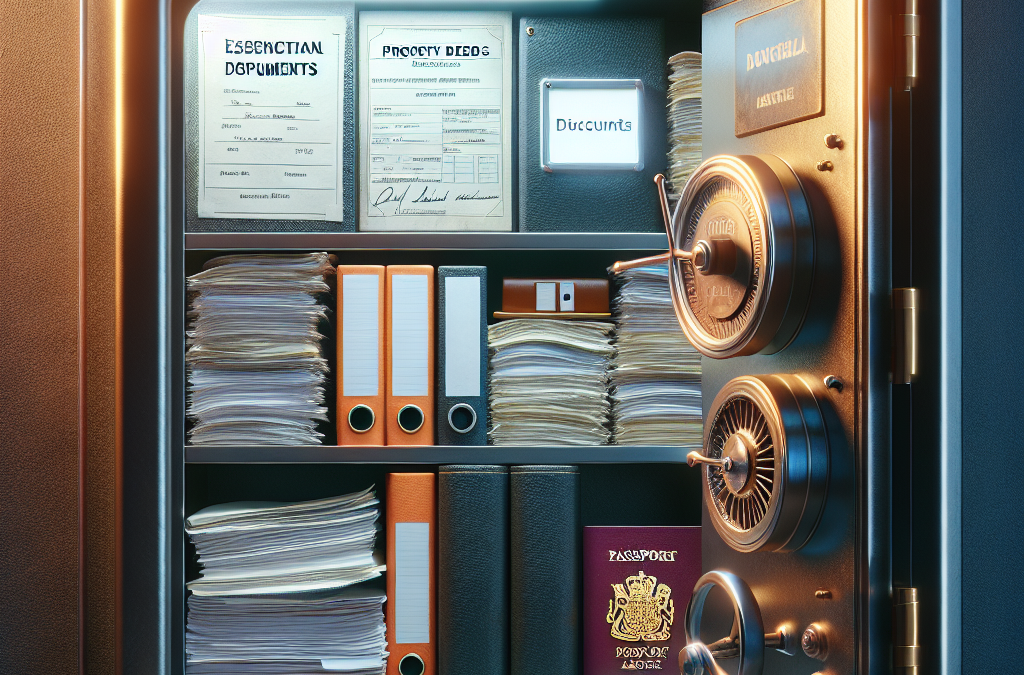
I personally prefer using a dedicated safe that’s both fireproof and waterproof. It’s a bit of an investment, but it’s totally worth it for that extra peace of mind. Plus, I know exactly where everything is when I need to grab it. No rummaging through bags for me!
And don’t forget, keep a digital copy too! Snap a pic of your important documents and save them in the cloud. That way, even if the physical copies are lost, you’ve got backups. Just make sure your cloud is secure, alright?
Updating Your Documents
Life happens, and our documents can become outdated fairly quickly, right? I’ve learned the hard way that keeping track of expiration dates can slip your mind. Passports, licenses, and even certain registrations have to be updated regularly.
Set reminders in your phone or calendar a month before any of your important documents are due to expire. It’s a pain, I know, but if you stay ahead of the game, you won’t be caught off-guard when you need them in an emergency.
Plus, after a major life event—like marriage, divorce, or change of address—make it a habit to check if you need to update anything. Keeping everything current can save you some serious hassle later!
Medical Records
What to Include
Next on the list? Medical records. Trust me, these are super crucial. I always make sure to have my and my family’s medical history documented—like vaccination records, allergies, prescriptions, and any ongoing treatments.
Now, you might think, “Why do I need this?” Picture this: you or a family member gets hurt or sick in an emergency, and the first responders need to know your medical history. It makes a huge difference in the care you receive and can even save lives.
So, gather everything in one file or folder. Include emergency contact information of your doctors and any special arrangements for ongoing treatments. It’s like your personal health cheat sheet!
Digital vs. Physical Copies
I’m a big fan of having both physical and digital copies of my medical records. Digital copies are so easy to access on my phone or tablet. But there’s something about having a physical copy in that safe I mentioned earlier—it just feels more secure.
Make sure that your digital copies are encrypted or stored in a secure place. You wouldn’t want your private health information exposed, right? Just check regularly to ensure the files are updated and accurate.
And a little tip: if you’re traveling, always keep a copy of your medical records in your travel documents. You never know when you might need to show them during a trip.
Regular Check-Ins
Over time, medical needs change, and it’s helpful to revisit your records periodically. I usually set a quarterly reminder to review and update my medical documentation. Trust me, it’s easier to do a little bit regularly than to overhaul everything in panic mode.
This is also a great time to check in with family members about their health information. Do they have chronic conditions you might need to consider in an emergency? Keeping communication open about health isn’t just smart; it can be lifesaving.
Plus, if anything major changes—like you start a new medication or have a significant health update—be sure to note it down immediately. You’ll thank yourself later when it’s all organized and ready to go in case of an emergency.
Financial Information
Key Documents to Secure
Let’s face it, financial information is vital, especially when you’re trying to get back on your feet after an emergency. Keep your bank statements, insurance policies, and tax documents together. If you have any outstanding loans or credit information, that goes in the pile too.
Your insurance details are particularly important. Whether it’s your home, health, or car insurance, knowing what’s covered can be a game-changer when you have to file claims quickly. I always ensure those documents stay updated!
I recommend organizing these papers by category. It saves so much precious time when you know exactly where your liability information lies or what your policy numbers are when you’re in a tight spot.
Where to Keep Financial Records
Much like your other sensitive documents, the safe route is to keep these records in a secure place. I prefer a fireproof and waterproof safe, but sometimes a locked drawer works just fine—especially if you need easy access.
A great idea is to use a password manager for all your digital financial information. This way, you’re not scrambling to remember what account goes where during a crisis. You’ll have everything at your fingertips, and it’s somewhat safer!
Don’t forget to share access with someone you trust, like a family member. This ensures that they can access important financial information if something happens to you and it becomes necessary.
Tracking Changes and Updates
Just like everything else on this list, your financial documents need regular check-ups. Every six months or so, sit down and go through your financial situation. Are there any changes? New accounts? Updated policies? It’s all worth addressing!
Seems tedious, I know, but having everything in order makes you feel so much better. This way, you’re less stressed when you have to access these documents later. Plus, it helps you stay on top of your financial health.
You don’t want to find out something important is missing at the worst possible time. So take the time, go through your documents, and keep them neat and clear!
Property Documents
What You Need
Property documents are another huge thing you want to keep under wraps. Deeds, titles, and lease agreements—these are critical when you need to claim ownership or address insurance matters. You never know when you might need to pull these out!
If you’ve got a mortgage, keep that document handy too. It’s especially important for insurance claims if your property gets damaged in an emergency. Plus, it can help you with refinancing later if need be.
Again, organizing these documents by property type is a smart approach. Whether it’s real estate, vehicles, or any rental agreements, ensure you know where they all are when you’re in a bind!
Safe Storage Options
When it comes to storing property documents, I’m all about creating a designated folder for each property. Whether it’s a physical folder or a digital one, having a separate space keeps it simple. Just make sure it’s secure—in a safe, of course!
Consider digitizing these documents as well. Use a scanner or a scanning app on your phone. Just like I mentioned previously, digital copies act as an awesome backup and are easy to access anytime—and you won’t have to worry about losing physical documents.
Also, don’t forget about copies. Keep duplicates in different locations, if possible. In an emergency where you have to evacuate quickly, it’s humbling to be able to grab important papers and not leave everything behind!
Regular Audits
Definitely don’t let your property documents collect dust! At least once a year, go through everything and check if there are updates or changes. Whether you’ve sold a vehicle or moved houses, keep your documents in sync with your life.
This also gives you a chance to review what you have and what you might need in the future. It keeps you prepared and organized. As they say, an ounce of prevention is worth a pound of cure!
Plus, it’s a good habit to check if there are any new property laws in your area. Being informed can save you from unexpected surprises down the line.
Important Contacts
Compile a List
Last but definitely not least, maintaining a list of important contacts is absolutely key. You want to have a written down or saved in your phone contacts anyone you might need to reach out to in an emergency—medical professionals, family, friends, and insurance agents. You don’t want to be scrambling for numbers when you really need them.
In my experience, I’ve made it a point to keep this list visible in my home, ideally near my phone or in my wallet. This way, I know it’s readily accessible should things go sideways. You can also categorize contacts by type for easier retrieval.
Also think about including emergency contacts who are out-of-state. In situations where local communication gets tricky, having someone in a different area who can coordinate information is really useful! Trust me on that one!
How to Update Regularly
As your life changes, so should your contact list. I try to review mine after significant changes, like moving or even when I just meet new people. It’s a good opportunity to reassess who’s my support system and who I might need to contact in a bind.
It’s also a good idea to ask your close contacts if they want to be included. Sometimes you think someone will want to be your go-to contact, but they might not be comfortable with that. Better to check than be caught off guard!
Another thing? Whenever there’s a change in someone’s information, make a habit of updating it right away. Digital tools can help too—there are apps designed to store emergency contacts securely!
Technology Aids
These days, there are tons of apps dedicated to emergency preparedness, which can help with maintaining and sharing your contact list. Some even send alerts for emergencies or provide quick ways to access critical information. I’ve found that super handy!
Just remember that if you’re using a tech-based solution, keep it secure. Regularly updating passwords and using two-factor authentication can protect your information from prying eyes.
Don’t depend only on technology, though. As someone who believes in a good mix, I still keep a physical list saved somewhere. Sometimes, in the heat of things, it’s easier to grab paper than your device!
Frequently Asked Questions
What are essential documents to keep safe in emergencies?
Essential documents include identification, medical records, financial information, property documents, and important contacts. Keeping these in a secure and accessible location can help in emergencies.
How can I best store my essential documents?
The best way to store essential documents is to use a fireproof and waterproof safe. Additionally, keeping digital copies stored securely in the cloud is a smart backup strategy.
How often should I update my documents?
It’s advisable to review your essential documents at least once every six months. Changes in personal situations or expiring documents should be addressed promptly.
Should I keep physical and digital copies?
Yes! Having both physical and digital copies can provide more security. Digital copies are easy to access, while physical copies can sometimes be your best bet during emergencies.
What can I do if I lose my essential documents?
If you lose your essential documents, the first step is to report it, especially for identification documents like your driver’s license or passport. Next, work on getting replacements as soon as possible, and don’t forget to check your digital backups if you have them!
by Preparation | Jul 30, 2025 | Preparedness
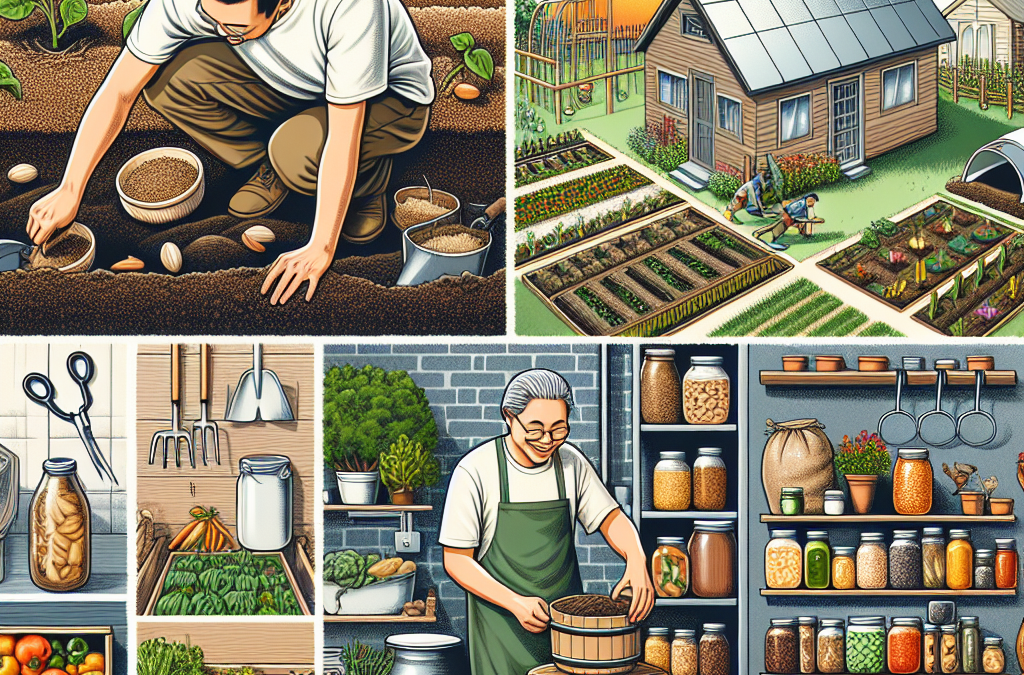
Hey there! So, you’re interested in becoming more self-reliant with your food supply? That’s awesome! There’s nothing quite like knowing where your food comes from and being able to grow it yourself. After diving into this journey myself, I’ve found five key areas that can really help you on your path to food independence. Let’s break it down together!
1. Planning Your Garden Space
Understanding Your Environment
The first thing I did was to take a good look around my property. Every garden’s success relies heavily on understanding its environment. Consider factors like sunlight, soil quality, and water availability. You want a spot that gets plenty of sunshine without drastic winds, and that usually means observing how the sun charts its arc across the sky throughout the day.
Then, test the soil pH! This step can make a big difference in your garden’s health. There are simple kits available at gardening stores. If your soil is too acidic or basic, you can easily amend it with specific products to create a healthy growing environment.
Lastly, prepare for challenges like pests or weeds. It’s always easier to set up barriers before issues arise rather than trying to fix them later. This proactive approach can save you a ton of hassle down the road.
Choosing What to Grow
Next up, you’ve got to decide what crops to grow. In my experience, starting with a mix of easy-to-grow veggies and herbs is key. Tomatoes, cucumbers, and basil were my first choices—they’re user-friendly and versatile for various dishes!
Consider what you and your family actually eat. It can be tempting to grow things just because they look cool, but if no one’s going to enjoy the produce, what’s the point? Tailoring your garden to your tastes will ensure you have a sustainable supply of food you love.
Lastly, think about growing perennials—a bit more work upfront, but they come back year after year! Plants like asparagus and rhubarb can be low-maintenance once established.
Using Companion Planting
I discovered that companion planting can really optimize space and boost plant health. Certain plants have unique relationships that can deter pests or enhance growth when grown together. For example, planting marigolds alongside your veggies can help keep harmful bugs at bay.
Another benefit is maximizing your garden’s output. Tall plants like corn can provide shade for shorter crops like lettuce, while beans can add nitrogen to the soil, which is great for their leafy buddies.
Believe me, it’s like a little gardening symphony! When these plants work together, they create a thriving ecosystem that benefits all the participants involved. It’s pretty neat to watch your garden flourish through partnership!
2. Soil Health and Nutrition
Composting Basics
Where do I even start with composting? It felt kind of intimidating at first, but trust me, it’s totally manageable. Composting is essentially recycling organic materials, and it’s one of the best things I did for my soil. Seriously, it’s like gold for your garden!
To kick it off, I gathered kitchen scraps (think veggie peels and coffee grounds) and yard waste (like grass clippings and leaves). Just make sure to avoid meat and dairy products, as they can attract unwanted critters.
Then, I set up a simple compost bin—something you can DIY with pallets or even purchase ready-made. I kept it turned and moist, and in just a few months, I had rich compost to mix into my garden soil. It’s rewarding to see that waste transform into something so resourceful!
Understanding Fertilizers
While compost is fantastic, understanding which fertilizers to use is crucial too. All plants have unique nutrient needs. At first, I was clueless! However, I learned that a good balance of nitrogen, phosphorus, and potassium (the big three) was essential for healthy growth.
I experimented with both organic and synthetic fertilizers, but I quickly realized that organic options—like worm castings or fish emulsion—provided not just nutrients but also improved soil health over time.
Don’t forget to read the labels and follow instructions closely. Over-fertilizing can burn your plants. Less can often be more, so start small and monitor how your plants respond!
Crop Rotation
Crop rotation became a game changer for my garden! I learned that rotating different plant families each season helps prevent diseases and promotes soil health. It’s like a mini holiday for your soil, allowing it to replenish certain nutrients while deterring pests.
For instance, legumes can fix nitrogen back into the soil after pulling up something like tomatoes that may have depleted it. Just keep a chart to track where you’ve planted each crop year after year. It might take a bit of planning, but it’s so worth it for the sake of your garden’s vitality.
Give it a try! After implementing crop rotation, I noticed healthier plants, higher yields, and less time battling pests. It’s a win-win!
3. Water Management
Smart Watering Techniques
Now let’s talk about one of the most crucial elements of gardening—water! Initially, I thought just sprinkling water here and there would be enough. Boy, was I wrong! I learned that early morning is the best time to water; that way, plants absorb it before the sun saps it away!
Drip irrigation was another cool tip I stumbled across. By investing in some simple tubing and drip emitters, I managed to deliver water directly to my plants’ roots, avoiding waste and reducing the likelihood of fungal diseases.
Another trick is mulching. Not only does it help retain moisture by preventing evaporation, but it also suppresses weeds. Plus, organic mulches gradually break down and enrich the soil!
Rainwater Harvesting
Harvesting rainwater was a revelation! I set up a rain barrel, and honestly, it became one of the best ways to water my garden sustainably. I can collect gallons of free, chemical-free water—nature’s gift!
Plus, using rainwater is also better for the environment. It reduces runoff and can lower water bills. Talk about a win-win! Just ensure you’re monitoring the barrel for any debris or contaminants, and you’ll have a great supply for all those hot summer days.
It feels satisfying to know I’m conserving water while also hydrating my garden. It’s a small change that makes a huge difference!
Understanding Plant Needs
Each plant has unique water needs, and that became clearer as I experimented. I discovered that some plants like cucumbers are thirsty, while herbs tend to do better with less. Learning about these differences helped me develop a more effective watering routine.
I even found out about the “soak and dry” method—where you allow the soil to soak up water for longer but then let it dry out in between waterings. This method encourages deep root growth, leading to stronger, healthier plants.
As I adapted my approaches based on each plant’s requirements, I started to notice healthier and more resilient crops. It’s all in the details, my friends!
4. Pest Control Strategies
Organic Pest Solutions
Pests—oh boy! They can be the bane of any gardener’s life. But instead of reaching for harsh chemicals, I learned the value of organic pest control methods. For example, neem oil or insecticidal soap can effectively tackle common culprits without harming beneficial insects.
I also started creating my own garlic spray. Mixing water, garlic, and a few drops of dish soap can deter many pests while being completely safe for my plants. It’s super easy and leaves my garden feeling fresh, not toxic!
Implementing these natural solutions helped me feel more in tune with my garden and the environment, reducing my carbon footprint while keeping pests in check.
Encouraging Beneficial Insects
While pests can cause chaos, I learned that beneficial insects can help keep the ecosystem balanced. Ladybugs, lacewings, and predatory wasps are the tiny heroes that munch on aphids and other critters. It felt great to attract them by planting flowers like yarrow and marigolds.
I even set up a little “insect hotel.” It’s amazing how providing shelter can encourage beneficial insects to stick around and do their jobs. I loved watching them zoom around my garden—it felt like creating my little wildlife sanctuary!
It’s all about embracing a balanced approach—finding harmony rather than declaring war on all creepy-crawlies. Trust me, it brings you closer to nature!
Physical Barriers
Sometimes, a simple physical barrier is the best defense. Row covers and netting can protect your crops from specific pests, and they’re usually easy to set up. I used them for my young plants, and I can’t tell you how much easier life got!
Plus, creating a diverse garden layout can confuse pests. Instead of planting all your tomatoes in one line, scatter them around. It keeps pests guessing and helps maintain your harvest!
Over time, I learned that vigilance pays off. Regularly checking for signs of pests or diseases meant I could act quickly before they devastated my plants. It’s all about being proactive and protective!
5. Harvesting and Preservation
Knowing When to Harvest
Harvesting might seem straightforward, but timing is everything! Picking produce at its peak flavor not only makes for delicious meals but also encourages continued production. I learned to check for color, size, and even feel for ripeness.
Some crops, like zucchini, should be harvested young for the best taste, while others, like tomatoes, can continue to ripen off the vine. It’s like having a conversation with your garden, figuring out what they need and when!
Documenting your harvests helped me track which varieties did well and when they produced best. It’s an educational journey that I love sharing with fellow gardeners!
Preserving Your Bounty
After all that hard work, preserving your harvest is so rewarding! I explored various methods like canning, freezing, and drying, and each has its unique charm. Canning my tomatoes became a tradition I cherish, and it’s a great way to have summer flavors in the winter.
Freezing is easy—just wash, chop, and pop those veggies in bags. I’ve even started preserving fruits for smoothies later. There’s something delightful about enjoying the fruits of my labor when the snow is flying outside!
Don’t forget to share! Whether it’s trading produce with a neighbor or gifting a jar of homemade jam, community makes this journey even more worthwhile. Building those connections is part of the joy!
Planning for Next Season
Once the harvest wraps up, I take some time to reflect. What worked? What didn’t? It’s all about learning and improving each year. I started keeping a garden journal to jot down my thoughts and plans for the upcoming season. It’s like having my plant diary!
Consider planning a crop rotation schedule to keep things fresh. This prep work sets you up for success, and I find it gives me something to look forward to during the winter months.
One of my favorite parts is browsing seed catalogs during the colder seasons. I feel excitement, imagining what I’ll grow in my garden next year. It’s a never-ending journey of growth—for both the plants and me!
Frequently Asked Questions
1. How long does it take to start a garden?
Starting a garden can take anywhere from a few weeks to several months, depending on your planning and what you choose to grow. Some crops, like lettuce, can be ready within a month, while others, like tomatoes, may take a bit longer. The best thing is to enjoy the process and have fun with it!
2. What are the best vegetables for beginners?
Some great starter veggies include radishes, lettuce, beans, zucchini, and tomatoes. They tend to be hardy, quick-growing, and forgiving if you’re just mastering your gardening skills!
3. How can I manage pests without chemicals?
There are plenty of natural solutions like neem oil or garlic spray. Plus, encouraging beneficial insects and using physical barriers can help you manage pests organically!
4. Can I garden in small spaces?
Absolutely! Container gardening, vertical gardening, or raised beds work wonders for smaller spaces. You don’t need a huge yard to grow your food; you just need creativity and a bit of planning!
5. How can I preserve my harvest effectively?
Canning, freezing, and drying are all excellent methods for preserving your harvest. Each has its unique benefits, so it depends on your preferences and what you’re preserving!

by Preparation | Jul 30, 2025 | Preparedness
Understanding Your Power Needs
Assessing Your Usage
First off, I really think that understanding your power needs is paramount. You gotta sit down and jot down what exactly you need from a backup power solution. Are you looking to keep your essentials running during a blackout, or do you need something that’ll power your whole house? The choice of a generator or an inverter really hinges on this assessment.
Start by creating a list of all the appliances you rely on. How many do you think you’ll truly need? Maybe you just need to keep your fridge running, or perhaps you want to run your entire home office setup. Take a mental inventory; it can save you from making a huge mistake later.
When you’re clear on your needs, it also helps in determining the type and capacity of the backup power solution you should look into. There’s definitely peace of mind in knowing you’ve got the right gear without overspending on power you won’t even use!
Evaluating Power Outage Frequency
Next, I find it useful to consider how often the power goes out in your area. This seems kinda obvious, right? But you’d be surprised how many folks don’t think about how regular outages affect their lives. If this is something you deal with a lot, it’s better to invest in something more robust.
If local weather patterns or infrastructure issues keep the lights off more than you’d like, then a more substantial backup solution might be your best bet. Investing in higher capacity systems can seem daunting, but trust me, it’s better to be prepared than to get stuck in the dark.
I remember chatting with a neighbor about their backup power situation; they seemed annoyed by how many times their generator barely made it through a storm. Don’t let that happen to you! Prepare for the reality of your environment.
Identifying Critical Appliances
This is another one of those steps that many people overlook. Identifying which appliances are critical during an outage is key. Which items can you live without for a few hours and which ones are absolute must-haves?
I, for one, can’t live without my fridge running. There’s nothing worse than having to toss food due to a power failure. But maybe for you, it’s the medical equipment, computers, or essential heating or cooling systems that take priority. Whatever it is, getting clear on the essentials will guide your choice in backup systems.
So, grab that notepad again and separate your must-haves from the nice-to-haves. This is gonna make your decision process a lot smoother. Pro tip: make sure the backup solution you choose can handle that critical load without breaking a sweat!
Exploring Different Backup Power Solutions
Generators vs. Inverters
Alright, let’s dive into the juicy part – the types of backup systems available! The most common options you’re likely gonna come across are generators and inverters. Generators are often gas-powered, providing a solid chunk of power when the grid fails. But hey, they can be pretty loud and require some upkeep.
On the other hand, inverters can run off batteries, making them generally quieter and more environmentally friendly. They also work great for smaller setups, but if you’ve got larger power needs, you might need to look at larger systems or multiple inverters.
It’s crucial to know what you’re getting. Research the pros and cons of each type, and think about what aligns best with your lifestyle. I always weigh my options carefully here; you don’t wanna put yourself in a sticky situation in the middle of a storm!
Portable vs. Standby Systems
Another consideration is whether you want a portable unit or a standby system that kicks in automatically when the power goes out. Portable generators are affordable and great for short power outages, but don’t forget: they need to be manually started and refueled.
Standby systems, however, are more of an investment. They’re permanently installed and start up automatically – what’s not to love? I remember having a friend who had one installed; it was as smooth as butter during our last blackout. No frantic digging around for the manual to find out how to start it!
Think about your lifestyle and how much you’re willing to spend. What works for me might not be your best bet, and that’s okay! Take some time to figure it out.
Fuel Source Options
Let’s chat about fuel! Your backup power solution’s fuel source is crucial. Whether it’s gasoline, diesel, propane, or natural gas, each option has its strengths and weaknesses. I tend to lean towards propane for several reasons; it’s cleaner-burning, has a longer shelf life, and is usually more accessible.
But keep in mind that each fuel source comes with its own considerations, like storage, availability, and even safety precautions. I currently keep a small stockpile of propane on hand because it just makes me feel a bit safer knowing I can keep my systems running without worrying about fuel shortages.
Step back and think about what’s realistic in your situation regarding storage and supply. You want convenience without added hassles later on.
Budgeting for Backup Power Solutions
Estimating Total Costs
Next on the agenda: budgeting. Let’s be honest – the price tag can be a deal-breaker. So, estimating total costs upfront is super important. Don’t just look at the cost of the unit itself; factor in installation, maintenance, and fuel needs.
After spending years working out budgets for various projects, I can’t stress enough how critical it is to have a clear understanding of what you’ll need to invest upfront and long-term. Make sure that whatever solution you choose fits comfortably into your budget without stretching you too thin.
Having to skimp on maintenance or fuel later is no fun – trust me! That’ll lead to more costly repairs or system failures when you really need them to work. Do your homework and keep your budget realistic.
Long-term Savings Considerations
Sometimes, we forget that spending a little more initially can save a LOT down the line. For instance, purchasing a higher-quality generator or inverter might have a higher upfront cost, but often results in better efficiency and longevity. Plus, think about how often you may have to service cheaper options.
Long-term plans should incorporate future needs as well. Say you plan to expand your family or your home office; consider how your backup needs might evolve. Investing wisely now could prevent more expenses down the road.
Keeps in mind that peace of mind during a blackout is often worth its weight in gold. A small investment could save you from a ton of headaches later on, so be thorough in your budgeting process.
Researching Financial Incentives
Lastly, don’t forget to check if there are any available financial incentives to help offset some of your costs! You might be surprised to find government programs, tax credits, or local incentives that encourage homeowners to invest in efficient backup power solutions.
I once got a rebate when I installed my generator, and let me tell you, it felt like Christmas! Research local and federal options that might apply to your situation. It’s worth the time and effort to look around because these savings can really help.
Taking the time to check for these financial boosts can help you make a more affordable choice, ensuring you get that sweet backup power you need without breaking the bank.
Installation and Maintenance of Your Backup Power Solution
Professional Installation vs. DIY
Installation is the next hurdle. Should you hire a pro or tackle it yourself? Well, I usually recommend getting a professional involved, especially if you’re considering a generator that requires more than just a simple plug-in setup.
Having a pro install your system means it’ll be set up correctly and safely. Trust me, I’ve learned the hard way that going the DIY route can occasionally lead to complications that are just not worth the headache of figuring it all out. Getting it done right the first time pays dividends in the long run.
However, if you’re handy, a smaller portable generator might be right up your alley! Just be sure to read the manual and follow safety precautions – or you might be calling for expert help sooner than anticipated!
Regular Maintenance Tasks
Once that installation is complete, maintenance comes next. Just like any appliance, your backup power system will need some love to keep it operating at peak performance. Regularly checking oil levels, replacing fuel filters, and doing battery tests should be on your maintenance checklist.
Life gets busy, I know, but setting reminders can help keep things on track. I personally set seasonal reminders to check my systems to make sure I’m never caught off guard. You really don’t want to realize your generator is out of commission when a storm rolls in!
By keeping on top of maintenance, you’ll extend the life of your equipment, save money on repairs, and ensure everything runs smoothly when the time comes. It’s one of those things that just makes sense, and maybe even keeps your neighbors a bit jealous of your power prowess!
Emergency Preparedness Plan
Lastly, incorporate your backup power systems into an overall emergency preparedness plan. Have a clear idea of how your power needs fit into your broader emergency plans. It’s not just about having backup power; it’s about knowing when and how to activate it.
Discuss with your family how to operate the backup system if an outage occurs. Creating an easy-to-follow plan, complete with contact numbers for pros and emergency services, is always a solid move. I mean, I want my family to know how to keep the lights on, even when I’m not around!
Incorporating your backup power into a broader strategy helps ensure that everyone knows their roles and responsibilities, creating an air of confidence when facing emergencies.
FAQs about Choosing Backup Power Solutions
1. How do I know what size generator I need?
Start by assessing the total wattage of the devices you want to power during an outage. Create a list of essential appliances and their wattage, then look for a generator that can handle that load.
2. Are portable generators safe for indoor use?
No way! Portable generators should NEVER be used indoors. They produce carbon monoxide, which can be deadly. Always use them outside and at a safe distance from windows and doors.
3. How often should I perform maintenance on my backup power system?
It varies by system, but a general rule of thumb is to check your generator or inverter every three to six months. Change the oil, check filters, and ensure that fuel is fresh.
4. What’s the difference between a standby generator and a portable one?
A standby generator is permanently installed and automatically activates during an outage, while a portable generator is manually operated and requires filling up with fuel during a power failure.
5. Can my backup power solution work while using solar energy?
Absolutely! Some systems are designed to work in tandem with solar energy. Being dual-powered can help extend the power you get from the sun and back it up for times when it’s not shining.
by Preparation | Jul 30, 2025 | Preparedness
Understanding Off-Grid Living
What is Off-Grid Living?
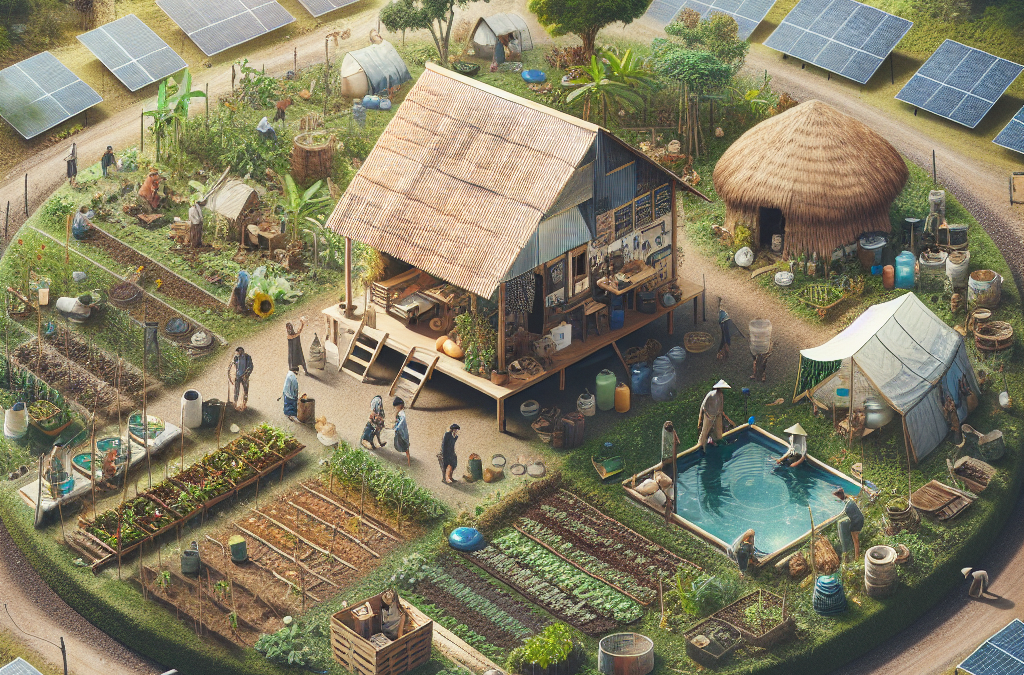
So, diving into off-grid living has become a bit of a passion project for me over the years. It’s not just about
removing yourself from the rat race; it’s about embracing a lifestyle that’s as self-sufficient as it gets. In
essence, off-grid living means you’re not relying on public utilities. We’re talking water, electricity,
sewage—you’re essentially creating a little self-sustaining world for yourself.
Why would anyone want to live off the grid, you ask? Honestly, it varies from person to person. For some, it’s
an escape from the hustle and bustle of urban life. For others, it’s a way to reduce their environmental
footprint. And let’s not forget those who just want to give a big middle finger to utility companies!
But like all big lifestyle changes, it comes with challenges. I mean, no one tells you how tricky it can be to
find clean drinking water or how often you’ll have to wrestle with your solar panels! But don’t let that scare
you away. Trust me; the freedom is absolutely worth it!
Essential Skills for Off-Grid Living
Self-Sufficiency Skills
One of the biggest lessons I’ve learned is that you’ve gotta have some serious self-sufficiency skills under your
belt. Whether it’s growing your own food or learning how to fix what’s broken, the more skills you acquire,
the more confident you’ll feel in an off-grid setting. I actually started small—I learned to garden and even
dabbled in canning jars like a grandma on a mission!
Don’t overlook the importance of cooking from scratch. You’d be surprised how many convenience foods you take
for granted until they’re not available anymore. Being able to whip up a meal from your pantry is a must,
my friend. Let’s just say having a good recipe book on hand has become more precious than gold!
And let’s talk DIY repairs. You’ll need to channel your inner handyman (or woman!). From fixing leaky roofs to
simple plumbing issues, being a bit of a jack-of-all-trades will save you a ton of cash and headaches down the
road.
Choosing the Right Location
Land Selection Criteria
Location is everything! Seriously, this is where it all begins. After some soul-searching, I learned to look
for a piece of land that really spoke to me. For me, access to fresh water was non-negotiable. I made sure to
look for spots near rivers or streams—water is life!
Then there’s the aspect of sunlight. If you’re relying on solar power (which I totally recommend), scout out a
location with plenty of sun exposure. You don’t want to be living in a shadowy nook wondering why your solar
panels aren’t doing their job.
Lastly, always check local regulations. Some places are all about that free spirit vibe, while others are super
strict. It’s crucial to know what you can—and can’t—do with your land. I once thought I could build a little
cabin wherever I wanted. Spoiler alert: I couldn’t!
Building Your Off-Grid Home
Design and Construction
Let’s chat about building your off-grid home—this part is thrilling, but also kinda daunting! The design of
your house is super important. I learned that opting for smaller, energy-efficient designs can make a world of
difference in resource management.
And hey, building DIY can be a satisfying option! But be prepared for a steep learning curve. I didn’t know
squat about construction when I first started. I watched tons of YouTube videos and picked up a skill or three.
Just remember, good quality materials go a long way in durability.
Also consider waste management. I know, I know, not the sexiest topic but critical nonetheless. Composting
toilets became my best friend, and now I can’t imagine living without one. Much easier than traditional plumbing
and friendlier to the environment—win-win!
Energy Independence
Renewable Energy Sources
Alright, let’s geek out over energy independence! One of the first things I invested in was solar panels. The
sun is a magical thing; harnessing it can power your living space and reduce your reliance on traditional
energy sources. I swear, watching my energy bill drop felt like Christmas morning every month!
Wind turbines are another rad option. Depending on your location, setting up a small turbine can further boost
your energy production. Just be aware of your surroundings—trees and other obstructions can really mess with
your wind flow.
Batteries for energy storage are an absolute must if you want to maintain independence. I learned the hard way
just how crucial this was during cloudy days or storms. Investing in quality batteries made all the difference,
and trust me when I say you don’t want to run out of power when you need it most!
Fostering Community Connections
Building Relationships
Living off-grid can sometimes feel lonely, especially if you’re a social butterfly like me! This is where
building community connections comes in. I made it a point to reach out to my neighbors. Let’s just say the
potlucks have been life-changing for both my stomach and my social life!
Think about joining local off-grid groups or communities—online or in-person. These folks can share knowledge,
lend a hand during tough times, and help you feel less isolated. Seriously, there’s just something about being
with like-minded people that’s comforting.
Lastly, don’t underestimate networking for resources. A neighbor might have a gadget you could borrow, or maybe
they’re looking to swap skills. Building those social ties can make your off-grid journey smoother and more
enjoyable!
FAQ
1. What do I need to start living off-grid?
To start off-grid living, you’ll need essential skills in self-sufficiency, a good location, a plan for your
home, energy solutions, and community connections for support.
2. Can I live off-grid with kids?
Absolutely! Many families thrive while living off-grid. The key is to involve your kids in the process so they
can learn about sustainability and self-reliance alongside you.
3. What are the legal requirements for off-grid living?
Legal requirements vary depending on location. Always check local zoning laws, building codes, and permits
needed for off-grid systems.
4. How do I deal with isolation while living off-grid?
Combat isolation by fostering local community ties, joining groups focused on off-grid living, and regularly
reaching out to friends and family.
5. Is living off-grid expensive?
Initial setup costs can be high due to land purchase and building. However, long-term expenses can be lower since
you’re not relying on utility services. It’s an investment in sustainability!

by Preparation | Jul 30, 2025 | Preparedness
Stay Calm and Assess the Situation
Take a Deep Breath
When faced with unexpected wildlife during a disaster, the first thing I’ve learned is to take a deep breath. It’s easy to panic when you see a wild animal, especially in a chaotic situation. But if you give yourself a moment to breathe, you can better assess what’s happening around you.
Keeping calm not only helps you think clearly but also prevents the animal from feeling threatened. In crises, animals may also be scared and confused. My personal motto has always been: stay chill to help them chill.
So, whenever I found myself in a similar spot, I’d remind myself, “I’ve got this!” It changed my response entirely, allowing me to act instead of react. The calmer you are, the safer everyone – including the wildlife – will be.
Evaluate the Wildlife
Next up is evaluating what type of wildlife you’re dealing with. Is it a small critter like a raccoon scurrying to safety, or is it something larger like a deer or a bear? Knowing what you’re facing makes a huge difference. Each species behaves differently, and understanding their behavior helps determine the safest way to proceed.
I remember one time during a storm, I spotted a raccoon trying to make its way through my backyard. Instead of rushing out, I took a minute to observe its path and behavior. Was it defensive or just trying to find shelter? This simple observation gave me insight into how best to approach the situation.
Familiarizing yourself with local wildlife can be a game-changer. It’s worth doing some research ahead of time. When disaster strikes, being able to recognize wildlife can affect your safety and theirs, too.
Assess Your Environment
Now that I’ve calmed myself and assessed the wildlife, it’s time to glance around at the environment. Is there something nearby that may make the situation worse? Look for things like downed power lines or other hazards that could impact both you and the animal.
Sometimes, wild animals are just as scared as we are. If their normal habitat has been disrupted, they may wander into areas they usually wouldn’t. That’s why evaluating your surroundings can inform what steps to take next, preventing future encounters.
Always stay alert. I was once caught off guard by a family of deer in my garden after a strong storm. By observing the environment, I not only facilitated their safe escape but also protected my new flower beds at the same time!
Know When to Keep Your Distance
Respect Their Space
One of the first things I learned is to respect wildlife’s space. It seems counterintuitive in an emergency, but getting too close can provoke animals and lead to dangerous outcomes. Most animals will retreat if given the chance, so allowing them that distance is key.
During one crazy experience, I saw a fox cornered by a tree after a flood. Instead of rushing to ‘help’, I backed off. The fox needed room to escape, and forcing it could have escalated into a frantic situation. Lesson learned—it’s essential to give animals an exit route.
If you respect their space, you’ll often find they’re more willing to move away peacefully. It makes the encounter less stressful for everyone involved, including yourself!
Avoid Feeding Wildlife
It’s so tempting to want to feed wildlife, especially during disasters when humans and animals are both struggling. However, this is a practice I’ve learned to avoid. Feeding animals can create dependency and lead them to return, ultimately putting both parties in dangerous situations.
I once had a friend who thought it would be kind to leave out food for some raccoons after a visit from a storm. Guess what? Those raccoons kept coming back, even after the bad weather had passed. It’s surprising how quickly they associate humans with meals, which can turn them from friendly critters into nuisances.
Maintaining distance helps preserve the natural behaviors of wildlife. So, resist the urge to feed them, even if it feels like the right thing to do in tough times.
Keep Pets Indoors
This is a biggie! If I know there’s a chance of an unexpected wildlife encounter, I always keep my pets indoors. Animals are curious creatures, and they might see a wild animal as a playmate rather than a potential threat.
One year during a hurricane, my neighbor’s dog ran out to play with a wild bunny that had taken refuge near their porch. It escalated quickly, resulting in a dangerous chase. Thankfully, no injuries occurred—but I learned from that experience to always keep my furry friends secure until the chaos settles down.
Keeping pets indoors not only protects them but also minimizes stress for the wildlife. An unexpected encounter can be really stressful for both sides, and it’s better to keep those lines separated.
Utilize Local Wildlife Resources
Know Who to Call
When it came to handling wildlife encounters, I didn’t hesitate to reach out to local wildlife resources. Often, organizations have trained professionals who know how to handle specific scenarios safely. They know the ins and outs of animal behavior and can assist in providing a solution.
For example, I faced a situation where a family of opossums ended up in my shed post-storm. Making a quick call to the local wildlife rescue helped immensely. They provided guidance on how to safely coax them out without causing harm to them or myself.
Having that number on hand was really beneficial! Not only did it help me feel supported during the chaos, but it ensured the new residents of my shed could safely relocate without distress.
Educate Yourself and Others
Another key takeaway for me has been the value of educating myself and others in the community about local wildlife. Knowledge is power, and the more we understand the behavior and needs of the wildlife we share our environment with, the better prepared we become for unexpected encounters.
I’ve attended several workshops on local animals, learning everything from their diets to how to safely manage conflicts. Sharing that knowledge with neighbors has created a supportive community. We help each other out rather than acting out of fear!
Promoting understanding goes a long way, especially for families with kids. Teaching children proper wildlife interaction etiquette has been a huge step in enhancing community safety during disasters.
Stay Updated on Local Policy
Finally, staying informed about local wildlife policies can help a lot. Many areas have guidelines on what steps to take if you encounter wildlife or if there’s a disaster. Being aware of these policies means I’m not fumbling for an answer in a moment of crisis.
When I first moved to my town, I was surprised by the plethora of resources available online! These often update with safety tips during wildlife encounters. Just last season, I learned about initiatives for keeping habitats safe during flooding, which drastically shifted our emergency plans.
Following local wildlife management on social media also keeps information flowing. It’s like having a safety net that offers support and ongoing education!
Be Prepared for Wildlife Encounters
Emergency Kits
One thing I always ensure I’m prepared for is creating an emergency kit. Not just for me, but for potential wildlife encounters as well. Having supplies like gloves, a sturdy container, or a pair of animal-proof boots can be valuable in certain situations.
As silly as it sounds, I even pack some snacks—like dried fruit. In case I see an unexpected animal, it’s great for deterring them if I need to create distance or lure them away. Having the essentials on hand reminds me that I’m ready for anything!
Plus, knowing I have everything prepared helps reduce anxiety in emergencies. It’s all about that mindset, right?
Understand Local Animal Behavior
Getting to know the common wildlife in my area has been a real game-changer. Each species has unique behaviors, so understanding their natural instincts allows me to anticipate how they might react in crises.
I spent time reading guides and watching documentaries about local wildlife, and it has provided immense insight. For example, knowing that deer tend to flee rather than fight has helped me remain calm when they wander near. It’s like having a cheat sheet in an exam you didn’t necessarily study for!
This knowledge not only helps me react properly during encounters but also fosters appreciation for these amazing creatures. Every time I see wildlife, I’m reminded of the significance they hold in our ecosystem!
Community Awareness Programs
Lastly, I can’t emphasize enough the importance of community awareness programs. Engaging in local initiatives focusing on wildlife conservation and disaster preparedness has enriched my understanding and created camaraderie in facing shared challenges.
Every time I participate in such programs, I gain fresh insights and alternative strategies for approaching wildlife encounters. Additionally, fostering a sense of community brings us all together to protect and support the wild animals around us.
By banding together, we can create a more harmonious space where wildlife and humans coexist peacefully, even during tumultuous times!
FAQs
1. What should I do if I encounter wildlife during a disaster?
First, remain calm and assess the situation. Respect their space, avoid feeding them, and keep your pets indoors. If necessary, contact local wildlife resources for guidance.
2. How can I prepare for wildlife encounters?
Creating an emergency kit that includes gloves, food, and having local wildlife behavior resources on hand is essential. Stay informed about community policies and best practices for handling wildlife.
3. What are safe practices for interacting with wildlife?
Always keep your distance, respect their space, and avoid feeding them. Educate yourself on their behavior and ensure any pets are secured during encounters.
4. Why is it important to know about local wildlife?
Understanding local wildlife behaviors can help you predict their actions during emergencies, keeping both you and the animals safe. Awareness also fosters appreciation and preservation of local ecosystems.
5. How can I contribute to wildlife awareness in my community?
Engage in community wildlife programs, share knowledge with neighbors, and participate in conservation efforts. Promoting understanding can create a safer environment for both wildlife and people.

by Preparation | Jul 30, 2025 | Preparedness
Understanding Your Pet’s Needs
Recognizing Their Basic Needs
During an emergency, it’s super important to recognize that pets have basic needs — food, water, shelter, and companionship. If you’ve ever been in a stressful situation, you know how important it is to have the essentials. Your furry friends feel that too! Each type of pet can have different requirements, so it’s essential to know what yours needs specifically.
I remember when we faced a snowstorm a few years back. Our supplies of pet food were running low, and I had to scramble to stock up. I was definitely sweating it over whether we’d have enough kibble for my dog’s dietary restrictions. It’s best to stockpile what your pet needs ahead of time!
Making a clear list of your pet’s necessities can help ease the anxiety of an emergency situation. Having emergency food and water on hand can not only ensure your pet’s safety but also give you peace of mind when you need it most.
Health Considerations
Your pet’s health is absolutely paramount in any emergency plan. Regular check-ups with the vet are crucial, especially for pets that have ongoing health conditions. If your beloved cat requires medication, what’s your strategy for keeping their supply stocked? Knowing the ins and outs of your pet’s health ensures that they’re cared for even when chaos unfolds.
It’s always a good idea to keep a copy of their medical records handy and maybe even a list of their medications. Trust me, you don’t want to be scrambling for the vet’s number while trying to manage a crisis! Especially if you have multiple pets, keeping their info organized can save you a ton of stress.
Ultimately, understanding their health needs can make a world of difference during emergencies. Let’s not forget that your furry friends are family too, and their well-being is just as important as everyone else’s!
Creating a Pet Emergency Kit
One of the most practical things you can do is create a dedicated pet emergency kit. You know, just like you have for human members of the family! Start with compiling food, water, a manual for any medications, and a few comfort items like their favorite toy or blanket.
Don’t forget about leashes, carriers, and bowls! If your pet isn’t feeling secure, it might just make your emergency situation ten times worse. Think about what comforts them to help mitigate stress, even when things are tough.
Having a plan always helps ease anxiety. And trust me, knowing you have everything in one place takes so much pressure off in a stressful moment.
Establishing a Communication Plan
Involving Family Members
Part of an effective emergency plan is making sure everyone in your family knows how to care for your pet. It’s not just you that needs to know the emergency procedures; everyone should be on the same page. For example, if you have kids, make sure they know how to handle the pets safely.
When times get tough, a little chaos can happen, especially with children. I’ve found practicing these procedures helps everyone to remember what to do in case of an emergency.
Also, relay this information clearly with any additional caregivers like neighbors or friends. Making them part of the plan can be a great backup if you aren’t able to get home to your fur babies right away.
Designating a Pet Caregiver
Sometimes, things happen, and we can’t always be the ones to take care of our pets. Designating a trusted friend or family member who can step in to care for your pets if you can’t get back home is a lifesaver. It’s like giving yourself a safety net.
Provide them with all the necessary information they need, from their feeding schedules to vet contacts. Be sure to make a list of their likes, dislikes, and quirks — believe me, it can help a ton if they’re caring for a picky eater!
I once had a neighbor step in when I had to leave town unexpectedly. Having someone reliable on speed dial gave me such peace of mind, knowing my dog was being loved and cared for even when I couldn’t be there.
Emergency Communication Tools
In today’s tech-savvy world, there are so many handy tools available to help us stay connected, even in a crisis. Whether it’s an app that alerts you when to check your emergency supplies or just a shared message thread with your pet’s caregivers, keeping communication lines open is crucial.
Also, having a list of all pet-related contacts in your phone and a physical copy somewhere accessible can come in clutch. You never know when you might need to contact your vet or a pet emergency service when things go south.
Utilizing communication tools effectively can help relay information quickly, ensuring everyone involved knows how to handle the situation, minimizing the stress for your pet!
Evacuation Strategies with Pets
Planning Safe Routes
In the unfortunate event of having to evacuate, knowing your safe routes with your pets ahead of time can save significant time and stress. Look into pet-friendly shelters or hotels, and map out your routes. The last thing you want is to get caught in traffic with an anxious pet in the car.
Recently, we had to evacuate due to a fire nearby. I had my routes mapped out, and it made the process so much easier. My dog knew just what to do, and there was less freak-out because I was prepared. It’s almost like they can sense your calmness!
Make sure to practice these routes with your pet, if possible. That way, it won’t be the first time they experience the car ride under such stressful conditions, helping to reduce their anxiety as much as possible!
Creating a Pet Evacuation Plan
An evacuation plan specifically for your pets is a must-have. This includes details like how to carry your smaller pets and plans for larger ones. If your pet is skittish, think of how they react in unfamiliar situations and prepare accordingly. This could also involve finding safe carriers in advance!
I remember the first time I had to put my cat in a carrier; well, let’s just say it turned into a mini wrestling match. So now, I make it a point to regularly get them used to it — even when we’re not actually evacuating. Creating a plan is one thing, but making sure pet issues are taken care of makes a world of difference!
By preparing these details, you ensure a smoother evacuation for you and your pets, minimizing stress and maximizing safety.
Executing Your Plan Effectively
Once you’ve established an evacuation plan, it’s all about execution. Ensure your pets are comfortable in their carriers and keep their favorite items nearby. When the time comes, grab your pet emergency kit and head out without any hesitation.
The key here is to remain calm and collected. Your pets can feel your energy, and your calm demeanor can soothe them during such stressful situations, allowing for a more successful exit.
Having a reliable, rehearsed evacuation plan gives both you and your pets a much higher chance of keeping safe and making it out together when everything around you is in complete disarray.
Post-Emergency Care for Pets
Assessing Their Emotional State
Once the crisis is over, the journey isn’t quite done yet. Pets can experience emotional distress after such significant events, just like us humans do. It’s essential to evaluate their behavior and be mindful of any changes that could indicate stress or anxiety.
After the fire evacuation, I noticed my dog seemed a little on edge, even when we returned home. It was heart-wrenching to see them uneasy in their familiar surroundings. Creating a safe space for them to decompress helped significantly. Hang out with them, cuddle, and provide reassurance; this can go a long way.
Understand that they may need extra comfort during this time, and don’t shy away from consulting your vet if you notice lasting behavioral changes. Your pet’s mental well-being is just as critical as their physical health!
Restoring Routine
Sticking to their routine can really help normalize things for your pets after an emergency. Once you’re back home, returning to their usual feeding and playtime can help establish a sense of normalcy and comfort for your furry friend.
I’ve found that keeping mealtimes consistent and sticking to their usual walk schedule really helped my pets feel safe and settled again. It gave them a sense of familiarity that they needed desperately after all the chaos.
Remember, recovery takes time for both you and your pet. Be patient and allow them the space they need to adjust back to the world. Your ongoing support will secure a faster recovery and ultimately fortify your relationship.
Providing Health Check-Ups
It’s a great idea to get your pet checked over by a vet following a stressful event. There could be underlying health issues that manifest due to the stress, or they may have gotten minor injuries during evacuation that you didn’t notice.
Some pets might even need help processing their experience. Being proactive about their physical health can help ease your mind and catch any problems before they become more significant concerns.
Regular health check-ups should always remain a priority, particularly after an emergency. Keeping tabs on their health is essential; after all, you want to ensure they have a long, happy life!
Frequently Asked Questions
1. Why is it important to include pets in emergency plans?
Including pets ensures their safety and well-being, just like for human family members. Animals can experience stress and anxiety, and having a plan helps keep them safe and comfortable during crises.
2. What should I include in a pet emergency kit?
Your pet emergency kit should have food, water, bowls, a leash, waste bags, first aid supplies, medications, and comfort items such as their favorite toy or blanket. Don’t forget a pet carrier if needed!
3. How can I help my pet cope after an emergency?
Provide a calm and loving environment, restore their routine as much as possible, and consider extra attention or reassurance. If behavioral changes persist, consult your veterinarian for guidance.
4. What should I do if I can’t evacuate with my pet?
Designate a trusted friend or family member who can care for your pet in your absence. Always have a backup plan and ensure your caregiver knows how to handle your pet’s needs.
5. Are there specific resources for pet-friendly shelters during emergencies?
Yes! Many organizations provide lists of pet-friendly shelters and resources. It’s wise to research and have this information ready before an emergency occurs.




