

Table of Contents
- 1. Establishing a Family Emergency Plan
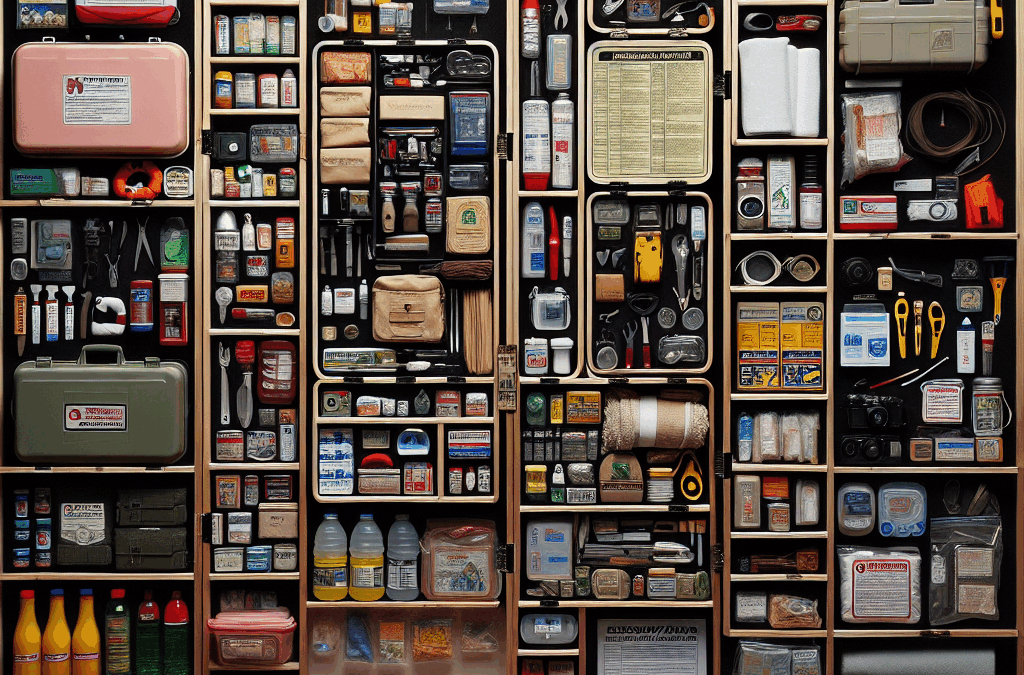
- 2. Building a Comprehensive Emergency Supply Kit
- 3. Staying Informed with Trusted Alerts and Notifications
- 4. Learning Basic First Aid Skills
- 5. Securing Your Home Against Disasters
- 6. Developing Financial Preparedness Strategies
- 7. Planning for Emergency Evacuations
- 8. Building Community Networks for Support
- 9. Regularly Updating Emergency Plans and Supplies
- 10. Utilizing Technology to Enhance Emergency Preparedness
1. Establishing a Family Emergency Plan
Creating Clear Communication Strategies
In 2025, being prepared for emergencies starts with a solid family emergency plan. The first step is to ensure everyone knows how to communicate during a crisis. This includes establishing a primary and secondary contact person, especially if family members are separated. It’s essential to teach children how to reach out to these contacts and agree on specific meeting points.
Developing this plan minimizes confusion and delays when disaster strikes. Practice drills at least twice yearly can help reinforce these procedures. Use mobile apps or emergency communication tools designed for this purpose to stay connected even when networks are congested.
Thank you for reading this post, don't forget to subscribe NOW for FREE!

Having a printed copy of the plan in your emergency kit and sharing it with trusted neighbors or friends can further enhance preparedness. Remember, the goal is to reduce panic and ensure smooth coordination when it matters most.
Designating Roles and Responsibilities
Each family member should be assigned specific rolesâwhether it’s gathering supplies, managing pets, or providing first aid. Clear responsibilities make the response more efficient. For example, older children or teenagers can be tasked with monitoring emergency alerts or checking on neighbors.
In 2025, integrating smart home devices can automatically alert designated individuals, streamlining responses. These tools can send preset messages or activate alarms if certain hazards are detected, ensuring everyone stays informed.
Having an understanding of each person’s strengths and limitations allows for better planning. Regularly discuss and review these roles to adapt to changing circumstances and improve overall readiness.
2. Building a Comprehensive Emergency Supply Kit
Key Items to Include for 2025
An emergency supply kit is the backbone of being prepared for emergencies. In 2025, it’s vital to include essential items like non-perishable food, water, medications, and hygiene supplies that can sustain your family for at least three days. Experts recommend having at least one gallon of water per person per day.
In addition, consider including digital backups of important documents, portable chargers, and a multi-tool. Advanced water filtration devices and portable solar chargers are increasingly popular in 2025, ensuring your supplies remain functional even during extended outages.
Review and replenish your kit every six months, checking expiration dates and updating supplies accordingly. Keeping your kit organized and accessible ensures you can grab it quickly when needed.
Specialized Equipment for Different Emergencies
Depending on your location, tailored supplies are essential. For instance, if you live in flood-prone areas, waterproof containers and protective gear are crucial. Mountain regions may require avalanche or winter storm preparedness kits.
Investing in technology like personal GPS devices, satellite phones, or emergency radios can improve communication and situational awareness. For families with pets, donât forget pet food, bowls, and comfort items.
Storing supplies in portable, clearly labeled containers helps in quick deployment. Remember, the key to effective preparedness in 2025 is proactive planning and the right equipment tailored to your specific environment.
3. Staying Informed with Trusted Alerts and Notifications
Using Mobile Alerts Effectively
In 2025, technological advances have made emergency alerts more accessible than ever. Signing up for local government alerts, weather warnings, and community notifications on your smartphone is crucial. Apps like FEMA, the National Weather Service, and local agencies offer real-time updates.
Set your devices to receive alerts even when in silent mode, ensuring you donât miss critical information. Test notifications regularly to confirm settings are correct. This proactive approach keeps you informed about emerging threats promptly.
Additionally, subscribing to multiple alertsâsuch as severe weather, health crises, or civil emergenciesâenhances your situational awareness. Combining these updates with home alert systems creates a multi-layered safety net.
Leveraging Social Media and Community Networks
Social media platforms like Twitter and Facebook are invaluable for real-time information during emergencies. Many agencies and community groups use these channels to broadcast updates. Following official pages can give you a heads-up on developing situations.
Building connections within your community on these platforms fosters trust and quick sharing of essential information. Be cautious to verify sources before acting on unconfirmed reports. Automation tools or alert bots can help filter critical news efficiently.
In 2025, integrating social media feeds with emergency apps creates a comprehensive network for staying informed and being prepared for emergencies.
4. Learning Basic First Aid Skills
Importance of First Aid Knowledge
Knowing basic first aid is a life skill that can make a significant difference in emergencies. In 2025, being prepared for emergencies includes being able to assist until professional help arrives. Proper training in CPR, wound care, or choking rescue can save lives.
Local community centers and online platforms now offer certified First Aid and CPR courses tailored for all ages. These sessions often include interactive simulations that prepare you for real-life scenarios.
Investing time in learning these skills boosts confidence and readiness. In a crisis, your immediate response can prevent complications or fatalities, especially when professional responders are delayed.
Updating and Practicing Skills Regularly
Skills can fade over time, so periodic refreshers are essential. In 2025, virtual training modules or augmented reality simulations provide flexible ways to practice. Scheduling quarterly drills with family members keeps everyone sharp.
Encourage everyone to keep a basic first aid manual in your emergency kit or digital device. Familiarity with these procedures ensures youâre ready to act confidently.
Remember, being prepared for emergencies isn’t just about suppliesâit’s about being capable of providing immediate help, which can be vital in saving lives.
5. Securing Your Home Against Disasters
Structural Assessments and Reinforcements
A resilient home is a cornerstone of being prepared for emergencies. In 2025, conducting regular structural assessments helps identify vulnerabilities like weak foundations or unsecured windows. Professional inspections can pinpoint areas needing reinforcement.
Adding storm shutters, reinforcing doors, and securing heavy furniture prevent injuries and property damage during hurricanes, earthquakes, or high winds. These small investments pay off during severe weather events.
Consider installing surge protectors and backup power sources such as generators or solar systems. These measures ensure critical systems stay operational even during outages.
Smart Home Technologies for Safety
Modern smart home devices play a vital role in emergency readiness. Smart alarms, surveillance systems, motion detectors, and connected security cameras help monitor potential threats.
In 2025, integrating these technologies with automation systems enables automatic alerts to your phone or local authorities when suspicious activity or hazards are detected. Such proactive measures improve overall safety.
Regularly update firmware and test these systems to ensure functionality. Being prepared for emergencies involves not only physical security but also leveraging technology to enhance safety protocols.
6. Developing Financial Preparedness Strategies
Building an Emergency Fund
Financial stability is a key component of being prepared for emergencies. In 2025, aim to build or maintain an emergency fund that covers at least 3-6 months of living expenses. This buffer provides peace of mind during unexpected events like job loss or medical emergencies.
Automate savings where possible and keep funds in easily accessible accounts. Avoid risky investments that could jeopardize liquidity when funds are needed quickly.
Budget wisely to regularly contribute to your emergency fund. Having financial reserves reduces stress and helps you focus on other preparedness aspects when disaster strikes.
Insurance Policies and Documentation
Review your insurance policies periodically to ensure adequate coverage for natural disasters, health issues, and property damages. Keep digital and physical copies of important documents, such as IDs, insurance policies, and property deeds, in a secure, accessible location.
In 2025, consider adding riders for newer risks like cyber threats or climate-related damages. Proper documentation facilitates swift claims processing and recovery efforts.
Maintaining up-to-date financial documents is crucial for efficient emergency response and recovery.
7. Planning for Emergency Evacuations
Creating Evacuation Routes and Checklists
Having a clear evacuation plan is vital for being prepared for emergencies. Map out multiple routes from your home to safe locations, considering traffic, road conditions, and potential obstacles.
Prepare a checklist of essential items to take, including documents, medications, and basic supplies. Practice evacuation drills with your family to ensure everyone knows their role and route.
Storing these plans and checklists in accessible locations or digital apps guarantees quick access during crises.
Transportation Considerations and Contingency Plans
Assess your transportation optionsâown vehicle, public transit, or alternative methods like bikes or walking. Keep your vehicle fueled and in good condition, and consider alternatives should your primary mode be unavailable.
Having a contingency plan, such as sharing rides with neighbors or knowing local shelter locations, enhances your preparedness. In 2025, ride-sharing apps and community groups can facilitate quicker evacuations.
Preparation ensures that, regardless of the emergency, your evacuation process is smooth and stress-free.
8. Building Community Networks for Support
Engaging with Neighbors and Local Groups
Strong community ties are crucial for being prepared for emergencies. In 2025, participating in neighborhood safety meetings, online groups, or local CERT programs enhances collective resilience.
Sharing resources, information, and aid responsibilities can create a safety net. For instance, neighbors with medical expertise can assist in first aid, while others can help with child care or pet management.
Building trust and communication channels ensures swift collaboration during crises. Conducting joint drills or workshops can increase overall preparedness.
Creating Support Systems for Vulnerable Populations
Ensure that vulnerable membersâelderly, disabled, or those with special needsâare integrated into your communityâs emergency plans. Developing tailored strategies and assigning dedicated helpers can make a big difference.
In 2025, leveraging technology like alert systems and community apps helps coordinate support and ensure everyoneâs safety during disasters. These efforts strengthen resilience and ensure no one is left behind.
A connected community makes being prepared for emergencies more effective and comforting for all members.
9. Regularly Updating Emergency Plans and Supplies
Periodic Reviews and Adjustments
Emergency preparedness isnât a one-time task but an ongoing process. In 2025, set reminders to review your plan every six months. Update contact information, inventory supplies, and revise procedures as needed.
Changes in family structure, health, or location should prompt updates. Stay informed about new threats or regulations that may affect your emergency strategy.
Regular reviews prevent outdated plans, ensuring your readiness remains high.
Replenishing and Maintaining Supplies
Check expiration dates on food, medications, and batteries regularly. Keep supplies organized and some items in portable containers for quick access.
In 2025, consider including rechargeable batteries, renewable energy sources, and eco-friendly products to align with sustainability efforts. Keeping a detailed inventory helps avoid unnecessary purchases and last-minute scrambling.
Maintaining current supplies and plans ensures that your preparedness remains effective and stress-free in actual emergencies.
10. Utilizing Technology to Enhance Emergency Preparedness
Smart Devices and Apps for Safety
Technological advancements in 2025 offer powerful tools for being prepared for emergencies. Smart smoke detectors, leak sensors, and security systems provide real-time alerts to your mobile device.
Apps designed for emergency management, such as disaster mapping or safety checklists, streamline your response efforts. Voice-activated devices can set reminders, and wearable tech can monitor vital signs during a crisis.
Investing in these tools enhances your ability to respond swiftly and efficiently. Ensuring all devices are up-to-date and functioning optimally is an essential part of your preparedness strategy.
Leveraging Data and AI for Risk Assessment
Artificial intelligence and data analytics are increasingly used to predict and model emergency scenarios in 2025. These insights help you identify vulnerabilities and plan accordingly.
Utilize online dashboards, weather prediction tools, and local hazard maps to stay ahead of potential disasters. Incorporating these technologies into your planning allows for proactive adjustments.
Being aware of tech-driven risk management options makes a significant difference in comprehensive emergency preparedness.
Conclusion
In 2025, being prepared for emergencies is more critical than ever. With a proactive approach that includes creating detailed plans, building emergency kits, leveraging technology, and engaging with your community, you can significantly reduce risks and enhance safety. Remember, preparedness is an ongoing processâregular updates and continuous learning are key. By following these strategies, youâll be better equipped to handle whatever challenges come your way, ensuring security and peace of mind for you and your loved ones. Stay safe and stay prepared for emergencies in 2025!
Frequently Asked Questions
1. Why is being prepared for emergencies important in 2025?
With increasing climate disruptions, technological risks, and urban challenges, being prepared for emergencies in 2025 is vital to protect your family and assets. Proper planning minimizes chaos and ensures quick, effective responses during crises.
2. How often should I review my emergency plan?
Itâs recommended to review and update your emergency plan at least twice a year. Changes in family circumstances, new threats, or updated technology should prompt revisions to keep your plan current.
3. What are the top items to include in an emergency supply kit?
Essentials include water, non-perishable food, medications, first aid supplies, flashlight, batteries, hygiene items, important documents, and a multi-tool. Consider adding digital backups and solar chargers for 2025.
4. How can I stay informed about emergencies in my area?
Sign up for local alerts on your smartphone, follow trusted social media accounts, and use official apps from government agencies. Regularly testing alert systems ensures you receive timely notifications.
5. What role does community play in emergency preparedness?
Community networks provide mutual support, resource sharing, and coordinated response efforts. Building strong local relationships enhances overall resilience and ability to respond effectively during emergencies.



