
In our unpredictable world, emergencies can strike at any moment. Whether it’s a natural disaster like a hurricane or an unexpected event such as a power outage, being prepared can make all the difference. In this blog post, we will explore ten essential steps to ensure you and your loved ones are ready to face any situation that may arise.
### Assessing Your Risks: Know Your Threats
The first step in emergency preparedness is understanding the specific risks associated with your location. Are you in a flood zone? Is wildfires a concern? Take time to research potential threats in your area. Knowing what you’re up against enables you to tailor your emergency plans effectively.

### Building Your Emergency Kit: What to Include
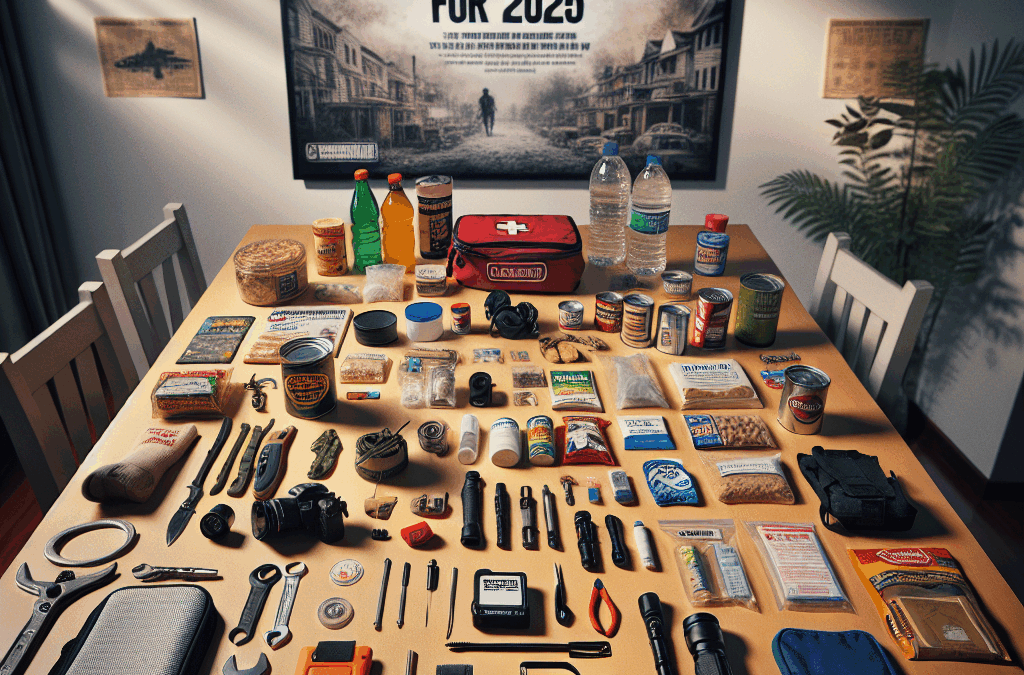
An emergency kit is your lifeline during a crisis. Start by gathering supplies that can sustain you and your family for at least three days. Essentials include non-perishable food, water (one gallon per person per day), first aid supplies, flashlights, batteries, and important documents. Don’t forget personal items like medications and baby necessities if applicable—these small additions can significantly ease stress during chaotic times.
### Creating a Family Emergency Plan: Communication and Evacuation
Once you’ve assessed risks and assembled your kit, it’s time to create a comprehensive family emergency plan. Discuss communication protocols so everyone knows how to reach one another if separated. Designate safe meeting points and map out evacuation routes from your home and neighborhood. Practice these scenarios regularly; familiarity breeds confidence.
### Staying Informed: Essential Resources and Alerts
Knowledge is power when it comes to emergencies. Sign up for local alerts regarding severe weather or other emergencies through apps or governmental websites. Keep a battery-operated radio on hand for updates when the power goes out; staying informed will help you make critical decisions quickly.
Thank you for reading this post, don't forget to subscribe NOW for FREE!

### Preparing Your Home: Safety Measures and Supplies
Take proactive steps to fortify your home against disasters. Install smoke detectors on every level of the house, check fire extinguishers regularly, and secure heavy furniture to walls to prevent tipping during earthquakes or storms. Stockpile additional supplies like blankets, duct tape, tarps, and extra batteries—these items can prove invaluable in various situations.
### Emergency Contact List: Who to Reach Out To
Compile an emergency contact list that includes family members, friends living nearby, neighbors, and relevant authorities (like local police or fire departments). Ensure each household member has access to this list—consider keeping digital copies on mobile devices as well as printed versions stored within easy reach.
### Training and Drills: Practice Makes Perfect
Preparation doesn’t stop at planning; practice makes perfect! Schedule regular drills with your family so that everyone knows what actions to take in case of different emergencies—whether it’s evacuating due to fire or sheltering in place during extreme weather conditions. The more familiar everyone becomes with the procedures, the smoother responses will be when real crises occur.
### Special Considerations: Preparing for Pets and Seniors
Don’t overlook vulnerable members of your household! If you have pets or elderly relatives living with you, develop specific plans tailored for them too—think about their needs regarding evacuation routes or necessary medical care during an emergency situation.
## Conclusion: Staying Proactive and Resourceful in Crisis Situations
Being prepared is not just about having supplies; it’s about cultivating awareness and resilience within yourself and those around you. By taking these ten essential steps toward emergency preparedness today, you’re investing in peace of mind for tomorrow. Remember—the best defense against uncertainty lies in thorough preparation!



