
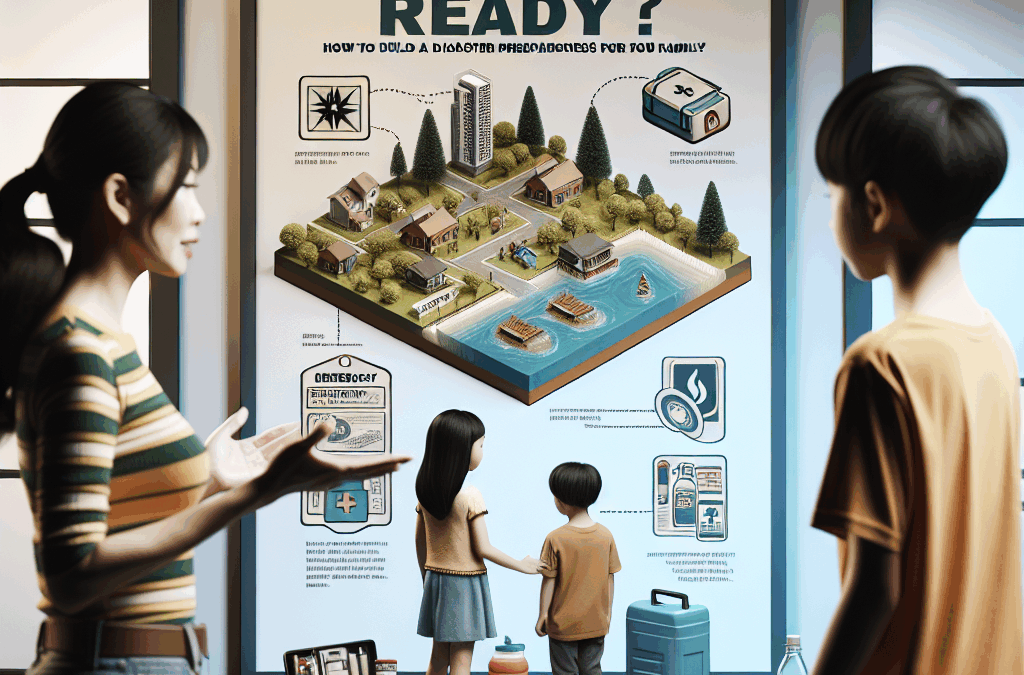
When it comes to disaster preparedness, the first question you should ask yourself is: Are you ready? Disasters can strike without warning, and being prepared could mean the difference between chaos and calm. Building a solid disaster preparedness plan for your family is not just advisable; it’s essential.
*Understanding the Risks: Identifying Potential Disasters in Your Area**
The journey to readiness begins with understanding what you’re up against. Each region has its unique set of risks. Is your area prone to hurricanes, earthquakes, wildfires, or flooding? Take some time to research local hazards—check with your city’s emergency management office or review resources from organizations like FEMA. Additionally, consider secondary threats such as power outages or civil unrest that could arise in conjunction with these primary disasters. Knowing these risks will inform all subsequent steps in your preparedness plan.

*Creating a Comprehensive Emergency Kit: Essentials for Every Family**
Next on the agenda is assembling an emergency kit that caters specifically to your family’s needs. Think of this as your lifeline during a disaster! Start with the basics: water (one gallon per person per day for at least three days), non-perishable food items (enough for at least three days), and a battery-powered or hand-crank radio. Include flashlights, extra batteries, first aid supplies, and hygiene products like soap and toilet paper.
Don’t forget important documents such as insurance policies and medical records; keep them in a waterproof container. Tailor your kit further by including medications, baby supplies if applicable, pet food if you have furry friends, and even comfort items like games or books for children. Regularly check expiration dates and refresh items as needed—an outdated kit does no one any good!
*Developing a Communication Plan: Staying Connected During a Crisis**
In times of crisis, communication breaks down easily amidst panic and confusion. That’s why having a well-thought-out communication plan is crucial. First off, discuss how family members can reach each other during emergencies—designate an out-of-town contact who everyone can check-in with if local lines are overwhelmed.
Thank you for reading this post, don't forget to subscribe NOW for FREE!

Consider establishing meeting points both near home and further away in case evacuation is necessary. Make sure everyone knows how to access social media platforms or text messaging services since these often remain operational when phone lines are congested.
*Practicing Your Plan: Importance of Drills and Family Meetings**
A plan isn’t effective unless everyone knows how to implement it—this is where practice comes into play! Schedule regular family meetings to discuss roles during different types of emergencies; this ensures that everyone understands their responsibilities.
Conduct drills so that actions become second nature—you wouldn’t want panic to take over when every second counts! Whether it’s practicing fire evacuations or simulating tornado sheltering procedures, rehearsals help eliminate uncertainty.
*Staying Informed: Resources for Ongoing Preparedness Education**
Finally, staying informed is vital for ongoing preparedness education. Subscribe to emergency alerts through local news outlets or government agencies—staying updated allows you to react swiftly when needed. Consider joining community preparedness groups where you can learn valuable skills like first aid or CPR while networking with others who share similar concerns.
In conclusion, crafting a comprehensive disaster preparedness plan requires diligence but pays off immensely when faced with adversity. By understanding risks specific to your area, assembling an emergency kit tailored for your family’s needs, developing clear communication strategies, practicing regularly through drills—and continuously seeking educational resources—you’ll cultivate resilience within your household that will benefit you all in times of need! Remember: It’s better to be prepared than caught off guard!



