
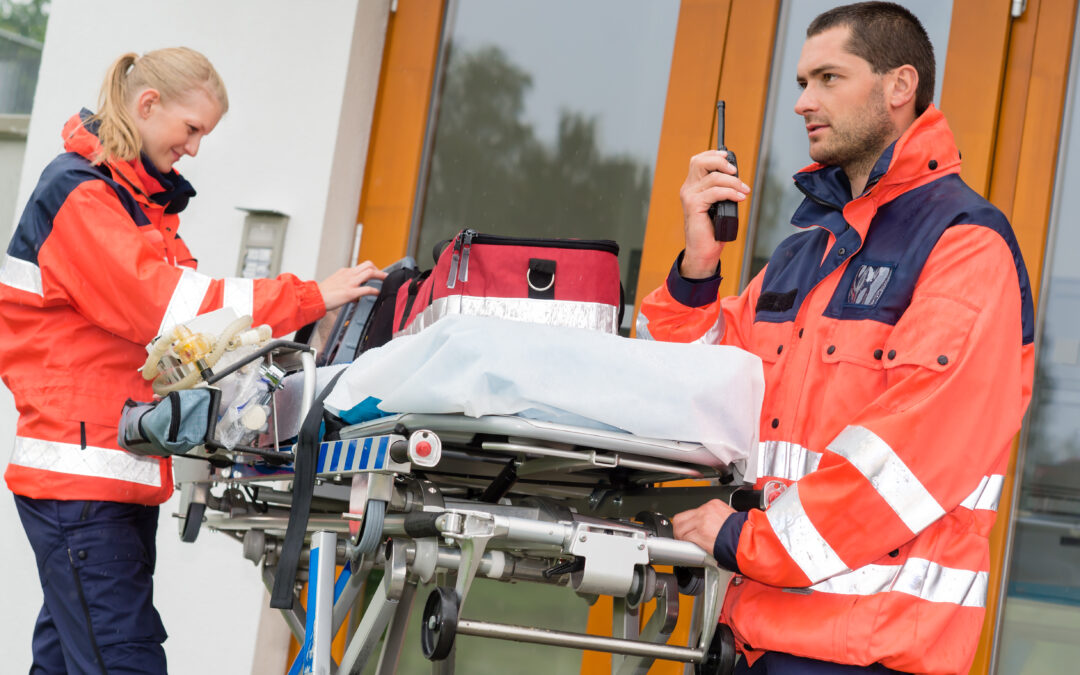
When disaster strikes, the minutes that follow can feel like a lifetime. Whether it’s a natural calamity or an unexpected emergency, being prepared can make all the difference. In this guide, we’ll delve into crucial steps for ensuring you and your loved ones are ready when it matters most.
*Understanding the Risks: Assessing Your Vulnerabilities**
The first step in effective emergency preparedness is understanding the unique risks you face. Are you living in an area prone to earthquakes, hurricanes, floods, or wildfires? Each region has its own set of vulnerabilities. Take time to evaluate your surroundings and consider factors such as local climate patterns, historical events, and even infrastructure weaknesses. Don’t overlook personal vulnerabilities as well—think about family members who might need extra assistance or those with medical conditions requiring special attention during emergencies. Knowledge is power; identifying these risks will guide your preparedness efforts.

*Creating a Comprehensive Emergency Plan**
A solid emergency plan serves as your roadmap during crises. It should outline specific steps for various scenarios—evacuations, shelter-in-place orders, and communication protocols. Start by designating meeting points both locally and away from home where family members can regroup if separated. Make sure everyone knows how to reach one another using multiple communication methods—cell phones may fail during disasters. Include information about nearby shelters and resources that could provide assistance in times of need.
Involve every member of your household in crafting this plan; their input ensures a more comprehensive perspective on potential challenges and solutions. Regularly review the plan together so everyone stays informed and confident in their roles during an emergency.
*Building Your Emergency Kit: Essentials for Every Household**
An effective emergency kit could be your lifeline when disaster occurs. Begin with the basics: water (one gallon per person per day), non-perishable food items, medications, first-aid supplies, flashlights with extra batteries, and sanitation needs like wipes or soap. Don’t forget important documents—consider keeping copies of insurance information and identification sealed in waterproof bags.
Thank you for reading this post, don't forget to subscribe NOW for FREE!

Tailor your kit to reflect individual family needs; include baby supplies if you have young children or pet essentials if furry friends are part of your household. Regularly inspect your kit to ensure perishables remain fresh and items stay functional—nothing undermines preparedness faster than outdated supplies!
*Communication Strategies: Staying Connected in Crisis**
In today’s world filled with technology, maintaining communication is essential during emergencies but can be challenging when systems fail or networks become overloaded. Establish clear protocols for staying connected with family members—this may include utilizing group text messages or social media check-ins when standard methods falter.
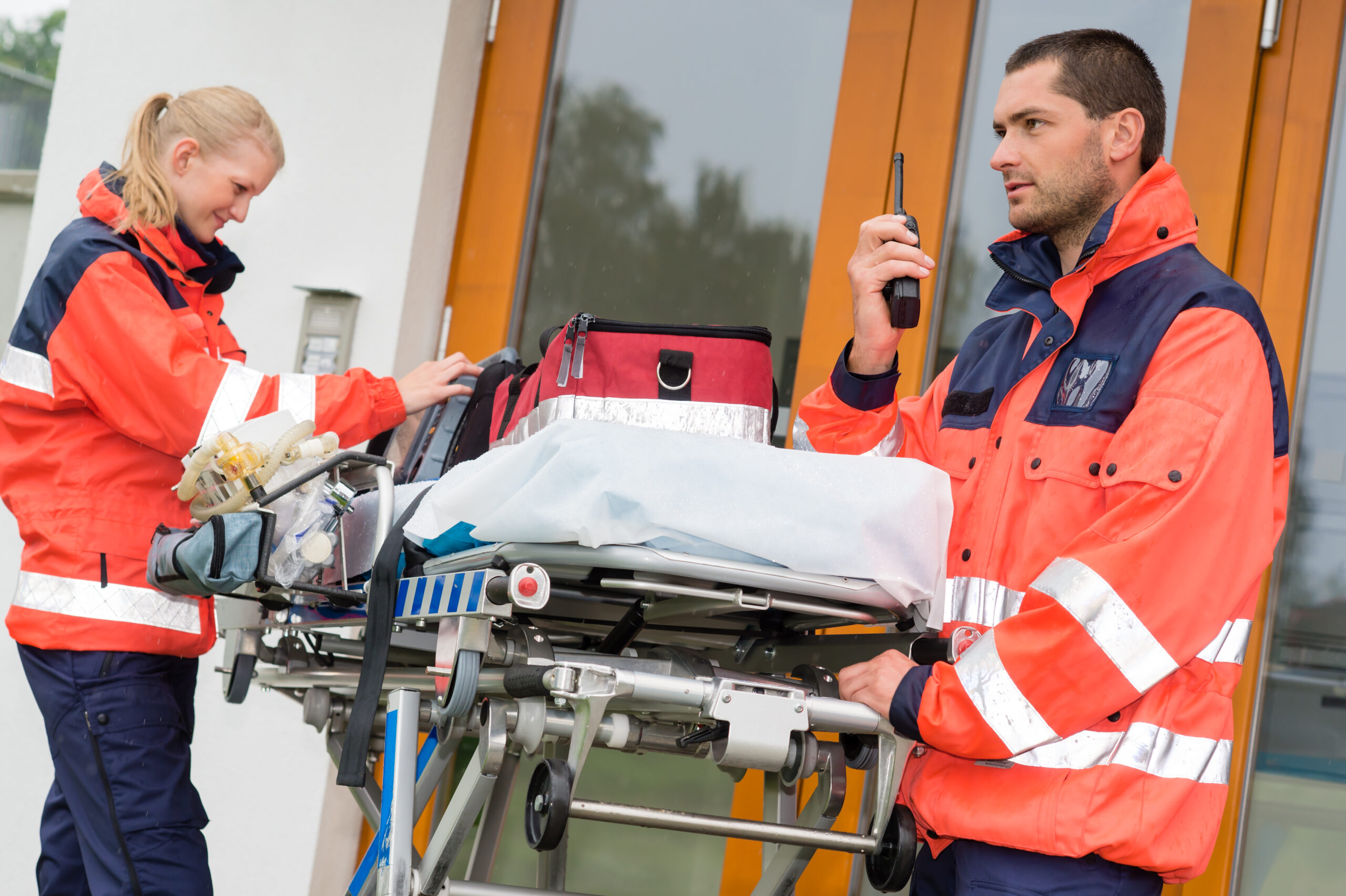
Consider investing in walkie-talkies or ham radios for scenarios where cell service might be disrupted entirely. Designate an out-of-town contact who can relay information between separated loved ones—a reliable way to bridge gaps created by chaos.
*Regular Drills and Updates: Keeping Your Preparedness Plan Fresh**
Preparedness isn’t just a one-time task; it requires ongoing commitment! Schedule regular drills to practice evacuations or sheltering techniques so everyone knows what to do without hesitation when real emergencies strike. These drills instill confidence while highlighting areas needing improvement within your plan.
Moreover, revisit your emergency strategy periodically—changes in circumstances such as new family members or relocations warrant updates to ensure continued effectiveness. The more familiar everyone becomes with the plan through practice and discussion, the better equipped they’ll be when faced with uncertainty.
By implementing these key steps into your routine planning now, you’ll cultivate resilience that extends beyond yourself—it will create a safer environment for all around you! So ask yourself today: are you truly ready?
Related Content
- 5 Essential Steps to Disaster Preparedness: Are You Ready
- Developing Resilience Through Positive Preparedness
- 5 Essential Steps to Disaster Preparedness: Are You Ready
- The Ultimate Guide to 10 Effective Emergency Backup Plans for 2025
- The Ultimate Guide to an Effective Emergency Communication Plan in 2025



