
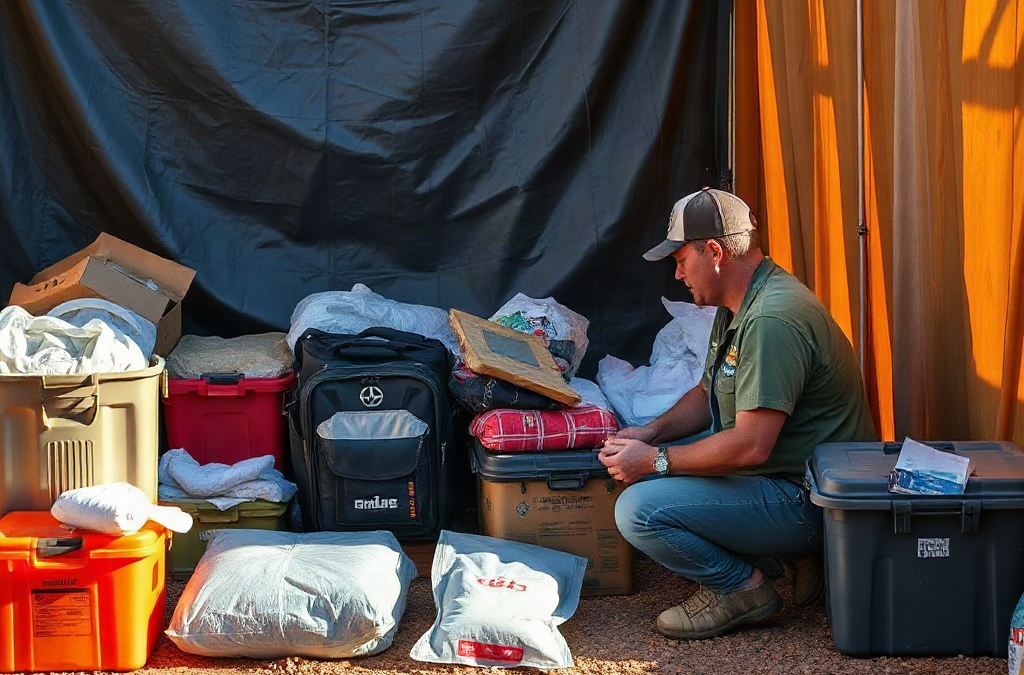
Preparedness for effective response under resource limits depends on prioritizing life safety, reliable communication, essential supplies, and simple decisions that still work when time, money, power, or personnel are scarce. A useful approach identifies the few actions that reduce the greatest risk, assigns responsibilities before disruption, and substitutes low-cost, repairable resources for fragile specialized equipment. Stored water, medication access, lighting, contact information, and practiced shutdown or evacuation steps usually deserve attention before convenience items. Plans fail when they assume uninterrupted communications, unlimited fuel, or a single capable responder, so each critical task needs a low-tech backup and a clear trigger for changing course.
What Resource Limits Change in a Response
Limited resources change response work from a simple checklist into a sequence of choices. A household, volunteer group, or small organization may face insufficient staff, restricted transport, weak communications, limited cash, or supplies that cannot be replaced quickly. Under those conditions, the first question is not whether every need can be met. It is which action protects life, preserves decision-making capacity, or prevents a manageable problem from becoming harder to control.
Scarcity creates practical dependencies. A person who needs medication may also need refrigeration, transport, a prescription record, and a way to contact a provider. A building evacuation may depend on lighting, accessible routes, keys, mobility assistance, and someone who knows who has left. Treating each item separately produces false confidence. Mapping the chain exposes the point most likely to fail and allows a cheaper substitute to be prepared.
For example, a battery-powered radio is useful only if someone knows how to interpret official instructions and relay them to people without access to the broadcast. A vehicle may expand options, but it also consumes fuel and can become unavailable because of blocked roads. Cash may help when payment systems fail, while storing too much cash introduces security concerns. Resource-aware preparedness weighs these tradeoffs rather than labeling one product as universally essential.
A practical first exercise is to describe the response in time blocks: the first minutes, the first day, and the period when outside help may be delayed. Compare the actions in that sequence with what is actually available. Preparedness for effective response under resource limits is strongest when it records assumptions, names alternatives, and shows who acts if the preferred option disappears.

How to Set Priorities Before Supplies Run Short
Priority setting should follow consequences, time sensitivity, and substitution difficulty. Life-threatening hazards and urgent medical needs come before comfort, convenience, or long-term optimization. A resource that is inexpensive but unavailable locally during a disruption may deserve earlier attention than a more sophisticated item that can be obtained later. The aim is not to own everything; it is to protect the functions that cannot safely pause.
Use a short ranking process for each likely scenario. Identify the harm, the first decision that limits it, the resource needed, and the fallback if that resource is missing. Water, essential medicines, safe temperature control, lighting, sanitation, and a method for receiving verified instructions often rise near the top. The order changes by setting: a rural property may prioritize fuel and vehicle access, while an apartment may place greater emphasis on stairwell lighting, building contacts, and shelter-in-place conditions.
- Protect first: people facing immediate danger, serious medical needs, and safe movement away from hazards.
- Preserve next: water, sanitation, food preparation, communications, power for critical devices, and access information.
- Improve later: comfort supplies, specialized tools, redundancy beyond the most likely failure points, and convenience upgrades.
Consider two approaches to food. Buying a large quantity of unfamiliar products may appear efficient, but it can waste money if no one eats them, if cooking requires unavailable fuel, or if storage conditions are poor. A smaller rotation of ordinary shelf-stable foods, a manual opener, and a simple cooking alternative may provide more usable capacity. The same principle applies to equipment: a basic flashlight with spare batteries and a known storage place may be more dependable than a complex device that is rarely tested.
A common failure is treating the purchase price as the full cost. Maintenance, replacement dates, training time, space, and disposal all consume resources. Keep a written priority list and fund it in order. When an item is postponed, record the risk it leaves open and select a temporary workaround rather than assuming the gap does not matter.
Building Low-Resource Communication and Decision Systems
Communication systems must continue when the preferred channel is overloaded, unpowered, or inaccessible. Effective preparation combines a primary method with simpler backups: charged phones when networks work, text messages when calls are congested, printed contact details when devices fail, and a prearranged meeting or check-in process when electronic contact is impossible. The system should specify who contacts whom, what information is sent, and when a missed check-in changes the next action.
Short messages reduce confusion. A useful status message can state the person’s location, immediate condition, intended destination, and next check-in time. Printed information should include addresses, medical details that responders may need, emergency contacts, building access information, and instructions for critical equipment. Store copies where they can be reached without relying on a single phone or online account, while protecting sensitive information from unnecessary exposure.
Decision rules are equally valuable. A group may agree that smoke, rising water, a confirmed evacuation order, or loss of safe indoor temperature triggers movement or a call for assistance. Such rules reduce debate during stress, but they should not replace current instructions from emergency authorities. Local conditions can make a previously safe route dangerous, so every trigger needs an exception: if the route is blocked, use the designated alternative or seek official direction.
Imagine a small household with one vehicle, limited fuel, and a member who uses a mobility aid. A strong system does not merely say “evacuate if needed.” It identifies the accessible exit, confirms who carries essential documents, decides which destination can receive the household, and sets a fuel threshold for leaving before roads become crowded. If the vehicle fails, the plan names a neighbor, transit contact, or emergency assistance route rather than leaving the most vulnerable person as an afterthought.
Communication plans often fail because they depend on one technically confident person. Rotate responsibility and test the process with a dead phone, missing contact, or unavailable meeting place. Preparedness for effective response under resource limits should make the next action understandable to the least experienced person who may need to carry it out.
Practicing, Reviewing, and Adapting the Response
Practice turns stored capability into usable capability. A response plan may look complete on paper yet fail when a key is missing, a flashlight has depleted batteries, a route includes stairs, or a person cannot remember the code for an account. Short, realistic drills reveal these defects at lower cost than discovering them during an actual disruption.
Begin with one narrow scenario and one measurable task. Turn off normal lighting briefly and locate the emergency lights. Rehearse sending the agreed status message. Pack the items needed for a medical appointment or evacuation and check how long movement actually takes. Test a cooking method without relying on the usual appliance, but follow the equipment instructions and avoid unsafe indoor fuel use. The purpose is not theatrical simulation; it is finding friction that can be removed.
Review the result using observations rather than impressions. Ask what was unavailable, what took too long, which instruction was ambiguous, and what created unnecessary consumption. A plan is improving when people can find supplies quickly, explain the first two decisions, and use the backup communication method without improvising key details. It is failing when tasks remain assigned to absent individuals, supplies are scattered, or everyone assumes another person has checked on a vulnerable neighbor.
Budget limits make maintenance especially important. Label storage locations, inspect batteries and water containers on a recurring schedule, rotate food into normal use, and update contacts after moves or job changes. Keep a modest reserve for replacement rather than spending the entire budget on initial purchases. Low-cost tools can be effective, but only when they are compatible with the people, environment, and skills available.
Review the plan after a near miss, household change, seasonal hazard, or failed drill. Avoid adding complexity to correct every weakness. Remove steps that no longer serve a clear purpose, combine supplies where safe, and strengthen the single dependency that could stop the whole response. For more planning context, Preparedness for effective response under resource limits should remain a living record of decisions and limits, not a document stored and forgotten.
Frequently Asked Questions
What should receive priority when money is limited?
Address immediate hazards, essential medicines, water, sanitation, lighting, communication, and the ability to leave or shelter safely before buying comfort or specialty items.
How can a response plan work without internet access?
Keep printed contacts and instructions, establish check-in times and meeting places, and practice a low-tech alternative such as voice radio or an in-person relay where appropriate.
Why are backup plans necessary for basic supplies?
Water, power, transport, and communications can fail together. A backup reduces dependence on one device, supplier, route, or person and exposes fewer single points of failure.
How often should preparedness arrangements be tested?
Use short checks throughout the year and repeat a drill after major household, workplace, seasonal, or equipment changes. Test the tasks people will actually perform.
What indicates that a resource-limited plan is too complicated?
If people cannot explain the first actions, find supplies quickly, or continue when one person or device is unavailable, simplify the sequence and strengthen the most consequential backup.
Further Reading
Authoritative Sources
- Ready.gov
ready.govOffers official preparedness information on alerts, communications, supplies, household planning, and disaster-specific actions
- FEMA National Preparedness
fema.govProvides government resources for building capabilities, coordinating response, and considering community-level constraints
- American Red Cross Emergency Preparedness
redcross.orgProvides practical household advice for emergency kits, communication, evacuation, and caring for household members
Conclusion
Effective response under resource limits comes from disciplined prioritization rather than an oversized supply collection. Protect immediate life safety, essential medical needs, water, sanitation, usable communication, and safe movement first. Then examine the dependencies behind each function: fuel, charging, transport, access, skills, and the person expected to act. Choose affordable resources that can be maintained and used correctly, and pair every critical capability with a practical fallback. A short drill will reveal more than an untested binder, especially when it includes a blocked route, a missing phone, or an unavailable helper. Review the results, correct the most consequential gap, and keep the plan current as people, hazards, and available resources change.
Related Content
- The Ultimate 2025 Guide to Preparedness for Biological Threats: Top Strategies & Tips
- Emergency Response Essentials: Key Supplies and Actions for Effective Crisis Management
- Developing Resilience Through Positive Preparedness
- The Fundamentals of Wilderness Survival Skills
- Long Term Emergency Supplies Checklist: Essential Items for Preparedness




